Patient Testimonial: Dwayne Bull says, “I could never find words to express how thankful and how grateful I am”, After Dr. Mangla, his team, and the Jamaica Hospital Staff Save His Husband Arthur’s Life

“I could never find words to express how thankful and how grateful I am”, is what Dwayne Bull said after his husband Arthur’s surgery at Jamaica Hospital Medical Center. On September 11th, 2024, Mr. Arthur Dower Bull took a short walk with his husband Dwayne to shop in their neighborhood. After about a block of walking, Arthur began to show signs of passing out. At that moment, Dwayne immediately called 911. Leading up to that moment Arthur passed out, Dwayne explained, “Arthur had been complaining about pain in his left leg and shortness of breath since having two surgeries two weeks prior.” The ambulance arrived and Arthur was taken to Jamaica Hospital Medical Center.

Arthur was being evaluated in the ER while Dwayne waited for news on his condition in the waiting room. A doctor approached Dwayne and told him that Arthur’s heart had stopped and he had to be revived. When the doctor told him that, Dwayne said, “My heart stopped, and I had never experienced that mental state in my life.” Dwayne recounted seeing a team of people standing over Arthur attempting to revive him again. He says, “I felt the pain of losing someone for the first time in my life and the hardest part was not being able to do anything about it.” For Dwayne, sitting in the waiting room feeling alone, nervous, and scared and not knowing what was happening, was the hardest thing for him.

Then, Dr. Aditya Mangla appeared. Dwayne recalls that Dr. Mangla was “extremely calm” and had a “positive presence about him”. “He gave me peace”, said Dwayne. Dr. Mangla told Dwayne that Arthur had blood clots in his lungs and blood stopped flowing to his heart. He expressed that if he did not perform immediate surgery Arthur wouldn’t make it and if he does perform the surgery, there still might be a chance that he wouldn’t make it because of the severity of his condition. Dr. Mangla told Dwayne there was a “30% chance that Arthur could survive the surgery”. Dwayne says Dr. Mangla, “assured me that he was extremely knowledgeable in this area of medicine and that he and Arthur were in the right place.”

Dr. Mangla allowed Dwayne to see Arthur one last time before surgery. Dr. Mangla told Dwayne, “I will treat him like he’s one of mine”. Dwayne waited in the waiting room for 90 minutes but remained positive because he knew Arthur was in good hands due to Dr. Mangla’s sincerity and level of experience. Then Dr. Mangla appeared with a certainty and enduring smile expressing that the surgery was successful. He then showed Dwayne pictures of the blood clots that were removed from Arthur’s lungs. When Dwayne finally got to see Arthur after the surgery, Arthur’s first words to him were, “You’re here.”

Dwayne would like to thank Dr. Mangla for the impeccable service he received. “Dr. Mangla is an angel,” Dwayne said. He would also like to thank Dr. Mangla’s team, the ICU nurses, and the rest of the hospital staff. “The hospital should be given an award.”

Dwayne and Arthur moved here from California last year and have been enjoying the sights and culture of the city. Thanks to Dr. Mangla, his team, and the hospital staff, they can continue to do so. “Dr. Mangla saved the life of my loved one. I wanted to say thank you, and I will never forget your unconditional support or allowing God to use you by the power of prayer.”

All content of this newsletter is intended for general information purposes only and is not intended or implied to be a substitute for professional medical advice, diagnosis or treatment. Please consult a medical professional before adopting any of the suggestions on this page. You must never disregard professional medical advice or delay seeking medical treatment based upon any content of this newsletter. PROMPTLY CONSULT YOUR PHYSICIAN OR CALL 911 IF YOU BELIEVE YOU HAVE A MEDICAL EMERGENCY.

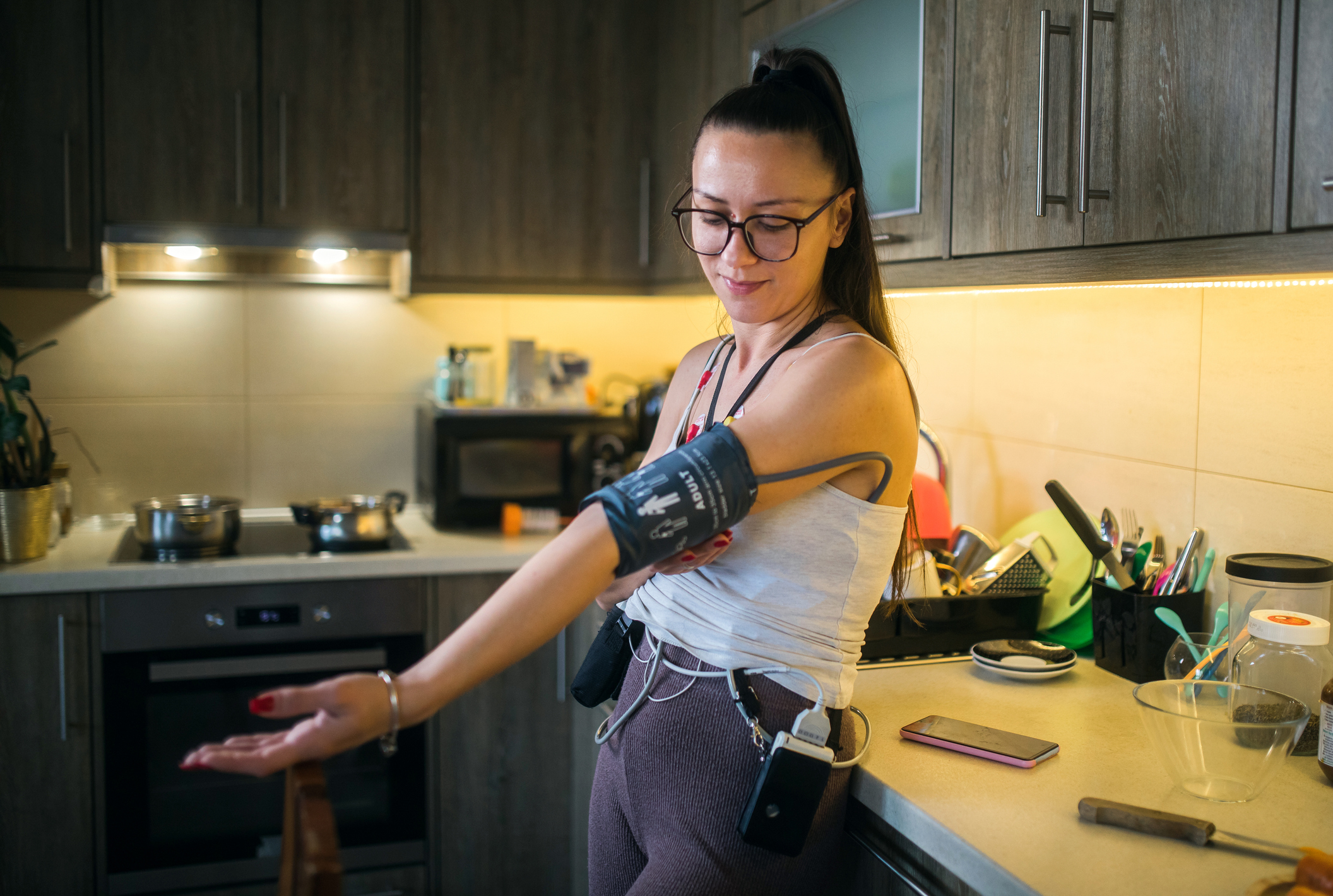
Holter Monitor

A Holter monitor is a small, wearable electrocardiogram (ECG) that records the heart’s electrical activity over 24 hours or longer while you’re away from your healthcare provider’s office.

A standard or resting ECG is one of the simplest and fastest tests to check the heart. Holter monitor tests may be done if a traditional electrocardiogram (ECG or EKG) doesn’t provide enough details about the heart’s condition. Some personal devices like smartwatches offer electrocardiogram monitoring. Ask your healthcare professional if this is an option for you.

Some reasons you might need to wear a Holter monitor or why your healthcare provider may ask you to wear one include:

  • To evaluate symptoms that may be heart-rhythm-related. Symptoms can include:
    • Chest pain
    • Tiredness
    • Shortness of breath
    • Dizziness
    • Fainting
  • To identify irregular heartbeats or palpitations
  • To assess your risk for future heart-related events in certain conditions. These conditions can include thickened heart walls or hypertrophic cardiomyopathy after a heart attack that causes weakness of the left side of the heart. This is called Wolff-Parkinson-White syndrome. In this syndrome, an abnormal electrical conduction pathway exists in the heart.
  • To see how well a pacemaker is working
  • To find out how well treatment is working for complex abnormal heart rhythms
  • To see how fast or slow your heart rate gets during the day and if you have any pauses in your heart rhythm

While you wear a Holter monitor, you can do most daily activities unless you have instructions to avoid certain things. You may be given a form to record your activities and any symptoms. It’s important to note if and when you have any of the following symptoms:

  • Pounding, fluttering, or skipped heartbeats
  • Shortness of breath
  • Chest pain
  • Lightheadedness

After the allotted time with the Holter monitor, your healthcare provider will review the test results and discuss them with you. Information from Holter monitor testing can show if you have a heart condition and if any medicines you currently take aren’t working.

If you didn’t have any irregular heartbeats while you wore the monitor, you may need to wear a wireless Holter monitor or an event recorder. These devices can be worn longer than a standard Holter monitor. Event recorders are similar to Holter monitors and require you to push a button when you feel symptoms. There are several different types of event recorders.

If you are experiencing any symptoms that may be heart-rhythm-related, you can schedule an appointment at Jamaica Hospital Medical Center’s Cardiology Department by calling (718) 206-7100. If you are experiencing an emergency, please call 911 right away.

All content of this newsletter is intended for general information purposes only and is not intended or implied to be a substitute for professional medical advice, diagnosis or treatment. Please consult a medical professional before adopting any of the suggestions on this page. You must never disregard professional medical advice or delay seeking medical treatment based upon any content of this newsletter. PROMPTLY CONSULT YOUR PHYSICIAN OR CALL 911 IF YOU BELIEVE YOU HAVE A MEDICAL EMERGENCY.

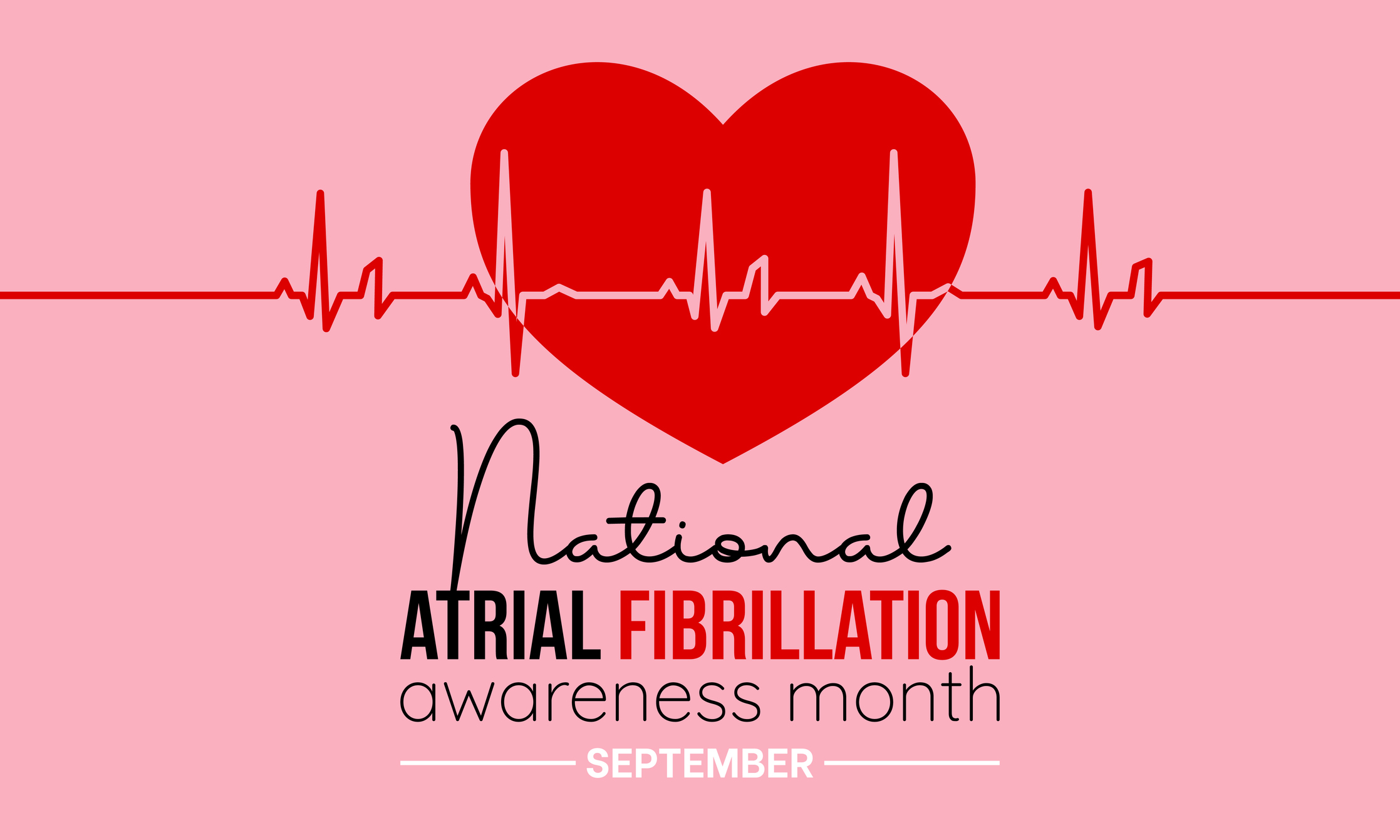
National Afib Awareness Month

September is National Afib Awareness Month. Afib stands for atrial fibrillation, a type of arrhythmia or abnormal heartbeat. During Afib, the heart’s upper chambers, or the atria, beat chaotically and irregularly. They beat out of sync with the lower heart chambers, the ventricles.

Afib can lead to blood clots in the heart. It also increases the risk of stroke, heart failure, and other heart-related complications.

It usually isn’t life-threatening, but it is a serious medical condition that needs proper treatment to prevent serious health issues.

There are many symptoms of Afib, they can include:

  • Feelings of a fast, fluttering, or pounding heartbeat
  • Chest pain
  • Dizziness
  • Fatigue
  • Lightheadedness
  • Reduced ability to exercise
  • Shortness of breath
  • Weakness

People can experience three types of Afib, including:

  • Paroxysmal Afib
  • Persistent Afib
  • Long-standing persistent Afib

The most common cause of Afib is problems with the heart’s structure. Other health problems and heart diseases that can cause Afib include:

  • A congenital heart defect
  • Sick sinus syndrome
  • Obstructive sleep apnea
  • Heart attack
  • High blood pressure
  • Lung diseases, including pneumonia
  • Coronary artery disease
  • Thyroid diseases
  • Infections from viruses

Many factors can increase your risk of Afib, including:

  • Age
  • Caffeine, nicotine, or illegal drug use
  • Drinking too much alcohol
  • Changes in the level of body minerals
  • Family history
  • Long-term health conditions
  • Obesity
  • Some medicines and supplements

Healthy lifestyle choices can reduce the risk of heart disease and prevent Afib. Some basic heart-healthy tips include:

  • Controlling high blood pressure, high cholesterol, and diabetes
  • Not smoking or using tobacco
  • Eating a diet that is low in salt and saturated fat
  • Exercising at least 30 minutes a day at least five days a week
  • Getting at least seven to nine hours of sleep a day
  • Maintaining a healthy weight
  • Reducing and managing stress

Afib is diagnosed when a healthcare provider examines you and asks questions about your medical history and symptoms. Tests may be done to look for conditions causing irregular heartbeats such as heart disease or thyroid disease, including:

  • Blood tests
  • ECG or EKG
  • Holter monitor
  • Event recorder
  • Implantable loop recorder
  • Exercise stress tests
  • Chest X-ray

The goals of Afib treatment are to reset and control the heartbeat and prevent blood clots. Treatment for Afib depends on how long you’ve had it, your symptoms, and the cause of the irregular heartbeat. Afib treatment can include:

  • Medications
  • Cardioversion therapy
  • Surgery or catheter procedures

If you are experiencing any symptoms of Afib, you can schedule an appointment at Jamaica Hospital Medical Center’s Cardiology Department by calling (718) 206-7100. If you are experiencing an emergency, please dial 911 right away.


All content of this newsletter is intended for general information purposes only and is not intended or implied to be a substitute for professional medical advice, diagnosis or treatment. Please consult a medical professional before adopting any of the suggestions on this page. You must never disregard professional medical advice or delay seeking medical treatment based upon any content of this newsletter. PROMPTLY CONSULT YOUR PHYSICIAN OR CALL 911 IF YOU BELIEVE YOU HAVE A MEDICAL EMERGENCY.

Oral Health

Your oral health is more important than you might realize. The health of your mouth, teeth, and gums can affect your overall health.

Like other areas of the body, the mouth is full of germs. Those germs are mostly harmless, but the mouth is the entryway to the digestive tract. It is also the entryway to the respiratory tract. Because of this, germs in the mouth can lead to disease throughout the body.

Oral germs and inflammation are linked to a severe form of gum disease called periodontitis. Studies suggest that germs and inflammation that form in the mouth might play a role in some diseases, including:

  • Endocarditis
  • Cardiovascular disease
  • Pregnancy and birth complications
  • Pneumonia

Most of the body’s defenses and good oral care help keep germs under control. Good oral care includes daily brushing and flossing. Without good oral hygiene, germs can reach levels that may lead to infections like tooth decay and gum disease.

While practicing good oral hygiene can lower the risk of health problems, other factors can affect oral health. Certain medicines such as decongestants, antihistamines, painkillers, water pills, and antidepressants can lower the flow of saliva. Saliva washes away food and keeps the acids germs make in the mouth in balance helping to keep them from spreading and causing disease.

Some health conditions can also affect oral health, they include:

  • Diabetes
  • HIV/AIDS
  • Cancer
  • Alzheimer’s disease

You can protect your oral health and take care of your mouth every day by:

  • Brushing your teeth at least twice a day for two minutes each time. Use a brush with soft bristles and fluoride toothpaste. Brush your tongue too.
  • Flossing between your teeth daily.
  • Eating a healthy diet and limiting sugary foods and drinks.
  • Replacing your toothbrush every three to four months. Sooner if the bristles are worn out.
  • Seeing a dentist at least once a year for checkups and cleanings.

Taking care of your oral health protects your overall health.

If you would like to schedule an appointment with a dentist at Jamaica Hospital Medical Center, you may call 718-206-6980


All content of this newsletter is intended for general information purposes only and is not intended or implied to be a substitute for professional medical advice, diagnosis or treatment. Please consult a medical professional before adopting any of the suggestions on this page. You must never disregard professional medical advice or delay seeking medical treatment based upon any content of this newsletter. PROMPTLY CONSULT YOUR PHYSICIAN OR CALL 911 IF YOU BELIEVE YOU HAVE A MEDICAL EMERGENCY.

Causes of Chest Pains That Aren’t Heart-Related

Chest pains are usually associated with heart problems. However, there are many other causes that you should be aware of.

Chest pain that isn’t heart-related is called noncardiac chest pain. Noncardiac chest pain is often described as feeling a painful squeezing or tightness in your chest, or a pressure of heaviness behind your sternum. The pain may be felt on the right or left side or in the middle of your chest.

Many symptoms may occur with noncardiac chest pain including:

  • A sour taste or a sensation of food entering the mouth
  • Trouble swallowing
  • Pain that gets better or worse when you change body position
  • Pain that gets worse when you breathe deeply or cough
  • Tenderness when you push on your chest
  • Pain that continues for many hours

You may not be able to tell the difference between a heart attack and noncardiac chest pain, for that reason it is important to take any chest pain seriously. If it is sudden or new and lasts longer than five minutes, go to the emergency room. If it goes away after a few minutes, you should see your healthcare provider as soon as possible to determine the cause.

Some causes of noncardiac chest pain include:

  1. Digestive issues
    • Heartburn
    • Swallowing disorders
    • Gallbladder or pancreatic problems
  2. Muscle and bone injuries
    • Costochondritis
    • Sore muscles
    • Injured ribs
  3. Lung-related issues
    • Pulmonary Embolism
    • Pleurisy
    • Collapsed lung
    • Pulmonary Hypertension
  1. Panic attacks
  2. Shingles

Some risk factors associated with noncardiac chest pain can include:

  • High Body Mass Index (BMI)
  • Smoking or tobacco use
  • Nonsteroidal Anti-Inflammatory Drugs (NSAIDs)
  • Anxiety

Some immediate tests used to help diagnose the cause of chest pain include:

  • ECG or EKG
  • Blood tests
  • Chest X-ray
  • CT scan

Follow-up tests may need to be done depending on the results of the first tests. They include:

  • Echocardiogram
  • CT scan
  • Stress tests
  • Coronary catheterization

Treatment for chest pain varies depending on the cause. Some treatments can include:

Medications if the cause isn’t heart-related such as:

  • Blood thinners
  • Acid-reducing medicines
  • Antidepressants

Surgical procedure if the cause isn’t heart-related such as:

  • Lung re-inflation

If you are experiencing any chest pain symptoms, you can schedule an appointment with a doctor at Jamaica Hospital Medical Center’s Ambulatory Care Center, please call (718) 206-7001. If you are experiencing an emergency, call 911.


All content of this newsletter is intended for general information purposes only and is not intended or implied to be a substitute for professional medical advice, diagnosis or treatment. Please consult a medical professional before adopting any of the suggestions on this page. You must never disregard professional medical advice or delay seeking medical treatment based upon any content of this newsletter. PROMPTLY CONSULT YOUR PHYSICIAN OR CALL 911 IF YOU BELIEVE YOU HAVE A MEDICAL EMERGENCY.
What Parents Should Know About Oral Nicotine Pouches

According to the Centers for Disease Control and Prevention, cigarette smoking hit a historic low in 2023, with the adult smoking rate dropping to 11%. Because of the steady decline of smokers over the years, tobacco companies have tried other ways to retain customers as well as attract new ones by introducing new products.

One of those new products is oral nicotine pouches. Oral nicotine pouches are small permeable pouches typically placed between the lip and the gum containing crystalized nicotine powder in various flavors. Although little is known about the product, nicotine pouches have become one of the fastest-growing categories, increasing sales from about 126 million units to over 800 million units between 2019 and 2022.

Oral nicotine pouches are aimed at adults who are looking for a tobacco-less, smoke-free alternative to cigarettes as they try to stop smoking. However, according to the 2023 National Youth Tobacco Survey conducted by the Food and Drug Administration and the Centers for Disease Control and Prevention, in October of 2023, 1.5% of middle and high school students reported using nicotine pouches in the previous 30 days.

Tobacco companies sell nicotine pouches in attractive packaging and assorted flavors, including citrus, berry, peppermint, coffee, and mango. Researchers are concerned that this marketing tactic is likely to appeal to young people who may not be aware of the harmful effects of nicotine. Some social media influencers have promoted the use of nicotine pouches by showing how they use them in their daily lives, discreetly placing them in their mouths at work and school, as well as doing taste tests.

“Nicotine pouches are marketed as a nicotine product that provides a buzz without the harmful effects of tobacco or smoking. However, people using these products should be aware that ‘tobacco-free’ does not mean ‘risk-free’”, says Alexandra Howell, DMD, Oral Medicine Specialist and Assistant Professor in the Department of Oral Diagnostic Services at Virginia Commonwealth’s University’s School of Dentistry.

Despite the long-term health impact of nicotine pouches being unknown, the side effects of its use can include:

  • Nicotine addiction
  • Irritation of the gums
  • Lung problems
  • Infertility problems
  • Stomach problems
  • Sore mouth
  • Hiccups
  • Nausea

Nicotine pouches can also present several cardiovascular risks. The use of these products can lead to increased heart rate and blood pressure increasing the risk of developing cardiovascular diseases such as hypertension, heart disease, and potential heart attacks.

To speak with a Family Medicine doctor at Jamaica Hospital Medical Center about smoking cessation, please call (718) 206-6942.


All content of this newsletter is intended for general information purposes only and is not intended or implied to be a substitute for professional medical advice, diagnosis or treatment. Please consult a medical professional before adopting any of the suggestions on this page. You must never disregard professional medical advice or delay seeking medical treatment based upon any content of this newsletter. PROMPTLY CONSULT YOUR PHYSICIAN OR CALL 911 IF YOU BELIEVE YOU HAVE A MEDICAL EMERGENCY.
Blood Clots

Blood clots are gel-like clumps of blood that form in your arteries and veins. Blood clots help control bleeding, but can also cause serious medical issues like deep vein thrombosis, pulmonary embolism, and heart attack.

Blood clots are the first line of defense if something damages your blood vessels. This is why bleeding usually stops after a few minutes when you cut yourself. You can also develop a blood clot when you have been immobile for a long time or have medical conditions that increase your risk of getting them.

Blood clots are made of small colorless fragments of cells produced by your bone marrow called platelets. They are also made of a sticky blood protein that looks like strings called fibrin. Platelets and fibrin work together to seal injured areas of your blood vessels.

You can have blood clots anywhere in your body. When they develop in the veins of your arms and legs it’s called deep vein thrombosis. Blood clots that form in the arteries of your lungs are called pulmonary embolism. A stroke occurs when blood clots block blood flow to your brain. When blood clots are in your heart, they can cause a heart attack.

If you are experiencing leg pain, swollen legs, or skin discoloration, these may be symptoms of deep vein thrombosis. Chest pain or shortness of breath can be symptoms of blood clots in your lungs or heart.

Some other possible symptoms of blood clots to be mindful of include:

  • A cough that produces blood sputum
  • A fast heartbeat
  • Lightheadedness
  • Pain that spreads to the shoulder, arm, back, or jaw
  • Sudden weakness or numbness of the face, arm, or leg
  • Sudden difficulty speaking or understanding speech

Some conditions focus on blood clots such as blood clotting issues. Some blood clotting disorders include:

  • Factor V Leiden- an inherited disorder and most common blood clotting disorder. It slightly increases your risk of deep vein thrombosis or pulmonary embolism.
  • Prothrombin Gene Mutation- an inherited condition that slightly increases your risk of deep vein thrombosis or pulmonary embolism.
  • Antiphospholipid Syndrome- an autoimmune disorder that increases the risk of blood clots.

People who have an increased risk of developing blood clots include:

  • People 65 years of age or older
  • Pregnancy
  • People who are obese
  • People who have cancer
  • Those on birth control or hormone therapy
  • Smokers
  • Immobile people

Ways to reduce the risk of developing blood clots include:

  • Avoid sitting for long periods
  • Drinking plenty of fluids
  • Changing your lifestyle

If you are experiencing any of these symptoms, you can schedule an appointment with a doctor at Jamaica Hospital Medical Center’s Ambulatory Care Center, please call (718) 206-7001. If you are experiencing an emergency, call 911.


All content of this newsletter is intended for general information purposes only and is not intended or implied to be a substitute for professional medical advice, diagnosis or treatment. Please consult a medical professional before adopting any of the suggestions on this page. You must never disregard professional medical advice or delay seeking medical treatment based upon any content of this newsletter. PROMPTLY CONSULT YOUR PHYSICIAN OR CALL 911 IF YOU BELIEVE YOU HAVE A MEDICAL EMERGENCY.

Aortic Dissection

An aortic dissection is a serious condition that occurs when blood rushes through a tear in a weakened area of the aorta’s wall causing it to split or dissect.

Symptoms of aortic dissection can be similar to the symptoms of other heart problems like a heart attack. These signs and symptoms include:

  • Sudden severe chest or upper back pain.
  • Sudden severe stomach pain.
  • Loss of consciousness.
  • Shortness of breath.
  • Symptoms that are similar to those of a stroke.
  • Weak pulse in one arm or thigh.
  • Leg pain
  • Difficulty walking

Aortic dissections are divided into two groups, depending on which part of the aorta is affected. These groups are:

  • Type A- is more common and dangerous. It involves a tear in the part of the aorta where it exits the heart. A tear may also occur in the upper aorta.
  • Type B- involves a tear in the lower aorta only.

Some factors that can raise your risk of aortic dissection include:

  • Hypertension
  • Hardening of the arteries
  • Aortic aneurysm
  • An aortic valve defect
  • A narrowing of the aorta at birth

Certain genetic diseases can also increase the risk of aortic dissection. They include:

  • Turner syndrome
  • Marfan syndrome
  • Other connective tissue disorders.
  • Inflammation of the arteries

Other potential risk factors for aortic dissection include:

  • Sex
  • Age
  • Pregnancy
  • Cocaine use
  • High-intensity weightlifting.

Aortic dissection is uncommon and usually occurs in men in their 60s and 70s. The condition can cause many complications including:

  • Death due to severe internal bleeding.
  • Organ damage, such as kidney failure or life-threatening intestinal damage.
  • Stroke
  • Aortic valve damage or rupture into the lining around the heart.

It can be challenging to detect an aortic dissection because symptoms can mimic those of other diseases and health problems which can delay a diagnosis.

A doctor may think you have aortic dissection if you have:

  • Sudden tearing or ripping chest pain.
  • A difference in blood pressure between the right and left arms.
  • Widening of the aorta on a chest X-ray.

Tests to diagnose aortic dissection include:

  • Transesophageal echocardiogram (TEE)
  • CT scan of the chest.
  • MRA

An aortic dissection is a medical emergency that requires immediate treatment. Treatment can include surgery or medications depending on the area of the aorta involved.

Treatments for Type A and Type B aortic dissection may include:

  • Surgery
  • Medications

After treatment, you may need to take medication to control your blood pressure for the rest of your life. You may also need regular CT or MRI scans to monitor your condition.

If you are experiencing any symptoms of aortic dissection, you can schedule an appointment at Jamaica Hospital Medical Center’s Cardiology Department by calling (718) 206-7100. If you are experiencing an emergency, please dial 911 right away.


All content of this newsletter is intended for general information purposes only and is not intended or implied to be a substitute for professional medical advice, diagnosis or treatment. Please consult a medical professional before adopting any of the suggestions on this page. You must never disregard professional medical advice or delay seeking medical treatment based upon any content of this newsletter. PROMPTLY CONSULT YOUR PHYSICIAN OR CALL 911 IF YOU BELIEVE YOU HAVE A MEDICAL EMERGENCY.

Extreme Heat Safety Tips

This week, we are expected to experience a highly dangerous heatwave across New York City and the rest of the Northeast and Midwest due to the presence of a heat dome. Starting Wednesday and into the weekend, temperatures are expected to be in the low 90s and could get as high as the mid to high-90s.

A heatwave is when temperatures rise above 90 degrees for at least three days. A heat dome is when a ridge of high pressure builds over an area and doesn’t move for up to a week or more.

Extreme heat causes two heat-related illnesses in that your body can’t control its temperature: heat exhaustion and heatstroke.

Heat exhaustion symptoms include:

  • Heavy sweating
  • Nausea or vomiting
  • Muscle cramps
  • Fatigue
  • Dizziness and fainting

Here are some ways to prevent symptoms of heat exhaustion: Move to a cool place, loosen clothing, use cold compresses, and sip cool (not cold) water.

Heatstroke or Sunstroke symptoms can include:

  • A fever of 104 degrees or more
  • Severe headache
  • Behavioral changes
  • Confusion
  • Hot, red skin
  • No sweating
  • Rapid heartbeat and loss of consciousness

Here are some ways to prevent heatstroke: Quickly move yourself or the individual to a cooler place, use cold compresses, and do not give them anything to drink.

Some overall tips for staying safe in extreme heat include:

  1. Stay hydrated- Drink extra fluids and don’t wait until you’re thirsty.
  2. Wear sunscreen- Apply properly and as recommended to prevent sunburn which can make you dehydrated and affect your ability to cool down.
  3. Limit your time outside- Shorten your exercise time and rest often in shady areas. Try to exercise in the early morning or evening when it is cooler.
  4. Monitor high-risk loved ones- Pay attention to the warning signs of certain illnesses or medical conditions. Extreme heat can be dangerous for everyone, especially for those with a history of:
  • Heart disease
  • Asthma
  • High blood pressure
  • Stroke
  • Obesity
  • Diabetes

Others at risk due to extreme heat include the elderly, young children, those who work outdoors, people with disabilities, those who live alone, those without access to air conditioning, people who take certain medications, and pets.

  1. Check the car- Never leave children or pets in a parked car, even if the windows are cracked open.

Usually, we would look to a cool summer night for relief from a hot summer day. Unfortunately, night temperatures aren’t dropping as they should.

Here are some things you can do before going to bed during the heatwave:

  • Stay hydrated
  • Eat light
  • Dress lightly
  • Look for chances to cool the bedroom
  • Avoid alcohol
  • Set time aside to relax
  • Shower in lukewarm or cool water
  • Find the coolest place to sleep
  • Keep a regular sleep schedule

Extreme heat is the deadliest weather-related hazard in the United States, so it is important to understand the risks of extreme heat and to make a heat emergency plan that works for you and your family.

If you are experiencing any heat-related symptoms, you can schedule an appointment at Jamaica Hospital Medical Center’s Cardiology Department by calling (718) 206-7100.  If you are experiencing an emergency, please dial 911 right away.


All content of this newsletter is intended for general information purposes only and is not intended or implied to be a substitute for professional medical advice, diagnosis or treatment. Please consult a medical professional before adopting any of the suggestions on this page. You must never disregard professional medical advice or delay seeking medical treatment based upon any content of this newsletter. PROMPTLY CONSULT YOUR PHYSICIAN OR CALL 911 IF YOU BELIEVE YOU HAVE A MEDICAL EMERGENCY.

Summer Heart Health Tips

The summer months come with many things. Warmer weather, beautiful flowers, longer days full of trips to the beach, and parties and barbecues. Warmer weather also brings extreme heat and added risk factors that can affect heart health.

As the body works harder to keep its core temperature to normal levels, a strain is placed on our organs, especially the heart. This can have hazardous effects on people with pre-existing cardiovascular problems and people with a healthy heart as well.

Being in extreme heat for too long can cause two serious heat-related illnesses in which your body can’t control its temperature: heat exhaustion and heatstroke.

Heat exhaustion symptoms include:

  • Heavy sweating
  • Nausea or vomiting
  • Muscle cramps
  • Tiredness
  • Dizziness and fainting

Here are some ways to prevent heat exhaustion: Move to a cool place, loosen clothing, use cold compresses, and sip cool (not cold) water.

Heatstroke or sunstroke symptoms include:

  • Fever of 104 degrees or more
  • Severe headache
  • Behavioral changes
  • Confusion
  • Hot, red skin
  • No sweating
  • Rapid heartbeat and loss of consciousness

Here are ways to prevent heatstroke: Quickly move the individual to a cooler place, use cold compresses, and do not give them anything to drink.

People at risk of being severely affected by extreme heat are those with a history of:

  • Heart disease
  • High blood pressure
  • Stroke
  • Obesity
  • Diabetes

There are many ways to take preventative measures to ensure you stay safe in warmer and sometimes extreme temperatures.

You can do this by:

  • Knowing the heat illness warning signs.
  • Seeing your doctor to know if you’re at risk of having heat-related heart problems.
  • Avoiding spending too much time outdoors during the hottest days of the summer
  • Applying sunscreen 30 minutes before going outside, especially during peak sun.
  • Wearing loose, lightweight, and light-colored clothing.
  • Staying cool in areas where there is air-conditioning or a fan. If either isn’t accessible, apply cold compresses (ice-pack or ice-water-filled bottle to your pulse points.
  • Hydrating by drinking plenty of water to help regulate your body temperature, and avoiding drinking too many alcoholic drinks because they can dehydrate you.
  • Eating water-rich foods like watermelon, cucumbers, salads, and cold soups.
  • Being smart about exercising. If it is too hot to work outside, do it indoors.


If you are experiencing any of these symptoms, you can schedule an appointment at Jamaica Hospital Medical Center’s Cardiology Department by calling (718) 206-7100.  If you are experiencing an emergency, please dial 911 right away.


All content of this newsletter is intended for general information purposes only and is not intended or implied to be a substitute for professional medical advice, diagnosis or treatment. Please consult a medical professional before adopting any of the suggestions on this page. You must never disregard professional medical advice or delay seeking medical treatment based upon any content of this newsletter. PROMPTLY CONSULT YOUR PHYSICIAN OR CALL 911 IF YOU BELIEVE YOU HAVE A MEDICAL EMERGENCY.