Hidradenitis Suppurativa

Hidradenitis suppurativa, also known as acne inversa, is a condition that causes small, painful lumps to form underneath the skin. These lumps usually develop in areas such as the armpits, the groin, buttocks, and breasts where the skin rubs together.  

Hidradenitis suppurativa starts after puberty and usually before the age of 40. It can last for many years, worsening over time.  

Hidradenitis suppurativa can affect one or more areas of the body, with several signs and symptoms, including: 

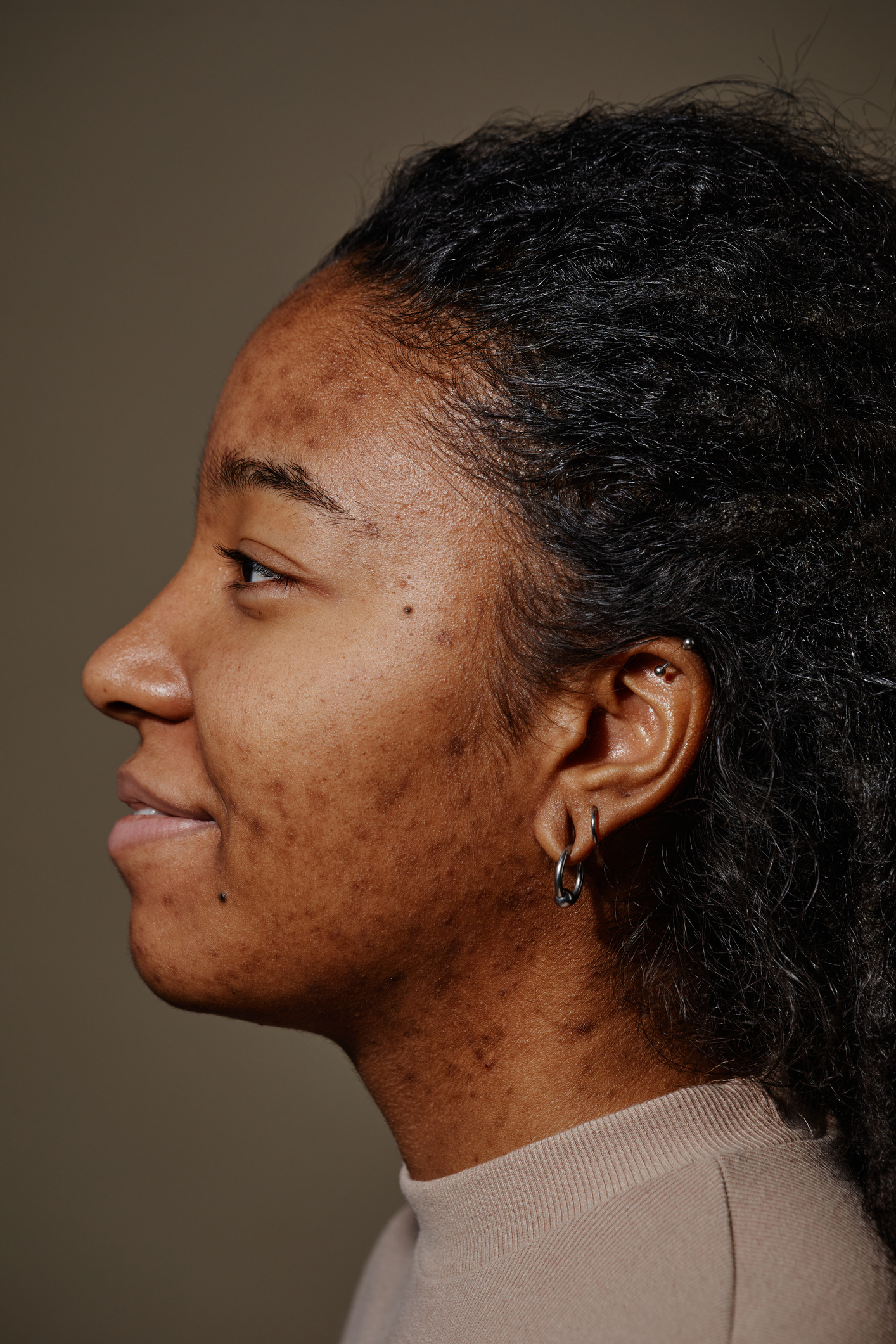
  • Blackheads- small, pitted areas of the skin that often appear in pairs 
  • Painful pea-sized lumps that form under the skin in areas where more sweat and oil glands are present, or where the skin rubs together, that can last for weeks or months 
  • Leaking bumps or sores that can get bigger, break open, and drain pus with an odor 
  • Tunnels that form under the skin. These tunnels connect lumps and heal slowly, and drain blood and pus 

Some people who have hidradenitis suppurative experience only mild symptoms; however, the course of the disease varies extremely. Excess weight and smoking are associated with worse symptoms, but people who are thin and smoke can also experience severe symptoms of the disease. 

Hidradenitis suppurativa occurs when hair follicles become blocked. The cause of the blockage isn’t known; however, experts think it may be connected to hormones, genetic predisposition, cigarette smoking, or excess weight.  

Several risk factors can increase the chance of developing hidradenitis suppurativa. They include: 

  • Age 
  • Sex 
  • Race 
  • Family history 
  • Certain conditions 
  • Smoking 

Severe and persistent hidradenitis can cause complications, including: 

  • Infection in the affected area 
  • Restricted movement due to sores and scar tissue  
  • Skin cancer, such as squamous cell carcinoma, has been reported with long-term hidradenitis suppurativa 
  • Scars and skin changes after wounds have healed, leaving pitted skin and rope-like scars 
  • Swelling in the arms, legs, or genital area, due to scar tissue caused by hidradenitis that blocks the lymph nodes in those areas from draining 
  • Psychological effects and social isolation, such as depression, anxiety, or not wanting to go out in public due to the location, drainage, and odor of the sores 
  • Lifelong pain 

Hidradenitis suppurativa can often be mistaken for acne or pimples. A healthcare provider can make a diagnosis based on signs and symptoms, skin appearance, and medical history. Hidradenitis suppurativa can be difficult to diagnose and requires specialized care, so a healthcare provider may refer a patient to a dermatologist.  

There aren’t any laboratory tests available to diagnose hidradenitis suppurativa; however, if there is pus or drainage present in the wounds, samples may be taken for testing. 

Treatment for hidradenitis suppurativa can include medications, surgeries, or both to help control symptoms and prevent complications of the condition.  

Medications used to treat hidradenitis suppurativa can include: 

  • Antibiotics 
  • Steroid injections 
  • Hormonal therapy 
  • Biologics 
  • Retinoids 
  • Pain medicine 

Surgical procedures used to treat hidradenitis suppurativa include: 

  • Uncovering the tunnels under the skin by removing tissue to expose them 
  • Punch debridement, which removes a single inflamed bump 
  • Laser therapy 
  • Surgical removal of all the infected skin 

If you or a loved one is suffering from hidradenitis suppurativa, you can visit Jamaica Hospital Medical Center’s Division of Dermatology. To make an appointment, please call (718) 206- 6742. 

All content of this newsletter is intended for general information purposes only and is not intended or implied to be a substitute for professional medical advice, diagnosis or treatment. Please consult a medical professional before adopting any of the suggestions on this page. You must never disregard professional medical advice or delay seeking medical treatment based upon any content of this newsletter. PROMPTLY CONSULT YOUR PHYSICIAN OR CALL 911 IF YOU BELIEVE YOU HAVE A MEDICAL EMERGENCY.


Does Nasal Irrigation Effectively Fight the Common Cold?

As the winter season progresses, so does cold season.

When we come down with a cold, we try different methods to relieve our cold symptoms.

However, using a simple saline or saltwater solution can help reduce the duration of these symptoms.  

A pilot study conducted in 2019 found that flushing the nose with a 3% saline solution, which is higher than the standard 0.9% concentration, can reduce cold symptoms in approximately two days.  

Additionally, researchers say that saline nasal drops may help reduce transmission rates of cold viruses.  

In the same 2019 study, 93% of participants reported that the 3% saline solution made a difference in their symptoms, and 61% indicated that they would use it again during another cold.  

Most people may catch a cold two or three times each year, as the cold virus spreads easily via contaminated droplets. Saline solution is an affordable, easy-to-use treatment that may help slow down the spread of the cold virus between family members.  

Saline nasal drops may also help to clear up a runny nose. The solution may help reduce viral load, the amount of the virus in a person’s system, by flushing out the nasal passages.  

Saline nasal drops help flush out mucous and inflammatory mediators, which are chemical messengers that play a crucial role in initiating and regulating the body’s inflammatory response. This can improve cold symptoms and give the immune system a better chance to fight the infection.  

When you are looking to buy saline nasal drops or sprays, it is important to look for a saline percentage or the words “hypertonic” or “extra-strength” on the label. Many brands of saline solutions sell 3% hypertonic nasal spray, but it is important to read the labels carefully to confirm the product does not contain other added medications.  

You can also make a saline solution at home with salt, baking soda, and water. It is important to only use distilled or boiled and cooled tap water when preparing the solution, as the quality of tap water varies, and there may be things such as bugs and germs present.  

To make the saline solution, combine three tablespoons of salt and one teaspoon of baking soda. Avoid any salts that contain iodine, preservatives, or anti-caking agents because these can irritate your nose. Put one teaspoon of the salt-baking soda mixture into eight ounces of distilled or boiled water. Baking soda helps reduce irritation; however, you may still experience some irritation in the nose or throat after using the saline solution.  

Although hypertonic nasal drops or sprays could be prepared correctly, they can still irritate the nose and throat. Some people may even experience a temporary burning sensation. Use the hypertonic saline solution as tolerated. It is important to talk to your healthcare provider about alternative cold remedies if the saline solution doesn’t work well for you and if your cold symptoms persist or get worse. 

If you are suffering from common cold symptoms and would like to learn more about nasal irrigation, you can make an appointment with an ENT doctor at Jamaica Hospital Medical Center by calling 718-206-7110. 

All content of this newsletter is intended for general information purposes only and is not intended or implied to be a substitute for professional medical advice, diagnosis or treatment. Please consult a medical professional before adopting any of the suggestions on this page. You must never disregard professional medical advice or delay seeking medical treatment based upon any content of this newsletter. PROMPTLY CONSULT YOUR PHYSICIAN OR CALL 911 IF YOU BELIEVE YOU HAVE A MEDICAL EMERGENCY.

Tips to Help You Keep Your New Year’s Health Resolutions

Every New Year’s Eve, we ambitiously make resolutions that we intend to keep. Unfortunately, keeping those resolutions is easier said than done.  

For many of us, we set many long-term goals as a New Year’s resolution. Setting long-term goals, such as losing a certain amount of weight without a plan or outline of specific ways to accomplish that goal, often sets us up for failure. This is why experts recommend that we achieve long-term goals by making a plan and taking small incremental steps that help us change our behaviors over time. These behavioral modifications must be repeated for them to become routine. 

Here are some additional tips to help you stay on track with keeping your New Year’s resolution: 

  • Instead of stopping an old habit, try starting a new habit. Rather than stop eating candy, try to eat more fruits and vegetables. Starting a new habit can push an old habit aside, which may make it more likely that you will stick with your new routine 
  • Add another habit onto one of your current ones. For example, you can do stretches after brushing your teeth. Pairing a new habit with an old or current one can be an effective way to create a long-term lifestyle change 
  • Focus on the process of achieving your goal rather than focusing on the outcome. Fixating on the outcome can cause you to be discouraged when you have trouble accomplishing that goal 
  • Track your progress by using an app, journal, or calendar to help you monitor the progress you are making. Keeping data on your progress can be a positive reinforcement and help keep you accountable 
  • Plan ahead by considering any challenges you may face while trying to keep your resolution. For example, if you are trying to eat healthy, think about what you are going to buy at the grocery store or what you may order at a restaurant. If you are trying a new exercise routine, schedule when you are going to exercise so it doesn’t conflict with any other activities 
  • Give yourself grace when you make a mistake. Being negative and self-critical when you mess up may make you less likely to stick to your new habits. Be more compassionate with yourself and be as consistent as you can  

If you would like help keeping your New Year’s health resolutions, you can schedule an appointment with a physician at Jamaica Hospital Medical Center’s Ambulatory Care Center. Please call (718) 206-7001. 

All content of this newsletter is intended for general information purposes only and is not intended or implied to be a substitute for professional medical advice, diagnosis or treatment. Please consult a medical professional before adopting any of the suggestions on this page. You must never disregard professional medical advice or delay seeking medical treatment based upon any content of this newsletter. PROMPTLY CONSULT YOUR PHYSICIAN OR CALL 911 IF YOU BELIEVE YOU HAVE A MEDICAL EMERGENCY.

Thyroid Awareness Month

January is Thyroid Awareness Month, a month that observes the importance of raising awareness of thyroid disorders and how they affect the lives of millions of people around the world.  

The thyroid is a gland located in front of the neck. It is a part of the body’s endocrine system and produces hormones that play an important role in many of the body’s systems, such as cells and tissues, the heart, brain, liver, and kidneys.  

The hormones the thyroid produces include: 

  • Thyroxine (T4)- the primary hormone made and released by the thyroid. It is the hormone that the thyroid makes the most of; however, it doesn’t have much of an effect on the metabolism 
  • Triiodothyronine (T3)- the thyroid makes lesser amounts of this hormone, but it has a much bigger impact on the metabolism than T4 
  • Reverse triiodothyronine- the thyroid makes very small amounts of RT3. This hormone reverses the effects of T3 
  • Calcitonin- this hormone helps regulate the amount of calcium in the blood 

These hormones also affect several bodily functions, including: 

  • Blood pressure 
  • Body temperature 
  • Heart rate 
  • Metabolism 
  • Breathing 
  • Digestion 
  • Brain development 
  • Mental activity 
  • Skin and bone maintenance 
  • Fertility 

Four main conditions affect the thyroid, including: 

  • Hypothyroidism, which is an underactive thyroid gland 
  • Hyperthyroidism, which is an overactive thyroid gland 
  • Goiter, which is an enlarged thyroid gland 
  • Thyroid cancer 

Different thyroid conditions have different symptoms. Symptoms depend on whether the thyroid is under- or over-producing hormones and can often be silent or present symptoms that are overlooked due to their subtlety.  

Symptoms that may signal a thyroid condition include: 

  • Slow or rapid heart rate 
  • Unexplained weight loss or weight gain 
  • Difficulty tolerating the cold or heat 
  • Depression (caused by hypothyroidism) or anxiety (caused by hyperthyroidism) 
  • Irregular menstrual periods 

When a healthcare provider wants to check the health of a person’s thyroid, they perform a blood test that measures the levels of thyroid-stimulating hormone (TSH). They will also check the levels of T4 and T3 in the blood. If the results of these tests come back and are abnormal, the healthcare provider may suggest an imaging test such as a thyroid scan or an ultrasound of the thyroid.  

There are several treatment options for thyroid conditions, depending on what they are and their severity. The three main treatment options for thyroid conditions include: 

  • Medication 
  • Surgery 
  • Radiation therapy and chemotherapy 

Thyroid conditions are common and can affect anyone at any age. However, some people face a higher risk if they: 

  • Have a family history of thyroid disease 
  • Have an autoimmune condition, such as type 1 diabetes, rheumatoid arthritis, or lupus 
  • Take a medication that’s high in iodine 
  • Are older than 60, especially if you’re female 

Fortunately, there is a way for a person to keep their thyroid healthy. This can be done by getting enough iodine in their diet with foods that are fortified with iodine, such as cheese, cow milk, eggs, yogurt, saltwater fish, shellfish, seaweed, soy milk, and soy sauce. 

If you would like to get your thyroid checked or to receive more information about Jamaica Hospital’s endocrinology service, you can make an appointment by calling 718-206-7001. 


All content of this newsletter is intended for general information purposes only and is not intended or implied to be a substitute for professional medical advice, diagnosis or treatment. Please consult a medical professional before adopting any of the suggestions on this page. You must never disregard professional medical advice or delay seeking medical treatment based upon any content of this newsletter. PROMPTLY CONSULT YOUR PHYSICIAN OR CALL 911 IF YOU BELIEVE YOU HAVE A MEDICAL EMERGENCY.

The Importance of an Annual Physical Exam

A new year is upon us, and we are all looking for ways to improve our health. An important way to do so is to get an annual physical exam.

Getting a physical exam provides us with an opportunity to check our overall health and prevent any health issues from becoming more serious. It can also cultivate a relationship with a primary healthcare provider who can help:

· Manage current health issues

· Prevent illnesses

· Monitor the risk of chronic disease

· Identify illnesses that don’t have symptoms

· Monitor your weight, blood pressure, heart rate, and basic body chemistry

· Adjust your lifestyle to one that is suitable for your age

Even if you feel fine, it is a good idea to see your healthcare provider to ensure you are taking the right steps to maintain and improve your health.

If you would like to receive a physical exam, you can schedule an appointment with a physician at Jamaica Hospital Medical Center’s Ambulatory Care Center. Please call (718) 206-7001.

All content of this newsletter is intended for general information purposes only and is not intended or implied to be a substitute for professional medical advice, diagnosis or treatment. Please consult a medical professional before adopting any of the suggestions on this page. You must never disregard professional medical advice or delay seeking medical treatment based upon any content of this newsletter. PROMPTLY CONSULT YOUR PHYSICIAN OR CALL 911 IF YOU BELIEVE YOU HAVE A MEDICAL EMERGENCY.

ADHD Awareness Month

October is ADHD Awareness Month, a time dedicated to raising awareness, challenging stigma, and celebrating the unique strengths that often come with a neurodivergent brain.

Adult attention-deficit/hyperactivity disorder (ADHD) is a mental health disorder that includes a combination of persistent problems, such as difficulty paying attention, hyperactivity, and impulsive behavior. Adult ADHD can lead to unstable relationships, poor work or school performance, low self-esteem, and other problems.

Some people with ADHD have fewer symptoms as they age, but some adults continue to have major symptoms that interfere with daily functioning. Adult ADHD symptoms include:

  • Impulsiveness
  • Disorganization and problems prioritizing
  • Poor time management skills
  • Problems focusing on a task
  • Trouble multitasking
  • Excessive activity or restlessness
  • Poor planning
  • Low frustration tolerance
  • Frequent mood swings
  • Problems following through and completing tasks
  • Hot temper
  • Trouble coping with stress

Symptoms can range from mild to severe. Many adults with ADHD aren’t aware they have it.

The exact cause of ADHD is not clear, but research efforts continue. Factors that may be involved in the development of ADHD include:

  • Genetics
  • Environment
  • Problems during development

Factors that may increase the risk of ADHD may include:

  • You have blood relatives, such as a parent or sibling, with ADHD or another mental health disorder
  • Your mother smoked, drank alcohol, or used drugs during pregnancy
  • As a child, you were exposed to environmental toxins such as lead, found mainly in paint and pipes in older buildings
  • You were born prematurely

Signs and symptoms of ADHD in adults can be difficult to spot. However, the core symptoms of ADHD start early in life, before the age of 12, continuing into adulthood, creating major problems.

There is no single test that can confirm an ADHD diagnosis. A diagnosis will likely include:

  • A physical exam
  • Questions about your current medical issues, personal and family medical history, and the history of your symptoms
  • ADHD rating scales or psychological tests

Standard treatments for ADHD in adults typically involve medication, education, skills training, and psychological counseling. A combination of these is often the most effective treatment as they can help manage many symptoms of ADHD, but they won’t cure it.

If you need the assistance and support of a mental health professional at Jamaica Hospital Medical Center, please call 718-206-5575 to schedule an appointment.


All content of this newsletter is intended for general information purposes only and is not intended or implied to be a substitute for professional medical advice, diagnosis or treatment. Please consult a medical professional before adopting any of the suggestions on this page. You must never disregard professional medical advice or delay seeking medical treatment based upon any content of this newsletter. PROMPTLY CONSULT YOUR PHYSICIAN OR CALL 911 IF YOU BELIEVE YOU HAVE A MEDICAL EMERGENCY.