How Does Winter Weather Increase Your Risk of Cardiovascular Disease?

As we get deeper into this winter season, extreme, record-low cold temperatures have brought snow and frigid winds with them. These conditions can severely affect your heart, especially if you already suffer from or are at risk of cardiovascular disease.  

The cold temperatures affect the heart by causing blood vessels to constrict, which is the body’s natural reaction to send blood deeper into the body. This doesn’t cause problems for those with healthy arteries. However, if someone has arteries that were narrowed by fatty plaque, cold-related blood vessel constriction can leave them more vulnerable to chest pain or a heart attack. This is especially true when engaging in a strenuous outdoor activity such as walking quickly in a strong wind or shoveling snow, which can commonly trigger a heart attack. 

Strenuous outdoor activity in cold weather isn’t the only thing that can put the heart at risk. Cold temperatures also increase the risk of suffering from hypothermia. Hypothermia means the body’s temperature has fallen below 95 degrees Fahrenheit or 35 degrees Celsius, and the body can’t produce enough energy to keep its temperature warm enough. Cold-related blood vessel constriction keeps vital organs warm and helps reduce heat loss. If a person has narrowed blood vessels, the heart must work harder to pump blood through the body, which then raises blood pressure and puts stress on the heart. Hypothermia has several symptoms, including: 

  • Lack of coordination 
  • Slowed reaction time 
  • Mental confusion 
  • Shivering 
  • Sleepiness 

Hypothermia can be life-threatening, so it is extremely important to take proper precautions to stay warm by dressing in layers, keeping your head and ears covered, and keeping your hands and feet warm. 

If you are going to engage in any strenuous outdoor activities, here are some tips to keep you safe: 

  • Take frequent breaks 
  • Learn the warning signs of a heart attack and listen to your body 
  • Learn CPR 
  • Be aware of the dangers of hypothermia 
  • Don’t drink alcohol before or immediately after a strenuous activity 
  • Consult with your healthcare provider 

If you have, or are at risk of developing, or are experiencing symptoms of a heart condition, you should consult a cardiologist to explore the most effective precautions you can take to protect your heart health during the winter season. You can schedule an appointment at Jamaica Hospital Medical Center’s Cardiology Department by calling (718) 206-7100. If you are experiencing an emergency, please dial 911 right away. 


All content of this newsletter is intended for general information purposes only and is not intended or implied to be a substitute for professional medical advice, diagnosis or treatment. Please consult a medical professional before adopting any of the suggestions on this page. You must never disregard professional medical advice or delay seeking medical treatment based upon any content of this newsletter. PROMPTLY CONSULT YOUR PHYSICIAN OR CALL 911 IF YOU BELIEVE YOU HAVE A MEDICAL EMERGENCY.

Cold, Flu, or Pneumonia?

The winter season can be difficult to navigate when there is the risk of developing one of three respiratory illnesses, such as the common cold, flu, or pneumonia. All three of these illnesses share similar symptoms but are all different and range from mild to severe.  

The common cold is the least serious of the three respiratory illnesses, as it presents milder symptoms. Common cold symptoms include: 

  • Mild cough 
  • Sore throat 
  • Runny nose 
  • Congestion 

When a person is suffering from the common cold, they will usually feel run-down for a couple of days and are able to treat their symptoms with over-the-counter remedies such as cough syrup and cold medications. 

Unlike a cold, the flu or influenza hits hard and fast, with more intense symptoms usually beginning more suddenly than a cold. Symptoms of the flu include: 

  • A high, sudden fever 
  • A stuffy nose 
  • A dry cough 
  • Headaches  
  • Muscle aches 
  • Extreme fatigue 
  • Chills and sweats 
  • Lack of appetite 

A flu vaccine is available to help prevent an infection from the flu virus, as well as medications that can help reduce the severity of symptoms. 

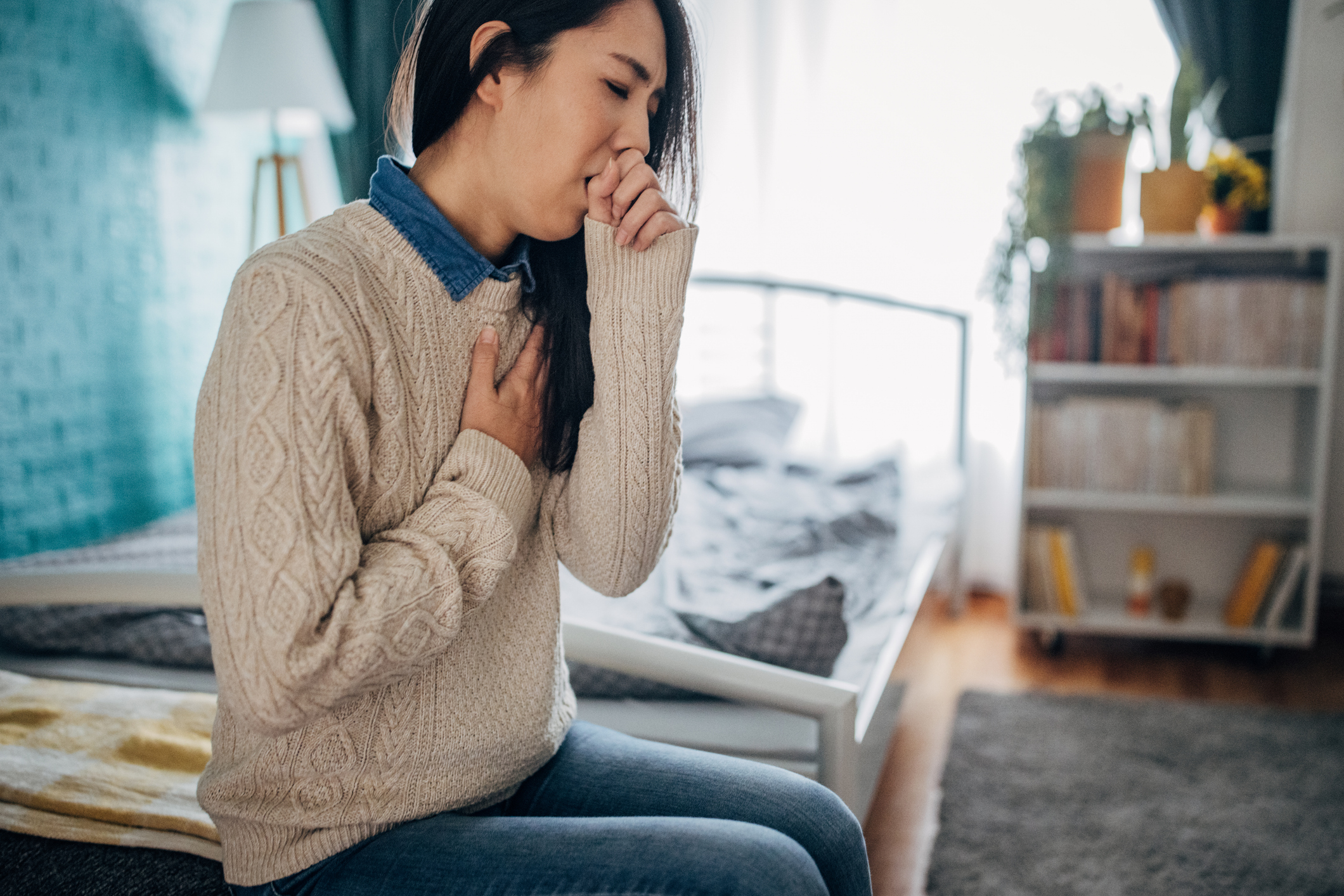
Pneumonia is typically caused by a bacterial or viral infection, with the illness and its symptoms being more severe than the cold or flu. Symptoms of pneumonia include: 

  • Chest pains that increase when you cough 
  • Coughing up blood or mucus 
  • High fever 
  • Difficulty breathing 
  • Inability to breathe deeply 
  • Chills  
  • Extreme and weakening fatigue 
  • Lack of appetite 
  • Clammy skin and frequent sweating 

Bacterial and viral pneumonia are treatable with antibiotics and antivirals, respectively. Pneumonia can be very serious and even life-threatening for the elderly, very young children, and those with chronic lung conditions. Vaccines for pneumonia are available for high-risk patients. 

Preventing respiratory illnesses such as the common cold, flu, or pneumonia requires taking proactive steps to reduce the risk of developing and/or spreading these infections, including: 

  • Washing your hands regularly 
  • Avoiding contact with individuals who are sick with any of these respiratory illnesses 
  • Getting your annual flu vaccination 
  • Getting vaccinated with the pneumococcal and Hib vaccines if you are in an at-risk group 

If you are experiencing any symptoms of a cold, flu, or pneumonia, you can schedule an appointment with a physician at Jamaica Hospital Medical Center’s Ambulatory Care Center. Please call (718) 206-7001. 

All content of this newsletter is intended for general information purposes only and is not intended or implied to be a substitute for professional medical advice, diagnosis or treatment. Please consult a medical professional before adopting any of the suggestions on this page. You must never disregard professional medical advice or delay seeking medical treatment based upon any content of this newsletter. PROMPTLY CONSULT YOUR PHYSICIAN OR CALL 911 IF YOU BELIEVE YOU HAVE A MEDICAL EMERGENCY.

Jamaica Hospital Specialty Departments Move to New Metropolitan Avenue Location

The Jamaica Hospital Ambulatory Care Center is excited to announce that it has relocated several of its specialty departments to a brand-new, modern space at 132-47 Metropolitan Avenue, Jamaica, NY 11418.

The following specialty services have moved to this location: general surgery, ENT (ear, nose, and throat), plastic surgery, neurosurgery, orthopedics, vascular surgery, urology, and wound care.

The new site, which spans 6,468 square feet, has been designed to enhance comfort, accessibility, and support for all patients. It features 15 examination rooms, a modern layout, and various amenities.

The hours of operation are Monday to Friday, 8:00 a.m. to 5:00 p.m. Patients can schedule an appointment by calling (718) 301-0720.

Jamaica Hospital thanks its patients for trusting the organization with their care and looks forward to welcoming them at the new location.

All content of this newsletter is intended for general information purposes only and is not intended or implied to be a substitute for professional medical advice, diagnosis or treatment. Please consult a medical professional before adopting any of the suggestions on this page. You must never disregard professional medical advice or delay seeking medical treatment based upon any content of this newsletter. PROMPTLY CONSULT YOUR PHYSICIAN OR CALL 911 IF YOU BELIEVE YOU HAVE A MEDICAL EMERGENCY.

What to Do Next After Receiving a Dementia Diagnosis

Receiving a dementia diagnosis can be devastating. Whether it is you are a loved one, several questions are raised after the diagnosis, namely “What do I do next?”  

After receiving a dementia diagnosis, it is important to be as proactive as possible. There are several steps you can take to help you or a loved one plan for the future, as well as help everyone involved feel that they are informed, supported, and less alone. Steps include: 

  1. Learn about and understand the specific dementia diagnosis, as it helps guide healthcare decisions, treatment options, and expectations for the future.

Dementia is not a specific disease, but an overall term that describes a group of symptoms such as memory loss and the loss of other mental abilities severe enough to interfere with daily life. Dementia is caused by physical changes in the brain.  

  • Different types of dementia include: 
  • Lewy Body Dementia and Parkinson’s Disease 
  • Creutzfeldt-Jakob Disease 
  • Down Syndrome and Alzheimer’s Disease 
  • Frontotemporal Dementia 
  • Huntington’s Disease 
  • Korsakoff Syndrome 

There are many signs and symptoms of dementia. They include: 

    • Memory loss that disrupts daily life 
    • Challenges in planning or solving problems 
    • Difficulty completing familiar tasks 
    • Confusion with time and place 
    • Trouble understanding visual images and spatial relationships 
    • New problems with words in speaking or writing 
    • Misplacing things and losing the ability to retrace steps 
    • Decreased or poor judgment 
    • Withdrawal from work or social activities 
    • Changes in mood and personality 
  1. Communicate with you or your loved one’s healthcare providers to discuss what can be expected and how to best manage symptoms.  
  2. Plan for the future by consulting with various financial and legal experts to discuss advance care directives, such as a living will and durable power of attorney, as they outline any wishes for future medical treatment and designate someone to make decisions on your or your loved one’s behalf if/when you are unable to. A financial adviser can help you or your loved one organize and manage any expenses that may relate to long-term care
  3. Communicate with family members and caregivers openly about your or your loved one’s diagnosis, any care preferences, and plans so that everyone is on the same page.  
  4. Maintain any and all social connections and participate in activities that encourage cognitive function. Maintaining a support network is important, as dealing with dementia can make you or a loved one feel isolated. 
  5. Ask your or your loved one’s healthcare provider about which treatments are available and recommended based on one’s specific dementia diagnosis, and ask about eligibility for clinical trials. 
  6. Start any of the recommended treatments or medications that may help manage dementia symptoms. Be sure to schedule regular appointments with your healthcare providers so they can monitor the condition and adjust care as needed. Monitor your symptoms and keep your healthcare providers up to date with them so they can offer any interventions that can help with any new symptoms that present themselves. 
  7. Remove any household hazards that may lead to falls or injuries. According to the Alzheimer’s Association, adults ages 65 and older living with dementia are at a 45.5% risk of getting injured or dying from falls, compared to 30.9% of people in the same age group who don’t have dementia. It is important to note that falls are the leading cause of death for that age group. 

A dementia diagnosis is a difficult time for any family that must experience it. It is important to make sure that you, your loved ones, and any caregivers are prepared for the challenges that may arise on this journey.  

If you or a loved one is experiencing any symptoms of dementia, you can consult with a neurologist at Jamaica Hospital Medical Center. To schedule an appointment, please call (718) 206-7246. 


All content of this newsletter is intended for general information purposes only and is not intended or implied to be a substitute for professional medical advice, diagnosis or treatment. Please consult a medical professional before adopting any of the suggestions on this page. You must never disregard professional medical advice or delay seeking medical treatment based upon any content of this newsletter. PROMPTLY CONSULT YOUR PHYSICIAN OR CALL 911 IF YOU BELIEVE YOU HAVE A MEDICAL EMERGENCY.

High Doses of Supplements May Lead To Liver Damage

Dietary supplements are products we ingest that contain concentrated forms of nutrients or substances that are found in food or plants.

Supplements can come in capsule, liquid, gummy, or powder form. We take them to ensure our nutritional needs are met, to address certain deficiencies, or to help us manage certain health conditions.

Although supplements can help us maintain or improve our overall health, they also pose risks, especially when taken at higher-than-recommended doses.

Certain supplements, when taken in excess, can cause serious damage to our organs.  Our liver is most susceptible to this type of injury or damage because it filters and processes everything we ingest.  Research published in the journal Hepatology and indexed by the National Library of Medicine estimates that 20% of drug-induced liver damage or injury is tied to herbal and dietary supplements. The following supplements are among those associated with liver damage or toxicity, when overused:

  • Glutamine
  • Turmeric
  • Vitamin A
  • Niacin
  • Kava
  • Green tea extract
  • Black cohosh
  • Bodybuilding or weight loss supplements
  • Ma huang (Ephedra)
  • Ashwagandha
  • Skullcap
  • John’s wort

The effects of overusing these supplements may be acute or develop over time. Signs and symptoms of liver damage include:

  • Nausea and vomiting
  • Jaundice (yellowing of the eyes or skin)
  • Itching
  • Dark urine
  • Pale-colored stools
  • Fluid in the abdomen

Researchers believe the prevalence of drug-induced liver damage, linked to supplements, is growing because more people are taking supplements, and a lot more of them.

Furthermore, supplements are not regulated by the U.S. Food & Drug Administration (FDA) like prescription medications and may not always contain the exact dose listed on the label. Therefore, you may not always know what you are getting.

If you are considering adding supplements to your healthcare regimen, there are a few steps you can take to ensure your safety:

  • Speak with your doctor before taking supplements
  • Buy from reputable brands
  • Look for third-party testing certifications from public health organizations such as NSF or USP

If you are experiencing symptoms of liver damage, schedule an appointment with your doctor as soon as possible to avoid complications.

To schedule an appointment with a doctor at Jamaica Hospital Medical Center, please call 718-206-7001.

All content of this newsletter is intended for general information purposes only and is not intended or implied to be a substitute for professional medical advice, diagnosis or treatment. Please consult a medical professional before adopting any of the suggestions on this page. You must never disregard professional medical advice or delay seeking medical treatment based upon any content of this newsletter. PROMPTLY CONSULT YOUR PHYSICIAN OR CALL 911 IF YOU BELIEVE YOU HAVE A MEDICAL EMERGENCY.

Maternal Health Awareness Day

January 23rd is observed as Maternal Health Awareness Day, a day that recognizes the importance of spreading awareness and reducing maternal mortality. 

Maternal mortality refers to deaths due to complications from pregnancy or childbirth. It is a major problem in the United States. The U.S. has the highest maternal mortality rates among developed countries and is the only advanced country to have maternal mortality rates that have increased in recent decades. 

Black and indigenous women in the U.S. are particularly at risk, as their maternal mortality rates are two to three times as high as those of other women. What’s more, black women in the U.S. are four times more likely to die due to pregnancy-related complications compared to their white counterparts. 

The Centers for Disease Control and Prevention (CDC) defines pregnancy-related deaths as any deaths that occur during pregnancy or within one year of the end of pregnancy from pregnancy complications that affect the mental or physical health of a woman, her baby, or both.  

Pregnancy-related deaths may occur due to: 

  • The pregnancy causing a new medical or mental health problem 
  • The pregnancy starting a chain of events that result in death 
  • The pregnancy making an unrelated medical condition worse 

According to the CDC, an estimated 80% of pregnancy-related deaths are preventable.  

Many social factors contribute to pregnancy-related deaths. Social factors are any nonmedical conditions, such as where women live, work, and spend their free time, that can affect their health. Social factors such as their income and access to high-quality care can affect a woman’s ability to manage conditions, like high blood pressure or diabetes, that can increase maternal risk.  

The CDC recommends these tips for pregnant and expectant women, which can help prevent and treat severe pregnancy-related complications: 

  • Starting prenatal care early 
  • Seeing a healthcare provider throughout the pregnancy 
  • Attending all postpartum visits 

If you would like to learn more about maternal health, you can schedule an appointment with an OB/GYN at Jamaica Hospital Medical Center’s Women’s Health Center. To learn more, please call (718) 291-3276. 

All content of this newsletter is intended for general information purposes only and is not intended or implied to be a substitute for professional medical advice, diagnosis or treatment. Please consult a medical professional before adopting any of the suggestions on this page. You must never disregard professional medical advice or delay seeking medical treatment based upon any content of this newsletter. PROMPTLY CONSULT YOUR PHYSICIAN OR CALL 911 IF YOU BELIEVE YOU HAVE A MEDICAL EMERGENCY.

What May Cause Lung Cancer in Nonsmokers?

Lung cancer is the leading cause of cancer-related deaths in the United States. Tobacco smoking is the leading cause of lung cancer. However, people who smoke tobacco aren’t the only ones at risk of developing lung cancer.  

The Centers for Disease Control and Prevention (CDC) estimates that 10% to 20% of lung cancer cases each year happen in people who never smoke. 

Nonsmokers can develop lung cancer if they are exposed to secondhand smoke, air pollution, radioactive gases such as radon, asbestos, diesel exhaust, or other harmful chemicals. 

According to the CDC, about 50% to 60% of lung cancers found in nonsmokers are adenocarcinomas, which is a type of non-small cell lung cancer that begins in the cells that line the tiny air sacs in the lungs and make substances such as mucus. Additionally, about 10% to 20% are squamous cell carcinomas, cancer that forms in the thin, flat cells lining the inside of the lungs, and 6% to 8% are small cell lung cancers, and the rest are other types of lung cancer. 

Lung cancers in nonsmokers are often different than those that are in smokers, as they usually develop in younger people, and often have certain gene changes that differ from those in tumors found in smokers. 

A person’s genes can influence their risk of developing certain diseases, including some types of cancer, as some genes help control when cells grow, divide into new cells, and die. These genes are oncogenes and tumor suppressor genes. 

Oncogenes help cells grow, divide, or stay alive. Tumor suppressor genes help control cell division or cause cells to die at the right time.  

Cancer can develop when any DNA changes that activate oncogenes or deactivate tumor suppressor genes occur. These changes in many different genes are usually needed to cause cancer to develop. The two primary types of gene changes are inherited gene changes and acquired gene changes.  

Inherited gene changes are gene changes passed down from a person’s parents. These inherited changes to a person’s DNA may increase their risk of developing certain cancers.  

Acquired gene changes cannot be inherited but are acquired during a person’s lifetime and may occur in any individual cell. Certain acquired gene changes can affect the cell’s ability to control how it grows and will ultimately mutate a non-cancer cell into a cancer cell. 

It is more common for nonsmoking women, especially Asian nonsmoking women, to develop lung cancer, as they are more than twice as likely to develop it as male nonsmokers. This is due to women having an acquired gene change, such as epidermal growth factor receptor (EGFR). 

Symptoms of lung cancer are the same for smokers and nonsmokers. Lung cancer symptoms include: 

  • Feeling tired or weak all the time 
  • Loss of appetite 
  • A cough that doesn’t go away or gets worse 
  • Coughing up blood or rust-colored phlegm 
  • Chest pains 
  • Shortness of breath 
  • Unexplained weight loss 
  • Hoarseness 
  • Bronchitis or pneumonia that doesn’t go away or keeps coming back 
  • Wheezing  

If a smoker is exhibiting symptoms of lung cancer, they should see a healthcare provider. 

Although there isn’t any screening guidance for nonsmokers, taking steps such as being aware of lung cancer symptoms and reducing exposure to air pollutants and radon can help reduce your risk of developing lung cancer. Some additional steps include: 

  • Avoid secondhand smoke 
  • Monitor the air quality in your community 
  • Test your home for radon 
  • Protect yourself at work by avoiding any chemicals or cleaning products that contain carcinogens 

If you would like to learn more about cancer treatments for lung cancer, or to learn more about our cancer care program, you can schedule an appointment with an oncologist at our MediSys Health Network Cancer Center by calling (718) 206-6742. 


All content of this newsletter is intended for general information purposes only and is not intended or implied to be a substitute for professional medical advice, diagnosis or treatment. Please consult a medical professional before adopting any of the suggestions on this page. You must never disregard professional medical advice or delay seeking medical treatment based upon any content of this newsletter. PROMPTLY CONSULT YOUR PHYSICIAN OR CALL 911 IF YOU BELIEVE YOU HAVE A MEDICAL EMERGENCY.

Does My Child Need a Tonsillectomy?

Children can be affected by many ailments as they grow up, including problems with their tonsils.  

Tonsils are lumps of tissue on either side of the throat, and are part of the body’s lymphatic system, which helps fight infection. Tonsils are the body’s first line of defense against any bacteria and viruses that enter through the mouth or nose. Since the tonsils defend against bacteria and viruses, they can become infected, resulting in strep throat or chronic tonsillitis, a chronic bacterial infection in the tonsils.  

If a child suffers from frequent tonsil infections, it may be recommended that they receive a tonsillectomy. 

A tonsillectomy is a surgical procedure that involves the removal of the tonsils. Tonsillectomies are one of the most common surgical procedures performed on children.   

There are two types of tonsillectomies: 

  • Traditional tonsillectomy: Both tonsils are completely removed. 
  • Intracapsular tonsillectomy: All of the affected tonsil tissue is removed, except for a small layer to protect the throat muscles underneath.  

An intracapsular tonsillectomy has many benefits, including: 

  • Faster recovery 
  • Less pain 
  • No need for as much painfor as much pain medicine 
  • A lower risk of bleeding 
  • Can eat and drink after the procedure 

Children can also have a tonsillectomy if they have enlarged tonsils that block their airflow, which can lead to breathing issues, especially while they sleep. 

Tonsillectomies can offer many benefits to children who suffer from frequent tonsil infections or sleep apnea. However, it can come with risks as with any surgical procedure. It is important to consider the pros and cons and discuss them with a healthcare provider to determine the best option for your child. Here are some pros and cons your healthcare provider may discuss: 

  • Pros: 
    • Improved quality of life 
    • Fewer infections 
    • Improved breathing 
    • Less time off from school 
  • Cons: 
    • Surgical risks 
    • Post-surgery pain and recovery 
    • No immunity from future infections 
    • Potential of a change in voice 

It is important to consult with an ear, nose, and throat (ENT) specialist before you consider having your child’s tonsils removed.  

An ENT will determine whether they should have a tonsillectomy after they assess their frequency of infections, the size of their tonsils, and how much the child’s overall health and quality of life are impacted by the condition. 

Our friendly on-site staff members are happy to provide you with the information you need about the surgical options available to your child at Jamaica Hospital Medical Center. For more information about our Queens, NYC surgical services or to make an appointment, please call (718)206-6713. 

All content of this newsletter is intended for general information purposes only and is not intended or implied to be a substitute for professional medical advice, diagnosis or treatment. Please consult a medical professional before adopting any of the suggestions on this page. You must never disregard professional medical advice or delay seeking medical treatment based upon any content of this newsletter. PROMPTLY CONSULT YOUR PHYSICIAN OR CALL 911 IF YOU BELIEVE YOU HAVE A MEDICAL EMERGENCY.
What Happens to The Body on Long Flights

The airline industry classifies long-haul flights as those with a flight time of six hours or more. Flying for extended periods can take a toll on our bodies. It can make us tired and uncomfortable, but it can also affect us in the following ways:

  • Dehydration– The low levels of humidity in the cabin air can lead to dehydration. Dry recycled air can make our skin and mucosal areas, such as the nose, throat, and mouth, feel excessively dry. It can also lead to a lack of lubrication in our body’s systems. Therefore, it’s important that you drink water before boarding the plane and during your flight.
  • Muscle stiffness and soreness – Staying seated for extended periods can lead to muscle stiffness and soreness. A lack of movement can compress joints and reduce blood flow, which further contributes to muscle discomfort. Additionally, dehydration can result in cramps, spasms, or joint pain. To alleviate these issues, stay hydrated and take breaks to walk or stretch whenever possible.
  • Airplane ear or barotrauma – Changes in cabin pressure affect the air pressure in your ears, which places stress on your eardrums. This may lead to earaches, muffled hearing, or discomfort. Chewing gum, yawning, or swallowing can usually improve symptoms.
  • Gut issues- Sitting for too long can affect our digestive system and trigger stomach issues such as diarrhea, gas, constipation, or bloating. Factors such as cabin pressure, dehydration, changes in eating schedule, and lack of movement can contribute to these problems. Drinking water, walking in the aisles, avoiding certain foods, or taking medication may provide some relief.
  • Blood clots /deep vein thrombosis – Long-distance flights increase the risk of blood clots and deep vein thrombosis. Remaining sedentary for hours can lead to blood clots forming in the deep veins of the legs. If these blood clots break off and travel to the lungs, they can cause a serious condition known as pulmonary embolism (PE), which is a blockage in the lungs that can lead to shortness of breath, fainting, or even death.  To reduce the risk of complications, long-distance travelers are encouraged to walk around, when possible, move their legs frequently, or wear compression socks.

When flying long distances, it’s crucial to be aware of potential medical issues you may encounter. Pay attention to warning signs and take the proper precautions needed to protect your health.

All content of this newsletter is intended for general information purposes only and is not intended or implied to be a substitute for professional medical advice, diagnosis or treatment. Please consult a medical professional before adopting any of the suggestions on this page. You must never disregard professional medical advice or delay seeking medical treatment based upon any content of this newsletter. PROMPTLY CONSULT YOUR PHYSICIAN OR CALL 911 IF YOU BELIEVE YOU HAVE A MEDICAL EMERGENCY.

Is Obstructive Sleep Apnea Linked to Parkinson’s Disease?

A new study conducted by Oregon Health and Science University and the Portland Veterans Administration (VA) Health Care System has found that people who have untreated obstructive sleep apnea (OSA) can have an increased risk of eventually developing Parkinson’s disease. 

Obstructive sleep apnea is a common sleep disorder that occurs when people repeatedly stop and start breathing while they sleep due to the throat muscles relaxing and blocking their airway.  

Parkinson’s disease is a progressive neurodegenerative disorder of the nervous system that worsens over time.  

The study analyzed the health records of 13,737,081 U.S. veterans collected by the Department of Veterans Affairs from 1999 to 2022. The average age of the participants in the study was 60.5 years, with 9.8% being women. 

1,552,505 participants of the study had obstructive sleep apnea. Six years after their original OSA diagnosis, there were 1.6 cases of Parkinson’s disease for every 1,000 individuals with obstructive sleep apnea, compared to those without it. 

What’s more, the study shows that because OSA causes repeated airflow blockages during sleep, it leads to low oxygen levels and briefly interrupted blood flow to the brain and blood vessels. It can also lead to ischemia-reperfusion, which occurs when blood flow is restored after a period of reduced blood supply, leading to cells becoming damaged instead of healing. When this occurs, it causes fragmented sleep and triggers the autonomic centers in the brain, making neurons and blood vessels vulnerable. Similarly, Parkinson’s disease causes neurons to slowly break down and die, affecting neurological function. 

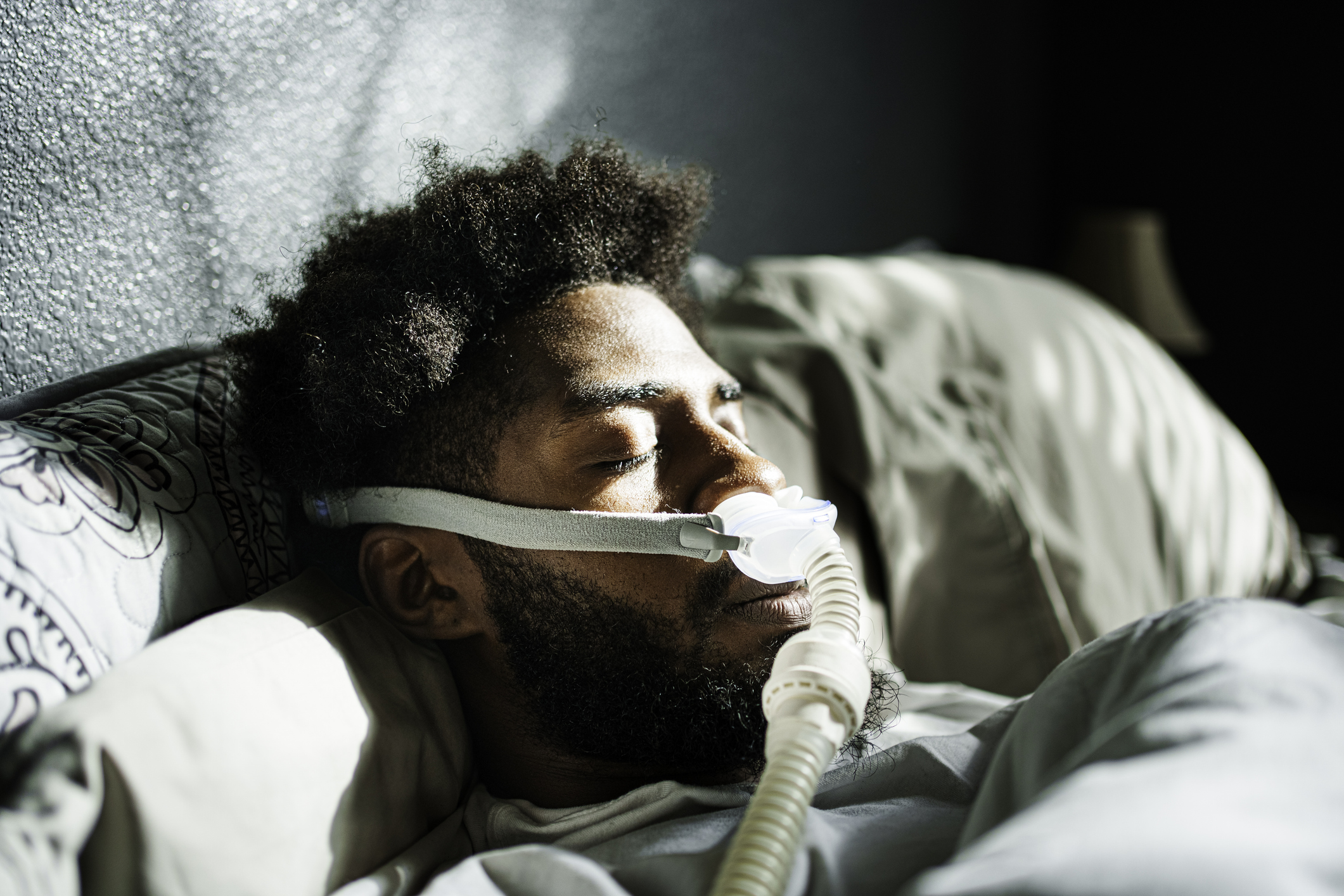
People who are suffering from OSA can improve their sleep quality with early treatment using common treatments for sleep apnea, such as a continuous positive airway pressure (CPAP) mask or the new Inspire device. Unlike the CPAP mask, the Inspire device works inside the body with a patient’s natural breathing process, using mild stimulation to open the airway during sleep, allowing oxygen to flow naturally. The patient uses a small handheld remote to turn Inspire on before bed and off when they wake up.  could help lower their risk of developing Parkinson’s disease. 

If you would like to get tested for sleep apnea, you can make an appointment at Jamaica Hospital Medical Center’s Sleep Center by calling 718-206-5916. 

To learn more about CPAP or Inspire at Jamaica Hospital Medical Center, please visit Jamaicahospital.org or call 718-206-7110 to make an appointment with an ENT doctor.   

If you would like to learn more about Parkinson’s disease, you can schedule an appointment with a neurologist at Jamaica Hospital Medical Center’s Ambulatory Care Center. Please call (718) 206-7001. 

All content of this newsletter is intended for general information purposes only and is not intended or implied to be a substitute for professional medical advice, diagnosis or treatment. Please consult a medical professional before adopting any of the suggestions on this page. You must never disregard professional medical advice or delay seeking medical treatment based upon any content of this newsletter. PROMPTLY CONSULT YOUR PHYSICIAN OR CALL 911 IF YOU BELIEVE YOU HAVE A MEDICAL EMERGENCY.