Jamaica Hospital Ranks Well Above National Average On CDC Survey

The benefits of breastfeeding are numerous. Breast milk contains nutrients that are vital to an infant’s growth and development and protects them against many childhood illnesses.

The MediSys Health Network understands the important role we play in providing breastfeeding education and support to our community. We have many programs and initiatives in place that encourage breastfeeding and skilled staff committed to helping new mothers through the breastfeeding process.

The network’s dedication to promoting breastfeeding was recently highlighted when the Centers for Disease Control and Prevention (CDC) released the results of their most recent Maternity Practices in Infant Nutrition and Care (mPINC) survey.

The mPINC survey is released every two years and is intended to highlight strengths and identify improvement opportunities in hospitals’ infant feeding practices. Over 2,000 hospitals across the United States participated in the most survey which contains many newborn feeding practice sub-categories including: rooming-in, feeding education, and discharge support.

Each hospital that participated in the survey received a numeric grade as well as the average national and regional grades of other hospitals and the average grades of similar sized hospitals, (hospitals with between 2,000 -4,999 births per year).

The average national score for hospitals was a 79, the average regional score (northeast) was an 84, and the average score for similar-sized hospitals was an 83. We are pleased to announce that both MediSys hospitals exceeded each of these rating categories with Jamaica Hospital receiving a total score of 93 and Flushing Hospital earning a score of 96. These scores demonstrate of the network’s commitment to providing the highest-quality pre-natal and mother baby care to families. Congratulations to all who helped us achieve this level of success

All content of this newsletter is intended for general information purposes only and is not intended or implied to be a substitute for professional medical advice, diagnosis or treatment. Please consult a medical professional before adopting any of the suggestions on this page. You must never disregard professional medical advice or delay seeking medical treatment based upon any content of this newsletter. PROMPTLY CONSULT YOUR PHYSICIAN OR CALL 911 IF YOU BELIEVE YOU HAVE A MEDICAL EMERGENCY.


Swim Safety Tips

The weather is warming up and people will be looking for ways to keep cool. One way that has always been popular during the warm summer months is swimming in a pool. Every year there are countless accidents and also fatalities at or near swimming pools. Many of which  could have been avoided had precautions been taken.

Safety Tips to follow:
• Never leave children unattended near a pool
• Only swim when there is a lifeguard present
• Every pool should have proper drain covers
• Pools should have alarms and proper fencing
• Keep the pool clean
• There should be no diving allowed in pools that are shallow
• Never swim alone
• There should be no horseplay in or near a pool
• Do not swim under the influence of alcohol or drugs
• Do not swim in a thunderstorm
• It is a good idea to give children swimming lessons before the start of the summer
• Children who don’t know how to swim should be given flotation devices to wear

There are many organizations around the country that offer swimming lessons for children and adults of all ages. If you don’t know how to swim, look into getting some lessons before heading out to the pool. You will have a good time and you will also be a lot safer this summer.

All content of this newsletter is intended for general information purposes only and is not intended or implied to be a substitute for professional medical advice, diagnosis or treatment. Please consult a medical professional before adopting any of the suggestions on this page. You must never disregard professional medical advice or delay seeking medical treatment based upon any content of this newsletter. PROMPTLY CONSULT YOUR PHYSICIAN OR CALL 911 IF YOU BELIEVE YOU HAVE A MEDICAL EMERGENCY.
Pink Eye Or Allergies?

Allergies of the eye and pink eye are both types of conjunctivitis, which is an inflammation of the outer membrane that covers the eyeball.

Many of the symptoms of pink eye and eye allergies are similar, and this can sometimes make it difficult to tell each condition apart.  However, it is important that we learn about the characteristics that make them distinct- especially now that pink eye is considered a warning sign of a COVID-19 infection.

The symptoms of eye allergies can include:

  • Redness
  • Tearing
  • Gritty feeling in the eye
  • Itchiness
  • Blurred vision
  • Swelling of the eyelid

Symptoms of bacterial or viral pink eye can include:

  • Redness
  • Tearing
  • Gritty feeling in the eye
  • Itchiness
  • A  green or white discharge in one or both eyes, that can result in crusting at night
  • Soreness of the eyes

Although eye allergies and pink eye share common symptoms, the causes of each condition are different. Allergies are typically caused by a reaction to an allergen such as pollen while pink eye can be caused by bacteria or a virus.

An additional distinction between the two conditions is viral or bacterial pink eye is extremely contagious and can be spread by contact with an infected individual or exposure to a contaminated surface. Eye allergies on the other hand are non-infectious.

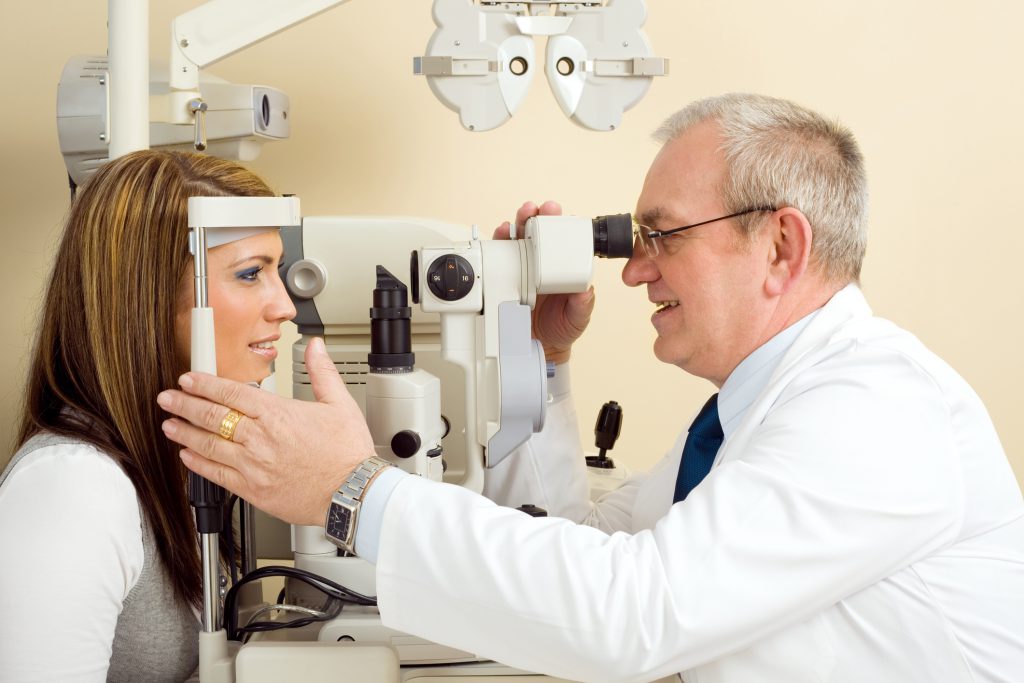
If you are experiencing symptoms associated with either type of conjunctivitis, it is important that you consult your eye doctor.  Your physician will be able to examine your eyes or order tests to determine the reason for inflammation and provide the appropriate treatment.

To schedule an appointment with an eye doctor at Jamaica Hospital Medical Center, please call 718-206-5900.

All content of this newsletter is intended for general information purposes only and is not intended or implied to be a substitute for professional medical advice, diagnosis or treatment. Please consult a medical professional before adopting any of the suggestions on this page. You must never disregard professional medical advice or delay seeking medical treatment based upon any content of this newsletter. PROMPTLY CONSULT YOUR PHYSICIAN OR CALL 911 IF YOU BELIEVE YOU HAVE A MEDICAL EMERGENCY.
The Importance of Getting a Bone Density Screening

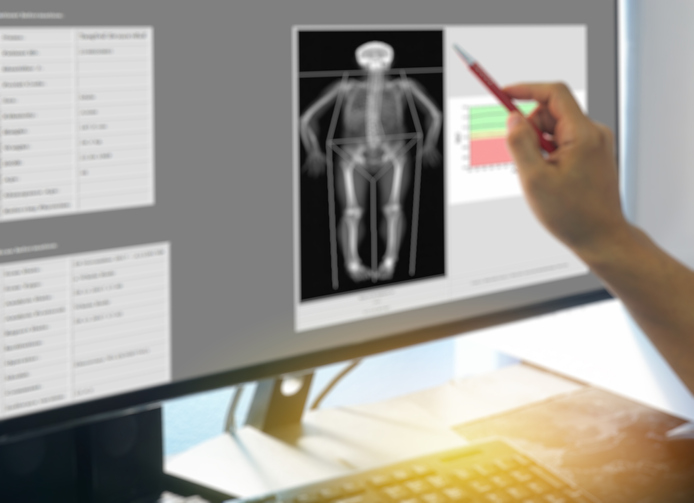
A bone density test is a type of x-ray that measures the concentration of calcium and other minerals in the bones. This test is most commonly performed to evaluate a patient for osteoporosis.

Osteoporosis is a disease that causes bones to lose density and become easy to break or fracture.

Some people are more at risk for developing osteoporosis than others. Risk factors include:

  • Age – Older people tend to have a greater incidence of osteoporosis
  • Race – Caucasians and Asians are typically more prone to bone density issues
  • Gender – Women experience bone loss more frequently than men
  • Dietary factors – People who have a low intake of calcium are at greater risk
  • Medications – People with a long term use of injectable steroids have bone loss issues
  • Smoking – People who smoke tend to lose bone mass at a faster rate than non-smokers
  • Family history – There is a correlation of osteoporosis and hereditary factors

Symptoms of the disease are:

  • Loss of height over a period of time
  • Back pain
  • Bones that break more easily than expected
  • A stooped posture

For those who are presenting symptoms or have a higher chance of developing osteoporosis, a doctor may recommend testing to assess the density of their bones.

Bone density screenings are non-invasive, painless, and use low amounts of x-rays. The results of the test will indicate whether or not you need to take medication that will help to maintain your bone density or make changes in your lifestyle and diet to prevent bone loss.

If you would like to schedule a bone density screening at Flushing Hospital Medical Center, ask your physician for a referral to have it performed. You can schedule an appointment with a physician at Flushing Hospital by calling 718-206-7001.

All content of this newsletter is intended for general information purposes only and is not intended or implied to be a substitute for professional medical advice, diagnosis or treatment. Please consult a medical professional before adopting any of the suggestions on this page. You must never disregard professional medical advice or delay seeking medical treatment based upon any content of this newsletter. PROMPTLY CONSULT YOUR PHYSICIAN OR CALL 911 IF YOU BELIEVE YOU HAVE A MEDICAL EMERGENCY.

Tips To Prevent Summer Dehydration

As summer temperatures heat up, our bodies may sweat more, and exposure to the dangers of the sun can increase. These factors can lead to dehydration, and put some at risk for developing serious health complications such as kidney stones, seizures, or heat stroke.

One of the best ways to avoid dehydration is drinking enough water.

In addition to drinking your daily recommended amount of water, there are a few tips you can follow to prevent dehydration. These include:

  1. Staying out of the sun as much as possible, especially during peak hours of sunlight (typically, between 10:00 am to 2:00 pm)
  2. Eating fruits and vegetables with a high concentration of water such as celery, cucumbers, and watermelon
  3. Drinking liquids before you begin to feel thirsty
  4. Avoiding or minimizing drinking caffeinated beverages such as coffee or tea
  5. Avoiding or minimizing alcohol consumption

Dehydration should not be taken lightly, because not only is your body losing water, it is also losing electrolytes and minerals that help organs to function well. Therefore, it is important that you stay hydrated during the summer and avoid complications to your health.

All content of this newsletter is intended for general information purposes only and is not intended or implied to be a substitute for professional medical advice, diagnosis or treatment. Please consult a medical professional before adopting any of the suggestions on this page. You must never disregard professional medical advice or delay seeking medical treatment based upon any content of this newsletter. PROMPTLY CONSULT YOUR PHYSICIAN OR CALL 911 IF YOU BELIEVE YOU HAVE A MEDICAL EMERGENCY.

Summertime Allergies

If you are one of the millions of Americans who experience summertime allergies, you may want to control your seasonal symptoms with this allergy sufferer’s survival guide.

Summer allergies occur when your immune system tries to defend your body against substances that are harmless to others causing itchy or watery eyes, sneezing, wheezing, and an itchy, stuffy or runny nose.

About 50 million Americans suffer from year-round allergies to mold, dust, and pets. However, summer allergies are the mostly triggered by trees, pollen, leaves, grasses and ragweed.

There isn’t a cure for allergies, but there are ways you can find relief.  If you symptoms are minor, there are over-the-counter antihistamines or nasal sprays that may help.

The most important thing to remember is that you do not have to suffer unnecessarily.  If over– the-counter remedies aren’t working, then it’s probably a good idea to seek the advice of a doctor.

To schedule an appointment with an Allergist at Jamaica Hospital Medical Center’s Ambulatory Care Center, please call 718-206-7001

All content of this newsletter is intended for general information purposes only and is not intended or implied to be a substitute for professional medical advice, diagnosis or treatment. Please consult a medical professional before adopting any of the suggestions on this page. You must never disregard professional medical advice or delay seeking medical treatment based upon any content of this newsletter. PROMPTLY CONSULT YOUR PHYSICIAN OR CALL 911 IF YOU BELIEVE YOU HAVE A MEDICAL EMERGENCY.

Jamaica Hospital Warns Against Using Fireworks This July 4th Holiday

With July 4th holiday approaching, Jamaica Hospital  Medical Center wants everyone to know the potential dangers associated with fireworks so you can avoid injuring yourself or others.

Fireworks are ILLEGAL in New York State, and are extremely dangerous when they are not being used by a professional. They burn at extremely high temperatures and can rapidly burn through clothing and skin.  Items such as sparklers are mistakenly thought to be safe, but they are actually quite dangerous too.

In states where it is legal to purchase and operate fireworks, please be sure to follow the following safety tips:

  • Never allow young children to handle fireworks
  • Older children should use them only under the close supervision of an adult
  • Never light fireworks indoors
  • Only use them away from people, houses and flammable material
  • Do not try to re-light or handle malfunctioning fireworks
  • Soak unused fireworks in water for a few hours before discarding
  • Keep a bucket of water nearby to fully extinguish fireworks in case of fire

This year, have a safe Fourth of July and leave the firework displays to the trained professionals. If you have questions about fireworks displays and safety, you can visit The National Council on Firework Safety webpage at http://www.fireworksafety.org.  Take the test and learn just how much you know about fireworks safety.

All content of this newsletter is intended for general information purposes only and is not intended or implied to be a substitute for professional medical advice, diagnosis or treatment. Please consult a medical professional before adopting any of the suggestions on this page. You must never disregard professional medical advice or delay seeking medical treatment based upon any content of this newsletter. PROMPTLY CONSULT YOUR PHYSICIAN OR CALL 911 IF YOU BELIEVE YOU HAVE A MEDICAL EMERGENCY.
Heart Disease and Hot Weather

Woman with water bottle in summer heat

Summertime heat affects everyone, but for people who suffer from heart disease, it can be life threatening. Activities that are performed when the weather is mild may not have much risk associated with them but once the temperature rises they can lead to heat exhaustion and heat stroke. People with heart disease are very susceptible to extreme weather conditions.

When we are exposed to the heat, our bodies respond by sweating, which is the body’s way to maintain a normal temperature. . Heat as well as the body’s response to it, leads to enlarged blood vessels, lower blood pressure and higher heart rate. This combination can cause people with heart problems to serious problems due to the stress on the cardiovascular system. If the heart is already weakened it may not be able to pump blood effectively and keep the blood pressure at a high enough level. This can lead to an overheating of the body. Some medications that are prescribed for heart patients also lower the heart rate, which can be compounded during the hot weather.

Some helpful tips for people with heart disease in the hot weather are:

  • Stay out of the heat during the middle of the day
  • Wear clothing that is loose fitting and light
  • Do not perform strenuous activities in hot weather
  • Keep hydrated and avoid alcohol and caffeine.
  • Stay indoors in an air conditioned environment

Discuss with your physician ways to stay healthy during the hot summer months. If you would like to schedule an appointment with a cardiologist at Jamaica Hospital, please call 718-206-6742.

Jamaica  Hospital Medical Center has reopened many of its healthcare services. To learn about the safety measures the hospital has taken to protect your health, please visit https://jamaicahospital.org/to-our-patients/

All content of this newsletter is intended for general information purposes only and is not intended or implied to be a substitute for professional medical advice, diagnosis or treatment. Please consult a medical professional before adopting any of the suggestions on this page. You must never disregard professional medical advice or delay seeking medical treatment based upon any content of this newsletter. PROMPTLY CONSULT YOUR PHYSICIAN OR CALL 911 IF YOU BELIEVE YOU HAVE A MEDICAL EMERGENCY.

June is Cataract Awareness Month

The American Academy of Ophthalmology has designated June as Cataract Awareness Month. The purpose of this designation is to help educate the public on what cataracts are and how to treat them once they are diagnosed.

Cataracts are a clouding of the lens of the eye. This will result in blurry vision, and since less light is being transmitted, objects will appear darker as well.

Cataracts are the leading cause of preventable blindness; therefore, it is important that you do not delay treatment.

It is estimated that 25 million people in the United States age 40 and older will be diagnosed with a cataract, and by the time people reach the age of 80, more than half of the population of the United States will be affected with the disease.

Risk factors for developing cataracts include:

  • Age
  • Diabetes
  • Smoking
  • Prolonged exposure to sunlight
  • Obesity
  • High blood pressure
  • Hereditary factors
  • Prior eye injuries

Cataracts are classified by what causes them. Age is the biggest factor, followed by eye trauma, congenital causes and secondary to taking certain medications like steroids.

There are a few ways to lower the risk of developing cataracts, but they may not be completely successful. 

  • Wearing sunglasses when outdoors
  • A diet rich in vitamin C foods
  • Avoiding smoking

Treatment for cataracts involves a surgical procedure which removes the old lens of the eye  and replacing it with a synthetic one. It is a very common procedure and considered relatively safe. If you would like to schedule an appointment with an eye doctor at Jamaica Hospital, please call 718-206-5900.

Jamaica  Hospital Medical Center has reopened many of its healthcare services. To learn about the safety measures the hospital has taken to protect your health, please visit https://jamaicahospital.org/to-our-patients/

All content of this newsletter is intended for general information purposes only and is not intended or implied to be a substitute for professional medical advice, diagnosis or treatment. Please consult a medical professional before adopting any of the suggestions on this page. You must never disregard professional medical advice or delay seeking medical treatment based upon any content of this newsletter. PROMPTLY CONSULT YOUR PHYSICIAN OR CALL 911 IF YOU BELIEVE YOU HAVE A MEDICAL EMERGENCY.

COVID-19 Summer Precautions

Just as spring was about to begin, the pandemic struck and forced us to change our lifestyles. This included the closing of schools and non-essential businesses, as well as restricting most of our person- to -person interactions.

Now that we are approaching summer, and the weather is warming up, more and more people are starting to go outdoors to parks, beaches, and other places. Under normal circumstances, this wouldn’t be an issue, however, due to the risk of spreading COVID-19, we have to be careful about becoming exposed to the virus.

Recently we have seen a general “flattening of the curve” which means fewer people are being hospitalized and succumbing to the virus. While this is a very positive step in the right direction, we have to be cautiously optimistic and must not let our guard down.

It is important to remember that the number of coronavirus cases has declined as a result of people staying home as much as possible and following the recommended safety guidelines.

To continue this trend, we must adhere to the rules that allowed us to get to this point. This includes:

  • Practicing social distancing – keeping at least six feet apart from others
  • Avoiding gatherings of 10 or more people
  • Wearing masks
  • Sanitizing our hands
  • Sanitizing surfaces that we commonly come in contact with

Taking these precautions will help to protect our health as our cities and towns begin to reopen. By remaining vigilant we can achieve our collective goal of further flattening the curve.

For more information and the latest developments of the COVID-19 outbreak, please visit www.cdc.gov

All content of this newsletter is intended for general information purposes only and is not intended or implied to be a substitute for professional medical advice, diagnosis or treatment. Please consult a medical professional before adopting any of the suggestions on this page. You must never disregard professional medical advice or delay seeking medical treatment based upon any content of this newsletter. PROMPTLY CONSULT YOUR PHYSICIAN OR CALL 911 IF YOU BELIEVE YOU HAVE A MEDICAL EMERGENCY.