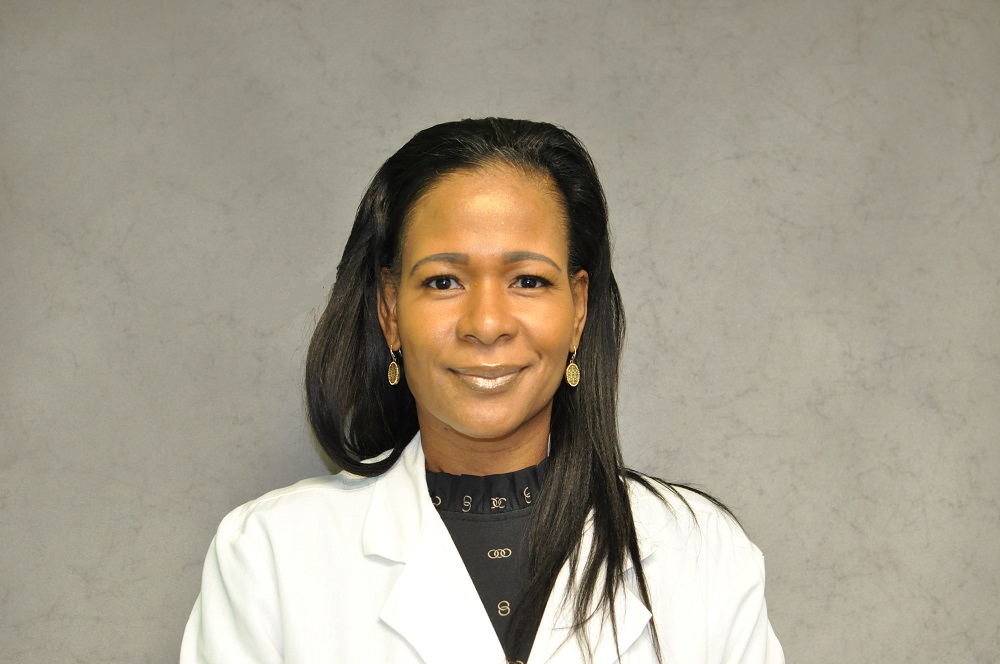
Ayshea Beswick-Bailey Shares Her “Jamaica Journey”

Thousands of people work at Jamaica Hospital and each has their own unique story to tell about their career path.  The following is one of them.

Ayshea Beswick-Bailey RN, MSN, PMHNP; Clinical Nurse Manager for Psych-3, began her career journey at Jamaica Hospital Medical Center 17 years ago.

Driven by a strong desire to care for others, Ayshea pursued a career in nursing “I always knew I wanted to be a nurse. As a child I enjoyed helping people and was intrigued by anything related to medicine,” she shared.

In 2003, she joined Jamaica Hospital as a Licensed Practical Nurse on 3-North. After receiving her Bachelor of Science in Nursing from Lehman College, Ayshea honed her clinical expertise by working in various areas of the hospital as a Float Team RN.  Her next career stop was the E.R., where she worked for almost 10 years.  For Ayshea, working in the E.R. was one of her best experiences.  She said there is no limit to what you can learn there.

Ayshea used the knowledge and experience she gained in the E.R. to transition to the Psychiatry department. While working as a Staff Nurse, Ayshea completed the Master of Science program at Hunter College and received her degree as a Psychiatric Mental Health Nurse Practitioner.

Throughout her journey at Jamaica Hospital, Ayshea has become known by many for her strong work ethic and willingness to go above and beyond. In fact, she was nominated for a G.E.M award which is given to employees who go the extra mile to help patients and colleagues.

In addition to her commitment to providing excellent care to patients, Ayshea credits her professional growth to the support of her mentors and colleagues.  “My first mentor at Jamaica hospital was Linda Hayes, the Assistant Director of Nursing Administration. She always pushed me and believed in me,” she stated. “I am also very grateful that other leaders such as Marge Lilienthal, Liz Garcia, Dr. Daniel Chen, Dr. Martha Edelman and Dr. Meri Nisimova gave me a chance.”

When asked about her overall experience of working at Jamaica Hospital, Ayshea replied, “I know this may sound cliché, but it is the truth, working at Jamaica Hospital has truly been like working with family. My colleagues have been there during the difficult and best times in my life, including my dad’s cancer diagnosis and recovery, as well as the birth of my kids, two of which I had at this hospital.”

All content of this newsletter is intended for general information purposes only and is not intended or implied to be a substitute for professional medical advice, diagnosis or treatment. Please consult a medical professional before adopting any of the suggestions on this page. You must never disregard professional medical advice or delay seeking medical treatment based upon any content of this newsletter. PROMPTLY CONSULT YOUR PHYSICIAN OR CALL 911 IF YOU BELIEVE YOU HAVE A MEDICAL EMERGENCY.
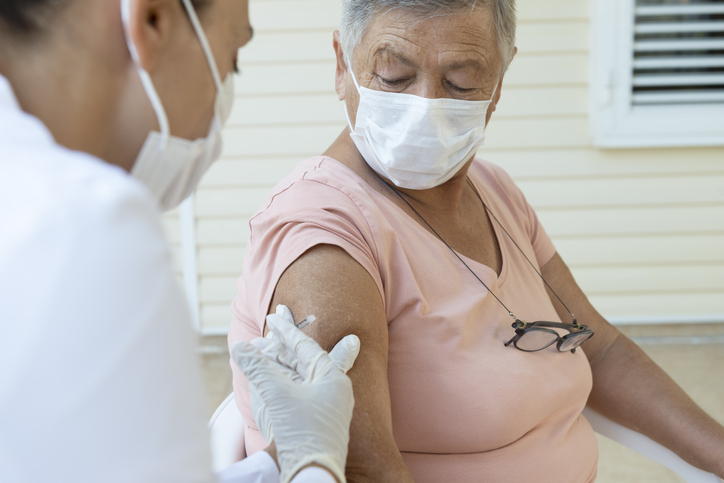
Should You Get a Flu Vaccine During the Pandemic?

Many people have asked whether or not they should get the flu shot during this year’s pandemic. According to medical experts, the answer is yes. There are a few very good reasons why getting a flu shot is the correct approach to protecting yourself. These include:

Getting influenza can weaken the body’s defenses and make it more susceptible to other illnesses, including Covid-19.

Since many of the symptoms of influenza and Covid-19 are similar, helping the body to fight off influenza can potentially make Covid-19 less severe.

Wearing a mask and social distancing have the potential to lessen our risk of contracting influenza as well as Covid-19, however these measures aren’t foolproof. A vaccine that will help lower the risk of getting seriously ill offers an added layer of protection..

Getting a flu vaccine during the pandemic may also help to prevent the spread of influenza to others.

It is possible to have the flu and Covid-19 at the same time; however, getting vaccinated can help lessen the severity of certain complications.

If you have any questions about getting one or both of these vaccines, consult with your physician to see if it is appropriate in your individual case. To schedule an appointment with a physician at Jamaica Hospital Medical Center, please call 718-206-7001

All content of this newsletter is intended for general information purposes only and is not intended or implied to be a substitute for professional medical advice, diagnosis or treatment. Please consult a medical professional before adopting any of the suggestions on this page. You must never disregard professional medical advice or delay seeking medical treatment based upon any content of this newsletter. PROMPTLY CONSULT YOUR PHYSICIAN OR CALL 911 IF YOU BELIEVE YOU HAVE A MEDICAL EMERGENCY.

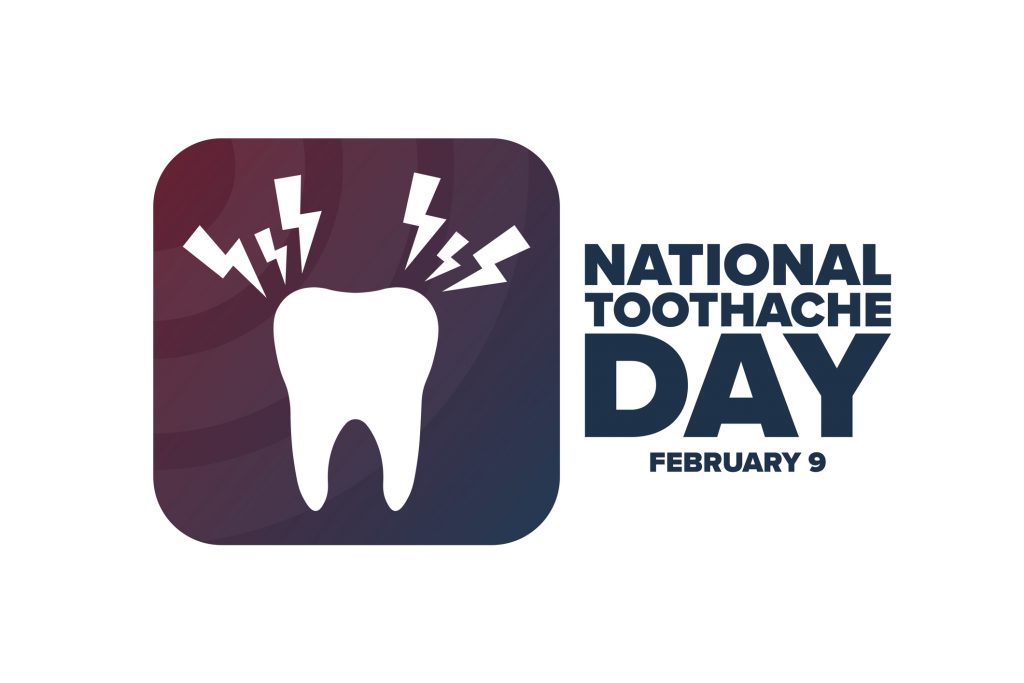
National Toothache Day

National Toothache Day occurs each year on February 9th. In honor of this observation, we are sharing a few remedies to get temporary relief from a minor toothache.

Here are a few:

  • Saltwater rinse- Saltwater is a natural antibacterial agent.  Mix 1/2 teaspoon (tsp) of salt into a glass of warm water and use it as a mouthwash-do not swallow. This may help to reduce inflammation.
  • Hydrogen peroxide rinse- Mix 3% hydrogen peroxide with equal parts water and use it as a mouthwash- do not swallow.  This can help to relieve pain and reduce inflammation. A hydrogen peroxide rinse is not suitable for children because there is a risk that may swallow the solution.
  • Peppermint tea bags- According to WebMD, “A cooled peppermint tea bag may soothe your aching tooth and gums.”

Please keep in mind that these are short-term solutions. It is recommended that you see a dentist as soon as possible to determine the cause of your toothache and get the proper treatment.

To schedule an appointment with a dentist at Jamaica Hospital Medical Center, please call 718-206-6980.

All content of this newsletter is intended for general information purposes only and is not intended or implied to be a substitute for professional medical advice, diagnosis or treatment. Please consult a medical professional before adopting any of the suggestions on this page. You must never disregard professional medical advice or delay seeking medical treatment based upon any content of this newsletter. PROMPTLY CONSULT YOUR PHYSICIAN OR CALL 911 IF YOU BELIEVE YOU HAVE A MEDICAL EMERGENCY.

What Is Herd Immunity

The existence of COVID-19 has introduced us to many new terms that we may not completely understand. One of those terms is “herd immunity.”

Herd immunity describes how the spread of a contagious disease can be controlled after a large enough portion of the population, (referred to as “the herd”) becomes immune.

A disease is most contagious when everyone in the community is at risk of contracting it. If a sizable percentage becomes immune however, it makes it harder for the disease to reach those susceptible because the herd blocks its ability to reach them.  As a result, the entire community becomes better protected.

There are two ways to achieve herd immunity: vaccination or infection and recovery.

  • Vaccination – Vaccines create immunity without causing illness or resulting complications. Vaccines have successfully controlled deadly contagious diseases such as smallpox, polio, diphtheria, rubella and many others. Herd immunity by vaccination protects people who are unable to be vaccinated due to age or other conditions.
  • Natural infection – Herd immunity can also be reached when a sufficient number of people in the population have recovered from a disease and have developed antibodies against future infection. For example, those who survived the 1918 flu (influenza) pandemic were later immune to infection to the H1N1 flu, a subtype of influenza A.

The percentage of a community that needs to be immune in order to achieve herd immunity varies from disease to disease. The more contagious a disease is, there will need to be a greater proportion of the population that is immune to the disease to stop its spread. For example, the measles is a highly contagious illness, therefore it’s estimated that 94% of the population must be immune to interrupt the chain of transmission.

It is important to note that while herd immunity can reduce the risk of getting a disease, it does not prevent it. Until an effective COVID-19 vaccine is developed, it is important to follow all safety guidelines to protect against the transmission of the virus, including:

  • Avoiding large events and mass gatherings.
  • Avoiding close contact with others, (within 6 feet).
  • Washing your hands often with soap and water for at least 20 seconds, or use an alcohol-based hand sanitizer that contains at least 60% alcohol.
  • Wearing a face mask or covering in public spaces.
  • Covering your mouth and nose with your elbow or a tissue when you cough or sneeze.
  • Avoiding touching your eyes, nose and mouth.
  • Avoiding sharing dishes, glasses, bedding and other household items if you’re sick.
  • Cleaning and disinfect high-touch surfaces daily.
  • Staying home from work, school and public areas if you’re sick, unless you’re going to get medical care.

All content of this newsletter is intended for general information purposes only and is not intended or implied to be a substitute for professional medical advice, diagnosis or treatment. Please consult a medical professional before adopting any of the suggestions on this page. You must never disregard professional medical advice or delay seeking medical treatment based upon any content of this newsletter. PROMPTLY CONSULT YOUR PHYSICIAN OR CALL 911 IF YOU BELIEVE YOU HAVE A MEDICAL EMERGENCY.

Tips To Avoid Spreading COVID At Super Bowl Gatherings

Like so many other events over the past 12 months, this year’s Super Bowl celebrations will be different from previous ones. The “Big Game” is typically one of the largest social events of the year, but because of the COVID pandemic, large gatherings are strongly discouraged.

The fact that we are unable to get together the way we normally would doesn’t mean we still can’t have a fun experience.

One way to enjoy the game with extended friends and family is to host a virtual event.  This is considered the safest way to celebrate the Super Bowl. According to the Centers for Disease Control and Prevention (CDC), some of the ways to make a virtual event fun include:

  • Wear clothing or decorate your home with your favorite team’s logo or colors.
  • Make appetizers or snacks with the people you live with to enjoy while watching the game and share the recipes with your friends and family.
  • Start a text group with other fans to chat about the game while watching.

Another option is to use a projector screen to host an outdoor viewing event.  While not as safe as a virtual event, getting together outdoors is considered less risky than an indoor event. 

Normal behavior at Super Bowl gatherings include a lot of shouting, cheering and laughing. When this occurs outdoors, the tiny droplets of saliva that come out of our mouths is better dispersed into the environment and become more diluted, making the risk of infection less likely. 

When hosting an outdoor party, some safety tips include spacing guests six feet apart and encouraging everyone bring their own snacks.

Like holiday gathering, Super Bowl parties can be super-spreader events. Following these suggestions will help control the spread of COVID and save lives.

All content of this newsletter is intended for general information purposes only and is not intended or implied to be a substitute for professional medical advice, diagnosis or treatment. Please consult a medical professional before adopting any of the suggestions on this page. You must never disregard professional medical advice or delay seeking medical treatment based upon any content of this newsletter. PROMPTLY CONSULT YOUR PHYSICIAN OR CALL 911 IF YOU BELIEVE YOU HAVE A MEDICAL EMERGENCY.

COVID-19 Vaccine Fact Versus Myth

There are many myths being circulated about the COVID-19 vaccine due to a spread of misinformation. It is important to know what is true and what is not to help you make an informed decision about getting vaccinated.

Is it true that the vaccine was produced too quickly and is unsafe because it wasn’t tested sufficiently?

The vaccines have all been tested by the Food and Drug Administration and have been deemed to be safe.

All content of this newsletter is intended for general information purposes only and is not intended or implied to be a substitute for professional medical advice, diagnosis or treatment. Please consult a medical professional before adopting any of the suggestions on this page. You must never disregard professional medical advice or delay seeking medical treatment based upon any content of this newsletter. PROMPTLY CONSULT YOUR PHYSICIAN OR CALL 911 IF YOU BELIEVE YOU HAVE A MEDICAL EMERGENCY.

Home Workout Tips

When you’re starting a home workout program it can be hard to figure out what exercises you should perform, particularly if you don’t have the budget for pricey equipment or personal training.
Most experts will tell you that a home training program for fitness should target all your major muscle groups are targeted at least once each week. It is recommended that your program includes 30 to 60 minutes of moderate to vigorous aerobic exercise no more than three to five times a week.”
Most importantly, stretching should be a part of the workout regime. Stretching helps with both strength and flexibility.
Some proven home exercises that won’t break your piggy bank are:
• Squats. Standing upright, feet wider than shoulders apart. With your arms extended forward or your hands on your hips for balance, squat down. Push your knees outward as you descend until your thighs are parallel with the floor. Continue pushing your knees outward as you stand.
• Partial-body push-ups (with knees on the floor).
• Modified jumping jacks. Instead of moving your arms over your head, do these while you press the palms of your hands together at chest level, holding your elbows out to make a straight line.
• Chair crunches. Sit on a chair with your hands under your behind, arms straight, and fingers facing inward toward one another. Contract your pelvis and lower abs, and, keeping your knees bent at a 90-degree angle, lift your feet off the floor and tuck your knees in toward your chest while bending your upper body slightly toward your knees. Do as many as you can until you reach fatigue.
• Chair dips. Place your hands on the side of the chair and wrap your fingers around the edge. Scoot forward until your bottom is on the edge of the chair and your arms are fully extended. Keep your feet about 3 inches apart with your legs extended, so your knees are at approximately a 150 degree angle with your heels grounded. With your elbows pointed back and tucked in tight alongside your body, do 15 to 20 dips, 3 seconds down and 1 second up. Keep your chest up and your shoulders back.
It is important to speak with your Physician before beginning any exercise program, even if it is an at home program.

All content of this newsletter is intended for general information purposes only and is not intended or implied to be a substitute for professional medical advice, diagnosis or treatment. Please consult a medical professional before adopting any of the suggestions on this page. You must never disregard professional medical advice or delay seeking medical treatment based upon any content of this newsletter. PROMPTLY CONSULT YOUR PHYSICIAN OR CALL 911 IF YOU BELIEVE YOU HAVE A MEDICAL EMERGENCY.

Age-Related Macular Degeneration (AMD)

Age related Macular Degeneration (AMD) is the leading cause of severe vision loss in older adults. It affects approximately 10 million Americans – more than cataracts and glaucoma combined. With an aging U.S. population, that number is only expected to increase.

AMD occurs when the central portion of the retina, known as the macula, which is responsible for focusing central vision, deteriorates.

In its early stages, Macular Degeneration does not affect vision, but as the disease progresses, people may experience wavy or blurred vision or blurred spot in the center of their vision. If the condition continues to worsen, central vision may be completely lost.

Advanced stages of AMD can affect one’s ability to read, drive a car, watch television, or perform many visual tasks. In fact, those living with AMD are considered legally blind.

There are two types of macular degeneration; dry and wet.

  • Dry AMD is an early stage of the disease. Approximately 85% to 90% of AMD cases are the dry type. Dry Macular Degeneration is diagnosed when yellowish spots known as drusen begin to accumulate in and around the macula. It is believed that these spots are deposits or debris from deteriorating tissue. A few small drusen may not cause changes in vision; however, as they grow in size and increase in number, they may lead to a dimming or distortion of vision that people find most noticeable when they read.
  • Approximately 10 percent of the cases of dry AMD progresses to the more advanced and damaging form of the disease known as wet AMD. During this phase, new blood vessels grow beneath the retina and leak blood and fluid. This leakage causes permanent damage to light-sensitive retinal cells, resulting in distorted vision including the appearance of wavy lines, as well as blind spots and loss of central vision. These abnormal blood vessels and their bleeding eventually form a scar, leading to permanent loss of central vision.

As the name implies, the biggest risk factor for AMD is age as the disease is most prevalent in those 55 and older. Another known link to AMD is smoking as it is believed to double the risk of developing the disease. AMD is most common in Caucasians and in females. People with a family history of AMD are also believed to be at a higher risk. Hypertension and obesity are also considered risk factors for Macular Degeneration by some, although there is no conclusive research linking these factors.

There is no cure for AMD, but if detected early, there are medical treatment and lifestyle changes that can delay the progression of the disease. Macular degeneration may not present any symptoms in the early stages and it may be unrecognized until it progresses. For this reason, it is important for older adults to monitor their eye site and visit their eye doctor regularly. Eye care doctors can often detect early signs of Macular Degeneration before symptoms occur. Usually this is accomplished through a retinal exam.

Jamaica Hospital’s Ophthalmology Center can diagnose and treat a wide variety of eye disorders. To make an appointment, please call 718-206-5900.

All content of this newsletter is intended for general information purposes only and is not intended or implied to be a substitute for professional medical advice, diagnosis or treatment. Please consult a medical professional before adopting any of the suggestions on this page. You must never disregard professional medical advice or delay seeking medical treatment based upon any content of this newsletter. PROMPTLY CONSULT YOUR PHYSICIAN OR CALL 911 IF YOU BELIEVE YOU HAVE A MEDICAL EMERGENCY.

Understanding COVID Data

The COVID pandemic has put a halt to or severely altered many aspects of our lives.

Many of the decisions made about where we are permitted to go and what we are permitted to do is predicated on the results of COVID data collected in our communities.  Although this information is readily available to us via multiple sources, do we really fully comprehend it?

Some of the information gathered can be difficult to interpret while other statistics, when received out of context, can be misleading.  Below are some insights to help you navigate the constant stream of COVID data.

The first thing to remember is that overall case counts don’t often provide an accurate picture of the situation. While overall information on the total number of positive cases in a given city or state can offer some insight of the level of transmission, it’s only valid if enough people are being tested.  If we are testing more people, we will obviously identify more COVID positive individuals.

Instead, the better statistic to look at is the positivity rate in a given area. This data measures the percentage of total tests conducted that come back positive.  According to the World Health Organization (WHO), an ideal positivity rate should be less than 5%.

Another thing to point out is to not focus on a single day’s data. This is because some local and state jurisdictions don’t report data on the weekend and submit all weekend data collectively.  This can create unrealistic peaks and valleys in daily reporting. Instead, experts suggest you review what’s referred to as a “Seven Day Rolling Average”. This data takes each day’s number and averages it with the previous six days to provide a more accurate account of the prevalence of the virus.  

Lastly, there is a great deal of information out there. While staying well-informed is very important, it is equally as important to only use reliable sources.

We hope these tips will help you better navigate COVID data and make informed decisions to ensure your safety and that of your loved-ones.

All content of this newsletter is intended for general information purposes only and is not intended or implied to be a substitute for professional medical advice, diagnosis or treatment. Please consult a medical professional before adopting any of the suggestions on this page. You must never disregard professional medical advice or delay seeking medical treatment based upon any content of this newsletter. PROMPTLY CONSULT YOUR PHYSICIAN OR CALL 911 IF YOU BELIEVE YOU HAVE A MEDICAL EMERGENCY.

This Month We Shine Our Employee Spotlight on Navindra Santram, E.M.T.

This month we are proud to shine our Employee Spotlight on Navindra “Navie” Santram an Emergency Medical Technician in our Pre-Hospital Care Department.

Navindra, or as he likes to be called Navie is a native of Guyana who came to the United States when he was 6 years old. He has lived in Richmond Hill and Ozone Park, attended PS 226, is a 1992 graduate of Hillcrest High School and attended LaGuardia College. He continues to live in Queens with his wife and two sons who are 11 and 12 years of age.  Also living in his home are his 2 ½ year old puppy and an assortment of tropical fish. Family is very important to Navie and he enjoys spending his free time with them whether it be playing sports, board games, or traveling to new destinations. Whenever he and his family go on vacation to places they have never been, they like to learn as much as possible about the area they are visiting. This includes the history, the culture, and the food people eat there. Another one of his favorite activities is camping. He likes being outdoors and enjoying nature.

Navie enjoys many types of food, especially Caribbean, and Italian. He has a deep knowledge of all genres of music particularly music from the Golden ’60s. He and his family enjoy watching action movies together. He also enjoys planting vegetables in his garden and watching them grow.

Working at Jamaica Hospital Medical Center for the past 14 ½ years has given Navie the opportunity to pursue his passion for helping others, especially those who find themselves in need of medical attention. He greatly appreciates all the opportunities he has been given to grow professionally and he feels fortunate to be working with people who are passionate about the work that they do for people in the community. In 2017 Jamaica Hospital sent a team of medical professionals to Puerto Rico to help in the Hurricane Maria Relief effort and Navindra feels fortunate to have been selected to be a part of this medical mission. Helping people whose lives were devastated was a very rewarding experience, and one that he will never forget.

We are fortunate to have Navie working for us and we look forward to having him as a member of our team for many more years to come.

All content of this newsletter is intended for general information purposes only and is not intended or implied to be a substitute for professional medical advice, diagnosis or treatment. Please consult a medical professional before adopting any of the suggestions on this page. You must never disregard professional medical advice or delay seeking medical treatment based upon any content of this newsletter. PROMPTLY CONSULT YOUR PHYSICIAN OR CALL 911 IF YOU BELIEVE YOU HAVE A MEDICAL EMERGENCY.