National School Backpack Awareness Day

As students begin a new school year, Jamaica Hospital Medical Center is taking the opportunity to inform our community about backpack usage, potential medical issues that it can cause, and ways to prevent these issues for National School Backpack Awareness Day.

Most students use backpacks to carry the books and supplies they need for school each day, often hauling loads weighing as much as 20% of their body weight. When students frequently carry this kind of weight, the muscles and joints in their back, neck, and shoulders can become strained or injured due to continuous stress. This can also lead to posture problems, causing misalignment in the musculoskeletal system, interfering with proper joint movement and function, and wearing away the spine.

Your child’s choice of backpack can substantially help to avoid these problems. Look for a backpack that:

  • Fits your child properly
  • Features two wide, padded shoulder straps and a waist strap
  • Has a padded back
  • Is lightweight

These features are most helpful when utilized properly. All straps on a backpack should be tightened to keep the load as close to a student’s back as possible, reducing the stress it places on their muscles. Additionally, keep the heaviest items low and toward the center of the backpack, removing any items that aren’t necessary for the day. Lastly, be sure your child is lifting the weight of the backpack from their knees, not their back.

If your child is experiencing frequent or chronic back pain, you can schedule an appointment with a doctor at Jamaica Hospital’s Ambulatory Care Center to diagnose and treat the problem by calling (718) 206-7001.

All content of this newsletter is intended for general information purposes only and is not intended or implied to be a substitute for professional medical advice, diagnosis or treatment. Please consult a medical professional before adopting any of the suggestions on this page. You must never disregard professional medical advice or delay seeking medical treatment based upon any content of this newsletter. PROMPTLY CONSULT YOUR PHYSICIAN OR CALL 911 IF YOU BELIEVE YOU HAVE A MEDICAL EMERGENCY.


Supplements And Drug Interactions

It is common for people to take dietary supplements while using prescribed medications.  However, many do not disclose this information to their doctors.

Informing your doctor of prescription and supplement usage is important because some supplements when combined with certain medications can cause interactions that endanger your health.

The U.S. Food and Drug Administration (FDA), warns against combining the following medications and supplements as doing so can result in adverse reactions:

  • Drugs for HIV/AIDS, heart disease, depression, treatments for organ transplants, and birth control pills are less effective when taken with St. John’s wort, an herbal supplement.
  • Warfarin (a prescription blood thinner), ginkgo biloba (an herbal supplement), aspirin, and vitamin E (a supplement) can each thin the blood. Taking any of these products together may increase the potential for internal bleeding or stroke.

Other examples of dietary supplement and prescription medication interactions are:

  • Goldenseal – it is highly advised that goldenseal not be combined with most over-the-counter and prescription medicines. It may interact with blood thinners, chemotherapy and HIV drugs.
  • Calcium- may interact with certain antibiotics, thyroid or osteoporosis drugs.
  • Co-Q10- may interact with blood thinners and cancer drugs.
  • Valerian- may interact with anti-anxiety drugs.

It is important to keep in mind that while many supplements are labeled as natural, they may not always be safe, especially when taken with certain medicines. The FDA advises patients to always consult with their physicians before taking any dietary supplement and medication combinations.

All content of this newsletter is intended for general information purposes only and is not intended or implied to be a substitute for professional medical advice, diagnosis or treatment. Please consult a medical professional before adopting any of the suggestions on this page. You must never disregard professional medical advice or delay seeking medical treatment based upon any content of this newsletter. PROMPTLY CONSULT YOUR PHYSICIAN OR CALL 911 IF YOU BELIEVE YOU HAVE A MEDICAL EMERGENCY.

Wearing Compression Socks During Long Flights

Staying seated during long-haul flights lasting four or more hours can slow down the flow of blood in the legs.

A slow-down in circulation can increase the risk of pulmonary embolism or deep vein thrombosis. Deep vein thrombosis (DVT) occurs when blood clots form in the deep veins in the legs.  Pulmonary embolism (PE) occurs when there is a blockage in the pulmonary arteries in the lungs.  This is most likely caused by a blood clot that traveled from the deep veins in the legs to the lungs.

DVT  and PE can lead to serious and potentially fatal complications.  However, there are several things you can do to reduce the risk of developing these problems while flying, one of which is wearing compression socks.

Compression socks work by squeezing or placing pressure on the veins in the legs and feet. This helps with improving circulation and preventing blood from pooling in the veins.

Additional health benefits gained by wearing compression socks are:

  • They can help ease swelling in the feet
  • They can provide some relief to tired and achy feet
  • They can help improve lymphatic drainage

When purchasing a pair of compression socks, there are a few things you should keep in mind:

  • They have different levels of pressure, measured in mmHg
  • You likely have the wrong size if they feel too tight or painful

If you are flying for an extended period, consider wearing compression socks. But first, speak with your healthcare provider to decide if they are right for you. Compression socks may do more harm than good if not worn properly or if they do not fit correctly.

All content of this newsletter is intended for general information purposes only and is not intended or implied to be a substitute for professional medical advice, diagnosis or treatment. Please consult a medical professional before adopting any of the suggestions on this page. You must never disregard professional medical advice or delay seeking medical treatment based upon any content of this newsletter. PROMPTLY CONSULT YOUR PHYSICIAN OR CALL 911 IF YOU BELIEVE YOU HAVE A MEDICAL EMERGENCY.
Jamaica Hospital Offers Memorial Day Safety Tips

Memorial Day is the unofficial start of Summer for many.  Whether you are planning a weekend road trip, firing up the grill, or heading out on the water, Jamaica Hospital Medical Center wants you to have a fun and safe holiday weekend by following some of these simple safety tips.

Driving Safety Tips:

  • Don’t follow other vehicles too closely and use caution in construction zones.
  • Be sure to make frequent stops and use multiple drivers if necessary.
  • Ensure that your vehicle’s gas tank doesn’t get too low.
  • Let someone know where you’re going before you leave.
  • Avoid distractions such as cell phones, and always buckle your seatbelt

 Backyard Barbeque Tips:

  • Keep your grill out in the open and away from overhangs, enclosed areas, or anything that could catch fire.
  • Make sure that no one gets too close to the grill, such as children or pets.
  • Use long-handled tools as to avoid any burns.
  • Never add starter fluid if your coals have already been lit.

Water Safety Tips:

  • Learn CPR in case of an emergency and ensure that all swimmers are skilled.
  • Actively supervise children and stay within arms-reach of new swimmers.
  • If you’re on a boat, wear a U.S. Coast Guard-approved life jacket.
  • Remain within eyeshot of a lifeguard and swim with a buddy.
  • Keep a life preserver nearby, and in case of drowning, throw it, but don’t jump in.

By following these tips, you can ensure not only just a fun Memorial Day weekend, but a safe Summer.

All content of this newsletter is intended for general information purposes only and is not intended or implied to be a substitute for professional medical advice, diagnosis or treatment. Please consult a medical professional before adopting any of the suggestions on this page. You must never disregard professional medical advice or delay seeking medical treatment based upon any content of this newsletter. PROMPTLY CONSULT YOUR PHYSICIAN OR CALL 911 IF YOU BELIEVE YOU HAVE A MEDICAL EMERGENCY.
Sharing the “Jamaica Journey” of Diana Masabanda

Over 3,000 employees work for Jamaica Hospital Medical Center. Each has a different career path that brought them to where they are today. Today we share the Jamaica Journey of one such employee.

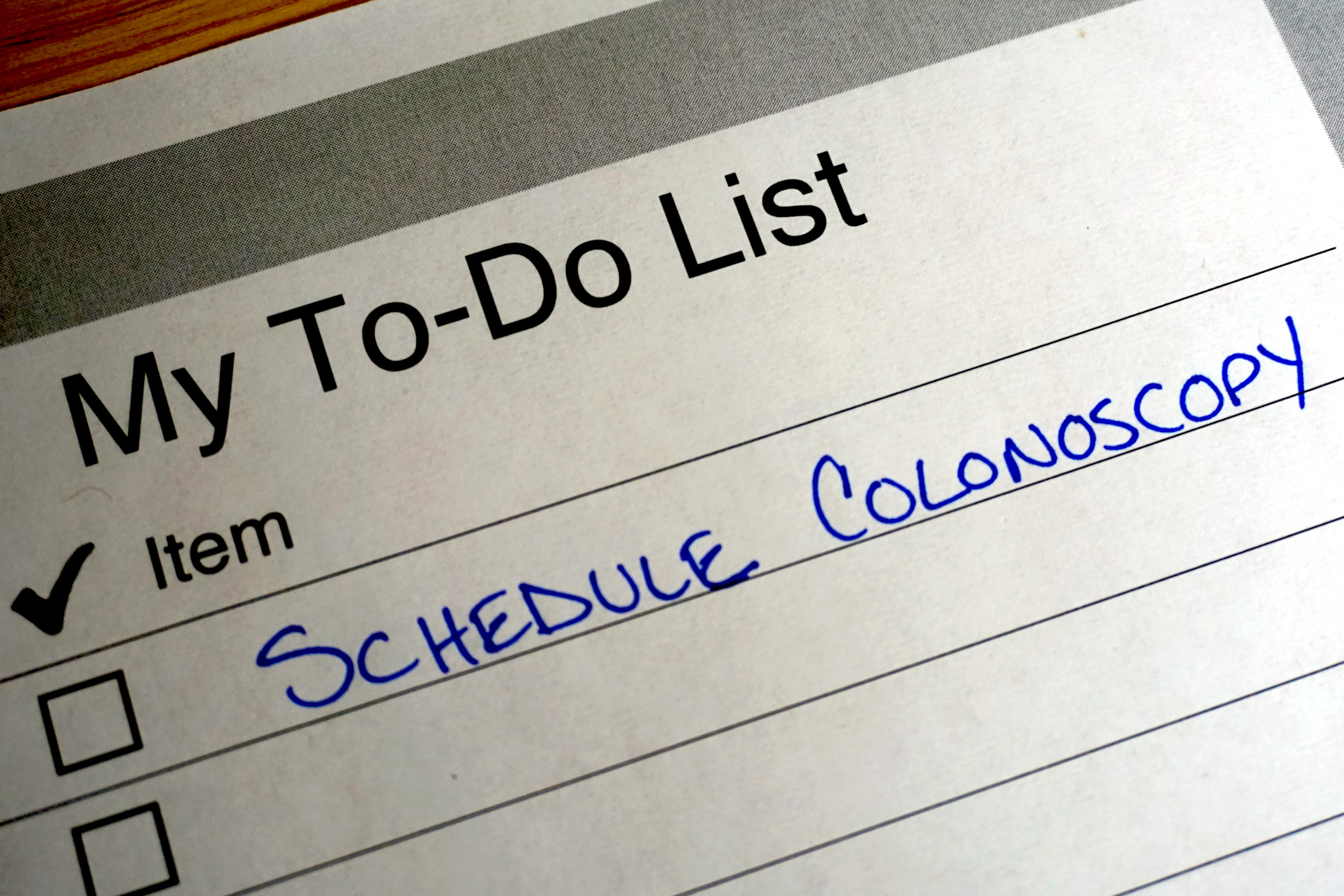
Diana Masabanda came to Jamaica Hospital as an intern in 2011 as part of a one-year New York City Department of Health grant. She was hired to assist colonoscopy patients by making sure they were prepared for their tests and helped them coordinate follow-up care after their procedure.

Coincidentally, just as the grant was about to expire, Jamaica Hospital was launching its Patient Navigator program, and based on her excellent work, Diana was offered a job in the newly formed department where she would continue to help patients coordinate their care.

However, as a Registered Nurse, Diana wanted to utilize her degree to provide direct patient care, so when an RN position became available in 2013, she applied for the job and was hired to work the evening shift in the hospital’s telemetry unit. Diana explained, “I loved working on the telemetry unit and I learned so much from my colleagues and supervisors but I knew I wanted another challenge.” So after waiting 3 ½ years to satisfy her desire to expand her knowledge, Diana transferred to the Surgical Intensive Care Unit (SICU) in 2016.  There she treated critically ill surgical patients, while at the same time earning her Master’s Degree in Nursing.

Now, having earned her degree, Diana wanted to take all that she learned from the past eight years working at Jamaica Hospital and share it with others in a managerial capacity. According to Diana, “I saw the difference a good manager can make and that is what inspired me to earn my degree.”

Diana applied for and was promoted to Assistant Nurse Manager of the SICU in 2019. At the time, there was only one nurse manager for both the MICU and SICU, but soon after, hospital leadership decided that each unit required its own dedicated supervisor, so, in April of 2022, Diana was promoted once again to the Nurse Manager of the Surgical Intensive Care Unit.

Diana credits her Jamaica Journey to the hospital’s culture of giving their employees opportunities to grow. She believes that Jamaica Hospital is “A great place to grow and learn.”  As a Queens resident, Diana also sees great value in her work, stating, “I understand how important Jamaica Hospital is to this community, and how much our patients need us. That is one of the reasons I am here.”  The other reason Diane enjoys working for Jamaica Hospital is the bonds she has created with her co-workers. “We really work well together. We have great teamwork and that results in better care for our patients.” 

Jamaica Hospital thanks Diana Masabanda for her many years of service to our patients.

All content of this newsletter is intended for general information purposes only and is not intended or implied to be a substitute for professional medical advice, diagnosis or treatment. Please consult a medical professional before adopting any of the suggestions on this page. You must never disregard professional medical advice or delay seeking medical treatment based upon any content of this newsletter. PROMPTLY CONSULT YOUR PHYSICIAN OR CALL 911 IF YOU BELIEVE YOU HAVE A MEDICAL EMERGENCY.

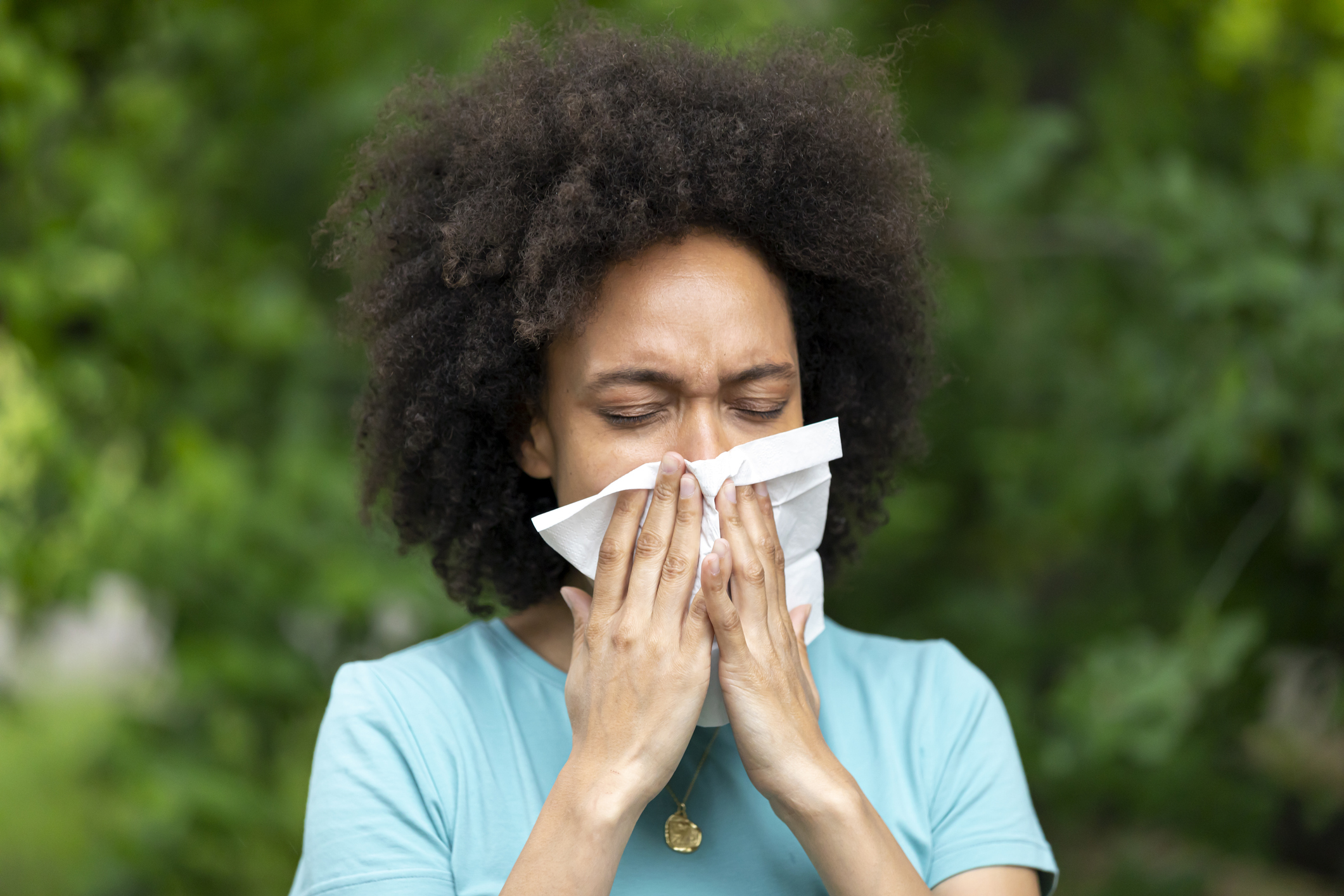
Helpful Spring Cleaning Tips

Studies show that an unclean and cluttered environment can negatively impact our physical and mental health.

Particles such as dust, dander, mildew, or mold in the home can trigger allergies and affect respiratory health.

A cluttered space can make some people feel mentally overwhelmed and can contribute to depression. Clutter has also been shown to affect sleep. In a study conducted by the American Academy of Sleep Medicine, it was found that people sleeping in cluttered environments were more likely to develop sleep disorders.  Lastly, clutter can increase the risk of falls and injury.

A thorough spring cleaning and decluttering of the home can greatly improve environmental and air quality and help reduce the risk of illness or injury.

Here are a few helpful tips to make spring cleaning easier and our homes more conducive to better health:

  • Always remember to read the labels of cleaning products before using them. Certain chemicals such as ammonia, sodium hypochlorite, and formaldehyde can trigger allergies
  • Clean blinds with a duster or damp microfiber cloth (dampened cloths will attract more dust)
  • Clean windows with a glass cleaner
  • Wipe down walls, door frames, and baseboards. These areas are notorious for collecting dust but are often ignored
  • Use a High-Efficiency Particulate Air (HEPA) filter vacuum, to clean carpets, fabric shades, and drapes, also pay attention to fabric couches and mattresses
  • Organize clutter by sorting items into four categories: donate, store, dispose and keep
  • Clean wooden furniture by using a duster or microfiber cloth
  • Mop hard-surface floors with a microfiber mop
  • Wash bedding as recommended by the manufacturer. Don’t forget to also wash bedding accessories such as pillows, throw pillow covers and stuffed animals
  • Thoroughly clean bathrooms to avoid a buildup of mold and mildew. A cleaning solution of three parts water and one parts bleach is often recommended for cleaning mold and mildew
  • Clean kitchen cabinets and drawers with cabinet cleaner and degreaser
  • Clean air conditioning and heating filters
  • Don’t ignore hard-to-reach places such as ceiling fans and light fixtures. These can be cleaned by using a duster with an extendable handle

Spring cleaning can offer great benefits. For many, this includes achieving a sense of accomplishment and having a home that is tidy and free from clutter. The most important benefit however is, that spring cleaning helps to minimize exposure to allergens and other environmental hazards that can be harmful to our health.

All content of this newsletter is intended for general information purposes only and is not intended or implied to be a substitute for professional medical advice, diagnosis or treatment. Please consult a medical professional before adopting any of the suggestions on this page. You must never disregard professional medical advice or delay seeking medical treatment based upon any content of this newsletter. PROMPTLY CONSULT YOUR PHYSICIAN OR CALL 911 IF YOU BELIEVE YOU HAVE A MEDICAL EMERGENCY.
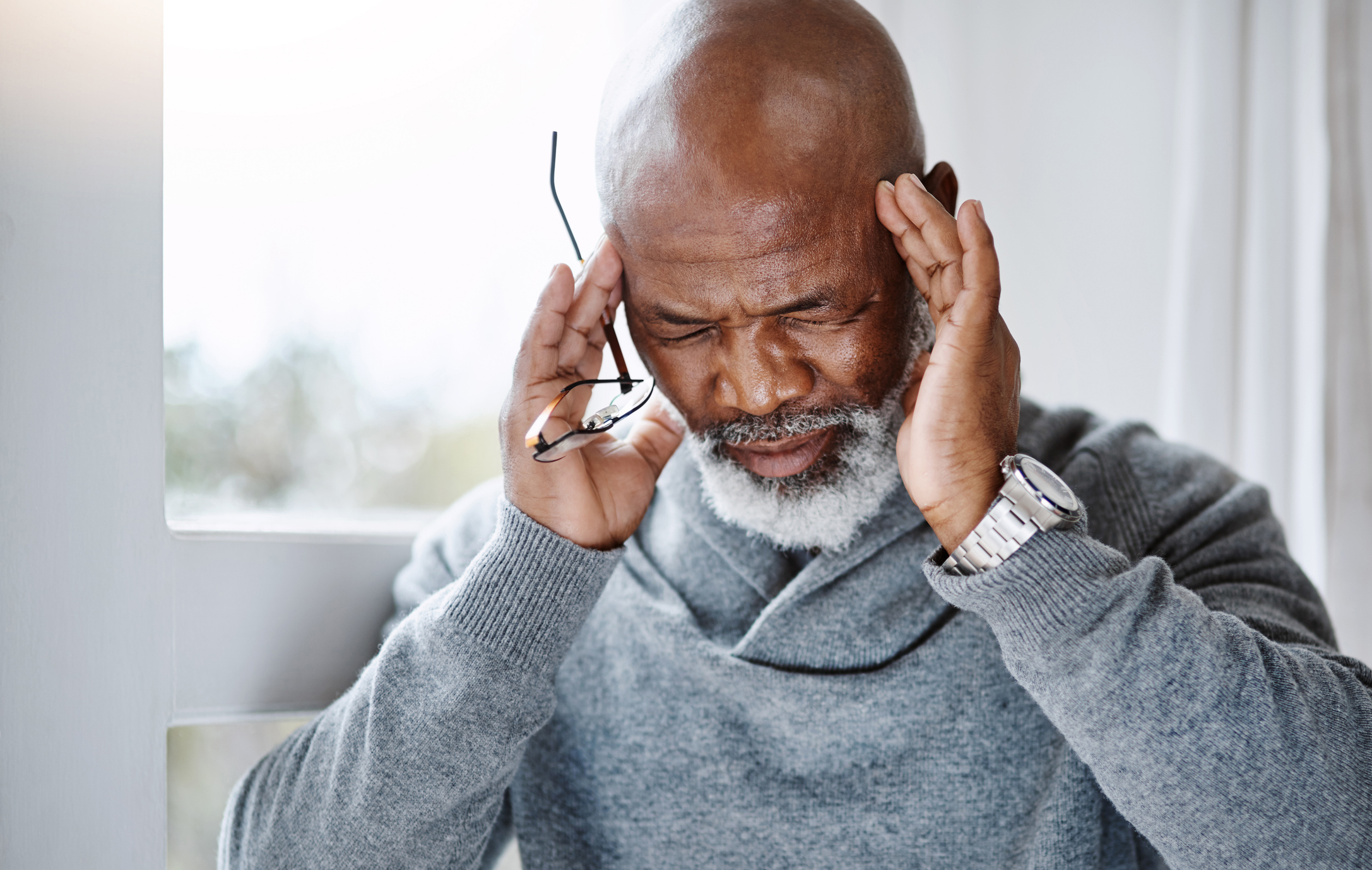
Signs That A Headache Is More Than A Headache

Headaches are very common. They can be caused by a variety of reasons including eye or neck strain,  stress, strong smells, bright lights, infections, or high blood pressure.

Typically, headaches are not indicative of a life-threatening emergency.  However, there are times when our bodies are trying to alert us to a problem requiring urgent medical attention.

Here are a few warning signs:

  • A sudden or very intense headache
  • Changes in headache patterns
  • Headaches following head injury
  • Headaches that begin to occur regularly in those over the age of 50
  • Headaches accompanied by speech and vision changes
  • Headaches accompanied by a stiff neck and fever
  • Headaches accompanied by redness and pain in the eyes
  • Headaches accompanied by changes in behavior
  • Headaches with nausea and vomiting
  • Headaches that interrupt sleep
  • Headaches that begin after sneezing, coughing or straining the body
  • Headaches that worsen with movement
  • Headaches that prevent normal day-to-day activities
  • Headaches persisting for more than 24 hours

These tell-tale symptoms should not be ignored as they are often associated with serious health conditions such as brain tumors, stroke, hemorrhaging, concussions, meningitis, or hypertensive crisis. See a doctor right away for immediate medical intervention as timely treatment can prevent further complications.

All content of this newsletter is intended for general information purposes only and is not intended or implied to be a substitute for professional medical advice, diagnosis or treatment. Please consult a medical professional before adopting any of the suggestions on this page. You must never disregard professional medical advice or delay seeking medical treatment based upon any content of this newsletter. PROMPTLY CONSULT YOUR PHYSICIAN OR CALL 911 IF YOU BELIEVE YOU HAVE A MEDICAL EMERGENCY.

Bacterial VS Viral Infection: What’s the Difference?

When pathogens (microorganisms) such as bacteria or viruses enter our bodies and multiply, they can cause harmful infections.

Infections resulting from viruses are called viral infections, and those caused by bacteria, bacterial infections. Both are invisible to the naked eye, can be contagious and cause similar symptoms such as inflammation, fever, coughing or vomiting.

Although viral and bacterial infections share similarities, there are primary differences between the two.

Bacteria are living, single-celled organisms that can reproduce on their own. They can survive in different environments inside and outside the human body. Most species are harmless and some are even beneficial for our health. However, a very small percent can cause illnesses such as pneumonia, urinary tract infections, or in more severe cases cholera or tuberculosis.  Doctors can treat most bacterial infections with antibiotics.  Unfortunately, some strains have become resistant to these medications.

Viruses are much smaller than bacteria and are not considered to be living organisms.  They consist of a core of genetic code, a coat of protein and fat lipids to protect them. Viruses cannot reproduce on their own and require living hosts such as people or animals to survive. Unlike bacteria where only a small percent is harmful to our health, most viruses cause illness and disease. Viral conditions include measles, chickenpox, HIV, polio, and COVID-19.  Antibiotics are inefficient in treating these illnesses. Treatment for viral infections focuses on alleviating symptoms. Doctors may also prescribe antiviral medications to help the body fight infection.

Bacteria and viruses are all around us; therefore, there will always be a risk for infection and transmission. However, we can prevent this from occurring by practicing proper hand hygiene, disinfecting surfaces, staying home when sick and getting vaccinated, when possible.

All content of this newsletter is intended for general information purposes only and is not intended or implied to be a substitute for professional medical advice, diagnosis or treatment. Please consult a medical professional before adopting any of the suggestions on this page. You must never disregard professional medical advice or delay seeking medical treatment based upon any content of this newsletter. PROMPTLY CONSULT YOUR PHYSICIAN OR CALL 911 IF YOU BELIEVE YOU HAVE A MEDICAL EMERGENCY.

Safety Tips for Cold Weather Outdoor Exercise

Winter weather doesn’t mean the end of your outdoor exercise routine. If you plan to continue to run or bike after the mercury drops, consider following these tips so you can stay safe and warm while exercising in the cold.

Know the weather conditions before heading outdoors – In addition to the temperature, those heading outside to exercise need to understand how wind and precipitation can affect your health.  These factors, combined with the length of time spent outdoors need to be taken into consideration before beginning an outdoor exercise regime.

Know the signs of frostbite and hypothermia –Frostbite is most common on exposed skin, such as your cheeks, nose and ears. It can also occur on hands and feet. Early warning signs include numbness, loss of feeling or a stinging sensation.

Hypothermia is abnormally low body temperature. When exposed to cold temperatures, your body begins to lose heat faster than it can be produced. Hypothermia signs and symptoms include intense shivering, slurred speech, loss of coordination and fatigue.

Get out of the cold and seek emergency help right away if you experience symptoms of frostbite or hypothermia.

Dress in layers – Dressing too warmly is a big mistake when exercising in cold weather. Exercise generates a considerable amount of heat — enough to make you feel like it’s much warmer than it really is. The best option is to dress in layers that can be removed as soon as you start to sweat and then put layers back on as needed.

Protect your head, hands, feet and ears – When it’s cold, blood flow is concentrated in your body’s core, leaving your head, hands and feet vulnerable. Ways to protect these parts of your body include wearing a thin pair of glove liners under a pair of heavier gloves, purchasing exercise shoes one size larger to allow for thick thermal socks or an extra pair of regular socks. And don’t forget a hat to protect your head or headband to protect your ears.

Use proper safety gear – If it’s dark when you exercise outside, wear reflective clothing. If you ride a bike, both headlights and taillights are a good idea. Also choose footwear with enough traction to prevent falls, especially if it’s icy or snowy.

It’s as easy to get sunburned in winter as in summer — even more so if you’re exercising in the snow or at high altitudes. Wear a sunscreen and lip balm with sunscreen. Protect your eyes from snow and ice glare with dark glasses or goggles.

Drink plenty of fluids – Don’t forget about hydration, as it’s just as important during cold weather as it is in the heat. Drink water or sports drinks before, during and after your workout, even if you’re not really thirsty.

These tips can help you safely and enjoyably exercise in cold conditions. Closely monitor how your body feels during cold-weather exercise to help prevent injuries. While exercise is safe for almost everyone, even in cold weather, if you do have certain condition such as asthma or heart disease that could limit you ability, you should check with your doctor first.

All content of this newsletter is intended for general information purposes only and is not intended or implied to be a substitute for professional medical advice, diagnosis or treatment. Please consult a medical professional before adopting any of the suggestions on this page. You must never disregard professional medical advice or delay seeking medical treatment based upon any content of this newsletter. PROMPTLY CONSULT YOUR PHYSICIAN OR CALL 911 IF YOU BELIEVE YOU HAVE A MEDICAL EMERGENCY.

What Are Doctors Checking for During Physical Exams?

During a physical examination, doctors inspect different parts of our bodies to check for symptoms or potential health problems.  They may peer inside our ears, shine a light in our eyes, and look inside our mouths for tell-tale signs, here are some of the medical reasons why they do so:

  • Shining a light in your eyes- Our eyes can reveal a great deal about our health. Doctors shine a light in our eyes to evaluate how well our pupils respond. In healthy eyes, the pupils will shrink and maintain their round shape. Doctors may also look at the color of your eyes during an examination. Red eyes mays signal irritation and yellow eyes can serve as a warning sign for liver problems.
  • Peering into your ears – By using an otoscope, doctors can check for signs of infection. Some otoscopes can send a puff of air into the ear canal, this helps doctors to see your eardrum and how it moves when there is pressure in your ear canal.
  • Pressing your stomach-Doing so can help doctors determine if the size of your internal organs is normal. Additionally, your doctor may check for pain, tenderness, or firmness. Doctors may also listen to your stomach with a stethoscope to check for bowel problems.
  • Looking into your mouth- Our mouths can also tell us a lot about our health. Doctors look at the back of our throats to see if there are any infections. They also look at the color and texture of our tongues which can be indicative of infections or other underlying medical conditions.
  • Listening to your heart or lungs – By using a stethoscope, your doctor may listen to your heart to check for heart murmurs, irregular rhythms, or signs of congestive heart failure. Doctors listen to your lungs to check for wheezing, fluid build-up, or infections.

Getting an annual physical is very important for your health.  A physical examination can help your doctor to detect problems that can pose a serious threat to your overall wellness.

To schedule an appointment with a doctor at Jamaica Hospital Medical Center, please call 718-206-7001.

All content of this newsletter is intended for general information purposes only and is not intended or implied to be a substitute for professional medical advice, diagnosis or treatment. Please consult a medical professional before adopting any of the suggestions on this page. You must never disregard professional medical advice or delay seeking medical treatment based upon any content of this newsletter. PROMPTLY CONSULT YOUR PHYSICIAN OR CALL 911 IF YOU BELIEVE YOU HAVE A MEDICAL EMERGENCY.