Stages of the Common Cold

The common cold affects millions of people throughout the United States each year and is much more prevalent during the winter and spring seasons.

Colds typically cause a variety of symptoms that includes a sore throat, a runny nose, coughing, and sneezing, with some cases also causing headaches and body aches.

Many people also catch the common cold multiple times a year. Adults may have one up to three times each year on average. For children, this number is variable, but could be as high as 12 cases per year for babies and toddlers.

A common cold typically lasts between seven and 10 days and can be divided into three stages with varying symptoms.

During the early stage of a cold (often the first one to three days), you may experience a sore throat as the first symptom; this can occur as early as the first day of infection. This may be quickly followed by the onset of other typical cold symptoms.

In the peak stage of a cold, your symptoms may reach their maximum intensity, resulting in effects such as a constant runny nose, a worsened cough, or consistent aches throughout your body. In some cases, this may also lead to a fever.

The late stage of a cold takes place within the last one to three days. During this phase, the severity of your symptoms should decrease as you experience less nasal congestion and aching. While coughing may also decrease for most people, it can potentially last as long as two weeks after your initial infection.

If your symptoms last longer than average, remain intense for an extended period of time, or lead to additional symptoms such as a fever, you should visit a doctor at Jamaica Hospital Medical Center’s Ambulatory Care Center. To schedule an appointment, please call (718) 206-7001.

All content of this newsletter is intended for general information purposes only and is not intended or implied to be a substitute for professional medical advice, diagnosis or treatment. Please consult a medical professional before adopting any of the suggestions on this page. You must never disregard professional medical advice or delay seeking medical treatment based upon any content of this newsletter. PROMPTLY CONSULT YOUR PHYSICIAN OR CALL 911 IF YOU BELIEVE YOU HAVE A MEDICAL EMERGENCY.

The Risk of Using Tap Water In Home Medical Devices

According to a report published by the Centers for Disease Control and Prevention (CDC), the use of tap water to fill home medical devices such as humidifiers, neti pots, and CPAP machines can pose a potential threat to our health.

Although tap water is treated to meet safe drinking standards, it is not sterile and is unsafe for inhalation. Therefore, using tap water to fill certain home medical devices is not recommended.

Unsterilized water contains microorganisms such as Legionella spp. and Pseudomonas spp. Inhaling these pathogens can lead to infection. Both pathogens are responsible for a large portion of hospitalizations and deaths related to waterborne diseases.

Some individuals are more at risk for acquiring infections than others, they include:

  • The elderly
  • Infants and young children
  • People with weakened immune systems

To avoid the risk of developing an infection or waterborne illnesses caused by the inhalation of pathogens, the CDC recommends using clean, sterile water ( Tap water can be sterilized by boiling it for a minimum of one minute and allowing it to cool), or using distilled water. It is important to note that bottled drinking water is not considered sterile.

The CDC also recommends regularly cleaning and disinfecting home medical devices to help reduce exposure to waterborne pathogens.

To learn more about waterborne illnesses and ways to use water safely, please visit https://www.cdc.gov/healthywater/index.html

All content of this newsletter is intended for general information purposes only and is not intended or implied to be a substitute for professional medical advice, diagnosis or treatment. Please consult a medical professional before adopting any of the suggestions on this page. You must never disregard professional medical advice or delay seeking medical treatment based upon any content of this newsletter. PROMPTLY CONSULT YOUR PHYSICIAN OR CALL 911 IF YOU BELIEVE YOU HAVE A MEDICAL EMERGENCY.

5 Essential Clothing Items for Preventing Frostbite

Winter in New York City can be very cold due to windy weather and temperatures that often reach below freezing. If you are not adequately prepared, you face a greater risk of suffering from frostbite, which occurs when the skin and deeper layers of tissue freeze.

Frostbite can introduce a variety of long-term complications such as long-term numbness in the affected area, changes in skin color, loss of nails, arthritis, and gangrene, which can lead to an amputation. It’s most likely to occur when a part of your body is insufficiently protected against cold weather, but factors such as alcohol usage, smoking, and a history of previous frostbite incidents can increase your risk.

One of the most important steps you can take to prevent frostbite is to stock your wardrobe with clothing that provides adequate protection against the cold. Make sure you have each of the following items:

An insulated, windproof hat that covers your ears: Your ears are at a greater risk of experiencing frostbite than other parts of your body, making it important to wear a hat that covers them and adequately protects them against cold temperatures and wind.

An adequately-insulated jacket: Some of the best jackets for protecting against cold weather are waterproof and feature down insulation with a fill power between 500 and 900, with the higher end of this range indicating superior quality. Other materials that offer good insulation include wool, silk, and fur. Types of jackets you may want to look for include puffer jackets and parkas.

Mittens: Your hands are typically better protected against the cold by mittens rather than gloves. As with your jacket, look for materials such as wool or silk to ensure your mittens can adequately retain heat.

Boots: Whether the weather conditions you walk in are snowy, rainy, or dry, winter boots can provide better protection against both cold wind and water than other types of footwear such as sneakers. As with other clothing items, look for boots that are waterproof, windproof, and insulated.

Moisture-wicking shirts and socks: Even in very cold weather, you can potentially work up a sweat, leaving you vulnerable to cold wind. Choose moisture-wicking shirts, socks, and other under-layers of clothing, as these will move the sweat you produce to their outer layers.

If you develop frostbite this winter, visit a doctor as soon as possible. You can schedule an appointment at Jamaica Hospital Medical Center’s Ambulatory Care Center by calling (718) 206-7001.

All content of this newsletter is intended for general information purposes only and is not intended or implied to be a substitute for professional medical advice, diagnosis or treatment. Please consult a medical professional before adopting any of the suggestions on this page. You must never disregard professional medical advice or delay seeking medical treatment based upon any content of this newsletter. PROMPTLY CONSULT YOUR PHYSICIAN OR CALL 911 IF YOU BELIEVE YOU HAVE A MEDICAL EMERGENCY.

National Blood Donor Month

Approximately every two seconds, someone in the United States needs a transfusion of blood, platelets, or plasma. However, this critically-needed blood is often in short supply, as only about 3% of eligible people donate blood each year.

A steady supply of donated blood is necessary for transfusions during a wide range of surgical procedures to counteract any blood loss that may occur. Approximately 21 million blood components are transfused throughout the U.S. each year.

Blood donations are also crucial for treating severe injuries. Victims of car accidents who have incurred severe injuries and blood loss can sometimes require as many as 100 units of blood; a healthy human body, in comparison, typically only holds about 10 units of blood at any given time. Additionally, transfusions are an essential part of treatment for chronic conditions that cause anemia, such as cancer or kidney disease.

There are four common types of donations: whole blood donations, red blood cell donations, plasma donations, and platelet donations.

Whole blood donations: This type of donation contributes approximately one pint of blood and includes all contents of the blood, including red blood cells, platelets, and plasma.

Red blood cell donations: People who meet certain height and weight requirements may be able to donate only their red blood cells; your platelets and plasma are returned to your bloodstream.

Plasma donations: A plasma donation only contributes your plasma, which is most often needed to treat accident and burn victims. Plasma transports protein and nutrients throughout the body.

Platelet donations: Platelets enable blood clotting, which prevents blood loss after sustaining an injury. This type of donation is needed for various types of patients, including accident victims, cancer patients, and people with blood clotting problems.

To make a donation, you can schedule an appointment at a blood drive or donor center near your area through the New York Blood Center.

All content of this newsletter is intended for general information purposes only and is not intended or implied to be a substitute for professional medical advice, diagnosis or treatment. Please consult a medical professional before adopting any of the suggestions on this page. You must never disregard professional medical advice or delay seeking medical treatment based upon any content of this newsletter. PROMPTLY CONSULT YOUR PHYSICIAN OR CALL 911 IF YOU BELIEVE YOU HAVE A MEDICAL EMERGENCY.

Toxic Shock Syndrome

Toxic shock syndrome (TSS) is a rare but potentially life-threatening condition caused by harmful toxins produced by staphylococcus or streptococcus bacteria. The bacteria Clostridium sordellii may also cause TSS; however, occurrences are less common.

Staphylococcus, streptococcus, and Clostridium sordellii bacteria typically live in our nose and mouth, and on our skin without causing harm. However, when they enter the body through cuts in the skin or small tears in the vagina, they can get into the bloodstream and spread to vital organs, causing severe damage and illness.

Although toxic shock syndrome is commonly associated with women who use tampons, especially the super-absorbent types, it can affect anyone including men and children.  The risk factors for developing TSS include:

  • Using super-absorbent tampons for longer than the recommended use
  • Using menstrual cups, diaphragms, or contraceptive sponges
  • Recent childbirth, miscarriage, or abortion
  • Having had recent surgery
  • Having any type of staph infection
  • Having cuts or burns on the skin

The signs and symptoms of toxic shock syndrome vary and may include:

  • Fever
  • Rash
  • Bright red eyes, lips, and tongue
  • Low blood pressure
  • Headaches
  • Confusion
  • Muscle aches
  • Vomiting or diarrhea
  • Dizziness
  • Difficulty breathing
  • Seizures

If you are at risk of developing TSS and are experiencing any of these symptoms, please see a doctor or go to your nearest emergency department right away.  If left untreated, toxic shock syndrome can result in amputations or even death.

Treatment for TSS is dependent on severity and other factors such as your age and medical history. Treatment may include wound cleaning, antibiotics,  intravenous (IV) medications to treat shock or prevent organ damage, heart medications, supplemental oxygen, or dialysis.

All content of this newsletter is intended for general information purposes only and is not intended or implied to be a substitute for professional medical advice, diagnosis or treatment. Please consult a medical professional before adopting any of the suggestions on this page. You must never disregard professional medical advice or delay seeking medical treatment based upon any content of this newsletter. PROMPTLY CONSULT YOUR PHYSICIAN OR CALL 911 IF YOU BELIEVE YOU HAVE A MEDICAL EMERGENCY.
3 Tips for Managing Holiday Stress

The holiday season is a stressful time for many people for a variety of reasons. For some it might be the pressure of buying gifts or the burden of hosting, while others might have concerns about the financial strain associated with the holidays.

No matter your situation, it’s important not to let the natural stressors that accompany the holidays ruin the season for you. Most factors that lead to stress during the holidays are manageable through the application of mindfulness techniques and an active effort to remember the things that matter most: showing love and appreciation to the people around you and making happy memories with those people.

Some tips for maintaining this perspective and preserving the positive energy of the holiday season for yourself and your family include:

Reminding yourself that your efforts are good enough: Strict expectations to find the perfect gift, make your home look perfect before guests arrive, or to cook the perfect holiday dinner may prevent you from enjoying any of these activities (or their results). Remind yourself that there is no need for perfection in any of these areas and that what matters most is doing the best you can to ensure that your loved ones have the opportunity to enjoy the holiday season with you.

Releasing yourself from the expectations and opinions of other people: For many people, the thoughts and expectations of others may cause as much pressure (or more) as their own. However, you cannot control how the people around you view you or your efforts. Instead, resolve to be kind to those around you, regardless of their stated opinions, and make a conscious choice to only hold yourself to your own expectations.

Planning goals instead of making resolutions: As the New Year approaches, people often set “New Year’s resolutions” for themselves that, while indicative of goals they may truly care about, often die out within weeks. An approach that is more likely to succeed involves making a detailed, step-by-step plan for achieving the goal you have in mind, starting small and making incremental progress forward on a set timeline.

If your holiday stress is causing (or stems from) mental health problems, you can schedule an appointment with a psychiatrist at Jamaica Hospital Medical Center’s Mental Health Clinic by calling (718) 206-5575.

If you are experiencing a mental health emergency such as suicidal contemplation, please call the Substance Abuse and Mental Health Services Administration’s confidential, 24/7 National Help Line at 1-800-662-4357.

All content of this newsletter is intended for general information purposes only and is not intended or implied to be a substitute for professional medical advice, diagnosis or treatment. Please consult a medical professional before adopting any of the suggestions on this page. You must never disregard professional medical advice or delay seeking medical treatment based upon any content of this newsletter. PROMPTLY CONSULT YOUR PHYSICIAN OR CALL 911 IF YOU BELIEVE YOU HAVE A MEDICAL EMERGENCY.
Avoiding the Flu During the Holiday Season

Throughout the holiday season, flu cases tend to reach their peak; many respiratory viruses have an easier time surviving in the cold than in the warm weather of other seasons. Holiday gatherings also often provide ideal circumstances for these viruses to spread.

Fortunately, there are a few ways for you and your family members to protect yourselves against the flu and prevent as few people from getting sick as possible, allowing everyone to enjoy holiday celebrations in good health. Some preventative steps you can take include:

Getting vaccinated: The simplest, most effective step you can take toward preventing the spread of the flu is to make sure you’re up to date on your influenza vaccinations. Anyone over the age of six months should get vaccinated annually.

Wash your hands regularly: Another simple method of protecting against the flu is to practice effective hand hygiene through regular, consistent handwashing. You should generally wash your hands after using the bathroom, after touching surfaces used by other people or animals, before and after preparing food, and before and after coming into direct contact with another person or animal. If you cannot wash your hands, use hand sanitizer containing at least 60% alcohol.

Practice healthy lifestyle habits: Regular exercise and a balanced, nutritious diet are effective for keeping your body at a well-protected baseline level against many diseases and conditions, including the flu. Include regular aerobic exercise in your routine several times per week and make sure you’re getting at least seven hours of sleep each night.

You should also make sure to visit a doctor as soon as you begin to feel symptoms of a respiratory infection, including a sore throat, difficulty breathing or wheezing, congestion, or coughing. You can schedule an appointment at Jamaica Hospital Medical Center’s Ambulatory Care Center by calling (718) 206-7001.

All content of this newsletter is intended for general information purposes only and is not intended or implied to be a substitute for professional medical advice, diagnosis or treatment. Please consult a medical professional before adopting any of the suggestions on this page. You must never disregard professional medical advice or delay seeking medical treatment based upon any content of this newsletter. PROMPTLY CONSULT YOUR PHYSICIAN OR CALL 911 IF YOU BELIEVE YOU HAVE A MEDICAL EMERGENCY.

National Handwashing Awareness Week

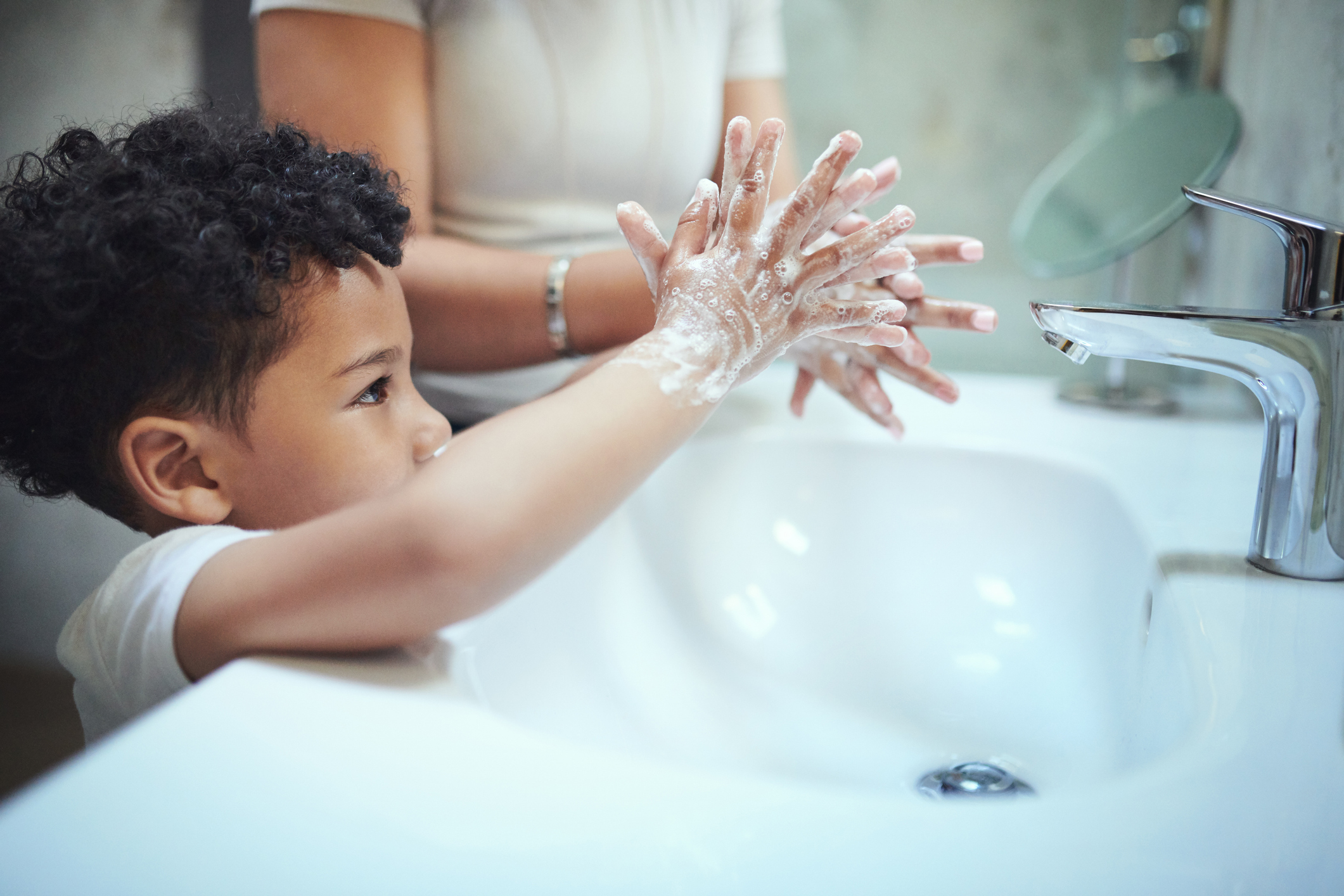
A wide variety of viral illnesses, including respiratory, diarrheal, and gastrointestinal diseases, frequently spread through direct contact via the hands. People use their hands to touch a multitude of surfaces countless times throughout each day, allowing germs to spread easily.

Regular handwashing offers the simplest solution to reducing your risk of illness and restricting the spread of germs among your friends, family, and community. Handwashing with soap removes germs effectively, preventing a substantial percentage of respiratory and gastrointestinal illnesses when done correctly. Less people getting sick also reduces the need for antibiotics in many cases, reducing viruses’ resistance to these medications.

Washing your hands is typically most effective at key moments, such as after using the bathroom or changing a diaper, or immediately after you’ve touched a point of infection such as food (cooked or raw), garbage, physical wounds, mucus, or a sick person. You should never touch your eyes, nose, mouth, or food without washing your hands with soap first.

Handwashing is most effective as a preventative measure against disease when it’s performed correctly. You should lather the front and back of your hands, as well as between the fingers and under the nails, using soap and water, scrubbing them for 20 seconds before rinsing and drying them with a towel or air dryer.

Although hand sanitizer can also effectively remove many germs and is acceptable when handwashing is not possible, it does not remove as many germs or chemicals from your hands as washing with soap and water, and is therefore not ideal. When you use sanitizer, make sure it contains at least 60% alcohol.

If you’re sick with a viral infection, you can schedule an appointment with a doctor at Jamaica Hospital Medical Center’s Ambulatory Care Center by calling (718) 206-7001.

All content of this newsletter is intended for general information purposes only and is not intended or implied to be a substitute for professional medical advice, diagnosis or treatment. Please consult a medical professional before adopting any of the suggestions on this page. You must never disregard professional medical advice or delay seeking medical treatment based upon any content of this newsletter. PROMPTLY CONSULT YOUR PHYSICIAN OR CALL 911 IF YOU BELIEVE YOU HAVE A MEDICAL EMERGENCY.
How to Prepare for the End of Daylight Saving Time

Each year on November sixth, daylight saving time comes to an end, setting clocks back by one hour. This means an earlier sunrise in the morning and sunset in the evening, which may contribute to a few different types of health issues in many people throughout the United States.

When daylight saving time ends, sunlight is absent for a greater part of the day for most people. This can be disruptive to the body’s circadian rhythm (the cycle of physical, mental, and behavioral functions that operates on a 24-hour cycle). While the effects of this may often be as simple as feeling hungrier or drowsier at an earlier time of the day, it could also lead to more significant, long-lasting problems such as seasonal affective disorder (SAD).

Seasonal affective disorder, also known as seasonal depression, is typically characterized by a lack of energy and motivation in many people, but can lead to symptoms as serious as suicidal ideation in some cases. It can last as long as five months and affects up to three percent of the United States population.

There are steps you can take to avoid symptoms of seasonal affective disorder and other adverse effects that accompany the end of daylight saving time. These include:

  • Adjusting your sleep schedule to increase sunlight exposure: Going to bed and rising earlier will allow more time spent during daylight. Be sure to get enough sleep each night and wake up at a set time each morning.
  • Focusing on a healthy diet and regular exercise: A balanced diet and exercise are beneficial for both your physical and mental health. This remains true when it comes to coping with an adjusted daily schedule, as both of these can improve your mood throughout the day and counter-act increased drowsiness and symptoms of depression.
  • Investing in a light box: Light therapy is an artificial means of providing your body with ultraviolet light. It can help with adjusting to a decrease in available sunlight. Before purchasing a light box, ensure that it’s designed to treat SAD, that it’s bright enough, that it protects your eyes, and that it can fit securely and comfortably within one or more spaces that you frequently occupy.

If you’re experiencing negative mental health symptoms as daylight saving time comes to an end, you can schedule an appointment at Jamaica Hospital Medical Center’s Mental Health Clinic by calling (718) 206-5575.

All content of this newsletter is intended for general information purposes only and is not intended or implied to be a substitute for professional medical advice, diagnosis or treatment. Please consult a medical professional before adopting any of the suggestions on this page. You must never disregard professional medical advice or delay seeking medical treatment based upon any content of this newsletter. PROMPTLY CONSULT YOUR PHYSICIAN OR CALL 911 IF YOU BELIEVE YOU HAVE A MEDICAL EMERGENCY.

Halloween 2022 Safety Tips

Halloween is a family-favorite holiday full of spooky fun and lots of candy.  However, it can also present many opportunities for injury as kids take to the streets in pursuit of trick-or-treat goodies.

Statistics show that roughly four times as many children between the ages of five and 14 are killed while walking on Halloween evening compared to other evenings of the year. Injuries due to falls and other accidents are also common among children on Halloween.

Parents can help minimize the risk of children getting injured on this holiday by following these safety tips from the American Academy of Pediatrics, the Centers for Disease Control and Prevention, and the National Safety Council.

On Halloween, children should:

  • Go only to well-lit houses.
  • Remain on porches without actually entering a house.
  • Travel in small groups accompanied by an adult.
  • Use flexible, non-sharp plastic props for costume pieces such as knives and swords.
  • When walking through neighborhoods trick-or-treating, use flashlights, stay on sidewalks, and avoid crossing yards.
  • Cross at appropriately-designated crosswalks and do not cross between parked cars.
  • Be sure to stop at all corners and stay together in a group before crossing.
  • Wear clothing or costumes that are bright, reflective, and flame-retardant.
  • Consider using face paint instead of masks that can obstruct a child’s vision.
  • Avoid wearing hats that will slide over children’s eyes.
  • Avoid wearing long, baggy, or loose costumes or oversized shoes that may cause kids to trip.
  • Be reminded to look left, right, and left again before crossing a street.

On Halloween, parents and adults should:

  • Supervise trick-or-treating for children under the age of 12.
  • Avoid giving choking hazards such as gum, peanuts, hard candies, or small toys as treats to young children.
  • Ensure the safety of pedestrian trick-or-treaters.
  • Make sure children under the age of 10 are supervised as they cross the street.
  • Drive slowly.
  • Watch for children in the street and on medians.
  • Exit driveways and alleyways slowly and carefully.
  • Have children get out of cars on the side of the sidewalk, not the street.

Follow these tips to keep both your children and yourself safe this year. Have a happy and fun Halloween!

All content of this newsletter is intended for general information purposes only and is not intended or implied to be a substitute for professional medical advice, diagnosis or treatment. Please consult a medical professional before adopting any of the suggestions on this page. You must never disregard professional medical advice or delay seeking medical treatment based upon any content of this newsletter. PROMPTLY CONSULT YOUR PHYSICIAN OR CALL 911 IF YOU BELIEVE YOU HAVE A MEDICAL EMERGENCY.