Benefits of Yoga for Heart Health

There are many aerobic exercises that can increase the heart rate and help prevent or manage heart disease. However, calming exercises such as yoga are good for the heart as well.  

Yoga is a mind-body activity that involves moving through a series of body poses and breathing exercises that can improve strength, flexibility, balance, and relaxation. There are dozens of different formats, or practices of yoga, such as hatha, anusara, and ashtanga, that emphasize different focuses, such as toning, strength training, or meditation.  

One of yoga’s clearest benefits to the heart is its ability to relax the body and mind. Emotional stress can cause several physical effects, including the release of hormones such as cortisol and adrenaline, which can narrow the arteries and increase blood pressure. The relaxation response that yoga provides not only slows the heart rate and lowers blood pressure; it may also reduce inflammation and promote favorable changes in blood vessel function that protect the heart.  

Additionally, practicing yoga can help lower blood cholesterol and blood glucose levels.  

As mind-body practices, yoga encourages people to slow down and be more mindful about heart-healthy behaviors, such as eating well and getting enough sleep. These habits, along with positive emotions that some forms of yoga aim to inspire, such as compassion and gratitude, may also help foster cardiovascular health.  

Recent studies support the benefits of yoga for heart health. One study has shown that blood measurements and waist circumference, which are signs of heart disease, improved in middle-aged adults with metabolic syndrome who practiced yoga for three months.  

Another study has shown that attending slow-paced yoga classes twice a week reduced the frequency of atrial fibrillation episodes in patients with that condition. Additionally, in another report, patients with heart failure who went through an eight-week yoga program showed improvement in exercise capacity and quality of life. They also had lower blood levels of markers for inflammation, which contributes to heart disease.  

Research has also indicated that yoga may be a useful tool in helping smokers quit, as smoking is one of the biggest risk factors for heart disease.  

If you would like to learn about other ways to be heart healthy, you can schedule an appointment at Jamaica Hospital Medical Center’s Cardiology Department by calling (718) 206-7100. 

All content of this newsletter is intended for general information purposes only and is not intended or implied to be a substitute for professional medical advice, diagnosis or treatment. Please consult a medical professional before adopting any of the suggestions on this page. You must never disregard professional medical advice or delay seeking medical treatment based upon any content of this newsletter. PROMPTLY CONSULT YOUR PHYSICIAN OR CALL 911 IF YOU BELIEVE YOU HAVE A MEDICAL EMERGENCY.


National Sudden Cardiac Arrest Awareness Month

October is National Sudden Cardiac Arrest Awareness Month. It is a call to action aimed at raising awareness about the signs and symptoms of sudden cardiac arrest and highlighting its impact on individuals, as well as guiding how to help save lives.

Here are some things to know about cardiac arrest:

· More than 356,000 out-of-hospital cardiac arrests occur annually in the U.S., and nearly 90% of them are fatal

· Cardiopulmonary resuscitation (CPR) can double or triple survival rates, yet fewer than half of victims receive bystander aid

· Sudden cardiac arrest kills one person every two minutes

· About 70% of cardiac arrests happen at home

· An estimated 10,000 cardiac arrests occur at work each year in the U.S.

· Sudden cardiac arrest is the leading cause of death on school campuses

Having a heart attack can increase your risk of experiencing sudden cardiac arrest; however, there are distinct differences between a heart attack and cardiac arrest, their causes, and symptoms.

A heart attack occurs when blood flow to the heart is severely reduced or blocked. The blockage is typically caused by a buildup of fat, cholesterol, or other substances in the coronary arteries.

Sudden cardiac arrest occurs when the heart suddenly stops beating and pumping blood to vital organs.

Signs of sudden cardiac arrest include:

· Unconsciousness

· No breathing or only gasping for air

Many factors can put someone at risk of sudden cardiac arrest, including:

· Family history of coronary artery disease

· Smoking

· High blood pressure and high cholesterol

· Obesity

· Diabetes

· A sedentary lifestyle

· Drinking too much alcohol

· Using illegal drugs such as cocaine or amphetamines

Every second counts in a sudden cardiac arrest. In 95% of sudden cardiac arrest cases, the victim is lost. Survival from an out-of-hospital cardiac arrest greatly depends on nearby loved ones or bystanders promptly calling 911, initiating CPR, and using an automated external defibrillator (AED). For every minute that immediate CPR and use of a defibrillator are delayed, the odds of survival decrease by 10%.

Knowing how to start CPR and how to use an AED greatly increases the chance of survival of a sudden cardiac arrest. The survival rate of sudden cardiac arrest is about 10% for out-of-hospital incidences and 21% for in-hospital events, yet research shows that high-quality CPR has a significant impact on survival outcomes, whether inside or outside the hospital.

Unfortunately, sometimes people refrain from helping someone who needs CPR because of the fear of injuring the person or doing something wrong. Calling 911 and starting chest compressions is better than doing nothing at all because it can help give the person a better chance of survival.

Here is what you can do when someone is in sudden cardiac arrest:

· Call 911 or have someone nearby call 911 immediately. The emergency dispatcher can guide you on what you can do until advanced medical help arrives. This includes how to perform Hands-Only CPR.

· Check to see if the person is breathing or responsive

· Send someone to get the AED

· If the person is not breathing, or gasping for air, and they are not responsive, start CPR immediately. If you don’t know CPR, perform hands-only CPR, pushing hard and fast on the center of the chest

· Use an AED if available. Portable AEDs are available in many public places

Sudden cardiac arrest can affect anyone and everyone. That is why it is important to be educated about sudden cardiac arrest, the warning signs, and how to respond if someone around you goes into cardiac arrest.

All content of this newsletter is intended for general information purposes only and is not intended or implied to be a substitute for professional medical advice, diagnosis or treatment. Please consult a medical professional before adopting any of the suggestions on this page. You must never disregard professional medical advice or delay seeking medical treatment based upon any content of this newsletter. PROMPTLY CONSULT YOUR PHYSICIAN OR CALL 911 IF YOU BELIEVE YOU HAVE A MEDICAL EMERGENCY.

Atrial Fibrillation (AFib)

Atrial fibrillation (AFib) is a common type of arrhythmia, or heart rhythm disorder. According to the American Medical Association, more than 5 million adults in the United States are living with AFib.

During AFib, the upper chambers (atria) of our heart beat irregularly and rapidly, which may cause blood to pool and clot.  This can lead to serious complications such as stroke or heart failure.

The most common cause of AFib is problems with the heart’s structure. Here are other potential causes:

  • High blood pressure
  • Thyroid disease, such as hyperthyroidism
  • Obstructive sleep apnea
  • Heart diseases such as heart valve disease or coronary artery disease
  • Infections

Some people have an increased risk of developing AFib more than others.  Risk factors include:

  • Obesity
  • Lifestyle choices such as smoking or drinking alcohol excessively
  • Age, especially individuals over the age of 65
  • A family history of AFib
  • Having diabetes
  • Having chronic kidney disease
  • Having had recent heart surgery

Not everyone who has AFib will notice symptoms. However, in other cases, a person may experience:

  • Extreme fatigue
  • Low blood pressure
  • Shortness of breath
  • Chest pain
  • Heart palpitations
  • Dizziness or lightheadedness

AFib is often discovered during health checkups because not everyone experiences symptoms.  You should see a doctor if you are experiencing symptoms such as chest pain, heart palpitations, shortness of breath, lightheadedness, or dizziness.

To diagnose AFib, your doctor will order an electrocardiogram (ECG) to measure the electrical activity of your heart. They may also order additional tests to test conditions that cause irregular heartbeats.

Treatment for AFib can include medications, surgery, or lifestyle changes.  To schedule an appointment with a cardiologist at Jamaica Hospital Medical Center, please call 718-206-7100.


All content of this newsletter is intended for general information purposes only and is not intended or implied to be a substitute for professional medical advice, diagnosis or treatment. Please consult a medical professional before adopting any of the suggestions on this page. You must never disregard professional medical advice or delay seeking medical treatment based upon any content of this newsletter. PROMPTLY CONSULT YOUR PHYSICIAN OR CALL 911 IF YOU BELIEVE YOU HAVE A MEDICAL EMERGENCY.

Congratulations to the MediSys Health Network for Their Excellence in Stroke Care

The MediSys Health Network continues to demonstrate its unwavering dedication to providing high-quality stroke care. Jamaica Hospital Medical Center was recognized by the American Heart Association for its continued commitment to quality improvement across its cardiovascular and stroke service lines by awarding the hospital the 2025 AHA Commitment to Quality Award.

Additionally, Jamaica and Flushing Hospital received the American Heart Association’s 2025 Get With The Guidelines-Stroke Gold Plus with Honor Roll Elite and Target: Type 2 Diabetes Honor Roll Achievement Award.

Get With The Guidelines puts the expertise of the American Heart Association and American Stroke Association to work for hospitals nationwide, helping ensure patient care is aligned with the latest research and evidence-based guidelines. Get With The Guidelines – Stroke is an in-hospital program for improving stroke care by promoting consistent adherence to these guidelines, which can minimize the long-term effects of a stroke and even prevent death.

Both Jamaica Hospital and Flushing Hospital Medical Centers’ Departments of Prehospital Care have also received the American Heart Association’s Mission: Lifeline® EMS Gold achievement award for their commitment to offering rapid and research-based care to people experiencing the most severe form of heart attacks and strokes, ultimately saving lives.

Jamaica Hospital and Flushing Hospital Medical Centers’ Departments of Prehospital Care are honored to be recognized by the American Heart Association for our dedication to providing optimal care for heart attack patients. The Mission: Lifeline program puts proven knowledge and guidelines to work daily, so patients have the best possible chance of survival.

Congratulations to both hospitals on being recognized for these great achievements.


All content of this newsletter is intended for general information purposes only and is not intended or implied to be a substitute for professional medical advice, diagnosis or treatment. Please consult a medical professional before adopting any of the suggestions on this page. You must never disregard professional medical advice or delay seeking medical treatment based upon any content of this newsletter. PROMPTLY CONSULT YOUR PHYSICIAN OR CALL 911 IF YOU BELIEVE YOU HAVE A MEDICAL EMERGENCY.

Hypertensive Heart Disease

Hypertensive heart disease are conditions that develop when chronic high blood pressure, one that is higher than 120/80 mmHg, is left untreated for a long time.

Hypertensive heart disease is a leading cause of illness and death related to high blood pressure. When high blood pressure is not properly managed over time, it puts extra strain on the heart. This can lead to various issues, including damage to the heart, coronary heart disease, and thickening or enlargement of the heart muscles, along with other serious health conditions.

Symptoms of hypertensive heart disease can vary based on the type of heart condition a person has, or the progression of disease; they may include:

  • Shortness of breath
  • Chest pain
  • Pain in the shoulders, neck, or back
  • Stroke
  • Sudden cardiac death
  • Fainting
  • Dizziness
  • Fatigue
  • Swelling of the ankles or legs
  • A persistent cough

Complications that can result from hypertensive heart disease are:

  • Heart failure
  • Stroke
  • Sudden cardiac death
  • Arrhythmia

Some people are more likely to develop hypertensive heart disease than others. You have an increased risk if you:

  • Smoke or use tobacco products
  • Drink alcohol heavily
  • Do not exercise regularly
  • Are taking certain medications
  • Eat a high-sodium diet
  • You have a close family member with a history of high blood pressure
  • Have certain health conditions such as diabetes
  • Are over the age of 45
  • Have high cholesterol
  • Are overweight

Hypertensive heart disease takes years to develop. You can reduce the risk of complications by visiting your doctor regularly. If you are experiencing symptoms associated with hypertensive heart disease, your doctor may order tests such as blood tests, urine tests, an electrocardiogram (EKG), or imaging tests to diagnose the disease.

Treatment for hypertensive heart disease may include medications to control high blood pressure or help your heart in other ways, recommending lifestyle changes, or surgery.

Jamaica Hospital Medical Center is proud to offer a patient-centered environment that consistently provides quality cardiology care. Please call our cardiology department at (718) 206-7100 to make an appointment or learn more about our services.


All content of this newsletter is intended for general information purposes only and is not intended or implied to be a substitute for professional medical advice, diagnosis or treatment. Please consult a medical professional before adopting any of the suggestions on this page. You must never disregard professional medical advice or delay seeking medical treatment based upon any content of this newsletter. PROMPTLY CONSULT YOUR PHYSICIAN OR CALL 911 IF YOU BELIEVE YOU HAVE A MEDICAL EMERGENCY.

Cardiovascular Disease in Women

Cardiovascular disease can be deadly for anyone. However, women face unique risks, largely due to differences in anatomy and hormones. They are more likely to have other heart attack symptoms and have a higher chance of developing symptoms from heart failure 

Over 60 million women (44%) in the United States are living with some form of heart disease. Heart disease is the leading cause of death in women in the United States and can affect them at any age.  

There are three types of heart disease. They include: 

  • Coronary artery disease is the most common heart disease, caused by plaque in the walls of the arteries that supply blood to the heart and other parts of the body. After menopause, women are at a higher risk of coronary artery disease because of hormonal changes.  
  • Arrhythmia is a condition in which the heart beats too slowly, too fast, or irregularly. A common example is atrial fibrillation.  
  • Heart failure happens when the heart is too weak to pump enough blood to support other organs in the body. This condition is serious, but it doesn’t mean the heart has stopped beating. 

Although some women have no symptoms, other women may experience: 

  • Angina is usually felt as a dull or heavy chest discomfort or ache 
  • Pain in the neck, jaw, or throat 
  • Pain in the upper abdomen or back 

These symptoms may happen when you are resting or active. Women may also have other symptoms, including: 

  • Nausea 
  • Vomiting 
  • Tiredness that won’t go away of feels excessive 

In some women, the first signs and symptoms if heart disease can be: 

  • A heart attack 
  • Palpitations 

A heart attack occurs when blood flow to the heart muscle is reduced or blocked. The amount of damage to the heart muscle depends on the artery and the treatment.  

The warning signs of a heart attack include: 

  • Chest discomfort that lasts more than a few minutes or doesn’t go away and returns 
  • Pain or discomfort in the arms, back, neck, jaw, and stomach 
  • Shortness of breath 

Other signs can include: 

  • Breaking out in a cold sweat 
  • Nausea 
  • A rapid or irregular heartbeat 
  • Unusual tiredness 
  • Lightheadedness 

Medical treatment for a heart attack is based on the type of heart attack and where the blockage in the coronary artery is.  

A complete blockage of the artery of the heart is a STEMI or ST-elevation myocardial infarction. A partial blockage is an NSTEMI heart attack or a non-ST-elevation myocardial infarction. The different ways to restore blood flow to the affected heart muscle during a heart attack include: 

  • Clot-dissolving medications 
  • Balloon angioplasty and stenting 
  • Surgery 

If you are experiencing an emergency, please call 911 right away. If you are experiencing heart attack symptoms, you can schedule an appointment at Jamaica Hospital Medical Center’s Cardiology Department by calling (718) 206-1700.  

All content of this newsletter is intended for general information purposes only and is not intended or implied to be a substitute for professional medical advice, diagnosis or treatment. Please consult a medical professional before adopting any of the suggestions on this page. You must never disregard professional medical advice or delay seeking medical treatment based upon any content of this newsletter. PROMPTLY CONSULT YOUR PHYSICIAN OR CALL 911 IF YOU BELIEVE YOU HAVE A MEDICAL EMERGENCY.

Primary Heart Attack Center Certification

Every year, more than 800,000 people in the U.S. have a heart attack. A heart attack, or myocardial infarction, occurs when blood flow to the heart muscle is reduced or blocked. The blockage is usually due to a buildup of fat, cholesterol, and other substances in the heart’s arteries. The amount of damage to the heart muscle depends on the artery and the treatment.

Most heart attacks are caused by coronary artery disease, which is the most common cause of death in the United States.

The warning signs of a heart attack include:

  • Chest discomfort that lasts more than a few minutes or doesn’t go away and returns
  • Pain or discomfort in the arms, back, neck, jaw, and stomach
  • Shortness of breath

Other signs of a heart attack can include:

  • Breaking out in a cold sweat
  • Nausea
  • A rapid or irregular heartbeat
  • Unusual tiredness
  • Heartburn or indigestion
  • Lightheadedness

Several key factors can affect your risk of having a heart attack. Unfortunately, some heart attack risk factors aren’t things you can modify. They include:

  • Age and sex
  • Family history of heart disease
  • Lifestyle
  • Certain health conditions

Healthcare providers usually diagnose heart attacks in an emergency room setting. If you have heart attack symptoms, you should undergo a physical exam. A healthcare provider will check your pulse, blood oxygen levels, and blood pressure, and listen to your heart and lung sounds. They will also ask about the symptoms you experienced.

A healthcare provider will diagnose a heart attack using the following testing procedures:

  • Blood tests
  • An Electrocardiogram (EKG or ECG)
  • An echocardiogram
  • A coronary angiogram
  • A heart computed tomography (CT) scan
  • A heart MRI
  • An exercise stress test
  • Nuclear heart scans

Treating a heart attack means restoring blood flow to the affected heart muscle immediately. This can happen in various ways, ranging from medication to surgery. Treatment will likely include:

  • Supplementary oxygen
  • Medications
  • Percutaneous coronary intervention
  • Coronary artery bypass grafting

Although several risk factors for a heart attack can’t be modified, there are many ways to reduce your risk of a heart attack, including:

  • Scheduling a check-up with a healthcare provider
  • Quitting tobacco products
  • Exercising regularly
  • Eating nutritious foods
  • Maintaining a healthy weight
  • Managing existing health conditions
  • Reducing stress
  • Taking medications as prescribed
  • Keeping all medical appointments

Jamaica Hospital Medical Center has been awarded the Joint Commission’s Primary Heart Attack Center certification with a gold seal.

This certification standardizes patient care across hospital settings regarding identification, assessment, monitoring, management, data sharing, and performance improvement for multidisciplinary STEMI heart attack care. Our hospital collaborates with the American Heart Association (AHA) in providing patient-centric cardiac care for all patients, their families, and the community the hospital serves.

The protocols and performance measures related to this designation reduce variances and promote standardization of the best practices in cardiac care. This, in turn, assists in improving clinical outcomes.

For more information about heart attacks, visit the American Heart Association’s website: https://www.heart.org/en/health-topics/heart-attack/about-heart-attacks

If you are experiencing an emergency, please dial 911 right away. If you are experiencing heart attack symptoms, you can schedule an appointment at Jamaica Hospital Medical Center’s Cardiology Department by calling (718) 206-7100.


All content of this newsletter is intended for general information purposes only and is not intended or implied to be a substitute for professional medical advice, diagnosis or treatment. Please consult a medical professional before adopting any of the suggestions on this page. You must never disregard professional medical advice or delay seeking medical treatment based upon any content of this newsletter. PROMPTLY CONSULT YOUR PHYSICIAN OR CALL 911 IF YOU BELIEVE YOU HAVE A MEDICAL EMERGENCY.

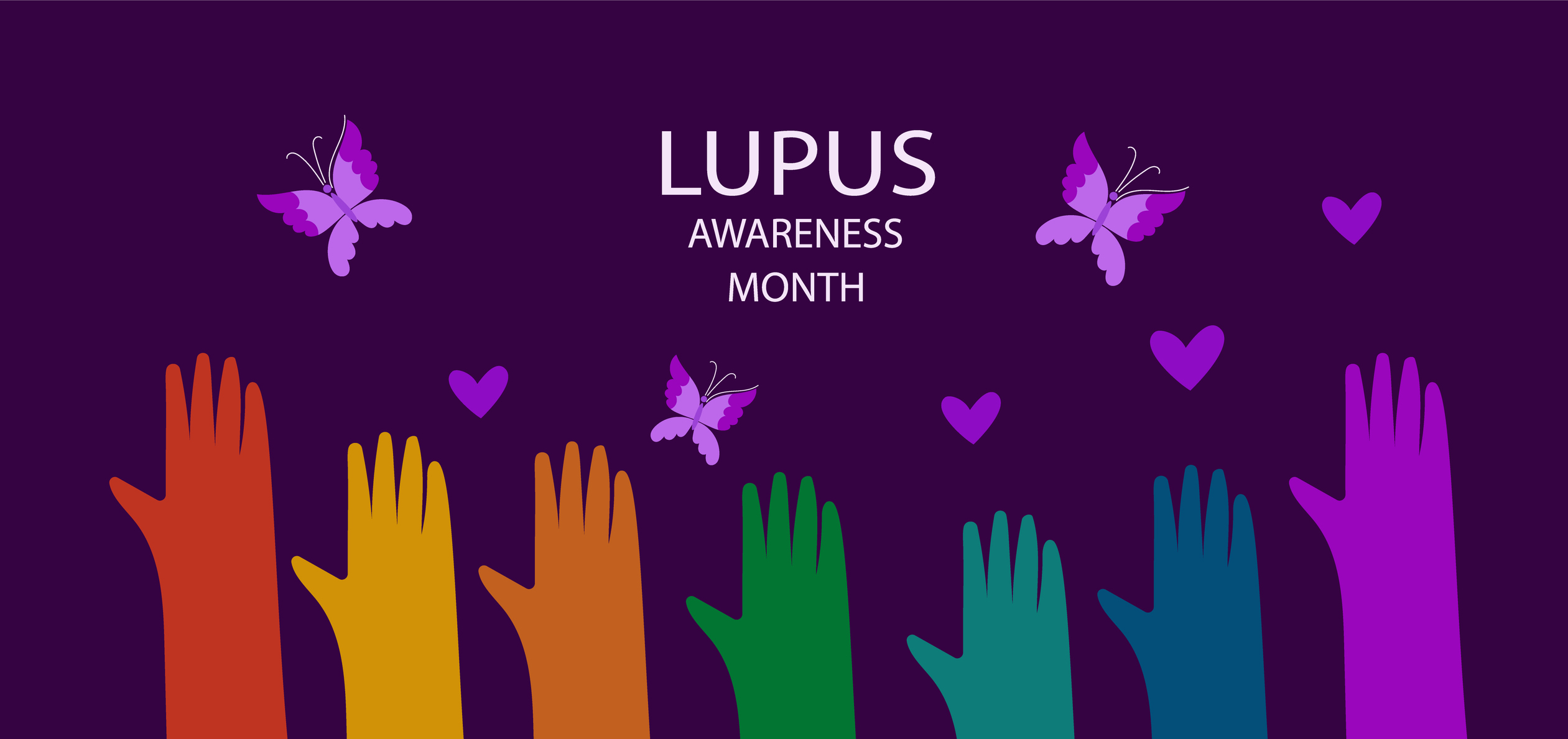
Lupus Awareness Month

May is observed as Lupus Awareness Month, a month used to educate, advocate, and support those affected by lupus.

Lupus is an autoimmune disease that occurs when the body’s immune system attacks its tissues and organs. Inflammation caused by lupus can affect many different body systems, such as the joints, skin, kidneys, blood cells, brain, heart, and lungs.

Healthcare providers sometimes call lupus systemic lupus erythematosus (SLE). It is the most common type of lupus, which means you have lupus throughout your body. Other types of lupus include:

  • Cutaneous lupus erythematosus is lupus that only affects your skin
  • Drug-induced lupus occurs when some medications trigger lupus symptoms as a side effect. It is usually temporary and might go away after you stop taking the medication that caused it
  • Neonatal lupus occurs when babies are sometimes born with lupus. Babies born to biological parents with lupus aren’t certain to have lupus, but they might have an increased risk

No two cases of lupus are exactly alike. Signs and symptoms may come on suddenly or develop slowly, may be mild or severe, and may be temporary or permanent. Most people with lupus have a mild form of the disease characterized by flare-ups, when signs and symptoms may get worse for a while, and then improve or disappear completely for a time.

The signs and symptoms of lupus you experience will depend on which body systems are affected by the disease. The most common signs and symptoms include:

  • Fatigue
  • Fever
  • Joint pain, stiffness, and swelling
  • A butterfly-shaped rash on the face that covers the cheeks and bridge of the nose, or rashes elsewhere on the body
  • Skin lesions that appear or worsen with sun exposure
  • Fingers and toes that turn white or blue when exposed to cold or during stressful periods
  • Shortness of breath
  • Chest pain
  • Dry eyes
  • Headaches, confusion, and memory loss

Lupus likely results from a combination of genetics and environment.

People with an inherited predisposition for lupus may develop the disease when they come into contact with an environmental trigger of the disease. Some potential triggers of lupus include:

  • Sunlight
  • Infections

Diagnosing lupus is difficult because signs and symptoms can vary from person to person and may change over time, overlapping with those of many other disorders.

No one test can diagnose lupus. The combination of blood and urine tests, signs and symptoms, and results of a physical examination can lead to a diagnosis. Blood and urine tests may include:

  • A complete blood count
  • Erythrocyte sedimentation rate
  • Kidney and liver assessment
  • Urinalysis
  • Antinuclear antibody (ANA) test

If your healthcare provider suspects that lupus is affecting your lungs or heart, they may suggest imaging tests that can include:

  • A chest X-ray
  • An echocardiogram

Lupus can harm the kidneys in many ways, and treatments can vary depending on the type of damage it causes. Sometimes, a kidney biopsy is needed to determine the best treatment. A skin biopsy can be performed to confirm a diagnosis of lupus affecting the skin.

A healthcare provider will suggest treatments for lupus that manage your symptoms. The goal is to minimize damage to the organs and how much lupus affects your day-to-day life. Most people with lupus need a combination of medications to help them prevent flare-ups and lessen the severity of symptoms during one. Medications you might need include:

  • Nonsteroidal anti-inflammatory drugs (NSAIDs)
  • Corticosteroids
  • Antimalarial drugs
  • Immunosuppressants
  • Biologics

Simple measures can help prevent lupus flare-ups if they occur, and help you to better cope with the signs and symptoms you experience, including:

  • Seeing your doctor regularly
  • Being sun smart
  • Getting regular exercise
  • Quitting smoking
  • Eating a healthy diet
  • Asking your healthcare provider if you need vitamin D and calcium supplements

For more information about the Lupus Center at the campus of Jamaica Hospital Medical Center or to make an appointment with a lupus doctor, call (718) 206-9888 or the Lupus Hotline at 1-877-33-LUPUS.

All content of this newsletter is intended for general information purposes only and is not intended or implied to be a substitute for professional medical advice, diagnosis or treatment. Please consult a medical professional before adopting any of the suggestions on this page. You must never disregard professional medical advice or delay seeking medical treatment based upon any content of this newsletter. PROMPTLY CONSULT YOUR PHYSICIAN OR CALL 911 IF YOU BELIEVE YOU HAVE A MEDICAL EMERGENCY.

Acute Coronary Syndrome

Acute coronary syndrome refers to three types of coronary disease that are related to sudden reduced blood flow to the heart.

The three types of coronary artery disease are:

  • Unstable angina
  • Non-ST-elevation myocardial infarction
  • ST-elevation myocardial infarction

Acute coronary syndrome can affect anyone. However, certain risk factors raise the likelihood of developing the condition. Risk factors include:

  • Older age
  • High blood pressure
  • High blood cholesterol
  • Smoking or tobacco use
  • Not enough physical activity
  • An unhealthy diet
  • Obesity or being overweight
  • Diabetes
  • Personal or family history of angina, heart attacks, or stroke
  • History of high blood pressure, preeclampsia, or diabetes during pregnancy
  • Early menopause
  • COVID-19 infection

The symptoms of acute coronary syndrome usually start suddenly. They include:

  • Chest pain or discomfort, which may feel like aching, pressure, tightness, or burning
  • Pain that starts in the chest and spreads to other body parts. These areas include the shoulders, arms, upper belly area, back, neck, or jaw
  • Nausea or vomiting
  • Indigestion
  • Shortness of breath
  • Sudden, heavy sweating
  • A racing heartbeat
  • Feeling lightheaded or dizzy
  • Fainting
  • Unusual fatigue

Acute coronary syndrome is usually caused by a buildup of fatty deposits or plaque in and on the walls of the heart’s arteries. When a fatty deposit breaks open, a blood clot can form and block blood flow to the heart, causing the heart not to receive enough oxygen.

The lack of oxygen can cause cells in the heart muscle to die. This damage can lead to a heart attack. When acute coronary syndrome doesn’t cause heart muscle cells to die, it is called unstable angina.

Acute coronary syndrome is an emergency and is usually diagnosed at a hospital. A healthcare provider runs tests to check the heart and determine the cause of symptoms.

Tests for acute coronary syndrome may include:

  • Electrocardiogram
  • Blood tests

A healthcare provider looks at the symptoms and test results to diagnose acute coronary syndrome. This information can also help classify your condition as a heart attack or unstable angina.

Other tests may be done to rule out other possible causes of symptoms and may also help determine treatment. Tests include:

  • Coronary angiogram
  • Echocardiogram
  • Myocardial perfusion imaging
  • CT angiogram
  • Exercise stress test

There is no cure for acute coronary syndrome. However, early diagnosis and prompt treatment can protect your heart from further damage and help it work as well as possible. A healthcare provider can discuss ways to reduce risks and avoid complications.

The immediate goals of treatment for acute coronary syndrome are to:

  • Relieve pain and distress
  • Improve blood flow
  • Restore heart function quickly and as much as possible

Long-term treatment goals are to:

  • Help the heart work as well as possible
  • Manage risk factors
  • Lower the risk of a heart attack

Treatment for acute coronary syndrome may include medicine, heart procedures, or surgery.

If you are experiencing any symptoms of acute coronary syndrome, you can schedule an appointment with a doctor at Jamaica Hospital Medical Center’s Ambulatory Care Center. Please call (718) 206-7001. If you are experiencing an emergency, call 911.

All content of this newsletter is intended for general information purposes only and is not intended or implied to be a substitute for professional medical advice, diagnosis or treatment. Please consult a medical professional before adopting any of the suggestions on this page. You must never disregard professional medical advice or delay seeking medical treatment based upon any content of this newsletter. PROMPTLY CONSULT YOUR PHYSICIAN OR CALL 911 IF YOU BELIEVE YOU HAVE A MEDICAL EMERGENCY.

Patient Testimonial- Wayne Texeira says, “Dr. Lasic and Jamaica Hospital Medical Center Gave Me a Second Chance.”

“I got a second chance”, is what Wayne Texeira said after his experience at Jamaica Hospital Medical Center. While working at Jamaica Hospital, Mr. Wayne Texiera suddenly couldn’t breathe and fell to his knees. He saw the lights fading and passed out. While in the ER, he was told his lungs were filling with fluid, he had heart failure, and he almost died. His doctor, Dr. Zoran Lasic, told Mr. Texiera that he had to change his lifestyle after performing an angiogram that showed that he had 30% functionality in his heart.

Over the next year, through the care and recommendations from Dr. Lasic, Mr. Texeira lost 45 pounds, quit smoking, and stopped eating unhealthy foods. He also gained 60% functionality in his heart, which is remarkable. “I am very grateful to Jamaica Hospital Medical Center, the staff, and the doctors. My perception changed after I got a second chance.” Now living in Georgia with his wife and daughter, the catalyst for his lifestyle change, “I kept looking at her and I didn’t want her not to have a father, Mr. Texeira said. With a second chance, Mr. Texeira is grateful, “Life has been good. I have no regrets.”

All content of this newsletter is intended for general information purposes only and is not intended or implied to be a substitute for professional medical advice, diagnosis or treatment. Please consult a medical professional before adopting any of the suggestions on this page. You must never disregard professional medical advice or delay seeking medical treatment based upon any content of this newsletter. PROMPTLY CONSULT YOUR PHYSICIAN OR CALL 911 IF YOU BELIEVE YOU HAVE A MEDICAL EMERGENCY.