Psoriasis

Psoriasis

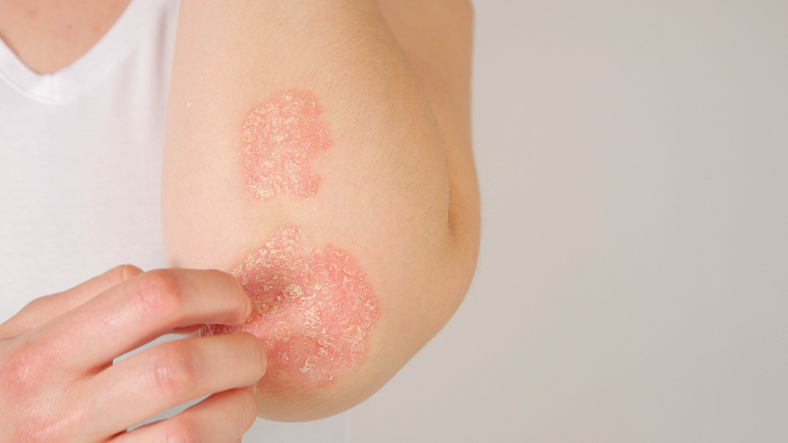
Psoriasis is a condition that is characterized by raised, red scaly patches. It is  often found on the scalp, knees and elbows, but can show up on other parts of the body as well of people who have the disease. The exact cause is not known but there is a correlation between genetics and also the body’s immune system. Psoriasis is a condition where the skin cells multiply at a faster rate than normal cells. This causes a buildup up skin lesions and the area of the body also feels warmer because it contains more blood vessels.   

Psoriasis is not contagious so it does not get passed by coming in to contact with a person who has it. It is a condition that affects men and women equally and  it can develop at any age, most commonly between the ages of 15 and 35.

Common signs of psoriasis include:

  • red patches of skin with thick silvery scales
  • cracked and dry skin that may bleed
  • stiff joints that may be swollen
  • itching, burning and soreness
  • nails that are pitted, thick and ridged

There are certain risk factors for developing psoriasis.  This includes stress, smoking, obesity, alcoholism, skin infections, a vitamin D deficiency, and a family history. Psoriasis is diagnosed by examining the skin and making a diagnosis. A dermatologist will be able to determine if it is psoriasis by the amount of thickness and redness it has. There are different types of psoriasis and they are classified by how they show up on the skin.

There are three ways that treatment for psoriasis can be approached. They can be used by themselves or together, depending on the severity. Topical creams and ointments that contain corticosteroids are usually the most commonly prescribed medications for mild to moderate conditions. Light therapy that is either natural or artificial ultraviolet light  can be used and it is directed at the area of the body that is affected. In severe cases, medications that are either injected or taken orally may be required. There are also alternative treatments that are being used and this includes Aloe vera which comes from a plant and   omega-3 fatty acids that comes from fish oils.

Depending on the severity of the disease, it may have an impact on a person’s quality of life. If you would like to schedule an appointment with a dermatologist at Jamaica Hospital for any type of skin condition, please call 718-206-7001.

All content of this newsletter is intended for general information purposes only and is not intended or implied to be a substitute for professional medical advice, diagnosis or treatment. Please consult a medical professional before adopting any of the suggestions on this page. You must never disregard professional medical advice or delay seeking medical treatment based upon any content of this newsletter. PROMPTLY CONSULT YOUR PHYSICIAN OR CALL 911 IF YOU BELIEVE YOU HAVE A MEDICAL EMERGENCY.


Tips For The Hurricane Season

While we typically associate the summer with delightful temperatures, this time of year can also bring dangerous weather conditions, namely hurricanes.

With a long history of providing relief to places previously devastated by hurricanes, including sending personnel to assist the victims of Hurricanes Katrina and Maria, Jamaica Hospital Medical Center is experienced and knowledgeable about how to properly prepare for such an event. Our hospital would like to share the following safety tips with our community:

  • In case of a need to evacuate, know where the nearest evacuation route is located
  • Keep a supply of non-perishable food that doesn’t require refrigeration or cooking
  • In an easy to locate area of your home keep flashlights, extra batteries, extra cash, a first aid kit, basic tools, charged cell phones and chargers, and a battery operated radio
  • Make sure you have a seven day supply of prescription medications
  • Have a three day supply of drinking water, one gallon per day per person.
  • Fill a bathtub with water to use to flush toilets
  • Make sure that all of your important documents are kept in a place that is high above ground level. Always keep a copy of these documents with you if there is a need to evacuate
  • Give everyone in your household a list of people they should contact in case of an emergency
  • Have a plan to protect your pets and have extra food for them
  • Prepare to put outdoor furniture away or at least firmly secured

By being prepared and following these tips, you can help keep your home and your loved ones safe from disaster.

For more information, please visit https://www.ready.gov/hurricanes and www.fema.gov

All content of this newsletter is intended for general information purposes only and is not intended or implied to be a substitute for professional medical advice, diagnosis or treatment. Please consult a medical professional before adopting any of the suggestions on this page. You must never disregard professional medical advice or delay seeking medical treatment based upon any content of this newsletter. PROMPTLY CONSULT YOUR PHYSICIAN OR CALL 911 IF YOU BELIEVE YOU HAVE A MEDICAL EMERGENCY.
Keeping Kids Busy During These Challenging Times

During these last few months, with schools closed and social distancing rules in place, it has proven to be very challenging to keep children occupied.

Here are some suggestions that you may find helpful for keeping children occupied based on their age.

Younger children:

  • Go on scavenger hunts around your neighborhood
  • Put painters tape on the floor and make a maze for toy trucks to follow
  • Take a whiteboard or pieces of paper and let your child write a story
  • Make hand puppets with socks and tell stories
  • Plant seeds in paper cups and watch them grow
  • Build a fort with a sheet

Older children :

  • Go on virtual tours of interesting places around the world.
  • Bake cookies
  • Use the internet to learn new skills or to learn how to play an instrument
  • Write letters to people in nursing homes
  • Play board games

While trying new and innovative ways to occupy their time can be difficult at times, there are many benefits. These activities can stimulate them mentally and physically and help them to avoid boredom and depression. There are also many resources on the internet that will help you to find activities that suit everyone’s interests.

https://www.jamaicahospital.org/newsletter/wp-login.php?loggedout=true

All content of this newsletter is intended for general information purposes only and is not intended or implied to be a substitute for professional medical advice, diagnosis or treatment. Please consult a medical professional before adopting any of the suggestions on this page. You must never disregard professional medical advice or delay seeking medical treatment based upon any content of this newsletter. PROMPTLY CONSULT YOUR PHYSICIAN OR CALL 911 IF YOU BELIEVE YOU HAVE A MEDICAL EMERGENCY.

The Importance of Getting a Bone Density Screening

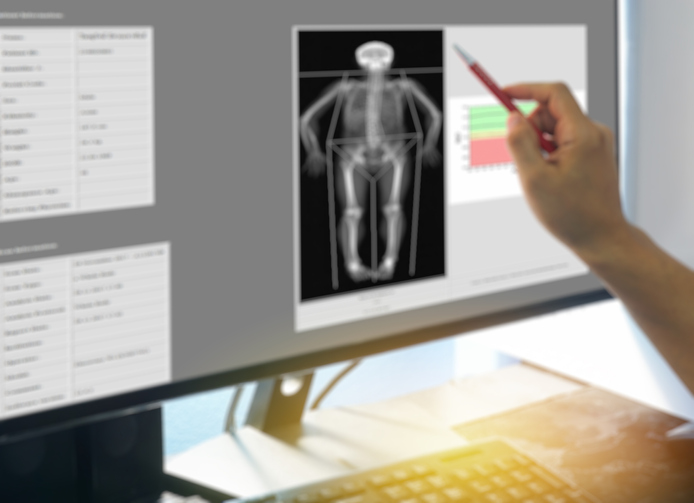
A bone density test is a type of x-ray that measures the concentration of calcium and other minerals in the bones. This test is most commonly performed to evaluate a patient for osteoporosis.

Osteoporosis is a disease that causes bones to lose density and become easy to break or fracture.

Some people are more at risk for developing osteoporosis than others. Risk factors include:

  • Age – Older people tend to have a greater incidence of osteoporosis
  • Race – Caucasians and Asians are typically more prone to bone density issues
  • Gender – Women experience bone loss more frequently than men
  • Dietary factors – People who have a low intake of calcium are at greater risk
  • Medications – People with a long term use of injectable steroids have bone loss issues
  • Smoking – People who smoke tend to lose bone mass at a faster rate than non-smokers
  • Family history – There is a correlation of osteoporosis and hereditary factors

Symptoms of the disease are:

  • Loss of height over a period of time
  • Back pain
  • Bones that break more easily than expected
  • A stooped posture

For those who are presenting symptoms or have a higher chance of developing osteoporosis, a doctor may recommend testing to assess the density of their bones.

Bone density screenings are non-invasive, painless, and use low amounts of x-rays. The results of the test will indicate whether or not you need to take medication that will help to maintain your bone density or make changes in your lifestyle and diet to prevent bone loss.

If you would like to schedule a bone density screening at Flushing Hospital Medical Center, ask your physician for a referral to have it performed. You can schedule an appointment with a physician at Flushing Hospital by calling 718-206-7001.

All content of this newsletter is intended for general information purposes only and is not intended or implied to be a substitute for professional medical advice, diagnosis or treatment. Please consult a medical professional before adopting any of the suggestions on this page. You must never disregard professional medical advice or delay seeking medical treatment based upon any content of this newsletter. PROMPTLY CONSULT YOUR PHYSICIAN OR CALL 911 IF YOU BELIEVE YOU HAVE A MEDICAL EMERGENCY.
Heart Disease and Hot Weather

Woman with water bottle in summer heat

Summertime heat affects everyone, but for people who suffer from heart disease, it can be life threatening. Activities that are performed when the weather is mild may not have much risk associated with them but once the temperature rises they can lead to heat exhaustion and heat stroke. People with heart disease are very susceptible to extreme weather conditions.

When we are exposed to the heat, our bodies respond by sweating, which is the body’s way to maintain a normal temperature. . Heat as well as the body’s response to it, leads to enlarged blood vessels, lower blood pressure and higher heart rate. This combination can cause people with heart problems to serious problems due to the stress on the cardiovascular system. If the heart is already weakened it may not be able to pump blood effectively and keep the blood pressure at a high enough level. This can lead to an overheating of the body. Some medications that are prescribed for heart patients also lower the heart rate, which can be compounded during the hot weather.

Some helpful tips for people with heart disease in the hot weather are:

  • Stay out of the heat during the middle of the day
  • Wear clothing that is loose fitting and light
  • Do not perform strenuous activities in hot weather
  • Keep hydrated and avoid alcohol and caffeine.
  • Stay indoors in an air conditioned environment

Discuss with your physician ways to stay healthy during the hot summer months. If you would like to schedule an appointment with a cardiologist at Jamaica Hospital, please call 718-206-6742.

Jamaica  Hospital Medical Center has reopened many of its healthcare services. To learn about the safety measures the hospital has taken to protect your health, please visit https://jamaicahospital.org/to-our-patients/

All content of this newsletter is intended for general information purposes only and is not intended or implied to be a substitute for professional medical advice, diagnosis or treatment. Please consult a medical professional before adopting any of the suggestions on this page. You must never disregard professional medical advice or delay seeking medical treatment based upon any content of this newsletter. PROMPTLY CONSULT YOUR PHYSICIAN OR CALL 911 IF YOU BELIEVE YOU HAVE A MEDICAL EMERGENCY.

June is Cataract Awareness Month

The American Academy of Ophthalmology has designated June as Cataract Awareness Month. The purpose of this designation is to help educate the public on what cataracts are and how to treat them once they are diagnosed.

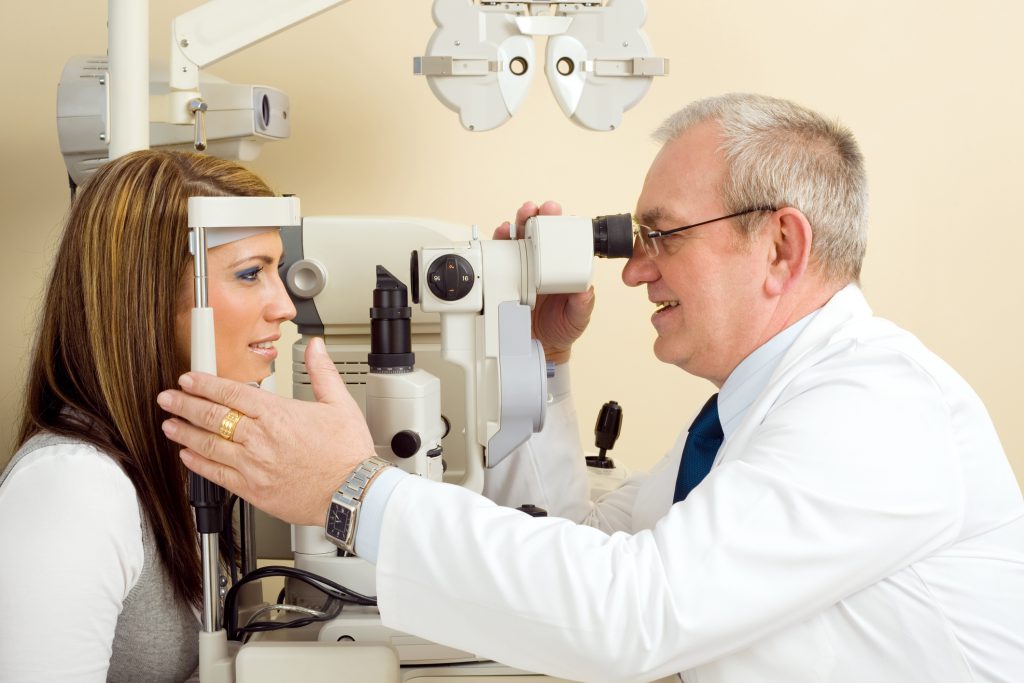
Cataracts are a clouding of the lens of the eye. This will result in blurry vision, and since less light is being transmitted, objects will appear darker as well.

Cataracts are the leading cause of preventable blindness; therefore, it is important that you do not delay treatment.

It is estimated that 25 million people in the United States age 40 and older will be diagnosed with a cataract, and by the time people reach the age of 80, more than half of the population of the United States will be affected with the disease.

Risk factors for developing cataracts include:

  • Age
  • Diabetes
  • Smoking
  • Prolonged exposure to sunlight
  • Obesity
  • High blood pressure
  • Hereditary factors
  • Prior eye injuries

Cataracts are classified by what causes them. Age is the biggest factor, followed by eye trauma, congenital causes and secondary to taking certain medications like steroids.

There are a few ways to lower the risk of developing cataracts, but they may not be completely successful. 

  • Wearing sunglasses when outdoors
  • A diet rich in vitamin C foods
  • Avoiding smoking

Treatment for cataracts involves a surgical procedure which removes the old lens of the eye  and replacing it with a synthetic one. It is a very common procedure and considered relatively safe. If you would like to schedule an appointment with an eye doctor at Jamaica Hospital, please call 718-206-5900.

Jamaica  Hospital Medical Center has reopened many of its healthcare services. To learn about the safety measures the hospital has taken to protect your health, please visit https://jamaicahospital.org/to-our-patients/

All content of this newsletter is intended for general information purposes only and is not intended or implied to be a substitute for professional medical advice, diagnosis or treatment. Please consult a medical professional before adopting any of the suggestions on this page. You must never disregard professional medical advice or delay seeking medical treatment based upon any content of this newsletter. PROMPTLY CONSULT YOUR PHYSICIAN OR CALL 911 IF YOU BELIEVE YOU HAVE A MEDICAL EMERGENCY.

Men’s Health Month

The month of June has been recognized as Men’s Health Month. The reason for this designation is to bring awareness of preventable health issues and to encourage early detection and treatment of diseases prevalent in men.

The leading causes of death among men are:
• Heart Disease
• Cancer
• Diabetes
• Lung Disease
• Injuries
• Stroke
• HIV/AIDS

Some of the reasons that men tend to have more serious chronic illnesses is because more men than women don’t have health insurance, men tend to have more physically demanding jobs with greater safety risks. Additionally  more men smoke than women and they also tend to  take greater risks with unsafe behavior.

Women tend to live five years longer than men and one of the reasons for this is that women usually take better care of their health. Men are often guilty of waiting until a disease has progressed to a more serious level before they seek help. There is an old adage that if a man is in a doctor’s waiting room, most likely a woman brought him there for an exam.

During the month of June, organizations across the country hold health awareness campaigns to educate men about various health issues that they may be at risk for and to encourage them to see a doctor regularly.

Jamaica Hospital Medical Center has reopened many of its healthcare services. To learn about the safety measures the hospital has taken to protect your health, please visit https://jamaicahospital.org/to-our-patients/

If you would like to schedule an appointment with a doctor at Jamaica Hospital, please call 718-206-7001.

All content of this newsletter is intended for general information purposes only and is not intended or implied to be a substitute for professional medical advice, diagnosis or treatment. Please consult a medical professional before adopting any of the suggestions on this page. You must never disregard professional medical advice or delay seeking medical treatment based upon any content of this newsletter. PROMPTLY CONSULT YOUR PHYSICIAN OR CALL 911 IF YOU BELIEVE YOU HAVE A MEDICAL EMERGENCY.

Why Is My Vision Blurry ?

Many of us have experienced blurry vision at one time or another. Our vision may have been blurred in both eyes or in one eye only. In some cases, our inability to see clearly was sudden and temporary because the problem resolved on its own. In other instances, blurred vision may have developed and worsened over a period of time.

Despite the circumstance, changes to our vision should not be ignored as it is often an indication of a health issue.

Sudden and temporary blurred vision may be caused by digital eye strain, dry eyes, certain medications, conjunctivitis or fatigue. Blurry vision that occurs suddenly can also serve as a warning sign for serious health conditions that require immediate medical attention such as a detached retina, stroke, optic neuritis (inflammation of the optic nerve) or transient ischemic attack.

When blurry vision gets worse over time, it is usually caused by a chronic medical condition, such as glaucoma, diabetes or macular degeneration.

Treatment for blurry vision is dependent on the cause. Any condition that leads to blurry vision should be evaluated by a medical professional as soon as possible. While some of these conditions may resolve on their own, other situations may become worse and lead to blindness.

To schedule an appointment with an eye doctor at Jamaica Hospital Medical Center, please call 718-206-5900 or go to an emergency room if it is urgent.

All content of this newsletter is intended for general information purposes only and is not intended or implied to be a substitute for professional medical advice, diagnosis or treatment. Please consult a medical professional before adopting any of the suggestions on this page. You must never disregard professional medical advice or delay seeking medical treatment based upon any content of this newsletter. PROMPTLY CONSULT YOUR PHYSICIAN OR CALL 911 IF YOU BELIEVE YOU HAVE A MEDICAL EMERGENCY.
This Month We Shine Our Spotlight on Ray Fredericks, Jr.

This month we are proud to shine our Employee Spotlight on Ray Fredericks, Jr.  Ray has been with the hospital for close to thirty years. He is a familiar sight on both campuses as well as our facility in Melville.

Ray grew up in Bethpage Long Island. He graduated from Plainedge High School and then went on to BOCES Tech where he obtained his degree in Printing in 1986. He currently lives in Orange County New York.

One of the most important aspects of Ray’s life is spending time with his very close knit family. He has a fourteen year old son who he enjoys spending time with and they share many of the same interests. They often have air hockey tournaments at home and Ray enjoys watching his son participate in Pokemon competitions. To Ray, family is everything. His family spends a great deal of time together and of course,  enjoys celebrating holidays and other special events with one another. They have also traveled together as a family.

Ray loves the outdoors and enjoys partaking in all kinds of outdoor activities, especially hiking and fishing. He enjoys playing  the drums, and dancing. Ray’s other interests include reading, (especially about history), and going to the movies. He is an avid photographer also.

Ray is very proud to be a part of the Jamaica Hospital family. In fact, three generations of his family work either at the hospital or the MediSys Network. He enjoys the comraderie and the sense of belonging to a wonderful organization that does great things for our patients.  We are very proud to have Ray working with us and we look forward to him being a part of the Jamaica Hospital Medical Center and MediSys Network for many more years to come.

All content of this newsletter is intended for general information purposes only and is not intended or implied to be a substitute for professional medical advice, diagnosis or treatment. Please consult a medical professional before adopting any of the suggestions on this page. You must never disregard professional medical advice or delay seeking medical treatment based upon any content of this newsletter. PROMPTLY CONSULT YOUR PHYSICIAN OR CALL 911 IF YOU BELIEVE YOU HAVE A MEDICAL EMERGENCY.

Do People Really Sleepwalk?

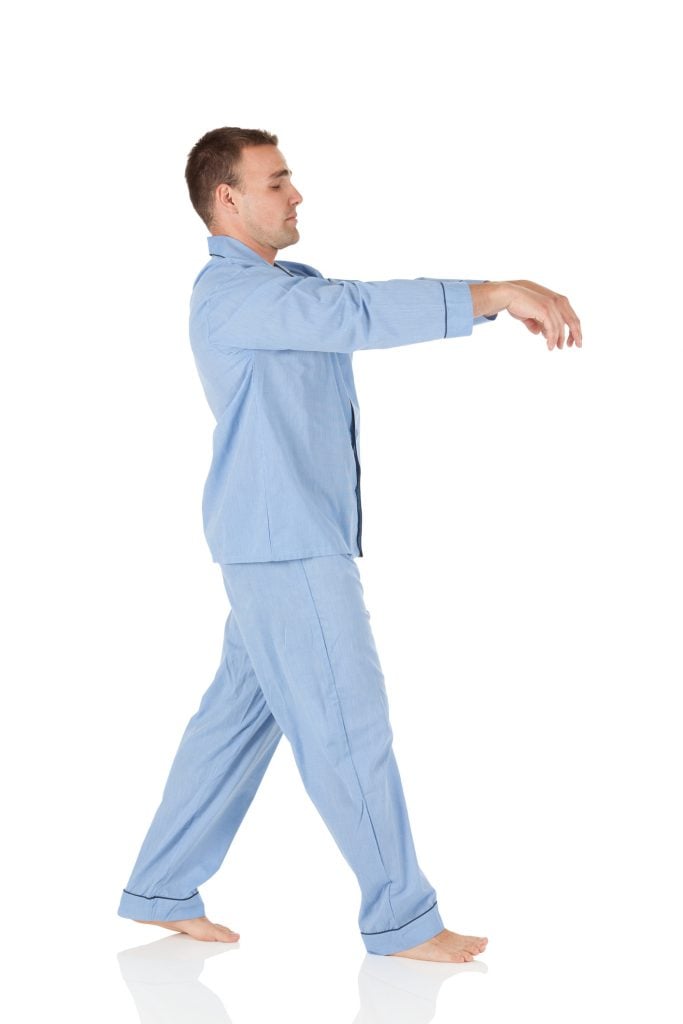
We have seen people who sleep walk in movies but how many of us have actually seen it in person? Probably not many of us have. Sleepwalking, or as it is known in medical terms, somnambulism, actually does exist. It is more common in children, but adults can experience it as well.

Most people won’t remember when they were sleepwalking. This is because sleep walking typically occurs during a deep stage of sleep.

A few of the causes of sleep walking are:

  • Stress
  • Fever
  • Change in sleep schedule
  • Lack of sleep
  • Substance abuse
  • Taking certain medications
  • Gastroesophageal reflux disease

Medical conditions that can lead to sleepwalking are:

  • Nighttime seizures
  • Migraines
  • Heartburn
  • Heart rhythm problems
  • Restless leg syndrome

Diagnosing sleepwalking starts with doing a physical exam which may be accompanied by a sleep study in a specialized lab. Sensors will monitor breathing patterns oxygen levels, brain waves, eye and leg movement.

Treating sleepwalking is based upon the cause and may include antidepressants, as well as adjusting prescribed medications that the patient is taking already. People who sleep walk should avoid drinking alcohol, be in a stress free environment and  get a good night’s sleep.

If someone you know tends to walk in their sleep it is a common misconception that they shouldn’t be awakened. It is important to make their environment safe so that they don’t hurt themselves and doors and windows should be locked.

If someone you know tends to walk in their sleep it is important to make the environment safe so that they don’t hurt themselves. They should also be as stress free as possible, have a relaxing routine prior to going to sleep, and they should not drink alcohol.

To schedule an appointment with a sleep disorder specialist at Jamaica Hospital Medical Center, please call 718-206-7001.

All content of this newsletter is intended for general information purposes only and is not intended or implied to be a substitute for professional medical advice, diagnosis or treatment. Please consult a medical professional before adopting any of the suggestions on this page. You must never disregard professional medical advice or delay seeking medical treatment based upon any content of this newsletter. PROMPTLY CONSULT YOUR PHYSICIAN OR CALL 911 IF YOU BELIEVE YOU HAVE A MEDICAL EMERGENCY.