Sibling Rivalry

Sibling rivalry is defined as a type of competition or animosity among siblings, whether blood related or not.

The sibling bond can be complicated since they generally spend more time together during childhood than they do with their parents. Sibling rivalry can be particularly intense when the children are very close in age and of the same gender.

Although bickering between siblings can drive parents crazy, sibling rivalry is a normal part of growing up.  Parents must create an equal balance of when to step in and play referee and when to let their kids work out their problems themselves.

Below are some of the common reasons for sibling rivalry:

  • Attention – Children are always vying for their parents’ attention. These days, parents are busier than ever and their attention on work or a new baby may cause less of a focus on each child.  Children may act out and misbehave to get attention.
  • Sharing – With limited resources, siblings may have to share at least some of their possessions. Game systems, iPad’s or electronic items can be hard to share and require children to compartmentalize their time on each item.
  • Personality Differences – Some children are headstrong while others can be quieter and more introverted. Differences in temperament can lead to clashes.
  • Fairness issues – Children are always demanding fairness and equality and fighting for what they perceive are their natural born rights. A younger sibling might complain that her older sister gets to go to a concert and she has to stay home, while the older sister whines that she has to baby-sit her little sister instead of going out with her friends.

Your responsibility as a parent is to help your kids to learn to manage the feelings that come along with sibling rivalry. So, how can you stop the bickering? As a parent, you may have to indulge each child once in a while.  Make the effort to spend “just us” time with your children and speak to them about tolerance and the benefits of being part of a family.  Each child has their own unique strong points. Identify how those positive characteristics could cause them to become a role model to the other siblings.

Be sure not to confuse bullying with normal sibling rivalry.  If one of your children bullies his/her siblings and has to be the boss and control the others to the point of getting physical, you will have to determine the difference, especially if there is aggression over and above the bickering.

In most instances of sibling rivalry, approach all situations with a level head and a firm stance on a standard of respect that is expected in your home.  Live the model you would like them to emulate.

All content of this newsletter is intended for general information purposes only and is not intended or implied to be a substitute for professional medical advice, diagnosis or treatment. Please consult a medical professional before adopting any of the suggestions on this page. You must never disregard professional medical advice or delay seeking medical treatment based upon any content of this newsletter. PROMPTLY CONSULT YOUR PHYSICIAN OR CALL 911 IF YOU BELIEVE YOU HAVE A MEDICAL EMERGENCY.


YIKES! Did I Really Do That?


Whether you’ve accidently tripped over a child underfoot or walked into a doorway with your infant’s head in the lead, you’ve caused a child an accidental injury.

When you accidentally hurt your child, you may feel intense shame, even panic and a sense of self-loathing or blame.  Even when your head clears, you may feel like you are a terrible parent.

These feelings are confusing.  You may ask yourself, “How could I have done that?”  The truth is, children and accidents are synonymous; even the preventable ones.

It is hard to see your child in pain and even harder to know that it is your fault. Your mind will replay the event in your head many times while you are slowly accepting what happened.

In most cases, the child is not badly hurt and you can find comfort in realizing that while accidents happen, most of them are not serious and your child is not quite as fragile as you think.

As you tell the story of what happened to your child, you will realize that most people understand and, in fact, it has happened to the best of parents.  At this point, you will find it easier to forgive yourself.  Still, you and your child suffered a trauma and it will take time for both of you to heal.

Some reactions to trauma are:

  • Feeling numb or disconnected
  • Insomnia
  • Nightmares
  • Flashbacks
  • Sadness or depression

During this time, you should be kind to yourself and keep in mind that you will not always feel this way. After the guilt lessens, you should experience acceptance.

If you are having difficulty coping and the reactions have become prolonged symptoms, you may be experiencing a response to trauma called Post Traumatic Stress Disorder (PTSD).  If the negative feelings persist, you shouldn’t be afraid to ask for help from a physician, counselor, clergy member, friend and family member.

Jamaica Hospital Medical Center’s Mental Health Center is centrally located and has convenient hours.  To make an appointment with a physician or licensed professional, call 718-206-7001.

All content of this newsletter is intended for general information purposes only and is not intended or implied to be a substitute for professional medical advice, diagnosis or treatment. Please consult a medical professional before adopting any of the suggestions on this page. You must never disregard professional medical advice or delay seeking medical treatment based upon any content of this newsletter. PROMPTLY CONSULT YOUR PHYSICIAN OR CALL 911 IF YOU BELIEVE YOU HAVE A MEDICAL EMERGENCY.

How Stress Affects Your Digestive System

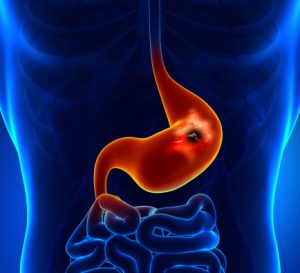
Our brain and gut are mostomach pain -178554755re in sync than you may realize.  For instance, the very thought of food can cause the stomach to produce digestive juices or the thought of giving a big presentation may cause constipation or uncontrollable bowels.The brain and gut are in constant communication. This direct relationship causes our gastrointestinal system to be sensitive to emotions and reactions such as stress.

When we are stressed, our brain sends signals for chemicals such as adrenaline, serotonin (a hormone that affects mood and is found in the digestive system) as well as the stress hormone cortisol to be released.  These hormones can cause adverse reactions.

Stress negatively affects our digestive system in many ways. It can cause a decrease in blood and oxygen flow to the stomach, cramping, an imbalance in gut bacteria and inflammation.  These symptoms can further develop into gastro intestinal (GI) disorders such as irritable bowel syndrome (IBS), irritable bowel disease (IBD), peptic ulcers or gastroesophageal reflux disease (GERD).

There are several things you can do to reduce stress and improve gut health. Practicing stress-management techniques such as exercising regularly, avoiding stressors, socializing, getting sufficient sleep or relaxing can greatly minimize your levels of stress.

In addition to practicing stress reduction techniques, you can support your digestive health by drinking less alcoholic beverages or consuming less sugar- as too much sugar can cause an imbalance in the ratio of good and bad bacteria in the stomach. Increasing your intake of foods that promote digestive health such as those rich in probiotics or foods that aid the body in producing digestive enzymes is also helpful.

The gut is often referred to as “the second brain” of the body. If you are experiencing consistent complications of the digestive system, your body is probably trying to tell you that there may be a bigger problem. Make an appointment with a gastroenterologist who specializes in the treatment of gastrointestinal, liver, and pancreatic disorders to examine your symptoms.

Jamaica Hospital’s Division of Gastroenterology consists of board-certified gastroenterologists who provide high quality and expert care to patients who suffer from such conditions in both inpatient and outpatient settings. To schedule an appointment, please call 718 206 6742 or 718 206 7001.

All content of this newsletter is intended for general information purposes only and is not intended or implied to be a substitute for professional medical advice, diagnosis or treatment. Please consult a medical professional before adopting any of the suggestions on this page. You must never disregard professional medical advice or delay seeking medical treatment based upon any content of this newsletter. PROMPTLY CONSULT YOUR PHYSICIAN OR CALL 911 IF YOU BELIEVE YOU HAVE A MEDICAL EMERGENCY.

Doctors Say You Need to Relax

Relax178982704 (1)For many, dealing with excessive stress has become a way of life.  We often hear the words “just relax,” but sometimes we find it difficult to take that advice and de-stress due to every day hassles.

When you are stressed the body releases hormones such as cortisol and adrenaline- which causes the fight or flight reaction. This can speed up the normal function of several organs, including the heart.  The fight or flight reaction is appropriate when we face immediate threats but can be damaging if prolonged; as our bodies are only designed to deal with the effects of stress for short intervals.

Extended periods of stress can take its toll on our health in many ways. Long-term stress is known to negatively affect several systems of the body, including:

  • The nervous system- High levels of cortisol and adrenaline can impair the nervous system, which regulates heart rates, the excretion of waste, breathing rates and the dilation and constriction of blood vessels.
  • The immune system- Chronic stress can weaken the immune system, which increases the risk of infections, infectious diseases, skin problems such as eczema and can slow down wound healing rates.
  • The digestive system- Excessive levels of stress can stimulate the muscles of the intestines and cause diarrhea or constipation. It can also lead to indigestion or nausea and increase the risk of ulcers or irritable bowel syndrome.
  • The endocrine system- Stress hormones can cause the liver to increase blood sugar levels. This is particularly dangerous for diabetics.

It is important to reduce excessive and prolonged periods of stress, because it can wreak havoc on our health.   We can decrease or manage stress by learning to take a moment to relax, exercising and eating healthy.

All content of this newsletter is intended for general information purposes only and is not intended or implied to be a substitute for professional medical advice, diagnosis or treatment. Please consult a medical professional before adopting any of the suggestions on this page. You must never disregard professional medical advice or delay seeking medical treatment based upon any content of this newsletter. PROMPTLY CONSULT YOUR PHYSICIAN OR CALL 911 IF YOU BELIEVE YOU HAVE A MEDICAL EMERGENCY.