June is Cataract Awareness Month

The American Academy of Ophthalmology has designated June as Cataract Awareness Month. The purpose of this designation is to help educate the public on what cataracts are and how to treat them once they are diagnosed.

Cataracts are a clouding of the lens of the eye. This will result in blurry vision, and since less light is being transmitted, objects will appear darker as well.

Cataracts are the leading cause of preventable blindness; therefore, it is important that you do not delay treatment.

It is estimated that 25 million people in the United States age 40 and older will be diagnosed with a cataract, and by the time people reach the age of 80, more than half of the population of the United States will be affected with the disease.

Risk factors for developing cataracts include:

  • Age
  • Diabetes
  • Smoking
  • Prolonged exposure to sunlight
  • Obesity
  • High blood pressure
  • Hereditary factors
  • Prior eye injuries

Cataracts are classified by what causes them. Age is the biggest factor, followed by eye trauma, congenital causes and secondary to taking certain medications like steroids.

There are a few ways to lower the risk of developing cataracts, but they may not be completely successful. 

  • Wearing sunglasses when outdoors
  • A diet rich in vitamin C foods
  • Avoiding smoking

Treatment for cataracts involves a surgical procedure which removes the old lens of the eye  and replacing it with a synthetic one. It is a very common procedure and considered relatively safe. If you would like to schedule an appointment with an eye doctor at Jamaica Hospital, please call 718-206-5900.

Jamaica  Hospital Medical Center has reopened many of its healthcare services. To learn about the safety measures the hospital has taken to protect your health, please visit https://jamaicahospital.org/to-our-patients/

All content of this newsletter is intended for general information purposes only and is not intended or implied to be a substitute for professional medical advice, diagnosis or treatment. Please consult a medical professional before adopting any of the suggestions on this page. You must never disregard professional medical advice or delay seeking medical treatment based upon any content of this newsletter. PROMPTLY CONSULT YOUR PHYSICIAN OR CALL 911 IF YOU BELIEVE YOU HAVE A MEDICAL EMERGENCY.

COVID-19 Summer Precautions

Just as spring was about to begin, the pandemic struck and forced us to change our lifestyles. This included the closing of schools and non-essential businesses, as well as restricting most of our person- to -person interactions.

Now that we are approaching summer, and the weather is warming up, more and more people are starting to go outdoors to parks, beaches, and other places. Under normal circumstances, this wouldn’t be an issue, however, due to the risk of spreading COVID-19, we have to be careful about becoming exposed to the virus.

Recently we have seen a general “flattening of the curve” which means fewer people are being hospitalized and succumbing to the virus. While this is a very positive step in the right direction, we have to be cautiously optimistic and must not let our guard down.

It is important to remember that the number of coronavirus cases has declined as a result of people staying home as much as possible and following the recommended safety guidelines.

To continue this trend, we must adhere to the rules that allowed us to get to this point. This includes:

  • Practicing social distancing – keeping at least six feet apart from others
  • Avoiding gatherings of 10 or more people
  • Wearing masks
  • Sanitizing our hands
  • Sanitizing surfaces that we commonly come in contact with

Taking these precautions will help to protect our health as our cities and towns begin to reopen. By remaining vigilant we can achieve our collective goal of further flattening the curve.

For more information and the latest developments of the COVID-19 outbreak, please visit www.cdc.gov

All content of this newsletter is intended for general information purposes only and is not intended or implied to be a substitute for professional medical advice, diagnosis or treatment. Please consult a medical professional before adopting any of the suggestions on this page. You must never disregard professional medical advice or delay seeking medical treatment based upon any content of this newsletter. PROMPTLY CONSULT YOUR PHYSICIAN OR CALL 911 IF YOU BELIEVE YOU HAVE A MEDICAL EMERGENCY.
Jamaica Hospital Reopening Safety Plan

To Our Patients,

We hope that you and your family are in good health. 

The COVID-19 pandemic has affected us all.  Many aspects of our lives have drastically changed, and perhaps nothing has been altered more than the way we manage our health and the health of our family.

During the outbreak, many of our primary care and specialty providers have remained in communication with and treated our patients via “video visits”. Jamaica Hospital will continue to make this service available and encourage you to use it whenever possible, but we also understand that not all healthcare can be provided in this manner.

As we start to recover from the COVID-19 outbreak, Jamaica Hospital is beginning to reopen some services for our patients and community.  We understand that many of these services are vital to your health and are pleased to once again offer them to you.  As we reopen, we want you to know that your safety is our priority and our hospital is taking every precaution to ensure it during this time.

Some of our measures made to protect you include:

Modified Appointment Schedule – To eliminate overcrowding in our patient care areas, we are limiting appointments. This will reduce waiting times and help us manage proper social distancing policies.

Pre-Registration – To avoid spending unnecessary time in waiting areas, patients will have the opportunity to complete all paperwork remotely before they arrive.

Screenings – Designated hospital employees will greet all patients and screen them for COVID-like symptoms upon arrival. 

Disinfection and Cleaning – Our team remains dedicated to thoroughly and repeatedly disinfecting and cleaning all patient care areas in accordance with CDC guidelines.

Limited Companions – For everyone’s safety and to avoid overcrowding, only parents or other required companions are permitted to accompany patients during their appointments.

Protective Equipment – All employees will be wearing the appropriate level of personal protective equipment (PPE) at all times.  All patients will be required to wear a face mask as well.

Working Together – All patients should monitor their health and report if they have tested positive for COVID-19, come in contact with someone who tested positive or experienced any related symptoms in the last 14 days.

Following these safety measures will allow us to deliver the highest-quality, person-centered care to our patients and community.

All content of this newsletter is intended for general information purposes only and is not intended or implied to be a substitute for professional medical advice, diagnosis or treatment. Please consult a medical professional before adopting any of the suggestions on this page. You must never disregard professional medical advice or delay seeking medical treatment based upon any content of this newsletter. PROMPTLY CONSULT YOUR PHYSICIAN OR CALL 911 IF YOU BELIEVE YOU HAVE A MEDICAL EMERGENCY.
How to Prevent Dehydration During the Summer Heat

With the summer and warmer weather upon us causing more and more people to begin to participate in outdoor activities. Before you begin, make sure you drink plenty of water in order to avoid dehydration. Here are some tips to help you stay hydrated:

  • The rule that you need to drink eight glasses of water per day is a myth. The Institute of Medicine recommends women should receive 2.2 liters of fluid intake per day and men should get three liters. Keep in mind that fluid intake can come from beverages other than water.
  • While thirst is your body’s way of preventing dehydration, being thirsty doesn’t mean that you are dehydrated. Thirst is our brain’s way of telling us to drink more to avoid dehydration.
  • The color of your urine is a good, real-time indicator of dehydration, but the misconception is that urine should be clear. In truth, urine should be a pale-yellow color.
  • Caffeinated beverages, such as coffee or tea will not dehydrate you if consumed in moderate amounts. Caffeine is considered a mild diuretic, the amount of water in it offsets the amount of fluid it will cause you to lose through increased urination.
  • Drinking isn’t the only way of increasing your water intake. It is estimated that we get up to 20% of our daily water intake from the foods we eat. Fruits and vegetables contain the most, with cucumbers, celery, and watermelon having the highest concentration of water.
  • There is also such a thing as drinking too much water and becoming overhydrated. This can be very dangerous and can lead to a condition called hyponatremia. Symptoms include nausea, vomiting, headache, and fatigue. To avoid this problem, do not drink to the point that you are full from water alone.

All content of this newsletter is intended for general information purposes only and is not intended or implied to be a substitute for professional medical advice, diagnosis or treatment. Please consult a medical professional before adopting any of the suggestions on this page. You must never disregard professional medical advice or delay seeking medical treatment based upon any content of this newsletter. PROMPTLY CONSULT YOUR PHYSICIAN OR CALL 911 IF YOU BELIEVE YOU HAVE A MEDICAL EMERGENCY.

Men’s Health Month

The month of June has been recognized as Men’s Health Month. The reason for this designation is to bring awareness of preventable health issues and to encourage early detection and treatment of diseases prevalent in men.

The leading causes of death among men are:
• Heart Disease
• Cancer
• Diabetes
• Lung Disease
• Injuries
• Stroke
• HIV/AIDS

Some of the reasons that men tend to have more serious chronic illnesses is because more men than women don’t have health insurance, men tend to have more physically demanding jobs with greater safety risks. Additionally  more men smoke than women and they also tend to  take greater risks with unsafe behavior.

Women tend to live five years longer than men and one of the reasons for this is that women usually take better care of their health. Men are often guilty of waiting until a disease has progressed to a more serious level before they seek help. There is an old adage that if a man is in a doctor’s waiting room, most likely a woman brought him there for an exam.

During the month of June, organizations across the country hold health awareness campaigns to educate men about various health issues that they may be at risk for and to encourage them to see a doctor regularly.

Jamaica Hospital Medical Center has reopened many of its healthcare services. To learn about the safety measures the hospital has taken to protect your health, please visit https://jamaicahospital.org/to-our-patients/

If you would like to schedule an appointment with a doctor at Jamaica Hospital, please call 718-206-7001.

All content of this newsletter is intended for general information purposes only and is not intended or implied to be a substitute for professional medical advice, diagnosis or treatment. Please consult a medical professional before adopting any of the suggestions on this page. You must never disregard professional medical advice or delay seeking medical treatment based upon any content of this newsletter. PROMPTLY CONSULT YOUR PHYSICIAN OR CALL 911 IF YOU BELIEVE YOU HAVE A MEDICAL EMERGENCY.
Antibody Testing

Antibody testing has become a popular topic during the COVID-19 pandemic.  There have been ongoing discussions as to whether or not this form of testing can provide answers to some questions we have about the disease.

Common questions asked about COVID-19 antibody testing include: “Can antibodies help detect past infections?” and “Does having antibodies reduce our risk of infection?”

According to the Centers for Disease Control and Prevention (CDC), the presence of antibodies (proteins produced by our body’s immune system to fight antigens such as viruses) can help to determine if you had a past infection of the virus that causes COVID-19.

A blood test, known as a serology test, is required to detect disease-specific antibodies.  Testing is typically recommended for individuals who have fully recovered from COVID-19 or those who suspect they had or were exposed to the virus but were asymptomatic.

Positive or negative results could mean several things for your health:

  • A positive antibody test result indicates that you may have had a COVID-19 infection in the past. However, results can also be false-positive, meaning you have developed antibodies but for a different kind of coronavirus such as the one that causes the common cold. It is very important to remember that a positive test does not guarantee immunity from the disease; so there is a possibility that you can become re-infected. Therefore you should continue to exercise the proper safety precautions to protect yourself and others around you.
  • If you test negative, this may mean that you have not had a prior COVID-19 infection. But it can also mean that you may currently have the virus and have not yet produced antibodies (If you have symptoms of the disease or believe you have been exposed, you can take a viral test to learn if you have the virus.)  For those who have had a confirmed case of COVID-19 but tested negative, please keep in mind that it may take 1-3 weeks after infection to develop antibodies.

Although antibody testing is providing some answers about COVID-19, there is still a degree of uncertainty about the accuracy of the information we are obtaining.  COVID-19 is a novel disease, and ongoing studies are revealing new details about it each day.  Until we are more certain in our knowledge of the disease, the CDC recommends that we continue to practice social distancing and other safety measures to prevent the virus from spreading.

To learn more antibody testing please consult your physician or visit the CDC’s website at https://www.cdc.gov/coronavirus/2019-ncov/testing/serology-overview.html

All content of this newsletter is intended for general information purposes only and is not intended or implied to be a substitute for professional medical advice, diagnosis or treatment. Please consult a medical professional before adopting any of the suggestions on this page. You must never disregard professional medical advice or delay seeking medical treatment based upon any content of this newsletter. PROMPTLY CONSULT YOUR PHYSICIAN OR CALL 911 IF YOU BELIEVE YOU HAVE A MEDICAL EMERGENCY.

Diabetes Prevention

According to the Centers for Disease Control and Prevention(CDC), “Approximately 88 million American adults—more than 1 in 3—have prediabetes. Of those with prediabetes, more than 84% don’t know they have it. Prediabetes puts you at increased risk of developing type 2 diabetes, heart disease, and stroke.”

Pre-diabetes is a silent health condition that has no symptoms and is almost always present before you develop type 2 diabetes.

It is a condition in which blood glucose levels are higher than normal, but not high enough to be classified as full-blown diabetes. If you haven’t visited your doctor, a good way to see if you are at increased risk for pre-diabetes is to take the American Diabetes Association’s (ADA) Diabetes risk test by visiting https://www.diabetes.org/risk-test

Those who should be screened for pre-diabetes include overweight adults age 45 and older, or those who are under age 45 and has one or more of the following risk factors:

  • Habitually physically inactive
  • Overweight or obese
  • Have previously been identified as having impaired fasting glucose (IFG) or impaired glucose tolerance (IGT)
  • Have a family history of diabetes
  • Are members of certain ethnic groups (including Asian, African-American, Hispanic or Native American)
  • Have had gestational diabetes or have given birth to a child weighing more than 9 pounds
  • Have elevated blood pressure
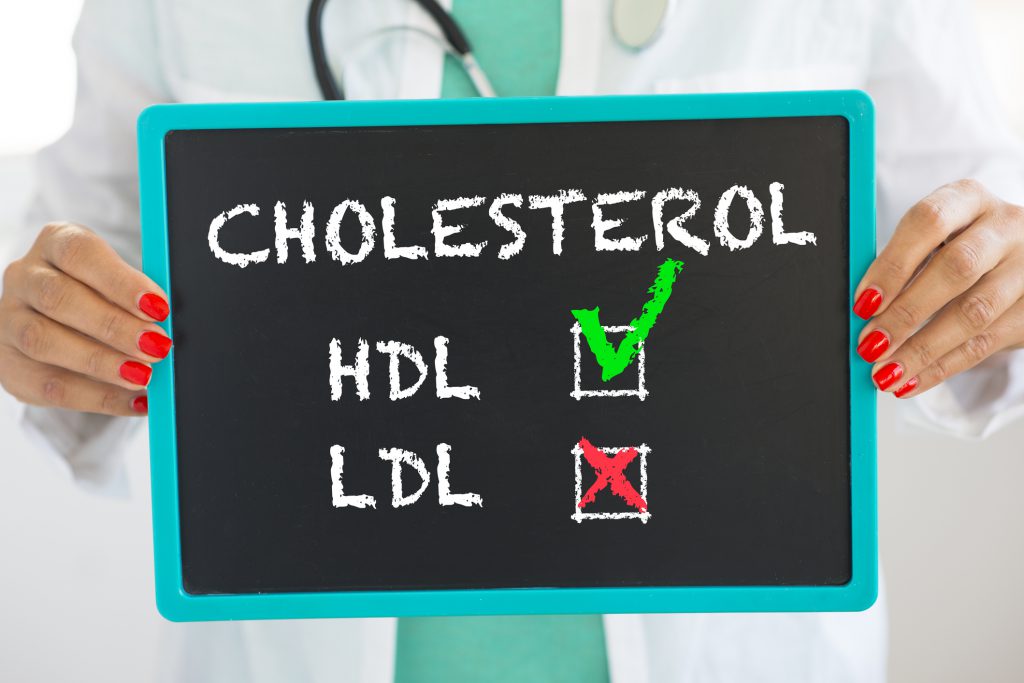
  • Have elevated cholesterol
  • Have polycystic ovary syndrome
  • Have a history of vascular disease

That said, if you have pre-diabetes, your risk of developing type 2 diabetes can be reduced by a sustained modest weight loss and increased moderate-physical activity, such as walking 30 minutes a day.

Through weight loss and increased physical activity, a dietitian may direct you on how to make food choices that cut down on the amount of fat and carbohydrates by:

  • Eating more foods that are broiled and fewer foods that are fried
  • Decrease the amount of butter you use in cooking
  • Eat more fish and chicken
  • Eat more meatless meals
  • Re-Orient your meals to reflect more vegetables and fruit

If you have symptoms such as increased thirst, frequent urination, fatigue and blurred vision, you may have crossed from pre-diabetes to type 2 diabetes.

Jamaica Hospital Medical Center now offers a free and innovative approach to treat patients who are at risk for developing diabetes. The Diabetes Prevention Program (DPP) was developed by the National Institute of Health and is aimed at managing the health of individuals with either prediabetes or borderline diabetes.

These meetings are facilitated by “Lifestyle Coaches” who are specially trained and certified Jamaica Hospital Patient Navigators with strong interpersonal and group facilitation skills.For more information about eligibility or to sign up for the Diabetes Prevention Program, please visit  https://jamaicahospital.org/pre-diabetes/ or  call 718-206-8494.

All content of this newsletter is intended for general information purposes only and is not intended or implied to be a substitute for professional medical advice, diagnosis or treatment. Please consult a medical professional before adopting any of the suggestions on this page. You must never disregard professional medical advice or delay seeking medical treatment based upon any content of this newsletter. PROMPTLY CONSULT YOUR PHYSICIAN OR CALL 911 IF YOU BELIEVE YOU HAVE A MEDICAL EMERGENCY.

The Importance of Monitoring Chronic Illnesses During the COVID-19 Crisis

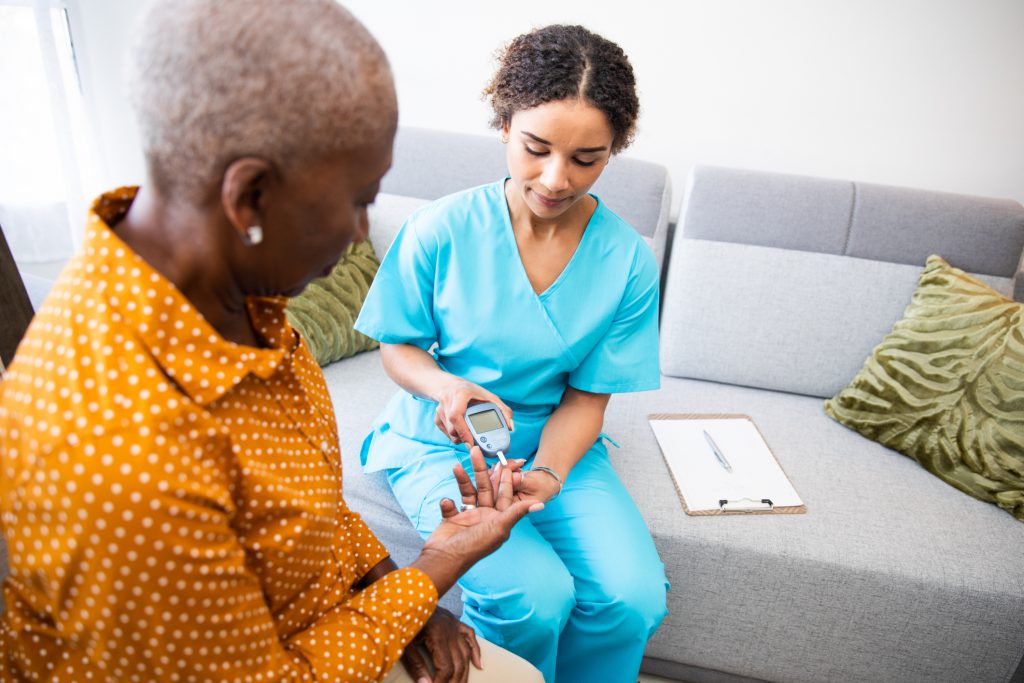
Many health care facilities have seen a decrease in people seeking care for chronic conditions due to the COVID-19 outbreak. This can be attributed to fears of being exposed to the virus in public places or the temporary suspension of certain services offered by healthcare providers.

Although the outbreak has caused alterations in the way we live, one thing that should remain unchanged for those living with chronic illnesses is monitoring their health. It is important that they pay attention to symptoms that warn of serious health problems, because ignoring them may put their lives at risk.

Symptoms of chronic illnesses that should not be ignored include:

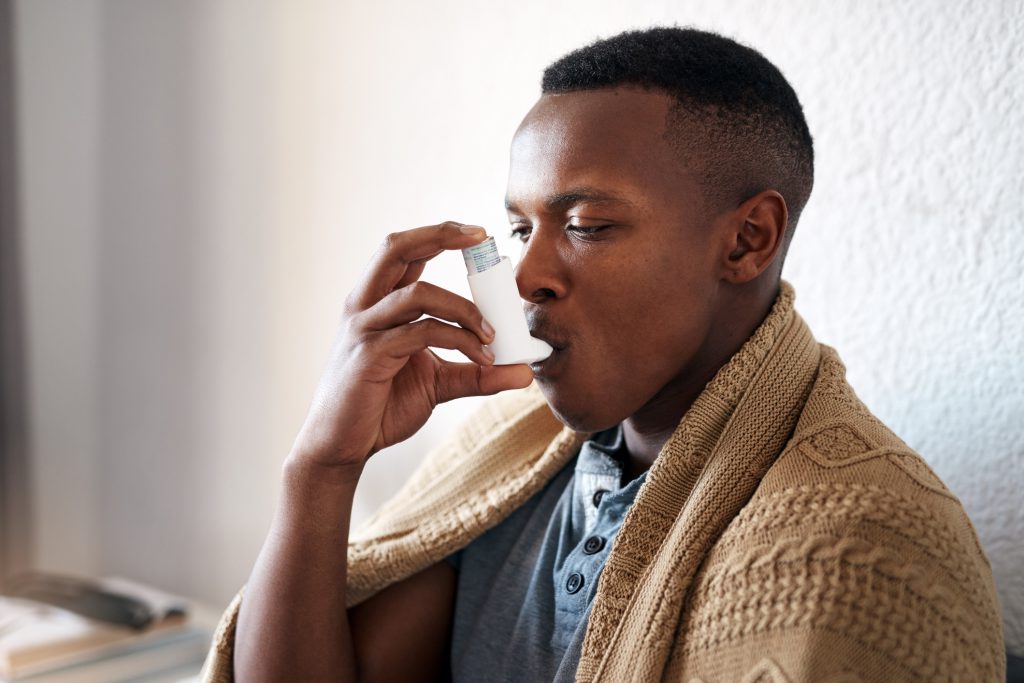
  • Chest pain, pressure in your chest, shortness of breath or other heart attack symptoms
  • Sudden numbness, weakness, confusion, loss of vision or other stroke symptoms
  • Difficulty breathing
  • Heavy bleeding
  • High fever
  • Spikes in blood sugar (Diabetes)
  • Nausea

If these symptoms are persistent, please contact a physician for a medical consultation or seek emergency treatment. Medical facilities are well equipped to safely treat non-COVID-19 patients and many doctors are offering telehealth appointments. Some hospitals are also reopening their outpatient locations. 

In addition to monitoring symptoms, it is important to maintain healthy habits. This can be achieved by keeping routine appointments (virtually or in person), taking prescribed medications, exercising, and eating a well-balanced diet.  

If you have a non-COVID-19 related chronic medical condition or symptoms and would like to see a doctor, please contact Jamaica Hospital Medical Center’s Ambulatory Care Center at 718-206-7001, to schedule an appointment.

All content of this newsletter is intended for general information purposes only and is not intended or implied to be a substitute for professional medical advice, diagnosis or treatment. Please consult a medical professional before adopting any of the suggestions on this page. You must never disregard professional medical advice or delay seeking medical treatment based upon any content of this newsletter. PROMPTLY CONSULT YOUR PHYSICIAN OR CALL 911 IF YOU BELIEVE YOU HAVE A MEDICAL EMERGENCY.
Tips On How To Prepare for a Telemedicine Appointment

The COVID-19 pandemic has changed the way we conduct our day-to-day routines.  To prevent the spread of the disease, most of our activities are now done from home. In some instances, this includes seeing our doctors for medical appointments.

Telehealth or telemedicine appointments have become the norm for many who require consultations from their physicians during the pandemic.  These appointments connect patients and doctors by utilizing video conferencing technology.  Although these virtual visits may not take place physically in a doctor’s office, they are private.  Information and conversations shared between participants remain confidential. Many of Jamaica Hospital Medical Center’s doctors are now accepting appointments for virtual visits.

To prepare for your telemedicine appointment at Jamaica Hospital, please follow these helpful tips:

  • Sign up for Medisys MyChart. (This is preferred, however, if you do not have MyChart, we can still schedule a virtual visit through Zoom directly through zoom.us/join). 
  • Have access to a smartphone, tablet, or computer with a camera enabled with visual and audio.
  • Download the Zoom video communications application.
  • Test your equipment before your scheduled virtual visit.
  • Close other running programs or unnecessary tabs to avoid delays or pauses in your connection.
  • Find a quiet space.
  • Adjust the lighting in your space. Utilize overhead lights if they are available and block sunlight from windows. ( This will prevent you from having too much background light)
  • Prepare to answer questions pertaining to your medical history, symptoms, lifestyle changes, or any aspect of your health.
  • Have a pen and paper ready to write down your doctor’s recommendations or information about your treatment plan.

It is important to note that while most virtual visits are like normal appointments, there may be limitations based on your condition.  Please contact your doctor’s office if you have questions about scheduling a virtual visit.

All content of this newsletter is intended for general information purposes only and is not intended or implied to be a substitute for professional medical advice, diagnosis or treatment. Please consult a medical professional before adopting any of the suggestions on this page. You must never disregard professional medical advice or delay seeking medical treatment based upon any content of this newsletter. PROMPTLY CONSULT YOUR PHYSICIAN OR CALL 911 IF YOU BELIEVE YOU HAVE A MEDICAL EMERGENCY.

Q & A: Can COVID-19 Affect My Pregnancy?

A:   According to the Centers for Disease Control and Prevention (CDC), “We do not currently know if pregnant women have a greater chance of getting sick from COVID-19 than the general public nor whether they are more likely to have serious illness as a result.”

COVID-19 is a new disease. Therefore, we are learning more about how it spreads and the effects it can have on our health every day.  While we continue to learn more about COVID-19, we encourage women who are pregnant to exercise all recommended precautions to protect their health.  These measures include:

  • Frequently washing and sanitizing your hands
  • Frequently cleaning surfaces of your home
  • Avoiding people who are sick
  • Practicing social distancing

If you are pregnant and experiencing symptoms that include fever, cough, difficulty breathing, chills, headache, a new loss of smell, or taste please inform your doctor. Testing may be required to see if these symptoms are the result of COVID-19. If you have tested positive, you may require specialized care during pregnancy and delivery. After giving birth, there is the possibility that your baby may need to be separated from you. This separation helps to prevent you from infecting your baby.

It is important to remember that prenatal care is unique to each individual. Speak with your OB/GYN about their plans to monitor your pregnancy and protect your health during the COVID-19 outbreak.

All content of this newsletter is intended for general information purposes only and is not intended or implied to be a substitute for professional medical advice, diagnosis or treatment. Please consult a medical professional before adopting any of the suggestions on this page. You must never disregard professional medical advice or delay seeking medical treatment based upon any content of this newsletter. PROMPTLY CONSULT YOUR PHYSICIAN OR CALL 911 IF YOU BELIEVE YOU HAVE A MEDICAL EMERGENCY.