
How Long Should A Mother Breastfeed ?

The World Health Organization (WHO) and the American Academy of Pediatrics (AAP) recommend exclusive breastfeeding during the first six months after a baby is born.  However, breastfeeding should continue at least for the first year.

Breastfeeding has long been known to offer benefits to babies and mothers.

Benefits for the babies:

  • Developing a stronger immune system
  • Obtaining a well-balanced diet

Benefits to mothers who breastfeed for a year include a:

  • Lower risk of breast cancer
  • Lower risk of ovarian cancer
  • Lower risk of high blood pressure
  • Lower risk of developing rheumatoid arthritis
  • Lower risk of developing diabetes

Weaning a baby off breastfeeding usually begins when other types of food are introduced into the diet. The WHO and AAP recommend that this occur at the six month mark. A baby who is starting to eat solid food may not require as much breastmilk for nutrition. It is best to slowly wean a baby off of breastmilk instead of stopping suddenly.

There is no evidence to indicate that long term breastfeeding can be harmful to a baby’s or mother’s health.

Ultimately the decision for how long to breastfeed will be up to the mom and her baby. Speak to your baby’s pediatrician for their guidance on the recommendations. If you would like to schedule an appointment with a pediatrician at Jamaica Hospital Medical Center, please call 718-206-7001.

All content of this newsletter is intended for general information purposes only and is not intended or implied to be a substitute for professional medical advice, diagnosis or treatment. Please consult a medical professional before adopting any of the suggestions on this page. You must never disregard professional medical advice or delay seeking medical treatment based upon any content of this newsletter. PROMPTLY CONSULT YOUR PHYSICIAN OR CALL 911 IF YOU BELIEVE YOU HAVE A MEDICAL EMERGENCY.

Fun Ways To Get Your Children to Wash Their Hands

In a world where proper hand washing techniques have never been more important, it is vital that we teach our children how to properly wash their hands.

As you know, the basics of effective hand washing are:

  • Using warm water to wet your hands.
  • Using soap to lather up your hands.
  • Rubbing your soaped up hands together, for no less than 20 seconds, scrubbing the entire hand and between the fingers all the way up to the wrist.
  • Rinsing your hands and wrist with running water.
  • Drying your hands using a clean towel, preferably disposable towel.

However, this seemingly easy process may become tedious when applied to young children.

Here are some fun ways to implement proper handwashing techniques to make your child more enthusiastic about hand hygiene:

  • Use soaps that have an inviting scent like, fruit or bubble gum.
  • Utilize a reward system. Keep a chart for your child with colorful stickers that indicate how many times they properly washed their hands on a particular day. If they are successful, a small reward at the end of the week can be a great motivator.
  • Choose songs to sing while washing or recite a children’s rhyme that lasts approximately 20 seconds.
  • Bubbles, lots of bubbles.  Choose a soap that foams up so that your child can equate washing their hands with a fun activity and not a chore.
  • Create a routine for your child to wash their hands, especially before and after mealtime.

Studies have shown that proper hand washing is one of the best ways to keep healthy and ward off harmful viruses and bacteria.

Remember, the best way to teach our children is by example. Be sure your child knows and observes how you are washing your hands. 

All content of this newsletter is intended for general information purposes only and is not intended or implied to be a substitute for professional medical advice, diagnosis or treatment. Please consult a medical professional before adopting any of the suggestions on this page. You must never disregard professional medical advice or delay seeking medical treatment based upon any content of this newsletter. PROMPTLY CONSULT YOUR PHYSICIAN OR CALL 911 IF YOU BELIEVE YOU HAVE A MEDICAL EMERGENCY.

COPD

Chronic Obstructive Pulmonary Disease (COPD) is an inflammatory lung disease that makes breathing difficult. It is caused by damage to the lungs over a prolonged period of time and is usually attributed to smoking.

COPD can result in serious, long-term disability and is the third leading cause of death in the United States.

The symptoms of COPD typically present when there is significant damage to the lung. They may include:

  • Shortness of breath
  • Chronic cough
  • Frequent respiratory infections
  • Wheezing
  • Swelling of the feet, ankles or legs

Those most at risk of developing COPD are individuals who:

• Are over age 40 and currently smoke or smoked at some point

• Worked or lived around chemicals or fumes

• Have certain genetic conditions

• Have asthma

If you think you have COPD, you should:

• Talk with your healthcare provider about your symptoms

• Request a breathing test, known as a spirometry

• Quit smoking! If you need help, ask your doctor

• Avoid pollutants or fumes that can irritate your lungs

COPD can lead to other health complications such as heart problems, lung cancer, or high blood pressure in the arteries that bring blood to your lungs.

While you can’t undo the damage COPD has caused to your lungs, there are steps you can take to prevent the condition from getting worse, this includes avoiding factors that can irritate lungs, taking medications as directed, enrolling in a pulmonary rehabilitation program, and receiving annual flu and pneumonia vaccines.

All content of this newsletter is intended for general information purposes only and is not intended or implied to be a substitute for professional medical advice, diagnosis or treatment. Please consult a medical professional before adopting any of the suggestions on this page. You must never disregard professional medical advice or delay seeking medical treatment based upon any content of this newsletter. PROMPTLY CONSULT YOUR PHYSICIAN OR CALL 911 IF YOU BELIEVE YOU HAVE A MEDICAL EMERGENCY.
Tips To Avoid Overeating While Working From Home

More people are working from home as a result of the COVID-19 pandemic. This arrangement can provide several benefits; however, there can be just as many challenges.

One of the most common issues experienced by some is the easy access to their kitchens and refrigerators. Having convenient and constant access to food often leads to overeating and unhealthy weight gain.

Here are a few things one can do to avoid this dilemma:

  • Work furthest away from the kitchen as possible
  • Develop an eating schedule and plan the times you are going to eat
  • Portion out meals and snacks
  • Avoid snacking  out of boredom
  • Avoid stress eating but instead, practice healthy relaxation techniques such as meditation or deep breathing
  • Drink plenty of water (When you are dehydrated, hunger can sometimes be mistaken for thirst)
  • Stock your kitchen with healthy food
  • Avoid doing other activities when eating ( Being distracted can lead to overeating)
  • Stay physically active

Practicing these tips can help provide balance and structure to your daily work-at-home routine. If you continue to struggle with overeating, speak with a dietitian or doctor who can help you with improving eating habits and maintaining a healthy weight.

To make an appointment with a dietitian at Jamaica Hospital Medical Center, please call 718-206-7001.

All content of this newsletter is intended for general information purposes only and is not intended or implied to be a substitute for professional medical advice, diagnosis or treatment. Please consult a medical professional before adopting any of the suggestions on this page. You must never disregard professional medical advice or delay seeking medical treatment based upon any content of this newsletter. PROMPTLY CONSULT YOUR PHYSICIAN OR CALL 911 IF YOU BELIEVE YOU HAVE A MEDICAL EMERGENCY.

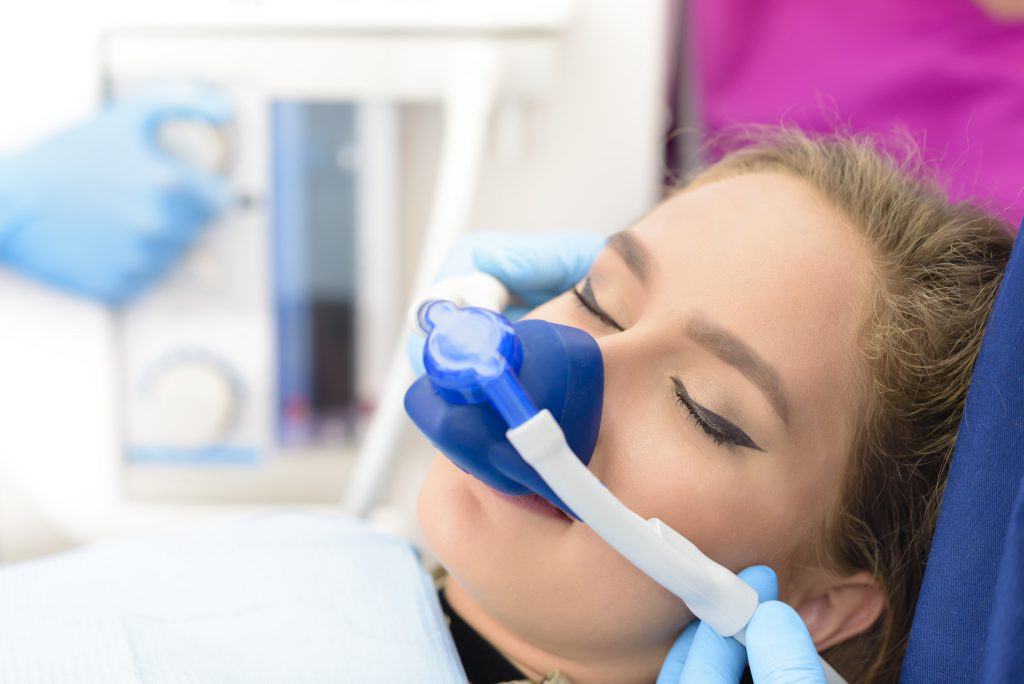
Jamaica Hospital Offers Dental Sedation To Help Patients With “Dental Anxiety”

It is estimated that 10% – 20% of Americans avoid going to the dentist due to anxiety or fear. The source of “dental anxiety” may be due to a previous traumatic event or it could be fear of pain or injections. Regardless of the reason, this delay in care can often lead to further complications including increased tooth decay which can lead to tooth loss. 

For those with anxiety caused by going to the dentist Jamaica Hospital Medical Center offers mild to moderate dental sedation for a variety of procedures including tooth extractions.  The service is offered to most adult and pediatric patients. 

Patients who are interested in receiving dental sedation first need to schedule a pre-operative consultation. During the consultation providers will determine if sedation is appropriate.  A customized anesthesia plan will be made for each patient. While sedation is safe for most, patients with a history of asthma, certain cardio-vascular disease or who are obese may not be eligible.

On the day of the appointment, the team will review the procedure and anesthesia plan with the patient and family. The IV anesthesia is administered by a trained oral surgeon and dental hygienist. After the injection, the patient will enter a “twilight” or light state of sedation.  The patient’s heart, blood pressure and a pulse are monitored during the entire procedure to ensure patient safety. Most procedures last between 30-45 minutes. At the conclusion of the procedure, patients are released to a previously identified escort over 18 years of age.

Jamaica Hospital’s Department of Dentistry has been offering this safe service since July of 2019.  The hospital’s team of qualified oral surgeons and dental anesthesiologists have a great deal of experience with dental sedation, performing approximately 20 procedures for children and adults every month.

Patients at Jamaica Hospital’s Dental Center are very appreciative for this service as it has helped them overcome their fear of going to the dentist.

If you would like to learn more about dental sedation service at Jamaica Hospital, please call 718-206-6980 to schedule an initial consultation.

All content of this newsletter is intended for general information purposes only and is not intended or implied to be a substitute for professional medical advice, diagnosis or treatment. Please consult a medical professional before adopting any of the suggestions on this page. You must never disregard professional medical advice or delay seeking medical treatment based upon any content of this newsletter. PROMPTLY CONSULT YOUR PHYSICIAN OR CALL 911 IF YOU BELIEVE YOU HAVE A MEDICAL EMERGENCY.

Lisa Fraumeni Shares Her “Jamaica Journey”

Thousands of people work at Jamaica Hospital and each have their own unique story to tell about their career path.  The following is one of them.

Lisa Fraumeni started her Jamaica Hospital journey in July of 1987 as a clerk in the hospital’s Admitting Department.  According to Lisa, “I was working at the hospital while attending Queensborough Community College.  I was originally unsure of what career path to follow, but working at Jamaica had a lot to do with my decision to ultimately pursue a degree in nursing.”

In 1996 Lisa graduated with her nursing degree. She wanted to continue working at Jamaica Hospital, but unfortunately there was a hiring freeze at the time.  Lisa waited patiently for 10 months for a position to open up, but eventually was forced to accept an offer at another hospital.

Coincidentally, around the same time, Lisa was named Jamaica Hospital’s employee of the month. During the presentation of her certificate, hospital leadership learned of her situation. Not wanting to lose her as an employee, a job was offered to her and she happily stayed.

Lisa initially worked day and evening shifts on 4 North before being transferred to the Emergency Department in 1998 where she eventually became Assistant Head Nurse.   In 2017, after nearly 20 years in Jamaica Hospital’s ER, Lisa was ready for her next challenge.  There was an opening for a Nursing Supervisor position on the evening shift. Lisa applied and was given the job.

Over the last 33 years, Lisa considers her colleagues at Jamaica Hospital her second family.  “Jamaica Hospital has provided me with so many opportunities for advancement, for which I am extremely grateful.”  Lisa added, “I grew up at Jamaica Hospital and I’m excited to now be in a position to give back.” Lisa has returned to school to pursue her Doctorate in Nursing Administration.  In her own words, “I’m still going. I’m not done yet.”

All content of this newsletter is intended for general information purposes only and is not intended or implied to be a substitute for professional medical advice, diagnosis or treatment. Please consult a medical professional before adopting any of the suggestions on this page. You must never disregard professional medical advice or delay seeking medical treatment based upon any content of this newsletter. PROMPTLY CONSULT YOUR PHYSICIAN OR CALL 911 IF YOU BELIEVE YOU HAVE A MEDICAL EMERGENCY.

Information About Depression

Depression is a mood disorder that makes you feel constant sadness or lack of interest in life.  It can affect how a person feels, thinks and behaves. It can lead to a variety of emotional and physical problems. Those living with depression have trouble doing normal day-to-day activities, and sometimes may feel as if life isn’t worth living.

While everyone experiences feelings of sadness at some point in their life, those with clinical depression have prolonged periods of feeling helpless, hopeless, and worthless. These feelings are not always tied to a specific incident and can last for many days to weeks. Depression can occur in children, adolescents and adults. Although someone can experience depression only once in their life, most who suffer with depression experience recurring episodes.

Some of the symptoms of depression include:

  • Feelings of sadness, tearfulness, emptiness or hopelessness
  • Angry outbursts, irritability or frustration, even over small matters
  • Loss of interest or pleasure in most or all normal activities, such as sex, hobbies or sports
  • Sleep disturbances, including insomnia or sleeping too much
  • Tiredness and lack of energy, so even small tasks take extra effort
  • Reduced appetite and weight loss or increased cravings for food and weight gain
  • Anxiety, agitation or restlessness
  • Slowed thinking, speaking or body movements
  • Feelings of worthlessness or guilt, fixating on past failures or self-blame
  • Trouble thinking, concentrating, making decisions and remembering things
  • Frequent or recurrent thoughts of death, suicidal thoughts, suicide attempts or suicide
  • Unexplained physical problems, such as back pain or headaches

For many people with depression, symptoms usually are severe enough to cause noticeable problems in day-to-day activities, such as work, school, social activities or relationships with others. Some people may feel generally miserable or unhappy without really knowing why.

There is no known singular cause for depression. Instead, health professionals point to a combination of contributing factors including a person’s brain structure and chemistry. Hormone and genetics are also believed to play a role.

Help is available for those with depression. A mental health professional can conduct an evaluation and outline a course of treatment based on the patient’s individual needs. Treatment may include:

  • Medications – These can include a combination of antidepressants, mood stabilizers, antipsychotic, anti-anxiety or stimulant medications
  • Psychotherapy – Talking to a mental health professional on a regular basis about your depression and other issues can help treat the symptoms.
  • Electroconvulsive therapy – This brain stimulation therapy passes electric currents through your brain to help your neurotransmitters work better.
  • Transcranial magnetic stimulation – This treatment uses a coil to send magnetic pulses through your brain to help stimulate nerve cells that regulate mood.

Some with depression may experience thoughts of hurting themselves or others. If someone you know is depressed and you think they may hurt themselves or attempt suicide, call 911immediately.

All content of this newsletter is intended for general information purposes only and is not intended or implied to be a substitute for professional medical advice, diagnosis or treatment. Please consult a medical professional before adopting any of the suggestions on this page. You must never disregard professional medical advice or delay seeking medical treatment based upon any content of this newsletter. PROMPTLY CONSULT YOUR PHYSICIAN OR CALL 911 IF YOU BELIEVE YOU HAVE A MEDICAL EMERGENCY.

The Facts About Ear Infections

An ear infection is an infection of the middle ear, the air-filled space behind the eardrum. Children are most likely to develop ear infections, but adults can get them too.

Ear infections are commonly associated with colds or the flu because the middle ear is connected to the upper respiratory tract by a tiny channel known as the Eustachian tube. Germs that are growing in the nose or sinus cavities can climb up the Eustachian tube and enter the middle ear to start growing.

The most common symptoms associated with ear infections in children include:

  • Ear pain, especially when lying down
  • Tugging or pulling at an ear
  • Trouble sleeping
  • Crying more than usual
  • Trouble hearing or responding to sounds
  • Loss of balance
  • Fever of 100 F (38 C) or higher
  • Drainage of fluid from the ear

Ear pain, difficulty hearing and drainage of fluid from the ear are the most common symptoms in adults.

While anyone can develop an ear infection, there are multiple factors that can increase your chances of developing one, including:

  • Age – Children between the ages of 6 months and 2 years are more susceptible to ear infections because of the size and shape of their Eustachian tubes and because their immune systems are still developing.
  • Group child care – Children cared for in group settings are more likely to get colds and ear infections than are children who stay home.
  • Bottle feeding – Babies who drink from a bottle, especially while lying down, tend to have more ear infections than do babies who are breast-fed.
  • Seasonal factors. Ear infections are most common during the fall and winter. People with seasonal allergies may have a greater risk of ear infections when pollen counts are high.
  • Poor air quality. Exposure to tobacco smoke or high levels of air pollution can increase the risk of ear infections.

Because ear infections often clear up on their own, treatment may begin with managing pain and monitoring symptoms. When they don’t however, antibiotics can be used to clear the infection. Some people are prone to having multiple ear infections. This can cause hearing problems and other serious complications.

It is important to see your doctor when:

  • The patient is less than six months old
  • Symptoms last more than a day
  • Pain is severe
  • There is a discharge of fluid

Most ear infections don’t cause long-term complications, but if someone develops them repeatedly, they can lead to complications including impaired hearing, speech or development delays and spread of infection to nearby tissue.

The best ways to reduce the risk of developing an ear infection include practicing good hand hygiene and social distancing to avoid contracting the common cold, the flu or other viruses and bacterial infections that can lead to them. Other tips include breast-feeding your baby and avoiding secondhand smoke.

All content of this newsletter is intended for general information purposes only and is not intended or implied to be a substitute for professional medical advice, diagnosis or treatment. Please consult a medical professional before adopting any of the suggestions on this page. You must never disregard professional medical advice or delay seeking medical treatment based upon any content of this newsletter. PROMPTLY CONSULT YOUR PHYSICIAN OR CALL 911 IF YOU BELIEVE YOU HAVE A MEDICAL EMERGENCY.

Anorexia

Anorexia nervosa-often used interchangeably with anorexia, is an eating disorder and psychological condition characterized by having a distorted body image (believing one is much heavier than they are), and the intense fear of gaining weight or becoming obese.  

The exact cause for anorexia nervosa is unknown; however, there are several environmental, biological and psychological factors believed to contribute to its development.

Individuals with anorexia nervosa aim to maintain a low body weight that is abnormal for their height and age. This is typically achieved by practicing unhealthy weight loss habits such as:

  • Exercising excessively
  • Severely restricting the amount of food consumed
  • Vomiting after eating
  • Misusing, diuretics, laxatives or diet aides

The symptoms of anorexia nervosa can be physical, emotional or behavioral, and may vary from person to person.

Physical symptoms can include:

  • Extreme weight loss
  • Severe loss of muscle mass
  • Fatigue
  • Thinning hair or hair that breaks easily
  • Fainting or dizziness
  • Infertility
  • Lanugo- soft, downy hair that covers the body

Emotional and behavioral symptoms may include:

  • An unhealthy preoccupation with food
  • Excessive concern about  being overweight
  • Adopting eating rituals such as chewing food and spitting it out
  • Lying about food intake
  • Avoiding eating in public
  • Repeated weighing or measuring of the body
  • Social withdrawal

Most individuals with anorexia nervosa hesitate to seek help because their desire to stay thin often outweighs their concerns for being healthy. However, anorexia nervosa can be life-threatening, so it is important that they receive the immediate care of physicians and mental health experts to help with overcoming this condition.

The diagnosis of anorexia nervosa generally includes physical exams, lab tests and psychological evaluations.  Treatment is often administered by a team of healthcare professionals who are experienced in dealing with eating disorders such as a primary care doctor, dietitian and psychologist.  A care plan may include medication, psychotherapy and nutrition education.

All content of this newsletter is intended for general information purposes only and is not intended or implied to be a substitute for professional medical advice, diagnosis or treatment. Please consult a medical professional before adopting any of the suggestions on this page. You must never disregard professional medical advice or delay seeking medical treatment based upon any content of this newsletter. PROMPTLY CONSULT YOUR PHYSICIAN OR CALL 911 IF YOU BELIEVE YOU HAVE A MEDICAL EMERGENCY.