Dental fillings are a type of restorative dentistry treatment used by dentists to repair cavities or fix minor chips and cracks in your teeth. Other names for dental fillings include:
- Tooth fillings
- Cavity fillings
- Dental restorations – this term refers to treatments that restore teeth, such as fillings, inlays, onlays, bridges, and crowns
Your dentist will discuss treatment options to determine which type of dental filling is better for your situation.
There are many different types of dental fillings and they fall into one of two categories: direct or indirect.
Direct fillings are created by dentists and placed in your mouth without the need for a dental laboratory or temporary restoration. They only require one office visit.
Common materials for direct fillings include:
- Amalgam
- Resin composite
- Glass ionomer
Indirect fillings are made by a dental technician in a lab before your dentist places them in your mouth. Most indirect fillings require two office visits, one to take dental impressions and another to put your restoration. If your dentist uses computer-aided design/computer-aided manufacturing or CAD/CAM technology, they may be able to create and place your indirect filling in a single appointment.
Inlays and onlays are two common indirect fillings that dentists use when a tooth has too much damage to support a filling but not enough damage for a dental crown. An inlay or onlay fits into your tooth structure like a tiny puzzle piece.
Common materials for indirect fillings include:
- Gold
- Porcelain
During the dental filling procedure, your dentist will:
- Numb your tooth with local anesthesia
- Remove damaged or decayed tissue from your tooth using specialized instruments
- Fill the hole with dental filling material
- Use a dental curing light to harden the material (only for resin composite)
- Polish and smooth any rough edges
- Check your bite to make sure it feels normal
The exact steps may vary depending on the material your dentist uses and what type of filling they place.
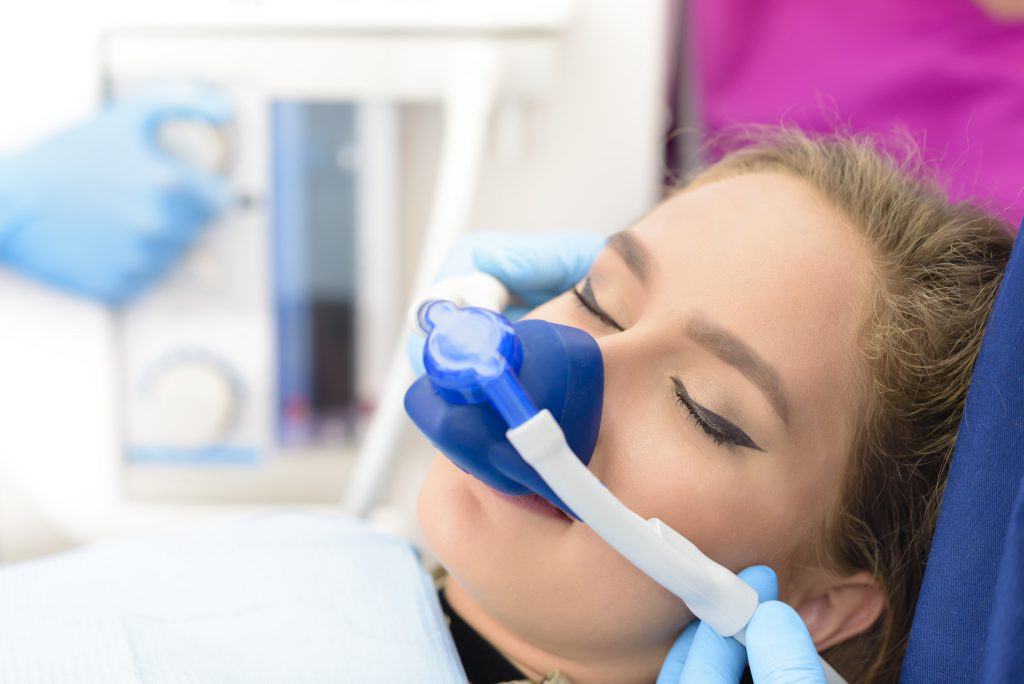
If you have anxiety about visiting the dentist, ask about sedation options. Sedation dentistry helps keep you calm and comfortable during your procedure.
If your teeth need a check-up, you can make an appointment with one of our board-certified dentists at Jamaica Hospital Medical Center’s Dental Center by calling 718-206-6980.
 Follow
All content of this newsletter is intended for general information purposes only and is not intended or implied to be a substitute for professional medical advice, diagnosis or treatment. Please consult a medical professional before adopting any of the suggestions on this page. You must never disregard professional medical advice or delay seeking medical treatment based upon any content of this newsletter. PROMPTLY CONSULT YOUR PHYSICIAN OR CALL 911 IF YOU BELIEVE YOU HAVE A MEDICAL EMERGENCY.