Healthy Vision Month

The Centers for Disease Control and Prevention estimates that 90 million Americans over 40 have eye problems. That is about 60 percent of the population.

May has been designated as Healthy Vision Month to bring attention to our eyes and the problems that we can encounter. While prevention is always the best route to follow, treating eye problems early, should they occur, can prevent further harm to our vision.

One of the reasons people neglect their eyes is because if they don’t think there is a problem, they aren’t going to get checked. While older adults, especially women,  are usually the group that experiences more age-related vision problems, it is becoming more evident that school-age children are also experiencing vision problems. Children who can’t see well probably have difficulty reading, which can affect them in school.

Many eye problems can be traced back to family history. While there is no guarantee that someone will experience an issue with their vision if a parent had an eye problem, it is certainly something to be mindful of.  Certain chronic illnesses, like diabetes, can also predispose people to vision problems.

It is important to protect your eyes from things that can harm them. Doctors recommend wearing sunglasses if you are going to be outdoors during daylight hours for prolonged periods of time. It is also recommended to wear safety glasses if you are going to be working in hazardous environments.

Many of us spend long periods of time looking at our computer screens. To avoid problems we should follow the 20-20-20 rule. Every twenty minutes look away from the screen and focus on something twenty feet away for twenty seconds. This will help to prevent the eyes from getting tired and the muscles of the eyes from becoming weak.
Other ways to protect your vision include:
• Regular comprehensive eye exams
• Proper diet (with foods rich in omega-3 fatty acids and dark leafy vegetables)
• Quit smoking or don’t start
• Maintain a proper weight
• Wash hands before placing or removing contact lenses

The National Eye Institute recommends a regular comprehensive dilated eye exam be performed on a regular basis, usually once a year. If you would like to schedule an appointment with an eye doctor at Jamaica Hospital, please call718-206-5900.

All content of this newsletter is intended for general information purposes only and is not intended or implied to be a substitute for professional medical advice, diagnosis or treatment. Please consult a medical professional before adopting any of the suggestions on this page. You must never disregard professional medical advice or delay seeking medical treatment based upon any content of this newsletter. PROMPTLY CONSULT YOUR PHYSICIAN OR CALL 911 IF YOU BELIEVE YOU HAVE A MEDICAL EMERGENCY.
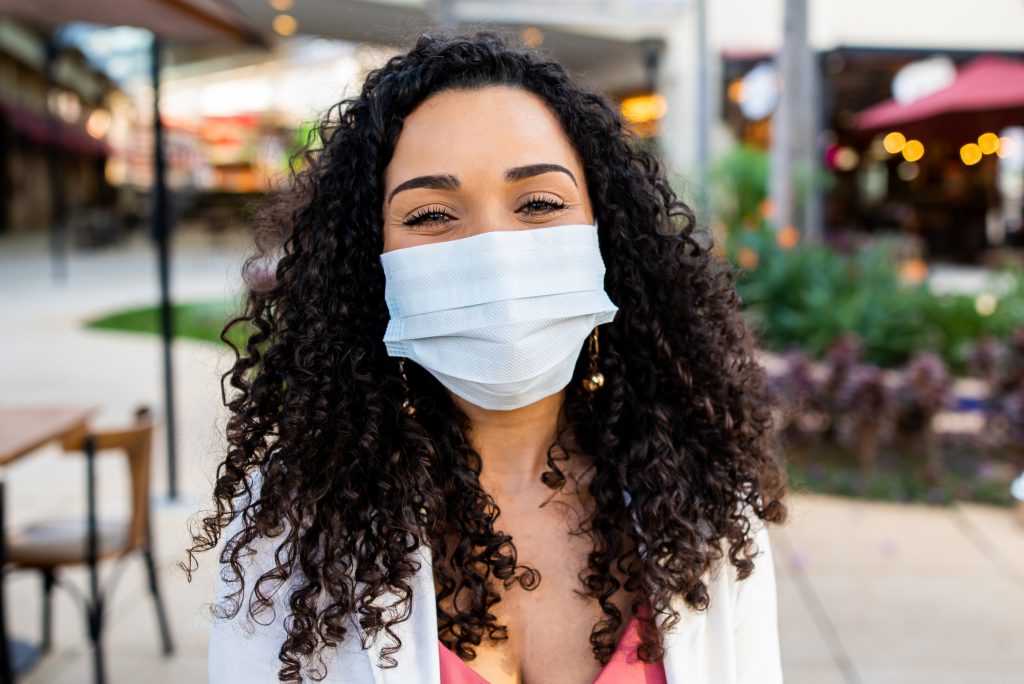
New Masking Guidelines For Those Fully Vaccinated

Millions of Americans have received their COVID vaccine, and those who are now fully vaccinated can begin to do many things that they could not do because of the pandemic.

The US Centers for Disease Control and Prevention (CDC) recently issued updated guidelines for fully vaccinated individuals, which included new rules for mask wearing.

Some of the new guidelines allow those who are fully vaccinated to:

  • Gather or conduct activities outdoors without wearing a mask, except in certain crowded settings and venues. Wearing a mask at large events, such as parades, live performance or sporting event is still recommended.
  • Attend small indoor gatherings with other fully vaccinated people without wearing a mask or staying 6 feet apart. It is still recommended to avoid large indoor gatherings such as the mall or movie theatre.
  • Travel within the United States without needing to get tested or self-quarantine before or after your trip.

In addition, if you are fully vaccinated and have been around someone who has COVID-19, you do not need to stay away from others or get tested unless you have symptoms.

These new guidelines only apply to fully vaccinated individuals, which is defined as 2 weeks after their second dose in a 2-dose series, such as the Pfizer or Moderna vaccines, or 2 weeks after a single-dose vaccine, such as Johnson & Johnson vaccine. The CDC is instructing unvaccinated people to wear a mask at all gatherings.

Vaccines remain the best way to prevent the spread of COVID-19. If you would like to make an appointment, to get vaccinated at Jamaica Hospital, please email us at [email protected]

All content of this newsletter is intended for general information purposes only and is not intended or implied to be a substitute for professional medical advice, diagnosis or treatment. Please consult a medical professional before adopting any of the suggestions on this page. You must never disregard professional medical advice or delay seeking medical treatment based upon any content of this newsletter. PROMPTLY CONSULT YOUR PHYSICIAN OR CALL 911 IF YOU BELIEVE YOU HAVE A MEDICAL EMERGENCY.
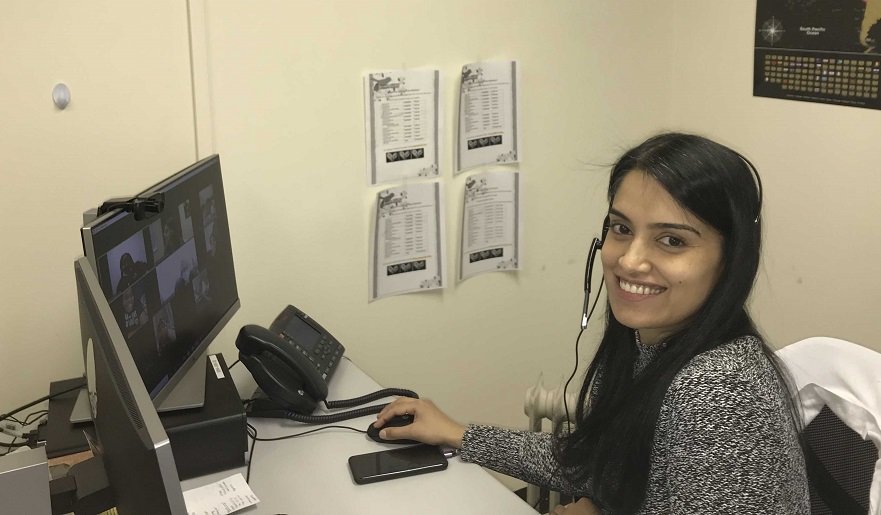
Jamaica Hospital Ranked Among 2021’s Best Hospitals In America

Jamaica Hospital Medical Center is the proud recipient of the Healthgrades 2021 America’s 250 Best Hospitals award. This premier distinction is only given to hospitals that rank in the top 5% in the nation for overall clinical excellence.

Healthgrades is the leading online resource for comprehensive information about physicians and hospitals.  Each year, the organization analyzes nearly 4,500 hospitals in the United States and evaluates their performance in providing quality care for multiple conditions and procedures. Based on their overall performance, the top 5% of all facilities are identified and selected as one of America’s 250 Best Hospitals.

According to Healthgrades, “These elite hospitals not only demonstrate clinical excellence across multiple conditions and procedures but also consistently deliver superior outcomes year over year.”  This is the second consecutive year that Jamaica Hospital has received the prestigious award, the hospital was recognized as one of America’s 250 Best Hospitals for 2020.

Being named as a Healthgrades America’s 250 Best Hospital is a tremendous honor.  It is not only a testament to Jamaica Hospital’s patient-centered initiatives and focus on providing quality healthcare, but also speaks to the dedication and hard work of the hospital’s staff.

In addition to receiving the 2021 America’s 250 Best Hospitals award for its overall performance, Jamaica Hospital has been recognized as a top performer in delivering outstanding patient care in specific specialties and procedures.  The hospital also received the 2021 America’s 100 Best Coronary Intervention and America’s 100 Best Stroke Care awards, as well as the 2021 Excellence awards for cranial neurosurgery, neurosciences and pulmonary care.

“We applaud the recipients of the Healthgrades America’s 50, 100 and 250 Best Hospitals for their long-standing commitment to quality and superior clinical outcomes. As hospitals across the country continue to fearlessly treat patients during the time of COVID-19, it has never been more important to recognize those organizations that are delivering the highest quality care,”  stated Dr. Brad Bowman Chief Medical Offi­cer at Healthgrades.

All content of this newsletter is intended for general information purposes only and is not intended or implied to be a substitute for professional medical advice, diagnosis or treatment. Please consult a medical professional before adopting any of the suggestions on this page. You must never disregard professional medical advice or delay seeking medical treatment based upon any content of this newsletter. PROMPTLY CONSULT YOUR PHYSICIAN OR CALL 911 IF YOU BELIEVE YOU HAVE A MEDICAL EMERGENCY.
Jamaica Hospital Provides A Comprehensive Virtual Prenatal Experience For Women

Being pregnant can be very challenging, and even more so during the COVID-19 pandemic. One of the issues that a growing number of pregnant women are encountering at this time is loneliness.

Studies show that over 50% of expecting mothers admit to feeling extremely lonely and isolated because they are spending more time at home, and away from others.  These factors are believed to be contributors to a rise in prenatal depression.

Jamaica Hospital Medical Center provides a solution to this problem by offering pregnant women a safe place where they feel supported. By moving its CenteringPregnancy program to a virtual space, patients of the hospital can receive prenatal care and actively engage with a community of healthcare providers and fellow moms on Zoom.

In the CenteringPregnancy program at Jamaica Hospital, patients with similar due dates are invited to participate in group sessions facilitated by doctors or midwives.  Participants meet every two or four weeks (depending on gestational age) and interact with nutritionists, lactation consultants and other healthcare providers.  A variety of topics including mental health, breastfeeding and labor preparation are discussed. Special guest speakers from organizations such as Safe Sleep and Queens Healthy Start are also invited to share information and connect moms to helpful resources.

Before their first group session, patients attend an in-person orientation where they are given a Centering prenatal kit. This consists of a scale, blood pressure monitor, fetal Doppler, books and other materials, all of which are needed to participate in the program.  Participants are trained on how to use each item to monitor their baby’s development and record vital health information.  Patients report this information to their providers in a private session before the start of every group meeting.

While engagement and group discussions are encouraged among participants, there are 1-on-1, break-away sessions during each meeting. Here, mothers can speak privately with facilitators about any concerns or questions they may have. If a patient’s needs cannot be addressed via Zoom, an appointment will be scheduled to see their doctor at the Women’s Health Center where strict COVID-19 safety protocols are followed.

Jamaica Hospital’s virtual CenteringPregnancy program has been highly successful. The program has earned recognition from leading institutions and is used to demonstrate the benefits of virtual prenatal care to other medical facilities.  

“The COVID-19 pandemic has changed the pregnancy experience for a lot of women, and we are constantly thinking of ways to make it as positive as we can,” said Patricia Fox, Certified Midwife.  “Our team has established this unique, virtual platform so that we can provide our patients with a healthcare service that is convenient, safe and supportive. We understand how important these things are during these unprecedented times,” shared Thalita Viruet, Practice Manager for the Women’s Health Center.

To learn more about Centering at Jamaica Hospital, please call our Women’s Health Department at 718-291-3276.

All content of this newsletter is intended for general information purposes only and is not intended or implied to be a substitute for professional medical advice, diagnosis or treatment. Please consult a medical professional before adopting any of the suggestions on this page. You must never disregard professional medical advice or delay seeking medical treatment based upon any content of this newsletter. PROMPTLY CONSULT YOUR PHYSICIAN OR CALL 911 IF YOU BELIEVE YOU HAVE A MEDICAL EMERGENCY.

World Hand Hygiene Day

Since 2005, the World Health Organization has been  leading a global effort to improve hand hygiene in order to reduce infections among healthcare workers and the patients that they care for. This initiative is recognized on May 5th every year throughout the world.
Proper hand hygiene is very important in keeping germs from spreading from person to person. Hands should be washed:
• Before, during and after preparing food
• Before eating
• Before and after taking care of a person who is ill
• Before treating a wound
• After using the bathroom
• After sneezing, coughing or wiping a runny nose
• After taking out the garbage
• Before coming in to contact with a baby
• After touching pets
Usually warm water and soap are sufficient to clean your hands. If the cleanliness of the water is questionable, a hand sanitizer that contains at least 60 percent alcohol can be used, keeping in mind that it may not remove all chemicals from the skin and doesn’t kill all types of germs.
There is no exact amount of time that hand washing should take but a good rule of thumb is about 20 seconds or about the same amount of time that it takes to sing the Happy Birthday song.

All content of this newsletter is intended for general information purposes only and is not intended or implied to be a substitute for professional medical advice, diagnosis or treatment. Please consult a medical professional before adopting any of the suggestions on this page. You must never disregard professional medical advice or delay seeking medical treatment based upon any content of this newsletter. PROMPTLY CONSULT YOUR PHYSICIAN OR CALL 911 IF YOU BELIEVE YOU HAVE A MEDICAL EMERGENCY.
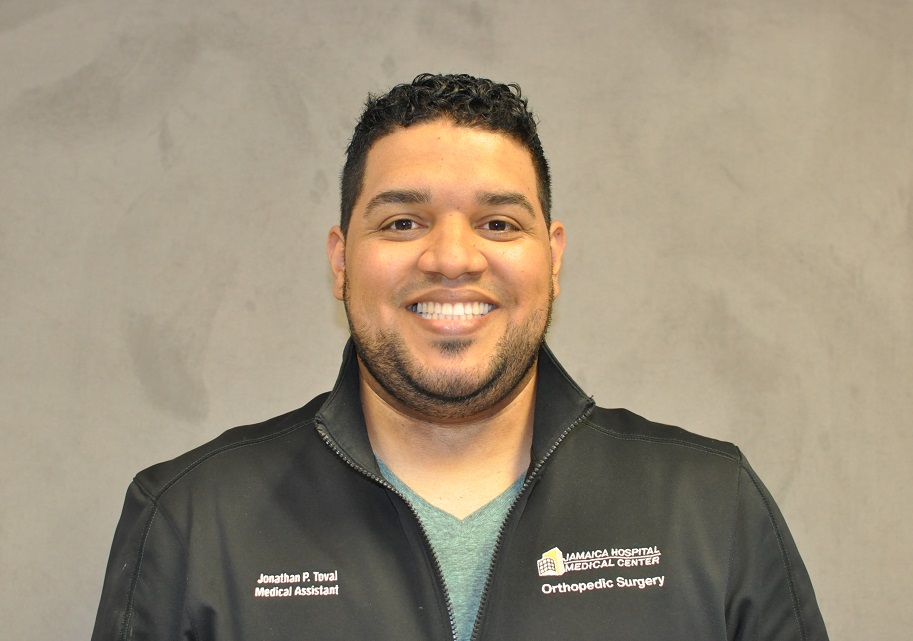
Our Employee Spotlight Shines On Jonathan Toval

We are proud to shine our Employee Spotlight on Jonathan Toval, Lead Medical Assistant in the Department of Orthopedic Surgery.

Jonathan has been at Jamaica Hospital for the past eight years. He was born and spent the first few years of his life in Lima, Peru and moved to New York City in 1999. He attended Intermediate School 61 in Queens, and graduated from John Bowne High School in 2005. Jonathan currently lives in Forest Hills. In his free time Jonathan enjoys spending time with his friends and his family. His two main past times are playing competitive soccer and poker playing. His favorite soccer team is Real Madrid. He enjoys traveling to any place there is a beach, but his travel plans have been curtailed in the past year due to the pandemic.

He really values his relationship with his family and enjoys their company. They provide him with  wonderful conversations and lots of laughter which they frequently share with one another.  He enjoys all types of music  and believes that listening and dancing to salsa makes him happy. His favorite type of food is Peruvian but he also enjoys sushi and steak.

Being in a position to work with a diverse group of patients is something that Jonathan really likes. He enjoys being able to meet patients and colleagues at work who come from all over the world. This gives him an opportunity to learn other languages and about other cultures.  Working at Jamaica Hospital is like being at his second home and it has had a great influence on his life.

We are very happy to have Jonathan on our team for the past eight years and we look forward to having him remain with us for many years in the future.

All content of this newsletter is intended for general information purposes only and is not intended or implied to be a substitute for professional medical advice, diagnosis or treatment. Please consult a medical professional before adopting any of the suggestions on this page. You must never disregard professional medical advice or delay seeking medical treatment based upon any content of this newsletter. PROMPTLY CONSULT YOUR PHYSICIAN OR CALL 911 IF YOU BELIEVE YOU HAVE A MEDICAL EMERGENCY.

Maskne

Human skin Acne

As part of the initiative to slow the spread of COVID-19 cases, the Centers for Disease and Control (CDC) recommends that wearing a mask, that covers the nose and mouth and fits snugly against the sides of the face.

Wearing a mask is required in many public places and has become a part of our daily routine.  However, some are finding that extensive wear may lead to skin irritation or breakouts. Masks help to trap saliva or other types of water droplets from escaping into the air and transmitting COVID. They can also trap moisture and create an environment for bacteria to thrive. Additionally, the fabrics used to make certain masks can irritate sensitive skin.

All of these elements may contribute to the development of the following conditions:

Acne – Pimples, whiteheads or blackheads caused by pores becoming clogged with oil, dead skin, and dirt. 

Rosacea – If you already have rosacea, wearing a mask can irritate your skin and cause a flare-up.

Contact dermatitis – The material used to make the mask may cause an allergic reaction, especially if you have sensitive skin. The reaction may come in the form of a red rash and blisters.

Folliculitis – Wearing a mask for long periods of time can cause your hair follicles to become infected and cause bumps on your skin.  These bumps can be itchy and painful and appear similar to acne.

Some ways to prevent these types of conditions are:

  • Wash your face regularly.
  • Use a gentle cleanser.
  • Apply cortisone cream and moisturizer to your face and neck.
  • Avoid wearing makeup while you are wearing your mask.
  • Frequently changing disposable masks
  • Washing your reusable mask with hypoallergenic soaps.
  • Use topical antibiotic cream to prevent a breakout before wearing your mask.
  • Always wash your hands before removing your mask.

The American Academy of Dermatology Association recommends removing your mask for 15 minutes every 4 hours to give your skin a breather.  Additionally, try removing your face mask in instances when you are in a situation where physical distancing is an option.

Keep in mind that wearing a mask is extremely effective in slowing the spread of the COVID-19 virus and choosing the right type of mask can alleviate some skin irritations you may be experiencing.

If your skin irritation persists, you may want to seek the advice of a dermatologist at Jamaica Hospital Medical Center’s Ambulatory Care Center.  Please call 718-206-7001 for an appointment.

All content of this newsletter is intended for general information purposes only and is not intended or implied to be a substitute for professional medical advice, diagnosis or treatment. Please consult a medical professional before adopting any of the suggestions on this page. You must never disregard professional medical advice or delay seeking medical treatment based upon any content of this newsletter. PROMPTLY CONSULT YOUR PHYSICIAN OR CALL 911 IF YOU BELIEVE YOU HAVE A MEDICAL EMERGENCY.

COVID-19 and the Potential for a Stroke

As more details are being learned about COVID-19,  evidence suggests that having the virus may increase the risk of stroke.  

A stroke may occur in patients who have contracted COVID for several reasons.  Here are a few believed to be contributing factors:

  • The pre-existence of underlying cardiovascular conditions such as hypertension or heart disease
  • The development of infections and inflammation caused by COVID that can lead to stroke
  • The formation of blood clots which can lead to stroke

Studies have shown that some COVID positive individuals are more at risk than others for having a stroke.  It has been found that males, 65 years of age or older, are more likely than females to have an ischemic stroke after contracting the virus and African Americans are at higher risk than Caucasians.

Research also indicates that people who have a stroke and COVID spend about twice as long in the hospital as patients who do not have COVID (22 days versus 10 days).  Patients with COVID who have a stroke are also twice as likely to die than non-COVID stroke patients.

If you are at risk of having a stroke or other cardiovascular issues you should visit your doctor for regular checkups to prevent complications.  It is also important to take preventative measures to avoid the COVID-19 virus. This includes wearing a face mask when in public spaces, proper and frequent hand washing, and getting vaccinated.

To schedule an appointment with a cardiovascular specialist at Jamaica Hospital Medical Center, please call 718- 206-7001

All content of this newsletter is intended for general information purposes only and is not intended or implied to be a substitute for professional medical advice, diagnosis or treatment. Please consult a medical professional before adopting any of the suggestions on this page. You must never disregard professional medical advice or delay seeking medical treatment based upon any content of this newsletter. PROMPTLY CONSULT YOUR PHYSICIAN OR CALL 911 IF YOU BELIEVE YOU HAVE A MEDICAL EMERGENCY.

National Infertility Month

The National Infertility Association founded National Infertility Week, which is observed each year to increase public understanding and awareness of the reproductive disease. People who are trying to conceive are encouraged to learn the guidelines for seeing an infertility specialist.

Infertility is more common than many realize. It is estimated that 1 in 8 couples have trouble getting pregnant or sustaining a pregnancy. Infertility affects both men and women equally.

There are several factors that can contribute to infertility. In men some of these are:

  • Problems with the delivery of sperm
  • Exposure to toxic chemicals
  • Damage resulting from chemotherapy or radiation
  • Abnormalities in the production of sperm
  • Use of tobacco or alcohol

Some causes of infertility in women may be the result of:

  • Hormonal abnormalities
  • Ovulation disorders
  • Damage to reproductive organs
  • Uterine or cervical abnormalities
  • Use of tobacco or alcohol

Although these conditions can impair a person’s ability to conceive, seeking medical assistance as soon as possible can greatly increase their chances of conception.  A physician who specializes in infertility will conduct several tests to determine probable causes and explore several treatment options. Treatment can be surgical or medicinal and may include:

  • Intrauterine insemination
  • In vitro fertilization
  • Clomiphene citrate (Clomid)
  • Gonadotropin-releasing hormone (Gn-RH)
  • Human menopausal gonadotropin or hMG
  • Follicle-stimulating hormone or FSH
  • Metformin
  • Bromocriptine
  • Sperm extraction

While coping with infertility can be challenging, it is important for individuals to remember not to blame themselves, lean on their partner or loved ones for support, acknowledge stress and practice stress-reducing techniques, gain knowledge by utilizing resources.

At Jamaica Hospital, we are dedicated to helping patients find ways to achieve pregnancy. We provide consultations for all female infertility problems. Our team of experts is prepared to treat infertility and assist you in your journey towards pregnancy.

If you are experiencing difficulty getting pregnant, it is recommended you seek a medical consultation. If you would like to make an appointment with with a medical professional at the Jamaica Hospital Medical Center’s Infertility team , please call 718-291-3276.

For more information about this observance, please visit https://resolve.org/amid-threats-to-ivf-national-infertility-awareness-week-niaw-brings-awareness-activities-across-the-country/

All content of this newsletter is intended for general information purposes only and is not intended or implied to be a substitute for professional medical advice, diagnosis or treatment. Please consult a medical professional before adopting any of the suggestions on this page. You must never disregard professional medical advice or delay seeking medical treatment based upon any content of this newsletter. PROMPTLY CONSULT YOUR PHYSICIAN OR CALL 911 IF YOU BELIEVE YOU HAVE A MEDICAL EMERGENCY.

Tips for Pumping and Storing Breast Milk

There are several reasons why mothers may want to pump and store breast milk for their babies.  For some, they are returning to the workplace, for others pumping and storing milk simply offers convenience and flexibility for their busy schedules. In certain cases, pumping and storing milk helps to address supply problems. Lastly, this method can provide opportunities for dads and other family members to bond with babies by participating in feedings.

Whatever one’s reasons are for pumping and storing milk, it is important to know the fundamentals of properly and safely doing so. 

Here are a few tips to consider when pumping milk:

  • Always start by washing your hands
  • Ensure that the tools you are using to pump milk are clean to avoid the risk of bacterial contamination
  • Consider pumping in the morning, many moms produce the most milk during this time of day
  • Massage areas of your breasts that feel firm before pumping, doing so can help improve the letdown of milk
  • Relax and make yourself comfortable, stress can hinder letdown
  • Use hospital-grade breast pumps if you are not expressing milk manually
  • Keep a consistent schedule. Pump at the same times every day.  (If returning to work it is best to express your milk during the same time you would normally feed your baby. Inform your employer about the importance of keeping this schedule- exercise your pumping rights).

When storing breast milk, it is advised that you follow these tips:

  • Store breast milk in clean containers designed specifically for this purpose
  • Do not store breast milk beyond the recommended or optimal time for safe storage (It is important to note that storage guidelines may differ for premature infants)
    Room temperature (The medical definition of room temperature is a temperature of from 59° to 77°F (15° to 25°C) – no more than four hours
    Refrigerator– up to 3 days
    Freezer-up to 6 months
  • Label each container with the date that you expressed milk
  • When thawing frozen milk, it is best to do so overnight in the refrigerator or by holding the container under warm, running water.
  • Do not defrost frozen milk in the microwave, doing so can damage the composition of breast milk

Jamaica Hospital Medical Center is a designated Baby-Friendly USA facility that promotes breastfeeding. Our hospital provides several social and clinical programs designed to support pregnant and nursing mothers.   Some of our programs include breastfeeding education classes, CenteringPregnancy and breastfeeding support groups.  To learn more about our breastfeeding initiatives, please visit https://jamaicahospital.org/clinical-services/ob-gyn/baby-friendly/

All content of this newsletter is intended for general information purposes only and is not intended or implied to be a substitute for professional medical advice, diagnosis or treatment. Please consult a medical professional before adopting any of the suggestions on this page. You must never disregard professional medical advice or delay seeking medical treatment based upon any content of this newsletter. PROMPTLY CONSULT YOUR PHYSICIAN OR CALL 911 IF YOU BELIEVE YOU HAVE A MEDICAL EMERGENCY.