Condom Sense: STI Awareness Month

Sexually transmitted infections (STIs), also known as sexually transmitted diseases (STDs) are infections that are spread by sexual contact. April marks National STI Awareness Month, a campaign sparked by the Centers for Disease Control and Prevention as an effort to counter the nation’s high rates of sexually transmitted infections. The United States currently has the highest rates of sexually transmitted diseases among all countries in the developed world. Here are three important facts to remember about the ongoing public health epidemic in this country:


  1. The current epidemic is driven by just two STDs — even though there’s already a vaccine to prevent one of them.

The nation’s STI epidemic is mainly caused by HPV and chlamydia. That’s good and bad news. On one hand, chlamydia is easily cured with antibiotics, and there’s already an extremely effective vaccine to prevent HPV transmission. But young Americans still aren’t getting their HPV shots, even though the CDC urges parents to vaccinate their children — both girls and boys — before they reach their early 20s.

  1. Women disproportionately bear the burden of STIs.

Based on the female anatomy women are actually more vulnerable to contract STDs than men are — but they’re also less likely to notice the symptoms. Signs of an STI are less apparent on female genitalia and women commonly confuse STD symptoms for less serious issues, like a yeast infection. Sexually transmitted infections often have more longer-term consequences for women that can lead to infertility, and pregnant women can pass STDs to their unborn babies.

  1. Having healthcare makes it easier to get tested.

The health care reform law now requires insurance companies to provide reproductive health services free of charge, U.S. citizens are able to receive HIV/AIDS counseling, STD counseling, and HPV testing without a co-pay.

There is a lot of misinformation out there about sex, sexual health and sexually transmitted infections. The best way to prevent STI’s is to not have sexual intercourse but that isn’t realistic for most. However, knowledge of prevention is the second best option. To prevent the transmission of STIs, people need to be taught how to effectively use condoms. Follow this link to learn about proper condom use: . Even adults are sometimes misinformed about the spread of STI’s which is why it is important to communicate openly with your doctor.

All content of this newsletter is intended for general information purposes only and is not intended or implied to be a substitute for professional medical advice, diagnosis or treatment. Please consult a medical professional before adopting any of the suggestions on this page. You must never disregard professional medical advice or delay seeking medical treatment based upon any content of this newsletter. PROMPTLY CONSULT YOUR PHYSICIAN OR CALL 911 IF YOU BELIEVE YOU HAVE A MEDICAL EMERGENCY.
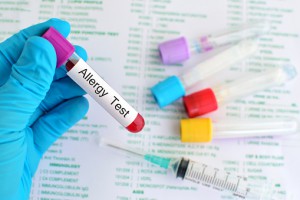
Are Allergy Shots an Option for You?

Do you suffer with seasonal allergies and over the counter medications have not helped? Allergy shots may be an option when all other treatment methods have failed.

Allergy test

Allergy shots, also known as immunotherapy, are injections given at regular intervals to allergy sufferers over three to five years to stop or reduce the symptoms associated with an allergy attack. Each shot contains a tiny amount of the allergens that trigger an attack; just enough to spark the immune system, but not enough to cause a reaction. Over time, doctors will increase the amount of allergens as your system builds up a tolerance to them and becomes desensitized to their effects.

Allergy shots should be considered if medications to treat your allergies are ineffective, if allergy medications poorly interact with other medications you are taking, if allergy medications cause bothersome side effects, or if you want to reduce the long-term use of allergy medications.

Allergy shots can be used to treat reactions to:

• Seasonal allergens, such as pollens released by trees, grass, and weeds
• Indoor allergens, such as dust mites, pet dander, and mold
• Insect strings from bees, wasps, hornets, or yellow jackets

Unfortunately, allergy shots cannot treat food allergies.

Before you can even consider receiving an allergy shot your doctor must perform a skin test to determine what you are allergic to. During a skin test, a small amount of multiple allergens are scratched into your skin and the area (usually the back) is observed for 15 minutes. Redness or swelling will occur on whatever substances you are allergic to.

Once identified, allergy shots are injected regularly during two different phases of treatment.

• The build-up phase –Typically shots are given one to three times a week over three to six months. During the buildup phase, the allergen dose is gradually increased with each shot.
• The maintenance – This phase generally continues for three to five years or longer with maintenance injections administered approximately once a month.

You will need to remain in the doctor’s office for 30 minutes after each shot, in case you have a reaction, which can include local redness or swelling, sneezing, or nasal congestion. In rare cases, allergy shots can result in low blood pressure or difficulty breathing.

Allergy symptoms won’t stop overnight. They usually improve during the first year of treatment, but the most noticeable improvement often happens during the second year. By the third year, most people are desensitized to the allergens contained in the shots — and no longer have significant allergic reactions to those substances. After a few years of successful treatment, some people don’t have significant allergy problems even after allergy shots are stopped. Other people need ongoing shots to keep symptoms under control.

Speak with your doctor to determine if allergy shots are an option for you. If you do not have a doctor, Jamaica Hospital has an allergy clinic. For more information or to schedule an appointment, please call 718-206-7001.

All content of this newsletter is intended for general information purposes only and is not intended or implied to be a substitute for professional medical advice, diagnosis or treatment. Please consult a medical professional before adopting any of the suggestions on this page. You must never disregard professional medical advice or delay seeking medical treatment based upon any content of this newsletter. PROMPTLY CONSULT YOUR PHYSICIAN OR CALL 911 IF YOU BELIEVE YOU HAVE A MEDICAL EMERGENCY.
Are Allergies Controlling Your Life?

In some parts of the country, spring allergy season starts as early as February and can last through the summer months. Tree pollen is the first sign of allergy season’s arrival and continues to cause allergy symptoms throughout March and April. Tree pollen and grass pollen are one in the same, beginning in late spring and continuing into early summer.

Allergies are the result of an over-reactive immune system. When allergies occur, the immune system mistakenly identifies an allergen such as pollen, pet dander, mold, and dust mites as an “invader.” As a reaction, the body mounts an inappropriate immune response. To get rid of the “invader,” the immune response triggers a response that results in you experiencing typical allergy symptoms like, sneezing, runny nose, and itchy, watery eyes.

People are affected by all kinds of allergens. Some people need to avoid pollen and dust; others can’t be around dogs or cats. Regardless of what sets your allergies off, symptoms can interfere with daily activities and reduce your quality of life. Here are a few suggestions to lessen the severity of your allergies:

  1. Leave your shoes at the door

When you come home from the outside, taking your shoes off at the door lessens the amount of pollen you track into the house. Wipe down your dog’s coat before he comes into the house, too, because pollen clings to fur.

  1. Change your clothes when you get home

You can bring pollen into your home on your clothes and shoes even if you can’t see it. Toss soiled clothes in the hamper immediately; even better, take a shower.

  1. Clean or change the filters in your air conditioner

Change them at the intervals recommended by the manufacturer, or more frequently if it seems to help.

  1. Keep open windows closed

Open windows can be refreshing, but they let in pollen. Close windows and outside doors, especially on high-pollen days, and turn on the heat or the air-conditioning.

  1. Take allergy medicine at night.

If your doctor suggests or prescribes allergy medicine try taking them at night. Typically, allergy symptoms tend to be at their worst in the morning.

There are many popular methods of treatment. They work in different ways, but some are more effective than others. Before making any changes in your allergy treatment options speak with your doctor first. Jamaica Hospital’s Division of Allergy and Immunology has qualified doctors available to diagnose and treat your allergy symptoms. To make an appointment, please call 718-206-7001.

For more hospital events, highlights, health and  fitness tips, visit us on 

  or

and follow us on Twitter or 

All content of this newsletter is intended for general information purposes only and is not intended or implied to be a substitute for professional medical advice, diagnosis or treatment. Please consult a medical professional before adopting any of the suggestions on this page. You must never disregard professional medical advice or delay seeking medical treatment based upon any content of this newsletter. PROMPTLY CONSULT YOUR PHYSICIAN OR CALL 911 IF YOU BELIEVE YOU HAVE A MEDICAL EMERGENCY.

Can Aspirin Trigger and Asthma Attack ?

Aspirin may have many benefits but for people who have asthma, it can trigger an attack. In fact, it is estimated that approximately 10 – 20 % of people who live with asthma have a reaction to either aspirin or other pain killers called non-steroidal anti-inflammatory drugs (NSAIDS).  Examples of NSAIDS are Ibuprofen, Motrin, Advil, Naproxen, Aleve, and Naprosyn.
The likelihood of having an asthmatic attack is increased if a person living with asthma has nasal polyps in addition to sensitivity to aspirin. This condition, known as Samter’s Triad increases the chances of having an asthmatic attack by 30 – 40 %. This is due to the fact that nasal polyps are an inflammatory condition in the nasal passages and anti-inflammatories can lead to respiratory complications. Many people with nasal symptoms such as runny nose, post nasal drip, and congestion may be prone to an asthma attack if they take aspirin or NSAIDS.
If you suspect that you have asthma and are experiencing: shortness of breath, wheezing and coughing, speak to your doctor about how aspirin can impact your condition. A doctor can recommend medications that are safer to take. To make an appointment at Jamaica Hospital Medical Center please call 718-206-7001.

All content of this newsletter is intended for general information purposes only and is not intended or implied to be a substitute for professional medical advice, diagnosis or treatment. Please consult a medical professional before adopting any of the suggestions on this page. You must never disregard professional medical advice or delay seeking medical treatment based upon any content of this newsletter. PROMPTLY CONSULT YOUR PHYSICIAN OR CALL 911 IF YOU BELIEVE YOU HAVE A MEDICAL EMERGENCY.

Natural Ways to Revive Your Skin This Spring

skin -78634418Now that winter is over and the days are getting warmer, you are probably going to wear clothing that shows more of your skin.   Unfortunately for many of us the cold and dry winter months has taken a toll, leaving our skin dry, cracked and dull- just simply not at its best.   The good news is you can help revive your skin and bring back its beauty by doing the following:

  1. Exfoliate –Exfoliating helps remove dry and dead skin cells from the surface. The benefits of exfoliation include an increase in cell turnover, healthier skin cells, improved texture, softer and brighter skin. It is recommended that you exfoliate once or twice a week but each individual is different and should consult a dermatologist about frequency. Using a home-made body scrub is one of the ways you can exfoliate.  The most popular scrubs that can be made at home are salt or brown sugar scrubs combined with oils such as coconut, olive or grapeseed.
  2. Moisturize-It is likely that winter has depleted moisture from your skin. Replace moisture by using honey; which is loaded with antioxidants, oils such as olive oil or believe it or not yogurt. It is suggested that you apply yogurt to skin, leave it on for 10 minutes then wash it off to reveal skin that looks refreshed. Applying hydrating masks to the face can help with suppleness. You can include natural moisturizing ingredients such as avocado or bananas in your mask.
  3. More water- Water is good for skin because it combats dehydration, which can make your skin appear drier. Keeping hydrated helps your organs to work better, this includes your biggest organ- your skin. Eating foods with high water content such apples or melons can also help with hydration.

Following these after-winter skin care tips can help you in putting your best spring skin forward; however, it is strongly recommended that you speak with a physician before trying them; especially if you have food allergies or chronic illnesses such as diabetes or hypertension.

All content of this newsletter is intended for general information purposes only and is not intended or implied to be a substitute for professional medical advice, diagnosis or treatment. Please consult a medical professional before adopting any of the suggestions on this page. You must never disregard professional medical advice or delay seeking medical treatment based upon any content of this newsletter. PROMPTLY CONSULT YOUR PHYSICIAN OR CALL 911 IF YOU BELIEVE YOU HAVE A MEDICAL EMERGENCY.

Zika

According to the Centers for Disease, Control and Prevention, the Zika virus is spread to people primarily through the bite of an infected Aedes species mosquito.  The most common symptoms of Zika are fever, rash, joint pain and conjunctivitis.

Most recently, the Zika virus has been linked to microcephaly in babies of mother’s who contracted the virus during pregnancy. Microcephaly is a condition where a baby’s brain with microcephaly does not develop properly during the pregnancy or has stopped growing after birth, this results in a smaller sized head.

What we DO know:

  • Zika virus can be passed from pregnant women to their fetus during pregnancy or at delivery.
  • Pregnant women can be infected with the Zika virus through the bite of an infected mosquito
  • You can become infected by a male sex partner
  • Pregnant women should not travel to areas affected by Zika
  • Based on available evidence, the Zika virus infection in a woman who is not pregnant would not pose a risk for birth defects in future pregnancies after the virus has cleared from her blood.

What we DO NOT know:

  • How likely a pregnant woman who has been exposed to Zika will get the virus
  • How the virus will affect her pregnancy or how likely it is that Zika will pass to her fetus
  • If the infected fetus will develop other birth defects or when in the pregnancy the infection might cause harm to the fetus
  • If sexual transmission of Zika virus poses a different risk of birth defects that mosquito-borne transmission

If you must travel to Zika areas affected by Zika, speak with your healthcare provider about the risks of Zika Virus before you travel.  Learn how to protect yourself from mosquito bites and try to avoid regions where Zika is present.

If you have traveled to a region where Zika is present and are pregnant, talk to your health care provider about Zika symptoms. If you would like to speak with a physician, you can make an appointment at Jamaica Hospital Medical Center’s Women’s Health Center, call 718-291-3276.

For more FAQ’s on Zika Virus you will find the following websites helpful –

All content of this newsletter is intended for general information purposes only and is not intended or implied to be a substitute for professional medical advice, diagnosis or treatment. Please consult a medical professional before adopting any of the suggestions on this page. You must never disregard professional medical advice or delay seeking medical treatment based upon any content of this newsletter. PROMPTLY CONSULT YOUR PHYSICIAN OR CALL 911 IF YOU BELIEVE YOU HAVE A MEDICAL EMERGENCY.

Is Social Media Making Me Fat?

Have you ever wondered why when you see postings of food on social media that are pleasing to your eyes, you immediately begin to desire that food or think, “Gee, I’m hungry?

The human mind is divided into two parts, the conscious and subconscious mind.  The conscious mind works while we are awake, while the subconscious mind is always activated.  The subconscious mind regulates everything in our body, our character, our speech and receives and processes information. The food and beverage postings on social media speak directly to our conscious and subconscious mind.

According to researchers, 70 percent of household meals in America are influenced by digital media.  Pictures of food and beverages show up on news feeds 63 percent of the time.  One popular social media site noted that a widely used food hashtag marked photos of snacks and meals 54 million times on their site alone.

In addition to subliminally causing you to want to eat more food, studies have shown that people who spent two hours or more using a device with LED display, such as a smart phone or tablet, had a corresponding dip in melatonin levels.  Melatonin is the chemical that prepares your body for sleep. When we lose sleep, we can pack on extra pounds because there is a link between sleep loss and weight gain.  If you are awake for longer periods of time, you may be more inclined to reach for a late night snack or bag of chips.

Some steps you can take to curb your hunger and promote good health are:

  • Choose fresh, whole foods like fruits, vegetables, and lean meats.
  • Prepare your meals at home and limit dining out and processed on-the-go meals.
  • Try to avoid being distracted by TV, work, driving or surfing on your computer, phone or tablet while eating.
  • Regulate your social media feed, especially if the pictures of food and beverages make your stomach moan.

Obesity is on the rise because many factors, but keep in mind that you are in control and can make healthy choices to live a healthy life. It’s better to eat with your stomach and not with your eyes.


All content of this newsletter is intended for general information purposes only and is not intended or implied to be a substitute for professional medical advice, diagnosis or treatment. Please consult a medical professional before adopting any of the suggestions on this page. You must never disregard professional medical advice or delay seeking medical treatment based upon any content of this newsletter. PROMPTLY CONSULT YOUR PHYSICIAN OR CALL 911 IF YOU BELIEVE YOU HAVE A MEDICAL EMERGENCY.

Liver Cirrhosis: Symptoms and Treatment

Cirrhosis is a slowly progressing disease in which healthy liver tissue is replaced with scar tissue, eventually preventing the liver from functioning properly. The scar tissue blocks the flow of blood through the liver and slows the processing of nutrients, hormones, drugs, and naturally produced toxins. It also slows the production of proteins and other substances made by the liver. According to the National Institutes of Health, cirrhosis is the twelfth leading cause of death by disease.

The symptoms of cirrhosis of the liver vary with the stage of the illness. In the beginning stages, there may not be any symptoms. As the disease worsens, symptoms may include:

  • Loss of appetite
  • Lack of energy (fatigue), which may be debilitating
  • Weight loss or sudden weight gain
  • Bruises
  • Yellowing of skin or the whites of eyes (jaundice)
  • Itchy skin
  • Fluid retention (edema) and swelling in the ankles, legs, and abdomen (often an early sign)
  • A brownish or orange tint to the urine
  • Light colored stools
  • Confusion, disorientation, personality changes
  • Blood in the stool
  • Fever

Cirrhosis of the liver can be diagnosed through a physical exam, blood tests, biopsy and surgery. During a physical exam, your doctor can observe changes in how your liver feels or how large it is (a cirrhotic liver is bumpy and irregular instead of smooth). If your doctor suspects cirrhosis, you will be given blood tests to find out if liver disease is present. In some cases, cirrhosis is diagnosed during surgery when the doctor is able to see the entire liver. The liver also can be inspected through a laparoscope, a viewing device that is inserted through a tiny incision in the abdomen.

Although there is no cure for cirrhosis of the liver, there are treatments available that can stop or delay its progress, minimize the damage to liver cells, and reduce complications. For cirrhosis caused by alcohol abuse, the person must stop drinking alcohol to halt the progression of cirrhosis. Medications may be given to control the symptoms of cirrhosis. Liver transplantation may be needed for some people with severe cirrhosis.

If you are experiencing any symptoms of liver cirrhosis schedule an appointment with your doctor immediately. The Department of Gastroenterology at Jamaica Hospital specializes in the treatment of gastrointestinal disorders. To schedule an appointment, please call 718-206-7001.

All content of this newsletter is intended for general information purposes only and is not intended or implied to be a substitute for professional medical advice, diagnosis or treatment. Please consult a medical professional before adopting any of the suggestions on this page. You must never disregard professional medical advice or delay seeking medical treatment based upon any content of this newsletter. PROMPTLY CONSULT YOUR PHYSICIAN OR CALL 911 IF YOU BELIEVE YOU HAVE A MEDICAL EMERGENCY.

March is National Colon Cancer Awareness Month

In 2000, President Clinton officially dedicated March as National Colon Cancer Awareness Month. This designation provides patients, survivors, caregivers and advocates throughout the country an opportunity to join together to raise awareness about colon cancer and the importance of early detection.

ThinkstockPhotos-474824404The American Cancer Society recommends that men and women with an average risk of developing colon cancer be tested beginning at age 50. People with certain risk factors, such as a family history of colon cancer or a history of inflammatory bowel disease should be tested earlier.

Early detection can save lives, but unfortunately, less than half of the people age 50 and older get tested for colon cancer. Colorectal cancer is the third most commonly diagnosed cancer and second leading cause of cancer death in the U.S., yet there is a 90 percent cure rate when detected early.

There are a variety of different tests used to diagnose colon cancer. They include:

Standard (or optical) colonoscopy – During this test, the rectum and entire colon are examined using a colonoscope, a flexible lighted tube with a lens for viewing and tool for removing tissue. During a colonoscopy, any abnormal growths in the colon and rectum can be removed.

Sigmoidoscopy – During this test, the rectum and the sigmoid colon are examined using a sigmoidascope. The instrument is inserted through the anus and into the rectum and sigmoid colon as air is passed pumped into the colon to expand it so the doctor can see it more clearly.

High-sensitivity fecal occult blood tests (FOBT) – This exam checks for tiny amounts of blood in feces (stool) that cannot be seen by the naked eye. The stool samples are collected by the patient and the doctor has the samples tested.

Speak with your doctor about when to begin screening for colorectal cancer and what test(s) are best for you. If you do not have a doctor, Jamaica Hospital’s Ambulatory Care Center has doctors that can help. For more information, or to schedule an appointment, call 718-206-7001.

All content of this newsletter is intended for general information purposes only and is not intended or implied to be a substitute for professional medical advice, diagnosis or treatment. Please consult a medical professional before adopting any of the suggestions on this page. You must never disregard professional medical advice or delay seeking medical treatment based upon any content of this newsletter. PROMPTLY CONSULT YOUR PHYSICIAN OR CALL 911 IF YOU BELIEVE YOU HAVE A MEDICAL EMERGENCY.

Poison Prevention Week Tips

poison prevention -494095014This week, March 19th-25th is Poison Prevention Week. Did you know that every year more than 2 million poison-related injuries and deaths are reported in the United States and more than 90 percent of these cases occur in the home?

The majority of poison-related accidents occurs among children but can be prevented by taking the proper precautions to store, dispose or conceal items that contribute to these incidents.

The following safety tips are recommended by The American Association of Poison Control Centers and can help you reduce the risk of an accident in your home:

  1. Place the Poison Help number in a place that is easily accessible or in eyesight. That number is 1 (800) 222-1222. Calls are free, confidential, and answered by experts at all times.
  2. Safely store these substances in cabinets with child-proof locks or in child- resistant containers:
  • Medications
  • Vitamins
  • Tobacco products, especially liquid nicotine
  • Laundry and cleaning supplies
  • Alcohol
  • Pesticides or insect repellants
  • Hand sanitizers
  • Small batteries
  1. Read medication labels properly before administering.
  2. Never call medication “candy” to encourage children to take it.
  3. Avoid taking medications in front of young children.
  4. Do not use food storage containers to store harmful products such as detergents or pesticides.

While practicing these guidelines should be routine, we invite you to use Poison Prevention Awareness Week as a reminder to ensure that your home is poison safe.

All content of this newsletter is intended for general information purposes only and is not intended or implied to be a substitute for professional medical advice, diagnosis or treatment. Please consult a medical professional before adopting any of the suggestions on this page. You must never disregard professional medical advice or delay seeking medical treatment based upon any content of this newsletter. PROMPTLY CONSULT YOUR PHYSICIAN OR CALL 911 IF YOU BELIEVE YOU HAVE A MEDICAL EMERGENCY.