Summertime Blues

Sad mother and son in summer green park

Its summertime and that usually means more hours of daylight and warmer weather to enjoy outdoors. While summer is usually a time of year to be cheerful and happy, for some people it can bring on a bit of sadness. Although this condition is typically associated with winter months, it also affects people during the summer. The terminology that is used for this type of sadness is Seasonal Affective Disorder (SAD). People with SAD during the summer months are often showing signs of anxiety.
Some common reasons people may feel sad in summertime:
• Fear of the outdoors
• Money is tight and can’t afford a vacation
• Feeling uncomfortable about body image
• Seeing pictures on social media of everyone else having a better time than you
• Summer heat may drain your energy and enthusiasm
• Sleep deprivation is common because of longer hours of sunlight – getting up earlier and going to sleep later.
The best way to deal with the summertime blues is to speak to a professional who is experienced in handling these conditions. If you would like to speak to a mental health professional at Jamaica Hospital, please call 718-206-7071.

All content of this newsletter is intended for general information purposes only and is not intended or implied to be a substitute for professional medical advice, diagnosis or treatment. Please consult a medical professional before adopting any of the suggestions on this page. You must never disregard professional medical advice or delay seeking medical treatment based upon any content of this newsletter. PROMPTLY CONSULT YOUR PHYSICIAN OR CALL 911 IF YOU BELIEVE YOU HAVE A MEDICAL EMERGENCY.

Jamaica Hospital Offers Coordinated Care for Diabetics at St. Albans Center

According to the most recent data from the American Diabetes Association, nearly 30 million Americans are living with diabetes, many of whom are undiagnosed. Diabetes is a serious condition that if not managed properly can lead to a variety of health problems and it is the seventh leading cause of death in the United States.

Diabetes diagnosis. Stamp, stethoscope, syringe, blood test and

For many diabetics, living with the disease means juggling medical appointments with various specialists to help them manage their condition. To help those living with diabetes in our community properly maintain their health, Jamaica Hospital has coordinated many services under one roof. The hospital’s MediSys Family Care Center in St Albans recently added ophthalmology, podiatry, and nutritional counseling to its list of services and a schedule was created so that each service would be available on the same day, allowing patients to easily go from one appointment to the next without leaving the building.

DIABETES AND OPTHALMOLOGY
Diabetes can lead to a variety of vision problems. One of the most common diabetic-related eye disorders is glaucoma. People with diabetes are 40% more likely to suffer from glaucoma than people without diabetes. In addition, diabetics are 60% more likely to develop cataracts. If left untreated, these issues can become serious and can even lead to blindness.

DIABETES AND PODIATRY
Uncontrolled diabetes can damage the nerves in your extremities, especially in your feet. This lack of feeling is called sensory diabetic neuropathy. Diabetes also affects the flow of blood. Without good blood flow, it takes longer for a sore or cut to heal. If you have an infection that will not heal because of poor blood flow, you are at risk for developing ulcers or gangrene. For people with diabetes common foot problems can possibly lead to infection and serious complications, including amputation.

DIABETES AND NUTRITION
Healthy eating habits can help keep blood glucose, also called blood sugar, within target range. A nutritionist can help diabetics by teaching them what to eat, how much to eat, and when to eat. For those with diabetes, a proper diet can improve their overall health and reduce the risk of heart disease, stroke and other conditions caused by diabetes.

“We are happy to provide all of these services to our diabetic patients under one roof, especially on the same day” stated Dr. Nicholas Pantaleo Medical Director of the site. “By creating this comprehensive range of services, we are helping those living with diabetes better maintain their health. Our goal is to improve the health of our community and we hope that this coordination of services helps us achieve that goal.”

For more information about the full range of diabetes services at Jamaica Hospital’s MediSys St Albans Family Care Center, including hours of operation, please call 718-206-9888.

All content of this newsletter is intended for general information purposes only and is not intended or implied to be a substitute for professional medical advice, diagnosis or treatment. Please consult a medical professional before adopting any of the suggestions on this page. You must never disregard professional medical advice or delay seeking medical treatment based upon any content of this newsletter. PROMPTLY CONSULT YOUR PHYSICIAN OR CALL 911 IF YOU BELIEVE YOU HAVE A MEDICAL EMERGENCY.

Heat Waves and Heart Health

thermometer. 3dAs the temperature increases so does the risk of having complications linked to heart disease.   Extreme summer heat can be dangerous for people who suffer from cardiovascular issues.  Studies show that cardiovascular deaths are more frequent during heat waves and complications are usually triggered by dehydration.

Dehydration can occur because of excess sweating. If the body is overheating, an increase in the production of sweat is needed to keep it cool.  In order to meet this demand, the heart has to work harder and faster to pump more blood to your skin. Dehydration also affects normal blood flow because a lack of fluid causes blood to thicken.  If the body cannot cool itself and strain is put on the heart, a person can suffer from heat stroke, heart attack or heart failure.

If the following symptoms of heat-related illness or exhaustion are present, it is recommended that medical attention is sought right away:

  • Dizziness or light-headedness
  • Nausea or vomiting
  • Dark urine
  • Weakness
  • Rapid, weak pulse
  • Confusion
  • Rapid, shallow breathing
  • Unconsciousness

There are several steps a person can take to reduce the risk of heart complications during extreme heat:

  • Keep hydrated- Drink plenty of fluids, especially water. However, stay clear of beverages that may dehydrate you such as teas, alcohol or coffee.
  • Take cool baths or showers to help body keep cool.
  • Wear cool and loose fitting clothing.
  • Do not exercise or perform rigorous physical activity during extreme heat.
  • Stay in cooler environments

It is always important to remember to follow the suggested precautions to stay safe during the summer heat.


All content of this newsletter is intended for general information purposes only and is not intended or implied to be a substitute for professional medical advice, diagnosis or treatment. Please consult a medical professional before adopting any of the suggestions on this page. You must never disregard professional medical advice or delay seeking medical treatment based upon any content of this newsletter. PROMPTLY CONSULT YOUR PHYSICIAN OR CALL 911 IF YOU BELIEVE YOU HAVE A MEDICAL EMERGENCY.

Preparing for Your Outpatient Visit

Outpatient surgery also known as day surgery eliminates the need for an overnight hospital stay. This procedure is minimally invasive surgical techniques.  Being told that you need surgery is a pretty terrifying feeling especially if it is your first one and you do not know what to expect. Here are a few notes to follow to make sure you are prepared for your outpatient surgical procedure.

Prior to your surgery you will receive instruction from your doctor or nurse about pre-operative precautions. Please follow all pre-operative instructions such as what medications to take or hold, when to stop eating and drinking and what time to be at the registration desk to register for your surgery or procedure. It is advisable to bring someone from your family to interpret or sign for you if necessary. As expected for outpatient surgery you will go home the same day, you will not be allowed to drive yourself home from your surgery or procedure if you have received any sedation. Please have your ride home arranged before the day of surgery.

People with medical problems, such as prior heart attacks or strokes, high blood pressure, diabetes, asthma, or chronic obstructive pulmonary disease, should visit with their doctor or anesthesiologist before the day of their surgery. At this visit, the doctor may also require the following information:

  • Copies of medical records, especially ECGs and results of heart and lung testing and recent lab tests
  • A list of medical problems and past surgical procedures, including any problems that occurred during prior surgeries
  • A complete list of medications (both prescription and over-the-counter), including vitamins, herbs, or other supplements, and their dosages
  • A clearly identified list of medications that cause allergic reactions or other problems

The day of your surgery it is strongly advised that you do not wear contacts, makeup or dentures. Contacts may dry out or get lost over the duration of the procedure. Makeup interferes with tape and surgical tools depending on the area you are having operated.  A representative from the surgery department will come to the waiting room to escort you to the area where you will change into a surgical gown. You will be asked to empty your bladder and change into the gown. Some female patients may be asked for a urine sample to provide pregnancy status.

Although outpatient surgery does not require an overnight hospital stay, in some circumstances a patient intended for outpatient surgery may be admitted to the hospital for further care. If you require surgery, Jamaica Hospital Medical Center’s newly remodeled Ambulatory Surgery Unit provides patient centered care that focuses on relaxation and comfort. The ASU is open Monday through Friday, from 6:00 a.m. to 7:00 p.m. For more information, please call 718-206-6102.

All content of this newsletter is intended for general information purposes only and is not intended or implied to be a substitute for professional medical advice, diagnosis or treatment. Please consult a medical professional before adopting any of the suggestions on this page. You must never disregard professional medical advice or delay seeking medical treatment based upon any content of this newsletter. PROMPTLY CONSULT YOUR PHYSICIAN OR CALL 911 IF YOU BELIEVE YOU HAVE A MEDICAL EMERGENCY.

Jamaica Hospital Recognizes World Sickle Cell Day

June 19 has been designated as World Sickle Cell Day to help bring attention to this genetic disease that affects an estimated 100,000 Americans.

ThinkstockPhotos-478180764Sickle cell disease is an inherited form of anemia – a condition in which red blood cells are unable to carry oxygen throughout the body. For most, red blood cells are round and can move easily through blood vessels, but the red blood cells in people with sickle cell disease are crescent, or half-moon shaped. These irregular shaped cells can get stuck in blood vessels, which can slow or block the flow of oxygen to certain parts of the body.

In addition to being irregular in shape, sickle cells are fragile and break apart easily. Normal red blood cells live an average of four months before they die and need to be replaced. Sickle-shaped cells however only live an average of 20 days. The result of this shortage of blood cells is a loss of energy and general sense of fatigue.
Other symptoms of sickle cell disease include:

• Hand-Foot Syndrome – Often the first sign of sickle cell disease. It is caused by a lack of blood flow to the hands and feet

• Episodes of Pain – Referred to as a “crisis”, these episodes of pain occur when blood flow is blocked to the chest, abdomen, and joints. The frequency and duration of the episodes vary from person to person, but in severe cases, they can result in hospitalization.

• Frequent Infections and Fever– Sickle Cell can cause damage to the spleen, an organ that fights infection, making those with sickle cell at greater risk of developing an infection and an accompanying fever.

• Changes in Skin – People with sickle cell disease can develop a yellow tint to their skin or the whites of their eyes. Skin and nail beds can often become pale.

• Delayed growth – By not receiving enough oxygen rich red blood cells, those with sickle cell disease may also not get the necessary nutrients essential for growth.

The risk of inheriting sickle cell disease is a genetic one. For a baby to be born with it, both parents must carry the sickle cell gene. Doctors can diagnose sickle cell disease before a child is born. Couples who are at risk for passing on this disease to their children may want to talk with a genetic counselor about prenatal testing. The sickle cell gene is more common in families that come from Africa, India, Carribbean islands, and Central and South America.

To determine if you have sickle cell disease, your doctor can order a test to check for hemoglobin S, the defective form of hemoglobin that underlies sickle cell anemia. Further tests can confirm the existence of one gene (carrying the sickle cell trait) or two genes (sickle cell anemia). For those who have sickle cell anemia, treatment is aimed at treating the symptoms and avoiding crisis. Regular check-ups to monitor your red blood cell count are important. Medications are available to reduce pain and prevent complications can be prescribed, and blood transfusions, supplemental oxygen and even bone marrow transplants may also be necessary.

Jamaica Hospital serves a culturally rich and diverse population. Many members of our community are from the parts of the world most often affected by sickle cell disease. In recognition of National Sickle Cell Awareness Month, Jamaica Hospital’s encourages anyone living with sickle cell disease to carefully manage their condition. The hospital also recommends all potential parents to be tested for the sickle cell trait.

All content of this newsletter is intended for general information purposes only and is not intended or implied to be a substitute for professional medical advice, diagnosis or treatment. Please consult a medical professional before adopting any of the suggestions on this page. You must never disregard professional medical advice or delay seeking medical treatment based upon any content of this newsletter. PROMPTLY CONSULT YOUR PHYSICIAN OR CALL 911 IF YOU BELIEVE YOU HAVE A MEDICAL EMERGENCY.

Avoid Serious Injury When Grilling – Practice These Safety Tips

Warm weather brings people outdoors for all kinds of activities. One of the most popular is outdoor grilling. Whether it be the all – American hotdogs and hamburgers, chicken, steak, fish and vegetables, everything tastes better on a grill, but grilling can be dangerous if precautions aren’t taken.

Following these rules will make grilling safe:

 
• Keep the grill at least ten feet away from your house, garage, porch, and automobile
• Always keep the grill clean
• Remove any grease and fat build up
• Keep a hose fire extinguisher, or a bucket of water nearby
• Check for leaks if you are using a gas grill
• Make sure the area is well ventilated
• Keep away from decorations and other flammable objects
• Keep small children away from the grill
• Never leave the grill unattended
• Keep the lid open when starting the fire to avoid build-up of gas
• Do not grill indoors with an outdoor grill
• Do not overload the grill with food

Don’t let your summer grilling be memorable for the wrong reasons. Every year people end up with serious injuries because they weren’t careful. Remember that a grill uses a flame to cook and regardless of it being charcoal or gas that is fueling it, it can get out of control quickly. Take your time and do it the right way and you will have a wonderful meal every time.


All content of this newsletter is intended for general information purposes only and is not intended or implied to be a substitute for professional medical advice, diagnosis or treatment. Please consult a medical professional before adopting any of the suggestions on this page. You must never disregard professional medical advice or delay seeking medical treatment based upon any content of this newsletter. PROMPTLY CONSULT YOUR PHYSICIAN OR CALL 911 IF YOU BELIEVE YOU HAVE A MEDICAL EMERGENCY.

Are You at Risk for Developing Cataracts?

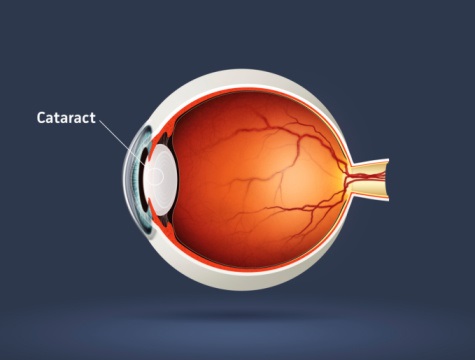
High quality raster illustration of cataract (eye disease)Cataracts are the leading cause of blindness globally.  They are very common in older adults- in fact; it is estimated that more than 75% of people over the age of 65 will develop cataracts.  Although less common, people can develop this medical condition in their forties and fifties as well.

As you age, proteins in the eye begin to break down, causing clouding in the lens and the formation of cataracts. Many who are affected are unaware that this process is occurring because cataracts grow very slowly and does not impede vision during its early stages.   There are symptoms that can indicate the development of cataracts. Here are some that you can look out for:

  • Colors appear faded
  • Clarity in vision decreases and cannot be corrected with eyeglasses
  • An increase in sensitivity to light and glare
  • Halos appearing around lights
  • Poor night vision
  • Frequent changes in prescription eyewear
  • Double vision

Some people are more at risk of developing cataracts than others. These factors increase your risks:

  • Diabetes
  • Exposure to prolonged durations of sunlight
  • Heavy drinking
  • Smoking
  • Obesity
  • Family history
  • Advanced age
  • High blood pressure
  • Previous eye injury or surgery

June is Cataract Awareness Month. During this time, the Department of Ophthalmology at Jamaica Hospital Medical Center wants you to know, there are several things you can do to be proactive and slow the progression of cataracts.  Eating healthy is a good start. A balanced diet rich in vitamin C has shown to be effective.  Wear sunglasses to shield your eyes from the Sun’s UV rays.  If you are a smoker- stop smoking and drink in moderation.  Early detection can save your eyesight therefore, scheduling routine eye exams is very important.

To schedule an appointment with an ophthalmologist (eye doctor) at Jamaica Hospital, please call, 718-206-5900.

All content of this newsletter is intended for general information purposes only and is not intended or implied to be a substitute for professional medical advice, diagnosis or treatment. Please consult a medical professional before adopting any of the suggestions on this page. You must never disregard professional medical advice or delay seeking medical treatment based upon any content of this newsletter. PROMPTLY CONSULT YOUR PHYSICIAN OR CALL 911 IF YOU BELIEVE YOU HAVE A MEDICAL EMERGENCY.

Tips for Dealing with a Whining Child


Parents of a whining child often ask themselves and others, “Why does my child whine?”  Children can whine for various reasons, but in most cases, it is because we let them.

Like adults, children have two basic emotional needs, attention and power.  Children only continue behaviors that get results.  When a child whines and the parent gives in, they realize that whining gets them what they want.  If you do not address this behavior, it could continue into your child’s teenage years.

When a child whines, it may seem annoying and irritating to the parent, but the child is often just looking for attention.

Some quick tips to help parents cope with a whining child are :

  1. Take control of the situation – Refuse to let it bother you to the point of giving in to the behavior.
  2. Speak with your child – Pick a quiet time and tell your child that there’s a new rule – If he/she whines, you will not respond.
  3. Revisit politeness – Remind your child that “asking nicely” will get them a much more positive response to their request.
  4. Praise – Give your child positive reinforcement for not whining.

Most of all, remind yourself that there is no crisis when your child is whining.  This will allow you to deal rationally with the matter at hand.


All content of this newsletter is intended for general information purposes only and is not intended or implied to be a substitute for professional medical advice, diagnosis or treatment. Please consult a medical professional before adopting any of the suggestions on this page. You must never disregard professional medical advice or delay seeking medical treatment based upon any content of this newsletter. PROMPTLY CONSULT YOUR PHYSICIAN OR CALL 911 IF YOU BELIEVE YOU HAVE A MEDICAL EMERGENCY.

Don’t Let Fireworks BURN Your Summer

Summer is synonymous with barbecues, parades and fireworks displays.  However, along with these activities are increased visits to the hospital emergency room, especially over the July 4th holiday.

Fireworks are ILLEGAL in New York State, including the five boroughs and are extremely dangerous when they are not being used by a professional.  Fireworks burn at extremely high temperatures and can rapidly burn through clothing and skin.  Items such as sparklers are mistakenly thought to be safe when they are actually quite dangerous.

If fireworks ARE LEGAL to buy where you live and you choose to use them, be sure to follow the following safety tips:

  • Never allow young children to handle fireworks
  • Older children should use them only under the close supervision of an adult
  • Never light fireworks indoors
  • Only use them away from people, houses and flammable material
  • Do not try to re-light or handle malfunctioning fireworks
  • Soak unused fireworks in water for a few hours before discarding
  • Keep a bucket of water nearby to fully extinguish fireworks in case of fire

This year, have a safe Fourth of July and leave the firework displays to the trained professionals. If you have questions about fireworks displays and safety, you can visit The National Council on Firework Safety webpage at .  Take the test and learn just how much you know about fireworks safety.

All content of this newsletter is intended for general information purposes only and is not intended or implied to be a substitute for professional medical advice, diagnosis or treatment. Please consult a medical professional before adopting any of the suggestions on this page. You must never disregard professional medical advice or delay seeking medical treatment based upon any content of this newsletter. PROMPTLY CONSULT YOUR PHYSICIAN OR CALL 911 IF YOU BELIEVE YOU HAVE A MEDICAL EMERGENCY.

Breastfeeding Benefits for Mommy and Baby


One of the first decisions you will make as a new mother is whether or not you are going to breastfeed. When you choose to breastfeed, you make an investment in your baby’s future. Your milk gives your baby the healthy start that will last a lifetime. Breastfeeding allows you to produce nourishment that is perfect for your baby.

If you are still undecided, here are JHMC’s top five reasons for choosing breastfeeding as the best form of nutrition for your baby:

  1. It provides nutrients and protection. The first milk, called colostrum, is the perfect first food for babies. Your breast milk’s antibodies help protect baby from the cold and flu and boost his ability to fight off more serious illnesses such as certain cancers like leukemia and Hodgkin’s disease.
  2. It is always ready and the right temperature. No need to decipher whether your milk is too hot or cold, simply place baby to breast for her feeding.
  3. It creates a greater bond between mother and infant. The skin-to-skin contact you both receive from breastfeeding creates a greater bond since breastfeeding releases the “bonding hormone” oxytocin. The same hormone that’s released when you hug or kiss a loved one.
  4. It provides protection for Mom as well. According to the National Cancer Institute, breastfeeding is associated with a decreased risk of breast and ovarian cancers.
  5. It lowers the risk of Sudden Infant Death Syndrome (SIDS). The U.S. Centers for Disease Control and Prevention (CDC) recommends breastfeeding for as long as possible to reduce the risk of SIDS. A German study published in 2009 found that breastfeeding – either exclusively or partially – is associated with a lower risk of SIDS. The researchers concluded that exclusive breastfeeding at one month of age cut the risk of SIDS in half.

Jamaica Hospital Medical Center encourages and supports a mother’s decision to breastfeed. Our newest example of this is the opening of our Mother’s Nursing room located on the ground floor of the main hospital

On June 1, 2016 Jamaica Hospital Medical Center introduced their Mother’s Nursing Room for breastfeeding mothers. This new, two-station room allows women more privacy to feed their babies in a clean and spacious environment. It is the Medical Center’s policy that any employee or member of the community who needs to express breast milk or breastfeed their infant will have access to this room.

To get more information on the benefits of breastfeeding and how to breastfeed your newborn, our Lactation Consultant is available five days a week. Please call, 718-206-8645.

For more hospital events, highlights, health and  fitness tips, visit us on 

 and follow us on Twitter !

All content of this newsletter is intended for general information purposes only and is not intended or implied to be a substitute for professional medical advice, diagnosis or treatment. Please consult a medical professional before adopting any of the suggestions on this page. You must never disregard professional medical advice or delay seeking medical treatment based upon any content of this newsletter. PROMPTLY CONSULT YOUR PHYSICIAN OR CALL 911 IF YOU BELIEVE YOU HAVE A MEDICAL EMERGENCY.