
Do Compression Socks Help with Circulation?

Compression socks, or compression stockings, are socks of varying lengths and tightness that are made to fit more tightly than normal socks, so they gently squeeze your legs.  

Compression socks are a popular treatment for tired legs and calf swelling. They support healthy circulation and can increase energy levels and lower the risk of blood clots. There are three primary types of compression socks: 

  • Nonmedical support hosiery, which is available for anyone to buy over the counter 
  • Graduated compression socks, which are only available by prescription from a doctor, require a professional fitting 
  • Anti-embolism compression socks, which are prescribed for individuals who are at increased risk for pulmonary embolism 

Compression socks are safe to wear when done correctly. However, that doesn’t mean they are safe for everyone in every situation. Some people shouldn’t use compression socks, like those with delicate or easily irritated skin. Some potential risks of wearing compression socks incorrectly include: 

  • They can cut off your circulation 
  • They can chafe and bruise your legs 
  • They can cause itching, redness, and irritation 

The safest way to use compression socks is to follow a healthcare provider’s guidance. Some best practices for safely wearing compression socks include: 

  • Getting compression socks fitted properly by a professional 
  • Getting fitted for the correct size of compression socks if you have gained or lost weight 
  • Following instructions from the sock or stocking manufacturers and your healthcare provider 
  • Checking your skin for changes such as redness, dents, dryness, and chafing between every wear 
  • Hand-washing compression socks and hanging them dry to prevent warping or changes in the fabric 
  • Disposing of compression socks after 30 or so wears, as soon as you notice them losing their stretch 
  • Taking your compression socks off every day and replacing them with a clean, dry pair so the socks don’t adhere to your skin and become difficult to remove 

To schedule an appointment with one of the Queens, NYC vascular surgeons at Jamaica Hospital or to learn more about the services we offer, please call (718) 206-7001. 

All content of this newsletter is intended for general information purposes only and is not intended or implied to be a substitute for professional medical advice, diagnosis or treatment. Please consult a medical professional before adopting any of the suggestions on this page. You must never disregard professional medical advice or delay seeking medical treatment based upon any content of this newsletter. PROMPTLY CONSULT YOUR PHYSICIAN OR CALL 911 IF YOU BELIEVE YOU HAVE A MEDICAL EMERGENCY.

Lupus Awareness Month

May is observed as Lupus Awareness Month, a month used to educate, advocate, and support those affected by lupus.

Lupus is an autoimmune disease that occurs when the body’s immune system attacks its tissues and organs. Inflammation caused by lupus can affect many different body systems, such as the joints, skin, kidneys, blood cells, brain, heart, and lungs.

Healthcare providers sometimes call lupus systemic lupus erythematosus (SLE). It is the most common type of lupus, which means you have lupus throughout your body. Other types of lupus include:

  • Cutaneous lupus erythematosus is lupus that only affects your skin
  • Drug-induced lupus occurs when some medications trigger lupus symptoms as a side effect. It is usually temporary and might go away after you stop taking the medication that caused it
  • Neonatal lupus occurs when babies are sometimes born with lupus. Babies born to biological parents with lupus aren’t certain to have lupus, but they might have an increased risk

No two cases of lupus are exactly alike. Signs and symptoms may come on suddenly or develop slowly, may be mild or severe, and may be temporary or permanent. Most people with lupus have a mild form of the disease characterized by flare-ups, when signs and symptoms may get worse for a while, and then improve or disappear completely for a time.

The signs and symptoms of lupus you experience will depend on which body systems are affected by the disease. The most common signs and symptoms include:

  • Fatigue
  • Fever
  • Joint pain, stiffness, and swelling
  • A butterfly-shaped rash on the face that covers the cheeks and bridge of the nose, or rashes elsewhere on the body
  • Skin lesions that appear or worsen with sun exposure
  • Fingers and toes that turn white or blue when exposed to cold or during stressful periods
  • Shortness of breath
  • Chest pain
  • Dry eyes
  • Headaches, confusion, and memory loss

Lupus likely results from a combination of genetics and environment.

People with an inherited predisposition for lupus may develop the disease when they come into contact with an environmental trigger of the disease. Some potential triggers of lupus include:

  • Sunlight
  • Infections

Diagnosing lupus is difficult because signs and symptoms can vary from person to person and may change over time, overlapping with those of many other disorders.

No one test can diagnose lupus. The combination of blood and urine tests, signs and symptoms, and results of a physical examination can lead to a diagnosis. Blood and urine tests may include:

  • A complete blood count
  • Erythrocyte sedimentation rate
  • Kidney and liver assessment
  • Urinalysis
  • Antinuclear antibody (ANA) test

If your healthcare provider suspects that lupus is affecting your lungs or heart, they may suggest imaging tests that can include:

  • A chest X-ray
  • An echocardiogram

Lupus can harm the kidneys in many ways, and treatments can vary depending on the type of damage it causes. Sometimes, a kidney biopsy is needed to determine the best treatment. A skin biopsy can be performed to confirm a diagnosis of lupus affecting the skin.

A healthcare provider will suggest treatments for lupus that manage your symptoms. The goal is to minimize damage to the organs and how much lupus affects your day-to-day life. Most people with lupus need a combination of medications to help them prevent flare-ups and lessen the severity of symptoms during one. Medications you might need include:

  • Nonsteroidal anti-inflammatory drugs (NSAIDs)
  • Corticosteroids
  • Antimalarial drugs
  • Immunosuppressants
  • Biologics

Simple measures can help prevent lupus flare-ups if they occur, and help you to better cope with the signs and symptoms you experience, including:

  • Seeing your doctor regularly
  • Being sun smart
  • Getting regular exercise
  • Quitting smoking
  • Eating a healthy diet
  • Asking your healthcare provider if you need vitamin D and calcium supplements

For more information about the Lupus Center at the campus of Jamaica Hospital Medical Center or to make an appointment with a lupus doctor, call (718) 206-9888 or the Lupus Hotline at 1-877-33-LUPUS.

All content of this newsletter is intended for general information purposes only and is not intended or implied to be a substitute for professional medical advice, diagnosis or treatment. Please consult a medical professional before adopting any of the suggestions on this page. You must never disregard professional medical advice or delay seeking medical treatment based upon any content of this newsletter. PROMPTLY CONSULT YOUR PHYSICIAN OR CALL 911 IF YOU BELIEVE YOU HAVE A MEDICAL EMERGENCY.

Carpal Tunnel Syndrome

Carpal tunnel syndrome is one of the most common hand conditions. It is caused by extra pressure on the median nerve in the wrist’s carpal tunnel.

Symptoms of carpal tunnel syndrome usually start gradually and can include:

  • Tingling and numbness in the wrist, hand, or fingers
  • Weakness
  • Pain in the wrist, hand, or fingers
  • Trouble using hands to hold or control objects

Several factors have been linked to the risk of carpal tunnel syndrome. Although they may not directly cause carpal tunnel, they may increase the risk of irritation or damage to the median nerve. These include:

  • Anatomical factors
  • Sex assigned at birth
  • Nerve-damaging conditions
  • Inflammatory conditions
  • Medicines
  • Obesity
  • Body fluid changes
  • Other medical conditions
  • Workplace factors

To diagnose carpal tunnel syndrome, a healthcare provider will ask questions about your symptoms and perform a physical exam and other tests that include:

  • Tinel’s sign
  • Phalen’s test
  • X-ray
  • MRI
  • Ultrasound
  • Electromyography
  • A nerve conduction study

Healthcare providers treat carpal tunnel syndrome with nonsurgical treatments first. The most common carpal tunnel treatments include:

  • Modifying your daily routine
  • Supporting and strengthening your wrist
  • Taking over-the-counter medication
  • Wearing a splint (especially at night)
  • Physical therapy
  • Changing your posture or working environment
  • Corticosteroids

You may need carpal tunnel surgery if nonsurgical treatments don’t relieve symptoms. The goal of carpal tunnel surgery is to relieve pressure by cutting the ligament pressing on the median nerve. The three different techniques used in carpal tunnel surgery include:

  • Endoscopic surgery
  • Open surgery
  • Ultrasound-guided surgery

It is best to treat carpal tunnel syndrome as early as possible after symptoms start. There are simple things that you can do for yourself that may help symptoms go away, such as:

  • Taking more frequent breaks to rest the hands
  • Not doing activities that make symptoms worse
  • Using cold packs to reduce swelling

If you have any questions or concerns about carpal tunnel syndrome or carpal tunnel surgery, you can receive more detailed information from a doctor at Orthopedic Specialists of New York, located on Jamaica Hospital Medical Center’s campus. To schedule an appointment, please call (718) 206-6923.

All content of this newsletter is intended for general information purposes only and is not intended or implied to be a substitute for professional medical advice, diagnosis or treatment. Please consult a medical professional before adopting any of the suggestions on this page. You must never disregard professional medical advice or delay seeking medical treatment based upon any content of this newsletter. PROMPTLY CONSULT YOUR PHYSICIAN OR CALL 911 IF YOU BELIEVE YOU HAVE A MEDICAL EMERGENCY.

Arthritis Awareness Month

May is Arthritis Awareness Month. The observance serves as an opportunity to educate the public about the complex family of debilitating diseases.

An estimated 58.5 million adults in the U.S. are affected by some form of arthritis, which is equal to about 23.7% of the population. As the number of older Americans continues to grow, and the rate of obesity and overweight increases, the number of people with arthritis-attributable activity limitations will only increase.

Osteoarthritis (OA) is the most common type of arthritis, especially amongst older people. OA mostly affects cartilage by breaking down its surface. As cartilage wears away, it allows bones to rub together, causing pain, swelling, and loss of motion. Over time, these changes can affect the bones, tendons, and other joint tissues.

Unfortunately, there is no cure for arthritis. However, joint pain and other OA symptoms can be managed through treatment, lifestyle changes, and education.

In 1972, at the urging of the Arthritis Foundation, Congress and President Richard M. Nixon designated May as National Arthritis Month, a special time to emphasize research, service, and education about arthritis and raise funds to support the cause. Every May since then, National Arthritis Month has been marked by efforts to elevate the public’s awareness of arthritis.

During this Arthritis Awareness Month, get involved by helping raise awareness for this public health priority.

All content of this newsletter is intended for general information purposes only and is not intended or implied to be a substitute for professional medical advice, diagnosis or treatment. Please consult a medical professional before adopting any of the suggestions on this page. You must never disregard professional medical advice or delay seeking medical treatment based upon any content of this newsletter. PROMPTLY CONSULT YOUR PHYSICIAN OR CALL 911 IF YOU BELIEVE YOU HAVE A MEDICAL EMERGENCY.

Podiatry: What Your Feet Can Tell You about Your Health

Our bodies present many signs and symptoms to show us that we are sick, such as a runny nose, fever, and body aches. However, your feet can tell us a lot about our health, including:

  1. Dry, flaking, itchy, or peeling skin may be signs of a thyroid condition or a fungal infection.
  2. Foot numbness may be a sign of circulation problems such as peripheral artery disease (PAD), peripheral neuropathy associated with type 2 diabetes, other neurological problems, arthritis, or long-standing alcoholism.
  3. A foot sore that won’t heal may be a sign of diabetes or peripheral vascular disease. In addition to causing nerve damage, high blood sugar might also damage the blood vessels that supply nerves, causing circulation problems that prevent healing.
  4. Swollen ankles and feet may be signs of heart failure, kidney disease, liver disease, or a blood clot. Painless swelling in the feet is gravity in action. If your heart, liver, or kidneys aren’t working properly, you will have excess fluid in the body that leaks into your tissues and drains down to the feet.
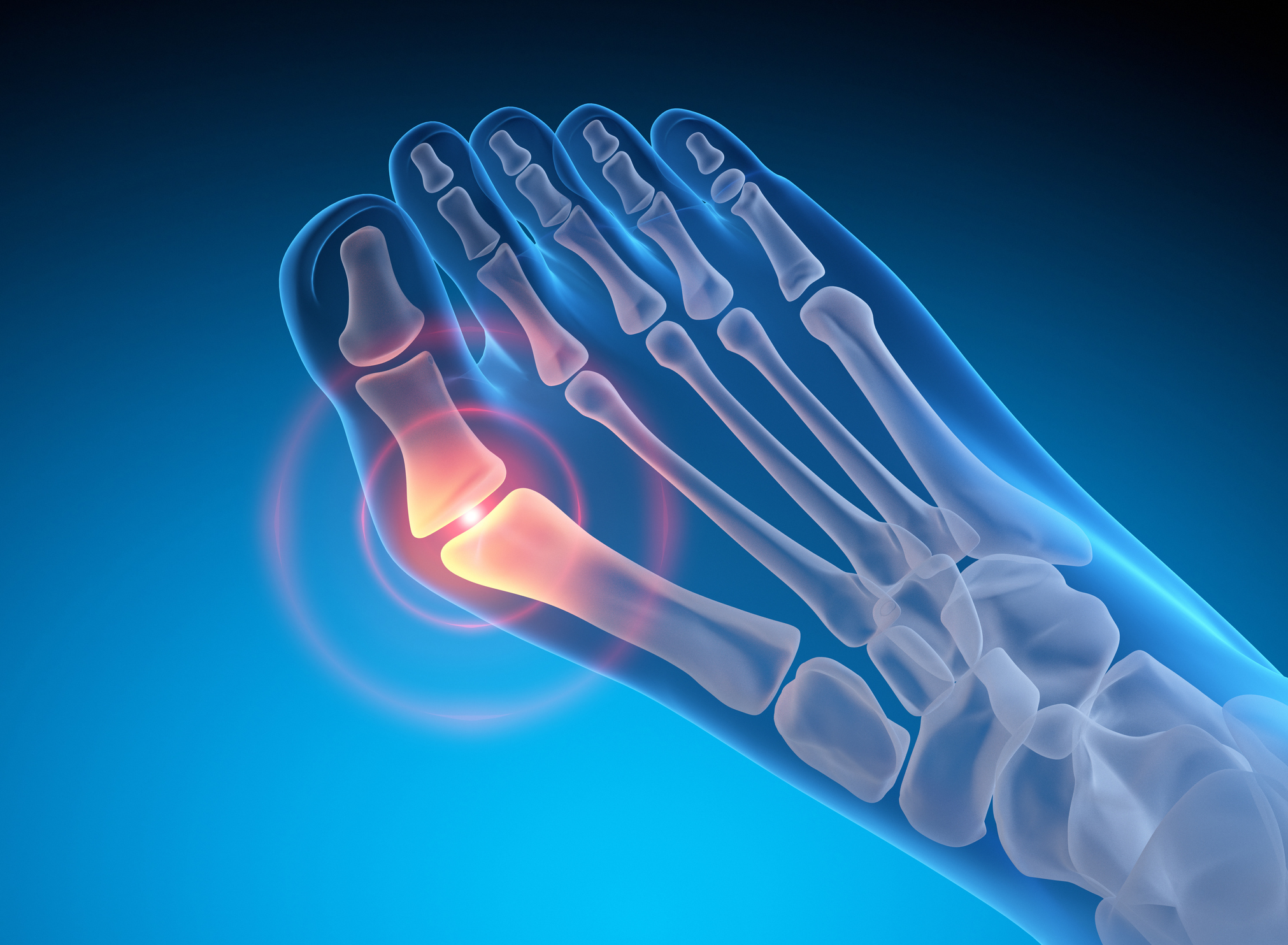
  5. A suddenly, intensely painful, and swollen big toe may be a sign of gout, inflammation caused by a buildup of uric acid that forms crystals in the joints.
  6. Pain in the foot when walking or exercising that goes away when resting may be a sign of a stress fracture or osteoporosis.
  7. Sore toe joints in both feet may be a sign of rheumatoid arthritis.
  8. Frequent foot cramping may be a sign of dehydration and nutritional deficiencies.
  9. Heel pain may be a sign of plantar fasciitis, the strain of the ligament that supports the arch in your foot.
  10. Yellow toenails may be a sign of a fungal infection, such as athlete’s foot.
  11. Balding or hairless feet and toes may be a sign of circulation problems, such as peripheral artery disease.
  12. Foot or heel pain upon standing or rising in the morning may be a sign of arthritis or plantar fasciitis.
  13. Frequently cold feet may be a sign of hypothyroidism, peripheral artery disease, or Raynaud’s disease, a condition where blood vessels spasm and constrict when experiencing cold temperatures.

Some ways you can care for your feet include:

  • Wash and examine your feet daily
  • Keep the skin on your feet moisturized
  • Treat any callouses and corns
  • Trim toenails weekly or as needed
  • Wear protective clothing on your feet
  • Maintain blood flow to the feet

If you are experiencing any of these foot ailments, contact Jamaica Hospital Medical Center’s Queens Podiatry Center at (718) 206-6713-6712 to make an appointment.

All content of this newsletter is intended for general information purposes only and is not intended or implied to be a substitute for professional medical advice, diagnosis or treatment. Please consult a medical professional before adopting any of the suggestions on this page. You must never disregard professional medical advice or delay seeking medical treatment based upon any content of this newsletter. PROMPTLY CONSULT YOUR PHYSICIAN OR CALL 911 IF YOU BELIEVE YOU HAVE A MEDICAL EMERGENCY.

Meet Our Doctors: Dr. Emily Pflug & Dr. Janos Barrera

We are pleased to introduce Dr. Emily Pflug and Dr. Janos Barrera, the newest members of the orthopedic surgical team.

Dr. Emily Pflug was born in Phoenix, Arizona, and raised in Lincoln, Nebraska. She moved to the East Coast for college and “ended up loving it.” She currently lives in the Boreum Hill neighborhood of Brooklyn. Dr. Pflug is an orthopedic surgeon specializing in hand and wrist surgery for the Department of Orthopedic Surgery. She attended Emerson College in Boston, Massachusetts where she graduated with a Bachelor of Science in marketing communication. Dr. Pflug then received her medical degree from Sidney Kimmel Medical College at Thomas Jefferson University in Philadelphia, Pennsylvania. She later completed her orthopedic surgery residency at NYU Langone Health and a hand, upper extremity, and microsurgery fellowship at the University of Colorado and Denver Health.

Dr. Janos Barrera was born in Seattle, Washington, and grew up in Portland, Oregon. He completed medical school and residency training in California before moving to New York in 2023. He is an orthopedic surgeon, and a hand and wrist surgeon, specializing in plastics and reconstructive surgery. After receiving a Bachelor of Science in biochemistry from the University of Washington, Dr. Barrera received his medical degree from Stanford University School of Medicine. He later completed his residency in integrated plastic surgery at Stanford Health Care, and a fellowship in hand and upper extremity at NYU Langone Health.

Dr. Pflug pursued medicine because her parents worked in the medical field. “My father was a radiologist and my mother was a cardiac rehab nurse. I saw firsthand how they contributed to tangible changes in the lives of their patients, and I knew I wanted to do something similar.” When choosing a specialty, she, like many orthopedists chose it for a specific reason. “I have a history of prior sports injuries during childhood which initially attracted me to the field. I chose hand surgery specifically because I found the anatomy complex and fascinating”, she said. “I enjoy the wide variety of pathology that I see on a daily basis including trauma, congenital issues, peripheral nerve, and degenerative conditions.”

Dr. Barrera was inspired to pursue medicine because he was an avid soccer player growing up, unfortunately, during his senior year of high school, he suffered a mandible fracture during a league championship game. “My experience as a patient got me interested in helping other patients who experienced traumatic injuries.” He chose his specialty because as he was exploring several fields during medical school, he found the breadth, scope, and variety of plastic and reconstructive surgery the best match for his interests. “Within plastic surgery, I was especially drawn toward hand surgery and microsurgery. I enjoy the complexity and variety of my practice, and I love helping patients regain function and return to the activities that bring them fulfillment.”

Dr. Pflug and Barrera are excited to join the Jamaica Hospital team and practice in the community. “I was an orthopedic resident at NYU Langone and spent several formative rotations at Jamaica Hospital during my training”, said Dr. Pflug. She hopes to bring a fresh, caring perspective to the community. “I care for patients with upper extremity injuries and pathology from the elbow to the fingertips and work with patients to develop a treatment plan that works for them.”

After spending time working with the Jamaica Hospital team during his fellowship, Dr. Barrera is thrilled to be joining them. “I’m especially excited to work with the residents and fellows while helping to further grow the hand surgery and limb salvage programs there”, he said. He hopes to bring compassionate and culturally sensitive care to his patients while providing the highest quality of care possible.

We are proud to welcome Dr. Pflug and Dr. Barrera to our team and look forward to the work that they and the rest of the Orthopedic Surgery Department will do to provide high-quality care to our community.

All content of this newsletter is intended for general information purposes only and is not intended or implied to be a substitute for professional medical advice, diagnosis or treatment. Please consult a medical professional before adopting any of the suggestions on this page. You must never disregard professional medical advice or delay seeking medical treatment based upon any content of this newsletter. PROMPTLY CONSULT YOUR PHYSICIAN OR CALL 911 IF YOU BELIEVE YOU HAVE A MEDICAL EMERGENCY.

Wellness Wednesday- The Health Benefits of Walking

Physical activity doesn’t need to be complicated. Something as simple as a daily brisk walk can help you live healthier. Walking has many health benefits that can help you to:

  • Maintain a healthy weight and lose body fat by burning calories
  • Prevent or manage various conditions, including heart disease, stroke, high blood pressure, cancer, and type 2 diabetes
  • Lower blood sugar
  • Improve cardiovascular fitness
  • Strengthen bones and muscles
  • Improve muscle endurance
  • Ease joint pain
  • Boost immune function
  • Boost energy levels
  • Improve mood, cognition, memory, and sleep
  • Improve balance and coordination
  • Lengthen life spans
  • Inspire creative thinking
  • Reduce stress and tension

Here are some tips that can help you stay safe while walking:

  • Walking in areas designated for pedestrians.
  • Walk in well-lit areas
  • Wear a reflective vest or light so people in cars can see you if you walk in the evening or early morning hours
  • Wear sturdy shoes with good heel and arch support
  • Wear loose, comfortable clothing
  • Drink plenty of water before and after your walk to stay hydrated
  • Wear sunscreen to prevent sunburn, even on cloudy days

The faster, farther, and more frequently you walk, the greater the benefits. Make sure to warm up and cool down before walking to avoid injury. Always speak to your doctor before starting a new fitness routine. You can talk with a physician by scheduling an appointment at Jamaica Hospital Medical Center’s Ambulatory Care Center by calling (718) 206-7001.


All content of this newsletter is intended for general information purposes only and is not intended or implied to be a substitute for professional medical advice, diagnosis or treatment. Please consult a medical professional before adopting any of the suggestions on this page. You must never disregard professional medical advice or delay seeking medical treatment based upon any content of this newsletter. PROMPTLY CONSULT YOUR PHYSICIAN OR CALL 911 IF YOU BELIEVE YOU HAVE A MEDICAL EMERGENCY.

Hip Replacement Surgery: What to Expect

If you are considering (or if your doctor has recommended) hip replacement surgery, it’s important for you to know what to expect to help determine whether it’s the right treatment approach for you.

Hip replacement surgery is often considered when hip pain significantly interferes with movement or sleep and does not improve with medication.

There are two main types of hip replacement surgery: total and partial hip replacement. A total hip replacement involves replacing the socket of your hip joint with a durable plastic cup and replacing your femoral head with a ball made of ceramic or metal. This ball is attached to a metal stem inserted into your femur. A partial hip replacement only involves replacing the femoral head; your natural hip joint socket is preserved.

The type of hip replacement surgery you get depends mainly on how much damage your hip joint has sustained. Total hip replacements are most commonly used as a last resort for treating arthritis pain. Partial hip replacements are more common for older people who have experienced an injury, such as a hip fracture.

During surgery, your surgeon may use certain specialized tools to perform your hip replacement safely and effectively. At Orthopedic Specialists of New York, our surgeons utilize the Mako robotic surgical assistant, which reduces the amount of cutting required during surgery and allows for more healthy bone tissue to be preserved.

Whether you receive a partial or total hip replacement, surgery can provide pain relief and restore some mobility to the joint. However, it’s important to keep in mind that there will still be limits to the types of physical activity you can engage in after your surgery. While most patients will be able to return to low-impact activities such as walking, jogging, or bicycle riding during or after their first-year post-surgery, it may be more dangerous to engage in high-impact activities such as competitive sports.

If you have any questions or concerns about hip replacement surgery, you can receive more detailed information from a doctor at Orthopedic Specialists Of New York. To schedule an appointment, please call (718) 206-6923.

All content of this newsletter is intended for general information purposes only and is not intended or implied to be a substitute for professional medical advice, diagnosis or treatment. Please consult a medical professional before adopting any of the suggestions on this page. You must never disregard professional medical advice or delay seeking medical treatment based upon any content of this newsletter. PROMPTLY CONSULT YOUR PHYSICIAN OR CALL 911 IF YOU BELIEVE YOU HAVE A MEDICAL EMERGENCY.

Treatments for Carpal Tunnel Syndrome

A man holding his wrist in front of his laptop due to pain from carpal tunnel syndrome.Carpal tunnel syndrome is a common condition affecting the hand; it causes symptoms such as tingling, numbness, and weakness, all of which can interfere significantly with work activities, chores at home, and other aspects of your day-to-day functions.

Carpal tunnel syndrome is caused by pressure on the median nerve (which runs through the forearm to the hand through the wrist). A wide range of risk factors can cause this pressure to occur, including:

  • Injuries to the wrist
  • Nerve-damaging or inflammatory conditions
  • Obesity
  • Fluid retention
  • Work that involves repetitive flexing of the wrist

If you have developed (or are starting to develop) carpal tunnel syndrome, effective treatments are available to help you reduce discomfort and remain functional throughout your daily activities. Some of these treatments include:

Making adjustments to your work environment: If workplace factors are contributing to your carpal tunnel syndrome, certain adjustments may help to reduce the impact of symptoms and prevent the condition from worsening. It is recommended that you maintain good posture, keep your wrists relaxed and straight as often as you can, and take frequent, brief breaks to rest and stretch your hands. It may also help to change certain tools you use, such as your computer mouse, which may be contributing to the problem.

Wrist splints: You may find it helpful to start wearing a splint while sleeping. A splint holds your wrist still, reducing symptoms during the night. Using a splint at night may also improve your symptoms to a lesser extent throughout the following day.

Corticosteroids: Your doctor may inject a corticosteroid into your wrist to provide relief from your symptoms. Corticosteroids reduce inflammation in the wrist, which relieves pressure on the median nerve.

Surgery: If your symptoms are severe or unresponsive to other treatments, your doctor may recommend surgery for carpal tunnel syndrome, which involves cutting the ligament that’s placing pressure on the median nerve.

Non-surgical treatments may be more effective if the condition is caught early. You can receive a diagnosis and treatment for carpal tunnel syndrome with an orthopedist at Jamaica Hospital Medical Center. To schedule an appointment, please call (718) 206-6923.

All content of this newsletter is intended for general information purposes only and is not intended or implied to be a substitute for professional medical advice, diagnosis or treatment. Please consult a medical professional before adopting any of the suggestions on this page. You must never disregard professional medical advice or delay seeking medical treatment based upon any content of this newsletter. PROMPTLY CONSULT YOUR PHYSICIAN OR CALL 911 IF YOU BELIEVE YOU HAVE A MEDICAL EMERGENCY.

What is Cervical Spondylosis?

Cervical spondylosis, also known as cervical osteoarthritis or arthritis of the neck, is wear and tear that occurs in the cervical spine (the part of the spine that runs through the neck) and can lead to problems such as pain and stiffness in the neck, muscle spasms, headaches, and dizziness. People with cervical spondylosis may also experience a clicking, popping, or grinding sound while moving their neck. However, many people with this condition may not experience any symptoms at all.

Wear and tear on the cervical spine can cause several changes to occur over time. Some of these include wearing down (also known as degeneration) of cervical disks, herniation (or bulging out) of spinal disks, osteoarthritis (the wearing down of cartilage), and bone spurs (bone growths that develop due to cartilage rubbing against bone tissue).

Changes in the spine due to wear and tear often begin in a person’s 30s and become increasingly common as people age. Aside from age, other factors that can make these changes more likely or severe include:

  • Smoking
  • Family history of cervical spondylosis
  • Frequent neck strain, which may occur in people who keep their neck in an improper position for long periods of time
  • Prior neck injuries
  • Frequent heavy lifting
  • Frequent exposure to vibration, which may occur in people who drive frequently for work

Your doctor will typically diagnose you with cervical spondylosis based on a physical exam and/or imaging tests that provide more detailed information about your cervical spine. The physical exam will usually check your neck flexibility, muscle strength, reflexes, gait (the way you walk), and knots of muscle in your neck and shoulders. Imaging tests may include an x-ray or CT scan (showing the bones of your neck), an MRI (showing the soft tissues of your neck), or a myelogram or electromyogram (showing any effects of cervical spondylosis on your nerves).

You can receive diagnostic testing or treatment for cervical spondylosis with an orthopedic specialist at Jamaica Hospital Medical Center. To schedule an appointment, please call (718) 206-6923. You can also schedule an appointment at our Woodside office by calling (929) 429-3222, or our Fresh Meadows office by calling (718) 408-6977.

All content of this newsletter is intended for general information purposes only and is not intended or implied to be a substitute for professional medical advice, diagnosis or treatment. Please consult a medical professional before adopting any of the suggestions on this page. You must never disregard professional medical advice or delay seeking medical treatment based upon any content of this newsletter. PROMPTLY CONSULT YOUR PHYSICIAN OR CALL 911 IF YOU BELIEVE YOU HAVE A MEDICAL EMERGENCY.