
How to Prepare for Fall Allergy Season

The fall season is approaching, and with it comes fall allergy season. As the leaves start to fall, they can contain mold spores that can trigger seasonal allergies for millions. Nearly 25% of adults in the United States experience seasonal allergies throughout the year. Although seasonal allergies typically peak during April, May, and June, they can also be severe during September through December.

Ragweed pollen and mold spores are the most common allergens in the fall. The ragweed plant can grow wild anywhere, but is most prevalent in the eastern and Midwest regions of the U.S. Ragweed pollen typically begins to peak in late August through late September and can last until the first frost. Its lifespan is usually limited to one season, but it can produce up to one billion grains of pollen, which is a lot for one season. Mold spores are also seen during this time of year, especially as the leaves begin to decompose. Early signs of leaves beginning to decompose and possibly being infected with mold are if they start to turn black or white.

Even though there are different allergens for each season, the symptoms that you may experience are similar. They include:

  • Sneezing
  • Itchy/watery eyes
  • Runny nose
  • Post-nasal drainage

Fall weather can affect allergies because of warm, dry, and windy days, exacerbating symptoms due to the pollen from the ragweed plant being widely dispersed. Rain can temporarily reduce pollen levels, but can cause an increase in mold growth, especially when heat and humidity are present. If you have an underlying dust mite allergy, it is important to note that you may experience worsening allergy symptoms during the fall due to spending more time indoors.

The American College of Allergy, Asthma, and Immunology (ACAAI) suggests these five tips to help you get ahead of fall allergy season:

  1. Avoid allergy triggers by keeping an eye on daily pollen counts, staying indoors as much as possible during high pollen count days, and avoiding going out in the morning when ragweed pollen is at its highest during the fall
  2. Change your clothing and remove your shoes as soon as you come in from outdoors, so you don’t track pollen into your home
  3. Start taking allergy medication two weeks or so before the fall season arrives and before your symptoms begin
  4. Consider immunotherapy if you have severe or chronic allergies
  5. Visit an allergist if your allergy symptoms become severe

You can receive an accurate diagnosis and effective treatment for seasonal allergies at Jamaica Hospital Medical Center’s Ambulatory Care Center. To schedule an appointment, please call (718) 206-7001.


All content of this newsletter is intended for general information purposes only and is not intended or implied to be a substitute for professional medical advice, diagnosis or treatment. Please consult a medical professional before adopting any of the suggestions on this page. You must never disregard professional medical advice or delay seeking medical treatment based upon any content of this newsletter. PROMPTLY CONSULT YOUR PHYSICIAN OR CALL 911 IF YOU BELIEVE YOU HAVE A MEDICAL EMERGENCY.


Bunions

A bunion is a bony bump that forms on the joint at the base of the big toe. It occurs when some of the bones in the front part of the foot move out of their regular position, causing the big toe to get pulled toward the smaller toes. It also forces the joint at the base of the big toe to stick out.

Bunions can develop for many reasons. It can be a combination of factors such as family history, abnormal bone structure, increased motion, or choice of footwear. It can also be caused by something putting extra pressure on the big toe joint for a long time, pushing the joint out of its natural alignment. These can include:

  • The way you walk
  • Health conditions that cause inflammation, such as rheumatoid arthritis or lupus
  • Standing for a long time or working on your feet

Anyone can develop a bunion. Certain groups of people are more likely to have bunions, including:

  • Females
  • People whose biological parents have bunions or issues with their foot mechanics. More than 70% of people with bunions have a biological parent who has had them
  • People with a history of foot injuries, including athletes

Bunions have many symptoms, including:

  • A bulging bump on the outside of the base of the big toe
  • Swelling and/or a change in color or soreness around the big toe joint
  • Corns or calluses often form where the first and second toes rub against each other
  • Ongoing pain or pain that comes and goes
  • Stiffness or limited movement of the big toe, which could lead to trouble walking
  • Hard skin on the sole

Bunions can lead to health problems, including:

  • Bursitis
  • Hammertoe
  • Metatarsalgia
  • Osteoarthritis

To diagnose a bunion, a healthcare provider will perform a physical exam and ask about your symptoms. A foot X-ray of your foot can help determine the best way to treat it.

Treatment for a bunion may vary and depends on how severe the bunion is and how much pain it causes. The most common treatments for bunions include:

  • Changing footwear
  • Bunion pads and taping
  • Orthotic devices such as shoe inserts
  • Pain relievers
  • Using ice or an ice pack
  • Corticosteroids
  • Physical therapy
  • Surgery

Surgery isn’t always necessary when treating a bunion. It is only recommended when simpler treatments don’t ease symptoms, if the bunion causes frequent pain, or if it limits daily activities.

To prevent bunions, it is important to choose the shoes you wear carefully. They should be supportive and have a wide toe box and no pointed toes. There should also be space between the tip of your longest toes and the end of the shoe. Your shoes should match the shape of your feet without squeezing or pressing any part of your foot.

If you are experiencing any bunion symptoms, you can speak with a podiatrist at our Queens Podiatry Center, located on the Jamaica Hospital campus. To make an appointment, please call (718) 206-6713/6712.

All content of this newsletter is intended for general information purposes only and is not intended or implied to be a substitute for professional medical advice, diagnosis or treatment. Please consult a medical professional before adopting any of the suggestions on this page. You must never disregard professional medical advice or delay seeking medical treatment based upon any content of this newsletter. PROMPTLY CONSULT YOUR PHYSICIAN OR CALL 911 IF YOU BELIEVE YOU HAVE A MEDICAL EMERGENCY.

Can You Reverse Type 2 Diabetes?

Type 2 diabetes has long been identified as an incurable chronic disease based on traditional means of treatment. However, losing weight and making other lifestyle changes may help manage diabetes and prevent long-term health complications.

Having excess weight or obesity is the leading risk factor for Type 2 diabetes. Almost 90% of the 37 million Americans with Type 2 diabetes are classified as having excess weight or obesity. If you have excess weight, your risk of developing Type 2 diabetes is about 2.4 times higher than those at a healthy weight. For those with obesity, the risk is about six times higher.

Obesity significantly increases the risk of developing serious health conditions, including Type 2 diabetes. This type of diabetes is directly linked to excess body weight and lack of physical activity. Nearly half of new diabetes cases in the United States each year are caused by obesity.

Type 2 diabetes is characterized by high blood sugar or glucose levels. It occurs when the body’s ability to produce or respond to insulin is impaired. The pancreas releases insulin after we eat, as it is a hormone that helps the body’s cells use glucose for energy. With Type 2 diabetes, the cells don’t use insulin effectively. This is known as insulin resistance.

There is research that shows that extra fat around the liver and visceral fat, the fat that surrounds the internal organs, plays a role in blocking insulin, which prevents glucose from entering the cells. The higher a person’s body fat percentage, the harder it is for their cells to respond properly to insulin.

While carrying extra weight anywhere in the body can increase the risk of developing Type 2 diabetes, there is evidence that suggests that people who carry excess belly fat are at a greater risk of the disease.

Studies have shown that substantial weight loss through healthy lifestyle habits, medication, or surgery can prevent Type 2 diabetes.

Weight loss is proven to help prevent Type 2 diabetes. Research shows that losing even as little as 3% to 5% of your body weight through healthy lifestyle changes can help control diabetes. Losing extra weight can help control blood sugar levels, boost energy levels, and improve overall health and well-being.

Some strategies for weight loss include:

  • Setting a weight loss goal
  • Eating smaller portions
  • Focusing on nutrient-dense foods
  • Increasing water intake
  • Exercising regularly

One study found that people who have obesity and Type 2 diabetes and followed a six-month diet plan lost an average of 30 pounds, and nearly half achieved remission of diabetes. This means that they have sustained their blood glucose levels within a normal range for three months or more without taking diabetes medication.

Remission is most likely to occur in the early stages of type 2 diabetes. Studies show that losing just 10% to 15% of body weight within two years of diagnosis is enough to achieve remission. In later stages of diabetes, the body may lose its ability to make insulin, making remission less likely. However, some people with advanced type 2 diabetes may achieve remission by losing 20% to 25% of their body weight.

There are many medications that can help with weight loss. Liraglutide and semaglutide are two injectable diabetes medications that are approved by the Food and Drug Administration (FDA) to treat obesity. These GLP-1 receptor antagonists are a class of medications that mainly manage blood sugar levels in people with Type 2 diabetes. They not only improve blood sugar control, but they can also promote weight loss by reducing appetite and slowing stomach emptying. Another injectable option is tirzepatide, a GLP-1 and GIP agonist that also lowers weight and improves blood sugar.

Bariatric, or weight loss surgery, can also treat obesity and promote weight loss. This procedure is designed to reduce food intake and decrease hunger to help people achieve and maintain a healthy weight.

The American Diabetes Association (ADA) recommends bariatric surgery as a treatment option for people with diabetes who have a body mass index (BMI) of 35 kg/m2 or greater. Various bariatric surgeries can be performed. They include:

  • Gastric sleeve
  • Gastric bypass
  • Adjustable gastric band

A research review found that bariatric surgery can effectively help manage Type 2 diabetes in up to 80% of people, and quickly. For some people, blood sugar levels may return to healthy levels within days or weeks after the procedure.

For more information about Jamaica Hospital’s endocrinology service, or to make an appointment, please call 718-206-7001.

All content of this newsletter is intended for general information purposes only and is not intended or implied to be a substitute for professional medical advice, diagnosis or treatment. Please consult a medical professional before adopting any of the suggestions on this page. You must never disregard professional medical advice or delay seeking medical treatment based upon any content of this newsletter. PROMPTLY CONSULT YOUR PHYSICIAN OR CALL 911 IF YOU BELIEVE YOU HAVE A MEDICAL EMERGENCY.

Covid and Laryngitis

As new COVID-19 variants emerge, new symptoms of the virus are being reported. One of those symptoms is acute laryngitis. Laryngitis is the inflammation of your larynx, also known as your voice box, and/or vocal cords.

Laryngitis typically begins suddenly and worsens progressively over the first three days. The symptoms usually go away afterward. Symptoms of laryngitis include:

  • A hoarse voice
  • Losing your voice from time to time
  • A sore throat
  • A constant need to clear your throat
  • An irritating, persistent cough

The hoarseness you may experience with COVID-19 is similar to the hoarseness you would experience with the flu or any other upper respiratory illness. COVID-19-causing laryngitis is particularly concerning because the SARS-CoV-2 virus itself causes inflammation. That means that many of the secondary symptoms you will experience, such as coughing, can be quite violent and can irritate your voice box further.

There isn’t much you can do to prevent the development of laryngitis or other throat and vocal cord problems when you have COVID-19. However, there are many ways to treat the condition, including:

  • Staying hydrated
  • Using cough drops and other over-the-counter cough suppressants
  • Avoiding speaking
  • Avoiding smoking and drinking alcohol
  • Gargling with salt water
  • Keeping the air in your house moist by using a humidifier
  • Eating a healthy diet can help prevent acid reflux, which can worsen your condition

If you are experiencing symptoms of laryngitis, you can make an appointment with an ENT doctor at Jamaica Hospital Medical Center. Please call 718-206-7110.

All content of this newsletter is intended for general information purposes only and is not intended or implied to be a substitute for professional medical advice, diagnosis or treatment. Please consult a medical professional before adopting any of the suggestions on this page. You must never disregard professional medical advice or delay seeking medical treatment based upon any content of this newsletter. PROMPTLY CONSULT YOUR PHYSICIAN OR CALL 911 IF YOU BELIEVE YOU HAVE A MEDICAL EMERGENCY.

Measles

Measles is a highly contagious disease caused by the measles virus. It can affect anyone, but it is most common in children.

Some risk factors for measles include:

  • Being unvaccinated
  • Traveling internationally
  • Having a Vitamin A deficiency

Measles infects the respiratory tract and then spreads throughout the body. Signs and symptoms of measles appear around 10 to 14 days after exposure to the virus, including:

  • Fever
  • Dry cough
  • Runny nose
  • Sore throat
  • Inflamed eyes
  • Koplik’s spots (tiny white spots with bluish-white centers on a red background, which form on the inner lining of the cheek)
  • A skin rash made up of large, flat blotches that often flow into one another

The infection occurs in stages that span over two to three weeks. These stages include:

  • Infection and incubation- the measles virus spreads in the body for 10 to 14 days after infection. During that time, there are no signs or symptoms.
  • Nonspecific signs and symptoms- measles typically begins with a mild to moderate fever, a persistent cough, a runny nose, inflamed eyes, and a sore throat. This mild illness can last two to three days.
  • Acute illness and rash- a rash that can consist of small red spots, with some that may be slightly raised. Spots and bumps in tight clusters give the skin a splotchy red appearance. The face is usually the first place it appears. The rash spreads down the arms, chest, and back, then over the thighs, lower legs, and feet over the next few days. At the same time, the fever rises to temperatures as high as 104 to 105.8.
  • Recovery- the measles rash can last for about seven days. The rash fades gradually from the face and lastly the thighs and feet. As other symptoms go away, coughing and the darkening or peeling of the skin where the rash was, last about 10 days.

A person with measles can spread the virus to others for about eight days. Starting four days before the rash appears and ending when the rash has been present for four days.

When an infected person coughs, sneezes, or talks, infectious droplets spray into the air where others can breathe them in. Infectious droplets can stay in the air for about an hour and on a surface for several hours.

Many complications can arise from measles, including:

  • Diarrhea and vomiting
  • Ear infection
  • Bronchitis, laryngitis, or croup
  • Pneumonia
  • Encephalitis
  • Pregnancy problems

The U.S. Centers for Disease Control and Prevention (CDC) recommends that children and adults receive the measles vaccine to prevent infection.

Your healthcare provider can usually diagnose measles based on the disease’s characteristic rash and the Koplik’s spot on the inner lining of the cheek. Your healthcare provider may ask whether you or your child received measles vaccines, whether you traveled outside of the U.S. recently, and if you had contact with anyone who has a rash or fever.

The rash can be confused with many other illnesses. However, a blood test can be done to confirm whether the rash is measles. A test using a throat swab or urine sample can also be used.

There is no specific treatment for a measles infection once it occurs. Treatment can include providing comfort measures to relieve symptoms, such as rest and treating or preventing complications.

Some measures can be taken to protect individuals who don’t have immunity to measles after they have been exposed to the virus, including:

  • Post-exposure vaccination
  • Immune serum globulin
  • Medications
    • Fever reducers
    • Antibiotics
    • Vitamin A

If you become sick with severe symptoms, particularly after potential exposure to the measles virus, you must receive treatment from a doctor as soon as possible. You can schedule an appointment with a doctor at Jamaica Hospital Medical Center’s Ambulatory Care Center. Please call (718) 206-7001.

All content of this newsletter is intended for general information purposes only and is not intended or implied to be a substitute for professional medical advice, diagnosis or treatment. Please consult a medical professional before adopting any of the suggestions on this page. You must never disregard professional medical advice or delay seeking medical treatment based upon any content of this newsletter. PROMPTLY CONSULT YOUR PHYSICIAN OR CALL 911 IF YOU BELIEVE YOU HAVE A MEDICAL EMERGENCY.
Tooth Sensitivity

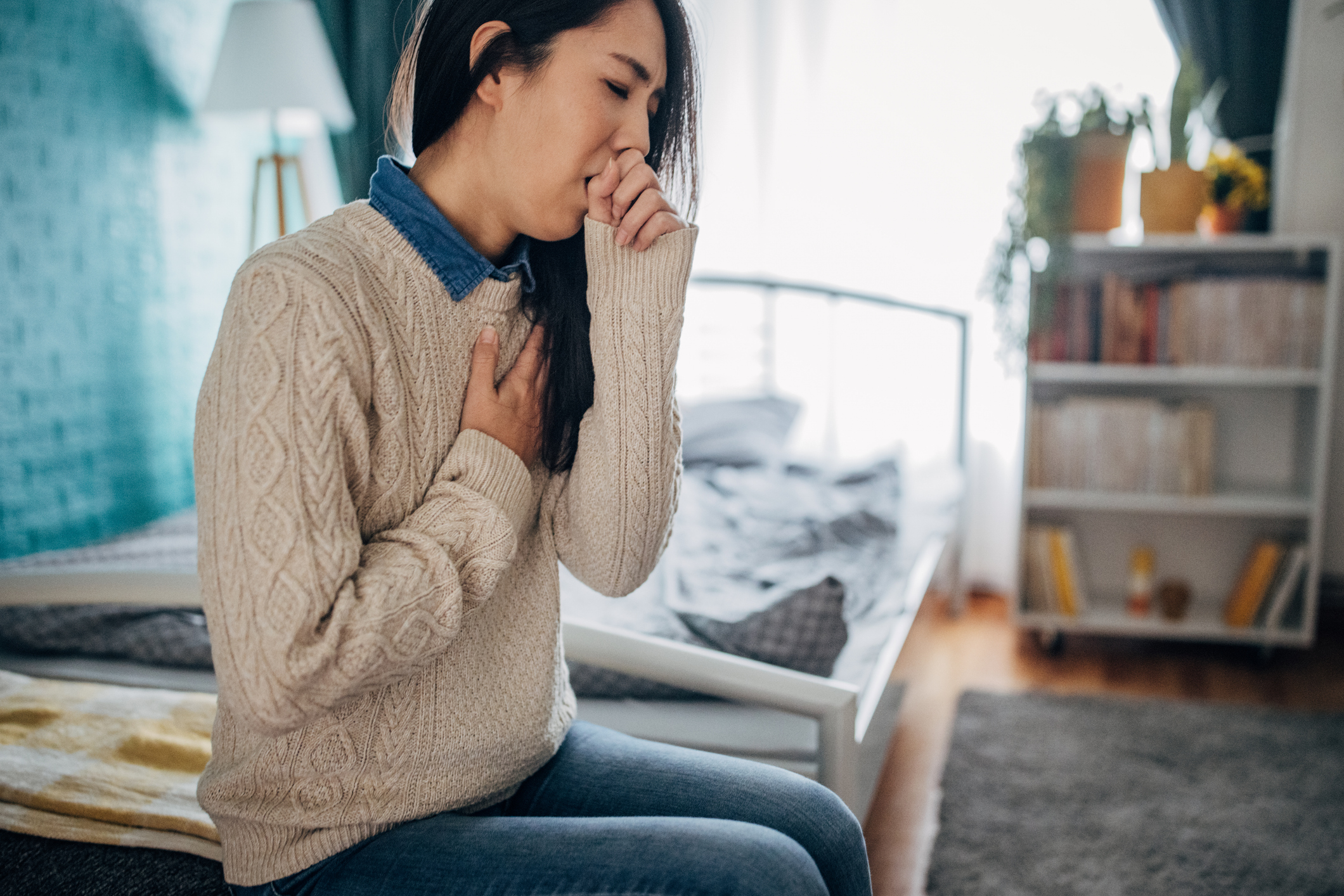
Tooth sensitivity occurs when tooth enamel wears down and exposes the inner layer of your teeth, called dentin, making hot, cold, sweet, or sour foods painful. This can also point to an issue such as gum disease, cavities, or a cracked tooth.

Dentin has tiny tubules that lead to the center of the tooth, where the nerve lives. These tubules allow temperature and sugar to reach the nerve, causing pain.

There are many reasons why your teeth may feel sensitive, including:

  • Acidic foods, such as citrus fruits, tomatoes, pickles, and tea, can wear down the outer layer of your teeth
  • Brushing too hard: using too much pressure or a hard toothbrush can wear down enamel and make gums pull back
  • Cracked teeth: a crack or chip can let bacteria in and irritate your tooth
  • Gum disease: swollen or infected gums can expose tooth roots
  • Gum recession: thin or damaged gums may pull back and reveal the sensitive root surface
  • Mouthwash use: some have acids that make sensitivity worse
  • Plaque buildup: too much plaque near the roots can trigger pain
  • Recent dental procedures, such as fillings, cleanings, or other treatments, can cause short-term sensitivity
  • Teeth grinding: clenching or grinding your teeth wears down enamel and can expose dentin
  • Teeth whitening products can increase sensitivity

Sometimes tooth sensitivity goes away on its own, especially after a dental visit. However, if your teeth hurt when they touch something hot, cold, sour, or sweet, talk to your dentist. They will check to see what is causing the problem and suggest the best solution. Common treatments for tooth sensitivity include:

  • Dental bonding: covers exposed roots
  • Dentin sealant: blocks pain signals
  • Fluoride varnish: strengthens enamel and reduces discomfort

Do not ignore the pain. Getting care early can help prevent more serious problems. If sensitive teeth go untreated, you could end up with:

  • An infected tooth
  • Cavities
  • Gum disease
  • Long-term or worsening pain

Sometimes, you can stop sensitivity before it starts. Some ways you can protect your teeth include:

  • Brushing and flossing gently every day
  • Limiting acidic foods like citrus and pickles
  • Seeing your dentist regularly for cleanings and checkups
  • Trying desensitizing toothpaste to reduce pain
  • Using fluoride products to strengthen teeth
  • Using a soft-bristle toothbrush to avoid further damage
  • Wearing a mouth guard if you grind your teeth

If you are experiencing tooth sensitivity and would like to receive a check-up, you can make an appointment with one of our board-certified dentists at Jamaica Hospital Medical Center’s Dental Center by calling 718-206-6980.

All content of this newsletter is intended for general information purposes only and is not intended or implied to be a substitute for professional medical advice, diagnosis or treatment. Please consult a medical professional before adopting any of the suggestions on this page. You must never disregard professional medical advice or delay seeking medical treatment based upon any content of this newsletter. PROMPTLY CONSULT YOUR PHYSICIAN OR CALL 911 IF YOU BELIEVE YOU HAVE A MEDICAL EMERGENCY.
Legionnaires’ Disease

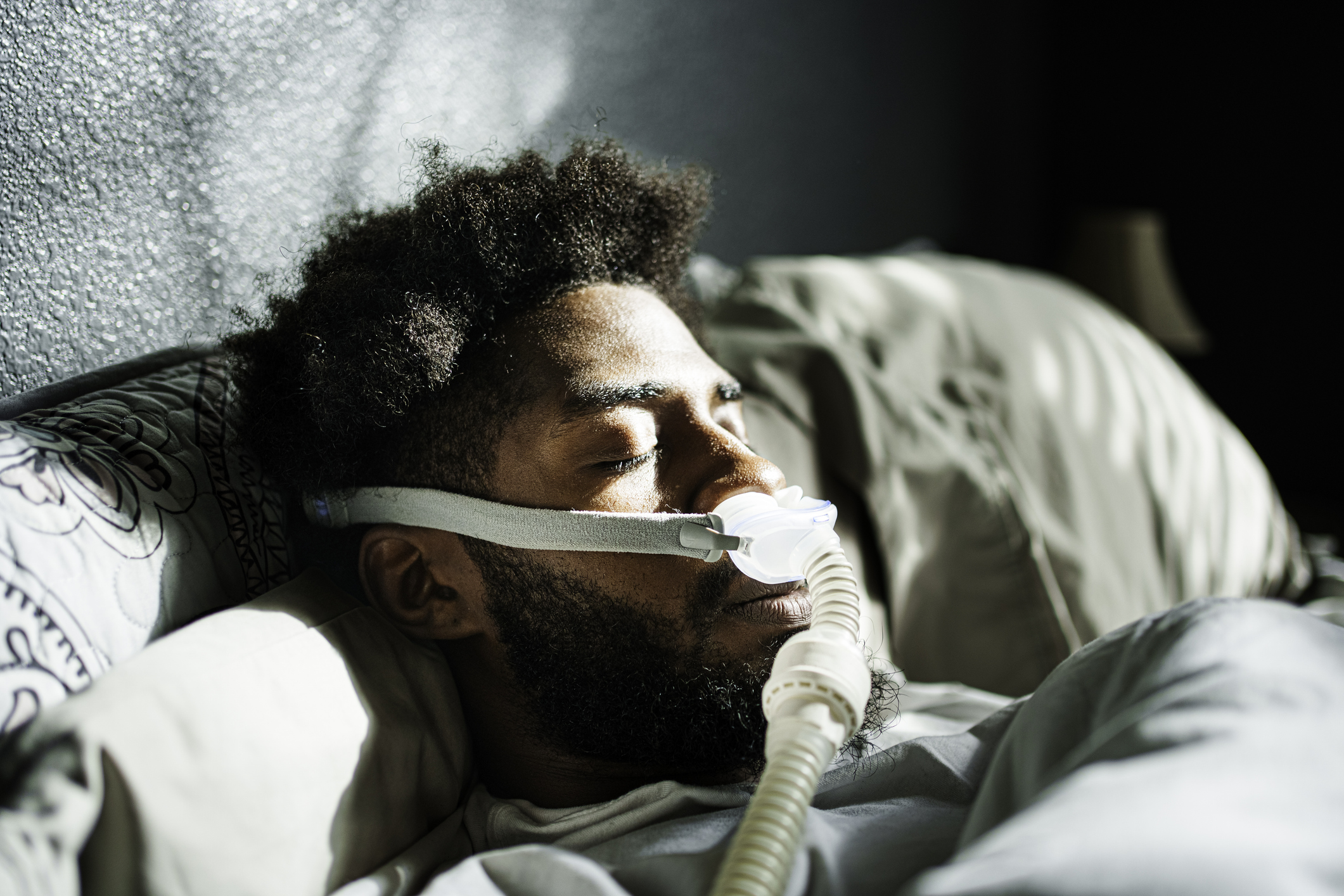
Legionnaires’ disease is a serious, life-threatening type of pneumonia that is caused by breathing in mist or getting water in your lungs that has been contaminated with Legionella bacteria.

You can also get Legionnaires’ disease from:

  • Hot tubs
  • Shower heads
  • Faucets
  • Humidifiers
  • Decorative water features
  • Heating and cooling systems, usually only in large buildings
  • Intubation during surgery
  • Dirt

Legionnaires’ disease is not contagious. Most people don’t get Legionnaires’ disease, even if they have been around Legionella bacteria. But some people are more likely to get sick with a Legionella infection than others. You can have an increased risk of getting Legionnaires’ disease if you:

  • Are older than 50 years old
  • Smoke or used to smoke cigarettes
  • Have a weakened immune system caused by certain medical conditions, such as HIV, diabetes, cancer, and kidney or liver disease, and medications that can compromise your immune system
  • Have a long-term respiratory illness, such as chronic obstructive pulmonary disease (COPD) or emphysema
  • Live in a long-term care facility
  • Have stayed in a hospital recently
  • Have had surgery requiring anesthesia recently
  • Have received an organ transplant recently

Legionnaires’ disease causes pneumonia-like symptoms that start two to 14 days after exposure to Legionella. It can also cause neurological and gastrointestinal symptoms.

Symptoms of Legionnaires’ disease include:

  • Fever (often over 104⁰F/40⁰C)
  • A dry cough
  • Shortness of breath
  • Diarrhea
  • Muscle aches
  • Headache
  • Nausea
  • Confusion
  • Coughing up blood
  • Abdominal pain

The most common ways to diagnose Legionnaires’ disease are with urine and sputum tests. A healthcare provider may use imaging tests, such as an X-ray or CT scan, to get pictures of the inside of your chest. They will also perform a physical exam and ask you about your health and travel history.

Other tests used to diagnose Legionnaires’ disease can include:

  • Blood tests
  • Bronchoscopy
  • Thoracentesis

The treatment for Legionnaires’ disease is antibiotics, either intravenously or in pill form. If you are having trouble breathing, a healthcare provider may give you treatments to help you get enough oxygen. You will probably have to stay in the hospital while you are being treated.

You can reduce your risk at home by making sure shower heads, faucets, hot tubs, and humidifiers are properly cleaned.

If you are experiencing any symptoms of Legionnaires’ disease, you can schedule an appointment with a doctor at Jamaica Hospital Medical Center’s Ambulatory Care Center. Please call (718) 206-7001.

All content of this newsletter is intended for general information purposes only and is not intended or implied to be a substitute for professional medical advice, diagnosis or treatment. Please consult a medical professional before adopting any of the suggestions on this page. You must never disregard professional medical advice or delay seeking medical treatment based upon any content of this newsletter. PROMPTLY CONSULT YOUR PHYSICIAN OR CALL 911 IF YOU BELIEVE YOU HAVE A MEDICAL EMERGENCY.

International Overdose Awareness Day

August 31st is International Overdose Awareness Day. It is the world’s largest annual campaign to end overdose, remember those we have lost to an overdose, acknowledge the grief of the family and friends left behind, and renew our commitment to end overdose and related harms.

An overdose occurs when the body is overwhelmed by a toxic amount of substance or a combination of substances, including alcohol, illicit drugs, and even prescribed medications.

The physical and psychological signs of a drug overdose can vary depending on the type of drug taken and whether the drug was taken in combination with other substances.

The common signs and symptoms of a drug overdose can include:

  • Dilated pupils, nausea or vomiting, headache, and chest pain
  • Seizures, convulsions or tremors, blue lips or fingers, and abnormally high body temperature
  • Severe difficulty breathing, shallow breathing, or complete cessation of breath
  • Gurgling sounds that indicate the person’s airway is blocked
  • Violent or aggressive behavior, paranoia, and agitation
  • Disorientation or confusion, unresponsiveness, and unconsciousness
  • Death

The International Overdose Awareness Day campaign raises awareness of overdose, which is one of the world’s worst public health crises. It stimulates action and discussion about evidence-based overdose prevention and drug policy.

All content of this newsletter is intended for general information purposes only and is not intended or implied to be a substitute for professional medical advice, diagnosis or treatment. Please consult a medical professional before adopting any of the suggestions on this page. You must never disregard professional medical advice or delay seeking medical treatment based upon any content of this newsletter. PROMPTLY CONSULT YOUR PHYSICIAN OR CALL 911 IF YOU BELIEVE YOU HAVE A MEDICAL EMERGENCY.
Social Anxiety Disorder

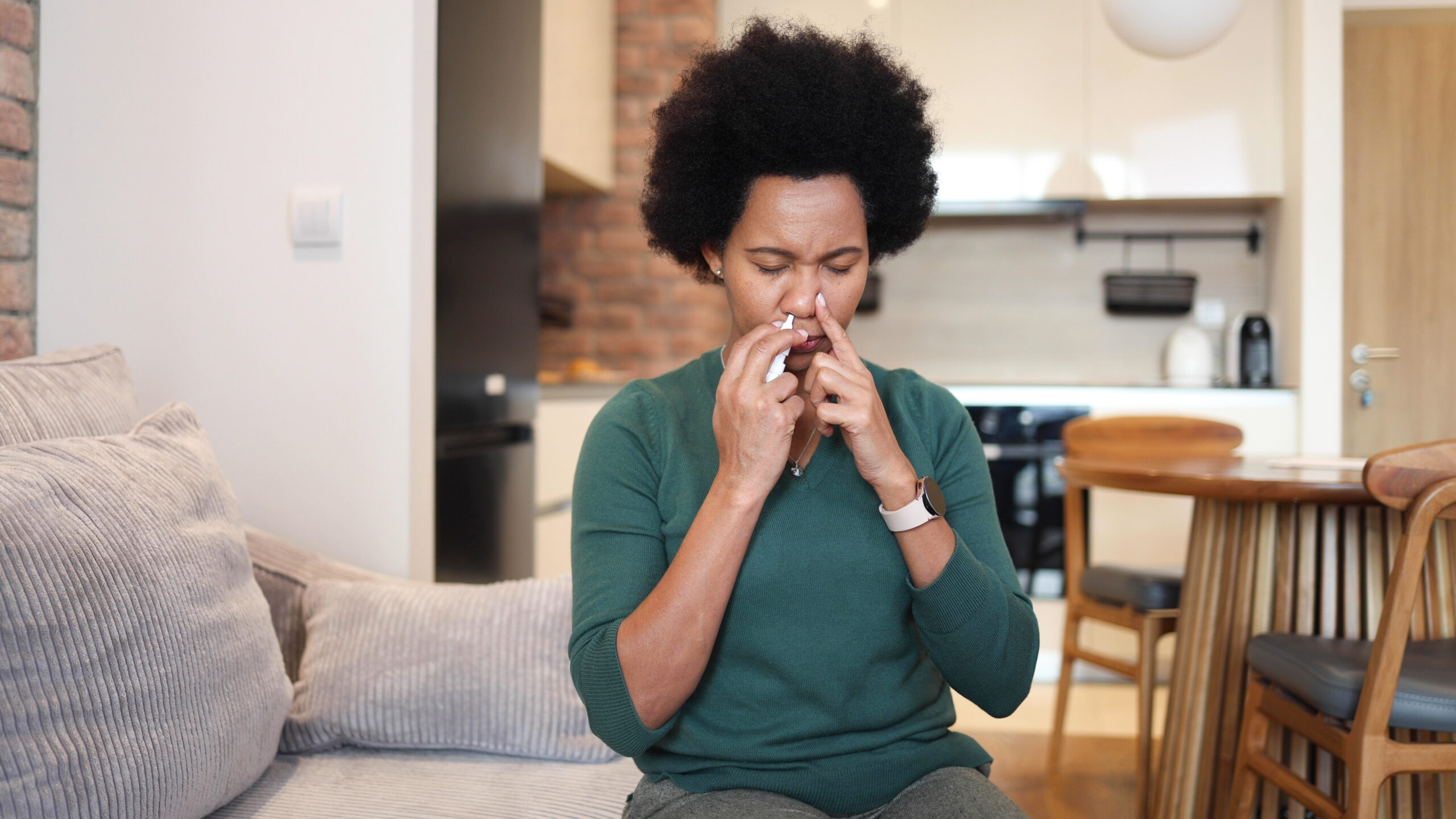
Social anxiety disorder (SAD) is a medical condition that causes fear and anxiety when you are around people in social situations and causes an intense fear of being judged or watched by others.

Social anxiety disorder typically begins in the early to mid-teens, though it can sometimes start in younger children or adults.

Like many other mental health conditions, social anxiety disorder likely arises from a complex interaction of biological and environmental factors, which may include:

  • Inherited traits
  • Brain structure
  • Environment

Several factors increase the risk of developing social anxiety disorder, including:

  • Family history
  • Negative experiences
  • Temperament
  • New social or work demands
  • Having an appearance or condition that draws attention to them

There are many signs and symptoms of social anxiety disorder, including:

  • Emotional and behavioral symptoms
    • Fear of situations in which you may be judged negatively
    • Worry about embarrassing or humiliating yourself
    • Intense fear of interacting or talking with strangers
    • Fear that others will notice that you look anxious
    • Fear of physical symptoms that may cause you embarrassment, such as blushing, sweating, trembling, or having a shaky voice
    • Avoidance of doing things or speaking to people out of fear of embarrassment
    • Avoidance of situations where you might be the center of attention
    • Intense fear or anxiety during social situations
    • Analysis of your performance and identification of flaws in your interactions after a social situation
    • Expectation of the worst possible consequences from a negative experience during a social situation
  • Physical and physiological symptoms
    • Blushing
    • Fast heartbeat
    • Trembling
    • Sweating
    • Upset stomach or nausea
    • Trouble catching your breath
    • Dizziness or lightheadedness
    • Feeling that your mind has gone blank
    • Muscle tension

People living with social anxiety may avoid social situations such as:

  • Interacting with unfamiliar people or strangers
  • Attending parties or social gatherings
  • Going to work or school
  • Starting conversations
  • Making eye contact
  • Dating
  • Eating in front of others
  • Using a public restroom
  • Taking or making phone calls
  • Performing in front of people

The symptoms of social anxiety disorder can change over time. They may flare up if you’re facing many changes, stresses, or demands in your life.

Although avoiding situations that produce anxiety may make you feel better in the short term, your anxiety is likely to continue over the long term if you don’t get treatment. Therefore, you should speak to your doctor about the symptoms you are experiencing. Your healthcare provider will want to determine whether other conditions may be causing your anxiety or if you have a social anxiety disorder along with another physical or mental health disorder. They may determine a diagnosis based on the following:

  • A physical exam to help assess whether any medical condition or medication may trigger symptoms of anxiety
  • A discussion of your symptoms, how often they occur, and in what situations
  • A review of a list of situations to see if they make you anxious
  • Self-report questionnaires about symptoms of social anxiety
  • Criteria listed in the Diagnostic and Statistical Manual of Mental Disorders (DSM-5), published by the American Psychiatric Association

Treatment depends on how much social anxiety disorder affects your ability to function in daily life. Treatments can include:

  • Psychotherapy (the most common treatment)
    • Cognitive behavioral therapy (CBT) is the most effective type of psychotherapy for anxiety
  • Medications
    • Antidepressants
    • Anti-anxiety medications
    • Beta-blockers

If you or someone you know has social anxiety disorder, you can call or schedule an appointment with a mental health provider at Jamaica Hospital Medical Center. Please call 718-206-5575.

All content of this newsletter is intended for general information purposes only and is not intended or implied to be a substitute for professional medical advice, diagnosis or treatment. Please consult a medical professional before adopting any of the suggestions on this page. You must never disregard professional medical advice or delay seeking medical treatment based upon any content of this newsletter. PROMPTLY CONSULT YOUR PHYSICIAN OR CALL 911 IF YOU BELIEVE YOU HAVE A MEDICAL EMERGENCY.

National Immunization Awareness Month

August is National Immunization Awareness Month (NIAM). It is a day observed to highlight the importance of vaccination for people of all ages.  

Vaccinations are important at every stage of life. They are one of the safest preventative care measures available and help play a vital role in keeping you healthy.  

Vaccines work by stimulating the immune system to protect the body against viruses or bacteria that cause infection. After vaccination, the immune system is better prepared to respond quickly when the body encounters the disease-causing organism. 

From infants to older adults, immunizations play a critical role in preventing serious diseases such as measles, whooping cough, flu, shingles, and HPV-related cancers. Skipping vaccines can leave you and your family vulnerable to these illnesses.  

Getting vaccinated plays an important role in keeping your family and community healthy, as vaccinations help protect you from infectious diseases and can lessen the severity of illness. They don’t just help protect you; they also help keep diseases from spreading to others, such as your family, neighbors, classmates, coworkers, and others in the community. Especially those most vulnerable to illness, such as infants, elderly people, and those with weakened immune systems.   

National Immunization Awareness Month offers a timely reminder as families prepare for back-to-school and flu season approaches. If you would like to help raise awareness about the importance of vaccination, encourage friends and family to talk to a healthcare provider they trust about staying up to date on their vaccinations. 

All content of this newsletter is intended for general information purposes only and is not intended or implied to be a substitute for professional medical advice, diagnosis or treatment. Please consult a medical professional before adopting any of the suggestions on this page. You must never disregard professional medical advice or delay seeking medical treatment based upon any content of this newsletter. PROMPTLY CONSULT YOUR PHYSICIAN OR CALL 911 IF YOU BELIEVE YOU HAVE A MEDICAL EMERGENCY.