Thyroid Awareness Month

January is Thyroid Awareness Month.

Thyroid disease is a medical condition that keeps your thyroid from making the right amount of hormones. The thyroid is a small, butterfly-shaped gland at the front of the neck under your skin. As a part of the body’s endocrine system, it controls many of your body’s important functions by producing and releasing thyroid hormones and controlling the speed of your metabolism.

There are two main types of thyroid disease, hypothyroidism (underactive thyroid) and hyperthyroidism (overactive thyroid). They each have several conditions that can cause them.

Conditions that can cause hypothyroidism include:

  • Hashimoto’s disease – this is a lifelong autoimmune condition that can cause hypothyroidism. It is the most common cause of hypothyroidism in countries with widely available iodized salt and other iodine-enriched foods.
  • Iodine deficiency – the thyroid needs iodine to make the thyroid hormone, so a lack of the mineral in your diet can lead to hypothyroidism. It is the most common cause of hypothyroidism in countries that don’t have iodized salt widely available. It often causes goiters also known as an enlarged thyroid.
  • Congenital hypothyroidism – sometimes, babies are born with a missing or underactive thyroid. “Congenital” means present from birth. About one in every 2,000 to 4,000 babies have congenital hypothyroidism.

Conditions that can cause hyperthyroidism include:

  • Graves’ disease – this is a chronic autoimmune condition that causes an overactive thyroid. It is the most common cause of hyperthyroidism.
  • Thyroid nodules – these are abnormal lumps on your thyroid gland. If the nodules are hyper-functioning, they can lead to hyperthyroidism.
  • Excessive iodine – when you have too much iodine in your body, your thyroid makes more thyroid hormones than you need. You may develop excessive iodine by taking certain medications.

Some conditions can cause both hypothyroidism and hyperthyroidism at different times, including:

  • Thyroiditis – which is the inflammation of the thyroid gland. It typically causes temporary hyperthyroidism at first and then temporary or chronic hypothyroidism.
  • Postpartum thyroiditis – this is a relatively rare condition that affects some birthing parents after pregnancy. An estimated 5% of people may experience this after giving birth. It typically causes hyperthyroidism first, followed by hypothyroidism. It is usually temporary.

There are a variety of thyroid disease symptoms. Unfortunately, symptoms of a thyroid condition are often similar to the signs of other medical conditions and stages of life, making it difficult to know if the symptoms are related to a thyroid issue or something else.

Symptoms of hypothyroidism include:

  • Slower-than-usual heart rate
  • Fatigue
  • Unexplained weight gain
  • Feeling sensitive to the cold
  • Dry skin and dry coarse hair
  • Depression
  • Heavy menstrual periods

Symptoms of hyperthyroidism include:

  • Faster-than-usual heart rate
  • Difficulty sleeping
  • Unexplained weight loss
  • Feeling sensitive to the heat
  • Clammy or sweaty skin
  • Feeling anxious, irritable, or nervous
  • Irregular menstrual cycles or lack of periods

Many factors can put you at a higher risk of developing a thyroid condition, including:

  • Being assigned female at birth (AFAB). People AFAB are five to eight times more likely to have a thyroid condition than people assigned male at birth (AMAB)
  • Have a family history of thyroid disease
  • Have Turner syndrome
  • Take a medication that is high in iodine
  • Live in a country or area that doesn’t have iodized table salt, which can lead to iodine deficiency
  • Are older than 60 years of age, especially if you are AFAB
  • Have received radiation therapy to your head and/or neck

Having an autoimmune disease also increases your risk, especially if you have:

  • Pernicious anemia
  • Type 1 diabetes
  • Celiac disease
  • Addison’s disease
  • Lupus
  • Rheumatoid arthritis
  • Sjögren’s syndrome

Thyroid disease can be diagnosed using blood and imaging tests after a healthcare provider performs a physical exam.

Treatment for thyroid disease depends on the type of condition and the cause. The goal is to return your thyroid hormone levels to a healthy range. Hyperthyroidism is treated with antithyroid drugs, radioiodine therapy, beta-blockers, and surgery. Hypothyroidism is treated with thyroid replacement therapy.

If you’re experiencing symptoms of any thyroid disease, you can call and make an appointment with Jamaica Hospital Medical Center’s endocrinology service, at 718-206-7001.


All content of this newsletter is intended for general information purposes only and is not intended or implied to be a substitute for professional medical advice, diagnosis or treatment. Please consult a medical professional before adopting any of the suggestions on this page. You must never disregard professional medical advice or delay seeking medical treatment based upon any content of this newsletter. PROMPTLY CONSULT YOUR PHYSICIAN OR CALL 911 IF YOU BELIEVE YOU HAVE A MEDICAL EMERGENCY.


The Importance of an Annual Exam

Improving one’s physical health is often a go-to New Year’s resolution. The best way to do this is by scheduling a routine medical check-up appointment. Even if you feel fine, it is a good idea to see your healthcare provider to ensure you don’t have any underlying health issues.

There are several reasons to get a physical exam, including:

  • It can prevent illnesses
  • It monitors the risk of chronic disease
  • It identifies illnesses that don’t have symptoms
  • It monitors your weight, blood pressure, heart rate, and basic body chemistry
  • It helps adjust your lifestyle that is suitable for your age
  • It helps keep an ongoing relationship with your healthcare provider

To schedule an appointment with a physician at Jamaica Hospital Medical Center’s Ambulatory Care Center, call (718) 206-7001.


All content of this newsletter is intended for general information purposes only and is not intended or implied to be a substitute for professional medical advice, diagnosis or treatment. Please consult a medical professional before adopting any of the suggestions on this page. You must never disregard professional medical advice or delay seeking medical treatment based upon any content of this newsletter. PROMPTLY CONSULT YOUR PHYSICIAN OR CALL 911 IF YOU BELIEVE YOU HAVE A MEDICAL EMERGENCY.

Making Your Mental Health a Priority for the New Year

Anxiety and depression are mental health issues that many people face daily. As we begin a new year, it is important to identify any mental health issues you are experiencing, the potential causes of those issues, and what you can do to improve them.

Some steps you can take to make positive changes for your mental health include:

  • Improving your physical health – your mental and physical health are closely connected as they can impact each other. Exercising regularly, eating a balanced diet, and getting a good night’s sleep can greatly improve your mood, outlook, ability to focus, and cope more effectively when mental health challenges arise.
  • Recognizing the positive things in your life – if you begin to have negative emotions or thoughts, it is important to recognize and be grateful for the positive things you have in your life.
  • Developing healthy and effective coping mechanisms – coping mechanisms are an important tool for those who experience mental health issues. They allow you to adjust how you process things that distress you, making them easier to deal with. Some healthy coping mechanisms include:
    • Finding ways to resolve what is causing the distress
    • Looking at the problem(s) from a different point of view
    • Talking to someone in your support system

You can make positive, effective changes to improve your mental health this year with the help of a psychiatrist at Jamaica Hospital Medical Center’s Mental Health Clinic. To schedule an appointment, please call (718) 206-5575.

All content of this newsletter is intended for general information purposes only and is not intended or implied to be a substitute for professional medical advice, diagnosis or treatment. Please consult a medical professional before adopting any of the suggestions on this page. You must never disregard professional medical advice or delay seeking medical treatment based upon any content of this newsletter. PROMPTLY CONSULT YOUR PHYSICIAN OR CALL 911 IF YOU BELIEVE YOU HAVE A MEDICAL EMERGENCY.
Tips to Help Keep Your New Year’s Resolutions

At the end of every year, we make lists of the goals we want to accomplish and/or the resolutions we want to make for the New Year. However, New Year’s resolutions are sometimes hard to keep. Here are some tips to help you keep your New Year’s resolutions:

  • Select one goal that you want to achieve instead of many
  • Plan how you intend to achieve that goal
  • Don’t be too ambitious with your goal, as it is best to keep it simple
  • Break your goal into smaller, more manageable parts
  • Pick a goal that involves a new activity
  • Try to learn from past difficulties in accomplishing your goal
  • Don’t get discouraged if you have setbacks
  • Keep a daily record of your progress
  • Pick a goal where you can measure the results

Achieving a goal you made as your New Year’s resolution is always easier when you have the support of friends and family. Let people know what you hope to achieve and enlist others who can be supportive. Additionally, give yourself some positive reinforcement as you work towards a goal.

All content of this newsletter is intended for general information purposes only and is not intended or implied to be a substitute for professional medical advice, diagnosis or treatment. Please consult a medical professional before adopting any of the suggestions on this page. You must never disregard professional medical advice or delay seeking medical treatment based upon any content of this newsletter. PROMPTLY CONSULT YOUR PHYSICIAN OR CALL 911 IF YOU BELIEVE YOU HAVE A MEDICAL EMERGENCY.

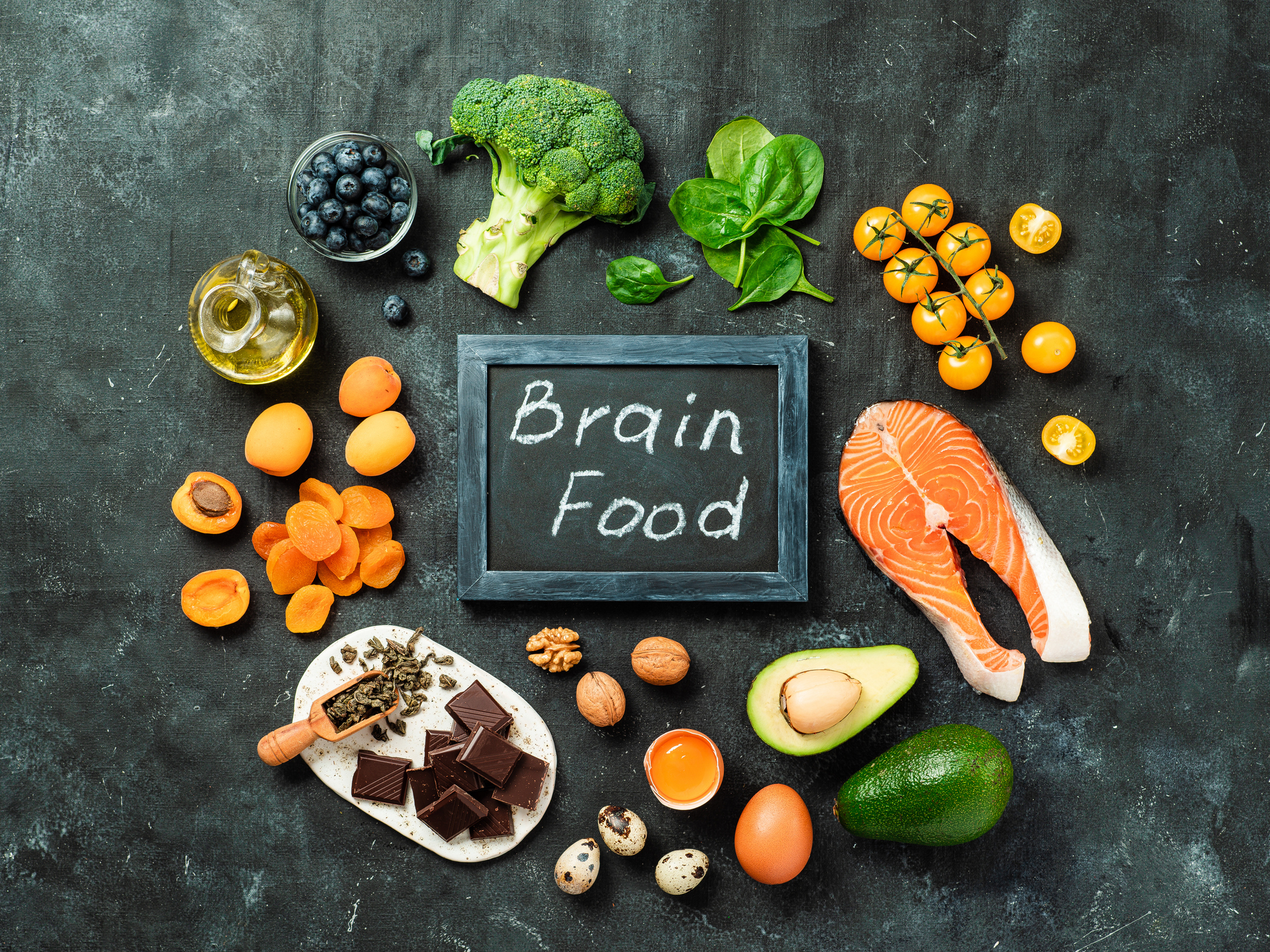
15 Foods to Add to Your Diet to Boost Your Brain Health

The brain is the command center of the body. It processes information and sends messages controlling everything your body does from thoughts and emotions to memory and motor skills.

As we age, the brain experiences physiological changes that affect memory, focus, and word recall. Fortunately, we can combat some of these changes with our diet, which plays a major role in keeping our minds sharp and maintaining our mental function.

Brain foods are foods that can benefit brain health. They contain various nutrients that keep the brain functioning well. They include:

  • Omega-3 fatty acids
  • B vitamins
  • Vitamin E
  • Vitamin C
  • Vitamin K
  • Selenium
  • Iron
  • Choline

Eating a diet rich in these nutrients can help fight off common brain-related conditions and symptoms often associated with age. These nutrients may help with:

  • Brain development
  • Proper signaling of neurotransmitters
  • Processing and understanding new information
  • Memory
  • Protein balance
  • Reducing the risk of brain-related conditions linked to inflammation, such as depression and dementia

Here are 15 foods to add to your diet that are rich in essential nutrients:

  1. Eggs
  2. Fatty fish
  3. Berries such as blueberries, raspberries, and strawberries
  4. Broccoli
  5. Mushrooms
  6. Walnuts
  7. Turmeric
  8. Coffee
  9. Leafy greens
  10. Green tea
  11. Dark chocolate
  12. Fermented dairy
  13. Avocados
  14. Certain fruit juices such as pomegranate, grape, and cherry juice
  15. Whole grains

Remember, no food on its own will magically transform your brain. However, eating brain foods regularly can keep your brain sharp and maintain your cognitive ability as you age. Maintaining an overall healthy eating pattern is important to reap the health benefits of these nutrient-rich foods.


All content of this newsletter is intended for general information purposes only and is not intended or implied to be a substitute for professional medical advice, diagnosis or treatment. Please consult a medical professional before adopting any of the suggestions on this page. You must never disregard professional medical advice or delay seeking medical treatment based upon any content of this newsletter. PROMPTLY CONSULT YOUR PHYSICIAN OR CALL 911 IF YOU BELIEVE YOU HAVE A MEDICAL EMERGENCY.

What Causes Lymph Nodes to Swell?

Lymph nodes are part of the lymphatic system and a vital part of the body’s immune system. Swollen lymph nodes are your body’s natural reaction to illness or infection. They act as filters that help rid the body of germs, cells, or other foreign matter that passes through your lymph fluid.

Your lymphatic system is a network of organs, vessels, and lymph nodes throughout the body. Many lymph nodes are located in the head and neck region, the armpits, and the groin where they frequently swell.

When lymph nodes swell, it is a sign that something is wrong somewhere in your body. When they first swell, you might notice:

  • Tenderness and pain in the lymph nodes
  • Swelling that may be the size of a pea or kidney bean, or even larger in the lymph node

Depending on the cause of the swollen lymph nodes, other signs and symptoms might include:

  • Runny nose, sore throat, fever, and other indications of an upper respiratory infection
  • General swelling of lymph nodes throughout your body. When this happens, it can indicate an infection.
  • Hard, fixed, rapidly growing nodes, indicating possible cancer
  • Fever
  • Night sweats

The most common cause of swollen lymph nodes is an infection, particularly a viral infection, such as the common cold. Other possible causes of swollen lymph nodes include:

  • Common infections
    • Strep throat
    • Measles
    • Ear infections
    • An infected (abscessed) tooth
    • Skin or wound infections, such as cellulitis
    • HIV
  • Uncommon infections
    • Tuberculosis
    • Certain sexually transmitted diseases, such as syphilis
    • Toxoplasmosis- a parasitic infection resulting from contact with the feces of an infected cat or eating undercooked meat
    • Cat scratch fever- a bacterial infection from a cat scratch or bite
  • Immune system disorders
    • Lupus
    • Rheumatoid arthritis
  • Cancers
    • Lymphoma
    • Leukemia
    • Other cancers that have spread to the lymph nodes

To diagnose what is causing your swollen lymph nodes, your healthcare provider may need:

  • Your medical history
  • A physical exam
  • Blood tests
  • Imaging studies
  • A lymph node biopsy

Swollen lymph nodes caused by a virus usually return to normal after the viral infection ends. Treatment for swollen lymph nodes from other causes depends on the cause:

  • Infection- antibiotics are the most common treatment for lymph nodes caused by bacterial infections. If your swollen lymph nodes are due to an HIV infection, you’ll receive specific treatment for that condition.
  • Immune disorder- if your swollen lymph nodes are caused by certain conditions, such as lupus or rheumatoid arthritis, treatment is directed at the underlying condition.
  • Cancer- swollen lymph nodes caused by cancer require treatment for the cancer. Depending on the type of cancer, treatment may involve surgery, radiation, or chemotherapy.

To make an appointment with an ENT doctor at Jamaica Hospital Medical Center, please call 718-206-7110.

All content of this newsletter is intended for general information purposes only and is not intended or implied to be a substitute for professional medical advice, diagnosis or treatment. Please consult a medical professional before adopting any of the suggestions on this page. You must never disregard professional medical advice or delay seeking medical treatment based upon any content of this newsletter. PROMPTLY CONSULT YOUR PHYSICIAN OR CALL 911 IF YOU BELIEVE YOU HAVE A MEDICAL EMERGENCY.

Holiday Driving Safety Tips

The holiday season is a time for celebrating with family and friends. Depending on where you are, or where you are going, many challenges such as weather conditions, limited daylight, and driving in unfamiliar areas can make driving difficult. Here are some tips to help keep you safe while driving this holiday season:

  • Prepare your vehicle for the winter and keep an emergency kit with you
  • Get a good night’s sleep before leaving to avoid drowsy driving
  • Leave early to avoid heavy traffic
  • Make sure that every person in the vehicle is buckled up properly
  • Practice defensive driving
  • Don’t drive impaired
  • Avoid distractions
  • Check the weather conditions before driving
  • Stick to the speed limit

Taking the proper precautions before and during your drive is for your safety, the safety of your passengers, and other drivers on the road.

If you or any of your passengers are injured due to a car accident, make sure to call 911 right away.

All content of this newsletter is intended for general information purposes only and is not intended or implied to be a substitute for professional medical advice, diagnosis or treatment. Please consult a medical professional before adopting any of the suggestions on this page. You must never disregard professional medical advice or delay seeking medical treatment based upon any content of this newsletter. PROMPTLY CONSULT YOUR PHYSICIAN OR CALL 911 IF YOU BELIEVE YOU HAVE A MEDICAL EMERGENCY.
Living with Diabetes during the Holidays

Making healthy choices during the winter holidays can be challenging for many people. It can be even more challenging for people with diabetes.

If you are a diabetic, it is important to eat mindfully by following your diet and making a plan. Here are some tips to help you enjoy a diabetes-friendly holiday season:

  • Monitor your blood sugar levels regularly
  • Stay hydrated
  • Communicate with family and friends about your diabetes needs and how they can support you
  • Stay active
    • Take short walks
    • Dance or play games
  • Plan for holiday meals
    • Choose healthier options
    • Watch portion sizes
    • Balance your plate
  • Prepare for travel
    • Pack your diabetes kit
    • Carry snacks
  • Get enough sleep
  • Don’t skip meals
  • Watch what you drink and how much
  • Talk to your doctor about changes in your health
  • Take care of your mental health
    • Practice mindfulness
    • Set realistic expectations

With some planning and preparation, you can still enjoy the holidays and your favorite foods while managing your blood sugar.

To schedule an appointment with an endocrinologist, please call Jamaica Hospital Medical Center’s Ambulatory Care Center at (718) 206-7001.

All content of this newsletter is intended for general information purposes only and is not intended or implied to be a substitute for professional medical advice, diagnosis or treatment. Please consult a medical professional before adopting any of the suggestions on this page. You must never disregard professional medical advice or delay seeking medical treatment based upon any content of this newsletter. PROMPTLY CONSULT YOUR PHYSICIAN OR CALL 911 IF YOU BELIEVE YOU HAVE A MEDICAL EMERGENCY.
Holter Monitor

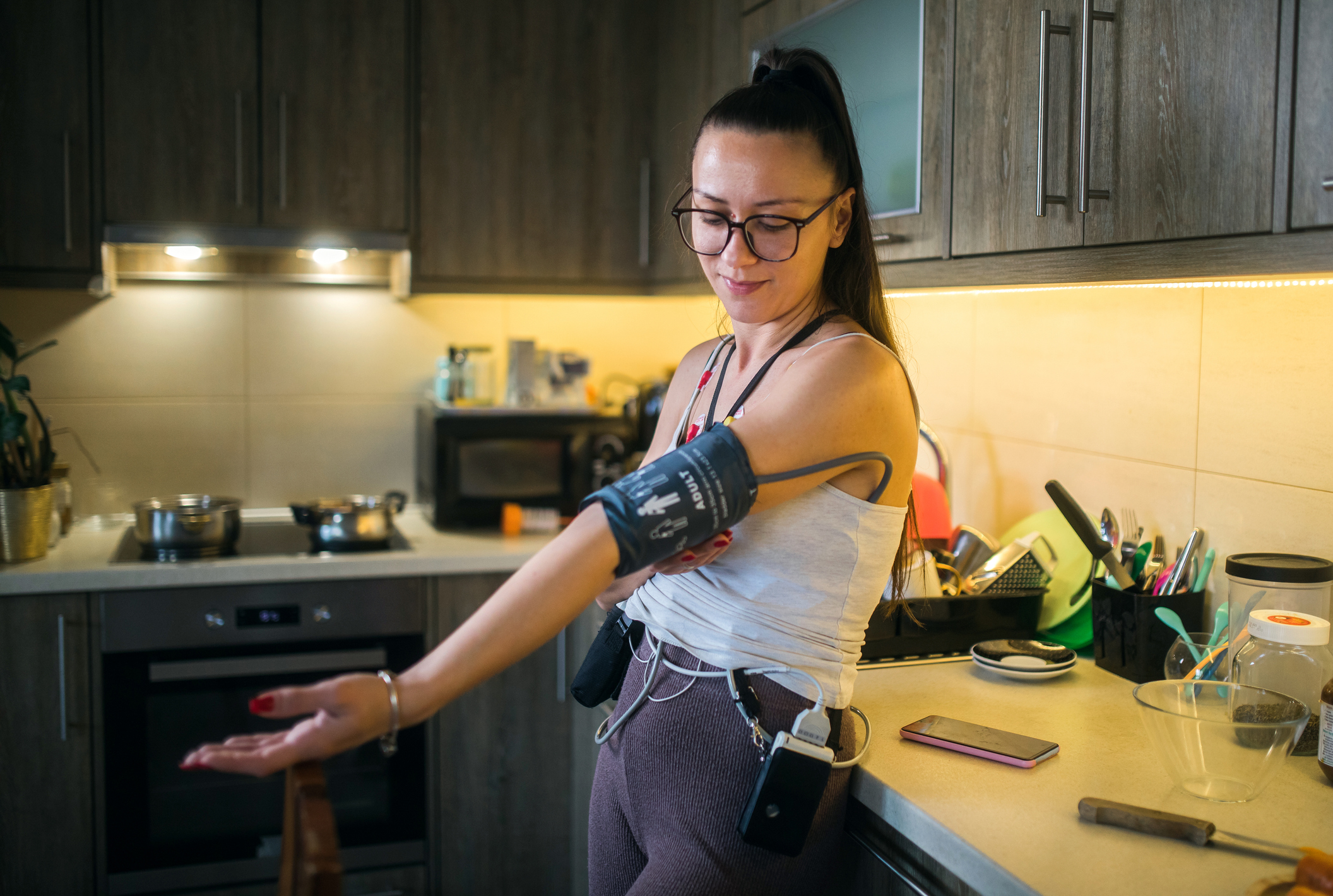
A Holter monitor is a small, wearable electrocardiogram (ECG) that records the heart’s electrical activity over 24 hours or longer while you’re away from your healthcare provider’s office.

A standard or resting ECG is one of the simplest and fastest tests to check the heart. Holter monitor tests may be done if a traditional electrocardiogram (ECG or EKG) doesn’t provide enough details about the heart’s condition. Some personal devices like smartwatches offer electrocardiogram monitoring. Ask your healthcare professional if this is an option for you.

Some reasons you might need to wear a Holter monitor or why your healthcare provider may ask you to wear one include:

  • To evaluate symptoms that may be heart-rhythm-related. Symptoms can include:
    • Chest pain
    • Tiredness
    • Shortness of breath
    • Dizziness
    • Fainting
  • To identify irregular heartbeats or palpitations
  • To assess your risk for future heart-related events in certain conditions. These conditions can include thickened heart walls or hypertrophic cardiomyopathy after a heart attack that causes weakness of the left side of the heart. This is called Wolff-Parkinson-White syndrome. In this syndrome, an abnormal electrical conduction pathway exists in the heart.
  • To see how well a pacemaker is working
  • To find out how well treatment is working for complex abnormal heart rhythms
  • To see how fast or slow your heart rate gets during the day and if you have any pauses in your heart rhythm

While you wear a Holter monitor, you can do most daily activities unless you have instructions to avoid certain things. You may be given a form to record your activities and any symptoms. It’s important to note if and when you have any of the following symptoms:

  • Pounding, fluttering, or skipped heartbeats
  • Shortness of breath
  • Chest pain
  • Lightheadedness

After the allotted time with the Holter monitor, your healthcare provider will review the test results and discuss them with you. Information from Holter monitor testing can show if you have a heart condition and if any medicines you currently take aren’t working.

If you didn’t have any irregular heartbeats while you wore the monitor, you may need to wear a wireless Holter monitor or an event recorder. These devices can be worn longer than a standard Holter monitor. Event recorders are similar to Holter monitors and require you to push a button when you feel symptoms. There are several different types of event recorders.

If you are experiencing any symptoms that may be heart-rhythm-related, you can schedule an appointment at Jamaica Hospital Medical Center’s Cardiology Department by calling (718) 206-7100. If you are experiencing an emergency, please call 911 right away.

All content of this newsletter is intended for general information purposes only and is not intended or implied to be a substitute for professional medical advice, diagnosis or treatment. Please consult a medical professional before adopting any of the suggestions on this page. You must never disregard professional medical advice or delay seeking medical treatment based upon any content of this newsletter. PROMPTLY CONSULT YOUR PHYSICIAN OR CALL 911 IF YOU BELIEVE YOU HAVE A MEDICAL EMERGENCY.

Endocrine disruptors

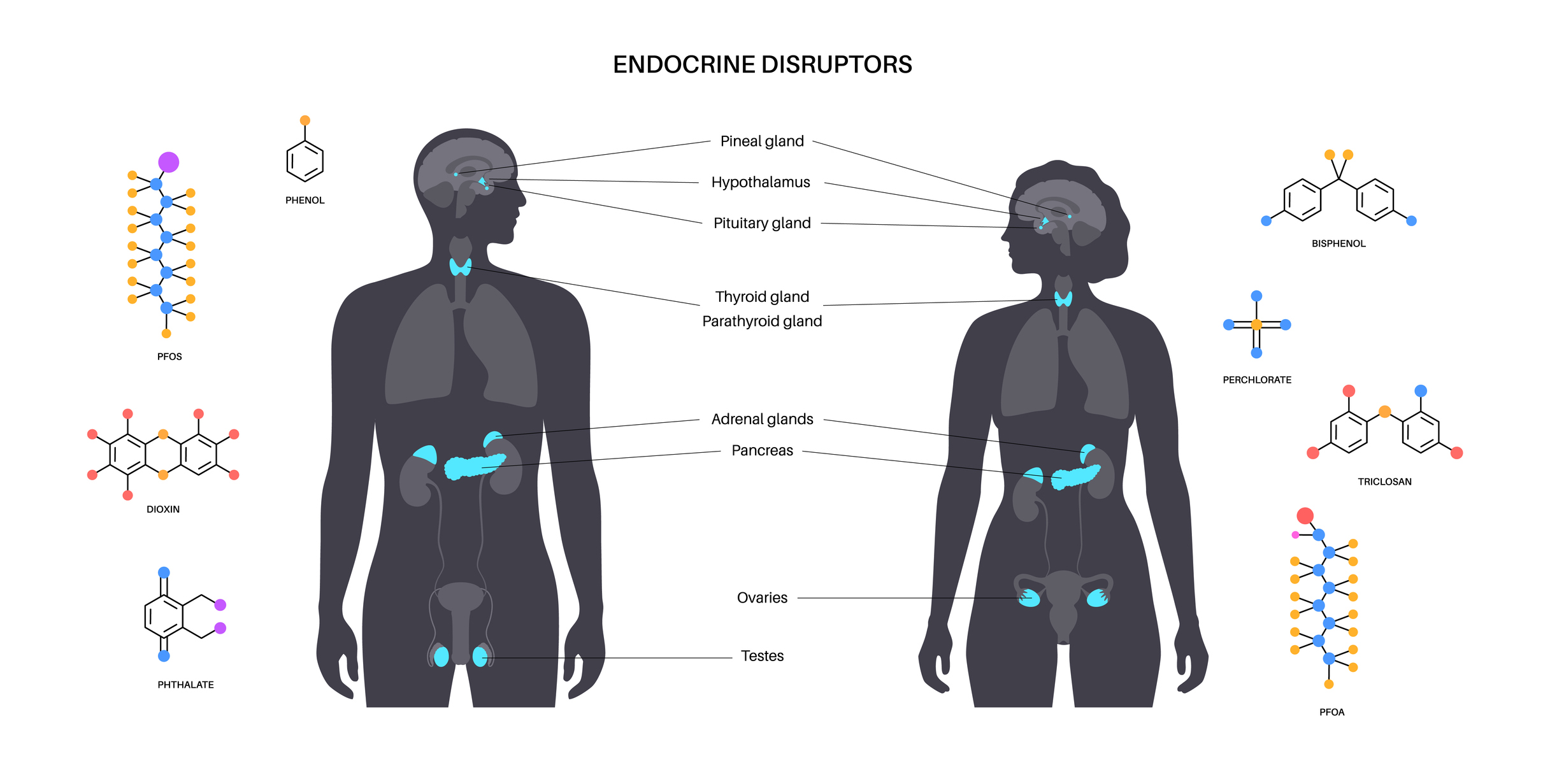
Endocrine disruptors are natural or man-made chemicals that may mimic or interfere with how the body’s hormones, which are part of the endocrine system, work. The endocrine system is a network of glands and organs that produce, store, and secrete hormones. These chemicals are linked to many health problems in both wildlife and people. Since endocrine-disrupting chemicals (EDCs) come from many different sources, people are exposed in several ways, including the air we breathe, the food we eat, and the water we drink. EDCs can also enter the body through the skin.

Endocrine disruptors can disrupt many different hormones, which is why they have been linked to numerous adverse human health outcomes, including:

  • Alterations in sperm quality and fertility
  • Abnormalities in sex organs
  • Endometriosis
  • Early puberty
  • Altered nervous system function
  • Immune function
  • Certain cancers
  • Respiratory and cardiovascular problems
  • Metabolic issues
  • Diabetes
  • Obesity
  • Growth
  • Neurological and learning disabilities

According to the Endocrine Society, there are nearly 85,000 human-made chemicals worldwide, and 1,000 or more of those could be endocrine disruptors based on their unique properties. The following chemicals are among the most common and well-studied:

  • Atrazine
  • Bisphenol A (BPA)
  • Dioxins
  • Perchlorate
  • Per- and poly-fluoroalkyl substances (PFAS)
  • Phthalates
  • Phytoestrogens
  • Polybrominated diphenyl ethers (PBDE)
  • Polychlorinated biphenyls (PCBs)
  • Triclosan

High EDC exposures during fetal development and childhood can have long-lasting health effects since there are periods where hormones regulate the formation and maturation of organs. Early-life exposures have been linked to developmental abnormalities and may increase the risk for various diseases later in life.

Many EDCs have been found to cross the placenta and become concentrated in the fetus’ circulatory system. Other EDCs can be transferred from mother to infant through breast milk.

Although evidence linking EDCs to adverse health outcomes grows, the cause-and-effect relationship is not yet fully understood. Generally, chronic high exposure poses the highest risk, however, a developing fetus or infant is more vulnerable to lower exposures.

Additionally, a person’s genetic predisposition to specific health conditions and additional environmental risk factors can modify how a person is affected by EDCs.

For more information about Jamaica Hospital’s endocrinology service, or to make an appointment, please call 718-206-7001.


All content of this newsletter is intended for general information purposes only and is not intended or implied to be a substitute for professional medical advice, diagnosis or treatment. Please consult a medical professional before adopting any of the suggestions on this page. You must never disregard professional medical advice or delay seeking medical treatment based upon any content of this newsletter. PROMPTLY CONSULT YOUR PHYSICIAN OR CALL 911 IF YOU BELIEVE YOU HAVE A MEDICAL EMERGENCY.