How Long Should A Mother Breastfeed ?

The World Health Organization (WHO) and the American Academy of Pediatrics (AAP) recommend exclusive breastfeeding during the first six months after a baby is born.  However, breastfeeding should continue at least for the first year.

Breastfeeding has long been known to offer benefits to babies and mothers.

Benefits for the babies:

  • Developing a stronger immune system
  • Obtaining a well-balanced diet

Benefits to mothers who breastfeed for a year include a:

  • Lower risk of breast cancer
  • Lower risk of ovarian cancer
  • Lower risk of high blood pressure
  • Lower risk of developing rheumatoid arthritis
  • Lower risk of developing diabetes

Weaning a baby off breastfeeding usually begins when other types of food are introduced into the diet. The WHO and AAP recommend that this occur at the six month mark. A baby who is starting to eat solid food may not require as much breastmilk for nutrition. It is best to slowly wean a baby off of breastmilk instead of stopping suddenly.

There is no evidence to indicate that long term breastfeeding can be harmful to a baby’s or mother’s health.

Ultimately the decision for how long to breastfeed will be up to the mom and her baby. Speak to your baby’s pediatrician for their guidance on the recommendations. If you would like to schedule an appointment with a pediatrician at Jamaica Hospital Medical Center, please call 718-206-7001.

All content of this newsletter is intended for general information purposes only and is not intended or implied to be a substitute for professional medical advice, diagnosis or treatment. Please consult a medical professional before adopting any of the suggestions on this page. You must never disregard professional medical advice or delay seeking medical treatment based upon any content of this newsletter. PROMPTLY CONSULT YOUR PHYSICIAN OR CALL 911 IF YOU BELIEVE YOU HAVE A MEDICAL EMERGENCY.
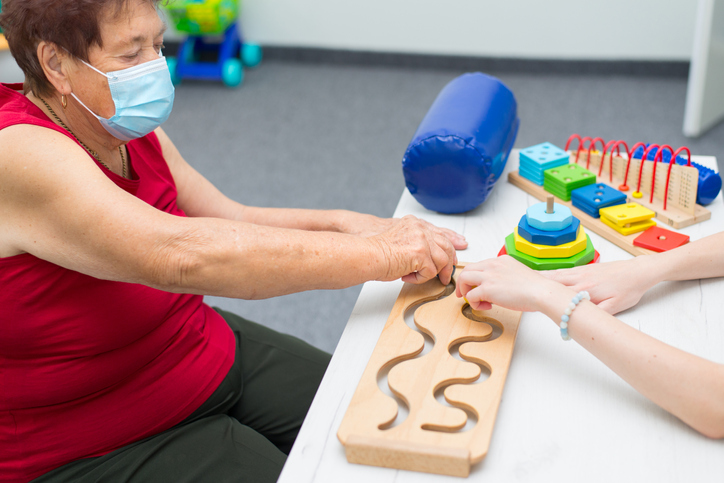
Fun Ways To Get Your Children to Wash Their Hands

In a world where proper hand washing techniques have never been more important, it is vital that we teach our children how to properly wash their hands.

As you know, the basics of effective hand washing are:

  • Using warm water to wet your hands.
  • Using soap to lather up your hands.
  • Rubbing your soaped up hands together, for no less than 20 seconds, scrubbing the entire hand and between the fingers all the way up to the wrist.
  • Rinsing your hands and wrist with running water.
  • Drying your hands using a clean towel, preferably disposable towel.

However, this seemingly easy process may become tedious when applied to young children.

Here are some fun ways to implement proper handwashing techniques to make your child more enthusiastic about hand hygiene:

  • Use soaps that have an inviting scent like, fruit or bubble gum.
  • Utilize a reward system. Keep a chart for your child with colorful stickers that indicate how many times they properly washed their hands on a particular day. If they are successful, a small reward at the end of the week can be a great motivator.
  • Choose songs to sing while washing or recite a children’s rhyme that lasts approximately 20 seconds.
  • Bubbles, lots of bubbles.  Choose a soap that foams up so that your child can equate washing their hands with a fun activity and not a chore.
  • Create a routine for your child to wash their hands, especially before and after mealtime.

Studies have shown that proper hand washing is one of the best ways to keep healthy and ward off harmful viruses and bacteria.

Remember, the best way to teach our children is by example. Be sure your child knows and observes how you are washing your hands. 

All content of this newsletter is intended for general information purposes only and is not intended or implied to be a substitute for professional medical advice, diagnosis or treatment. Please consult a medical professional before adopting any of the suggestions on this page. You must never disregard professional medical advice or delay seeking medical treatment based upon any content of this newsletter. PROMPTLY CONSULT YOUR PHYSICIAN OR CALL 911 IF YOU BELIEVE YOU HAVE A MEDICAL EMERGENCY.

Tips To Avoid Overeating While Working From Home

More people are working from home as a result of the COVID-19 pandemic. This arrangement can provide several benefits; however, there can be just as many challenges.

One of the most common issues experienced by some is the easy access to their kitchens and refrigerators. Having convenient and constant access to food often leads to overeating and unhealthy weight gain.

Here are a few things one can do to avoid this dilemma:

  • Work furthest away from the kitchen as possible
  • Develop an eating schedule and plan the times you are going to eat
  • Portion out meals and snacks
  • Avoid snacking  out of boredom
  • Avoid stress eating but instead, practice healthy relaxation techniques such as meditation or deep breathing
  • Drink plenty of water (When you are dehydrated, hunger can sometimes be mistaken for thirst)
  • Stock your kitchen with healthy food
  • Avoid doing other activities when eating ( Being distracted can lead to overeating)
  • Stay physically active

Practicing these tips can help provide balance and structure to your daily work-at-home routine. If you continue to struggle with overeating, speak with a dietitian or doctor who can help you with improving eating habits and maintaining a healthy weight.

To make an appointment with a dietitian at Jamaica Hospital Medical Center, please call 718-206-7001.

All content of this newsletter is intended for general information purposes only and is not intended or implied to be a substitute for professional medical advice, diagnosis or treatment. Please consult a medical professional before adopting any of the suggestions on this page. You must never disregard professional medical advice or delay seeking medical treatment based upon any content of this newsletter. PROMPTLY CONSULT YOUR PHYSICIAN OR CALL 911 IF YOU BELIEVE YOU HAVE A MEDICAL EMERGENCY.

Lisa Fraumeni Shares Her “Jamaica Journey”

Thousands of people work at Jamaica Hospital and each have their own unique story to tell about their career path.  The following is one of them.

Lisa Fraumeni started her Jamaica Hospital journey in July of 1987 as a clerk in the hospital’s Admitting Department.  According to Lisa, “I was working at the hospital while attending Queensborough Community College.  I was originally unsure of what career path to follow, but working at Jamaica had a lot to do with my decision to ultimately pursue a degree in nursing.”

In 1996 Lisa graduated with her nursing degree. She wanted to continue working at Jamaica Hospital, but unfortunately there was a hiring freeze at the time.  Lisa waited patiently for 10 months for a position to open up, but eventually was forced to accept an offer at another hospital.

Coincidentally, around the same time, Lisa was named Jamaica Hospital’s employee of the month. During the presentation of her certificate, hospital leadership learned of her situation. Not wanting to lose her as an employee, a job was offered to her and she happily stayed.

Lisa initially worked day and evening shifts on 4 North before being transferred to the Emergency Department in 1998 where she eventually became Assistant Head Nurse.   In 2017, after nearly 20 years in Jamaica Hospital’s ER, Lisa was ready for her next challenge.  There was an opening for a Nursing Supervisor position on the evening shift. Lisa applied and was given the job.

Over the last 33 years, Lisa considers her colleagues at Jamaica Hospital her second family.  “Jamaica Hospital has provided me with so many opportunities for advancement, for which I am extremely grateful.”  Lisa added, “I grew up at Jamaica Hospital and I’m excited to now be in a position to give back.” Lisa has returned to school to pursue her Doctorate in Nursing Administration.  In her own words, “I’m still going. I’m not done yet.”

All content of this newsletter is intended for general information purposes only and is not intended or implied to be a substitute for professional medical advice, diagnosis or treatment. Please consult a medical professional before adopting any of the suggestions on this page. You must never disregard professional medical advice or delay seeking medical treatment based upon any content of this newsletter. PROMPTLY CONSULT YOUR PHYSICIAN OR CALL 911 IF YOU BELIEVE YOU HAVE A MEDICAL EMERGENCY.

We Shine Our Employee Spotlight on Lynn Velazquez Soto, MAPT

This month we are pleased to shine our Employee Spotlight on Lynn Velazquez Soto, MAPT, Physical Therapist Supervisor at Jamaica Hospital Medical Center.

Lynn has been a physical therapist at Jamaica Hospital Medical Center for 24 years. She grew up in New York, and attended Saint Michaels for elementary, and junior high school: Brooklyn Tech High School, and then completed her undergraduate and graduate degrees at CUNY and Touro College.

Her family life is very important to her and she enjoys spending free time with her two sons and daughter. She grew up in a home with many kinds of pets. At the present time, she has a Husky, a Chihuaha and a pet snake. Lynn likes to eat different types of food but her favorites are Italian, Spanish and Asian.  She enjoys travelling especially to islands in the Caribbean and to other states but right now she is staying local due to travel restrictions. Her favorite types of music are Latin, classic and pop.

Lynn enjoys keeping busy with her many hobbies that include refinishing vintage furniture, fashion design and art projects. She also keeps active by running, swimming and biking. Lynn has also competed in several marathons.

Lynn’s priorities in life are her family, friends and patients.  She is very proud to be part of Jamaica Hospital as it serves the community so well. She feels that our patients are like family in the sense that many have been coming to us for care for years. Lynn tells us that they see a wide variety of therapy diagnoses in her department and her team always strives to improve our patient’s well-being.

We are very pleased to have Lynn as a member of our team and look forward to her working with us for many more years.

All content of this newsletter is intended for general information purposes only and is not intended or implied to be a substitute for professional medical advice, diagnosis or treatment. Please consult a medical professional before adopting any of the suggestions on this page. You must never disregard professional medical advice or delay seeking medical treatment based upon any content of this newsletter. PROMPTLY CONSULT YOUR PHYSICIAN OR CALL 911 IF YOU BELIEVE YOU HAVE A MEDICAL EMERGENCY.

JHMC’s Family Medicine Department Recognized as Health Literacy Heroes

The Department of Family Medicine understands that the health literacy of our patients is influenced by many factors such as personal experience with the healthcare system, cultural norms, and social determinants of health. We appreciate that health literacy is our responsibility and can best be achieved by partnering with our patients. It is up to the healthcare team to communicate medical information in a way that meets our patients’ needs.

One of the ways we achieve this is by having patient navigators on our team who are trained in education for various chronic conditions and assist patients in navigating the healthcare system. Another fun initiative has been the social media video series “What Do You Mean?” which features our doctors breaking down medical jargon into patient-centered language making health-related concepts easier to understand.

Family Medicine is committed to Health Literacy! We are honored to be recognized as this year’s Health Literacy Heroes during Health Literacy Month.

All content of this newsletter is intended for general information purposes only and is not intended or implied to be a substitute for professional medical advice, diagnosis or treatment. Please consult a medical professional before adopting any of the suggestions on this page. You must never disregard professional medical advice or delay seeking medical treatment based upon any content of this newsletter. PROMPTLY CONSULT YOUR PHYSICIAN OR CALL 911 IF YOU BELIEVE YOU HAVE A MEDICAL EMERGENCY.

Important Information About Hypertension

According to the American Heart Association, hypertension is the medical term for high blood pressure.  It is defined an adult as blood pressure that is greater than or equal to 140 mm systolic and 90 mm diastolic. Hypertension directly increases the risk of coronary heart disease and stroke.

When the heart beats, it generates a force exerted against artery walls, known as blood pressure. Blood pressure is measured by testing the force needed to stop blood from flowing through the arteries, away from the heart. When a blood pressure test is performed, a test result will yield two numbers. The first number is known as the systolic number. It measures the pressure when the heart beats. The second number, known as the diastolic number, measures the pressure between heart beats, when the heart is at rest. A normal blood pressure for a healthy adult is 120/80.

Hypertension, also known as high blood pressure, is a serious condition that affects approximately one quarter of all Americans. Hypertension is commonly known as the “silent killer” because of the lack of any noticeable symptoms.  If not treated, hypertension can lead to many more serious conditions that can ultimately prove fatal.

Diagnosing and treating hypertension is very important because it can lead to a number of other diseases, such as heart disease, stroke, and kidney failure.

Everyone is susceptible to developing hypertension, but some groups are at greater risk than others. Those most at risk are:

                • People with a history of hypertension in their family

  • Overweight people

                • African Americans

                • Elderly people

You are also at a higher risk to develop hypertension if you:

                • Smoke

                • Drink alcohol frequently

                • Are pregnant or on birth control pills

                • On a high-salt diet

                • Are an inactive person

If you have hypertension, there are ways of controlling your condition. The following lifestyle changes can be added to reduce your risk:

  • Exercise Regularly – Aerobic exercise for 15 to 45 minutes, three to four times a week, every week is recommended by doctors. Swimming, walking, jogging, riding a bike, and dancing are all excellent forms of aerobic exercise.
  • Eat healthy – Avoid foods with high salt and high fat content. Doctors suggest eating more fruit, vegetables, chicken, fish, pasta, and low-fat dairy products.           
  • Control Alcohol – Limit alcohol consumption. 
  • Stop Smoking – If you are serious about controlling hypertension, you must stop smoking.

In some more serious cases, doctors will prescribe medication to help control hypertension. The best prevention is to see a doctor and have a blood pressure check-up at least once a year.

Before beginning a diet or exercise program, consult your physician.

All content of this newsletter is intended for general information purposes only and is not intended or implied to be a substitute for professional medical advice, diagnosis or treatment. Please consult a medical professional before adopting any of the suggestions on this page. You must never disregard professional medical advice or delay seeking medical treatment based upon any content of this newsletter. PROMPTLY CONSULT YOUR PHYSICIAN OR CALL 911 IF YOU BELIEVE YOU HAVE A MEDICAL EMERGENCY.
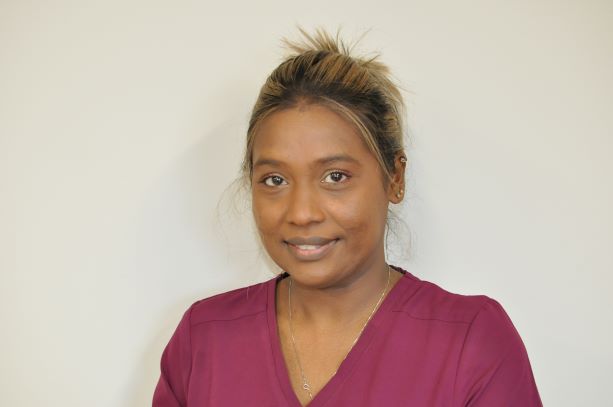
Meet Dr. George Ferzli

Jamaica Hospital would like to introduce you to Otolaryngologist (ENT Specialist), Dr. George Ferzli.  

Otolaryngologists treat conditions associated with the ear, nose, and throat and related structures of the head and neck. These are some of the most complex areas of the body as they affect your ability to breathe, eat, speak, and hear.

Dr. Ferzli is highly trained in facial plastic and reconstructive surgery and otolaryngology/head and neck surgery.

Dr. Ferzli completed his residency at S.U.N.Y Downstate Medical Center and continued his training in the highly coveted Facial Plastic and Reconstructive Surgery fellowship at the prestigious Lenox Hill Hospital. He is an active member of the American Academy of Facial Plastic Reconstructive Surgery and Otolaryngology.

He provides a wide variety of services for patients that include but are not limited to:

  • Nose and breathing procedures such as rhinoplasty
  • Adenoid surgery
  • Head and neck reconstruction
  • Tonsillectomy

One of the ways Dr. Ferzli helps his patients is by utilizing the latest technologies. He is aware of many new advances and has incorporated them into his patients’ treatment plans.

He is extremely happy to join the ENT Division at Jamaica Hospital, and work with a strong and diverse team of doctors. Dr. Ferzli feels that together they are building a much-needed service that can greatly benefit patients.

Dr. Ferzli treats patients at the following location:

TJH Surgical Services
89-05 135th Street
Jamaica, NY 11418
718-206-7110

All content of this newsletter is intended for general information purposes only and is not intended or implied to be a substitute for professional medical advice, diagnosis or treatment. Please consult a medical professional before adopting any of the suggestions on this page. You must never disregard professional medical advice or delay seeking medical treatment based upon any content of this newsletter. PROMPTLY CONSULT YOUR PHYSICIAN OR CALL 911 IF YOU BELIEVE YOU HAVE A MEDICAL EMERGENCY.

A “Honey” of a Cold Remedy

Honey and cinnamon have become indispensable ingredients in so many ways, not only because of their delicious flavor, but also because of their numerous benefits.

The tasty combo has been used for thousands of years  to add extra flavor to food, but if you have caught a summer cold and are coughing intensely,  honey and cinnamon is a  delicious, nutritious and effective all-natural cough syrup.

Ingredients:

One cup of honey

Three tablespoons of freshly squeezed lemon juice

One teaspoon of cinnamon

1/4 cup of lukewarm water.

Slowly mix the lemon juice with the honey and then gradually add the warm water and then take one or two teaspoons of this homemade cough syrup before going to bed, to relieve the symptoms of cough without experiencing any side effects.

If you cold lasts more than a week, you may want to seek the opinion of a health care professional. If you’d like to schedule an appointment at the Jamaica Hospital Medical Center’s Ambulatory Care Center, please call 718-206-7002.

All content of this newsletter is intended for general information purposes only and is not intended or implied to be a substitute for professional medical advice, diagnosis or treatment. Please consult a medical professional before adopting any of the suggestions on this page. You must never disregard professional medical advice or delay seeking medical treatment based upon any content of this newsletter. PROMPTLY CONSULT YOUR PHYSICIAN OR CALL 911 IF YOU BELIEVE YOU HAVE A MEDICAL EMERGENCY.

Is My Pain From Osteoarthritis Or A Similar Condition ?

Osteoarthritis is a common joint disease that typically affects parts of the body where joints are weight bearing such as the knees, hips, spine, hands or feet. It is caused by the wearing down of cartilage which is the tissue that cushions the bones where they meet each other to form a joint. Over time, the loss of cartilage will lead to bone rubbing against bone which causes them to erode and become painful with motion.

Osteoarthritis is sometimes mistaken for similar diseases that also cause joint pain. Some of these diseases include:

  • Psoriatic arthritis
  • Rheumatoid arthritis
  • Lupus
  • Reactive arthritis
  • Lyme disease
                   

A characteristic that distinguishes osteoarthritis from these diseases is the way that joint pain presents itself. For those suffering from osteoarthritis, pain usually occurs as a result of exertion of the joints, and typically occur during or after movement. The diseases that present with some of the same characteristics, movement within a joint is not usually reason for the pain to occur.

Diagnosing osteoarthritis is done by performing lab tests to check for indicators in the blood and also by performing x-rays to check for distinctive patterns of bone and joint involvement.

If you are experiencing symptoms of osteoarthritis such as joint pain or limited mobility, you can make an appointment with a specialist known as a rheumatologist who can make a diagnosis. Treatment of the disease may include medications, therapy or surgery.

To schedule an appointment with a physician at Jamaica Hospital Medical Center please call 718-206-6742.

All content of this newsletter is intended for general information purposes only and is not intended or implied to be a substitute for professional medical advice, diagnosis or treatment. Please consult a medical professional before adopting any of the suggestions on this page. You must never disregard professional medical advice or delay seeking medical treatment based upon any content of this newsletter. PROMPTLY CONSULT YOUR PHYSICIAN OR CALL 911 IF YOU BELIEVE YOU HAVE A MEDICAL EMERGENCY.