October Is Dental Hygiene Awareness Month

October is National Dental Hygiene Awareness Month. In celebration of this observance, Jamaica Hospital Medical Center’s Dental Clinic would like to share a few tips about good oral hygiene.

Here are a few tips to help make sure you maintain good oral health:

  • Maintenance – Don’t forget your dental routine and always remember to brush and floss your your teeth at least twice a day
  • Eat healthy – Cookies and sweets are nice treats, but instead of reaching for candy, fill your plate with crunchy vegetables such as celery.
  • Drink healthy – Avoid drinking sodas, sports drinks and juices with lots of sugar. Instead, drink water with fluoride in it to keep your teeth strong and healthy. If you want something bubbly, try carbonated water. If you must drink soda, use a straw to keep most of the acid off your teeth.
  • Consuming alcohol – Aside from all the obvious reasons to be responsible when consuming alcohol, also know that it can affect your teeth. Red wine can stain your teeth and the acid in most alcoholic beverages can also be damaging.
  • Dental check up – Whether it is a regular check-up or a visit to deal with an existing issue, it is important to make the time to schedule your regular dental check-ups.
  • Using your teeth as a tool – Avoid using your teeth to tear open packages, tear tape or ribbons, or cracking nuts. These types of cations can lead to chips or breaks.

If you are experiencing a dental issue or would like to schedule an appointment for a routine check up, please call the Jamaica Hospital Medical Center’s Dental Clinic at 718-206-6980.

All content of this newsletter is intended for general information purposes only and is not intended or implied to be a substitute for professional medical advice, diagnosis or treatment. Please consult a medical professional before adopting any of the suggestions on this page. You must never disregard professional medical advice or delay seeking medical treatment based upon any content of this newsletter. PROMPTLY CONSULT YOUR PHYSICIAN OR CALL 911 IF YOU BELIEVE YOU HAVE A MEDICAL EMERGENCY.

Understanding Over- The- Counter Sleep Aids

Insomnia is a common sleep disorder that is characterized by difficulty falling asleep or staying asleep.   Experiencing either of these issues may happen on occasion or can become chronic -occurring more than three times a week, for at least three months. 

Whether problems getting adequate sleep occurs occasionally or is a nightly struggle, it can lead to complications such as fatigue or problems concentrating which prompts many to seek relief.  

There are a number of ways to get relief from the effects of insomnia, one of which includes taking over-the-counter (OTC) sleep aids.

Over-the-counter sleep aids are widely available but should be used as a temporary solution (no longer than two weeks). Sleep experts advise against regular use because most OTC sleep aids rely on antihistamines to promote drowsiness. Others may also combine the pain reliever Acetaminophen or alcohol along with antihistamine as their primary active ingredients.

Long-term use of sleep aids containing these ingredients can lead to:

  • Dry mouth and throat
  • Daytime drowsiness
  • Feeling off balance
  • Constipation or urinary retention
  • Blurred vision
  • Dependency

It is important to keep in mind that OTC sleep aids are often not recommended for people with certain medical conditions such as asthma, chronic obstructive pulmonary disease, severe liver disease, sleep apnea or close-angle glaucoma.

Sleep aids may be used to provide temporary relief for insomnia; however, they should not be used as a replacement for creating healthy sleeping habits or seeking proper treatment.

Healthy sleep habits include:

  • Avoiding excessive blue light from electronics or cellphones before going to sleep
  • Going to bed and waking up at the same time each day if possible
  • Keeping naps short ( 30 minutes or less)
  • Avoiding caffeine or nicotine
  • Eating a healthy diet
  • Exercising regularly

If you are suffering from the effects of insomnia, speak with your doctor before taking a sleep aid.  Your doctor can inform you of possible drug interactions or medications that can affect underlying health conditions.  They may also recommend making an appointment with a sleep specialist who can properly diagnose your condition and offer treatments such as cognitive-behavioral therapy or prescribed sleep-inducing medications. To schedule an appointment with a sleep specialist at Jamaica Hospital Medical Center, please call 718-206-7001

All content of this newsletter is intended for general information purposes only and is not intended or implied to be a substitute for professional medical advice, diagnosis or treatment. Please consult a medical professional before adopting any of the suggestions on this page. You must never disregard professional medical advice or delay seeking medical treatment based upon any content of this newsletter. PROMPTLY CONSULT YOUR PHYSICIAN OR CALL 911 IF YOU BELIEVE YOU HAVE A MEDICAL EMERGENCY.
National Depression Screening Day

October 8th has been designated as National Depression Screening day, an annual event held during Mental Illness Awareness Week. This event was started 27 years ago as an effort to provide people with mental health education materials and give them resources for support services. National Depression Screening Day was also created with the hope of removing the stigma from mental illness.

The World Health Organization estimates that 350 million people worldwide suffer from depression. The organization states that early recognition and treatment of the disease offer the best opportunity for successful outcomes. If depression is left untreated it can lead to destructive behaviors and possibly suicide.

Depression screenings help to distinguish between short term feelings of sadness and stress due to transient life episodes, and more severe cases that can go on for months and years. The tests usually last between two to five minutes and the scores will indicate whether a further evaluation by a mental health professional is needed. It is important for people to know that help is available.

To schedule an appointment with the Mental Health Department of Jamaica Hospital
Medical Center, please call 718-206-7160.

All content of this newsletter is intended for general information purposes only and is not intended or implied to be a substitute for professional medical advice, diagnosis or treatment. Please consult a medical professional before adopting any of the suggestions on this page. You must never disregard professional medical advice or delay seeking medical treatment based upon any content of this newsletter. PROMPTLY CONSULT YOUR PHYSICIAN OR CALL 911 IF YOU BELIEVE YOU HAVE A MEDICAL EMERGENCY.

Breast Cancer Awareness Month

October is Breast Cancer Awareness month.   Did you know that breast cancer is one of the most common cancers found in women in the United States? It estimated that each year, one in eight women will develop invasive breast cancer in their lifetime.

Over 40,000 women are expected to lose their fight to disease. However, more women are surviving breast cancer due to improvements in treatment and early detection.

Cancer deaths can be decreased by as much as one-third with early detection and treatment.

Early detection can start from home.  Doctors suggest that women perform monthly breast self-exams.  In addition to yearly screenings and mammograms, self-exams can help women to monitor changes or abnormalities that may occur in her breasts.  It is important to remember that breast self-exams are never a substitute for clinical breast exams or mammograms.

The American Cancer Society recommends that women should begin receiving clinical breast exams in their twenties. Women below the age of forty are advised to receive them every three years. Those over 40 should schedule yearly mammograms and clinical breast exams.

Mammograms are one of the most effective breast screening and diagnostic tools; however, other tools such as MRI’s or ultrasounds may also be used to further evaluate abnormalities or help diagnose breast cancer.

Early and immediate treatment is one of the benefits women will gain from early detection of cancer. If you are age forty and older schedule an appointment for a mammogram as soon as possible.  The American College of Radiology is a great resource to find accredited facilities and breast imaging centers.

All content of this newsletter is intended for general information purposes only and is not intended or implied to be a substitute for professional medical advice, diagnosis or treatment. Please consult a medical professional before adopting any of the suggestions on this page. You must never disregard professional medical advice or delay seeking medical treatment based upon any content of this newsletter. PROMPTLY CONSULT YOUR PHYSICIAN OR CALL 911 IF YOU BELIEVE YOU HAVE A MEDICAL EMERGENCY.
Getting Help for Mental Health Issues is Nothing to Be Ashamed Of

Mental illness affects millions of Americans, yet not surprisingly, many of those who need help do not receive it. There are many reasons why – it could be due to limited availability of services, or a strong distrust of others, or those who are mentally ill might have such a sense of hopelessness that they do not seek care.

While all of these are factors as to why someone doesn’t seek support, perhaps the biggest single reason is a sense of fear and shame associated with admitting help is needed. This sense of shame is very common and it is only reinforced by society, which has attached stigmas to mental illness. The beliefs the public has about mental illness leads those who need help to avoid it so they are not labeled as “crazy” and have their condition negatively affect their personal relationships and career goals.

Getting society to overcome the stigmas associated with mental illness is the key to having more individuals come forward, but unfortunately, negative attitudes and beliefs toward people who have a mental health condition are common. These stigmas can lead to obvious and direct discrimination, such as someone making a negative remark about mental illness or it may be unintentional or subtle, such as someone avoiding an individual because they assume they could be unstable, violent or dangerous due to mental illness.

Those with mental illness should never be ashamed of their condition and here are some reasons why:

  • According to the World Health Organization, one out of four people will experience mental health problems at some point in their lives.
  • Shame is pretty much guaranteed to make things worse. Feelings of shame are proven to have detrimental effects on our mental and physical health
  • Mental illness is no one’s fault. No one asks to have a mental illness and it is definitely not a choice we make.
  • We’re not ashamed when our bodies get sick, so why should we be ashamed when our minds aren’t in top form.
  • There is no normal – our minds are complex things and no single brain is the same
  • Our mental health doesn’t define us. Don’t let your mental illness become who you are, it is just one aspect of you.

It’s time to speak out against the stigmas associated with mental illness and reframe the way we see it. Getting help is not a sign of weakness. It is a sign of strength.

Jamaica Hospital Medical Center advises anyone who feels they need help to get it.  Don’t let the fear of being labeled with a mental illness prevent you from seeking help. Treatment can provide relief and help you in life.

To make an appointment at Jamaica Hospital’s Outpatient Mental Health Center, please call 718-206-5575

All content of this newsletter is intended for general information purposes only and is not intended or implied to be a substitute for professional medical advice, diagnosis or treatment. Please consult a medical professional before adopting any of the suggestions on this page. You must never disregard professional medical advice or delay seeking medical treatment based upon any content of this newsletter. PROMPTLY CONSULT YOUR PHYSICIAN OR CALL 911 IF YOU BELIEVE YOU HAVE A MEDICAL EMERGENCY.
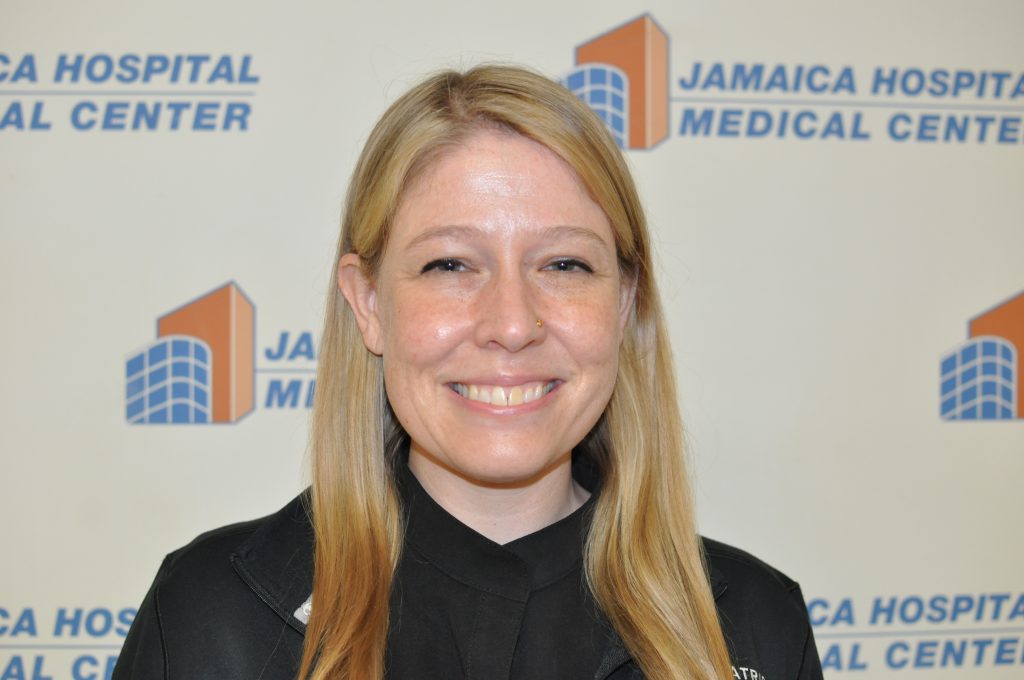
Resting Heart Rate

The normal resting heart rate range is from 60 to 100 beats per minute. When a healthy person has a heart rate closer to the lower number, it signifies a heart that pumps blood more efficiently.

A resting heart rate lower than 60 beats per minute is called bradycardia and a heart rate above 100 beats per minute is called tachycardia. If the heart rate is below 60 beats per minute, a person may experience fatigue or being dizzy. A heart rate above 80 beats per minute can indicate circulatory problems and a rate above 90 for an extended period of time can be linked to premature death if not better controlled.

Factors that can affect a resting heart rate include:

  • Body dimensions
  • Age
  • Air temperature
  • Medications
  • Body position
  • Chronic disease ( ex: diabetes, high cholesterol, and hypertension)
  • Smoking
  • Emotions
  • Stress level

You can measure a person’s heart rate by taking the index and middle finger and placing it either on the side of the neck, top of the foot, inside of the elbow or on the wrist. Count the number of beats you feel in 30 seconds and then double that number to get the number of beats per minute. A resting heart rate should not be taken within an hour of exercising, drinking a caffeinated beverage, or a stressful event. The American Heart Association recommends taking your heart rate upon waking up in the morning and before getting out of bed.

It is recommended that you check your heart rate a few times a week. If you notice any abnormalities schedule an appointment with your physician for a complete check-up. If you would like to schedule an appointment with a physician at Jamaica Hospital Medical center, please call 718-206-7001.

All content of this newsletter is intended for general information purposes only and is not intended or implied to be a substitute for professional medical advice, diagnosis or treatment. Please consult a medical professional before adopting any of the suggestions on this page. You must never disregard professional medical advice or delay seeking medical treatment based upon any content of this newsletter. PROMPTLY CONSULT YOUR PHYSICIAN OR CALL 911 IF YOU BELIEVE YOU HAVE A MEDICAL EMERGENCY.
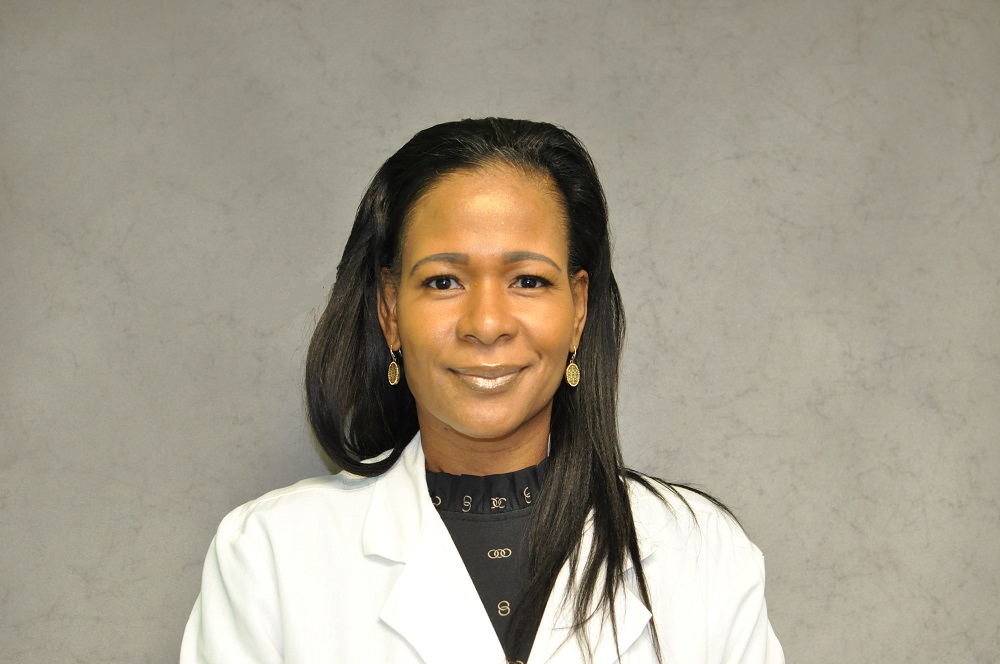
Ruptured Eardrum

The tympanic membrane or eardrum is a very important part of our ear.  This thin layer of tissue which divides the outer ear canal and middle ear helps to transmit sound vibrations. It also helps to protect the middle ear from foreign objects such as water or bacteria.

A rupture or tear of the eardrum can lead to serious complications such as hearing loss or infections of the middle ear.

There are a number of things that can cause our eardrums to rupture. They include:

  • Ear infections -When the middle ear is infected, this can result in fluid accumulating behind the eardrum.  Pressure from this buildup can cause the tympanic membrane to break.
  • Barotrauma- This occurs when there is a change in pressure. If the pressure inside the ear is drastically different from that outside the ear, this can lead to perforation. An example of this is when an airplane changes altitude causing air pressure in the cabin to rise or fall.
  • Direct trauma to the ear or side of the head- These injuries can be sustained from an ear slap or falling on the ear.
  • Acoustic trauma – A sudden, loud noise or blast such as an explosion can produce sound waves that are powerful enough to cause injury.
  • Foreign objects- Inserting objects such as a cotton swab or hairpin into the ear canal can puncture the eardrum.

Pain is the most common symptom of an eardrum rupture; however, you may also experience:

  • Ringing or buzzing in the ear
  • Dizziness or vertigo
  • Drainage of pus or fluid from the ear
  • Hearing loss

It is important that you see a doctor if any of these symptoms occur.   An Ear, Nose and Throat (ENT) doctor can determine if you have a ruptured eardrum by using an otoscope to conduct an inspection.  Additional testing can include, audiology exams, a tuning fork evaluation or tympanometry which measures the response of the eardrum to slight changes in air pressure.

According to Jamaica Hospital ENT specialist Dr. Sandra Ho, a ruptured eardrum can usually heal on its own. Depending on the reason for the perforation, painkillers and/or antibiotics may help during the healing process. However, if it does not heal in a few weeks, your ENT may recommend an eardrum patch. This procedure involves a doctor placing a medicated paper patch over the hole.  In some cases, surgery may be required to repair the perforated eardrum. This procedure is known as a tympanoplasty which involves taking tissue from another part of the body and grafting it onto the hole in the eardrum.

To schedule an appointment with Dr. Sandra Ho or other ENT specialists at Jamaica Hospital, please call 718-206-7110

All content of this newsletter is intended for general information purposes only and is not intended or implied to be a substitute for professional medical advice, diagnosis or treatment. Please consult a medical professional before adopting any of the suggestions on this page. You must never disregard professional medical advice or delay seeking medical treatment based upon any content of this newsletter. PROMPTLY CONSULT YOUR PHYSICIAN OR CALL 911 IF YOU BELIEVE YOU HAVE A MEDICAL EMERGENCY.
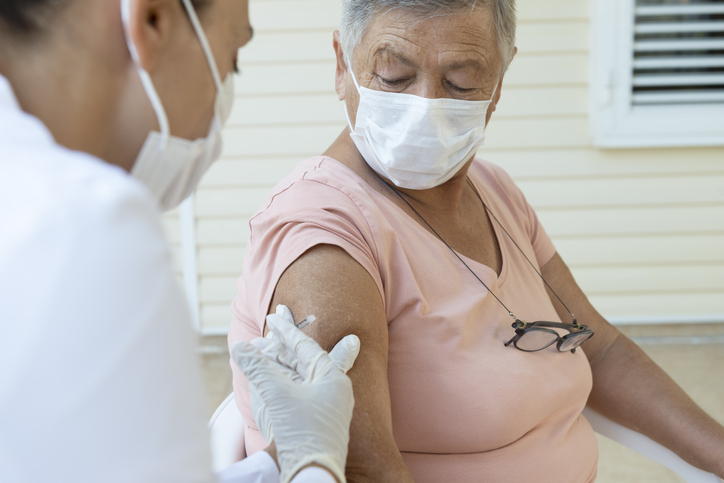
The Difference Between the Flu and Covid-19

Flu season has arrived in the midst of the COVID-19 pandemic, and for many it will be difficult to differentiate characteristics of the flu from those of COVID because they are very similar. Both can cause fever, body aches, a dry cough or fatigue.

While there are similarities shared between the two illnesses, there are a few key differences people should be aware of. According to the Centers for Disease Control and Prevention (CDC):

  • Signs and symptoms of COVID-19, different from flu, may include change in or loss of taste or smell.
  • If a person has COVID-19, it could take them longer to develop symptoms than if they had flu. Typically, a person with the flu develops symptoms anywhere from 1 to 4 days after infection. Symptoms of COVID usually develop 5 days after being infected, but symptoms can appear as early as 2 days after infection or as late as 14 days after infection, and the time range can vary.
  • If a person has COVID-19, they may be contagious for a longer period of time than if they had flu. Most people with flu are contagious for about 1 day before they show symptoms.

Older children and adults with flu appear to be most contagious during the initial 3-4 days of their illness but many remain contagious for about 7 days. For those with COVID, it is possible that they can spread the virus for about 2 days before experiencing signs or symptoms and remain contagious for at least 10 days after signs or symptoms first appeared.

Protecting your health from the flu and COVID is crucial because symptoms resulting from these viruses can lead to life-threatening complications. This can be achieved by getting a flu shot and following safety precautions such as practicing proper hand hygiene, wearing a mask and sanitizing frequently used surfaces.

If you are experiencing any of the symptoms associated with the flu or COVID-19, please consult your doctor about being tested for the coronavirus. To schedule an appointment with a doctor at Jamaica Hospital please call 718-206-7001.

All content of this newsletter is intended for general information purposes only and is not intended or implied to be a substitute for professional medical advice, diagnosis or treatment. Please consult a medical professional before adopting any of the suggestions on this page. You must never disregard professional medical advice or delay seeking medical treatment based upon any content of this newsletter. PROMPTLY CONSULT YOUR PHYSICIAN OR CALL 911 IF YOU BELIEVE YOU HAVE A MEDICAL EMERGENCY.

This Month We Shine Our Employee Spotlight on Joel Louis

This month we shine our Employee Spotlight on Joel Louis a security officer at Jamaica Hospital Medical Center

Joel Louis has been a security officer at Jamaica Hospital for five years. He was born and raised in Santo Domingo, Dominican Republic. After graduating in the early 1990’s with a Master’s Degree in fashion from the Mercy Jaquez School in the Dominican Republic he decided he wanted to come to the United States to pursue career opportunities.

Joel comes from a very tight knit family. He enjoys spending time with them, especially his son who he considers to be a miracle child because of how difficult it was for his wife to conceive. In his free time he enjoys drawing and sewing. He enjoys dining out, going to see movies that are comedies and when possible, going to fashion events. He also hopes to complete the book he is writing which he entitled “Reason to Live”.

Joel currently resides in Richmond Hill which he likes because it feels like a nice community. Working at Jamaica Hospital also feels like a community to him and he takes pride in contributing to its well-being by keeping everyone safe.  As part of his goal to ensure the safety of others, Joel made over 2,000 masks which he donated to healthcare facilities including ours. He looks forward to many more years at the hospital and we are happy to shine the spotlight on him this month.

All content of this newsletter is intended for general information purposes only and is not intended or implied to be a substitute for professional medical advice, diagnosis or treatment. Please consult a medical professional before adopting any of the suggestions on this page. You must never disregard professional medical advice or delay seeking medical treatment based upon any content of this newsletter. PROMPTLY CONSULT YOUR PHYSICIAN OR CALL 911 IF YOU BELIEVE YOU HAVE A MEDICAL EMERGENCY.

The History of Eye Glasses

Over 60 percent of the adult population in the United States today wears eyeglasses. Modern day eyeglasses have their roots that date back more than 1000 years. In the middle ages Monks were known to use reading stones that were glass spheres, sometimes filled with water,  that were placed on top of objects in order to magnify them. The first documented use of eyeglasses was attributed to being developed in Italy.  In the 13th century Venetian glass blowers made the first solid glass lenses that were held by frames and that were a primitive version of modern day wearable eyeglasses.
In the 17th century eyeglasses started to be made that could correct vision. Glasses could be made with either concave lenses, for nearsightedness, or convex lenses for farsightedness. Benjamin Franklin invented bifocal lenses in 1784. Glass was the material used in the production of eyeglasses for centuries until the latter part of the 20th century when plastic became widely used in eyeglasses as it was lighter and safer than glass. Now many eyeglasses are being made from polycarbonate which is lighter still and more resilient to scratches.

All content of this newsletter is intended for general information purposes only and is not intended or implied to be a substitute for professional medical advice, diagnosis or treatment. Please consult a medical professional before adopting any of the suggestions on this page. You must never disregard professional medical advice or delay seeking medical treatment based upon any content of this newsletter. PROMPTLY CONSULT YOUR PHYSICIAN OR CALL 911 IF YOU BELIEVE YOU HAVE A MEDICAL EMERGENCY.