Employee Spotlight Shines on Mukid Khan

This month, we are proud to shine our Employee Spotlight on Mukid Khan, Epic Systems Analyst  and Registered Respiratory Therapist . Today is a little more special for this recognition because it is also Mukid’s birthday.

Mukid has been with Jamaica Hospital Medical Center for 10 years. He began his career with us as a Registered Respiratory Therapist;  he still continues to fill this role on a per diem basis. His full time position now is as an Epic Systems Analyst.

Mukid grew up in Queens. He lived in Astoria until the age of 16 then moved to Jamaica. He now resides in Forest Hills. He attended P.S. 85 in Astoria, Middle College High School in Long Island City and went on to get his B.S. in Respiratory Care at SUNY Stony Brook. A few years later, Mukid went on to graduate school at SUNY Downstate Health Sciences University where he obtained his M.S. in Medical Informatics.

In his free time, he enjoys listening to thought-provoking podcasts, watching indie films with ambiguous endings, experiencing art shows, and live musical events. Mukid likes to travel to new places. The most memorable places he has visited are the temples and shrines of Kyoto, Japan and the Corn Islands of Nicaragua. He enjoys eating various types of food, his favorites being Nicaraguense, Bangladeshi, and Japanese.  Mukid likes music that is melodic especially house and rock. His hobbies include photography, hiking, gaming, experimenting with new recipes, and also mixing music. His favorite annual holiday-time movie is the Lord of Rings Trilogy.

The priorities in his life are his wife and best friend Cristina, family, friends and his cat Kuma.  Also important to him are the pursuit of knowledge, understanding and justice.

We look forward to Mukid continuing to work with us for many more years.

All content of this newsletter is intended for general information purposes only and is not intended or implied to be a substitute for professional medical advice, diagnosis or treatment. Please consult a medical professional before adopting any of the suggestions on this page. You must never disregard professional medical advice or delay seeking medical treatment based upon any content of this newsletter. PROMPTLY CONSULT YOUR PHYSICIAN OR CALL 911 IF YOU BELIEVE YOU HAVE A MEDICAL EMERGENCY.
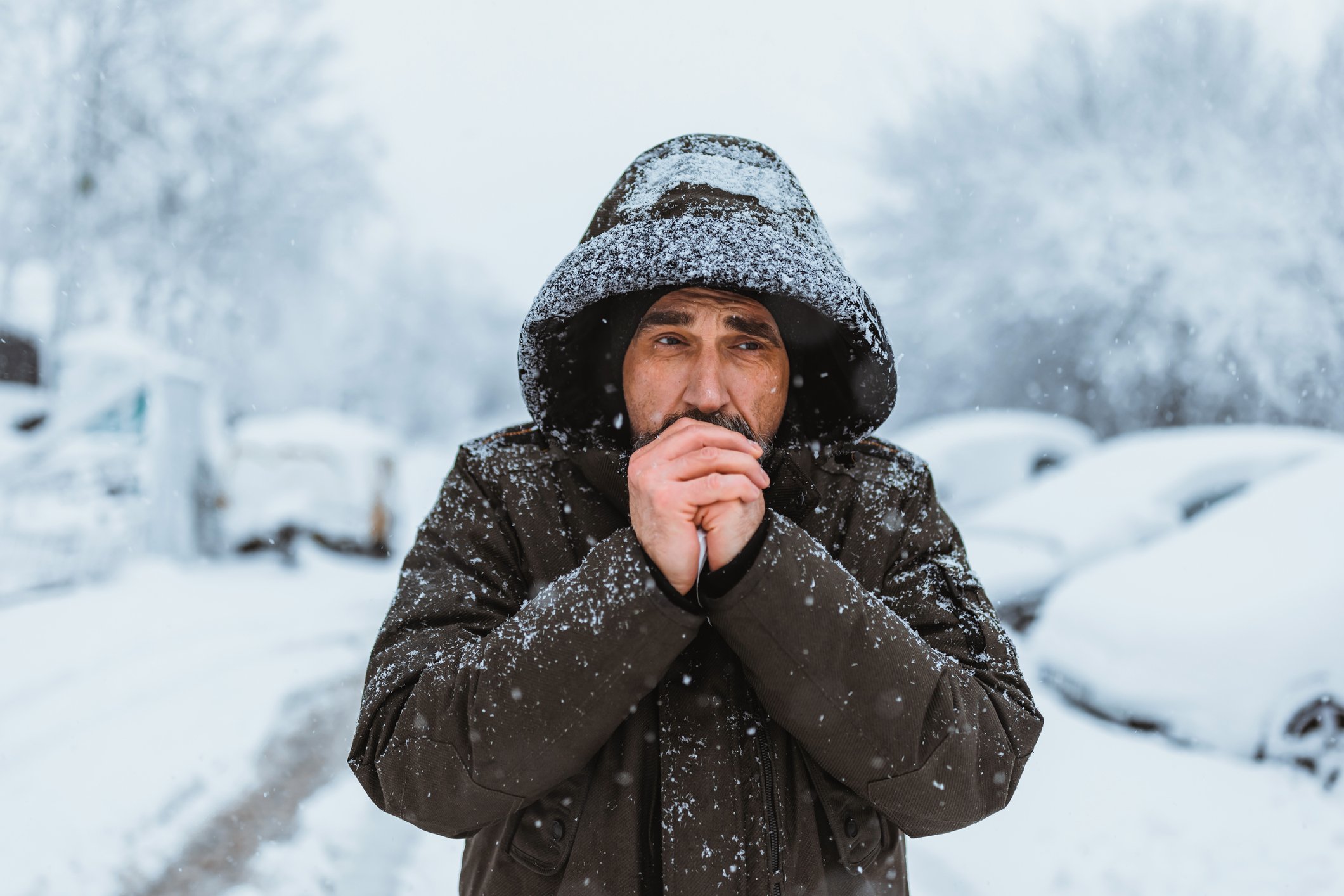
5 Essential Clothing Items for Preventing Frostbite

Winter in New York City can be very cold due to windy weather and temperatures that often reach below freezing. If you are not adequately prepared, you face a greater risk of suffering from frostbite, which occurs when the skin and deeper layers of tissue freeze.

Frostbite can introduce a variety of long-term complications such as long-term numbness in the affected area, changes in skin color, loss of nails, arthritis, and gangrene, which can lead to an amputation. It’s most likely to occur when a part of your body is insufficiently protected against cold weather, but factors such as alcohol usage, smoking, and a history of previous frostbite incidents can increase your risk.

One of the most important steps you can take to prevent frostbite is to stock your wardrobe with clothing that provides adequate protection against the cold. Make sure you have each of the following items:

An insulated, windproof hat that covers your ears: Your ears are at a greater risk of experiencing frostbite than other parts of your body, making it important to wear a hat that covers them and adequately protects them against cold temperatures and wind.

An adequately-insulated jacket: Some of the best jackets for protecting against cold weather are waterproof and feature down insulation with a fill power between 500 and 900, with the higher end of this range indicating superior quality. Other materials that offer good insulation include wool, silk, and fur. Types of jackets you may want to look for include puffer jackets and parkas.

Mittens: Your hands are typically better protected against the cold by mittens rather than gloves. As with your jacket, look for materials such as wool or silk to ensure your mittens can adequately retain heat.

Boots: Whether the weather conditions you walk in are snowy, rainy, or dry, winter boots can provide better protection against both cold wind and water than other types of footwear such as sneakers. As with other clothing items, look for boots that are waterproof, windproof, and insulated.

Moisture-wicking shirts and socks: Even in very cold weather, you can potentially work up a sweat, leaving you vulnerable to cold wind. Choose moisture-wicking shirts, socks, and other under-layers of clothing, as these will move the sweat you produce to their outer layers.

If you develop frostbite this winter, visit a doctor as soon as possible. You can schedule an appointment at Jamaica Hospital Medical Center’s Ambulatory Care Center by calling (718) 206-7001.

All content of this newsletter is intended for general information purposes only and is not intended or implied to be a substitute for professional medical advice, diagnosis or treatment. Please consult a medical professional before adopting any of the suggestions on this page. You must never disregard professional medical advice or delay seeking medical treatment based upon any content of this newsletter. PROMPTLY CONSULT YOUR PHYSICIAN OR CALL 911 IF YOU BELIEVE YOU HAVE A MEDICAL EMERGENCY.

Tips for Keeping Your New Year’s Resolution

Many people feel that the beginning of the New Year is the perfect time to get a “fresh start” on goals they would like to accomplish. While we may start off with good intentions, many people don’t follow through on their resolutions for more than a week or two. It may take time for a new habit or goal to become part of a daily routine, and those wanting immediate results may lose patience.

Here are some helpful suggestions for keeping your New Year’s resolutions this year:

  • Set goals that are realistic
  • Plan your goals in advance
  • Write down a plan on how you will achieve your goals
  • Tell others who you can trust to help you with your plan
  • Give yourself a reward when you reach certain levels of these goals
  • Keep track of your progress by writing it down
  • Don’t give up if the first attempt fails, try again.

Be patient with yourself. Changing a habit or starting a new routine can take time to get used to. If you don’t succeed with the first attempt, think about what went wrong and try to modify that behavior. You can always try again.

All content of this newsletter is intended for general information purposes only and is not intended or implied to be a substitute for professional medical advice, diagnosis or treatment. Please consult a medical professional before adopting any of the suggestions on this page. You must never disregard professional medical advice or delay seeking medical treatment based upon any content of this newsletter. PROMPTLY CONSULT YOUR PHYSICIAN OR CALL 911 IF YOU BELIEVE YOU HAVE A MEDICAL EMERGENCY.

Make Your Smile a Priority in 2023

We have all made New Year’s resolutions at some point in our lives. Many of these annual vows revolve around improving our health.  Typical resolutions may include losing weight, quitting smoking, or beginning an exercise routine, but what about our oral health? The New Year is also a good time to commit ourselves to better dental care.

Make 2023 the year you look to improve your smile. Some ways to help you meet this goal include:

  • Practice Good Oral Hygiene– Daily brushing and flossing is a simple way to improve oral health. For successful bacterial plaque removal, it is important to brush at least twice a day and floss at least once per day to remove bacterial plaque and food that has accumulated throughout the day. Daily brushing and flossing help to prevent gingivitis (gum disease), tooth decay and halitosis (bad breath). The daily use of antimicrobial and fluoride mouth rinses also helps to improve your oral health.
  • Watch What You Eat and Drink– An essential part of achieving your dental health resolutions is making healthier food and beverage choices, especially for snacks. Frequent consumption of food and beverages containing carbohydrates and acids contributes to tooth decay.
  • Quit Smoking– Quitting cigarette smoking and smokeless tobacco use is important for improving your oral and overall health. There is no better time than the present to make a resolution to stop tobacco use. Consider free online tools, smoking cessation groups, progress-tracking apps and support from friends and family to assist you with tobacco cessation.
  • Use Whitening Products– There are several over-the-counter smile-improving products that you can use to whiten your teeth when you brush and floss. In recent years, tooth whitening has acquired enormous popularity because it can enhance the appearance of teeth by removing deep (intrinsic) or surface (extrinsic) stains.
  • Receive Regular Check-Ups– A resolution to make routine visits to the dentist may help prevent oral disease or reveal an existing disease in its early stage. Dental visits should take place every six months to allow your dentist and dental hygienists to monitor the condition of your oral cavity and develop an appropriate treatment plan to meet your wants and needs.

Some however might need to make more than a few lifestyle changes to address their dental needs. For those, a dentist or orthodontist can help. Make this the year you stop putting off having dental work done. An orthodontist can correct an overbite or straighten crooked teeth and a dentist can address your need for crowns, implants, or fillings to preserve your tooth structure.

To make an appointment at Jamaica Hospital Medical Center’s Dental Center, please call 718-206-6980

All content of this newsletter is intended for general information purposes only and is not intended or implied to be a substitute for professional medical advice, diagnosis or treatment. Please consult a medical professional before adopting any of the suggestions on this page. You must never disregard professional medical advice or delay seeking medical treatment based upon any content of this newsletter. PROMPTLY CONSULT YOUR PHYSICIAN OR CALL 911 IF YOU BELIEVE YOU HAVE A MEDICAL EMERGENCY.

A Healthy Holiday Eggplant Ricotta Bites Recipe

It is the holiday season, a time of year when people tend to do eat special treats. Whether you are having company at your home or will be visiting others in theirs, this recipe from the Food Network for eggplant ricotta bites  will definitely put a smile on people’s faces.

https://www.foodnetwork.com/recipes/food-network-kitchen/eggplant-ricotta-bites-recipe-1973666

All content of this newsletter is intended for general information purposes only and is not intended or implied to be a substitute for professional medical advice, diagnosis or treatment. Please consult a medical professional before adopting any of the suggestions on this page. You must never disregard professional medical advice or delay seeking medical treatment based upon any content of this newsletter. PROMPTLY CONSULT YOUR PHYSICIAN OR CALL 911 IF YOU BELIEVE YOU HAVE A MEDICAL EMERGENCY.

What is a Blood Clot ?

A blood clot is the body’s way of preventing excess bleeding when a blood vessel is damaged. Clots are made up of cells in the blood called platelets combined with proteins found in the plasma. However, under normal circumstances the clot will dissolve naturally after the blood vessel heals. A blood clot can become dangerous when it forms without an injury to a blood vessel, and if it fails to dissolve naturally.

Blood clots can form in either the arteries or veins. When they form in veins, blood flow back to the heart is restricted. This can cause swelling and pain in the area where the clot has formed. When a blood clot forms in an artery, it will deprive vital organs of oxygen needed to function properly. In some cases this can lead to a heart attack or a stroke.

Risk factors for developing a clot include:

  • Smoking
  • Taking oral contraceptives
  • Trauma
  • Obesity
  • Diabetes
  • High blood pressure
  • Prolonged inactivity
  • Pregnancy
  • Family history
  • History of cancer
  • Age 65 or older
  • Bone fracture

The symptoms of a blood clot vary depending on the part of the body that is affected. Symptoms can include weakness in arms, legs, face, dizziness, shortness of breath, sharp chest pain, sweating, nausea, blurry vison and coughing up blood.

Treatment of a blood clot is dependent on where the clot is located. Some clots can be treated with blood thinners while others may require surgical intervention.

If you are experiencing any of the signs and symptoms of a blood clot, it is important that you seek immediate medical attention. You should call your physician or call 9-1-1 and go to the nearest emergency room to be evaluated.

All content of this newsletter is intended for general information purposes only and is not intended or implied to be a substitute for professional medical advice, diagnosis or treatment. Please consult a medical professional before adopting any of the suggestions on this page. You must never disregard professional medical advice or delay seeking medical treatment based upon any content of this newsletter. PROMPTLY CONSULT YOUR PHYSICIAN OR CALL 911 IF YOU BELIEVE YOU HAVE A MEDICAL EMERGENCY.

The Great American Smokeout

Today is the Great American Smokeout, an annual event when the American Cancer Society encourages everyone to quit smoking. This event helps to make people aware of the dangers of using tobacco products as well as the tools that are available to help them quit smoking.

The Great American Smokeout started in 1970 in a small town in Massachusetts. People were asked to give up smoking for one day and to take the money that they would have spent on cigarettes and donate it to a local high school scholarship fund. The event spread to other cities both large and small and eventually led to legislation that bans smoking in workplaces, restaurants, and other public spaces both indoors and outdoors.

Smoking  is responsible for one in five deaths in the United States today. Lung cancer is the leading cause of death in both men and women. Smoking is also the cause of cancer of the larynx, mouth, sinuses, throat, esophagus, and the bladder. The number of people who smoke has dramatically decreased in the United States since the anti-smoking campaigns began. In 1965 it was estimated that over 40 percent of the population were smokers and today that number is around 18 percent.

Smokers have the best chances of quitting if they use at least two of the following methods:

  • Smoking Cessation Groups
    • Nicotine substitute products
    • Support from family and friends
    • Telephone quit lines
    • Counseling
    • Prescription medications that help to reduce the urge to smoke

If you would like more information about quitting smoking please call the American Cancer Society at 1-800-227-2345. If you would like to schedule an appointment with a doctor at Jamaica Hospital to discuss smoking cessation, please call 718-206-8494.

All content of this newsletter is intended for general information purposes only and is not intended or implied to be a substitute for professional medical advice, diagnosis or treatment. Please consult a medical professional before adopting any of the suggestions on this page. You must never disregard professional medical advice or delay seeking medical treatment based upon any content of this newsletter. PROMPTLY CONSULT YOUR PHYSICIAN OR CALL 911 IF YOU BELIEVE YOU HAVE A MEDICAL EMERGENCY.

The Mako SmartRobotics Surgical Platform At Jamaica Hospital

Jamaica Hospital Medical Center is proud to introduce the innovative Mako SmartRobotics surgical platform to our Department of Orthopedic Surgery. This state-of-the-art advancement in joint replacement surgery transforms the way total knee, partial knee, and total hip replacements are performed, resulting in better outcomes for our patients.

Mako SmartRobotics uses 3D CT-based planning. To get a detailed three-dimensional model of the surgical area prior to surgery. This allows the surgeon to receive the most accurate images of the joint and surrounding area.  “Through the use of 3D-CT-based planning, we know more about my patients prior to surgery than ever before. This increased knowledge allows our surgeons to make fewer and smaller incisions, resulting in less soft tissue damage for some patients or greater bone preservation for others.” stated Dr. Sanjit Konda, Chairman of Orthopedic Surgery at Jamaica Hospital “Mako’s 3D CT provides me the opportunity to create a personalized plan based on each patient’s unique anatomy before entering the operating room. During surgery, we can validate that plan and make any necessary adjustments while guiding the robotic arm to execute that plan. It’s exciting to be able to offer this transformative technology across the joint replacement service line.”

According to the American Joint Replacement Registry, over 2.2 million hip and knee replacement surgeries are performed in the United States every year and those numbers are projected to increase. The most common reasons someone receives either hip or knee replacement surgery include joint destruction due to arthritis, wear and tear, or a fracture due to injury.  Unfortunately, the increase in joint replacement procedures coincides with a growing number of patients dissatisfied with the results of conventional hip and knee replacement surgery. Some of the most common complaints shared by patients are high levels of pain, increased hospital length of stay, a long rehabilitation process, and restricted flexibility. The Mako SmartRobotics surgical system addresses these issues as patients have reported experiencing less pain, less need for inpatient physical rehabilitation, shorter hospital stays, greater flexibility, and greater soft tissue protection.

The addition of the Mako system is the latest advancement for the Department of Orthopedic Surgery at Jamaica Hospital. “We are proud to offer this highly advanced SmartRobotics technology in our area,” said Dr Konda. “This addition to our orthopedic service line further demonstrates our commitment to provide our community with the highest quality care.”

All content of this newsletter is intended for general information purposes only and is not intended or implied to be a substitute for professional medical advice, diagnosis or treatment. Please consult a medical professional before adopting any of the suggestions on this page. You must never disregard professional medical advice or delay seeking medical treatment based upon any content of this newsletter. PROMPTLY CONSULT YOUR PHYSICIAN OR CALL 911 IF YOU BELIEVE YOU HAVE A MEDICAL EMERGENCY.

What is RSV?

RSV (respiratory syncytial virus) is a respiratory illness that is typically most prevalent during the fall, winter, and early spring seasons. Most children born in the United States will have experienced it at some point before their second birthday.

The virus often presents symptoms similar to those of a cold, including a runny nose, coughing or wheezing, fever, and decreased appetite. These symptoms usually appear approximately four to six days after infection, but may not appear all at once.

While it usually does not lead to hospitalization, RSV can be particularly dangerous to children if it causes bronchiolitis or pneumonia to develop; it’s the most common cause of both of these illnesses in children under the age of one. If an infant develops either of these conditions, becomes dehydrated, or experiences significant difficulty breathing, the situation could become more serious and require hospital care.

RSV can also be especially dangerous for older adults, accounting for approximately 177,000 hospitalizations in adults over the age of 65.

The virus is usually spread through:

  • Bodily fluids such as mucus, saliva, or droplets
  • Surfaces that have the virus on them
  • Direct contact such as kissing an infected person

The best way to decrease the risk of an older adult or infant developing RSV is to prevent as many means of transmission as possible and promptly get them medical care if their symptoms seem to be worsening.

People and children who are at risk of developing severe cases of RSV should:

  • Avoid close contact with infected people and, if possible, close-contact settings such as daycare centers where RSV can more easily spread
  • Frequently wash their hands with soap and water for 20 seconds and refrain from touching their face until after they’ve done so

If you are sick with RSV, you should:

  • Avoid close contact with non-infected people
  • Frequently clean surfaces you’ve touched with disinfectant
  • Wear a mask and/or cover coughs and sneezes with a sleeve or tissue
  • Frequently wash your hands with soap and water for 20 seconds

If you or someone you know has developed RSV symptoms that require medical attention, you can schedule an appointment at Jamaica Hospital Medical Center’s Ambulatory Care Center by calling (718) 206-7001 now.

All content of this newsletter is intended for general information purposes only and is not intended or implied to be a substitute for professional medical advice, diagnosis or treatment. Please consult a medical professional before adopting any of the suggestions on this page. You must never disregard professional medical advice or delay seeking medical treatment based upon any content of this newsletter. PROMPTLY CONSULT YOUR PHYSICIAN OR CALL 911 IF YOU BELIEVE YOU HAVE A MEDICAL EMERGENCY.

Foods That Are Rich in Probiotics

Probiotics are live bacterial organisms that can be consumed as dietary supplements and are also found in certain food items.  They are considered to be good bacteria that can lessen the symptoms of a variety of bowel disorders. Probiotics may improve digestive health, reduce depression, and promote heart health.

Foods that are rich in probiotics are:

  • Yogurt
  • Kefir
  • Sauerkraut
  • Sourdough bread
  • Tempeh
  • Kimichi
  • Miso
  • Pickles
  • Traditional buttermilk
  • Natto
  • Some types of cheeses (Edam, Cheddar, Gouda, Provolone, Swiss)

Probiotics are beneficial and generally very safe to consume; however, as with any supplements, speak to your physician first before taking a probiotic in supplement form.

All content of this newsletter is intended for general information purposes only and is not intended or implied to be a substitute for professional medical advice, diagnosis or treatment. Please consult a medical professional before adopting any of the suggestions on this page. You must never disregard professional medical advice or delay seeking medical treatment based upon any content of this newsletter. PROMPTLY CONSULT YOUR PHYSICIAN OR CALL 911 IF YOU BELIEVE YOU HAVE A MEDICAL EMERGENCY.