
Employee Spotlight Shines on Bibi Samlall

This month, we are proud to shine our Employee Spotlight on Bibi Samlall, Ambulatory Care Representative in the Emergency Department.  Bibi has been working at Jamaica Hospital Medical  Center for 10 years.

Bibi is a native of Georgetown, Guyana where she grew up and attended Charlestown Secondary School. She is currently enrolled in nursing school where she is pursuing her dream of becoming a registered nurse.

Bibi moved to the United States in 1999, first living in Queens. Currently, Bibi lives in Valley Stream,  on Long island. She has two children, a son Rohan who is 19 and a daughter Raveena who is 23.  In her free time, Bibi likes to watch movies, listen to music, her favorite being Bollywood and Chutney,  and spending time with her family. When she has time off from work and school, she enjoys traveling. Some of her favorite places to visit are Aruba, Jamaica, and the Dominican Republic. Bibi enjoys many different types of food, especially chicken curry and fried rice. She enjoys bike riding and her favorite sport is cricket. The things in life that are most important to Bibi are spending quality time with her family, her education and having gratitude for everything she has.

Bibi has always wanted to work in a healthcare setting, especially in one that prioritizes patient care and satisfaction. This is why she enjoys working at Jamaica Hospital Medical Center. Her priorities at work are to make sure that every patient has a pleasant experience. Her colleagues are like family to her and this helps all of them with their overall job satisfaction. We look forward to Bibi continuing to work with us for many more years to come.

All content of this newsletter is intended for general information purposes only and is not intended or implied to be a substitute for professional medical advice, diagnosis or treatment. Please consult a medical professional before adopting any of the suggestions on this page. You must never disregard professional medical advice or delay seeking medical treatment based upon any content of this newsletter. PROMPTLY CONSULT YOUR PHYSICIAN OR CALL 911 IF YOU BELIEVE YOU HAVE A MEDICAL EMERGENCY.
National Infant Immunization Week

Infants under the age of two are susceptible to a variety of serious illnesses that can significantly harm or even kill them, as their immune system is still in an early stage of development. This is why the Centers for Disease Control and Prevention (CDC) recommends a series of immunizations that can protect infants against some of the most dangerous diseases to their health.

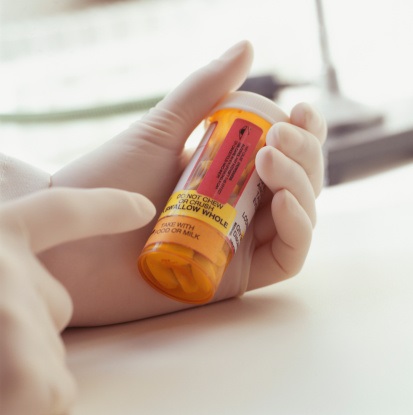
Many parents may have concerns about vaccinating their children due to potential side effects. While mild adverse reactions are possible with many vaccines, they typically disappear on their own within a few days. Generally, the side effects most children may expect include reactions such as fever, fatigue, body aches, and swelling or tenderness around the site of the injection. More serious, long-lasting side effects are extremely rare.

Vaccines such as those given to infants only use the ingredients necessary to be safe and effective. These ingredients may often include adjuvants (commonly found in antacids and antiperspirants) and stabilizers (such as sugar or gelatin). Additionally, all vaccines go through extensive lab testing, often for years, before they are available to the general public.

The CDC recommends vaccinating children under the age of two against:

  • Hepatitis B
  • Rotavirus
  • Diphtheria, tetanus, & acellular pertussis
  • Haemophilus influenzae type b
  • Pneumococcal conjugate
  • Inactivated poliovirus
  • COVID-19
  • Influenza
  • Measles, mumps, rubella
  • Varicella
  • Hepatitis A

You can find the complete schedule of recommended vaccines for your child by age on the CDC’s website. To schedule an appointment for your child to receive the vaccines they need, you can call Jamaica Hospital Medical Center’s Ambulatory Care Center at 718-206-7001.

All content of this newsletter is intended for general information purposes only and is not intended or implied to be a substitute for professional medical advice, diagnosis or treatment. Please consult a medical professional before adopting any of the suggestions on this page. You must never disregard professional medical advice or delay seeking medical treatment based upon any content of this newsletter. PROMPTLY CONSULT YOUR PHYSICIAN OR CALL 911 IF YOU BELIEVE YOU HAVE A MEDICAL EMERGENCY.

What is a Bunion ?

Bunions are a bony bump that forms at the joint located at the base of the big toe. This is also called the base of the first metatarsophalangeal joint (MTP).

Bunions are most commonly seen when there is a lot of pressure over time on the big toe, often due to wearing tight fitting shoes that push the big toe out of its natural alignment. Women experience this more often than men. Additional causes of bunions include genetic factors, walking in a manner that causes misalignment of the big toe, standing on one’s feet for extended periods over the course of many months or years, and certain disorders like lupus and rheumatoid arthritis.

In severe bunions, a person may experience symptoms such as:

  • Redness at the inside base of the big toe
  • Stiffness of the big toe
  • Pain at the base of the big toe
  • Swelling of the big toe
  • Callouses at base of the big toe
  • Overlapping of the adjacent smaller toes

Typically, bunions are diagnosed by physical examinations and an x-ray when needed. Treatment for a bunion depends on the severity. These are the most common treatment modalities:

  • Change shoe gear
  • Take pain medication
  • Injections to reduce inflammation
  • Physical therapy
  • Surgical correction
  • Apply padding to affected area

If you are experiencing discomfort from a bunion, and would like to schedule an appointment with a podiatrist at Jamaica Hospital Medical Center, you may call 718-206-7001.

All content of this newsletter is intended for general information purposes only and is not intended or implied to be a substitute for professional medical advice, diagnosis or treatment. Please consult a medical professional before adopting any of the suggestions on this page. You must never disregard professional medical advice or delay seeking medical treatment based upon any content of this newsletter. PROMPTLY CONSULT YOUR PHYSICIAN OR CALL 911 IF YOU BELIEVE YOU HAVE A MEDICAL EMERGENCY.

April is Autism Awareness Month

April was designated as National Autism Awareness Month in 1970. The idea to recognize a month for autism awareness came from Dr. Bernard Rimland, Ph.D who was an autism researcher. In April 1988, President Ronald Reagan made it official with a proclamation declaring April as Autism Awareness Month. It is meant to bring attention and a better understanding of this disorder.

The symbol of autism is a puzzle piece that represents power, strength, hope, and unity for people who are diagnosed with this disorder.

According to the Centers for Disease Control, in the United States, autism affects approximately one in 36 children and one in 45 adults. They also state that autism is seen more frequently in boys than in girls, is found in people of all ethnicities and  races, and it affects people who have it in many different ways. Some people have very mild cases and some have very severe manifestations. Some children are verbal while others may not be. Some children, but not all,   have intellectual issues, and some can be high functioning while others require assistance with activities of daily living. Signs of autism can be seen in children as young as age two or three and the diagnosis can usually  be made definitively by age five.

All content of this newsletter is intended for general information purposes only and is not intended or implied to be a substitute for professional medical advice, diagnosis or treatment. Please consult a medical professional before adopting any of the suggestions on this page. You must never disregard professional medical advice or delay seeking medical treatment based upon any content of this newsletter. PROMPTLY CONSULT YOUR PHYSICIAN OR CALL 911 IF YOU BELIEVE YOU HAVE A MEDICAL EMERGENCY.
Enjoy This Easy to Prepare and Healthy Springtime Recipe for Minestrone

Here is a healthy, easy to prepare, and delicious springtime recipe for minestrone with fresh vegetables from the Food Network.  https://www.foodnetwork.com/recipes/food-network-kitchen/minestrone-with-spring-greens-12544874

All content of this newsletter is intended for general information purposes only and is not intended or implied to be a substitute for professional medical advice, diagnosis or treatment. Please consult a medical professional before adopting any of the suggestions on this page. You must never disregard professional medical advice or delay seeking medical treatment based upon any content of this newsletter. PROMPTLY CONSULT YOUR PHYSICIAN OR CALL 911 IF YOU BELIEVE YOU HAVE A MEDICAL EMERGENCY.

What is an Elimination Diet ?

Foods that you’re allergic to can cause you to experience a variety of symptoms, including gas, bloating, nausea, or diarrhea. While these types of problems are rarely life-threatening allergic reactions, they can cause significant discomfort and disruption in your daily life. However, you may not know for certain which exact foods are causing these reactions. An elimination diet can help you identify them.

Elimination diets involve removing, then later re-adding, certain foods from your diet which are suspected to be the cause of allergic reactions. This diet is typically only maintained for a brief period of up to six weeks.

An elimination diet is typically divided into an “elimination” phase and a “reintroduction” phase. During the elimination phase, potential allergens are removed from your diet. These typically include foods such as:

  • Nuts
  • Seeds
  • Legumes
  • Dairy products
  • Starchy foods
  • Caffeinated drinks
  • Spices
  • Meat
  • Fish
  • Sugary products
  • Certain fruits and vegetables

During the reintroduction phase, you once again start to eat each food group you’ve cut out of your diet. Each of these groups is individually re-introduced over the course of up to three days, providing adequate time to watch for potential symptoms.

Different versions of the elimination diet, such as the low-FODMAPs diet (which targets short-chain carbohydrates), only remove specific food groups. Alternatively, varieties such as the fasting elimination diet, which involves only drinking water for up to five days, may be more extreme than the standard version.

No matter which version of the elimination diet you plan to try, you should only do so under the supervision of a medical professional. The re-introduction of food allergens can potentially cause anaphylaxis, a severe reaction that causes airways to swell and restricts your breathing. Extreme varieties such as the fasting elimination diet can be especially dangerous to your health without the guidance of a doctor.

If you suspect you have a food allergy and plan to follow an elimination diet, schedule an appointment with a registered dietician at Jamaica Hospital Medical Center’s Outpatient Nutritional Services Department by calling (718) 206-7056.

All content of this newsletter is intended for general information purposes only and is not intended or implied to be a substitute for professional medical advice, diagnosis or treatment. Please consult a medical professional before adopting any of the suggestions on this page. You must never disregard professional medical advice or delay seeking medical treatment based upon any content of this newsletter. PROMPTLY CONSULT YOUR PHYSICIAN OR CALL 911 IF YOU BELIEVE YOU HAVE A MEDICAL EMERGENCY.
Surprising Things That Can Raise Your Blood Sugar

High blood sugar can lead to various health problems for people living with diabetes. Therefore, it is important to be mindful of triggers that may cause blood sugar levels to elevate.

  • Stress – causes release of certain hormones that raise blood sugar
  • Sunburn – because the pain raises stress
  • Lack of sleep – causes the body to not properly use insulin
  • Artificial sweeteners – may contain carbohydrates
  • Dehydration – causes blood sugar to become more concentrated
  • Medications – ingredients in some cough medications, diuretics, heart medication, oral steroids can raise blood sugar
  • Gum disease – an infection can cause higher blood sugar levels
  • Not eating breakfast – might lead to reduced production of insulin by the pancreas
  • Menstruation – due to hormonal changes
  • Physical inactivity – has the opposite affect of keeping active which reduces blood sugar
  • Caffeine – stimulates hormones that may increase levels
  • Sugar free foods – may contain carbohydrates that serve to raise blood sugar
  • High fat foods – digesting fatty foods causes the body to raise blood sugar
  • Sports drinks – they are usually high in sugar content
  • Birth control pills – the ones that contain estrogen can raise blood sugar

If you would like to schedule an appointment with a physician at Jamaica Hospital Medical Center to discuss proper nutrition and physical activity, please call 718-206-7001.

All content of this newsletter is intended for general information purposes only and is not intended or implied to be a substitute for professional medical advice, diagnosis or treatment. Please consult a medical professional before adopting any of the suggestions on this page. You must never disregard professional medical advice or delay seeking medical treatment based upon any content of this newsletter. PROMPTLY CONSULT YOUR PHYSICIAN OR CALL 911 IF YOU BELIEVE YOU HAVE A MEDICAL EMERGENCY.

March is Brain Injury Awareness Month

The Brain Injury Association of America ( BIAA) has designated the month of March as Brain Injury Awareness month. This designation was initiated over thirty years ago to bring attention to this very serious issue.

There are two basic types of brain injuries. They are:

  • Non Traumatic Brain Injury – caused by lack of oxygen, a tumor, a stroke or a birth defect
  • Traumatic Brain Injury – caused by a fall, penetrating wound, or by blunt force to the head

The BIAA estimates that there are over 5.3 million people in the United States that are living with a brain injury and it is estimated that 2.8  million new cases  occur each year.

A brain injury can affect a person physically, behaviorally or emotionally. Almost half of brain injuries are due to a person falling and hitting their heads. Other leading causes of traumatic brain injuries are sports-related injuries and head trauma due to domestic violence.

Anyone who experiences a head trauma should immediately seek proper medical evaluation and care. If the person loses consciousness, call 911 or go to the nearest emergency room.

All content of this newsletter is intended for general information purposes only and is not intended or implied to be a substitute for professional medical advice, diagnosis or treatment. Please consult a medical professional before adopting any of the suggestions on this page. You must never disregard professional medical advice or delay seeking medical treatment based upon any content of this newsletter. PROMPTLY CONSULT YOUR PHYSICIAN OR CALL 911 IF YOU BELIEVE YOU HAVE A MEDICAL EMERGENCY.

Jamaica Hospital Surgical Team Completes First Percutaneous AV Fistula Procedure In Queens

We are pleased to share that a Jamaica Hospital Medical Center surgical team has completed the first percutaneous AV fistula procedure in Queens.

The team led by vascular surgeon Dr. Mina Guerges utilized advanced imaging and minimally invasive techniques to achieve a successful outcome.

Percutaneous AV fistulas are performed on patients diagnosed with kidney disease or kidney failure, and require hemodialysis; a type of treatment that utilizes a dialyzer (a machine that cleans the blood).

Hemodialysis patients need safe and consistent vascular access points to complete their treatments. Traditionally,  access points are created surgically.  However,  a percutaneous AV fistula creates access using non-surgical techniques that offer several advantages  to patients including:

  • Small incisions
  • No scarring (patients are left with a small puncture site instead of a permanent scar common with surgery)
  • Reduced lifestyle interruptions
  • Shorter recovery times

Lastly, one of the most important benefits of a percutaneous AV fistula is the lowered risk of complications which can include infections and aneurysm formation.

Creating a percutaneous AV fistula requires the expertise of skillful physicians. During the procedure, vascular surgeons and radiologists utilize imaging to insert a needle and guide a tiny catheter device that helps pull the walls of a vein and artery together to create a fistula, then a special tool is used to finalize the connection and create the access point desired.

While there is no one-size-fits-all approach to creating a fistula for dialysis patients, physicians at Jamaica Hospital are proud to offer the latest technology and alternative options to common surgical procedures.

Jamaica Hospital was recently recognized for its superior outcomes in surgical care. In 2023, the hospital ranked number two in New York for surgical care according to a new analysis released by Healthgrades. The recognition serves as a testament to the hospital’s commitment to delivering advanced and high-quality healthcare to patients.

All content of this newsletter is intended for general information purposes only and is not intended or implied to be a substitute for professional medical advice, diagnosis or treatment. Please consult a medical professional before adopting any of the suggestions on this page. You must never disregard professional medical advice or delay seeking medical treatment based upon any content of this newsletter. PROMPTLY CONSULT YOUR PHYSICIAN OR CALL 911 IF YOU BELIEVE YOU HAVE A MEDICAL EMERGENCY.

Employee Spotlight Shines on Jose Otero

This month, we are proud to shine our Employee Spotlight on Jose Otero, Special Care Associate (SCA) in the Cardiovascular Interventional Unit at Jamaica Hospital Medical Center.

Jose  began his employment at the hospital 27 years ago. He is a native of Brooklyn and still resides there. He attended PS 106 and completed his education at Bushwick High School. In his free time he enjoys building things in his home, different types of arts and crafts, painting and woodworking. He likes to improve his home with things that he has constructed on his own. Jose is fond of motorcycles and whenever he has the opportunity, he takes rides through scenic areas in and out of the city. He belongs to a group called the Latin American Motorcycle Association which has over 15,000 members worldwide. The group has members from all different professions who ride for the shear pleasure of being out on the roads, enjoying their time together. One day he hopes to travel to places that he has always wanted to visit.

Jose’s father was a professional musician who played many different types of instruments. This instilled in him a love of a wide variety of musical genres. He feels that through music people can communicate their feelings and music can also make people feel happy. His favorite sport are the martial arts. He has been practicing martial  arts for over 30 years and it has become like a religion to him. It takes a great deal of concentration and gives him much inner peace.

Family and friends are very important to Jose. He likes to make people smile whenever possible.  He feels that through his interactions with patients he can take away some of the anxiety and stress that they may be feeling. We are very fortunate to have Jose as a member of our team and look forward to having him continue with us for many more years.

All content of this newsletter is intended for general information purposes only and is not intended or implied to be a substitute for professional medical advice, diagnosis or treatment. Please consult a medical professional before adopting any of the suggestions on this page. You must never disregard professional medical advice or delay seeking medical treatment based upon any content of this newsletter. PROMPTLY CONSULT YOUR PHYSICIAN OR CALL 911 IF YOU BELIEVE YOU HAVE A MEDICAL EMERGENCY.