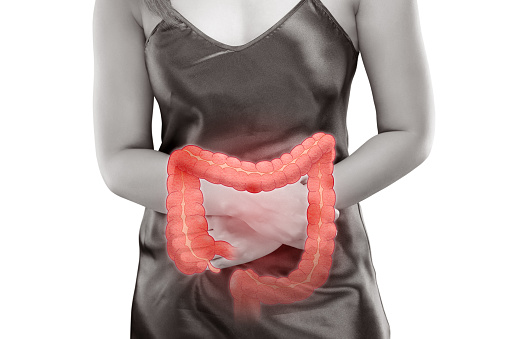
Information About Diverticulitis

If you are experiencing prolonged abdominal pain, it is probably a good idea to be checked out to see what is causing it. This type of pain could be something serious.

Diverticulitis is a disease affecting the intestinal tract, usually the colon. When tiny pouches are formed in the lining of the intestine they are called diverticula and when they become inflamed it is called diverticulitis.

There are several risk factors that can cause diverticulitis to occur. Age and a diet that is high in fat and low in fiber factor since it affects people more frequently who are over the age of 40. Other risk factors include obesity, a history of smoking and not exercising.

Symptoms of diverticulitis include:
• Loss of appetite
• Fever
• Abdominal cramps
• Upset stomach
• Bloating

Diverticulitis can be diagnosed through a CT scan testing the blood and urine and examining the stool for blood.

Treating diverticulitis is dependent on its severity. In mild cases, it may suffice to adopt a bland diet, drink lots of fluids, and to take an antibiotic. Once the condition has healed, adding fiber to the diet will be beneficial to keeping the intestines functioning properly. In more severe cases, surgery may have to be performed.

All content of this newsletter is intended for general information purposes only and is not intended or implied to be a substitute for professional medical advice, diagnosis or treatment. Please consult a medical professional before adopting any of the suggestions on this page. You must never disregard professional medical advice or delay seeking medical treatment based upon any content of this newsletter. PROMPTLY CONSULT YOUR PHYSICIAN OR CALL 911 IF YOU BELIEVE YOU HAVE A MEDICAL EMERGENCY.

Jamaica Hospital Initiative Focuses on Vision Saving Service for Premature Babies

Retinopathy of prematurity Retinopathy of prematurity (ROP) is a potentially blinding eye disorder that affects premature babies. It results in the abnormal growth of blood vessels in the retina (the layer of cells at the back of the eye that allows us to see).

According to the National Eye Institute, ROP “is one of the most common causes of visual loss in childhood and can lead to lifelong vision impairment and blindness.”  It is estimated that 15,000 children living in the United States are diagnosed with ROP each year. The disorder can occur in babies that are born before 31 weeks of gestation and weigh 2 ¾ pounds or less.

Although some premature infants are at risk for developing ROP, advancements in medicine such as timely laser therapy, intraocular medications, and initiatives such as Jamaica Hospital Medical Center’s ROP Continuity of Care program reduces the chances for the disease to cause further complications.  Serious eye problems that can develop as a result of ROP include detachment of the retina, glaucoma, strabismus and blindness.

Jamaica Hospital’s ROP Safety Net program aims to educate the community about the disorder, provide quality care to premature infants, and improve follow-up rates for patients who required ROP screening or treatment during their stay in the NICU. “ROP is an issue that affects our community but many people are unaware of the disorder, we want to change that,” explained the hospital’s ROP Coordinator Maria Estevez.

The hospital’s multi-leveled approach to care has made its ROP Continuity of Care program a success.  At birth, premature babies who are at risk for ROP are screened for the disease by way of a thorough ophthalmological evaluation. If it is found that a baby has active ROP, a specially trained ophthalmologist will determine the best course of action to treat the patient.  Treatment can include a series of examinations, as well as laser therapy or intravitreal injections.   Education and support are offered from birth until the child matures to eighteen years of age. “Our team monitors the health of each patient diagnosed by constantly following up and coordinating their appointments. We send reminders and offer additional tools to help parents stay on top of their child’s healthcare and eye care,” said Estevez.

Since implementing the ROP Safety Net program in 2016, Jamaica Hospital has experienced a significant incline in follow up rates.  Prior to implementation, follow up rates were 58.2%; the hospital currently boasts a rate of 92.2%. “We are pleased with these numbers.  They are a reflection of our efforts to educate parents and encourage them to actively follow up with the necessary care for their children,” shared Dr.  Julia Shulman, Chairperson of Ophthalmology at Jamaica Hospital, and Director of the ROP Service.

ROP is an avoidable cause for blindness. Jamaica Hospital hopes that by initiating programs such as the ROP Continuity of Care, it can decrease the incidence of visual loss or blindness associated with the disorder. The hospital plans to link its community with a system of ROP care where support and comprehensive services are offered on a long-term basis.

All content of this newsletter is intended for general information purposes only and is not intended or implied to be a substitute for professional medical advice, diagnosis or treatment. Please consult a medical professional before adopting any of the suggestions on this page. You must never disregard professional medical advice or delay seeking medical treatment based upon any content of this newsletter. PROMPTLY CONSULT YOUR PHYSICIAN OR CALL 911 IF YOU BELIEVE YOU HAVE A MEDICAL EMERGENCY.

The Benefits (And Some Warnings) About Using The Internet To Manage Your Health

The internet is a wonderful tool for us to gather information. One of the subjects that many use the internet for is to learn more about their health. Using online searches to increase your understanding about a potential or existing medical condition can be beneficial, but doctors do have warnings about how and when to utilize this technology.

There is no doubt that the internet has changed the physician – patient dynamic. It is estimated that over 90 percent of adults in the United States have access to the internet and approximately 75 percent of them have used it to conduct a search about a health condition within the last year.

For the most part, online searches are being done by patients before they see their doctor to determine if a visit is even necessary.  Some patients are armed with a plethora of knowledge when they arrive for their appointment, and they are asking their physician to confirm rather than diagnose a condition.  In other instances, many patients are using the internet to discuss medication and treatment options with their doctor as well as referrals for specialists.

But how are these internet searches affecting the doctor-patient relationship? If used correctly, doctors usually welcome and embrace their patient’s increased knowledge about their condition. They believe that an educated and engaged patient is better equipped to better manage their condition and make the correct lifestyle choices to improve their health. Most physicians also believe that if their patients come to them having already picked up some information online, they will get more out of the visit based on their increased knowledge of their condition. Lastly, many doctors use the internet as a valuable tool to reinforce what they are advising to those patients who may be otherwise skeptical of a diagnosis or treatment option.

Even with all of its advantages, doctors do warn that using the internet as a medical resource does have its pitfalls. Physicians want patients to understand that health information on the internet is endless and not all of it is accurate.  Relying on incorrect information can cause patients to either worry needlessly over a false self-diagnosis, or worse, fail to seek treatment after incorrectly believing that they do not need medical attention.

The information found on the internet is intended to be supplemental, and not replace seeing your physician. The best recommendation to incorporate information obtained online is to bring it with you to your appointment and review it with your doctor. By collaborating with your provider you can build a better relationship that can ultimately lead to better health outcomes.

All content of this newsletter is intended for general information purposes only and is not intended or implied to be a substitute for professional medical advice, diagnosis or treatment. Please consult a medical professional before adopting any of the suggestions on this page. You must never disregard professional medical advice or delay seeking medical treatment based upon any content of this newsletter. PROMPTLY CONSULT YOUR PHYSICIAN OR CALL 911 IF YOU BELIEVE YOU HAVE A MEDICAL EMERGENCY.

Employee Spotlight Shines on Jo-Ann Campudoni

This month, Jamaica Hospital Medical Center is proud to shine its Employee Spotlight on Jo-Ann Campudoni, Manager at TJH Medical Services, P.C.

Jo-Ann is a native of Queens, New York and grew up in Rockaway Beach, where she still resides to this day.

Jo-Ann graduated from Beach Channel High School in Rockaway and attended Andrews University in Michigan where she majored in Psychology. She has three amazing children of which she is very proud. She has a son who is currently serving in the Coast Guard, a daughter who is a Corporal in the Marines and a younger daughter who works as a customer service supervisor for FedEx. Jo-Ann comes from a very large family; she is the youngest of eight children. Her siblings live in various parts of the country and she wishes that they could see each other more frequently than they do.

Her philosophy on life is to get the most out of it as you can. She believes, “Life may not be perfect but you have to make it an adventure and go ever upward.” In her free time, she enjoys going to concerts, movies, reading books and meeting new people and learning about their experiences. Jo-Ann loves to dance and listen to music. She studied classical ballet, jazz, and contemporary dance. When she was in her teens she danced in the Alvin Ailey Dance Cadre. Her interest in music has brought her to hosting her own Internet radio show which can be found on social media outlets and gives her the opportunity to meet people in the musical world.

Jo-Ann believes in treating each patient with great respect and compassion. She feels that her experiences in life have taught her how much people appreciate being treated well. She enjoys working with her team at TJH because they work together so well. It is very much like a family in her department. Everyone works together to make the patient experience a good one. Jo-Ann looks forward to working with the team for a long time which is a goal we hope she achieves.

All content of this newsletter is intended for general information purposes only and is not intended or implied to be a substitute for professional medical advice, diagnosis or treatment. Please consult a medical professional before adopting any of the suggestions on this page. You must never disregard professional medical advice or delay seeking medical treatment based upon any content of this newsletter. PROMPTLY CONSULT YOUR PHYSICIAN OR CALL 911 IF YOU BELIEVE YOU HAVE A MEDICAL EMERGENCY.

Could Smoking Be The Cause Of My Infertility?

The last week in April has been designated National Infertility Awareness Week (IVF). The observance is meant to bring awareness to the millions of Americans who are facing challenges when becoming pregnant; while removing any stigmas and barriers that remain in the way of having a child using IVF.

Some causes of infertility in women are issues with ovulation (Polycystic Ovary Syndrome (PCOS), endometriosis, sexually transmitted infections and unhealthy body weight. However, there have been multiple studies to support the theory that smoking has an adverse effect on fertility. Research has found that the prevalence of infertility is higher, and the time it takes to conceive is longer in smokers as compared to nonsmokers. It has also been proven that smoking can affect every stage of the reproductive process in both sexes because the chemicals in cigarettes can cause damage to both male sperm and female eggs.

In women, smoking can lead to many fertility problems, including:

  • Problems with the fallopian tubes, including blockages (preventing egg and sperm from meeting) and an increased risk of ectopic pregnancy.
  • Damage to the eggs as they develop in the ovaries.
  • Increased risk of miscarriage, possibly due to damaged eggs, damage to the developing fetus, or unfavorable changes in the uterine lining, which may make healthy implantation of an embryo less likely.

In addition, smoking can cause a woman’s eggs to age prematurely, leading to an earlier onset of menopause and a shorter window to conceive.

The good news is that the damage done to the female reproductive system as a result of smoking is reversible. Typically, after quitting smoking, your chance of natural fertility should become viable within a year or less.

If you want to have a baby, but you are a smoker, quit now! If you need help, Jamaica Hospital Medical Center offers smoking cessation services to help you. For more information, please call 718-206-8494.


All content of this newsletter is intended for general information purposes only and is not intended or implied to be a substitute for professional medical advice, diagnosis or treatment. Please consult a medical professional before adopting any of the suggestions on this page. You must never disregard professional medical advice or delay seeking medical treatment based upon any content of this newsletter. PROMPTLY CONSULT YOUR PHYSICIAN OR CALL 911 IF YOU BELIEVE YOU HAVE A MEDICAL EMERGENCY.

Jamaica Hospital Offers Tips To Manage Your Children’s Vaccinations During World Immunization Week

It is World Immunization Week; an observance led by the World Health Organization (WHO) to raise public awareness about how immunizations can save lives. During this week-long event, efforts are made to encourage parents to vaccinate their children against a variety of preventable diseases.

Immunizations prevent illness, disability and death from many diseases, including:

  • Cervical cancer
  • Diphtheria
  • Hepatitis B
  • Measles, mumps and rubella
  • Pertussis (whooping cough)
  • Pneumonia
  • Polio
  • Rotavirus diarrhea
  • Tetanus

Despite all their benefits, there is still an estimated 18.7 million infants worldwide still missing out on basic vaccines.

One of the best ways for parents to keep track of their children’s immunization history and make sure they are up-to-date on all of their vaccinations is by setting up an electronic medical record (EMR), like MyChart, which is available for free to all Jamaica Hospital patients.

In addition to allowing parents to access to their children’s records, including their immunization history, MyChart also gives patients the ability to:

  • Review test results online
  • Review health education topics
  • Access discharge instructions
  • Request prescription refills online
  • Interact with your provider via email
  • Request an appointment

To create an account is easy. All a patient needs to do is go to the Jamaica Hospital website and click the link to MediSys MyChart: https://mychart.medisys.org and click on the “sign up now” tab.

World Immunization Week is an opportunity for Jamaica Hospital to remind parents of the importance of maintaining their children’s vaccinations and how MyChart can help them do that. My making it easy to access their immunization history, parents can make sure their children are properly protected.

All content of this newsletter is intended for general information purposes only and is not intended or implied to be a substitute for professional medical advice, diagnosis or treatment. Please consult a medical professional before adopting any of the suggestions on this page. You must never disregard professional medical advice or delay seeking medical treatment based upon any content of this newsletter. PROMPTLY CONSULT YOUR PHYSICIAN OR CALL 911 IF YOU BELIEVE YOU HAVE A MEDICAL EMERGENCY.

Concussion in Children: When To Worry

Concussions are a type of mild traumatic brain injury that children can receive as a result of falling off a bike while not wearing a helmet, bumping heads while playing sports or by other means of physical contact.

Concussions occur when a blow to the head or body causes the head to move back and forth with a lot of force.  This sudden change of direction may cause the brain to collide with the inside of the skull, and result in a minor injury to the brain.  These types of injuries to the brain can change the way nerves communicate and lead to concussion symptoms.

Symptoms of a concussion vary in severity and can include headaches, dizziness, problems with memory or concentration, nausea or blurry vision. Some symptoms may begin immediately, while others may appear days after the injury. Symptoms can last anywhere from a few days to up to four weeks; therefore, parents should keep a watchful eye.

If your child displays mild symptoms such as a headache or neck pain, you should consult a physician.  Your doctor may request a full neurological exam. If the concussion is determined to be mild, cognitive and physical rest for the first 24 hours and a gradual return to routine activities are usually recommended.

After 24 hours, your child may be able to complete simple tasks such as doing homework.  However, if symptoms develop while performing these tasks, allow them to stop and rest then try again in a few hours. Sports should be avoided until symptoms have completely resolved and your child has been reevaluated by their doctor. Screen time should also be avoided because activities such as playing video games or watching TV can make symptoms worse.

Mild concussions typically heal in a few days to a few weeks but if symptoms worsen or persist for more than four weeks,  your child needs to be taken to the emergency room for further evaluation to rule out more serious causes for their symptoms.

Please keep in mind that children should be taken to the ER immediately if they are displaying symptoms such as headaches that will not go away, seizures, loss of consciousness, persistent vomiting, excessive crying or slurred speech.  These symptoms are severe and require urgent medical care.

To avoid concussions, children should always wear seat belts in the car and helmets while riding bikes. Children who participate in sports should be encouraged to follow safe sports techniques.

To speak with a Family Medicine doctor about concussions, please call (718) 206-6942.

Dr. Navdeep Kaur; Family Medicine Physician

All content of this newsletter is intended for general information purposes only and is not intended or implied to be a substitute for professional medical advice, diagnosis or treatment. Please consult a medical professional before adopting any of the suggestions on this page. You must never disregard professional medical advice or delay seeking medical treatment based upon any content of this newsletter. PROMPTLY CONSULT YOUR PHYSICIAN OR CALL 911 IF YOU BELIEVE YOU HAVE A MEDICAL EMERGENCY.

Are You At Risk for Asthma?

According to the Centers for Disease Control and Prevention (CDC), 1 in 13 people has asthma. That translates to more than 26 million Americans.

Asthma is a condition in which your airways narrow and swell, producing extra mucus resulting in difficulty breathing.

If this narrowing and swelling occurs and worsens, it may lead to an asthma attack.

Some tips to help you prevent asthma symptoms from occurring include:

  • Family history of asthma
  • Viral respiratory infections as a child
  • Allergies
  • Smoking
  • Air Pollution
  • Obesity

Some strategies you help prevent the symptoms of asthma are:

  • Stop smoking and avoid public places where cigarette smoking occurs
  • Avoid outdoor exposure on heavy smog days
  • Adopt a healthy diet of fruits, vegetables, whole grains and lean protein
  • Avoid allergens that trigger asthma attacks, such as pet dander, dust, mites, mold and pollen.

If you have recurrent coughing or wheezing that lasts more than a couple of days or any other signs or symptoms of asthma listed above, you should schedule an appointment to see your doctor since treating asthma early can help prevent long-term lung damace and reduce the likelihood of your asthma worsening over time.

If you would like to speak with a respiratory specialist at Jamaica Hospital Medical Center, please call 718-206-7001 for an appointment.

All content of this newsletter is intended for general information purposes only and is not intended or implied to be a substitute for professional medical advice, diagnosis or treatment. Please consult a medical professional before adopting any of the suggestions on this page. You must never disregard professional medical advice or delay seeking medical treatment based upon any content of this newsletter. PROMPTLY CONSULT YOUR PHYSICIAN OR CALL 911 IF YOU BELIEVE YOU HAVE A MEDICAL EMERGENCY.

Jamaica Hospital First In Queens To Join HealingNYC’s Relay

The opioid epidemic continues to plague New York City communities.  According to the City’s Department of Health, there were 694 confirmed overdose deaths from January to June 2018, and a fatal drug overdose reported every six hours.

More New Yorkers die as a result of a drug overdose than homicides, suicides and motor vehicle accidents combined.

In Queens, Jamaica Hospital Medical Center which operates one of the City’s busiest emergency departments, has experienced firsthand the detriment the epidemic has caused.  Last year, Jamaica Hospital’s emergency department treated over 200 patients for opioid drug overdoses.

“Over the years, we have seen the numbers continue to increase significantly. This epidemic has profoundly affected many individuals and families. Opioid addiction has impacted all genders, ages, ethnicities and those of all socioeconomic backgrounds,” explained Dr. Geoffrey Doughlin, Chairman of Emergency Medicine.  “No group is untouched.”

“At Jamaica Hospital our goal is to improve the health of our community in all aspects. We are committed to doing all that we can to combat the opioid crisis,” shared Dr. Shi-Wen Lee, Vice Chairman of Emergency Medicine.  In addition to providing life-saving treatments in the emergency department, the hospital is the first in Queens to participate in New York City’s Relay program.

The Relay program, which was launched in 2017 under HealingNYC, targets survivors of opioid overdoses who are at high risk for a future, fatal overdose.  According to New York City’s Department of Health, “In the hours after someone survives an opioid overdose, a trained Relay “Wellness Advocate” meets with the survivor in the hospital emergency department to offer overdose risk reduction counseling, overdose rescue training, and an overdose prevention kit containing naloxone. Participating hospitals can contact Relay at any hour of the day or night, on every day of the year, and a Wellness Advocate aims to arrive within the hour. Wellness Advocates stay in contact with overdose survivors for up to 90 days and connect them to appropriate services”

“Jamaica Hospital is proud to work in collaboration with Relay. Since the program’s inception in August 2018 at this facility, our emergency department has made over 50 patient referrals,” said Joshua Sclair, Emergency Medicine Administrator.  The hospital’s participation in the initiative offers the community resources that can potentially reduce the number of overdose deaths and provide access to supportive services.

Any person in need of treatment for their addiction can come to the emergency department at Jamaica Hospital and receive help. The hospital has designated detoxification beds and staff that are specially trained to help patients with their treatment.

All content of this newsletter is intended for general information purposes only and is not intended or implied to be a substitute for professional medical advice, diagnosis or treatment. Please consult a medical professional before adopting any of the suggestions on this page. You must never disregard professional medical advice or delay seeking medical treatment based upon any content of this newsletter. PROMPTLY CONSULT YOUR PHYSICIAN OR CALL 911 IF YOU BELIEVE YOU HAVE A MEDICAL EMERGENCY.

What is a hernia ?

A hernia occurs when an organ or body part pushes through a weak spot in muscle or connective tissue into a part of the body that it isn’t supposed to be in. While some hernias can occur at birth, others may form later in life.  These types of hernias may occur as a result of heavy lifting, straining, pregnancy and obesity.

There are several types of hernias that include:

  • Inguinal hernias – Occurs when a part of the intestine pushes into the inguinal canal. Most commonly seen in males.
  • Femoral hernia -Occurs when the femoral artery and vein pass through the canal between the abdomen and the groin. Most often seen in females.
  • Epigastric hernia – Occurs when a small piece of fat protrudes through a weak spot in the abdominal muscles  located between the belly button and the breastbone
  • Umbilical hernia – Occurs when a portion of the intestine pushes through the abdominal wall next to the belly button
  • Hiatal hernia – Occurs when the stomach pushes through the diaphragm into the chest and causes heartburn
  • Incisional hernia – Occurs when a portion of the intestine pushes through the abdominal wall where surgery had been performed previously

The symptoms of a hernia often depend on where it is located. Some hernias will cause pain while there are others that only have physical signs, such as a bulging out of the skin, but aren’t painful. When a portion of the intestine pushes through a muscle and becomes trapped it can be very painful block the intestinal blood supply. These hernias require urgent surgical attention. A hernia can be prevented by avoiding lifting heavy objects improperly, maintaining proper weigh, care when coughing, having a diet that contains adequate fiber, and avoiding excessive straining during a bowel movement.

Treatment for a hernia depends on its location, size and the amount of discomfort. In some cases surgery isn’t necessary and the hernia can be pushed into place and held there by a device called a truss. Surgical options include closing the weak spot in the muscle with stitches, , using a mesh to reinforce the weak muscle that the hernia is pushing through, and laparoscopic surgery to repair the defect that is causing the hernia.

If you are experiencing any discomfort from a hernia, it is important to seek professional help to learn what the options are to repair it. You can schedule an appointment with a surgeon at Jamaica Hospital by calling 718-206-7001.

All content of this newsletter is intended for general information purposes only and is not intended or implied to be a substitute for professional medical advice, diagnosis or treatment. Please consult a medical professional before adopting any of the suggestions on this page. You must never disregard professional medical advice or delay seeking medical treatment based upon any content of this newsletter. PROMPTLY CONSULT YOUR PHYSICIAN OR CALL 911 IF YOU BELIEVE YOU HAVE A MEDICAL EMERGENCY.