National Influenza Vaccination Week

The first week in December is designated as National Influenza Vaccination Week. It is designated in an effort to highlight the importance of getting your annual flu shot. The typical “Flu Season” usually begins in October but peaks between December and February. However, there have been cases of flu diagnosis that occur as late as May.  

Influenza is the unwelcome guest that comes calling on us every year – often with many very unpleasant consequences. Historically, widespread flu epidemics have had devastating effects on large portions of the earth’s population. It wasn’t until the 1930’s that two scientists, Dr. Jonas Salk and Dr. Thomas Francis developed the first vaccine to prevent the flu virus. The vaccine was given to American soldiers during World War II and was found to be helpful in preventing the widespread outbreaks that had been common before the vaccines were used. In the years after the war, the vaccine was made available to the general public and has greatly reduced the widespread epidemics that were so common before.

Research has helped to develop better vaccines with fewer side effects and also better suited to combat strains of the influenza virus that keep changing every year. Over the past 60 years, millions of people have been given the flu vaccine each year. Many people are hesitant about getting the vaccine at all however, there are much fewer catastrophic epidemics throughout the world, thanks in large part to the work done by Dr. Salk and Dr. Francis in the early part of the last century.

Influenza is a serious disease that can lead to hospitalization and sometimes even death. Every flu season is different, and influenza infection can affect people differently. It is important that you consult with your doctor before getting the flu vaccine.

All content of this newsletter is intended for general information purposes only and is not intended or implied to be a substitute for professional medical advice, diagnosis or treatment. Please consult a medical professional before adopting any of the suggestions on this page. You must never disregard professional medical advice or delay seeking medical treatment based upon any content of this newsletter. PROMPTLY CONSULT YOUR PHYSICIAN OR CALL 911 IF YOU BELIEVE YOU HAVE A MEDICAL EMERGENCY.
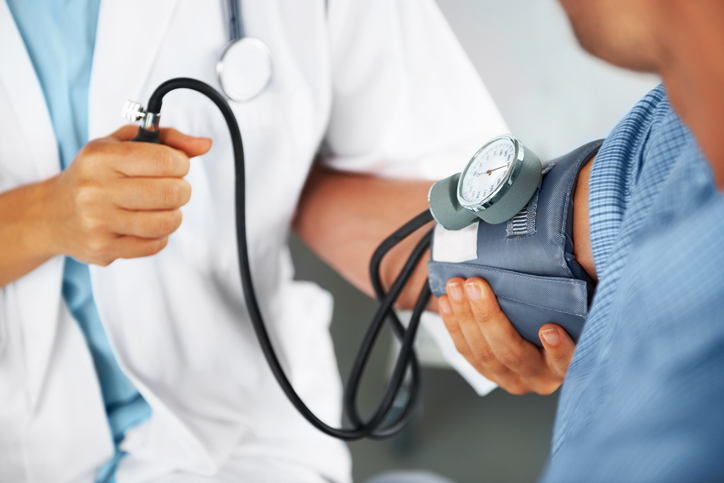

COVID-19 Holiday Shopping Safety Tips

2020 has been a year where we have altered so many aspects of our daily lives. With the arrival of the holiday season, it only makes sense that we will also be forced to change the way we do our holiday shopping.

Normally, during this time of year, malls would be packed as shoppers seek the perfect holiday gifts for their loved ones. Unfortunately, the COVID-19 pandemic has affected our ability (or comfort level) to go to conventional brick-and-mortar stores.

To help you prepare for a very different holiday shopping season, Jamaica Hospital is offering the following safety tips:

  • Shop from home – Recent studies have indicated that nearly half of Americans plan to complete most of their holiday shopping online this year. If you plan to do this, please keep in mind that this uptick in online shopping could mean inventory shortages and shipping delays, so it is recommended to start early.
  • Look at alternative types of gifts – There has never been a time when do-it-yourself gifts are more appropriate. In addition to helping you avoid going to stores, they are also fun gifts to receive because they are thoughtful and made with love. If you are not that crafty, you should consider other gift options, such as gift cards, streaming service subscriptions, meal kits or boxes, or even making a charitable donation on behalf of the gift recipient.
  • Start early – Some gifts however might be best purchased in person. If you plan on going to the mall, try to start your shopping early before the holiday rush. Many stores have not waited for “Black Friday” to begin their holiday sales, so it is easier to find bargains now and avoid last-second craziness. Also try to shop at non-peak times such as early in the day or during the week to avoid the crowds.
  • Support local businesses – If possible, try to shop locally and support some of the smaller businesses in your community. These “mom and pop” stores could benefit from your support and they may also be a safer option than some of the larger, more crowded stores.
  • Understand the new reality – Many stores have put into place shopping restrictions and regulations for the safety of their employees and customers. This may include limiting the number of shoppers allowed into the store at one time. Some stores are even creating shopping appointments for their customers. While these regulations might prolong your shopping experience, they are intended for your protection so please exercise patience.

As with every other aspect of life, when shopping, it is extremely important to follow all safety measures when shopping. This includes wearing a mask at all times and practicing proper hand washing and social distancing rules to limit your chances of contracting COVID or any other transmittable disease.

All content of this newsletter is intended for general information purposes only and is not intended or implied to be a substitute for professional medical advice, diagnosis or treatment. Please consult a medical professional before adopting any of the suggestions on this page. You must never disregard professional medical advice or delay seeking medical treatment based upon any content of this newsletter. PROMPTLY CONSULT YOUR PHYSICIAN OR CALL 911 IF YOU BELIEVE YOU HAVE A MEDICAL EMERGENCY.

Holiday Decorating Safety Tips

Decorating your home for the holidays is always so much fun, but did you know that each year an estimated 250 house fires nationwide are caused by faulty holiday lights? Here are some tips for keeping your home safe this year:

• Before stringing holiday lights always check the sockets to ensure they are not broken or cracked.

• Never use indoor lights for outdoors use.

• Turn off the indoor tree lights before going to bed or whenever you leave the house.

• Do not connect more than three sets of lights to each extension cord.

• Make sure that your lights have safety labels and are made by reputable companies.

• Do not use candles on or near a tree.

• Place your tree and gift-wrapped presents away from sources of heat such as fireplaces.

• Make sure that your tree is secured firmly to its base so that it can’t tip over.

• Artificial trees should be fire resistant.

• Always keep a fire extinguisher handy and accessible in case of emergency.

Benny Quiles, Director of Safety at Jamaica Hospital says “a small Christmas tree fire can spread and grow large very quickly. Use flame-retardant decorations. make sure your smoke detectors have working batteries and never block fire exits.”

Don’t ruin your holiday by being careless. A little common sense and taking some precautions will ensure a joyous holiday for you and your family.

All content of this newsletter is intended for general information purposes only and is not intended or implied to be a substitute for professional medical advice, diagnosis or treatment. Please consult a medical professional before adopting any of the suggestions on this page. You must never disregard professional medical advice or delay seeking medical treatment based upon any content of this newsletter. PROMPTLY CONSULT YOUR PHYSICIAN OR CALL 911 IF YOU BELIEVE YOU HAVE A MEDICAL EMERGENCY.
Thanksgiving COVID-19 Tips

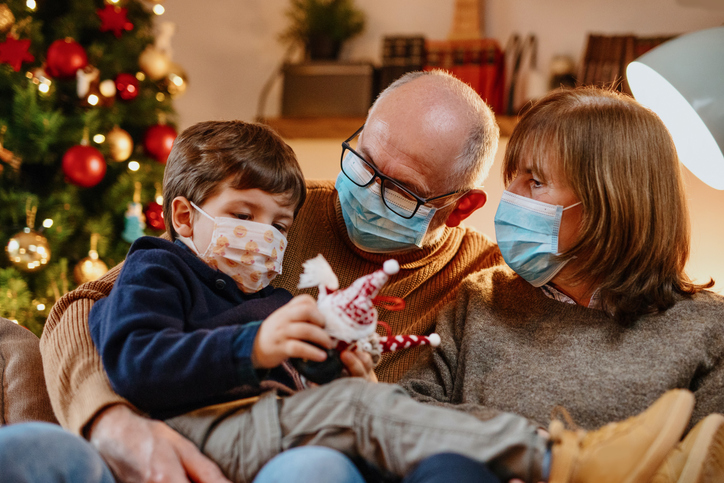
Thanksgiving is typically a holiday where we gather with our family and friends but this year is unlike any other. In an effort to keep you safe, Jamaica Hospital Medical Center offers the following tips to modify your holiday celebration during the COVID-19 pandemic.

This year many health experts are recommending that we spend the holiday with only the people we live with year round and who are consistently taking precautions and are at the lowest risk. Once we open our home to people who don’t live with us, such as people traveling from other cities or states such as college students, we are increase the risk of spreading the virus. In addition, it is strongly recommended that gatherings be limited to ten people or less.

The Centers for Disease Control issued the following criteria for people who should not attend holiday gatherings. They include:

  • Anyone who has been diagnosed with COVID-19 recently
  • Anyone with symptoms of COVID-19
  • Anyone waiting for test results
  • Anyone who was exposed to someone else with COVID-19
  • Anyone who is immunocompromised

All guests should be asked to wear a mask and to maintain social distancing and avoid loud talking and singing. The number of people preparing and serving the meal should be limited to just a few. They should all be wearing masks and they should be washing their hands frequently. Other guests should also be encouraged to wash their hands as soon as they enter the home and limit contact with surfaces of furniture. It is also recommended that there be only one source of food preparation. This means food from other households should be avoided as best as possible.

This year the holiday will definitely have a different vibe than what we have been accustomed to in the past but if we all practice safety precautions, we can still enjoy festivities.

All content of this newsletter is intended for general information purposes only and is not intended or implied to be a substitute for professional medical advice, diagnosis or treatment. Please consult a medical professional before adopting any of the suggestions on this page. You must never disregard professional medical advice or delay seeking medical treatment based upon any content of this newsletter. PROMPTLY CONSULT YOUR PHYSICIAN OR CALL 911 IF YOU BELIEVE YOU HAVE A MEDICAL EMERGENCY.

Anxiety

The American Psychological Association defines anxiety as, “an emotion characterized by feelings of tension, worried thoughts and physical changes like increased blood pressure.”

Experiencing anxiety occasionally is normal; however, if this feeling occurs frequently, and gets worse over time it may be an indication of an anxiety disorder.

Anxiety disorders are the most common form of mental health disorders. Nearly 30% of adults living in the United States are affected at some point in their lives. 

There are four main types of anxiety disorder, including:

  • Generalized anxiety disorder
  • Social anxiety disorder (social phobia)
  • Specific phobias
  • Separation anxiety disorder

It is important to note that it is possible to have one or more anxiety disorder.

The causes of anxiety disorders are not fully understood; however, there are certain risk factors believed to contribute to developing them.  General risk factors include:

  • Exposure to negative or stressful life events in early childhood or adulthood
  • A family history of anxiety disorders or other mental illnesses
  • Having certain health conditions such as heart arrhythmias or thyroid problems
  • Taking certain medications that can aggravate symptoms

For those living with any type of anxiety disorder, feelings of excessive worry, fear, apprehension or nervousness are often difficult to control and can interfere with daily activities. These feelings can also lead to physical symptoms such as:

  • An increased heart rate
  • Trouble concentrating
  • Gastrointestinal problems
  • Sweating
  • Hyperventilating
  • Having difficulty sleeping
  • Fatigue

If you are finding it difficult to control anxiety, and symptoms are affecting your health or ability to live a normal life, please seek help.  A mental health specialist can conduct a psychological evaluation to help determine a diagnosis. A physical exam may also be recommended to rule out any underlying medical conditions.

Treatment for anxiety disorders can include psychotherapy or medications.

All content of this newsletter is intended for general information purposes only and is not intended or implied to be a substitute for professional medical advice, diagnosis or treatment. Please consult a medical professional before adopting any of the suggestions on this page. You must never disregard professional medical advice or delay seeking medical treatment based upon any content of this newsletter. PROMPTLY CONSULT YOUR PHYSICIAN OR CALL 911 IF YOU BELIEVE YOU HAVE A MEDICAL EMERGENCY.

Injury Prevention Tips for Thanksgiving

For millions of New Yorkers, Thanksgiving is an important celebration bringing together family and friends over food and drinks.

Unfortunately, this rich American holiday is also when Jamaica Hospital Medical Center sees an increase in trauma cases involving preventable injuries.

Here are some tips to help you stay safe during this Thanksgiving.

#1 – Pay close attention to your hands when using cutting tools.

Some of the most common injuries seen during Thanksgiving involve kitchen cutting tools like knives, mandolins, graters, blender blades, and peelers. These cutting injuries normally occur when someone is not paying attention to the placement of their fingers before cutting.

Avoid distractions like talking to others, watching television, or trying to multitask multiple cooking tasks. Scheduling your food preparation and cooking times in advance may help reduce stress and allow you to properly pace yourself.

Keep all sharp objects away from counter ledges and away from children. When passing cutting tools like knives or scissors to others, be sure to practice extra caution and ensure the person receiving the cutting tool has a good handle to prevent dropping it.

When clearing out a blender, make sure it is unplugged from the wall and pay close attention to the blades.

Mandolins are notorious for fingertip injuries, so we recommend you refrain from using them unless they offer special safety features to prevent accidental cuts.

If you are using a peeler, make sure you have a good handle on the food you are peeling. Some food, such as potatoes and cucumbers can be slippery and cumbersome to hold.

Lastly, many kitchen sinks have a garbage disposal installed to grind up scraps and other food waste for easy disposal down the drain. Sometimes these garbage disposals can get clogged up. Avoid putting your fingers down the drain. Make sure the electrical switch controlling the garbage disposal is in the “off” position before unclogging the drain. 

#2 – Practice extra caution around stovetops, ovens, hotplates, pots, and pans to avoid burns.

Treat any cooking surfaces with caution or assume all pots and pans are hot. Many Thanksgiving injuries involve burns from handling very hot objects without the proper protection like oven mitts. Be sure to keep small children away from the kitchen to avoid burning curious hands.

If your home has an electric stovetop, always make sure all knobs are in the off position when not in use.

When boiling water or using cooking oil, be sure to keep a close eye to avoid boil over or accidentally knocking over a pot or pan.

Look around before opening or closing the oven, and always using proper protection to avoid burns.

If you or someone does get burned, cool it down with water. Do not use ice. Cover the burn with an antibiotic ointment. Don’t use home remedies like butter or lard. If the burn blisters or covers a large portion of skin, make sure to seek medical attention at an emergency room or urgent care facility.

#3 – Do not drink and drive.

One of the more tragic and completely preventable traumas we see at Jamaica Hospital is a motor vehicle crash due to drunk driving. While sharing memories and food with alcohol is a staple of a Thanksgiving dinner, no one should be getting behind the wheel of a vehicle when they are inebriated.

Drunk driving accounts for nearly 500 deaths each year during the Thanksgiving holiday.[1]  Do not be a statistic. Keep yourself, your family, your friends, and others on the road safe.

If you see someone at your home over drinking or inebriated, ask them to slow down. Have your guests’ addresses readily available ahead of time in case they need to take a cab, Uber, or Lyft back home.

If possible, have someone your trust in charge of pouring or mixing drinks for your guests. Having one person keep track of the number of times someone asks for a refill will help you identify who needs to be cut off from further indulging in alcohol consumption.

#4 – Make your home a fall free zone.

If you have older adults visiting for Thanksgiving, such as grandparents, great-grandparents, or anyone over the age of 65, be sure to make your home easy to navigate and clutter-free. One in four older adults age 65 and older experience a fall each year in the United States. Falls are responsible for most injuries and fatalities in the senior population.

Some ways to prevent falls in your home are keeping all pathways clear of wires, books, shoes, or throw-rugs, keeping hallways and all rooms well illuminated, and checking in with seniors to see how they feel after dinner as they may feel tired.

We encourage you and your guests to keep a close eye on seniors to notice if they are acting strangely or require assistance getting to a bathroom, walking up or downstairs, or getting up or sitting down at their seats.

#5 – Follow all instructions carefully when deep-frying a turkey.

In recent years, deep-frying a turkey has become a more common cooking method on Thanksgiving. While a deep-fried turkey does sound delicious, it can be dangerous if used incorrectly leading to serious injuries.

If you do decide to deep-fry a turkey this year, make sure you are wearing protective gear and wearing flame-retardant clothing. Wear long sleeves and use safety goggles to prevent oil splatter injuries.

Only deep-fry a turkey outdoors with plenty of space – at least 10 feet away from your home and away from any low hanging branches. The deep-fryer must be placed on a flat and leveled surface away from flammables. Always have a fire extinguisher on hand in case a fire breaks out.

Follow all instructions carefully when using the deep-fryer. Do not overfill the deep-fryer with oil. Too much oil can lead to overflow and splashing, leading to fires or burns. Never leave the deep-fryer unsupervised. You must make sure your turkey is completely defrosted before putting it into the deep-fryer. Failing to do so can lead to a fire and serious injury.


All content of this newsletter is intended for general information purposes only and is not intended or implied to be a substitute for professional medical advice, diagnosis or treatment. Please consult a medical professional before adopting any of the suggestions on this page. You must never disregard professional medical advice or delay seeking medical treatment based upon any content of this newsletter. PROMPTLY CONSULT YOUR PHYSICIAN OR CALL 911 IF YOU BELIEVE YOU HAVE A MEDICAL EMERGENCY.

How Long Should A Mother Breastfeed ?

The World Health Organization (WHO) and the American Academy of Pediatrics (AAP) recommend exclusive breastfeeding during the first six months after a baby is born.  However, breastfeeding should continue at least for the first year.

Breastfeeding has long been known to offer benefits to babies and mothers.

Benefits for the babies:

  • Developing a stronger immune system
  • Obtaining a well-balanced diet

Benefits to mothers who breastfeed for a year include a:

  • Lower risk of breast cancer
  • Lower risk of ovarian cancer
  • Lower risk of high blood pressure
  • Lower risk of developing rheumatoid arthritis
  • Lower risk of developing diabetes

Weaning a baby off breastfeeding usually begins when other types of food are introduced into the diet. The WHO and AAP recommend that this occur at the six month mark. A baby who is starting to eat solid food may not require as much breastmilk for nutrition. It is best to slowly wean a baby off of breastmilk instead of stopping suddenly.

There is no evidence to indicate that long term breastfeeding can be harmful to a baby’s or mother’s health.

Ultimately the decision for how long to breastfeed will be up to the mom and her baby. Speak to your baby’s pediatrician for their guidance on the recommendations. If you would like to schedule an appointment with a pediatrician at Jamaica Hospital Medical Center, please call 718-206-7001.

All content of this newsletter is intended for general information purposes only and is not intended or implied to be a substitute for professional medical advice, diagnosis or treatment. Please consult a medical professional before adopting any of the suggestions on this page. You must never disregard professional medical advice or delay seeking medical treatment based upon any content of this newsletter. PROMPTLY CONSULT YOUR PHYSICIAN OR CALL 911 IF YOU BELIEVE YOU HAVE A MEDICAL EMERGENCY.

Fun Ways To Get Your Children to Wash Their Hands

In a world where proper hand washing techniques have never been more important, it is vital that we teach our children how to properly wash their hands.

As you know, the basics of effective hand washing are:

  • Using warm water to wet your hands.
  • Using soap to lather up your hands.
  • Rubbing your soaped up hands together, for no less than 20 seconds, scrubbing the entire hand and between the fingers all the way up to the wrist.
  • Rinsing your hands and wrist with running water.
  • Drying your hands using a clean towel, preferably disposable towel.

However, this seemingly easy process may become tedious when applied to young children.

Here are some fun ways to implement proper handwashing techniques to make your child more enthusiastic about hand hygiene:

  • Use soaps that have an inviting scent like, fruit or bubble gum.
  • Utilize a reward system. Keep a chart for your child with colorful stickers that indicate how many times they properly washed their hands on a particular day. If they are successful, a small reward at the end of the week can be a great motivator.
  • Choose songs to sing while washing or recite a children’s rhyme that lasts approximately 20 seconds.
  • Bubbles, lots of bubbles.  Choose a soap that foams up so that your child can equate washing their hands with a fun activity and not a chore.
  • Create a routine for your child to wash their hands, especially before and after mealtime.

Studies have shown that proper hand washing is one of the best ways to keep healthy and ward off harmful viruses and bacteria.

Remember, the best way to teach our children is by example. Be sure your child knows and observes how you are washing your hands. 

All content of this newsletter is intended for general information purposes only and is not intended or implied to be a substitute for professional medical advice, diagnosis or treatment. Please consult a medical professional before adopting any of the suggestions on this page. You must never disregard professional medical advice or delay seeking medical treatment based upon any content of this newsletter. PROMPTLY CONSULT YOUR PHYSICIAN OR CALL 911 IF YOU BELIEVE YOU HAVE A MEDICAL EMERGENCY.

COPD

Chronic Obstructive Pulmonary Disease (COPD) is an inflammatory lung disease that makes breathing difficult. It is caused by damage to the lungs over a prolonged period of time and is usually attributed to smoking.

COPD can result in serious, long-term disability and is the third leading cause of death in the United States.

The symptoms of COPD typically present when there is significant damage to the lung. They may include:

  • Shortness of breath
  • Chronic cough
  • Frequent respiratory infections
  • Wheezing
  • Swelling of the feet, ankles or legs

Those most at risk of developing COPD are individuals who:

• Are over age 40 and currently smoke or smoked at some point

• Worked or lived around chemicals or fumes

• Have certain genetic conditions

• Have asthma

If you think you have COPD, you should:

• Talk with your healthcare provider about your symptoms

• Request a breathing test, known as a spirometry

• Quit smoking! If you need help, ask your doctor

• Avoid pollutants or fumes that can irritate your lungs

COPD can lead to other health complications such as heart problems, lung cancer, or high blood pressure in the arteries that bring blood to your lungs.

While you can’t undo the damage COPD has caused to your lungs, there are steps you can take to prevent the condition from getting worse, this includes avoiding factors that can irritate lungs, taking medications as directed, enrolling in a pulmonary rehabilitation program, and receiving annual flu and pneumonia vaccines.

All content of this newsletter is intended for general information purposes only and is not intended or implied to be a substitute for professional medical advice, diagnosis or treatment. Please consult a medical professional before adopting any of the suggestions on this page. You must never disregard professional medical advice or delay seeking medical treatment based upon any content of this newsletter. PROMPTLY CONSULT YOUR PHYSICIAN OR CALL 911 IF YOU BELIEVE YOU HAVE A MEDICAL EMERGENCY.