
Can Lifestyle Choices Affect Infertility

Did you know that infertility affects 10-15% of couples in the United States.  Although it is commonly assumed that this condition occurs only in women; it affects both genders.

Infertility is usually diagnosed after a couple has tried to conceive for over one year without success.  In women this problem can be the result of several problems such as ovulation disorders, pelvic inflammatory disease, blocked Fallopian tubes or uterine fibroids.  Factors that can cause infertility in men may include oligospermia (very few sperm cells are produced) or azoospermia (no sperm cells are produced).

There are also lifestyle practices that can increase the risk of infertility. Smoking, consuming too much alcohol, mental stress and poor diet are all known to affect fertility.

Excess stress can affect the function of the hypothalamus gland; which regulates the hormones that tells the ovaries to release eggs.  Recent studies have also indicated that women experiencing greater amounts of stress were more likely to produce high levels of alpha-amylase and had a more difficult time getting pregnant.

The toxins inhaled from cigarette smoke can affect fertility by causing damage to reproductive organs, eggs and sperm.  Heavy and prolonged alcohol consumption can also cause imbalances in the hormones of the reproductive systems of women and can also damage sperm in men.

Adopting a healthy diet that includes foods known to improve reproductive health and boost fertility can increase the chances of healthy ovulation. Dietitians often recommend eating organic foods and cold water fish such as salmon, increasing the intake of whole grains and drinking freshly squeezed fruit juices to couples who are trying to conceive.

If you have been trying to conceive for at least one year without success, it is possible that your lifestyle could be a contributing factor. It is recommended that you consult an Ob/Gyn to explore the possible causes of your infertility.

To learn more about infertility and treatments please call the Women’s Health Center at Jamaica Hospital Medical Center at 718-291-3276.

All content of this newsletter is intended for general information purposes only and is not intended or implied to be a substitute for professional medical advice, diagnosis or treatment. Please consult a medical professional before adopting any of the suggestions on this page. You must never disregard professional medical advice or delay seeking medical treatment based upon any content of this newsletter. PROMPTLY CONSULT YOUR PHYSICIAN OR CALL 911 IF YOU BELIEVE YOU HAVE A MEDICAL EMERGENCY.
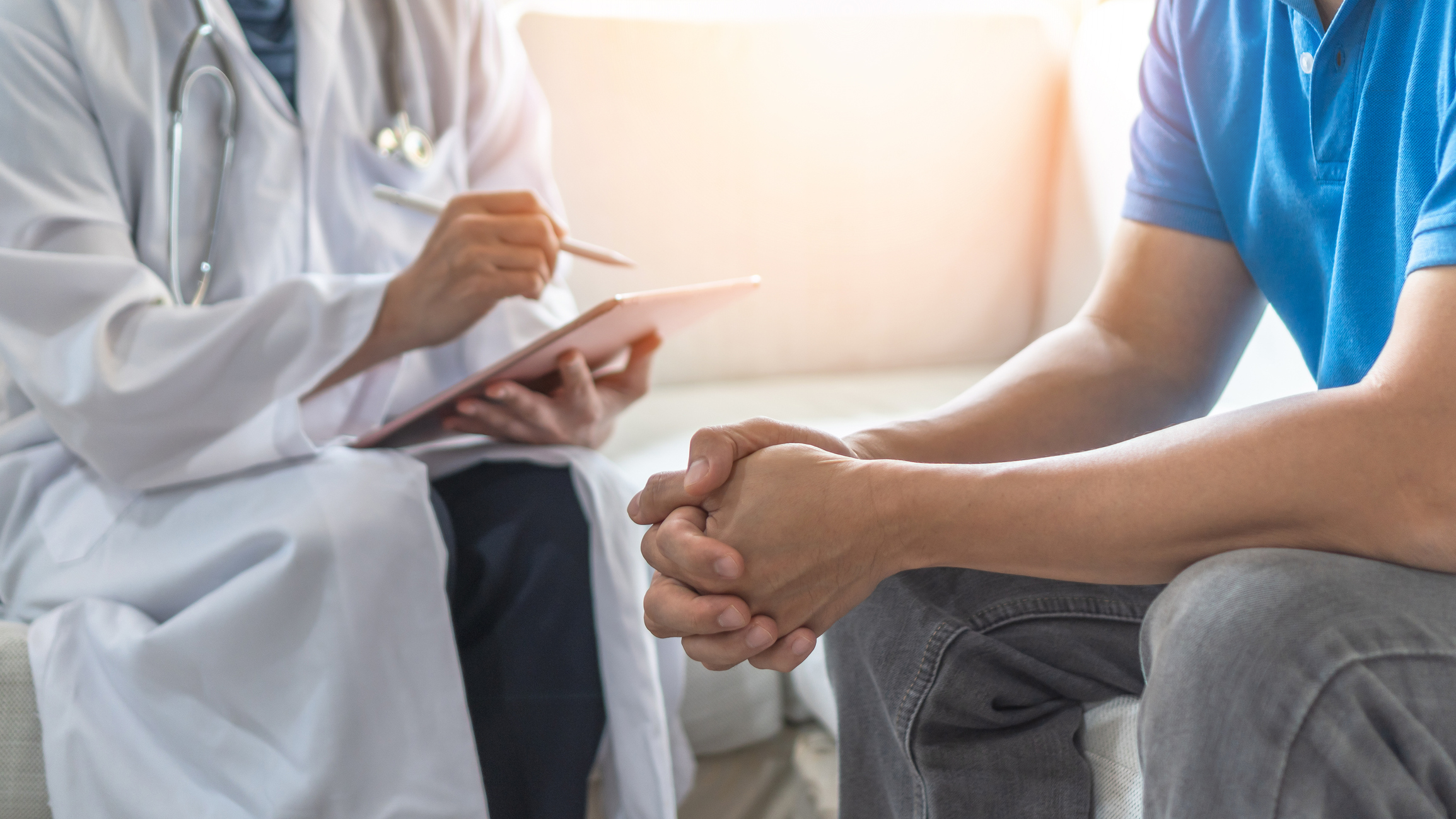
Prostate Cancer

The prostate gland is a part of the male reproductive system that sits below the bladder and is normally the size of a walnut. Prostate cancer is the second leading cause of death in American men. The majority of men who reach the age of 80 are found to have prostate cancer however most types of this cancer at that age grow slowly and may not contribute to any serious harm. Some types of prostate cancer are very aggressive and can spread to other parts of the body.
Prostate cancer can occur at any age, but is more common in men over the age of 65. There is a higher incidence of it in African American males and men who have a family history of the disease.
Symptoms of prostate cancer include:
• Difficulty urinating
• Less forceful urination
• Need to urinate frequently
• Painful urination
• Blood in the urine or semen
• Pain in the lower back, hips, pelvis
• Unexplained weight loss
Prostate screenings are very important to help detect the disease. A blood test that measures prostate-specific antigen (PSA) and a digital rectal exam (DRE) are the two tests that a physician will start with to see if there are any abnormalities. If there is reason to believe that there is a problem other tests will be performed and this includes an ultrasound exam and a biopsy of the gland.
Treatment of prostate cancer depends on the age of the patient at the time of diagnosis, the overall health of the patient, and the amount of growth and spread of the disease. Treatment options can include surgery, radiation, chemotherapy, and hormone therapy.
To schedule an appointment with a urologist at Jamaica Hospital who can perform a prostate exam, please call 718-206-7110.

All content of this newsletter is intended for general information purposes only and is not intended or implied to be a substitute for professional medical advice, diagnosis or treatment. Please consult a medical professional before adopting any of the suggestions on this page. You must never disregard professional medical advice or delay seeking medical treatment based upon any content of this newsletter. PROMPTLY CONSULT YOUR PHYSICIAN OR CALL 911 IF YOU BELIEVE YOU HAVE A MEDICAL EMERGENCY.

The White Coats are Coming!

Does the thought of having a physician take your blood pressure make you nervous? Anxiety over going to the doctor’s office can lead to an elevation in your blood pressure; a condition known as “white coat hypertension.”

White coat hypertension is a real condition that occurs when blood pressure readings at your doctor’s office are higher than they are in other settings, such as your home. The term white coat refers to the traditional white lab coat health care professionals wear in clinical settings.

The underlying cause of white coat hypertension is believed to be tension and stress associated with being examined by a physician. Not much attention was given to this condition since the blood pressure of patients returned to normal levels when taken in the home environment, where they feel more relaxed. Recent studies however have proven that people with white coat hypertension are twice as likely to develop true hypertension within a decade, compared to people with normal blood pressure levels.

How do you know if you have white coat hypertension and what should you do if you have it? The first step is for your doctor to have you monitor your blood pressure at home to see if it returns to normal levels. If it does, together, you and your doctor can decide whether to treat it or not. On one hand, if your blood pressure is normal during the rest of the day, taking blood pressure medications can lead to hypotension (low blood pressure). On the other hand, people with white coat hypertension might have elevated blood pressure during other stressful parts of the day. Many factors, such as age, family history, and the existence of other conditions will help the doctor make the right decision for you.

There are things that you can do to reduce your anxiety and stress before having your blood pressure checked by a health care professional. First, avoid drinking excessive amounts of water before checking your blood pressure because water can increase your reading. Also, do not participate in any physical activity before having your blood pressure taken. Excessive physical exertion will raise blood pressure. Lastly, avoid stressful situations and remain calm leading up to and during your visit to the doctor’s office.

If you think you have hypertension, make an appointment with your doctor immediately. If you do not have a primary care physician, call Jamaica Hospital’s Family Care Center at 718-657-7093 to schedule an appointment.

All content of this newsletter is intended for general information purposes only and is not intended or implied to be a substitute for professional medical advice, diagnosis or treatment. Please consult a medical professional before adopting any of the suggestions on this page. You must never disregard professional medical advice or delay seeking medical treatment based upon any content of this newsletter. PROMPTLY CONSULT YOUR PHYSICIAN OR CALL 911 IF YOU BELIEVE YOU HAVE A MEDICAL EMERGENCY.

Is This Job Killing Me?

Some workplace stress is normal, but excessive stress can interfere with productivity and impact your physical and emotional health. If you are feeling overwhelmed at work, you can lose confidence, and become irritable or withdrawn.

Health issues that can be caused by excessive stress are:

  • Heart disease
  • Asthma
  • Obesity
  • Diabetes
  • Headaches
  • Depression and anxiety
  • Gastrointestinal problems

How you manage your stress is one way of avoiding the negative health impacts of a stressful lifestyle. By realizing that not being able to control everything in your work environment does not mean you are powerless, you can find ways to manage your workplace stress without rethinking career ambitions.

Some quick, office stress relievers are:

  • Take a short walk
  • Drink water
  • Stretch
  • Make a plan or to-do list
  • Unplug from email and social media
  • Breathe
  • Act rather than react
  • Ask for help

One of the best ways of coping with stress is to identify what your stress triggers are. Once you have identified them, you can find ways to resolve them.

If using these steps to relieve your feelings of being stressed is not helping, you may want to consult a mental health professional at Jamaica Hospital Medical Center’s Department of Mental Health and Psychiatry. Call 718-206-7160 for an appointment.

All content of this newsletter is intended for general information purposes only and is not intended or implied to be a substitute for professional medical advice, diagnosis or treatment. Please consult a medical professional before adopting any of the suggestions on this page. You must never disregard professional medical advice or delay seeking medical treatment based upon any content of this newsletter. PROMPTLY CONSULT YOUR PHYSICIAN OR CALL 911 IF YOU BELIEVE YOU HAVE A MEDICAL EMERGENCY.

Bistro Roasted Chicken


Looking to cook a healthy and filling meal for two?  Take a look at the recipe below and Bon Appetit!

Bistro Roasted Chicken

Ingredients

  • 2 chicken leg quarters (about 1 1/2 pounds)
  • 1 tablespoon chopped fresh or 1 teaspoon dried basil
  • 1 tablespoon chopped fresh or 1 teaspoon dried thyme
  • 1 tablespoon chopped fresh or 1 teaspoon dried rosemary, crushed
  • 2 teaspoons olive oil
  • 1/2 teaspoon salt
  • 1/4 teaspoon black pepper
  • 2 whole garlic heads

Preparation

Preheat oven to 375°.

Rinse chicken with cold water; pat dry. Trim excess fat. Loosen skin from thigh and leg by inserting fingers, gently pushing between skin and meat. Combine basil and next 5 ingredients (basil through pepper). Rub herb mixture under loosened skin. Place chicken on a broiler pan. Insert meat thermometer into meaty part of thigh, making sure not to touch bone.

Remove white papery skin from garlic heads (do not peel or separate the cloves). Wrap each head separately in foil; place on broiler pan with chicken. Bake at 375° for 45 minutes. Increase oven temperature to 450° (do not remove chicken from oven). Bake 30 minutes or until thermometer registers 180°. Cover chicken loosely with foil; let stand 10 minutes. Discard skin.

For this and other delicious healthy meals for two check out –

All content of this newsletter is intended for general information purposes only and is not intended or implied to be a substitute for professional medical advice, diagnosis or treatment. Please consult a medical professional before adopting any of the suggestions on this page. You must never disregard professional medical advice or delay seeking medical treatment based upon any content of this newsletter. PROMPTLY CONSULT YOUR PHYSICIAN OR CALL 911 IF YOU BELIEVE YOU HAVE A MEDICAL EMERGENCY.

Mosquito Bites – More Than Just an Itch

Summertime means most of us will spend more time outdoors, but this means we must share our space with mosquitoes. Of the 3,000 species of mosquitoes in the world, roughly 200 can be found in the USA.

According to the Centers for Disease Control and Prevention (CDC), mosquitos have been labeled the most dangerous animal in the world since estimates hold mosquitos responsible for hundreds of millions of malaria cases each year, as well as transmitting West Nile virus, yellow fever and the more notable Zika virus.

We are told by health professionals and monitoring agencies that the Zika virus is primarily spread to people through the bite of an insect, the Aedes aegypti mosquito to be more specific. Additionally, there have been some cases where Zika has been spread through having sexual relations with an infected male. Men and women who have traveled to Zika hot spots should consider condom use during pregnancy if the man has been exposed.

The most common symptoms of the Zika virus disease are:

  • Fever
  • Rash
  • Joint pain
  • Conjunctivitis (pink eye)

The CDC goes on to state that the Zika virus is usually mild with symptoms that last from several days to one week, but with Zika being linked to birth defects in women infected during pregnancy, the CDC recommends the following measures to protect you against being bitten:

  • Repellents – When used as directed, insect repellents are the best way to protect yourself and family from getting mosquito bites. The higher percentages of active ingredients provide longer lasting protection.
  • Cover up – When weather permits, wear long-sleeved shirts and pants.
  • Keep mosquitoes outside – Use air conditioning or make sure that you repair and use window/door screens
  • Protect yourself when traveling – learn about the country-specific travel advice, health risks and how to stay safe.

Since specific areas where Zika is spreading, and most prevalent, are often difficult to determine and are likely to change over time, please visit the CDC Travelers’ Health Site for the most updated information at http://wwwnc.cdc.gov/travel/page/zika-travel-information

All content of this newsletter is intended for general information purposes only and is not intended or implied to be a substitute for professional medical advice, diagnosis or treatment. Please consult a medical professional before adopting any of the suggestions on this page. You must never disregard professional medical advice or delay seeking medical treatment based upon any content of this newsletter. PROMPTLY CONSULT YOUR PHYSICIAN OR CALL 911 IF YOU BELIEVE YOU HAVE A MEDICAL EMERGENCY.

National Senior Health and Fitness Day

May 25, 2016, is National Senior Health and Fitness Day.  This observance is designed to shed light on the importance of the health and fitness of older adults.

Exercise is essential to improving health at any age, and seniors are not an exception.  A low-impact exercise routine can benefit your health by stretching and strengthening muscles, reducing stress and can even help to lower high blood pressure.

Staying fit doesn’t have to require a gym.  You can work out, at your own pace, with an instructor in class, on a home gym machine such as a treadmill, or utilize the great outdoors by taking a walk.

The four categories of Low –impact exercises are:

  1. Endurance –walking, swimming, or cycling.
  2. Strength –light weight training
  3. Flexibility –  Yoga
  4. Balance –Ti Chi

No matter what workout routine you choose, adding some gentle stretches will improve flexibility and range of motion.

After speaking with your physician and identifying what type of exercise is safe for you, an appropriate exercise regimen can lessen your visits to the doctor, lower your chance of being hospitalized and reduce the need for medications for a variety of illnesses.

All content of this newsletter is intended for general information purposes only and is not intended or implied to be a substitute for professional medical advice, diagnosis or treatment. Please consult a medical professional before adopting any of the suggestions on this page. You must never disregard professional medical advice or delay seeking medical treatment based upon any content of this newsletter. PROMPTLY CONSULT YOUR PHYSICIAN OR CALL 911 IF YOU BELIEVE YOU HAVE A MEDICAL EMERGENCY.

Lamb Kebabs and Lima Bean Salad


National Lima Bean Respect Day is observed on April 20.  Lima beans are a good source of protein, iron, magnesium, potassium and zinc.  Lima beans can increase energy levels by helping to restore iron.  They are delicious in soups, stews, salads, casseroles, by themselves or mixed with other vegetables.

In honor of National Lima Bean Respect Day, try this easy and delicious Lamb Kebabs and Lima Bean Salad recipe:

INGREDIENTS

  • 3 tablespoons olive oil
  • 2 tablespoons red wine vinegar
  • 1 tablespoon chopped fresh oregano
  • 2 cloves garlic, chopped
  • Kosher salt and black pepper
  • 3/2 pound boneless lamb top round steak or shoulder chop, cut into 16 pieces
  • 1 lemon, cut into 8 pieces
  • 1medium red onion, cut into 8 wedges (stem end left intact)
  • 1 pound frozen baby lima beans
  • 1 ounce Feta, crumbled (1/4cup)
  • ¼ cup pitted Kalamata olives, coarsely chopped
  • ¼ cup torn fresh mint leaves

DIRECTIONS

  1. Soak 8 wooden skewers in water for at least 15 minutes. Bring a large saucepan of water to a boil.
  2. Meanwhile, in a medium bowl, make the vinaigrette: whisk together the oil, vinegar, oregano, garlic and ¼ teaspoon each salt and pepper. Transfer half the vinaigrette to another medium brown, add the lamb and toss to coat.
  3. Heat broiler. Thread the lamb, lemon and onion onto the skewers and place on a broiler-proof baking sheet.  Broil 3 to 4 minutes per side for medium-rare.
  4. Add the beans and 1 tablespoon salt to the boiling water and cook until the beans are tender, 2 to 3 minutes. Rinse with cold water, drain well and add to the bowel with the remaining vinaigrette.  Add the Feta, olives and mint and toss to combine.  Serve with the kebabs


Serves:                 4

Total Time:         40 min

For this and other easy recipes visit –


All content of this newsletter is intended for general information purposes only and is not intended or implied to be a substitute for professional medical advice, diagnosis or treatment. Please consult a medical professional before adopting any of the suggestions on this page. You must never disregard professional medical advice or delay seeking medical treatment based upon any content of this newsletter. PROMPTLY CONSULT YOUR PHYSICIAN OR CALL 911 IF YOU BELIEVE YOU HAVE A MEDICAL EMERGENCY.

March is National Colon Cancer Awareness Month

In 2000, President Clinton officially dedicated March as National Colon Cancer Awareness Month. This designation provides patients, survivors, caregivers and advocates throughout the country an opportunity to join together to raise awareness about colon cancer and the importance of early detection.

ThinkstockPhotos-474824404The American Cancer Society recommends that men and women with an average risk of developing colon cancer be tested beginning at age 50. People with certain risk factors, such as a family history of colon cancer or a history of inflammatory bowel disease should be tested earlier.

Early detection can save lives, but unfortunately, less than half of the people age 50 and older get tested for colon cancer. Colorectal cancer is the third most commonly diagnosed cancer and second leading cause of cancer death in the U.S., yet there is a 90 percent cure rate when detected early.

There are a variety of different tests used to diagnose colon cancer. They include:

Standard (or optical) colonoscopy – During this test, the rectum and entire colon are examined using a colonoscope, a flexible lighted tube with a lens for viewing and tool for removing tissue. During a colonoscopy, any abnormal growths in the colon and rectum can be removed.

Sigmoidoscopy – During this test, the rectum and the sigmoid colon are examined using a sigmoidascope. The instrument is inserted through the anus and into the rectum and sigmoid colon as air is passed pumped into the colon to expand it so the doctor can see it more clearly.

High-sensitivity fecal occult blood tests (FOBT) – This exam checks for tiny amounts of blood in feces (stool) that cannot be seen by the naked eye. The stool samples are collected by the patient and the doctor has the samples tested.

Speak with your doctor about when to begin screening for colorectal cancer and what test(s) are best for you. If you do not have a doctor, Jamaica Hospital’s Ambulatory Care Center has doctors that can help. For more information, or to schedule an appointment, call 718-206-7001.

All content of this newsletter is intended for general information purposes only and is not intended or implied to be a substitute for professional medical advice, diagnosis or treatment. Please consult a medical professional before adopting any of the suggestions on this page. You must never disregard professional medical advice or delay seeking medical treatment based upon any content of this newsletter. PROMPTLY CONSULT YOUR PHYSICIAN OR CALL 911 IF YOU BELIEVE YOU HAVE A MEDICAL EMERGENCY.

What do you rely on most for maintaining a healthy heart?


1.   Exercise

2.  Balanced diet

3. Getting plenty of sleep

4.  Reducing stress

5.  All of the above

Answer – 5- All of the above

Although the American Heart Association recommends for overall cardiovascular health – at least 30 minutes of moderate-intensity aerobic activity at least 5 days per week or at least 25 minutes of vigorous aerobic activity at least 3 days per week for a total of 75 minutes with a moderate to high intensity muscle strengthening activity at least 2 days per week for additional benefits, best results are gained when exercise is combined with a balanced diet, getting plenty of rest and reducing stress .

All content of this newsletter is intended for general information purposes only and is not intended or implied to be a substitute for professional medical advice, diagnosis or treatment. Please consult a medical professional before adopting any of the suggestions on this page. You must never disregard professional medical advice or delay seeking medical treatment based upon any content of this newsletter. PROMPTLY CONSULT YOUR PHYSICIAN OR CALL 911 IF YOU BELIEVE YOU HAVE A MEDICAL EMERGENCY.