Holter Monitor

A Holter monitor is a small, wearable electrocardiogram (ECG) that records the heart’s electrical activity over 24 hours or longer while you’re away from your healthcare provider’s office.

A standard or resting ECG is one of the simplest and fastest tests to check the heart. Holter monitor tests may be done if a traditional electrocardiogram (ECG or EKG) doesn’t provide enough details about the heart’s condition. Some personal devices like smartwatches offer electrocardiogram monitoring. Ask your healthcare professional if this is an option for you.

Some reasons you might need to wear a Holter monitor or why your healthcare provider may ask you to wear one include:

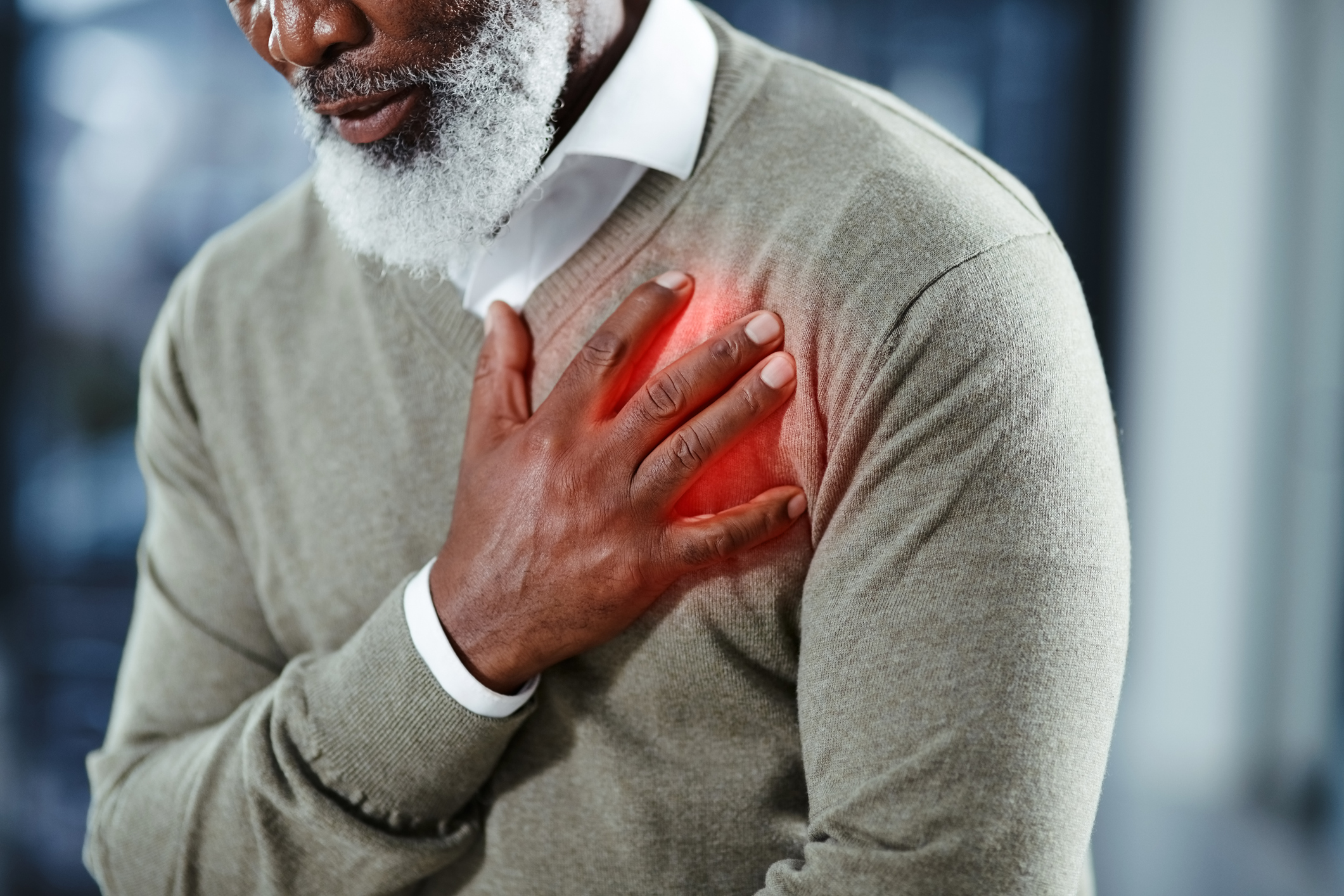
  • To evaluate symptoms that may be heart-rhythm-related. Symptoms can include:
    • Chest pain
    • Tiredness
    • Shortness of breath
    • Dizziness
    • Fainting
  • To identify irregular heartbeats or palpitations
  • To assess your risk for future heart-related events in certain conditions. These conditions can include thickened heart walls or hypertrophic cardiomyopathy after a heart attack that causes weakness of the left side of the heart. This is called Wolff-Parkinson-White syndrome. In this syndrome, an abnormal electrical conduction pathway exists in the heart.
  • To see how well a pacemaker is working
  • To find out how well treatment is working for complex abnormal heart rhythms
  • To see how fast or slow your heart rate gets during the day and if you have any pauses in your heart rhythm

While you wear a Holter monitor, you can do most daily activities unless you have instructions to avoid certain things. You may be given a form to record your activities and any symptoms. It’s important to note if and when you have any of the following symptoms:

  • Pounding, fluttering, or skipped heartbeats
  • Shortness of breath
  • Chest pain
  • Lightheadedness

After the allotted time with the Holter monitor, your healthcare provider will review the test results and discuss them with you. Information from Holter monitor testing can show if you have a heart condition and if any medicines you currently take aren’t working.

If you didn’t have any irregular heartbeats while you wore the monitor, you may need to wear a wireless Holter monitor or an event recorder. These devices can be worn longer than a standard Holter monitor. Event recorders are similar to Holter monitors and require you to push a button when you feel symptoms. There are several different types of event recorders.

If you are experiencing any symptoms that may be heart-rhythm-related, you can schedule an appointment at Jamaica Hospital Medical Center’s Cardiology Department by calling (718) 206-7100. If you are experiencing an emergency, please call 911 right away.

All content of this newsletter is intended for general information purposes only and is not intended or implied to be a substitute for professional medical advice, diagnosis or treatment. Please consult a medical professional before adopting any of the suggestions on this page. You must never disregard professional medical advice or delay seeking medical treatment based upon any content of this newsletter. PROMPTLY CONSULT YOUR PHYSICIAN OR CALL 911 IF YOU BELIEVE YOU HAVE A MEDICAL EMERGENCY.

Endocrine disruptors

Endocrine disruptors are natural or man-made chemicals that may mimic or interfere with how the body’s hormones, which are part of the endocrine system, work. The endocrine system is a network of glands and organs that produce, store, and secrete hormones. These chemicals are linked to many health problems in both wildlife and people. Since endocrine-disrupting chemicals (EDCs) come from many different sources, people are exposed in several ways, including the air we breathe, the food we eat, and the water we drink. EDCs can also enter the body through the skin.

Endocrine disruptors can disrupt many different hormones, which is why they have been linked to numerous adverse human health outcomes, including:

  • Alterations in sperm quality and fertility
  • Abnormalities in sex organs
  • Endometriosis
  • Early puberty
  • Altered nervous system function
  • Immune function
  • Certain cancers
  • Respiratory and cardiovascular problems
  • Metabolic issues
  • Diabetes
  • Obesity
  • Growth
  • Neurological and learning disabilities

According to the Endocrine Society, there are nearly 85,000 human-made chemicals worldwide, and 1,000 or more of those could be endocrine disruptors based on their unique properties. The following chemicals are among the most common and well-studied:

  • Atrazine
  • Bisphenol A (BPA)
  • Dioxins
  • Perchlorate
  • Per- and poly-fluoroalkyl substances (PFAS)
  • Phthalates
  • Phytoestrogens
  • Polybrominated diphenyl ethers (PBDE)
  • Polychlorinated biphenyls (PCBs)
  • Triclosan

High EDC exposures during fetal development and childhood can have long-lasting health effects since there are periods where hormones regulate the formation and maturation of organs. Early-life exposures have been linked to developmental abnormalities and may increase the risk for various diseases later in life.

Many EDCs have been found to cross the placenta and become concentrated in the fetus’ circulatory system. Other EDCs can be transferred from mother to infant through breast milk.

Although evidence linking EDCs to adverse health outcomes grows, the cause-and-effect relationship is not yet fully understood. Generally, chronic high exposure poses the highest risk, however, a developing fetus or infant is more vulnerable to lower exposures.

Additionally, a person’s genetic predisposition to specific health conditions and additional environmental risk factors can modify how a person is affected by EDCs.

For more information about Jamaica Hospital’s endocrinology service, or to make an appointment, please call 718-206-7001.


All content of this newsletter is intended for general information purposes only and is not intended or implied to be a substitute for professional medical advice, diagnosis or treatment. Please consult a medical professional before adopting any of the suggestions on this page. You must never disregard professional medical advice or delay seeking medical treatment based upon any content of this newsletter. PROMPTLY CONSULT YOUR PHYSICIAN OR CALL 911 IF YOU BELIEVE YOU HAVE A MEDICAL EMERGENCY.
Water Retention

Water retention or edema occurs when fluid builds up in your tissues, often in your feet, legs, and ankles. It can also affect other body parts such as your face, hands, and abdomen. Edema can affect anyone, especially people who are pregnant and adults 65 and older.

Symptoms of edema include:

  • An area of your body is larger than it was the day before
  • The skin over the swollen area looks stretched and shiny
  • Difficulty walking if your legs, ankles, and feet swell
  • You have a cough or trouble breathing
  • You feel fullness or tightness in the swollen body part
  • You feel mild pain or a sore feeling in the affected area
  • Stiff joints
  • Weight fluctuations
  • Puffiness of the abdomen, face, and hips
  • Bloating

There are many causes associated with edema, including:

  • Standing or sitting for too long
  • Weakened valves
  • Underlying medical conditions
  • Side effects from medication
  • Poor nutrition
  • Pregnancy
  • Compromised immune system

Your healthcare provider will perform a physical examination to diagnose edema, followed by diagnostic tests to find the cause. They will look for swelling, especially on parts of your body where your skin has a shiny, stretched appearance.

Edema grading is a scale used to identify the severity of your edema diagnosis and estimate how much fluid built up in your tissues.

Treatment for edema varies based on the cause, especially if the cause relates to an underlying health condition. Examples of this include:

  • If lung disease causes edema, such as emphysema or chronic bronchitis, your healthcare provider will recommend you quit smoking.
  • If edema occurs with chronic heart failure, your healthcare provider will recommend lifestyle changes to treat your diagnosis by monitoring your weight, fluid intake, and salt intake. They may also recommend cutting back on the amount of alcohol you drink.
  • If edema is a side effect of a medication you are taking, your healthcare provider may stop or lower the dosage of your medication to resolve swelling. Do not stop taking your medication unless your healthcare provider tells you to.

There are a few steps you can take to keep fluid from building up in your body, including:

  • Keeping your legs elevated above the level of your heart when you are sitting or lying down.
  • Avoid sitting or standing for long periods without moving or going on short walks.
  • Wearing support socks, stockings, or sleeves, that put pressure on body parts to keep fluids from collecting there.
  • Reducing the amount of salt in your diet.
  • Following your doctor’s directions for taking medications. Your doctor may want you to take a diuretic to help you get rid of excess fluid.

If you are experiencing swollen legs, ankles, or feet, you can schedule an appointment with a doctor at Jamaica Hospital Medical Center by calling 718-206-7001.


All content of this newsletter is intended for general information purposes only and is not intended or implied to be a substitute for professional medical advice, diagnosis or treatment. Please consult a medical professional before adopting any of the suggestions on this page. You must never disregard professional medical advice or delay seeking medical treatment based upon any content of this newsletter. PROMPTLY CONSULT YOUR PHYSICIAN OR CALL 911 IF YOU BELIEVE YOU HAVE A MEDICAL EMERGENCY.

Doomscrolling

Doomscrolling is when a person actively seeks out saddening or negative material to read or scroll through on social media or news media outlets.

Gaining prevalence in 2020, the idea behind doomscrolling is attempting to get access to all the information you need to keep yourself protected from what is dangerous around you. Unfortunately, you can become unable to tear yourself away from all the horrible headlines.

According to research, people with a high level of neuroticism (a general tendency toward negative emotions) may be more likely to engage in doomscrolling. Neuroticism is one of the big five personality traits, along with openness, conscientiousness, extraversion, and agreeableness.

Dr. Richard Mollica, a professor of psychiatry at Harvard Medical School says that women and people with a history of trauma are the two most vulnerable groups when it comes to doomscrolling.

Doomscrolling can reinforce negative thoughts and a negative mindset, something that can greatly impact your mental health. Research has linked consuming negative news to an increase in depression and anxiety and can also cause them to experience feelings of:

  • Apprehension
  • Sadness and anger
  • Uncertainty about the future

Some potential effects of doomscrolling include:

  • May worsen mental health issues
  • May lead to insomnia
  • Can contribute to “crazymaking” or “gaslighting”, a form of abuse that makes you feel off-balance mentally or emotionally by making you believe you’re crazy.

Here are some tips to help you stop doomscrolling:

  • Avoid catastrophizing by not letting your mind jump straight to the worst-case scenario.
  • Think about how you feel after doomscrolling
  • Keep your phone off your nightstand
  • Switch your phone to grayscale
  • Limit your screen time
  • Opt out of notifications
  • Don’t bring your phone to the dinner table
  • Focus on the now
  • Seek out positive news
  • Practice gratitude
  • Move your body
  • Disconnect
  • Ask for help

Embrace mindfulness and practice checking your phone consciously, not compulsively. If you need the assistance and support of a mental health professional at Jamaica Hospital Medical Center, please call 718-206-5575, to schedule an appointment.

All content of this newsletter is intended for general information purposes only and is not intended or implied to be a substitute for professional medical advice, diagnosis or treatment. Please consult a medical professional before adopting any of the suggestions on this page. You must never disregard professional medical advice or delay seeking medical treatment based upon any content of this newsletter. PROMPTLY CONSULT YOUR PHYSICIAN OR CALL 911 IF YOU BELIEVE YOU HAVE A MEDICAL EMERGENCY.

This Recipe For Mom’s Lasagna Will Comfort You And Keep You Warm On A Cold Fall Night

As the fall temperatures get colder we’ll be spending more time indoors. Here is a comforting fall recipe for Mom’s lasagna to keep you warm during the cold, autumn months.

https://www.foodnetwork.com/recipes/michael-symon/moms-lasagna-fall-version-11957227


All content of this newsletter is intended for general information purposes only and is not intended or implied to be a substitute for professional medical advice, diagnosis or treatment. Please consult a medical professional before adopting any of the suggestions on this page. You must never disregard professional medical advice or delay seeking medical treatment based upon any content of this newsletter. PROMPTLY CONSULT YOUR PHYSICIAN OR CALL 911 IF YOU BELIEVE YOU HAVE A MEDICAL EMERGENCY.

Bad Hygiene Habits That Can Make You Sick

We all have our bad habits. We also have bad hygienic habits. Here are some bad hygienic habits that can make you sick:

  • Washing your hands incorrectly- when you don’t wash your hands properly, germs can get into the body through the eyes, nose, and mouth and make you sick. Germs from unwashed hands can get into foods and drinks while people prepare or consume them.
  • Irregular brushing or flossing of teeth- not brushing or flossing your teeth can lead to swollen, bleeding gums, bad breath, cavities, and gum disease.
  • Rarely showering or bathing- not showering can cause acne, rashes, and life-threatening infections.
  • Infrequently washing bedding- bedsheets that haven’t been washed in months or longer become a petri dish of bacteria, fungus, and dust mites, and can lead to a staph infection.
  • Leaving in contact lenses for days- wearing contact lenses for a week or longer can lead to severe eye infections, including corneal ulcers.
  • Not washing bras or underwear regularly- not washing your underwear properly leaves the risk of contracting yeast infections, thrush, and urinary tract infections. Wearing unwashed bras can cause acne, rashes, or worse.
  • Sharing toothbrushes, razors, or hairbrushes- using someone else’s toothbrush can lead to oral infections. Using someone’s razor can lead to skin infections like staph and also transmit viruses like hepatitis and HIV.
  • Reusing water bottles without washing them- refilling your reusable water bottle without washing it can cause large amounts of bacteria including E. coli to form.
  • Not washing produce before eating or cooking with them- ingesting the bacteria on unwashed fruits and veggies can give you food poisoning, and consuming the pesticides on some of these foods can raise your risk of serious conditions.
  • Not washing your hair regularly- bacteria will start to collect and clog your hair follicles, which could lead to infection.
  • Using your kitchen sponge for too long- using a dirty sponge can spread salmonella, E. coli, and staphylococcus, among other nasty substances.

Good hygiene isn’t about eradicating yourself of germs. You can kick bad hygiene habits by not letting harmful bacteria fester or not taking shortcuts.

All content of this newsletter is intended for general information purposes only and is not intended or implied to be a substitute for professional medical advice, diagnosis or treatment. Please consult a medical professional before adopting any of the suggestions on this page. You must never disregard professional medical advice or delay seeking medical treatment based upon any content of this newsletter. PROMPTLY CONSULT YOUR PHYSICIAN OR CALL 911 IF YOU BELIEVE YOU HAVE A MEDICAL EMERGENCY.

Wellness Wednesday- The Health Benefits of Walking

Physical activity doesn’t need to be complicated. Something as simple as a daily brisk walk can help you live healthier. Walking has many health benefits that can help you to:

  • Maintain a healthy weight and lose body fat by burning calories
  • Prevent or manage various conditions, including heart disease, stroke, high blood pressure, cancer, and type 2 diabetes
  • Lower blood sugar
  • Improve cardiovascular fitness
  • Strengthen bones and muscles
  • Improve muscle endurance
  • Ease joint pain
  • Boost immune function
  • Boost energy levels
  • Improve mood, cognition, memory, and sleep
  • Improve balance and coordination
  • Lengthen life spans
  • Inspire creative thinking
  • Reduce stress and tension

Here are some tips that can help you stay safe while walking:

  • Walking in areas designated for pedestrians.
  • Walk in well-lit areas
  • Wear a reflective vest or light so people in cars can see you if you walk in the evening or early morning hours
  • Wear sturdy shoes with good heel and arch support
  • Wear loose, comfortable clothing
  • Drink plenty of water before and after your walk to stay hydrated
  • Wear sunscreen to prevent sunburn, even on cloudy days

The faster, farther, and more frequently you walk, the greater the benefits. Make sure to warm up and cool down before walking to avoid injury. Always speak to your doctor before starting a new fitness routine. You can talk with a physician by scheduling an appointment at Jamaica Hospital Medical Center’s Ambulatory Care Center by calling (718) 206-7001.


All content of this newsletter is intended for general information purposes only and is not intended or implied to be a substitute for professional medical advice, diagnosis or treatment. Please consult a medical professional before adopting any of the suggestions on this page. You must never disregard professional medical advice or delay seeking medical treatment based upon any content of this newsletter. PROMPTLY CONSULT YOUR PHYSICIAN OR CALL 911 IF YOU BELIEVE YOU HAVE A MEDICAL EMERGENCY.

Wellness Wednesday: Meditation

Meditation is the habitual process of training your mind to focus and redirect your thoughts. It can wipe away the day’s stress and bring inner peace. It can also be used as a practice to develop other beneficial habits and feelings, such as a positive mood and outlook, self-discipline, healthy sleep patterns, and even increased pain tolerance.

There are many types of mediation, including:

  • Guided meditation
  • Mantra meditation
  • Mindfulness meditation
  • Qigong
  • Tai chi
  • Yoga

Each type of meditation includes certain features to help you meditate. The most common features include:

  • Focused attention- focusing your attention is one of the most important elements of meditation. It helps free your mind from the many things that cause stress and worry.
  • Relaxed breathing- this meditation technique involves deep, even-paced breathing using the diaphragm to expand your lungs. The purpose is to slow your breathing, take in more oxygen, and reduce the use of shoulder, neck, and upper chest muscles while breathing so that you breathe better.
  • A quiet setting- if you’re a beginner, meditation may be easier to do if you’re in a quiet spot to have fewer distractions. As you get more skilled at meditation, you may be able to do it anywhere, including high-stress places.
  • A comfortable position- you can practice meditation whether sitting, lying down, walking, or in other positions or activities. Ensure you are comfortable to get the most out of your meditation. Aim to keep a good posture during meditation.
  • An open attitude- let thoughts pass through your mind without judging them.

Here are some emotional and physical benefits of meditation:

  • It helps reduce stress
  • It helps to control anxiety
  • It supports emotional health
  • It enhances self-awareness
  • It increases your attention span
  • It may reduce age-related memory loss
  • It can help generate kindness
  • It may help with addiction
  • It helps to improve sleep
  • It helps control pain
  • It can help decrease blood pressure
  • It is accessible anywhere
  • It enables you to be more patient

Meditation is something everyone can do to improve their mental and emotional health without special equipment or costly memberships. Trying a style of meditation suited to your goals is a great way to improve your quality of life, even if you only have a few minutes a day.

If you want to learn more about Jamaica Hospital Medical Center’s integrative health services, events, or classes or would like to schedule an appointment, please call us at (718) 206-5675.


All content of this newsletter is intended for general information purposes only and is not intended or implied to be a substitute for professional medical advice, diagnosis or treatment. Please consult a medical professional before adopting any of the suggestions on this page. You must never disregard professional medical advice or delay seeking medical treatment based upon any content of this newsletter. PROMPTLY CONSULT YOUR PHYSICIAN OR CALL 911 IF YOU BELIEVE YOU HAVE A MEDICAL EMERGENCY.

National Afib Awareness Month

September is National Afib Awareness Month. Afib stands for atrial fibrillation, a type of arrhythmia or abnormal heartbeat. During Afib, the heart’s upper chambers, or the atria, beat chaotically and irregularly. They beat out of sync with the lower heart chambers, the ventricles.

Afib can lead to blood clots in the heart. It also increases the risk of stroke, heart failure, and other heart-related complications.

It usually isn’t life-threatening, but it is a serious medical condition that needs proper treatment to prevent serious health issues.

There are many symptoms of Afib, they can include:

  • Feelings of a fast, fluttering, or pounding heartbeat
  • Chest pain
  • Dizziness
  • Fatigue
  • Lightheadedness
  • Reduced ability to exercise
  • Shortness of breath
  • Weakness

People can experience three types of Afib, including:

  • Paroxysmal Afib
  • Persistent Afib
  • Long-standing persistent Afib

The most common cause of Afib is problems with the heart’s structure. Other health problems and heart diseases that can cause Afib include:

  • A congenital heart defect
  • Sick sinus syndrome
  • Obstructive sleep apnea
  • Heart attack
  • High blood pressure
  • Lung diseases, including pneumonia
  • Coronary artery disease
  • Thyroid diseases
  • Infections from viruses

Many factors can increase your risk of Afib, including:

  • Age
  • Caffeine, nicotine, or illegal drug use
  • Drinking too much alcohol
  • Changes in the level of body minerals
  • Family history
  • Long-term health conditions
  • Obesity
  • Some medicines and supplements

Healthy lifestyle choices can reduce the risk of heart disease and prevent Afib. Some basic heart-healthy tips include:

  • Controlling high blood pressure, high cholesterol, and diabetes
  • Not smoking or using tobacco
  • Eating a diet that is low in salt and saturated fat
  • Exercising at least 30 minutes a day at least five days a week
  • Getting at least seven to nine hours of sleep a day
  • Maintaining a healthy weight
  • Reducing and managing stress

Afib is diagnosed when a healthcare provider examines you and asks questions about your medical history and symptoms. Tests may be done to look for conditions causing irregular heartbeats such as heart disease or thyroid disease, including:

  • Blood tests
  • ECG or EKG
  • Holter monitor
  • Event recorder
  • Implantable loop recorder
  • Exercise stress tests
  • Chest X-ray

The goals of Afib treatment are to reset and control the heartbeat and prevent blood clots. Treatment for Afib depends on how long you’ve had it, your symptoms, and the cause of the irregular heartbeat. Afib treatment can include:

  • Medications
  • Cardioversion therapy
  • Surgery or catheter procedures

If you are experiencing any symptoms of Afib, you can schedule an appointment at Jamaica Hospital Medical Center’s Cardiology Department by calling (718) 206-7100. If you are experiencing an emergency, please dial 911 right away.


All content of this newsletter is intended for general information purposes only and is not intended or implied to be a substitute for professional medical advice, diagnosis or treatment. Please consult a medical professional before adopting any of the suggestions on this page. You must never disregard professional medical advice or delay seeking medical treatment based upon any content of this newsletter. PROMPTLY CONSULT YOUR PHYSICIAN OR CALL 911 IF YOU BELIEVE YOU HAVE A MEDICAL EMERGENCY.

Sickle Cell Awareness Month

September is sickle cell awareness month. Sickle cell disease is a group of inherited red blood cell disorders that affect hemoglobin, the protein that carries oxygen through the body. It is the most common inherited blood disorder in the United States. The disease gets its name from the abnormal crescent or “sickle” shape that some red blood cells develop, causing those red blood cells to block the blood flow through the body creating recurring episodes of pain.

Sickle cell disease is a lifelong disease affecting more than 100,000 people in the United States and 20 million worldwide. In the U.S., most people who have sickle cell disease are of African ancestry or identify themselves as black. About one in 13 Black or African American babies are born with the sickle cell trait and about one in every 365 Black or African American babies are born with sickle cell disease. Many people who come from Hispanic, Southern European, Middle Eastern, or Asian Indian backgrounds also have sickle cell disease.

There are many symptoms of sickle cell disease. Early symptoms can include:

  • Jaundice- a condition that causes the color of the skin or whites of the eyes to turn yellow
  • Extreme tiredness
  • Painful swelling of the hands and feet

Many serious symptoms and complications of sickle disease can include:

  • Episodes of severe pain
  • Anemia symptoms- fatigue, shortness of breath, dizziness, and an irregular heartbeat
  • Fever
  • Acute chest syndrome
  • Stroke
  • Priapism
  • Avascular necrosis
  • Pulmonary hypertension
  • Organ damage
  • Leg ulcers
  • Gallstones
  • Deep vein thrombosis
  • Pregnancy complications
  • Vision problems
  • Frequent infections

There are many ways to manage and treat sickle cell disease including:

  • Medicines
  • Blood transfusions
  • Blood and bone marrow transplant
  • Gene therapies
  • Complementary and alternative medicine (CAM)

Your healthcare team will probably include a doctor specializing in blood diseases called a hematologist.

If you need help managing symptoms of sickle cell disease or sickle cell trait, schedule an appointment with a hematologist at Jamaica Hospital Medical Center’s Department of Internal Medicine at (718) 206-7001.

All content of this newsletter is intended for general information purposes only and is not intended or implied to be a substitute for professional medical advice, diagnosis or treatment. Please consult a medical professional before adopting any of the suggestions on this page. You must never disregard professional medical advice or delay seeking medical treatment based upon any content of this newsletter. PROMPTLY CONSULT YOUR PHYSICIAN OR CALL 911 IF YOU BELIEVE YOU HAVE A MEDICAL EMERGENCY.