Indigestion VS Heartburn

Symptoms of heartburn

Although the words indigestion and heartburn are often used interchangeably, they are two completely different conditions.

Indigestion or upset stomach is a general term used to describe a feeling of discomfort in the upper abdomen. Symptoms of indigestion can occur differently in each person.  They may include:

  • Nausea
  • Burning in the upper abdomen
  • Bloating in the upper abdomen
  • Uncontrollable burping
  • Feeling full longer than you should
  • Feeling full right after you begin eating

These symptoms can be caused as a result of eating fatty or greasy foods, eating too quickly, drinking too much alcohol, eating during stressful situations or smoking.

Making certain lifestyle changes can reduce your risk of indigestion. Here are a few tips to minimize symptoms and reduce your risk: quit smoking, avoid fatty or greasy foods, eat slowly, decrease stress or limit the consumption of alcoholic beverages.

Indigestion can serve as a warning sign for more serious digestive diseases. If you are experiencing symptoms for more than two weeks, it is advised that you see a doctor.   

Heartburn is a condition that occurs when stomach acids flow up into the esophagus. This process is called acid reflux.   It causes a burning pain in the upper chest or the middle of the chest. Additional symptoms of heartburn can include:

  • A foul or  acidic taste in the mouth
  • Pain that worsens when lying down or bending over
  • Burning sensation in the throat
  • Difficulty swallowing

Eating certain foods can trigger or worsen the symptoms of heartburn.  Limiting the following can reduce your risk: spicy foods, alcoholic beverages, onions, citrus fruits and products, caffeinated drinks such as coffee, fatty meals, chocolate and tomato-based products such as ketchup.

Some individuals are more at risk than others for developing heartburn. People at risk include those who are pregnant or obese; those diagnosed with conditions such as gastroesophageal reflux disease (GERD) or hiatal hernias as well as those who are taking certain medications such as anti-inflammatory drugs.

It is advised that you see a doctor if: your heartburn symptoms are severe and occur frequently; you are experiencing nausea or vomiting; you have diarrhea, black or bloody stools or you have a chronic cough. Seek immediate medical attention if you are experiencing difficulty breathing or severe chest pain or pressure.

All content of this newsletter is intended for general information purposes only and is not intended or implied to be a substitute for professional medical advice, diagnosis or treatment. Please consult a medical professional before adopting any of the suggestions on this page. You must never disregard professional medical advice or delay seeking medical treatment based upon any content of this newsletter. PROMPTLY CONSULT YOUR PHYSICIAN OR CALL 911 IF YOU BELIEVE YOU HAVE A MEDICAL EMERGENCY.
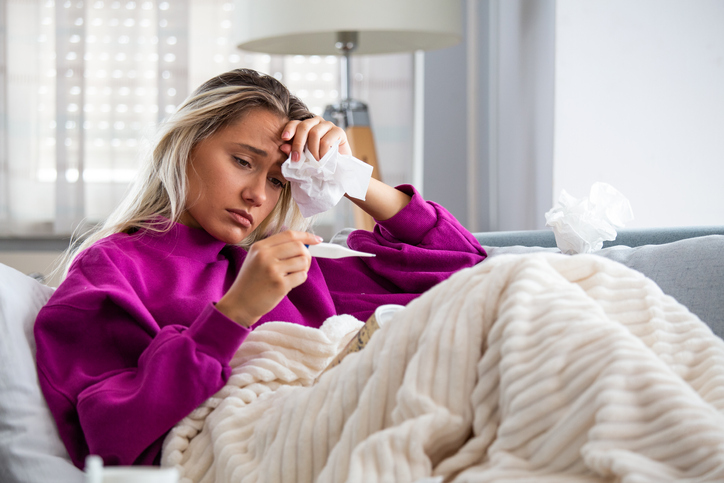

Pneumonia Vaccination

pneumonia vaccination jamaica hospital

Illnesses such as the flu and pneumonia are more prevalent during the winter season.  It is commonly known that getting the flu vaccine is one of the best defenses against the flu virus but did you know that there is a vaccine that can help to prevent pneumonia?

Pneumonia is an infection of the lungs caused by a variety of bacteria and viruses. It is most often caused by bacteria called Streptococcus pneumoniae. The pneumonia vaccine helps to prevent pneumonia infections and complications caused by these bacteria.

Symptoms of pneumonia can range from mild to severe, and may include:

  • Fever
  • Cough
  • Shortness of breath

It is important to receive prompt treatment for pneumonia because bacteria can spread from the lungs to the bloodstream and then to other parts of the body. This may require hospitalization and if left untreated can lead to death. 

Who can get the pneumonia vaccine?

  • Children- Most children will receive the pneumonia vaccine in multiple doses as part of their childhood vaccinations before 2 years of age.
  • Adults- Adults aged 19 to 64 years old who smoke cigarettes, use alcohol excessively or have chronic heart, lung or liver disease are recommended to receive one dose of the pneumonia vaccine.
  • Elderly- All patients aged 65 and older should receive at least one dose of the pneumonia vaccine.

Unlike the flu vaccine, which is given every year during the fall/winter season, the pneumonia vaccine can be received at any time.  However, you do not have to get the pneumonia vaccine every year.  Speak with your doctor about recommendations based on your age and immunization status.

The vaccine is a good way to prevent yourself from getting pneumonia, but remember, if you do have pneumonia, the flu or even the common cold, always wash your hands and cover your face when sneezing or coughing to prevent spreading it to others. 

To speak with or see a Family Medicine doctor about the pneumonia vaccine, please call 718-206-6942.

Susan Ching D.O. Family Medicine Physician

All content of this newsletter is intended for general information purposes only and is not intended or implied to be a substitute for professional medical advice, diagnosis or treatment. Please consult a medical professional before adopting any of the suggestions on this page. You must never disregard professional medical advice or delay seeking medical treatment based upon any content of this newsletter. PROMPTLY CONSULT YOUR PHYSICIAN OR CALL 911 IF YOU BELIEVE YOU HAVE A MEDICAL EMERGENCY.

How to Spot and Prevent Frostbite

Frostbite is an injury caused to the skin and underlying tissues as a result of exposure to windy and cold- weather conditions.

Staying outside in extreme weather conditions for extended periods of time is the most common factor and risks increase when temperatures fall below 5°farenheit, or in conditions with above freezing temperatures and extreme wind chills. Additional factors may include:

  • Direct contact with ice, very cold liquids and freezing metals.
  • Wearing clothing that is not suitable to protect against cold weather.

Although frostbite mostly occurs on parts of the skin that are not properly covered, it is important to note that in extreme temperatures it can also develop on areas that are covered by clothing.

Our nose, fingers, cheeks, ears and toes are the parts of our bodies that are highly susceptible to frostbite. They are furthest away from our core and are first to decrease in blood flow in cold temperatures.

The symptoms of frostbite vary with severity and are categorized in three stages:

Frostnip:  This is a mild form of frostbite. Skin may turn pale or very red and feels cold.  The affected areas may also itch, burn, sting or feel tingly. Continued exposure may lead to a “pins and needles” feeling or numbness.

Superficial Frostbite:  Skin appears reddened or pale. Skin can become hard and look waxy or shiny.  At this stage, after the skin is thawed, blisters may form on the affected area. Skin may also appear blue or purple once rewarmed.

Severe (Deep) Frostbite:  Severe cases of frostbite affect all layers of the skin as well as the tissues that lie below.  Skin becomes very hard and cold to the touch. It may look blue and some instances black, as the tissue dies. The affected area may lose all sensation and joints or muscles may no longer work.

Some people are more at risk of developing frostbite than others, they include:

  • The elderly
  • Young children
  • Patients taking medication such as beta blockers that reduce blood flow to skin
  • Diabetics
  • People who use nicotine
  • People under the influence of alcohol
  • People with prior cold-related injuries

Frostbite is preventable. If you expect to spend time outdoors in cold weather, take care in protecting yourself. Dress appropriately and in layers.  When temperatures become extreme, stay inside as much as possible. It is also advised that you stay hydrated; dehydration increases your risk of frostbite. Avoid drinking alcohol or smoking if you know you will be outside in the extreme cold.

All content of this newsletter is intended for general information purposes only and is not intended or implied to be a substitute for professional medical advice, diagnosis or treatment. Please consult a medical professional before adopting any of the suggestions on this page. You must never disregard professional medical advice or delay seeking medical treatment based upon any content of this newsletter. PROMPTLY CONSULT YOUR PHYSICIAN OR CALL 911 IF YOU BELIEVE YOU HAVE A MEDICAL EMERGENCY.

How Cold Weather Affects Asthma

When very cold and dry air enters the body, and subsequently the lungs it can cause a tightening of the airways. Cold air can cause wheezing, tightness of the chest muscles, shortness of breath, coughing, a sense of dizziness and sometimes difficulty speaking.

Taking some precautions before going outside in very cold weather can help ease the symptoms. It is important to keep asthma under control at all times. It can be helpful to take a dose of an asthma inhalant ten minutes before going outdoors. This will aid in keeping the airways open. People with asthma should carry their medication with them if they know they are going to be outdoors for any period of time. Another good idea is to keep your mouth and nose covered with a scarf when you are outside in cold weather. This will help to warm the air you are breathing. Anyone who has asthma should avoid strenuous outdoor activities. Sometimes the act of just walking on a windy day can bring on symptoms of an asthma attack. Try breathing through your nose more and through your mouth less. This will help to warm the air that enters your lungs.

People with asthma know the effects it can have during the cold days of winter. Taking a few precautions can help minimize the effects of the cold air on the body.

If you are experiencing symptoms of asthma and would like to seek the advice of a physician at Jamaica Hospital Medical Center’s Ambulatory Care Center, call 718-206-7001 to schedule an appointment.

All content of this newsletter is intended for general information purposes only and is not intended or implied to be a substitute for professional medical advice, diagnosis or treatment. Please consult a medical professional before adopting any of the suggestions on this page. You must never disregard professional medical advice or delay seeking medical treatment based upon any content of this newsletter. PROMPTLY CONSULT YOUR PHYSICIAN OR CALL 911 IF YOU BELIEVE YOU HAVE A MEDICAL EMERGENCY.

How To Tell The Difference Between a Bad Cold, Bronchitis and Pneumonia

That dreaded time of year is here, it is cold season.  In the United States, this season starts around September and typically lasts until March or April.

Chances are like many, you may catch a cold. If you do, you may display symptoms that include sneezing, scratchy or sore throat, runny or stuffy nose, coughing, congestion or a low-grade fever. These symptoms are normal but can worsen when left untreated and may cause serious illnesses such as bronchitis or pneumonia to develop.

It is important to know when your condition is worsening. There are several signs that can help you to recognize when your common cold has become something more.

Here are some symptoms of bronchitis to look out for:

  • A cold that persists for two weeks or more
  • Shortness of breath or wheezing
  • Coughs that produce thick clear, white, green or yellow mucous or blood
  • Rapid breathing
  • Soreness of the chest

Pneumonia can develop after having a serious cold or flu. Symptoms can be mild or severe depending on factors such as age and your state of health. The symptoms of pneumonia can include:

  • Violent coughing spasms that produce very little mucous
  • Coughs with bloody or yellow or greenish mucous
  • Fever
  • Sharp or stabbing chest pain when you breathe deeply or cough
  • Loss of appetite
  • Fatigue
  • Clammy skin or excessive sweating
  • Chills
  • Muscle aches

If your cold persists longer than two weeks and you are experiencing these symptoms, it is important that you contact your doctor as soon as possible. In severe cases, pneumonia can be life threatening.

To schedule an appointment with a physician at Jamaica Hospital Medical Center, please call 718-206-7001.

All content of this newsletter is intended for general information purposes only and is not intended or implied to be a substitute for professional medical advice, diagnosis or treatment. Please consult a medical professional before adopting any of the suggestions on this page. You must never disregard professional medical advice or delay seeking medical treatment based upon any content of this newsletter. PROMPTLY CONSULT YOUR PHYSICIAN OR CALL 911 IF YOU BELIEVE YOU HAVE A MEDICAL EMERGENCY.

This Month We Shine Our Employee Spotlight On Nicole Tuccillo, PA-C, MHA

This month, we are proud to shine our employee spotlight on Nicole Tuccillo, PA-C, MHA a Physician Assistant in the Emergency Department at Jamaica Hospital Medical Center where she has been working since 1999.

Nicole is a native of Queens. She grew up in Howard Beach and attended elementary school at P.S. 207, Junior High School at J.H.S. 202, and high school at Christ the King. She received her associate’s degree from Delhi University and received her B.S. and Physician Assistant degrees from Wagner College. Nicole then went on to obtain a Master’s in Health Administration from Bellevue University in 2012.

Nicole spent her first four years working at Jamaica Hospital in the PICU, she later began working in the Emergency Department. One of the positions she held was Trauma Program manager for five years. However, Nicole’s true calling is working in the different areas of the Emergency Department as this is where she feels she is most needed. She has the opportunity in the ER to teach PA and medical students which is very rewarding.

Nicole currently lives with her family on Long Island. Nicole’s husband is a Lieutenant with the New York City Fire Department. They have a son who is 14 years old and a daughter who is 13 years old. Completing the household is a dog named Cocoa who is always at the door waiting to greet them with lots of love. Her family is her whole world. Nicole also enjoys spending time with her friends as well and likes the fact that they round out her life so nicely. In her free time she practices Pilates and yoga which help her to relax and stay grounded.

Nicole likes trying new types of food, especially things that are exotic. She also loves to travel to new places. A few of the places she has been to include Iceland, Hawaii, Montreal, Sicily and other parts of Europe. Travelling the world has given her the opportunity to see new places, see the beauty that they hold, and learn about other cultures.

Nicole enjoys working at Jamaica Hospital because it is a comfortable atmosphere in which she is able to multi-task. According to Nicole, “The hospital is a place where everyone knows everyone else and work well together as a team. Our collective goal is to provide our patients with the utmost of care.” She also enjoys the diversity that is part of the fabric of the hospital and the patients that we treat.

We are very happy to have Nicole as part of the Jamaica Hospital Medical Center family and look forward to having her with us for many more years.

All content of this newsletter is intended for general information purposes only and is not intended or implied to be a substitute for professional medical advice, diagnosis or treatment. Please consult a medical professional before adopting any of the suggestions on this page. You must never disregard professional medical advice or delay seeking medical treatment based upon any content of this newsletter. PROMPTLY CONSULT YOUR PHYSICIAN OR CALL 911 IF YOU BELIEVE YOU HAVE A MEDICAL EMERGENCY.

Portable Heater Safety Tips

According to the National Fire Protection Association (NFPA), heating equipment, such as portable space heaters, is a leading cause of home fire deaths and half of the home heating equipment fires are reported during the months of December, January, and February.

NFPA suggests these tips for safely operating heating equipment in your home:

  • Keep anything that can burn at least three feet away from heating equipment, like the furnace, fireplace, wood stove, or portable space heater.
  • Have a three-foot “kid-free zone” around open fires and space heaters.
  • Never use your oven to heat your home.
  • Have a qualified professional install stationary space heating equipment, water heaters or central heating equipment according to the local codes and manufacturer’s instructions.
  • Have heating equipment and chimneys cleaned and inspected every year by a qualified professional.
  • Remember to turn portable heaters off when leaving the room or going to bed.
  • Always use the right kind of fuel, specified by the manufacturer, for fuel burning space heaters.

As a way of further making your home safe during the colder months, it is recommended that smoke and carbon monoxide detectors are checked each month. They may need a change of battery to ensure they are working properly.

All content of this newsletter is intended for general information purposes only and is not intended or implied to be a substitute for professional medical advice, diagnosis or treatment. Please consult a medical professional before adopting any of the suggestions on this page. You must never disregard professional medical advice or delay seeking medical treatment based upon any content of this newsletter. PROMPTLY CONSULT YOUR PHYSICIAN OR CALL 911 IF YOU BELIEVE YOU HAVE A MEDICAL EMERGENCY.

Butternut Squash Soup Recipe

Ingredients

1 Tbsp. Olive oil

2 Garlic cloves minced

1 Onion diced

1 Butternut Squash peeled and diced into cubes (can use frozen pre-cut as well)

4 cups (32 ounces) Vegetable Broth

1-2 tsp. salt (optional)

1 tsp freshly grated Ginger (optional)

Instructions

  1. Heat olive oil in a pot over medium heat. Add onion and garlic. Cook until softened, about 5 minutes.
    1. Add cut up butternut squash and vegetable broth. Bring to a boil then cover and simmer for 15-20 minutes until squash is softened.
    1. Carefully pour entire contents of pot into blender or use an immersion blender. Add salt and ginger.
    1. Carefully blend until smooth. Serve in bowls and garnish with parsley, chives, diced apples or pumpkin seeds.

All content of this newsletter is intended for general information purposes only and is not intended or implied to be a substitute for professional medical advice, diagnosis or treatment. Please consult a medical professional before adopting any of the suggestions on this page. You must never disregard professional medical advice or delay seeking medical treatment based upon any content of this newsletter. PROMPTLY CONSULT YOUR PHYSICIAN OR CALL 911 IF YOU BELIEVE YOU HAVE A MEDICAL EMERGENCY.

How To Make Your New Year Resolutions Stick

New Year Resolutions are great to make and even better to keep. Here are some tips on how to make your New Year Resolutions stick.

  1. Be realistic
  2. Plan ahead
  3. Outline your plan
  4. Make a “pros” and “cons” list
  5. Talk about it
  6. Reward yourself
  7. Track your progress
  8. Don’t beat yourself up
  9. Stick to it
  10. Keep trying

Keep in mind that each day is a new day to either continue your journey to your goal or to start again

All content of this newsletter is intended for general information purposes only and is not intended or implied to be a substitute for professional medical advice, diagnosis or treatment. Please consult a medical professional before adopting any of the suggestions on this page. You must never disregard professional medical advice or delay seeking medical treatment based upon any content of this newsletter. PROMPTLY CONSULT YOUR PHYSICIAN OR CALL 911 IF YOU BELIEVE YOU HAVE A MEDICAL EMERGENCY.

Why is it important to know what Cushing syndrome is?

When the body is exposed to high levels of the stress  hormone cortisol for extended periods of time this leads to a condition known as hypercortisolism, or Cushing syndrome.

High levels of cortisol in the body can occur as a result of ingesting oral corticosteroids or the body producing too much of the hormone in the adrenal glands.

Why would the body produce too much cortisol? It may be due to a tumor on the pituitary gland which leads to an over production of  adrenocorticotropic hormone (ACTH) that stimulates the adrenal glands. This is more common in women than in men.  It can also be due to a noncancerous tumor of the adrenal gland which causes an excess production of cortisol.

The medications that contain steroids are used to treat asthma, inflammation, rheumatoid arthritis, lupus. patients who have had organ transplants are also given steroids to reduce the risk of complications.

Signs and symptoms of Cushing syndrome include:

  • Weight gain
  • Buffalo hump ( fatty tissue deposits between the shoulders)
  • Moon face ( fatty tissue deposits in the face)
  • Thinning of the skin
  • Slow healing of wounds
  • Severe fatigue
  • Depression
  • Headache
  • Bone loss
  • Weakness
  • Acne
  • High blood sugar levels

Diagnosing Cushing syndrome is done by several methods. A 24 hour urine test may be performed to test levels of cortisol, a dexamethasone suppression test which involves taking a low dose steroid pill at night and then checking the blood levels for it in the morning, and a salivary cortisol level test which measures the level of cortisol in the saliva at night.

Treatment depends on the cause of the condition. If a person is taking in too much cortisol, it may have to be reduced. If a person is producing too much cortisol, ruling out a tumor is important. It is possible to cure Cushing syndrome, and if a complete cure isn’t possible, there are ways to at least control it. If you would like to schedule an appointment with a physician at Jamaica Hospital Medical Center, please call 718-206-7001.

All content of this newsletter is intended for general information purposes only and is not intended or implied to be a substitute for professional medical advice, diagnosis or treatment. Please consult a medical professional before adopting any of the suggestions on this page. You must never disregard professional medical advice or delay seeking medical treatment based upon any content of this newsletter. PROMPTLY CONSULT YOUR PHYSICIAN OR CALL 911 IF YOU BELIEVE YOU HAVE A MEDICAL EMERGENCY.