National Winter Skin Relief Day

January 8, 2020, is designated as National Winter Skin Relief Day.  This observation helps remind us that our skin is susceptible dryness and cracking due to the severe weather winter season can bring.

Winter can be a particularly harsh season for our skin. During this time of year, temperatures are cold and we spend more time indoors where heating systems tend to deplete the water content in the air.  Low humidity in our environment contributes to dry skin.

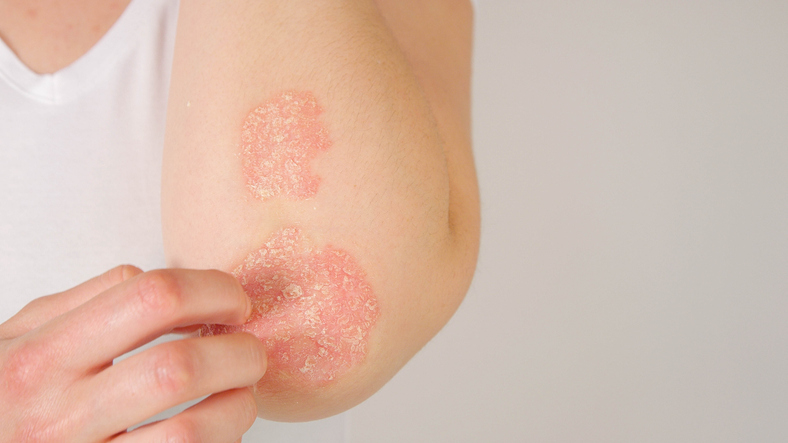
Dry skin commonly appears as being rough and flaky patches, which can show up anywhere on the body but mostly on the arms and legs. In severe cases, your skin can develop creases and cracks when it is extremely dry.

Drying of the skin typically occurs when the outer layer of the skin, called the stratum corneum, becomes compromised. The stratum corneum which is composed of dead skin cells and natural oils; acts as a protective layer that prevents water from evaporating from the surface. When water evaporates, outer skin cells become flaky and will cause cracks and fissures.

There are steps you can take to retain moisture and prevent dry skin. Here are a few:
• Bathe in warm water, never hot
• Use mild soaps that contain moisturizing creams
• Pat the skin dry with soft towels
• Use a moisturizer several times a day on exposed areas of the body.
• Drink a lot of water
• Apply sunscreen to prevent drying out from the sun’s rays
• Wear gloves
• Avoid wearing wet articles of clothes outdoors.
• Have a humidifier in the home

If you would like to schedule an appointment with a dermatologist at Jamaica Hospital Medical Center to discuss dry skin and how best to treat it, please call 718-206-7001.

All content of this newsletter is intended for general information purposes only and is not intended or implied to be a substitute for professional medical advice, diagnosis or treatment. Please consult a medical professional before adopting any of the suggestions on this page. You must never disregard professional medical advice or delay seeking medical treatment based upon any content of this newsletter. PROMPTLY CONSULT YOUR PHYSICIAN OR CALL 911 IF YOU BELIEVE YOU HAVE A MEDICAL EMERGENCY.


Jamaica Hospital Medical Center Earns Age-Friendly Health System Status

Jamaica Hospital Medical Center is proud to announce that we have earned an “Age-Friendly Health System” status; a designation that less than 20 percent of the health care facilities across the country have yet to receive.

Receiving an Age-Friendly status demonstrates that Jamaica Hospital and the Jamaica Hospital Nursing Home are committed to this rapidly growing movement to improve the health care for older adults.

This initiative was a collaborative effort founded in 2017 by the John A. Hartford Foundation, the Institute for Healthcare Improvement (IHI), the American Hospital Association (AHA), and the Catholic Health Association of the United States (CHA) with the intention of helping hospitals and other care settings implement a set of evidence-based interventions specifically designed to improve care for older adults.

The initiative is guided by a framework of essential elements known as the “4Ms”, which include:

  • What Matters – Communicating with our patients to better understand their personal and healthcare goals. This is achieved by asking a series of questions to the patient as well as family members or caregivers. Factors in what matters most to our patients could include end-of-life care, placement issues, or financial concerns.
  • Medication – Prescribing age-friendly medications that do not interfere with the goals of our older patients. This includes not prescribing certain medications that can affect a patient’s mobility and using our electronic medical record system to identify potentially inappropriate medications.
  • Mentation – Preventing, identifying, treating and managing mental health issues such as depression and dementia in our older patients. This involves conducting a mental health status examination.
  • Mobility – Ensuring that our older adult patients move safely and maintain function. This is done by getting our patients to ambulate more while in our care and by conducting a Fall Risk Assessment and providing mobility devices if necessary.

Receiving this designation was a collaborative effort led by Dr. Angelo Canedo and Dr. Alan Roth and included a leadership committee comprised of physicians, nurses, and hospital administrators. After a rigorous nine-month process that included educating all of our providers and submitting data that demonstrated the 4Ms have been incorporated into our practices.

The 4M initiative for treating older adults is currently being practiced throughout our network, by providers in our Emergency Departments, Ambulatory Care Centers, Inpatient Units, and in our long-term care facility

“Older adults deserve safe, high-quality healthcare. The Age-Friendly Health System initiative is an important part of our vision to provide it to them,” stated Dr. Alan Roth. “We worked very hard to achieve this goal and are extremely appreciative of those who contributed to helping us attain it.”

All content of this newsletter is intended for general information purposes only and is not intended or implied to be a substitute for professional medical advice, diagnosis or treatment. Please consult a medical professional before adopting any of the suggestions on this page. You must never disregard professional medical advice or delay seeking medical treatment based upon any content of this newsletter. PROMPTLY CONSULT YOUR PHYSICIAN OR CALL 911 IF YOU BELIEVE YOU HAVE A MEDICAL EMERGENCY.
Is Having An Annual Physical Exam Important ?

It’s the beginning of a new year which is a perfect time to make a promise to take better care of yourself.  What better way to do this than by scheduling an appointment for a regular medical check-up. Even if you feel fine, it is a good idea to see your medical doctor to ensure that you don’t have any underlying health issues. The American Medical Association is now recommending that physical exams be performed once every five years for people between 18 and 40 years of age and every three years after the age of 40, as long as there are no chronic illnesses that require  more frequent check-ups.  After the age of 55, an annual exam is probably a good idea.

There are many reasons that having a physical exam is something that everyone should make time to do.  These include:

  • Prevention of illnesses
  • Monitoring the risk of chronic disease
  • Identify illnesses that don’t have symptoms
  • Monitoring your weight, blood pressure, heart rate, and basic body chemistry
  • Adjusting your lifestyle to best suit your rage
  • Keeping an ongoing relationship with your physician

If you would like to schedule an appointment with a physician at Jamaica Hospital Medical Center, please call 718-206-7001.

All content of this newsletter is intended for general information purposes only and is not intended or implied to be a substitute for professional medical advice, diagnosis or treatment. Please consult a medical professional before adopting any of the suggestions on this page. You must never disregard professional medical advice or delay seeking medical treatment based upon any content of this newsletter. PROMPTLY CONSULT YOUR PHYSICIAN OR CALL 911 IF YOU BELIEVE YOU HAVE A MEDICAL EMERGENCY.

How Are You Handling Your Holiday Stress?

During the holiday season, many of us struggle to complete an extensive list of tasks in what often feels like very little time.   We run rampant decorating our homes, attending social gatherings, shopping for loved ones, volunteering, traveling or cooking.  These activities are often added to our already busy schedules, which can make us feel overwhelmed.

Contrary to what we may think, these activities which should make us feel happy can actually increase our stress levels.

Although there are various factors such as unrealistic expectations or financial strain that contribute to holiday stress, finding ways to avoid stressors or minimize their effects is very important. If stress is not managed well, it can have a significantly negative impact on our health.

Here are five tips to help you cope with holiday stress and maintain good mental health:

  1. Set realistic goals– Unrealistic goals often equal added pressure and expectations that cannot be met. If these goals are not met, they can lead to negative feelings such as inadequacy or hopelessness.
  2. Know when to take a moment for yourself (Take a break) – We are often pulled in multiple directions during this time of the year. Know when to take a breather to decompress and clear your mind.
  3. Communicate- The added pressures of the holidays are clearly overwhelming and one of the ways that people sometimes deal with this is to isolate themselves. This is not recommended; instead, reach out to loved ones or a trained mental health professional to communicate how you feel.
  4. Do not neglect healthy habits– Taking good care of your health can help combat holiday stress. Moderating your food intake, fitting in a few minutes of exercise and getting adequate amounts of sleep can be profoundly beneficial for your health.   Additionally, maintaining a healthy daily routine can help take your mind off holiday demands.
  5. Ask for help- We live in a time where multitasking has become the norm but if you begin to feel overwhelmed, ask for help. Soliciting the help of friends or family can alleviate some of the holiday pressure. The holidays can also trigger depression; if you are experiencing symptoms of depression ask for help from loved ones or seek the assistance of a mental health professional.

The holiday season can be overwhelming; however, by applying these helpful tips you can take the steps needed to minimize stress and make this time of year more enjoyable.  If you find that you continue to experience elevated levels of stress or symptoms of depression, it is recommended that you seek the help of mental health professional immediately.

To schedule an appointment with the Mental Health Clinic at Jamaica Hospital Medical Center, please call 718-206-5575.

All content of this newsletter is intended for general information purposes only and is not intended or implied to be a substitute for professional medical advice, diagnosis or treatment. Please consult a medical professional before adopting any of the suggestions on this page. You must never disregard professional medical advice or delay seeking medical treatment based upon any content of this newsletter. PROMPTLY CONSULT YOUR PHYSICIAN OR CALL 911 IF YOU BELIEVE YOU HAVE A MEDICAL EMERGENCY.
Alternative Ways to Treat Chronic Pain

We all experience physical pain at some point in our lives. In many instances pain will subside after a few hours or days. However, when pain lasts for weeks or longer, it is considered chronic and may require some form of pain management therapy.

Chronic pain could be caused by many things, such as a medical condition like arthritis or fibromyalgia.  It could also be the result of ongoing medical treatments, such as cancer therapy or it could be caused by nerve damage sustained by an injury. Whatever the cause of your pain, it is important to know that there are many options available to treat it.

For many years opioids were prescribed to treat pain, but they can be very addictive and therefore not always the best option. It is important to understand the potential benefits and risks before you begin taking these types of medications and explore alternative forms of pain management.

Other, non-addictive types of medication available to treat symptoms of pain include:

  • Non-steroidal anti-inflammatory drugs (NSAIDS) – such as ibuprofen, naproxen, and aspirin
  • Acetaminophen – Tylenol

  • Antidepressants – can improve sleep and alleviate pain
  • Anti-seizure medications – effective in treating pain related to nerve damage or injury

  • Steroids – used to alleviate inflammation and pain

Medications however are not the only form of therapy to manage pain. Physical therapy and exercise, if done correctly and under the supervision of a professional can build tolerance and reduce pain. Transcutaneous electrical nerve stimulation therapy (TENS) is another type of therapy that uses electrical stimulation to diminish pain.  Other types of pain therapy can include acupuncture, massage, heat and cold therapy, meditation, as well as dietary modifications and nutritional supplements.

A doctor who specializes in pain management can help. They can identify the source of your pain and determine the best approach to manage it, both physically and emotionally.

If you are experiencing chronic pain and would like to see a pain management specialist, please call Jamaica Anesthesia Associates at 718-06-7246 or 718-206-PAIN.

All content of this newsletter is intended for general information purposes only and is not intended or implied to be a substitute for professional medical advice, diagnosis or treatment. Please consult a medical professional before adopting any of the suggestions on this page. You must never disregard professional medical advice or delay seeking medical treatment based upon any content of this newsletter. PROMPTLY CONSULT YOUR PHYSICIAN OR CALL 911 IF YOU BELIEVE YOU HAVE A MEDICAL EMERGENCY.

Jamaica Hospital’s ER Earns Clinical Ultrasound Accreditation

Jamaica Hospital Medical Center is proud to announce that its Emergency Department recently received Clinical Ultrasound Accreditation by the American College of Emergency Physicians (ACEP).

Clinical ultrasound is the real-time performance and interpretation of ultrasound by a physician at the bedside to diagnose, monitor, and treat medical conditions.

Jamaica Hospital’s emergency department physicians are now trained to utilize ultrasound to guide them during complex procedures and help them expedite the correct diagnosis for many life-threatening conditions such as abdominal aneurysms, ectopic pregnancies, and internal bleeding. This diagnosis can be made within minutes, ultimately resulting in faster treatment and better patient outcomes.

Accreditation by the American College of Physicians indicates that Jamaica Hospital’s Emergency Ultrasound Program meets the high standards set forth by ACEP in the Ultrasound Guidelines: Emergency, Point-of-Care and Clinical Ultrasound Guidelines in Medicine.  The hospital’s program has met ACEP standards in all areas including administration, performing and interpreting ultrasound examinations, and patient confidentiality and privacy.

In addition, accreditation required the hospital’s emergency physicians to be credentialed in emergency ultrasound – a process that requires extensive training and continuing education.

Jamaica Hospital was one of only a handful of hospitals in New York State, and the only one in Queens to obtain ACEP’s Clinical Ultrasound Accreditation.  This designation is a testament to the continued high quality of care provided by Jamaica Hospital’s Emergency Department.  According to Celine Thum, MD, FAAEM, Director of Emergency Ultrasound, “Point-of-care ultrasound is an integral part of how emergency care is delivered at Jamaica Hospital and has already had a positive impact on our patients. Our doctors have used this technology to identify emergent pathologies in patients, which has resulted in positive outcomes and lives saved.”

Geoffrey Doughlin, MD, Chairman of Emergency Medicine added, “We are proud to have achieved this accreditation by the American College of Emergency Physicians as it demonstrates that Jamaica Hospital is among the best in the world at delivering point-of-care emergency ultrasound.”

All content of this newsletter is intended for general information purposes only and is not intended or implied to be a substitute for professional medical advice, diagnosis or treatment. Please consult a medical professional before adopting any of the suggestions on this page. You must never disregard professional medical advice or delay seeking medical treatment based upon any content of this newsletter. PROMPTLY CONSULT YOUR PHYSICIAN OR CALL 911 IF YOU BELIEVE YOU HAVE A MEDICAL EMERGENCY.

What Type Of Flu Vaccine Is Best For Seniors

With flu season upon us, it is recommended that everyone six months and older receive their annual influenza (flu) vaccine.  This is especially true for senior citizens as they are at a greater risk of developing serious complications from the flu. While there is no debate over whether or not seniors should get their flu shot, there is one about what type of vaccine they should receive.

Many providers are now recommending that patients over the age of 65 receive the vaccine Fluzone, a higher dose injectable vaccine formulated specially for seniors.  Like other flu vaccines, Fluzone is comprised of three different strains of the influenza virus that are most likely to cause the flu during the upcoming season.  However, Fluzone contains four times the amount of antigen (the inactivated virus that promotes a protective immune response) as a regular flu vaccine and produces a stronger immune response.

This high-dose vaccine was created specifically for seniors because their immune defenses are weakened due to their age. It is estimated that approximately 75% of seasonal flu-related deaths have occurred in people 65 years and older and between 50% and 70% of seasonal flu-related hospitalizations have occurred among people in this age group.

The results of seniors who have taken high-dose vaccines are promising. Initial studies have indicated that 25% fewer cases of influenza occurred in adults 65 years or older who took the high-dose vaccine compared with those who took the standard-dose vaccine, but other studies also revealed that seniors who received the high-dose vaccine were more likely to develop side effects, such as a fever and soreness at the injection site, during the week after vaccination.

If you are over 65 years old and still haven’t received your flu vaccine this year, speak to your doctor about whether or not a high-dose vaccine is right for you.

If you would like to make an appointment with a doctor t Flushing Hospital, please call 718-206-7001.

All content of this newsletter is intended for general information purposes only and is not intended or implied to be a substitute for professional medical advice, diagnosis or treatment. Please consult a medical professional before adopting any of the suggestions on this page. You must never disregard professional medical advice or delay seeking medical treatment based upon any content of this newsletter. PROMPTLY CONSULT YOUR PHYSICIAN OR CALL 911 IF YOU BELIEVE YOU HAVE A MEDICAL EMERGENCY.
Carpal Tunnel Syndrome

Carpal Tunnel Syndrome is characterized by numbness, tingling and weakness in the hand caused by pressure exerted on a major nerve and tendons in the wrist.

The carpal tunnel is a narrow passageway on the palm side of the wrist through which passes the median nerve and these tendons.  It usually starts, gradually, with numbness in the thumb, index and middle fingers that, at first, may appear to come and go and ten as it progressively worsens, remains constant.  It generally affects women more frequently than men.

Symptoms of carpal tunnel syndrome include:

  • Tingling or numbness of the thumb, index finger and middle fingers
  • Weakness of the hand with difficulty holding on to objects

Compression of the median nerve can be caused by a few different factors.  Some people have naturally occurring smaller carpal tunnels which can lead to increased likelihood of damage.  Any damage to treat area of the wrist can cause a problem.  A previous wrist fracture or anything that may cause swelling in that area can lead to the problem developing.  In addition, there are certain health related issues such as diabetes, hypothyroidism and arthritis which can be associated with this condition. 

Temporary relief from the symptoms of carpal tunnel syndrome can be addressed by:

  • Taking quick breaks from repetitive activities of the hand
  • Rotate your wrists and stretch your palms and fingers
  • Avoid sleeping on your hands and wrists
  • Ultrasound therapy which makes the area of the wrist warm and more flexible

Treatment for carpal tunnel syndrome really depends on what the cause is and how severe it has become.  If symptoms appear, never wait too long before seeking treatment options as this can lead to permanent damage.  Some simple remedies include stopping any activity that may be compressing the nerve, putting ice on the wrist for 10-15 minutes once or twice an hour, taking anti-inflammatory medications to reduce swelling, and wearing a night splint to take the pressure off of the nerve.

Some cases can be helped with injections of corticosteroids.  When the condition is really severe, surgical intervention may be required.  If you are experiencing the symptoms of carpal tunnel syndrome and would like to be treated by an at , please call to schedule an appointment.

All content of this newsletter is intended for general information purposes only and is not intended or implied to be a substitute for professional medical advice, diagnosis or treatment. Please consult a medical professional before adopting any of the suggestions on this page. You must never disregard professional medical advice or delay seeking medical treatment based upon any content of this newsletter. PROMPTLY CONSULT YOUR PHYSICIAN OR CALL 911 IF YOU BELIEVE YOU HAVE A MEDICAL EMERGENCY.

Shining Our Employee Spotlight on Dominic Rodrigues

This month we shine our Employee Spotlight on Dominic Rodrigues, Registration Supervisor in the Emergency Department.

Dominic was born in Bangladesh and came to New York when he was three years old. He grew up in Queens Village and attended P.S. 82, Junior High School 109 and August Martin High School. Dominic is a graduate of Queensborough Community College with a degree in Business Management.

Dominic began his career in 2002 at Jamaica Hospital as a registrar, then became a financial investigator. He was later promoted to his current position as a supervisor.

Dominic still resides in Queens Village with his wife Annmarie and their 8-year- old son Andrew. He enjoys spending his free time with family and friends. One of Dominic’s favorite things to do is to go fishing, primarily in the Spring and Summer but he has also gone occasionally in the winter months. When he is home he enjoys building things with his son. They have built model airplanes and they also put together puzzles of maps.

Dominic likes taking trips and likes picking new places to explore. A few years ago he took his family to Australia and describes it as one of the best vacations he has ever taken.

Dominic enjoys working at Jamaica Hospital Medical Center because he feels like he is a part of a really wonderful group of people. He enjoys helping people, both his fellow employees and the patients that come to us from all over. He looks forward to continuing to contribute to the hospital’s growth and success.

All content of this newsletter is intended for general information purposes only and is not intended or implied to be a substitute for professional medical advice, diagnosis or treatment. Please consult a medical professional before adopting any of the suggestions on this page. You must never disregard professional medical advice or delay seeking medical treatment based upon any content of this newsletter. PROMPTLY CONSULT YOUR PHYSICIAN OR CALL 911 IF YOU BELIEVE YOU HAVE A MEDICAL EMERGENCY.

Can Your Pet Be A Distraction To You While You Drive?

There are many known driving distractions that we are warned to avoid while on the road. These include: talking or texting on your mobile device, eating or drinking, attending to personal grooming, or adjusting our vehicle’s radio or navigation system. While it is important to be mindful of each of these potential distractions, there is another type of distraction that doesn’t get as much attention – driving with our pets.

Many people take their dogs or cats in the car with them when they run local errands; others bring them along for long road trips. During these excursions, our pets often have free reign of the vehicle, will place their head out the car window, and in some cases, even sit in the driver’s lap. These activities, while adorable, can pose great danger to not only the operator of the vehicle, but also the other passengers, fellow motorists, and even the pets themselves.

A recent study of individuals who frequently travel with their pets in the car revealed some very startling facts about their behaviors. The survey concluded that 64 percent of drivers admitted to engaging in a potentially distracting pet-related activity, and 29 percent admitted to actually being distracted by their pets. Some of the activities noted in the study included petting or playing with their pets, allowing them to stay in their lap, feeding them treats, and taking photos of them.  The same study determined 84 percent allowed their pets to ride in their vehicle while unrestrained.

To avoid these types of distractions while driving, motorists should consider purchasing a safety device for their dog or cat. There are two types of devices to choose from:

  • Pet seat belts – They are easy to use and work in tandem with your normal seat belt. Check to make sure the pet belt is the right size for your animal. One that’s too big or too small is counterproductive and can cause unnecessary injuries.
  • Pet carriers- Look for a sturdy carrier with ample ventilation and plenty of room for your pet to turn around and stretch out. Also, make sure you secure the carrier so that it stays safely in place if you suddenly brake or get into an accident.


Jamaica Hospital’s Trauma Division warns that driving with your beloved pet in the car doesn’t need to be dangerous. Take some time to make sure you can safely restrain your pet to maximize safety for you and your lovable friend.

All content of this newsletter is intended for general information purposes only and is not intended or implied to be a substitute for professional medical advice, diagnosis or treatment. Please consult a medical professional before adopting any of the suggestions on this page. You must never disregard professional medical advice or delay seeking medical treatment based upon any content of this newsletter. PROMPTLY CONSULT YOUR PHYSICIAN OR CALL 911 IF YOU BELIEVE YOU HAVE A MEDICAL EMERGENCY.