Yoga Awareness Month

Yoga can be beneficial for many people in terms of improving physical capabilities and mental well-being. It is accessible to a wider range of people than many other types of exercise because yoga movements are often not strenuous on the body or can be easy to perform for people from a variety of age groups and health circumstances.

Some of the benefits of yoga are especially helpful for improving the health of certain groups of people. A few of these benefits include:

Back pain relief: According to the American College of Physicians, yoga is recommended as a first-line treatment for people who experience chronic low back pain. Specifically, it can help with improving mobility and reducing the pain itself. Examples of simple movements that can help with this include:

  • Cat-cow pose
  • Locust pose
  • Cobra pose

Stress reduction: Yoga is also known for its benefits in terms of stress relief and relaxation. It incorporates meditation and breathing exercises that calm down the body and mind, making it easier to let go of stress, anxiety, and tension, as well as improving overall mental clarity, awareness, and concentration.  Some exercises that can help in this way include:

  • Child’s pose
  • Legs-up-the-wall pose
  • Corpse pose

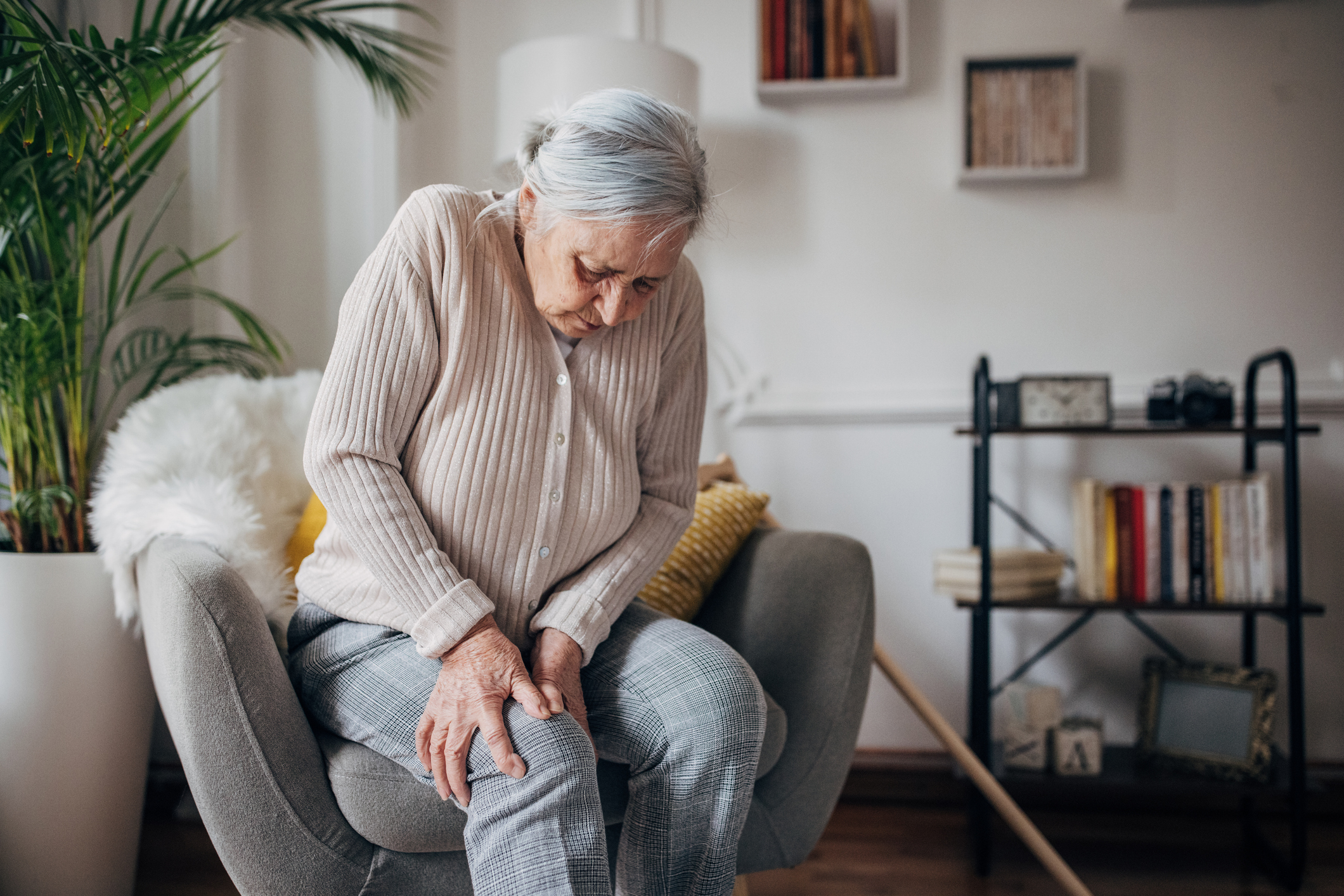
Chronic condition management: The combined physical and mental benefits of yoga can make it easier to manage symptoms of chronic conditions, such as arthritis, as well as improve the underlying health of different parts of your body, such as your heart and circulatory system, to prevent future disease.

At Jamaica Hospital Medical Center, treatments offered by our integrative health specialists can incorporate elements of yoga and other techniques that benefit the physical, mental, and emotional needs of our patients. To learn more or to schedule an appointment, please call (718) 206-6914.

All content of this newsletter is intended for general information purposes only and is not intended or implied to be a substitute for professional medical advice, diagnosis or treatment. Please consult a medical professional before adopting any of the suggestions on this page. You must never disregard professional medical advice or delay seeking medical treatment based upon any content of this newsletter. PROMPTLY CONSULT YOUR PHYSICIAN OR CALL 911 IF YOU BELIEVE YOU HAVE A MEDICAL EMERGENCY.

Meet Our Doctors: Dr. Benjamin Hartley

Jamaica Hospital Medical Center is pleased to introduce the newest member of its neurosurgical team, neurosurgeon Dr. Benjamin Hartley.

Dr. Hartley was raised in Redmond, Oregon, and comes from a family of surgeons.  “My father and grandfather were both surgeons,” he shared. “Although they’ve inspired me to become a physician, my greatest motivation was being able to care for patients and communities who needed it most.”

Dr. Hartley brings extensive knowledge and expertise to complement a team of highly trained neurosurgeons at Jamaica Hospital. He received his medical degree from SUNY Downstate College of Medicine and completed his residency at Weill-Cornell Medical College and Memorial Sloan Kettering. Dr. Hartley later went on to complete a fellowship in neurosurgical oncology at Northwell Health. “I chose neuroscience because it is the last great frontier of the life sciences, and I enjoy solving problems by using my hands,” he explained.

Years of intensive training and clinical experience have earned Dr. Hartley recognition as a top specialist. He specializes in treating brain tumors, skull base tumors, brain hemorrhages, hydrocephalus, and other conditions that affect the nervous system. Dr. Hartley utilizes advanced surgical techniques to achieve optimal patient outcomes.

According to Dr. Hartley, the best part of his job is working with an esteemed group of colleagues, and helping patients and families navigate challenging medical diagnoses.

Dr. Hartley’s dedication to medicine extends well beyond the walls of the hospital. He also commits his time to creating and supporting community initiatives that promote diversity in medicine. His proudest achievement is founding the PrIMES Mentorship program. The program supports undergraduate students from under-represented demographics interested in medicine by pairing them with physicians who serve as mentors.

Jamaica Hospital is proud to have a highly skilled and community-centric physician such as Dr. Hartley on its team.  He aims to offer the highest quality surgical treatments, compassionate care in and out of the operating room, and open lines of communication with patients and families at all times.

To schedule an appointment with a neurosurgeon at Jamaica Hospital Medical Center, please call 718-206-7001.

All content of this newsletter is intended for general information purposes only and is not intended or implied to be a substitute for professional medical advice, diagnosis or treatment. Please consult a medical professional before adopting any of the suggestions on this page. You must never disregard professional medical advice or delay seeking medical treatment based upon any content of this newsletter. PROMPTLY CONSULT YOUR PHYSICIAN OR CALL 911 IF YOU BELIEVE YOU HAVE A MEDICAL EMERGENCY.

3 Common Causes of Pinched Nerves

Pinched nerves occur when the tissues surrounding a nerve root press against it, causing symptoms such as pain, tingling, and numbness to occur in a particular part of your body. They’re fairly common, with approximately 80 out of every 100,000 adults in the United States experiencing pinched nerves at some point in life. They occur more often among people aged 50 or older, but they can happen at any age.

Pinched nerves develop most frequently in the neck, upper middle back, or lower back, and certain factors are often responsible for causing them. Some of these include:

Inflammation: When muscles and joints become inflamed, they can compress nerve roots. In young people, inflammation can occur due to a variety of factors, such as stress, disease, injuries, or obesity. In older people, it can more commonly result from chronic conditions such as arthritis.

Bone spurs: As people get older, the spine can experience a significant amount of wear and tear, causing spinal discs to flatten due to a loss of water content. This causes spinal vertebrae to move closer together and bone spurs to grow. These spurs, which are small growths of bone, can place pressure on nerve roots, causing them to become pinched. Bone spurs can also grow in other parts of your body and cause pinched nerves to occur in other locations.

Pregnancy: When a person becomes pregnant, the hormone relaxin is released into their body, causing ligaments to loosen in preparation for childbirth. This causes the body’s center of gravity to shift and can lead to compression and inflammation of the sciatic nerve. The fetus itself can also contribute to pressure against this nerve.

If you’re experiencing pain due to a pinched nerve, you can receive high-quality treatment from a neurosurgeon at Jamaica Hospital Medical Center. To schedule an appointment, please call (718) 206-6713.

All content of this newsletter is intended for general information purposes only and is not intended or implied to be a substitute for professional medical advice, diagnosis or treatment. Please consult a medical professional before adopting any of the suggestions on this page. You must never disregard professional medical advice or delay seeking medical treatment based upon any content of this newsletter. PROMPTLY CONSULT YOUR PHYSICIAN OR CALL 911 IF YOU BELIEVE YOU HAVE A MEDICAL EMERGENCY.
End of Summer Recipe for Shrimp and Avocado Salad

End of summer evenings call for recipes  that are easy to prepare  and that don’t require much cooking time.   Here is a recipe from the Food Network that we recommend for shrimp and avocado salad.

https://www.foodnetwork.com/recipes/food-network-kitchen/shrimp-and-avocado-salad-3362888

All content of this newsletter is intended for general information purposes only and is not intended or implied to be a substitute for professional medical advice, diagnosis or treatment. Please consult a medical professional before adopting any of the suggestions on this page. You must never disregard professional medical advice or delay seeking medical treatment based upon any content of this newsletter. PROMPTLY CONSULT YOUR PHYSICIAN OR CALL 911 IF YOU BELIEVE YOU HAVE A MEDICAL EMERGENCY.

How Qigong and Tai Chi Can Benefit Your Health

Qigong and tai chi are exercises originating in ancient China that focus on promoting the body’s natural ability to heal itself. Both have long been known to offer a variety of health benefits such as improved energy, resilience, and calmness for people who are aging, as they typically consist of postures and gentle movements that are not physically strenuous to perform. However, according to Dr. Martin Ehrlich, an integrative health specialist who teaches patients qigong and tai chi techniques, they can be beneficial for people of any age and with any health condition, acting as an effective supplement to other forms of treatment.

Dr. Ehrlich has previously hosted in-person workshops with patients that incorporated qigong and tai chi. “Those patients are still following the practices we introduced to them last year,” said Dr. Ehrlich. “All of them report that those techniques continue to make them feel healthier and have actually reduced their need for pain medication to improve their symptoms.”

Qigong and tai chi can improve symptoms caused by physical wear and tear, which often affects people who are aging, have chronic pain due to conditions such as arthritis or osteoporosis, or frequently perform physically demanding tasks. According to Dr. Ehrlich, these improvements occur because qigong and tai chi exercises cultivate qi, a form of energy that supports the body’s self-healing functions.

“If you cut yourself, your body is going to close the wound and heal. If you have an infection, your body is going to fight it,” said Dr. Ehrlich. “What qigong and tai chi do, along with other integrative health approaches, is teach people how to elicit and improve this inner healing capacity.”

Qigong and tai chi can also improve symptoms of mental health disorders such as depression, anxiety, and stress. To maximize their benefits, Dr. Ehrlich recommends having access to fresh air, sunlight, and plants while performing these exercises; if you are indoors, look for a naturally well-lit area, such as near an open window. It also helps to participate in a group setting with a teacher, where participants can receive clear guidance for their exercises and support one another through the learning process.

Dr. Ehrlich will be hosting a series of virtual qigong and tai chi sessions starting on September 12th and running through October 24th. Joining these sessions will require access to a computer and the Internet. They will take place on Tuesday evenings from 7 P.M. to 8 P.M. If you would like to join or receive more information about these virtual sessions, please call (718) 206-6914.

All content of this newsletter is intended for general information purposes only and is not intended or implied to be a substitute for professional medical advice, diagnosis or treatment. Please consult a medical professional before adopting any of the suggestions on this page. You must never disregard professional medical advice or delay seeking medical treatment based upon any content of this newsletter. PROMPTLY CONSULT YOUR PHYSICIAN OR CALL 911 IF YOU BELIEVE YOU HAVE A MEDICAL EMERGENCY.

Three Essential Back to School Tips

Although your child may be exposed to several health risks as the new school year begins, you can help them stay healthy by following these tips:

Getting your child vaccinated: Ensuring that your child receives their recommended immunizations is a simple, effective way to keep them from getting sick. In fact, many schools require students to receive their immunizations in order to attend classes.

Hand-washing and sanitization: Hand-washing and sanitizing alone go a long way toward staying in school; according to the Centers for Disease Control, hand-washing can reduce the risk of respiratory illness by up to 21%. Following and promoting sanitary practices at home may make it easier for them to continue these practices while at school.

Creating a mentally healthy environment: Physical illness isn’t the only health risk your child may face in class. Stress, bullying, or even issues like undiagnosed ADD or ADHD can negatively impact their mental health and their ability to stay focused on their studies. Staying aware of the causes of mental health issues, creating a supportive environment at home, encouraging your child to maintain healthy routines, and helping them learn effective coping mechanisms can make it easier for them to maintain a healthy state of mind throughout the school year.

Visit Jamaica Hospital Medical Center’s Ambulatory Care Center to get your child the medical help they need to stay engaged with their studies. You can also visit our Psychiatry Department for help addressing mental health challenges that arise before, during, or after the school year.

All content of this newsletter is intended for general information purposes only and is not intended or implied to be a substitute for professional medical advice, diagnosis or treatment. Please consult a medical professional before adopting any of the suggestions on this page. You must never disregard professional medical advice or delay seeking medical treatment based upon any content of this newsletter. PROMPTLY CONSULT YOUR PHYSICIAN OR CALL 911 IF YOU BELIEVE YOU HAVE A MEDICAL EMERGENCY.

Are You Prepared for Hurricane Season ?

While we typically associate the summer with delightful temperatures, this time of year can also bring dangerous weather conditions, namely hurricanes.

With a long history of providing relief to places previously devastated by hurricanes, including sending personnel to assist the victims of Hurricanes Katrina and Maria, Jamaica Hospital Medical Center is experienced and knowledgeable about how to properly prepare for such an event. Our hospital would like to share the following safety tips with our community:

  • In case of a need to evacuate, know where the nearest evacuation route is located
  • Keep a supply of non-perishable food that doesn’t require refrigeration or cooking
  • In an easy to locate area of your home keep flashlights, extra batteries, extra cash, a first aid kit, basic tools, charged cell phones and chargers, and a battery operated radio
  • Make sure you have a seven day supply of prescription medications
  • Have a three day supply of drinking water, one gallon per day per person.
  • Fill a bathtub with water to use to flush toilets
  • Make sure that all of your important documents are kept in a place that is high above ground level. Always keep a copy of these documents with you if there is a need to evacuate
  • Give everyone in your household a list of people they should contact in case of an emergency
  • Have a plan to protect your pets and have extra food for them
  • Prepare to put outdoor furniture away or at least firmly secured

By being prepared and following these tips, you can help keep your home and your loved ones safe from disaster.

For more information, please visit https://www.ready.gov/hurricanes and www.fema.gov

All content of this newsletter is intended for general information purposes only and is not intended or implied to be a substitute for professional medical advice, diagnosis or treatment. Please consult a medical professional before adopting any of the suggestions on this page. You must never disregard professional medical advice or delay seeking medical treatment based upon any content of this newsletter. PROMPTLY CONSULT YOUR PHYSICIAN OR CALL 911 IF YOU BELIEVE YOU HAVE A MEDICAL EMERGENCY.

What is the Difference Between Palliative and Hospice Care?

Relief from symptoms is an important aspect of medical care for anyone experiencing a serious chronic condition such as heart failure, cancer, or chronic obstructive pulmonary disease. Palliative and hospice care both focus on this part of your treatment; however, it’s important to know which type of care is most appropriate under your individual circumstances.

Palliative care involves medical, social, and emotional care and support to help provide relief. It can be provided at any stage of illness alongside other treatments intended to cure or improve your underlying condition and can involve a variety of medical specialists and professionals, including (but not limited to) doctors, nurses, social workers, and nutritionists. Ideally, palliative care should be provided as soon as possible after diagnosis to maintain your quality of life throughout the treatment process.

If treatment is no longer improving your condition, you could continue to receive palliative care focused on providing as much comfort as possible for the remainder of your life, or you may begin to receive hospice care if your doctor expects that you only have a short time left to live (typically six months or less).

Like palliative care, hospice care focuses on providing relief from symptoms and is offered in a variety of settings, such as at home, in a hospital, or in a nursing home. However, people who receive hospice care no longer receive treatments for their underlying illness. Care is focused solely on ensuring they are as comfortable as possible until death. This can involve most of the same types of medical care providers involved with palliative care. A member of the hospice team will visit regularly and someone will usually be available by phone as needed.

Hospice care at Jamaica Hospital Medical Center includes a variety of services and amenities, such as symptom management, nursing care, psychosocial and emotional support, and overnight accommodations for family members of patients, to provide you with maximum comfort and quality of life. To learn more, please visit our Hospice Care Services page.

All content of this newsletter is intended for general information purposes only and is not intended or implied to be a substitute for professional medical advice, diagnosis or treatment. Please consult a medical professional before adopting any of the suggestions on this page. You must never disregard professional medical advice or delay seeking medical treatment based upon any content of this newsletter. PROMPTLY CONSULT YOUR PHYSICIAN OR CALL 911 IF YOU BELIEVE YOU HAVE A MEDICAL EMERGENCY.

The Risk of Dehydration During Warm Weather Months

Dehydration is a condition, seen at any time of the year but more often during the warmer months,  whereby the body doesn’t have enough water and therefore is unable to function properly. The severity of dehydration, mild, moderate or severe indicates how much water is missing from the body. Severe dehydration can lead to the body going into shock. The people who are most susceptible to dehydration are people who work outdoors in warm weather, and also athletes, the elderly, and people who live in high altitudes.

The body loses water in various ways. These include:

  • Sweating
  • Urinating
  • Breathing,
  • Crying
  • Pooping

We can lose an even greater amount of water when we have a fever, diarrhea, vomiting, sweating heavily while exercising strenuously, frequently urinating due to diabetes or when taking certain medications that cause us to deplete the water in our bodies.

What are the symptoms of dehydration? Depending on the severity, in adults they can include:

  • Headaches
  • Dizziness
  • Weakness
  • Muscle cramps
  • Low blood pressure
  • Dark urine
  • Dry skin
  • Rapid heartbeat
  • Rapid breathing
  • Sleepiness

In young children symptoms of dehydration can also include having a dry diaper for several hours, crying without tears, sunken eyes, irritability, and a dry mouth and tongue.

The recommended amount of water taken in every day for an adult woman is 92 fluid ounces and for an adult man it is 124 fluid ounces. More water may be necessary if exercising strenuously or spending time in a very warm environment for an extended period of time. It is recommended that people who are dehydrated avoid caffeinated beverages, sugary drinks, and drinks containing alcohol.

If a person is suspected of being dehydrated, medical exams can help to diagnose it. This will include a thorough history, blood pressure, heart rate, blood test, and urine exams. A simple way to rehydrate some people is to have them drink more water during the day, and in some cases a sports drink that contains electrolytes. A young child may be given called Pedialyte. In more severe cases it may be necessary to give fluids intravenously.

If you have symptoms of dehydration, consult with a physician immediately. A severe case of dehydration can lead to complications, and potentially death. For less severe cases., you can schedule an appointment with a physician at Jamaica Hospital Medical Center by calling 718-206-7001.

All content of this newsletter is intended for general information purposes only and is not intended or implied to be a substitute for professional medical advice, diagnosis or treatment. Please consult a medical professional before adopting any of the suggestions on this page. You must never disregard professional medical advice or delay seeking medical treatment based upon any content of this newsletter. PROMPTLY CONSULT YOUR PHYSICIAN OR CALL 911 IF YOU BELIEVE YOU HAVE A MEDICAL EMERGENCY.

The Health Benefits of Flavonoid-Rich Foods

Flavonoids are compounds found naturally in many fruits and vegetables that can reduce inflammation and protect your body against various types of toxins. They provide these benefits by regulating cellular activity and improving your resistance against free radicals, which cause damage to surrounding cells.

There are six types of flavonoids, each of which provides different benefits to your health and can be found in certain foods. They include:

Flavanols: This type of flavonoid has particularly strong antioxidant properties that can help protect your body against symptoms of cardiovascular disease and other chronic conditions. They can be found in foods such as broccoli, tomatoes, onions, lettuce, peaches, berries, grapes, and kale, as well as liquids such as tea and red wine.

Flavan-3-ols: The most commonly-consumed type of flavonoid, flavan-3-ol, can lower your risk of several forms of cardiometabolic disease, including (but not limited to) hypertension (high blood pressure), insulin resistance, and dyslipidemia (high cholesterol). Flavan-3-ols can be found in tea, chocolate, apples, pears, and berries.

Flavones: Flavones are notable for their ability to help reduce inflammation in the body. They can typically be found in parsley, red peppers, celery, chamomile, and peppermint.

Flavanones: Like flavones, flavanones have anti-inflammatory properties; additionally, they are strong antioxidants and can help you to control your cholesterol and weight. They are generally found in citrus fruits such as lemons, limes, oranges, and grapefruit.

Isoflavones: These flavonoids can help to control hormonal balance, potentially improving problems such as anxiety and depression, as well as symptoms of menopause such as hot flashes. Isoflavones can be found in soy products and certain legumes, such as fava beans, chickpeas, pistachios, and peanuts.

Anthocyanins: Anthocyanins can boost your protection against a variety of chronic conditions, such as high blood pressure, heart disease, neurological disease, and cancer. They can be found in berries and berry products, including red and purple grapes, cranberries, blueberries, strawberries, blackberries, and red wine.

The registered dieticians at Jamaica Hospital Medical Center are ready to help you plan a diet that can reduce your risk of disease, maintain a healthy weight, and improve your overall health. To learn more or to schedule an appointment, please call (718) 657-7093.

All content of this newsletter is intended for general information purposes only and is not intended or implied to be a substitute for professional medical advice, diagnosis or treatment. Please consult a medical professional before adopting any of the suggestions on this page. You must never disregard professional medical advice or delay seeking medical treatment based upon any content of this newsletter. PROMPTLY CONSULT YOUR PHYSICIAN OR CALL 911 IF YOU BELIEVE YOU HAVE A MEDICAL EMERGENCY.