The White Coats are Coming!

Does the thought of having a physician take your blood pressure make you nervous? Anxiety over going to the doctor’s office can lead to an elevation in your blood pressure; a condition known as “white coat hypertension.”

White coat hypertension is a real condition that occurs when blood pressure readings at your doctor’s office are higher than they are in other settings, such as your home. The term white coat refers to the traditional white lab coat health care professionals wear in clinical settings.

The underlying cause of white coat hypertension is believed to be tension and stress associated with being examined by a physician. Not much attention was given to this condition since the blood pressure of patients returned to normal levels when taken in the home environment, where they feel more relaxed. Recent studies however have proven that people with white coat hypertension are twice as likely to develop true hypertension within a decade, compared to people with normal blood pressure levels.

How do you know if you have white coat hypertension and what should you do if you have it? The first step is for your doctor to have you monitor your blood pressure at home to see if it returns to normal levels. If it does, together, you and your doctor can decide whether to treat it or not. On one hand, if your blood pressure is normal during the rest of the day, taking blood pressure medications can lead to hypotension (low blood pressure). On the other hand, people with white coat hypertension might have elevated blood pressure during other stressful parts of the day. Many factors, such as age, family history, and the existence of other conditions will help the doctor make the right decision for you.

There are things that you can do to reduce your anxiety and stress before having your blood pressure checked by a health care professional. First, avoid drinking excessive amounts of water before checking your blood pressure because water can increase your reading. Also, do not participate in any physical activity before having your blood pressure taken. Excessive physical exertion will raise blood pressure. Lastly, avoid stressful situations and remain calm leading up to and during your visit to the doctor’s office.

If you think you have hypertension, make an appointment with your doctor immediately. If you do not have a primary care physician, call Jamaica Hospital’s Family Care Center at 718-657-7093 to schedule an appointment.

All content of this newsletter is intended for general information purposes only and is not intended or implied to be a substitute for professional medical advice, diagnosis or treatment. Please consult a medical professional before adopting any of the suggestions on this page. You must never disregard professional medical advice or delay seeking medical treatment based upon any content of this newsletter. PROMPTLY CONSULT YOUR PHYSICIAN OR CALL 911 IF YOU BELIEVE YOU HAVE A MEDICAL EMERGENCY.
The Dangers of Sports Enhancement Drugs

Do you remember the first time your favorite athlete broke a history-making record? It was mind blowing until they were investigated for using performance enhancing drugs. As much as any athlete would want to be invincible, they would have to accept the fact that they have limitations, especially where their body is concerned. However, doping is illegal in the sporting world, and many athletes have been stripped of their titles because of it. Take the time to learn about the health associated with performance-enhancing drugs.

Performance enhancing drugs are designed to improve physical abilities. The most common PED is steroids, the short term boost that give athletes the ability to push themselves further.

Like most drugs, steroids and other forms of PEDs also have side effects. When used for a long period or in excessive amounts, PED can result in increased cholesterol levels, liver damage, mood swings, hypertension, aggressive behavior, irregular heartbeat and other heart problems. Stimulants increase overall mental alertness and competitive response but it can also lead to addiction, brain hemorrhage, and heart attack. Apart from health problems that may be fatal, PED can also result in reduced athletic ability. What it gives in short term, it will take away in the long term.

Although the use of PEDs have become increasingly common you may learn that the benefits aren’t actually worth the risk.

For more hospital events, highlights, health and  fitness tips, visit us on 

  or

and follow us on Twitter or 

All content of this newsletter is intended for general information purposes only and is not intended or implied to be a substitute for professional medical advice, diagnosis or treatment. Please consult a medical professional before adopting any of the suggestions on this page. You must never disregard professional medical advice or delay seeking medical treatment based upon any content of this newsletter. PROMPTLY CONSULT YOUR PHYSICIAN OR CALL 911 IF YOU BELIEVE YOU HAVE A MEDICAL EMERGENCY.

Lamb Kebabs and Lima Bean Salad


National Lima Bean Respect Day is observed on April 20.  Lima beans are a good source of protein, iron, magnesium, potassium and zinc.  Lima beans can increase energy levels by helping to restore iron.  They are delicious in soups, stews, salads, casseroles, by themselves or mixed with other vegetables.

In honor of National Lima Bean Respect Day, try this easy and delicious Lamb Kebabs and Lima Bean Salad recipe:

INGREDIENTS

  • 3 tablespoons olive oil
  • 2 tablespoons red wine vinegar
  • 1 tablespoon chopped fresh oregano
  • 2 cloves garlic, chopped
  • Kosher salt and black pepper
  • 3/2 pound boneless lamb top round steak or shoulder chop, cut into 16 pieces
  • 1 lemon, cut into 8 pieces
  • 1medium red onion, cut into 8 wedges (stem end left intact)
  • 1 pound frozen baby lima beans
  • 1 ounce Feta, crumbled (1/4cup)
  • ¼ cup pitted Kalamata olives, coarsely chopped
  • ¼ cup torn fresh mint leaves

DIRECTIONS

  1. Soak 8 wooden skewers in water for at least 15 minutes. Bring a large saucepan of water to a boil.
  2. Meanwhile, in a medium bowl, make the vinaigrette: whisk together the oil, vinegar, oregano, garlic and ¼ teaspoon each salt and pepper. Transfer half the vinaigrette to another medium brown, add the lamb and toss to coat.
  3. Heat broiler. Thread the lamb, lemon and onion onto the skewers and place on a broiler-proof baking sheet.  Broil 3 to 4 minutes per side for medium-rare.
  4. Add the beans and 1 tablespoon salt to the boiling water and cook until the beans are tender, 2 to 3 minutes. Rinse with cold water, drain well and add to the bowel with the remaining vinaigrette.  Add the Feta, olives and mint and toss to combine.  Serve with the kebabs


Serves:                 4

Total Time:         40 min

For this and other easy recipes visit –


All content of this newsletter is intended for general information purposes only and is not intended or implied to be a substitute for professional medical advice, diagnosis or treatment. Please consult a medical professional before adopting any of the suggestions on this page. You must never disregard professional medical advice or delay seeking medical treatment based upon any content of this newsletter. PROMPTLY CONSULT YOUR PHYSICIAN OR CALL 911 IF YOU BELIEVE YOU HAVE A MEDICAL EMERGENCY.

World Health Day is April 7th

In 1948 the World Health Organization held the first World Health Assembly to address health issues affecting people around the world. Each year the World Health Organization chooses a health topic that it wishes to draw global attention to and that is a subject of major importance.  April 7th was chosen as World Health Day to honor the founding of the organization.
This year the World Health Organization decided to focus on diabetes.  The main goal is to increase awareness about the rise in diabetes and its staggering burden and consequences, particularly in low and middle – income countries. It also is designed to set in motion a set of specific effective and affordable actions to control diabetes.
• These actions include:
• Prevent diabetes
• Diagnose diabetes
• Treat and care for people who have diabetes
The World Health Organization estimates that 350 million people in the world have diabetes and this number is expected to double in the next 20 years. In 2012 approximately 1.5 million worldwide people died from illness directly related to the disease.
Diabetes is a disease for which there is no cure but there are ways to treat it and keep it under control. Early diagnosis and management are key factors to successfully controlling the disease.
If you have a family history of diabetes, you are at higher risk for developing the disease. If you would like to schedule an appointment with a physician at Jamaica Hospital to check you for the disease, please call 718-206-7001.

World health day

All content of this newsletter is intended for general information purposes only and is not intended or implied to be a substitute for professional medical advice, diagnosis or treatment. Please consult a medical professional before adopting any of the suggestions on this page. You must never disregard professional medical advice or delay seeking medical treatment based upon any content of this newsletter. PROMPTLY CONSULT YOUR PHYSICIAN OR CALL 911 IF YOU BELIEVE YOU HAVE A MEDICAL EMERGENCY.

Natural Ways to Revive Your Skin This Spring

skin -78634418Now that winter is over and the days are getting warmer, you are probably going to wear clothing that shows more of your skin.   Unfortunately for many of us the cold and dry winter months has taken a toll, leaving our skin dry, cracked and dull- just simply not at its best.   The good news is you can help revive your skin and bring back its beauty by doing the following:

  1. Exfoliate –Exfoliating helps remove dry and dead skin cells from the surface. The benefits of exfoliation include an increase in cell turnover, healthier skin cells, improved texture, softer and brighter skin. It is recommended that you exfoliate once or twice a week but each individual is different and should consult a dermatologist about frequency. Using a home-made body scrub is one of the ways you can exfoliate.  The most popular scrubs that can be made at home are salt or brown sugar scrubs combined with oils such as coconut, olive or grapeseed.
  2. Moisturize-It is likely that winter has depleted moisture from your skin. Replace moisture by using honey; which is loaded with antioxidants, oils such as olive oil or believe it or not yogurt. It is suggested that you apply yogurt to skin, leave it on for 10 minutes then wash it off to reveal skin that looks refreshed. Applying hydrating masks to the face can help with suppleness. You can include natural moisturizing ingredients such as avocado or bananas in your mask.
  3. More water- Water is good for skin because it combats dehydration, which can make your skin appear drier. Keeping hydrated helps your organs to work better, this includes your biggest organ- your skin. Eating foods with high water content such apples or melons can also help with hydration.

Following these after-winter skin care tips can help you in putting your best spring skin forward; however, it is strongly recommended that you speak with a physician before trying them; especially if you have food allergies or chronic illnesses such as diabetes or hypertension.

All content of this newsletter is intended for general information purposes only and is not intended or implied to be a substitute for professional medical advice, diagnosis or treatment. Please consult a medical professional before adopting any of the suggestions on this page. You must never disregard professional medical advice or delay seeking medical treatment based upon any content of this newsletter. PROMPTLY CONSULT YOUR PHYSICIAN OR CALL 911 IF YOU BELIEVE YOU HAVE A MEDICAL EMERGENCY.

Zika

According to the Centers for Disease, Control and Prevention, the Zika virus is spread to people primarily through the bite of an infected Aedes species mosquito.  The most common symptoms of Zika are fever, rash, joint pain and conjunctivitis.

Most recently, the Zika virus has been linked to microcephaly in babies of mother’s who contracted the virus during pregnancy. Microcephaly is a condition where a baby’s brain with microcephaly does not develop properly during the pregnancy or has stopped growing after birth, this results in a smaller sized head.

What we DO know:

  • Zika virus can be passed from pregnant women to their fetus during pregnancy or at delivery.
  • Pregnant women can be infected with the Zika virus through the bite of an infected mosquito
  • You can become infected by a male sex partner
  • Pregnant women should not travel to areas affected by Zika
  • Based on available evidence, the Zika virus infection in a woman who is not pregnant would not pose a risk for birth defects in future pregnancies after the virus has cleared from her blood.

What we DO NOT know:

  • How likely a pregnant woman who has been exposed to Zika will get the virus
  • How the virus will affect her pregnancy or how likely it is that Zika will pass to her fetus
  • If the infected fetus will develop other birth defects or when in the pregnancy the infection might cause harm to the fetus
  • If sexual transmission of Zika virus poses a different risk of birth defects that mosquito-borne transmission

If you must travel to Zika areas affected by Zika, speak with your healthcare provider about the risks of Zika Virus before you travel.  Learn how to protect yourself from mosquito bites and try to avoid regions where Zika is present.

If you have traveled to a region where Zika is present and are pregnant, talk to your health care provider about Zika symptoms. If you would like to speak with a physician, you can make an appointment at Jamaica Hospital Medical Center’s Women’s Health Center, call 718-291-3276.

For more FAQ’s on Zika Virus you will find the following websites helpful –

All content of this newsletter is intended for general information purposes only and is not intended or implied to be a substitute for professional medical advice, diagnosis or treatment. Please consult a medical professional before adopting any of the suggestions on this page. You must never disregard professional medical advice or delay seeking medical treatment based upon any content of this newsletter. PROMPTLY CONSULT YOUR PHYSICIAN OR CALL 911 IF YOU BELIEVE YOU HAVE A MEDICAL EMERGENCY.

Is Social Media Making Me Fat?

Have you ever wondered why when you see postings of food on social media that are pleasing to your eyes, you immediately begin to desire that food or think, “Gee, I’m hungry?

The human mind is divided into two parts, the conscious and subconscious mind.  The conscious mind works while we are awake, while the subconscious mind is always activated.  The subconscious mind regulates everything in our body, our character, our speech and receives and processes information. The food and beverage postings on social media speak directly to our conscious and subconscious mind.

According to researchers, 70 percent of household meals in America are influenced by digital media.  Pictures of food and beverages show up on news feeds 63 percent of the time.  One popular social media site noted that a widely used food hashtag marked photos of snacks and meals 54 million times on their site alone.

In addition to subliminally causing you to want to eat more food, studies have shown that people who spent two hours or more using a device with LED display, such as a smart phone or tablet, had a corresponding dip in melatonin levels.  Melatonin is the chemical that prepares your body for sleep. When we lose sleep, we can pack on extra pounds because there is a link between sleep loss and weight gain.  If you are awake for longer periods of time, you may be more inclined to reach for a late night snack or bag of chips.

Some steps you can take to curb your hunger and promote good health are:

  • Choose fresh, whole foods like fruits, vegetables, and lean meats.
  • Prepare your meals at home and limit dining out and processed on-the-go meals.
  • Try to avoid being distracted by TV, work, driving or surfing on your computer, phone or tablet while eating.
  • Regulate your social media feed, especially if the pictures of food and beverages make your stomach moan.

Obesity is on the rise because many factors, but keep in mind that you are in control and can make healthy choices to live a healthy life. It’s better to eat with your stomach and not with your eyes.


All content of this newsletter is intended for general information purposes only and is not intended or implied to be a substitute for professional medical advice, diagnosis or treatment. Please consult a medical professional before adopting any of the suggestions on this page. You must never disregard professional medical advice or delay seeking medical treatment based upon any content of this newsletter. PROMPTLY CONSULT YOUR PHYSICIAN OR CALL 911 IF YOU BELIEVE YOU HAVE A MEDICAL EMERGENCY.

March is National Colon Cancer Awareness Month

In 2000, President Clinton officially dedicated March as National Colon Cancer Awareness Month. This designation provides patients, survivors, caregivers and advocates throughout the country an opportunity to join together to raise awareness about colon cancer and the importance of early detection.

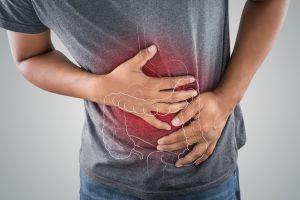
ThinkstockPhotos-474824404The American Cancer Society recommends that men and women with an average risk of developing colon cancer be tested beginning at age 50. People with certain risk factors, such as a family history of colon cancer or a history of inflammatory bowel disease should be tested earlier.

Early detection can save lives, but unfortunately, less than half of the people age 50 and older get tested for colon cancer. Colorectal cancer is the third most commonly diagnosed cancer and second leading cause of cancer death in the U.S., yet there is a 90 percent cure rate when detected early.

There are a variety of different tests used to diagnose colon cancer. They include:

Standard (or optical) colonoscopy – During this test, the rectum and entire colon are examined using a colonoscope, a flexible lighted tube with a lens for viewing and tool for removing tissue. During a colonoscopy, any abnormal growths in the colon and rectum can be removed.

Sigmoidoscopy – During this test, the rectum and the sigmoid colon are examined using a sigmoidascope. The instrument is inserted through the anus and into the rectum and sigmoid colon as air is passed pumped into the colon to expand it so the doctor can see it more clearly.

High-sensitivity fecal occult blood tests (FOBT) – This exam checks for tiny amounts of blood in feces (stool) that cannot be seen by the naked eye. The stool samples are collected by the patient and the doctor has the samples tested.

Speak with your doctor about when to begin screening for colorectal cancer and what test(s) are best for you. If you do not have a doctor, Jamaica Hospital’s Ambulatory Care Center has doctors that can help. For more information, or to schedule an appointment, call 718-206-7001.

All content of this newsletter is intended for general information purposes only and is not intended or implied to be a substitute for professional medical advice, diagnosis or treatment. Please consult a medical professional before adopting any of the suggestions on this page. You must never disregard professional medical advice or delay seeking medical treatment based upon any content of this newsletter. PROMPTLY CONSULT YOUR PHYSICIAN OR CALL 911 IF YOU BELIEVE YOU HAVE A MEDICAL EMERGENCY.

Poison Prevention Week Tips

poison prevention -494095014This week, March 19th-25th is Poison Prevention Week. Did you know that every year more than 2 million poison-related injuries and deaths are reported in the United States and more than 90 percent of these cases occur in the home?

The majority of poison-related accidents occurs among children but can be prevented by taking the proper precautions to store, dispose or conceal items that contribute to these incidents.

The following safety tips are recommended by The American Association of Poison Control Centers and can help you reduce the risk of an accident in your home:

  1. Place the Poison Help number in a place that is easily accessible or in eyesight. That number is 1 (800) 222-1222. Calls are free, confidential, and answered by experts at all times.
  2. Safely store these substances in cabinets with child-proof locks or in child- resistant containers:
  • Medications
  • Vitamins
  • Tobacco products, especially liquid nicotine
  • Laundry and cleaning supplies
  • Alcohol
  • Pesticides or insect repellants
  • Hand sanitizers
  • Small batteries
  1. Read medication labels properly before administering.
  2. Never call medication “candy” to encourage children to take it.
  3. Avoid taking medications in front of young children.
  4. Do not use food storage containers to store harmful products such as detergents or pesticides.

While practicing these guidelines should be routine, we invite you to use Poison Prevention Awareness Week as a reminder to ensure that your home is poison safe.

All content of this newsletter is intended for general information purposes only and is not intended or implied to be a substitute for professional medical advice, diagnosis or treatment. Please consult a medical professional before adopting any of the suggestions on this page. You must never disregard professional medical advice or delay seeking medical treatment based upon any content of this newsletter. PROMPTLY CONSULT YOUR PHYSICIAN OR CALL 911 IF YOU BELIEVE YOU HAVE A MEDICAL EMERGENCY.

World TB Day

March 24th has been designated globally as “World TB Day”. The event began in 1982 is sponsored by the World Health Organization and the International Union Against Tuberculosis and Lung Disease and is intended to raise awareness that anyone can contract TB to make health professionals aware of the importance of testing people for the disease.
This date was chosen to celebrate  the discovery by Dr. Robert Koch of the Mycobacterium tuberculoisis (the bacteria that causes tuberculosis) in 1882. This important discovery was the beginning of the steps being taken to control and hopefully one day eradicate the disease.

Unfortunately, Tuberculosis (TB) is still one of the leading causes of death around the world. TB is a contagious bacterial disease that affects mainly the lungs but can also affect the kidneys, brain and the spine.  Signs and symptoms may include:

• Coughing up blood
• Fatigue
• Fever
• Chills
• Night sweats
• Loss of appetite
• Pain with breathing

TB is spread by coming into contact with the airborne droplets  of the bacteria from an infected person. People most susceptible are those who have compromised immune systems and  include people undergoing chemotherapy, have diabetes, are very young or very old, and have HIV/AIDS. There are antibiotics that given to fight the disease but depending on the strain and their resistance to treatment, may require months or years of treatment.

A routine physical usually includes a TB skin test. If you would like to schedule a physical exam and a TB test with one of our physicians, please call 718-206-7001.

All content of this newsletter is intended for general information purposes only and is not intended or implied to be a substitute for professional medical advice, diagnosis or treatment. Please consult a medical professional before adopting any of the suggestions on this page. You must never disregard professional medical advice or delay seeking medical treatment based upon any content of this newsletter. PROMPTLY CONSULT YOUR PHYSICIAN OR CALL 911 IF YOU BELIEVE YOU HAVE A MEDICAL EMERGENCY.