Nat’l Stroke Awareness Month – Think F.A.S.T!

lightbulb brainstorming creative idea abstract icon on business hand.

May is National Stroke Awareness Month and in honor of that, Jamaica Hospital Medical Center (JHMC) would like to discuss how you can recognize the warning signs of having a stroke.

The easiest way to recognize the warning signs of a stroke is to think F.A.S.T. :

F- Face Drooping: If one side of the person’s face is drooping, ask them if their face feels numb and ask them to smile.   You should be concerned if they are unable to smile or their smile is uneven.

A- Arm weakness:  Does the individual’s arm feel numb or weak? Ask them to raise both arms and watch to see if one arm drifts downward.

S- Speech difficulty: If the person is trying to speak and they are difficult to understand or their speech is slurred, ask them to say a simple sentence, such as “my name is Jane,” repeatedly.

T- Time to call 9-1-1:  You should never wait more than five minutes to call 9-1-1 if someone is displaying these warning signs.

Additional symptoms of a stroke are:

  • Sudden confusion
  • Severe headaches
  • Blurred vision
  • Dizziness
  • Sudden loss of coordination

Stroke is one of the leading causes of death and long-term disability in the United States.  Eighty percent of strokes are preventable and by spotting these warning signs and acting quickly, the severity of a stroke can be reduced drastically.

If someone you know is exhibiting the warning signs of a stroke, call 9-1-1 for help immediately. If you are interested in finding out if you are at risk for a stroke, you can make an appointment with the Jamaica Hospital Medical Center’s Ambulatory Care Center.  Call 718-206-7001 for an appointment.

All content of this newsletter is intended for general information purposes only and is not intended or implied to be a substitute for professional medical advice, diagnosis or treatment. Please consult a medical professional before adopting any of the suggestions on this page. You must never disregard professional medical advice or delay seeking medical treatment based upon any content of this newsletter. PROMPTLY CONSULT YOUR PHYSICIAN OR CALL 911 IF YOU BELIEVE YOU HAVE A MEDICAL EMERGENCY.


Managing Your Stress

For many, dealing with excessive stress has become a way of life.  We often hear the words “just relax,” but sometimes we find it difficult to take that advice and de-stress due to every day hassles.

When you are stressed the body releases hormones such as cortisol and adrenaline- which causes the fight or flight reaction. This can speed up the normal function of several organs, including the heart.  The fight or flight reaction is appropriate when we face immediate threats but can be damaging if prolonged; as our bodies are only designed to deal with the effects of stress for short intervals.

Extended periods of stress can take its toll on our health in many ways. Long-term stress is known to negatively affect several systems of the body, including:

  • The Nervous System– High levels of cortisol and adrenaline can impair the nervous system, which regulates heart rates, the excretion of waste, breathing rates and the dilation and constriction of blood vessels.
  • The Immune System– Chronic stress can weaken the immune system, which increases the risk of infections, infectious diseases, skin problems such as eczema and can slow down wound healing rates.
  • The Digestive System– Excessive levels of stress can stimulate the muscles of the intestines and cause diarrhea or constipation. It can also lead to indigestion or nausea and increase the risk of ulcers or irritable bowel syndrome.
  • The Endocrine System– Stress hormones can cause the liver to increase blood sugar levels. This is particularly dangerous for diabetics.

Some helpful techniques that can assist you in managing your daily stress are:

  • Meditation – is helpful to the brain’s neural pathways, making you more resilient to stress
  • Breathing Deeply – triggers our parasympathetic nervous system, neutralizes stress and elicits a calming feeling
  • Exercise – all forms of exercise can ease depression and anxiety by helping the brain releasing feel-good chemicals giving your body a chance to practice dealing with stress
  • Eating Healthy – choosing a diet rich in vegetables, fruits, and fiber may reduce the chance that stress can boost the body’s natural defense system

It is important to reduce excessive and prolonged periods of stress. A healthy lifestyle that helps manage stress often requires changing your mindset. But, if you are willing to make the changes that will improve your health, the impact can be far-reaching.

All content of this newsletter is intended for general information purposes only and is not intended or implied to be a substitute for professional medical advice, diagnosis or treatment. Please consult a medical professional before adopting any of the suggestions on this page. You must never disregard professional medical advice or delay seeking medical treatment based upon any content of this newsletter. PROMPTLY CONSULT YOUR PHYSICIAN OR CALL 911 IF YOU BELIEVE YOU HAVE A MEDICAL EMERGENCY.
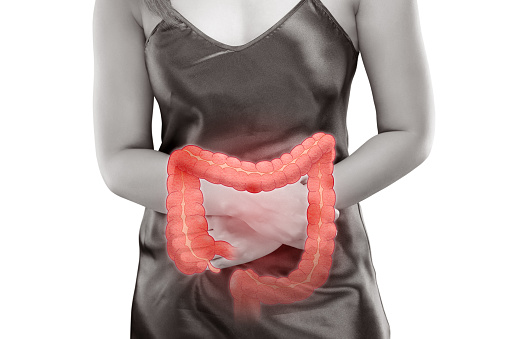
The Facts About the Stomach Flu

The flu isn’t the only virus that we need to protect ourselves against this time of year. Gastroenteritis, or the stomach flu is a very contagious bug that is common in our region beginning in the fall and winter months.

Unlike influenza, which affects your respiratory system, the stomach flu attacks your intestines causing the following symptoms:

• Watery, non-bloody diarrhea
• Abdominal cramps and pain
• Nausea, vomiting or both
• Occasional muscle aches, headache, and low-grade fever

Businessman with stomach ache

Gastroenteritis is typically spread through the sharing of food or drink with someone who is infected or sharing other items with them such as utensils or towels. Children can also spread the illness by placing their hands in their mouths after touching contaminated items or surfaces.

Symptoms usually appear within one to three days after exposure and can range from mild to severe. Typically symptoms last only a day or two, but in some cases, they may persist for up to ten days.

The main complication from viral gastroenteritis is dehydration — a severe loss of water and essential salts and minerals. If you’re healthy and drink enough to replace fluids you lose from vomiting and diarrhea, dehydration shouldn’t be a problem. However, infants, older adults and people with suppressed immune systems may become severely dehydrated when they lose more fluids than they can replace. Hospitalization might be needed so that lost fluids can be replaced intravenously. Dehydration can be fatal, but rarely.

To avoid catching the stomach flu, it is recommended that individuals wash their hands thoroughly, use separate items around the home, disinfect all potentially infected items and surfaces, and keep your distance from those who are infected.

If you do contract gastroenteritis, follow these tips:

• Let your stomach settle. Stop eating solid foods for a few hours.
• Try sucking on ice chips or taking small sips of water. You might also try drinking clear liquids or broths or non-caffeinated sports drinks. Drink plenty of liquid every day, taking small, frequent sips.
• Ease back into eating. Gradually begin to eat bland, easy-to-digest foods, such as ginger ale crackers, toast, gelatin, bananas, rice and chicken. Stop eating if your nausea returns.
• Avoid certain foods and substances until you feel better. These include dairy products, caffeine, alcohol, nicotine, and fatty or highly seasoned foods.
• Get plenty of rest. The illness and dehydration may have made you weak and tired.

See a doctor if you become dehydrated (characterized by excessive thirst, dry mouth, dark yellow or no urine, severe weakness or dizziness), if symptoms persist for over 24 hours, if you are vomiting blood or have blood in your stool, or if you have a temperature of 104 degrees or above.

All content of this newsletter is intended for general information purposes only and is not intended or implied to be a substitute for professional medical advice, diagnosis or treatment. Please consult a medical professional before adopting any of the suggestions on this page. You must never disregard professional medical advice or delay seeking medical treatment based upon any content of this newsletter. PROMPTLY CONSULT YOUR PHYSICIAN OR CALL 911 IF YOU BELIEVE YOU HAVE A MEDICAL EMERGENCY.

Breakfast is Important

Let’s start with a question on this #WellnessWednesday.  What did your child have for breakfast this morning?

If the answer is “nothing” you may want to read on.

Nutritional experts have concluded that children who leave the house without eating a balanced breakfast are more apt to be tired, irritable and fidgety.  Conversely, nutritional experts have found that when your child eats breakfast, regularly, there is a marked improvement in their energy, attitude, general health and test score performance.

Some tips to help you to incorporate breakfast into your child’s morning routine are:

  • Prepare clothing, books, and school supplies the night before to leave more time in the morning for breakfast
  • Set the alarm for 15 minutes earlier
  • Choose foods that require little preparation such as fresh fruits, milk, yogurt, cheese, eggs, whole grain cereals or hot oatmeal
  • For children with slight appetites, offer a fruit smoothie or breakfast bar

Probably the best way to get your children to eat breakfast is to be a good role model.  As adults, we can be very busy and may sacrifice our own breakfast in the morning.  Sit down and join your child for a good first meal of the day.  By doing so, you will show them the value of eating breakfast.


All content of this newsletter is intended for general information purposes only and is not intended or implied to be a substitute for professional medical advice, diagnosis or treatment. Please consult a medical professional before adopting any of the suggestions on this page. You must never disregard professional medical advice or delay seeking medical treatment based upon any content of this newsletter. PROMPTLY CONSULT YOUR PHYSICIAN OR CALL 911 IF YOU BELIEVE YOU HAVE A MEDICAL EMERGENCY.

Are We Over-Using Antibiotics?

You have all the symptoms: fever, cough, headache, and fatigue and body pain. You’re sick! You visit your doctor looking for antibiotics to get you better quickly, but is this always the best course of treatment?

Drug ampules prescription for treatment medication. Heap of red orange white round capsule in stick pills with medicine antibiotic in packages. Pharmacy theme, Pharmaceutical medicament for health

Doctors at Jamaica Hospital Medical Center are taking a long, hard look at how patients are being treated and what they are finding is that prescribing antibiotics is sometimes not the best course of action. “For a number of reasons, physicians throughout the healthcare industry prescribe antibiotics when they are not necessary” states Dr. Luigi Tullo, Family Medicine Physician at Jamaica Hospital. Dr. Tullo added “Some of the factors are physician driven and some are patient driven, but regardless of the reason, inappropriately prescribing antibiotics can have long-term health effects on our community”.

Over-prescribing antibiotics can eventually lead to the drugs becoming less effective when they are really needed. Another cause for concern is the evolution of bacteria. When exposed to the same antibiotic repeatedly, the bacteria will change its composition and become resistant to the very medications that are intended to kill. MRSA and C. difficle are two examples of drug-resistant bugs, but they are not the only ones. This growing problem in the medical community has prompted Dr. Tullo and his colleagues to develop an Antibiotic Stewardship Program to educate both the practitioner and the patient about when antibiotics are necessary and when they are not.

To help the doctor, Jamaica Hospital has implemented multiple tools into its electronic medical records system. These tools require the doctor to extensive documentation before prescribing antibiotics to their patients. Sometimes however, even against the doctor’s best judgment, a patient may insist on receiving a prescription of antibiotics. Dr. Tullo explains, “A culture has been created that implies if a doctor doesn’t provide a prescription after examining you, then he or she isn’t taking care of you. Patients think that antibiotics are some sort of magic wand, when in fact they are not.”

To change this perception, Jamaica Hospital, working together with the Centers for Disease Control and Prevention (CDC) is embarking on an educational campaign to help explain that antibiotics are appropriate for bacterial infections, but not for a virus. These colorful, multi-lingual posters created by the CDC will hang in all Jamaica Hospital out-patient clinics and offer guidance and education to patients.

In addition to the posters and other educational handouts, Dr. Tullo believes an emphasis must be placed on how doctors explain the patient’s condition to them. According to Dr. Tullo, “if it is explained that not needing antibiotics may be a good thing, when they have a virus, the message will be better received.”

Jamaica Hospital continues to strive to do the best for their patients and hopes that through this effort, they can improve the long-term health of the community.

All content of this newsletter is intended for general information purposes only and is not intended or implied to be a substitute for professional medical advice, diagnosis or treatment. Please consult a medical professional before adopting any of the suggestions on this page. You must never disregard professional medical advice or delay seeking medical treatment based upon any content of this newsletter. PROMPTLY CONSULT YOUR PHYSICIAN OR CALL 911 IF YOU BELIEVE YOU HAVE A MEDICAL EMERGENCY.

Resolve to Eat Right

2017 food -621275084With the holidays drawing to a close, it will soon be the time for resolutions.  Why not make eating right a part of your resolution?

Eating right doesn’t have to be complicated.  You can begin with a simple shift to lean meats, fruits, vegetables, and complex carbohydrates into your nutritional regimen while lessening your intake of processed foods, white flour and sugar.

For more information on eating healthy, contact the Jamaica Hospital Medical Center’s Nutritional Services Department at 718-206-7056 to speak with a nutritionist.

All content of this newsletter is intended for general information purposes only and is not intended or implied to be a substitute for professional medical advice, diagnosis or treatment. Please consult a medical professional before adopting any of the suggestions on this page. You must never disregard professional medical advice or delay seeking medical treatment based upon any content of this newsletter. PROMPTLY CONSULT YOUR PHYSICIAN OR CALL 911 IF YOU BELIEVE YOU HAVE A MEDICAL EMERGENCY.

The Importance of an Annual Exam

A.  Yearly

B. Bi-Yearly

C. When I don’t feel good

D. I don’t do doctors

An annual exam is a good way of tracking your health progress.  Some of the benefits are:

  • Primary prevention
  • To identify risk factors for common chronic diseases
  • To detect disease that has no apparent symptoms (secondary prevention)
  • A way for the doctor to counsel people to promote healthy behavior
  • To update clinical data since your last check-up
  • To enhance the relationship betweenyou and your doctor

If you are interested in scheduling an exam, Jamaica Hospital Medical Center’s Ambulatory Care Center is centrally located and has convenient hours.  Call 718-206-7001 for an appointment.

All content of this newsletter is intended for general information purposes only and is not intended or implied to be a substitute for professional medical advice, diagnosis or treatment. Please consult a medical professional before adopting any of the suggestions on this page. You must never disregard professional medical advice or delay seeking medical treatment based upon any content of this newsletter. PROMPTLY CONSULT YOUR PHYSICIAN OR CALL 911 IF YOU BELIEVE YOU HAVE A MEDICAL EMERGENCY.

Finding Time For Fitness

Many people find themselves wishing there were more hours in a day to get more accomplished especially when their day is already crowded. So how do you find time for fitness in between an already demanding schedule? Here are five tips to get you started:

  1. Turn your commute into a workout. During months with warmer weather you can take a bike to work instead of the train or bus. If biking isn’t your thing try getting off a few stops before your usual stop and walk the rest of the way to work. For those who need to drive, try parking further away from your usual spot and walk the rest of the way.
  2. Take the stairs instead. For daily transit commuters it’s always tempting to take escalator but taking the stairs instead will get your blood going in the morning. While at work try the stairs instead of the elevator especially if you spend most of your time sitting down at work.
  3. Set an earlier alarm. Carve some time out of your morning to go to the gym or go for a run before work.
  4. Lunch break workout. Some jobs have gyms on site or close enough in the area for you to replace lunch with a workout.
  5. Take the kids with you. For parents with younger children who can’t keep up on a bike or scooter ride there are jogging strollers available to make multitasking easier. This way you can save a few bucks on a babysitter and stay in shape.

You can probably think of a few more hacks to blend your work schedule with working out but these are great starters.

All content of this newsletter is intended for general information purposes only and is not intended or implied to be a substitute for professional medical advice, diagnosis or treatment. Please consult a medical professional before adopting any of the suggestions on this page. You must never disregard professional medical advice or delay seeking medical treatment based upon any content of this newsletter. PROMPTLY CONSULT YOUR PHYSICIAN OR CALL 911 IF YOU BELIEVE YOU HAVE A MEDICAL EMERGENCY.

How to tell the difference between a long lasting cold, bronchitis or pneumonia

difference between a cold and bronchitisThat dreaded time of year is here, it is cold season.  In the United States, this season starts around September and typically lasts until March or April.

Chances are like many, you may catch a cold. If you do, you may display symptoms that include sneezing, scratchy or sore throat, runny or stuffy nose, coughing, congestion or a low-grade fever. These symptoms are normal but can worsen when left untreated and may cause serious illnesses such as bronchitis or pneumonia to develop.

It is important to know when your condition is worsening. There are several signs that can help you to recognize when your common cold has become something more.

Here are some symptoms of bronchitis to look out for:

  • A cold that persists for two weeks or more
  • Shortness of breath or wheezing
  • Coughs that produce thick clear, white, green or yellow mucous or blood
  • Rapid breathing
  • Soreness of the chest

Pneumonia can develop after having a serious cold or flu. Symptoms can be mild or severe depending on factors such as age and your state of health. The symptoms of pneumonia can include:

  • Violent coughing spasms that produce very little mucous
  • Coughs with bloody or yellow or greenish mucous
  • Fever
  • Sharp or stabbing chest pain when you breathe deeply or cough
  • Loss of appetite
  • Fatigue
  • Clammy skin or excessive sweating
  • Chills
  • Muscle aches

If your cold persists longer than two weeks and you are experiencing these symptoms, it is important that you contact your doctor as soon as possible. In severe cases, pneumonia can be life threatening.

To schedule an appointment with a physician at Jamaica Hospital Medical Center, please call 718-206-7001.

All content of this newsletter is intended for general information purposes only and is not intended or implied to be a substitute for professional medical advice, diagnosis or treatment. Please consult a medical professional before adopting any of the suggestions on this page. You must never disregard professional medical advice or delay seeking medical treatment based upon any content of this newsletter. PROMPTLY CONSULT YOUR PHYSICIAN OR CALL 911 IF YOU BELIEVE YOU HAVE A MEDICAL EMERGENCY.

#Wellness Wednesday

Leonardo da Vinci, although best known as a painter, happend to be fascinated by science. Like any modern day scientist, he used observations, common-sense reasoning and research to find answers to satisfy the many questions he had regarding the health of the human body, mind and soul.

He cataloged his findings in his “Notebooks.”  We are sharing one of his thoughts here and wish you a great #wellnesswednesday

“Vitality and beauty are gifts of Nature for those who live according to its laws.” ~ Leonardo da Vinci

All content of this newsletter is intended for general information purposes only and is not intended or implied to be a substitute for professional medical advice, diagnosis or treatment. Please consult a medical professional before adopting any of the suggestions on this page. You must never disregard professional medical advice or delay seeking medical treatment based upon any content of this newsletter. PROMPTLY CONSULT YOUR PHYSICIAN OR CALL 911 IF YOU BELIEVE YOU HAVE A MEDICAL EMERGENCY.