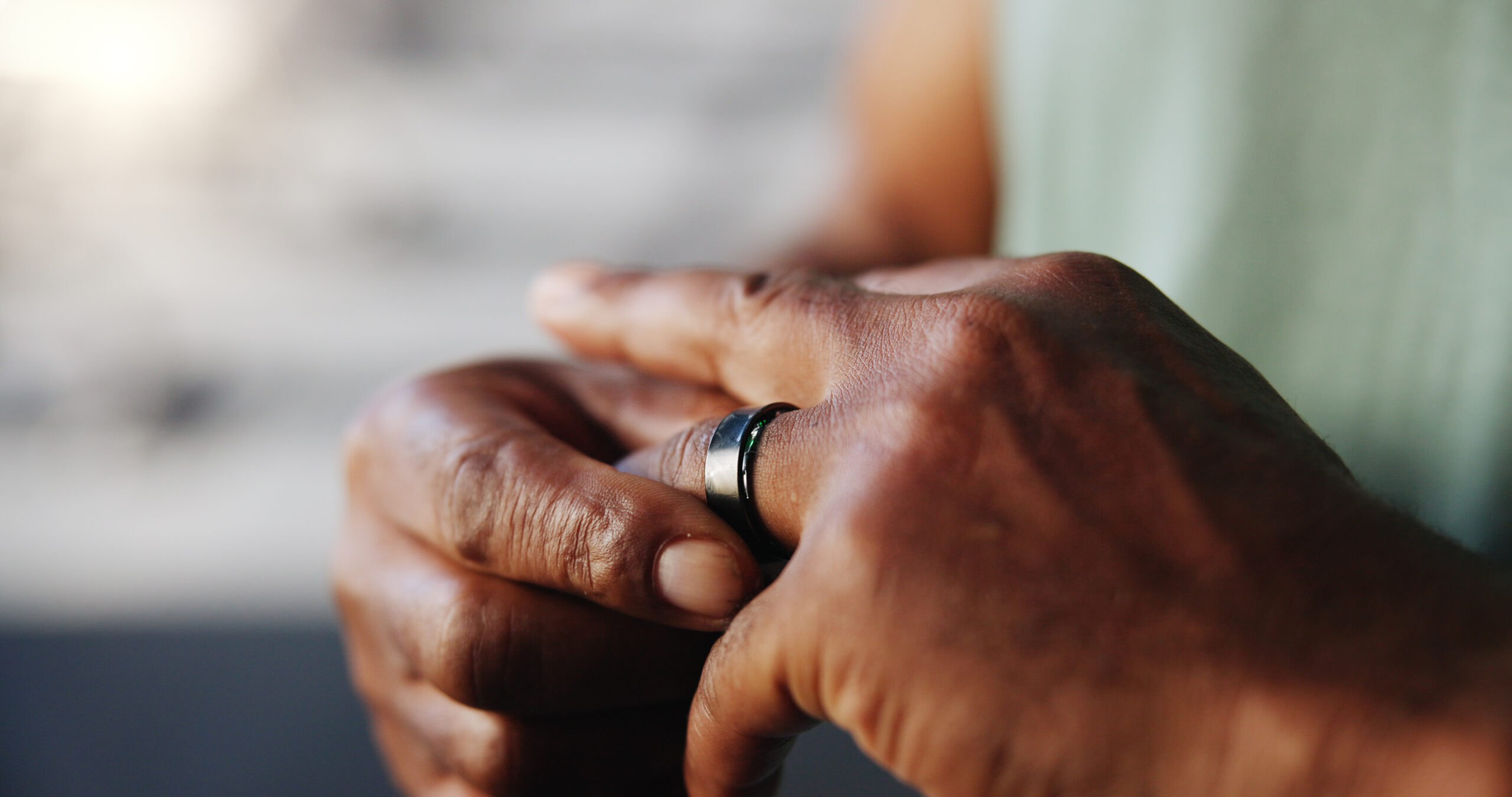
Do Using Smart Rings Actually Help You Be Healthier?

Recently, technology has brought us fitness trackers and smart watches that can help us track our workouts, daily steps, and even monitor our sleep, stress, heart rate, and blood oxygen levels.  

However, smart rings have become another way to track our health, and can be used to monitor movement, body temperature, sleep, heart rate, stress, as well as menstrual cycles. 

Unlike smartwatches, smart rings don’t have screens to view these health metrics. Instead, they use a Bluetooth connection to send health data to your smartphone.  

When a smart ring detects a person’s cardiovascular health, it uses infrared photoplethysmography technology (PPG), which uses a light source and a photodetector on the surface of the skin to measure the variations in blood circulation. These variations can estimate heart rate variability, blood oxygen saturation, blood pressure, and artery stiffness.  

Out of the different sensors a smart ring has, the PPG is the most studied one due to its proposed accuracy in tracking heart rate and monitoring overall cardiovascular health. However, most studies note that they are significantly less accurate than medical-grade technology.  

According to the National Library of Medicine, in a study with 35 healthy individuals, researchers compared the heart rate and heart variability measured by a smart ring with an ECG during the night. Results showed that some health parameters matched the medical-grade measurement, but most were inaccurate. 

To monitor body temperature, smart rings use a sensor called a thermistor, which estimates body temperature based on a person’s skin temperature. Smart rings also use this feature to assess stress levels and identify other bodily issues. However, a systematic review of the sensors and functionalities of wearable health technology, like a smart ring, indicates that these devices may not accurately indicate a person’s core body temperature, as researchers point out that a person’s skin temperature is a few degrees Fahrenheit lower than their body’s temperature.  

What’s more, researchers emphasize that a person’s skin temperature fluctuates based on environmental conditions. When considering these two factors, it may be assumed that the thermistor sensor won’t be accurate. 

Companies that produce smart rings have detailed the use of a variety of sensors to support women’s health. This feature relies mostly on the smart ring’s temperature feature, which they claim to use to track menstrual cycles and fertility windows. 

Numerous studies have examined the accuracy of smart rings, which have produced promising results. According to the National Library of Medicine, in a pilot study with 22 participants, researchers used a smart ring to analyze temperature changes during the menstrual cycle. They discovered that the temperature readings were consistent with oral temperatures that were taken with ambulatory equipment.  

In a separate study with 26 participants, it was found that this study was consistent with the previous study’s findings, demonstrating that smart rings could be a beneficial tool for monitoring menstruation. This study also detected that there was a significant temperature drop around ovulation, highlighting that smart rings could be an additional tool to track fertility. 

Although these results are promising based on limited studies on smart rings, further research is needed as they are not 100% accurate.  

Most of the smart rings on the market combine various metrics such as heart rate, heart rate variability, body temperature, and movement, to estimate a person’s daily stress levels and provide tips to reduce them. 

According to the National Library of Medicine, research suggests that there is a connection between stress and decreased parasympathetic regulation, the regulation that affects heart rate, heart rate variability, and respiratory rate. These are changes that a smart ring could potentially detect.  

Additionally, a study with 525 college students explored this subject further. The study indicated that sleep data from smart rings could help predict stress. Notably, some experts do not consider smart rings as promising as research, as they highlight the negative effect smart rings may have on mental health. The reason is that while smart rings are promoted as a tool to shift lifestyle habits, they may cause the opposite effect, noting that constant monitoring of health metrics can create obsessive behaviors and paranoia about a person’s well-being. It could also be harmful to a person’s self-confidence, as a person may feel like they are not meeting the expectations and goals that a smart ring sets for them. 

Smart rings can perform a sleep analysis by tracking a person’s heart rate, blood oxygen, and sleep cycles. They may also include features, such as a snoring score and a recovery metric that indicates energy levels before a person starts their day.  

Polysomnography (PSG) is used to track sleep, which uses a variety of signals such as brain activity, eye movements, muscle activity, blood pressure, heart rate, and more. Although smart rings are not as accurate as PSG, researchers have been drawn to them due to the smart ring’s potential to monitor a person’s sleep at home comfortably.  

Any current evidence on smart rings for tracking sleep is still very limited and conflicting. While some small studies highlight their potential. However, studies with bigger sample sizes indicate that smart rings can over- or underestimate some sleep parameters. A study in the National Library of Medicine compared the accuracy of several health technology devices on 35 individuals overnight. The study found that a smart ring surpassed the accuracy of smartwatches in various sleep parameters such as wake, light sleep, deep sleep, and REM sleep. 

Smart rings can measure a person’s physical activity with two sensors: an accelerometer that tracks movement and speed, and a gyroscope that helps determine orientation. Smart rings gather data from these motion sensors, as well as the PPG and body temperature trackers, to understand how physical activity affects the body.  

Research is limited in this area; however, a study in the National Library of Medicine focused on the accuracy of smart rings in measuring caloric expenditure and steps. The results indicated that smart rings were far from accurate, causing researchers to note the need to improve these devices, specifically their estimation of energy expenditure. 

Another study on step count was consistent with a study that indicated a smart ring overestimated step count, compared to a medical-grade device to detect motion called ActiGraph. 

A systematic review on wearable tech devices supported the findings of the studies, noting that they may be useful for estimating step count but shouldn’t be trusted to measure calorie expenditure. 

Smart rings and other wearable devices that can track a person’s health can be useful. However, it is important not to use them to self-diagnose conditions. It is important to see a healthcare provider when experiencing any symptoms to professionally diagnose conditions.  

If you are experiencing any medical problems, you can schedule an appointment at Jamaica Hospital Medical Center’s Ambulatory Care Center. Please call (718) 206-7001. 


All content of this newsletter is intended for general information purposes only and is not intended or implied to be a substitute for professional medical advice, diagnosis or treatment. Please consult a medical professional before adopting any of the suggestions on this page. You must never disregard professional medical advice or delay seeking medical treatment based upon any content of this newsletter. PROMPTLY CONSULT YOUR PHYSICIAN OR CALL 911 IF YOU BELIEVE YOU HAVE A MEDICAL EMERGENCY.
First Patient Treated at Jamaica Hospital Medical Center with New, Minimally Invasive Technology to Help Control High Blood Pressure

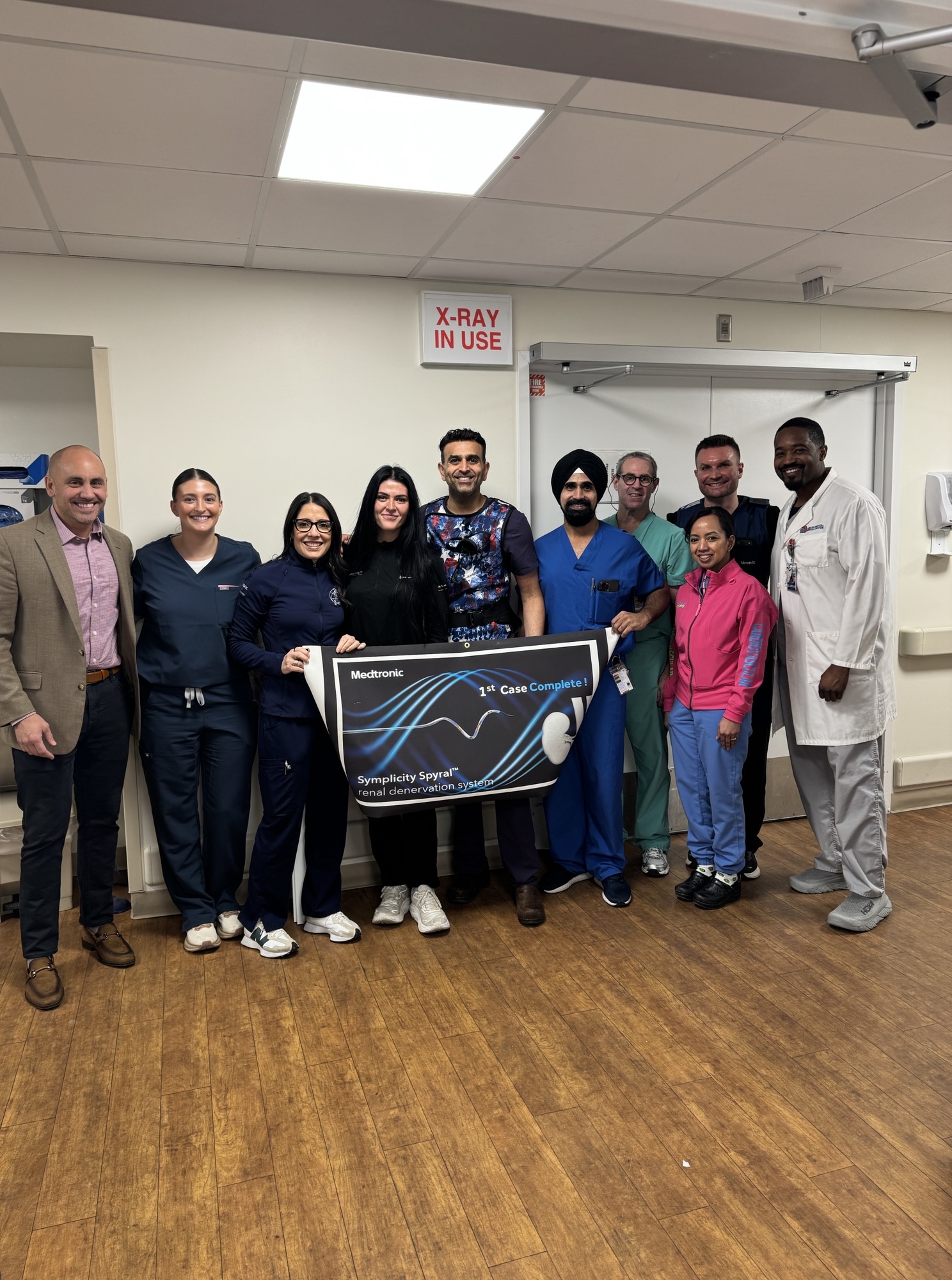
February 2026 – Jamaica Hospital Medical Center is pleased to announce that it is the first hospital in Queens to offer a new renal denervation (RDN) procedure to treat certain patients with high blood pressure. The hospital’s cardiology team recently and successfully completed its first case. 

Approved by the U.S. Food and Drug Administration (FDA) in November 2023, the Symplicity Spyral™ renal denervation (RDN) system involves a minimally invasive procedure that targets nerves near the kidneys that can become overactive, causing high blood pressure. The procedure – also known as the Symplicity™ blood pressure procedure – is approved for use as an adjunctive treatment in patients with high blood pressure (or hypertension) when lifestyle changes and antihypertensive medications do not adequately control blood pressure. 

Hypertension is the single largest contributor to death, and affects about 50% of U.S. adults. Of the U.S. adults who are aware of their hypertension, about 80% do not have it under control.

The Symplicity blood pressure procedure is clinically proven to help reduce high blood pressure, which can lower serious health risks. After mild sedation, the doctor inserts a very thin tube into the artery leading to the kidney. The doctor then administers energy to calm the excessive activity of the nerves connected to the kidney. The tube is removed, leaving no implant behind. 

High blood pressure is a significant issue for patients worldwide. For people with hypertension, medication and/or lifestyle changes can help reduce blood pressure, but studies have shown that many people still don’t have control over their condition. The Symplicity blood pressure procedure can provide patients with a blood pressure reduction benefit that is ‘always on’ and doesn’t require a permanent implant – it can also help patients regain their peace of mind. We are pleased to have treated our first patient with this new technology, and we look forward to the future of hypertension care by offering innovative solutions to the people of Jamaica, Queens. 

Jamaica Hospital’s Hypertension Center provides the highest quality, patient-centered hypertension care. The Hypertension Center was created to treat patients who do not respond well to traditional hypertension medication treatments. The American Heart Association has recognized our Hypertension Practice Center as meeting or exceeding standards for hypertension treatment. 

If you or someone you know is experiencing high blood pressure or difficulty controlling it, talk to your doctor to see if the Symplicity blood pressure procedure is a possible treatment option: visit this link to learn more.  

All content of this newsletter is intended for general information purposes only and is not intended or implied to be a substitute for professional medical advice, diagnosis or treatment. Please consult a medical professional before adopting any of the suggestions on this page. You must never disregard professional medical advice or delay seeking medical treatment based upon any content of this newsletter. PROMPTLY CONSULT YOUR PHYSICIAN OR CALL 911 IF YOU BELIEVE YOU HAVE A MEDICAL EMERGENCY.
How Does Winter Weather Increase Your Risk of Cardiovascular Disease?

As we get deeper into this winter season, extreme, record-low cold temperatures have brought snow and frigid winds with them. These conditions can severely affect your heart, especially if you already suffer from or are at risk of cardiovascular disease.  

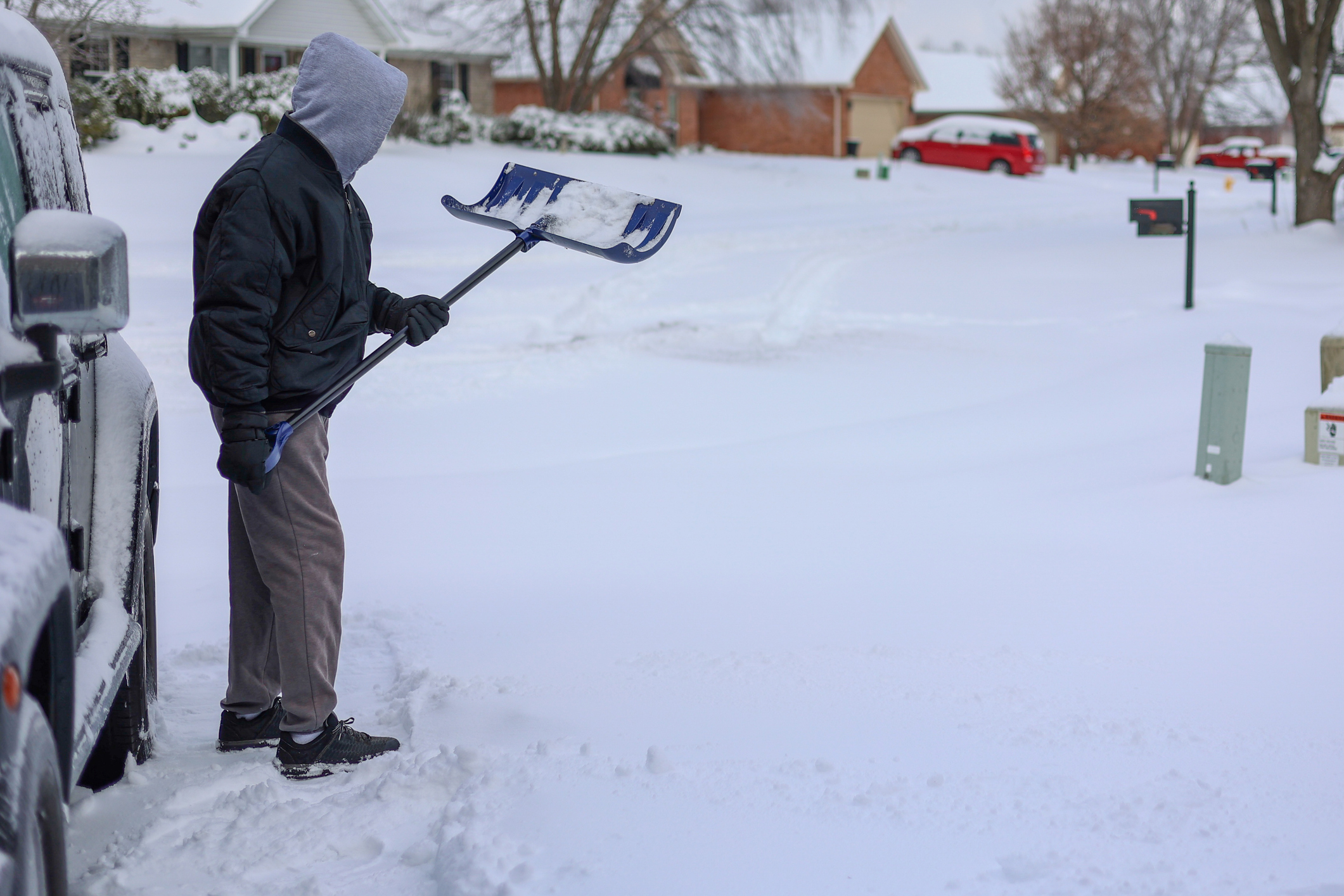
The cold temperatures affect the heart by causing blood vessels to constrict, which is the body’s natural reaction to send blood deeper into the body. This doesn’t cause problems for those with healthy arteries. However, if someone has arteries that were narrowed by fatty plaque, cold-related blood vessel constriction can leave them more vulnerable to chest pain or a heart attack. This is especially true when engaging in a strenuous outdoor activity such as walking quickly in a strong wind or shoveling snow, which can commonly trigger a heart attack. 

Strenuous outdoor activity in cold weather isn’t the only thing that can put the heart at risk. Cold temperatures also increase the risk of suffering from hypothermia. Hypothermia means the body’s temperature has fallen below 95 degrees Fahrenheit or 35 degrees Celsius, and the body can’t produce enough energy to keep its temperature warm enough. Cold-related blood vessel constriction keeps vital organs warm and helps reduce heat loss. If a person has narrowed blood vessels, the heart must work harder to pump blood through the body, which then raises blood pressure and puts stress on the heart. Hypothermia has several symptoms, including: 

  • Lack of coordination 
  • Slowed reaction time 
  • Mental confusion 
  • Shivering 
  • Sleepiness 

Hypothermia can be life-threatening, so it is extremely important to take proper precautions to stay warm by dressing in layers, keeping your head and ears covered, and keeping your hands and feet warm. 

If you are going to engage in any strenuous outdoor activities, here are some tips to keep you safe: 

  • Take frequent breaks 
  • Learn the warning signs of a heart attack and listen to your body 
  • Learn CPR 
  • Be aware of the dangers of hypothermia 
  • Don’t drink alcohol before or immediately after a strenuous activity 
  • Consult with your healthcare provider 

If you have, or are at risk of developing, or are experiencing symptoms of a heart condition, you should consult a cardiologist to explore the most effective precautions you can take to protect your heart health during the winter season. You can schedule an appointment at Jamaica Hospital Medical Center’s Cardiology Department by calling (718) 206-7100. If you are experiencing an emergency, please dial 911 right away. 


All content of this newsletter is intended for general information purposes only and is not intended or implied to be a substitute for professional medical advice, diagnosis or treatment. Please consult a medical professional before adopting any of the suggestions on this page. You must never disregard professional medical advice or delay seeking medical treatment based upon any content of this newsletter. PROMPTLY CONSULT YOUR PHYSICIAN OR CALL 911 IF YOU BELIEVE YOU HAVE A MEDICAL EMERGENCY.

Foods Rich In Magnesium

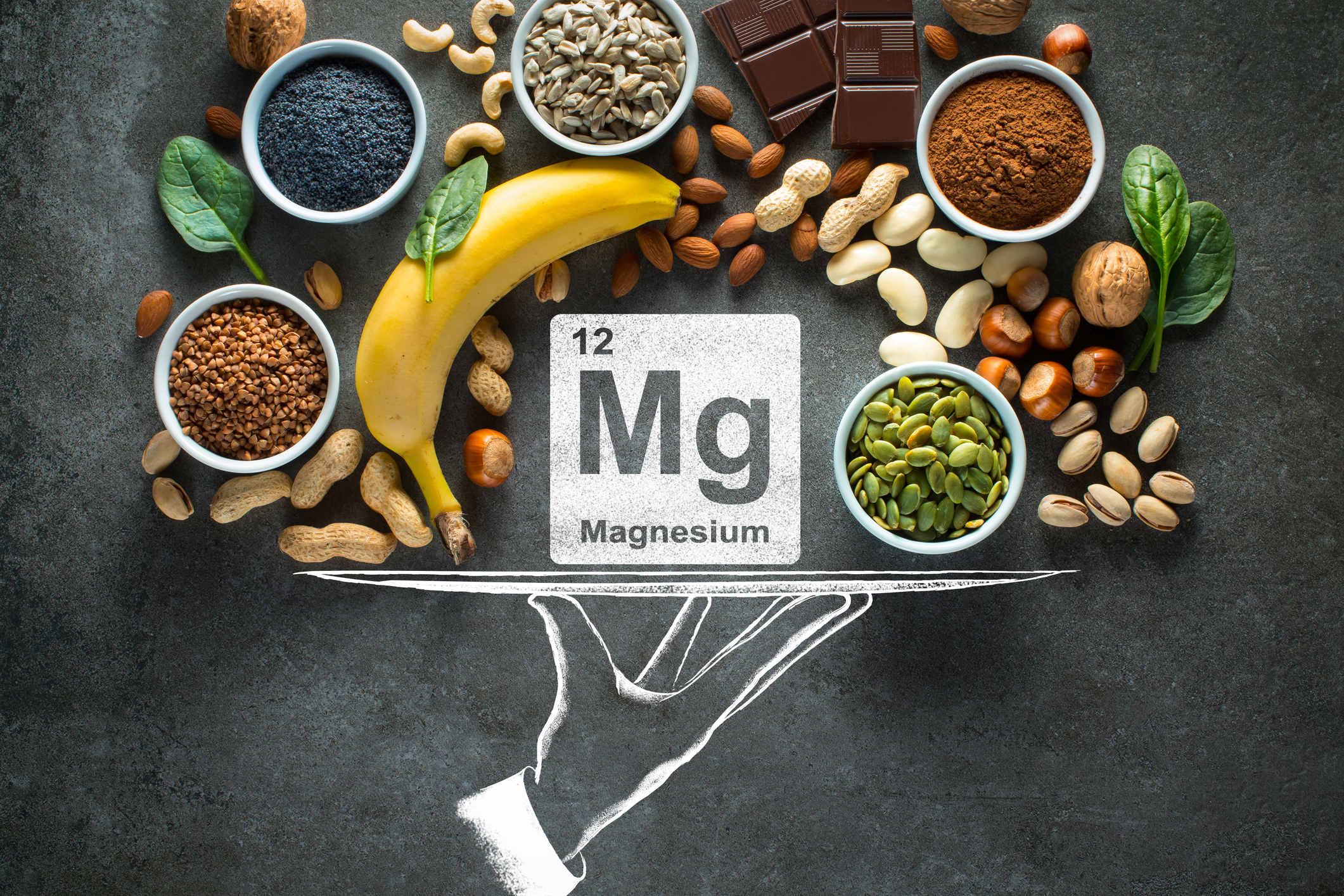
Magnesium is a mineral that can be found in various foods. It helps support more than 300 different chemical processes throughout the human body, such as: 

  • Muscle function 
  • Regulating blood pressure and blood sugar levels 
  • Promoting energy production 
  • Nerve function and bone health 
  • Mental health 

When eating foods containing magnesium, experts recommend consuming between 310 and 420 milligrams (mg) of magnesium per day, depending on age and sex: 

  • Babies 6 months and younger: 30 mg 
  • 7 to 12 months: 75 mg 
  • 1 to 3 years old: 80 mg 
  • 4 to 8 years: 130 mg 
  • 9 to 13 years 240 mg 
  • 14 to 18 years (male): 410 mg 
  • 14 to 18 years (female): 360 mg 
  • 19 to 30 years (male): 400 mg 
  • 19 to 30 years (female): 310 mg 
  • 31 and older male: 420 mg 
  • 31 and older female: 320 mg 

Pregnant women should get an additional 40 mg of magnesium per day. Some, but not all, prenatal vitamins include magnesium.  

Many foods contain magnesium, including: 

  • Nuts and seeds: 
    • Roasted almonds- 1oz = 80 mg of magnesium 
    • Roasted cashews- 1oz = 72 mg of magnesium 
    • Whole flaxseeds- 1 Tbsp = 40 mg of magnesium 
    • Dry roasted peanuts- 1 oz = 49 mg of magnesium 
    • Hulled and roasted pumpkin seeds- 1 oz = 15 mg of magnesium 
    • Chia seeds- 1oz = 111 mg magnesium 
  • Legumes: 
    • Boiled black beans- ½ cup = 60 mg of magnesium 
    • Cooked and prepared edamame- ½ cup = 50 mg of magnesium 
    • Cooked lima beans- ½ cup = 40 mg of magnesium 
  • Fiber-rich whole grains: 
    • Cooked quinoa- ½ cup = 60 mg of magnesium 
    • Plain, unfrosted shredded wheat- 1 cup = 56 mg of magnesium 
  • Low-fat dairy products: 
    • Nonfat milk- 1 cup = 24 to 27 mg of magnesium 
    • Plain low-fat yogurt- 8oz = 42 mg of magnesium 
  • Greens: 
    • Cooked spinach- ½ cup = 78 mg of magnesium 
    • Cooked Swiss chard- ½ cup = 75 mg of magnesium 
    • Collard greens- ½ cup = 25 mg of magnesium 
  • Fruit: 
    • One whole avocado = 58 mg of magnesium  
    • One medium banana = 32 mg of magnesium 
    • One small papaya = 33 mg of magnesium 
    • Blackberries- 1 cup = 29 mg of magnesium 
  • Vegetables: 
    • Green peas- ½ cup = 31 mg of magnesium 
    • Sweet corn- ½ cup = 27 mg of magnesium 
    • One medium potato with skin on = 48 mg of magnesium 
  • Dark chocolate that is 70%-85% cocoa- 1oz = 64 mg of magnesium 
  • 2 liters of water- up to 240 mg of magnesium 

If you have a magnesium deficiency, a healthcare provider may suggest magnesium supplements. When magnesium is combined with other substances, it can help bring out specific benefits, including: 

  • Magnesium glycinate: helps promote sleep 
  • Magnesium citrate: helps digestion 
  • Magnesium oxide: an antacid and aid to relieve migraines 
  • Magnesium sulfate (Epsom salt): used as a muscle relaxant 

Eating a meal that contains magnesium-rich foods is the foundation of a healthy diet and is beneficial for your overall health.  

It is important to note that you should first speak with your doctor about making any changes to your diet and before taking any new supplements. To consult a physician about the best ways to get your daily amount of magnesium, you can schedule an appointment at Jamaica Hospital Medical Center’s Ambulatory Care Center. Please call (718) 206-7001. 


All content of this newsletter is intended for general information purposes only and is not intended or implied to be a substitute for professional medical advice, diagnosis or treatment. Please consult a medical professional before adopting any of the suggestions on this page. You must never disregard professional medical advice or delay seeking medical treatment based upon any content of this newsletter. PROMPTLY CONSULT YOUR PHYSICIAN OR CALL 911 IF YOU BELIEVE YOU HAVE A MEDICAL EMERGENCY.
Important Information About Hypertension

According to the American Heart Association, hypertension is the medical term for high blood pressure.  It is defined an adult as blood pressure that is greater than or equal to 140 mm systolic and 90 mm diastolic. Hypertension directly increases the risk of coronary heart disease and stroke.

When the heart beats, it generates a force exerted against artery walls, known as blood pressure. Blood pressure is measured by testing the force needed to stop blood from flowing through the arteries, away from the heart. When a blood pressure test is performed, a test result will yield two numbers. The first number is known as the systolic number. It measures the pressure when the heart beats. The second number, known as the diastolic number, measures the pressure between heart beats, when the heart is at rest. A normal blood pressure for a healthy adult is 120/80.

Hypertension, also known as high blood pressure, is a serious condition that affects approximately one quarter of all Americans. Hypertension is commonly known as the “silent killer” because of the lack of any noticeable symptoms.  If not treated, hypertension can lead to many more serious conditions that can ultimately prove fatal.

Diagnosing and treating hypertension is very important because it can lead to a number of other diseases, such as heart disease, stroke, and kidney failure.

Everyone is susceptible to developing hypertension, but some groups are at greater risk than others. Those most at risk are:

                • People with a history of hypertension in their family

  • Overweight people

                • African Americans

                • Elderly people

You are also at a higher risk to develop hypertension if you:

                • Smoke

                • Drink alcohol frequently

                • Are pregnant or on birth control pills

                • On a high-salt diet

                • Are an inactive person

If you have hypertension, there are ways of controlling your condition. The following lifestyle changes can be added to reduce your risk:

  • Exercise Regularly – Aerobic exercise for 15 to 45 minutes, three to four times a week, every week is recommended by doctors. Swimming, walking, jogging, riding a bike, and dancing are all excellent forms of aerobic exercise.
  • Eat healthy – Avoid foods with high salt and high fat content. Doctors suggest eating more fruit, vegetables, chicken, fish, pasta, and low-fat dairy products.           
  • Control Alcohol – Limit alcohol consumption. 
  • Stop Smoking – If you are serious about controlling hypertension, you must stop smoking.

In some more serious cases, doctors will prescribe medication to help control hypertension. The best prevention is to see a doctor and have a blood pressure check-up at least once a year.

Before beginning a diet or exercise program, consult your physician.

All content of this newsletter is intended for general information purposes only and is not intended or implied to be a substitute for professional medical advice, diagnosis or treatment. Please consult a medical professional before adopting any of the suggestions on this page. You must never disregard professional medical advice or delay seeking medical treatment based upon any content of this newsletter. PROMPTLY CONSULT YOUR PHYSICIAN OR CALL 911 IF YOU BELIEVE YOU HAVE A MEDICAL EMERGENCY.

Information About Obesity

One of the most prevalent health conditions in the United States today is obesity. Both children and adults are often classified as being obese and this can have very serious health consequences.

There are numerous reasons that a person may be obese. While lack of exercise and poor eating habits are more commonly given as reasons for being obese, genetics and socio-economic factors may also be involved. Typically obesity is related to consuming more calories every day than are being expended.

Obesity is defined as a condition where a person has excess body fat. One of the ways that obesity is measured is by taking a person’s body mass index (BMI), which is calculated by their body weight in kilograms and dividing it by their height in meters squared. If the result is 30 or greater, that person is considered to be obese.

Being obese can have very serious effects on a person’s overall health. Some of the health conditions associated with obesity are:

• Diabetes
• Hypertension
• High Cholesterol
• Stroke
• Osteoarthritis
• Respiratory difficulty
• Sleep apnea
• Heart disease

There are a few ways that a person can prevent themselves from becoming obese.  Since poor eating habits and behavior may be the cause of the problem, modifying these factors will be helpful. A conservative approach to treating obesity involves:

• Change eating habits
• Improve and increase physical activity
• consult with your physician for recommendations
• consult with a certified dietician

If you would like to speak with a physician at Jamaica Hospital to help you better manage your weight, pleas call 718-206-7001.

All content of this newsletter is intended for general information purposes only and is not intended or implied to be a substitute for professional medical advice, diagnosis or treatment. Please consult a medical professional before adopting any of the suggestions on this page. You must never disregard professional medical advice or delay seeking medical treatment based upon any content of this newsletter. PROMPTLY CONSULT YOUR PHYSICIAN OR CALL 911 IF YOU BELIEVE YOU HAVE A MEDICAL EMERGENCY.

Hypertension and Kidney Disease

High blood pressure is the second leading cause of kidney failure in the United States after diabetes.

High blood pressure, also known as Hypertension, can damage blood vessels in the kidneys, reducing their ability to work properly. When the force of blood flow is high, blood vessels stretch so blood flows more easily. Eventually, this stretching scars and weakens blood vessels throughout the body, including those in the kidneys.

If the kidneys’ blood vessels are damaged, they may stop removing wastes and extra fluid from the body. Extra fluid in the blood vessels may then raise blood pressure even more, creating a dangerous cycle.

Most people with high blood pressure do not have symptoms. In rare cases, high blood pressure can cause headaches.

Kidney disease also does not have symptoms during its early stages. A person may have swelling called edema, which happens when the kidneys cannot get rid of extra fluid and salt. Edema can occur in the legs, feet, or ankles and less often in the hands or face.

Once kidney function decreases further, symptoms can include:

  • Appetite loss
  • Nausea
  • Vomiting
  • Drowsiness or feeling tired
  • Trouble concentrating
  • Sleep problems
  • Increased or decreased urination
  • Generalized itching or numbness
  • Dry skin
  • Headaches
  • Weight loss
  • Darkened skin
  • Muscle cramps
  • Shortness of breath
  • Chest pain

Following a healthy eating plan can help lower blood pressure.  Your health care provider may recommend a dietary approach that includes foods that are low in fat and cholesterol, dairy that is fat-free or low-fat, fish, poultry and nuts, as well as, consuming less read meat, sweets and added sugars.

If  you are experiencing symptoms and would like to speak with a physician, please call Jamaica Hospital Medical Center’s Ambulatory Care Center at 718-206-7001.

All content of this newsletter is intended for general information purposes only and is not intended or implied to be a substitute for professional medical advice, diagnosis or treatment. Please consult a medical professional before adopting any of the suggestions on this page. You must never disregard professional medical advice or delay seeking medical treatment based upon any content of this newsletter. PROMPTLY CONSULT YOUR PHYSICIAN OR CALL 911 IF YOU BELIEVE YOU HAVE A MEDICAL EMERGENCY.

When Should You Go to The ER For High Blood Pressure?

Complications caused by hypertension (high blood pressure), is one of the most common reasons for emergency room visits.  Elevated blood pressure levels can cause substantial damage to our bodies and lead to conditions that can become life-threatening.

Knowing when to seek immediate emergency care can help you avoid delays in getting medical attention, and decrease your risk of developing severe complications caused by extremely high blood pressure.

According to the American Heart Association, when blood pressure levels increase severely and reach measurements of 180/110 or greater, you should seek immediate medical attention.

There are other warning signs coupled with high blood pressure that indicate you are having a hypertensive crisis and require emergency care. Signs and symptoms may include:

  • Severe chest pain
  • Nausea and vomiting
  • Severe headaches accompanied by blurred vision and confusion
  • Seizures
  • Unresponsiveness
  • Shortness of breath
  • Severe anxiety

The cause of a severe spike in your blood pressure and these symptoms could be the result of missing your blood pressure medications, a stroke, a heart attack, kidney failure or an artery rupture.

A hypertensive crisis can lead to complications or damages to your body such as fluid in the lungs, memory loss, vision damage, and damage to vital organs.  This is why it is important that you go to your nearest hospital emergency room and receive the treatment needed to lower your blood pressure.  Damage to your organs will be assessed and your doctors will immediately address complications.

All content of this newsletter is intended for general information purposes only and is not intended or implied to be a substitute for professional medical advice, diagnosis or treatment. Please consult a medical professional before adopting any of the suggestions on this page. You must never disregard professional medical advice or delay seeking medical treatment based upon any content of this newsletter. PROMPTLY CONSULT YOUR PHYSICIAN OR CALL 911 IF YOU BELIEVE YOU HAVE A MEDICAL EMERGENCY.

Information About Migraines

According to the Coalition for Headache and Migraine Patients (CHAMP), June is recognized by the federal government as National Migraine and Headache Awareness Month.

More than 38 million people in the United States experience migraines or some type of tension headache with 2 -3 million of them experiencing chronic migraines.

The exact causes of migraines are unknown.  People with migraine or tension headaches may have a tendency to be affected by certain triggers such as fatigue, bright lights, weather changes and hypertension.

Some symptoms of migraine or tension headaches are:

  • Throbbing pain, numbness, weakness
  • Sensitivity to light
  • Sensitivity to sound
  • Nausea
  • Diarrhea
  • Vertigo
  • Mood changes
  • Neck pain
  • Vision changes

Treatment for migraine or tension headaches depends on the how often or how severe the headache is, the level of disability your headache may cause and contributing medical conditions you may have.

Over the counter medications such as anti-nausea or Ibuprofen may help with more minor episodes, but if you are experiencing multiple headaches per month lasting more than 12 hours, over the counter medications aren’t helping and your migraine symptoms include numbness or weakness, it is best to consult your physician.

If you are experiencing painful migraine or tension headaches, the Ambulatory Care Center at Jamaica Hospital Medical Center has convenient hours and days of operation.  To schedule an appointment, call 718-206-7001.

To learn more about migraines and tension headaches visit –

All content of this newsletter is intended for general information purposes only and is not intended or implied to be a substitute for professional medical advice, diagnosis or treatment. Please consult a medical professional before adopting any of the suggestions on this page. You must never disregard professional medical advice or delay seeking medical treatment based upon any content of this newsletter. PROMPTLY CONSULT YOUR PHYSICIAN OR CALL 911 IF YOU BELIEVE YOU HAVE A MEDICAL EMERGENCY.

Is There a Benefit to Wearing a Fitness Tracker?

Generally speaking, if you are inactive your risk of  experiencing obesity, low energy, diabetes and hypertension is higher.  To combat these health issues, you can incorporate a brisk walk or run into your weekly activity.  The addition of this type of movement to your day may prevent or, in some cases, reverse health issues.

One of the ways some are finding it beneficial to keep track of their activity level is by wearing a “fitness tracker.”  Surprisingly, one of the first reports you may receive from your tracker is that you are not as active as you thought you were.

Most fitness trackers are a good way of monitoring your steps, calories, distance travelled, caloric intake, as well as your heart rate and sleep patterns.  They can be viewed as your “conscience” for personal accountability and motivation for a relatively low cost.

Some of the benefits of a fitness tracker include:

  • Encouraging physical activity – If you check your tracker and see that you are behind in your steps for the day, you may “step” up your game a bit and take a walk.
  • Measuring your heart rate – This feature can give you hard data on the effort you exert while doing a particular workout and/or task. It can give you a hint on the condition of your cardiovascular system by allowing you to see just how quickly your heart rate increases.
  • Providing insights on your sleep patterns – Sleep has a definite influence on your overall health. Fitness trackers that log sleep activity can help you address whatever is lacking in your sleep cycles.
  • Encouraging healthy eating – Fitness trackers can come equipped with apps that help you track your food and may help with weight loss.
  • Promoting interaction – Some fitness trackers allow the user to interact with other users, create group challenges and receive rewards for meeting goals.

There really isn’t a downside to tracking your activity, unless you take your fitness tracker off and it remains lost at the bottom of a drawer.


All content of this newsletter is intended for general information purposes only and is not intended or implied to be a substitute for professional medical advice, diagnosis or treatment. Please consult a medical professional before adopting any of the suggestions on this page. You must never disregard professional medical advice or delay seeking medical treatment based upon any content of this newsletter. PROMPTLY CONSULT YOUR PHYSICIAN OR CALL 911 IF YOU BELIEVE YOU HAVE A MEDICAL EMERGENCY.