
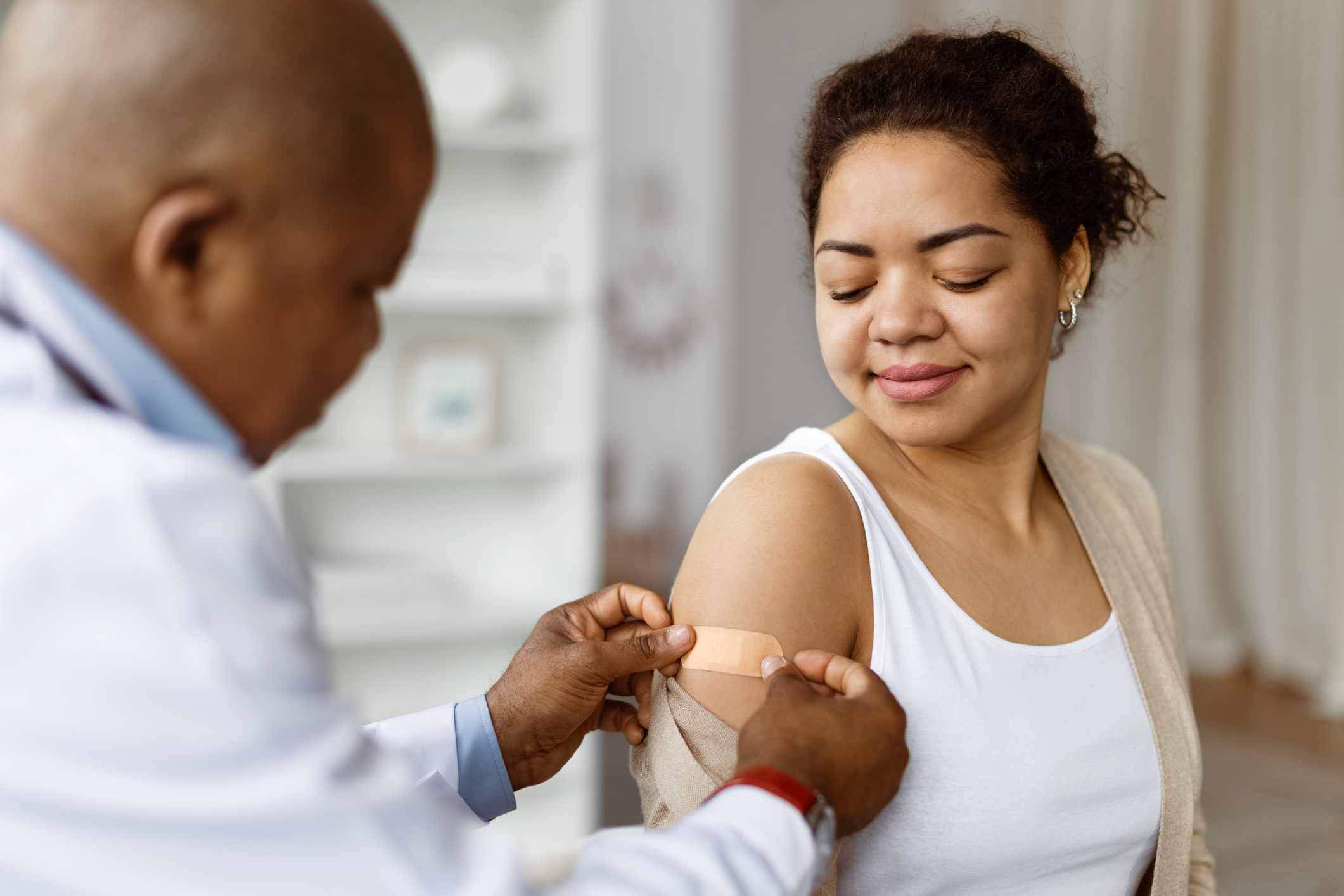
 Vaccines don’t just protect you from specific infectious diseases or help reduce the severity of symptoms if you get sick. They also play a significant role in preventing you from developing common chronic diseases, including certain cancers.
What’s more, there is an increasing amount of research that has shown that vaccines can reduce the risk of developing dementia and heart conditions.
Here are some common vaccines that can prevent chronic diseases and some cancers:
HPV Vaccine
Human papillomavirus (HPV) is a common infection spread by skin-to-skin contact, often through sex, and is responsible for most cervical cancers. It can also cause a large number of lower genital cancers and certain head and neck cancers.
Studies have shown that rates of HPV infection, early signs of precancer, and cervical cancer have fallen since the HPV vaccine was introduced. A 2024 study of an estimated 3.5 million participants found fewer cases of HPV-related cancers in people who were vaccinated. Another study found that cervical cancer deaths among women younger than 25 years old dropped more than 60 percent in recent years, with researchers suggesting that the significant decline was most likely the result of vaccinations.
The HPV vaccine should be administered to all young people between the ages of nine and 26. It can be given to people up to the age of 45; however, the vaccine is less effective the older you are. Two doses of the vaccine are recommended for most people younger than 15 years old, and three shots for people between 15 and 26 years old and those who are immunocompromised.
Shingles Vaccine
Shingles is caused by the same virus that causes chicken pox. Unfortunately, the virus doesn’t leave your body after you have recovered from chicken pox and stays dormant in your nervous system, and for some people, it can reactivate and cause a painful rash. In the U.S., an estimated one million people get shingles each year, and for certain people, it can sometimes also cause lifelong chronic pain conditions or other serious complications, such as vision loss.
According to the Centers for Disease Control and Prevention (CDC), the shingles vaccine is 97 percent effective in preventing shingles in adults between 50 and 69 years old.
Additionally, many large-scale studies have reported a connection between the shingles vaccine and reduced risk of dementia. There is also research that suggests the vaccine could reduce the risk of cardiovascular events such as stroke, heart failure, and coronary artery disease. The CDC recommends two doses of a shingles vaccine for adults 50 and older, or people 19 years or older with weakened immune symptoms. The chicken pox vaccine for children can help prevent shingles when they’re older.
Hepatitis B Vaccine
The hepatitis B virus is a leading risk factor for liver disease and cancer later in life. It can be contracted through sexual contact, needles, and childbirth, and can be passed from person to person through blood, semen, or other bodily fluids.
Acute hepatitis B can be a short-term illness that happens within the first six months of exposure to the virus. It can cause people to have no symptoms or only mild sickness. However, the illness, which is a liver infection that can become a lifelong chronic condition if left untreated, could lead to cirrhosis and liver cancer. It is recommended that all infants receive the vaccine at birth, with the series of shots to be completed in the first 15 months of their life.
Flu, Coronavirus, and RSV Vaccine
Vaccines that help prevent infections from respiratory viruses are important because they protect us against serious disease, as well as flare-ups or worsening of existing chronic health conditions.
A study done in 2020 found higher rates of severe flu infections among adults with certain chronic medical conditions, such as diabetes, kidney disease, congestive heart failure, coronary artery disease, chronic obstructive pulmonary disease (COPD), and asthma. Additionally, a study of 46 million adults observed that the incidence of heart attacks and strokes decreased after people received coronavirus vaccinations.
The CDC recommends that everyone six months and older should get an annual flu shot.
It is also important for those who have chronic conditions to get the coronavirus and RSV vaccines.
RSV can be devastating for children and elderly people. Getting the RSV vaccine is recommended for babies, pregnant women to protect their babies, adults ages 50 to 74 with chronic health conditions, and all adults 75 and older.
Bacterial Vaccines
Bacterial infections such as meningitis and pneumonia can also lead to chronic disabilities or even death.
The longer a person has a meningitis infection, the greater the risk of the infection causing serious complications such as hearing loss, vision troubles, memory issues, learning disabilities, brain damage, seizures, and kidney failure.
Pneumonia can have long-term effects, such as depression, heart disease, and blood vessel diseases that worsen. According to the National Heart, Lung, and Blood Institute, pneumonia could cause kidney, liver, and heart damage due to the organs not getting enough oxygen to function properly, or because of the immune system responding negatively to the infection.
Both bacterial meningitis and pneumonia can lead to sepsis. If treated early, a person suffering from sepsis can recover completely; however, others might experience long-term effects, including insomnia, nightmares or hallucinations, panic attacks, joint and muscle pain, decreased cognitive function, and organ failure.
The CDC recommends all preteens and teens, as well as children and adults who are at an increased risk, receive the meningococcal vaccine, as it protects against the disease that causes meningitis. Children five years and younger and adults 50 or older should receive the pneumococcal vaccine, which helps prevent pneumonia and other infections, including meningitis and sepsis.
It is important to remember that getting vaccinated is the best way to protect against worsening or serious symptoms of illness and developing chronic diseases and cancers.
To learn more about our infectious disease services or to make an appointment with our infectious disease physicians, please contact Jamaica Hospital Medical Center at 718-206-6000.
 Follow
All content of this newsletter is intended for general information purposes only and is not intended or implied to be a substitute for professional medical advice, diagnosis or treatment. Please consult a medical professional before adopting any of the suggestions on this page. You must never disregard professional medical advice or delay seeking medical treatment based upon any content of this newsletter. PROMPTLY CONSULT YOUR PHYSICIAN OR CALL 911 IF YOU BELIEVE YOU HAVE A MEDICAL EMERGENCY.