
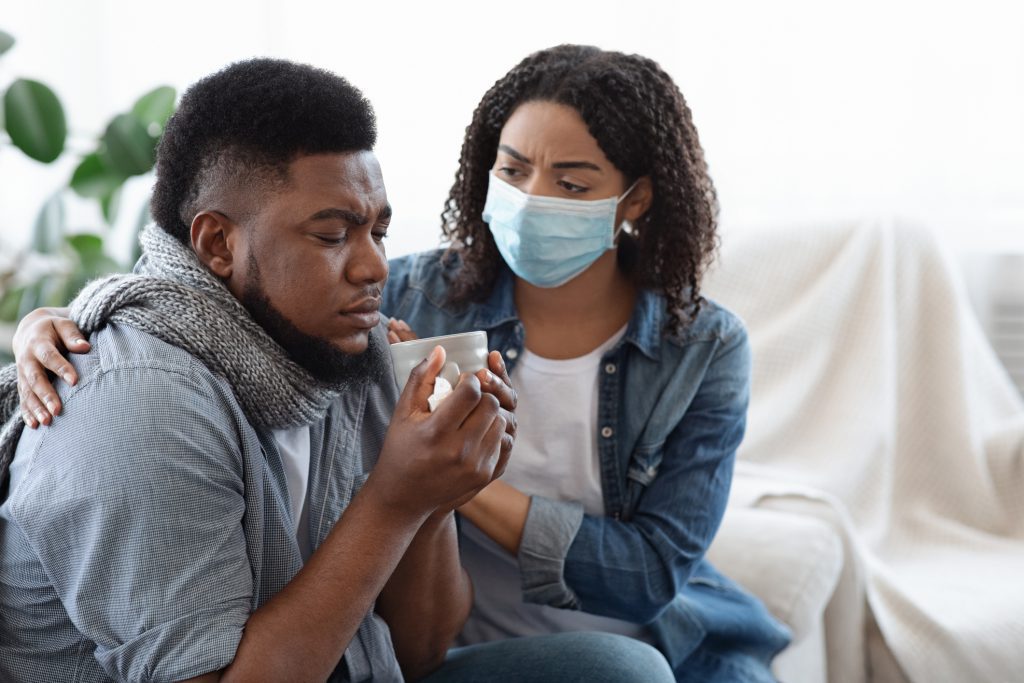
How to Spot and Prevent Frostbite

Frostbite is an injury caused to the skin and underlying tissues as a result of exposure to windy and cold- weather conditions.

Staying outside in extreme weather conditions for extended periods of time is the most common factor and risks increase when temperatures fall below 5°farenheit, or in conditions with above freezing temperatures and extreme wind chills. Additional factors may include:

  • Direct contact with ice, very cold liquids and freezing metals.
  • Wearing clothing that is not suitable to protect against cold weather.

Although frostbite mostly occurs on parts of the skin that are not properly covered, it is important to note that in extreme temperatures it can also develop on areas that are covered by clothing.

Our nose, fingers, cheeks, ears and toes are the parts of our bodies that are highly susceptible to frostbite. They are furthest away from our core and are first to decrease in blood flow in cold temperatures.

The symptoms of frostbite vary with severity and are categorized in three stages:

Frostnip:  This is a mild form of frostbite. Skin may turn pale or very red and feels cold.  The affected areas may also itch, burn, sting or feel tingly. Continued exposure may lead to a “pins and needles” feeling or numbness.

Superficial Frostbite:  Skin appears reddened or pale. Skin can become hard and look waxy or shiny.  At this stage, after the skin is thawed, blisters may form on the affected area. Skin may also appear blue or purple once rewarmed.

Severe (Deep) Frostbite:  Severe cases of frostbite affect all layers of the skin as well as the tissues that lie below.  Skin becomes very hard and cold to the touch. It may look blue and some instances black, as the tissue dies. The affected area may lose all sensation and joints or muscles may no longer work.

Some people are more at risk of developing frostbite than others, they include:

  • The elderly
  • Young children
  • Patients taking medication such as beta blockers that reduce blood flow to skin
  • Diabetics
  • People who use nicotine
  • People under the influence of alcohol
  • People with prior cold-related injuries

Frostbite is preventable. If you expect to spend time outdoors in cold weather, take care in protecting yourself. Dress appropriately and in layers.  When temperatures become extreme, stay inside as much as possible. It is also advised that you stay hydrated; dehydration increases your risk of frostbite. Avoid drinking alcohol or smoking if you know you will be outside in the extreme cold.

All content of this newsletter is intended for general information purposes only and is not intended or implied to be a substitute for professional medical advice, diagnosis or treatment. Please consult a medical professional before adopting any of the suggestions on this page. You must never disregard professional medical advice or delay seeking medical treatment based upon any content of this newsletter. PROMPTLY CONSULT YOUR PHYSICIAN OR CALL 911 IF YOU BELIEVE YOU HAVE A MEDICAL EMERGENCY.

How Cold Weather Affects Asthma

When very cold and dry air enters the body, and subsequently the lungs it can cause a tightening of the airways. Cold air can cause wheezing, tightness of the chest muscles, shortness of breath, coughing, a sense of dizziness and sometimes difficulty speaking.

Taking some precautions before going outside in very cold weather can help ease the symptoms. It is important to keep asthma under control at all times. It can be helpful to take a dose of an asthma inhalant ten minutes before going outdoors. This will aid in keeping the airways open. People with asthma should carry their medication with them if they know they are going to be outdoors for any period of time. Another good idea is to keep your mouth and nose covered with a scarf when you are outside in cold weather. This will help to warm the air you are breathing. Anyone who has asthma should avoid strenuous outdoor activities. Sometimes the act of just walking on a windy day can bring on symptoms of an asthma attack. Try breathing through your nose more and through your mouth less. This will help to warm the air that enters your lungs.

People with asthma know the effects it can have during the cold days of winter. Taking a few precautions can help minimize the effects of the cold air on the body.

If you are experiencing symptoms of asthma and would like to seek the advice of a physician at Jamaica Hospital Medical Center’s Ambulatory Care Center, call 718-206-7001 to schedule an appointment.

All content of this newsletter is intended for general information purposes only and is not intended or implied to be a substitute for professional medical advice, diagnosis or treatment. Please consult a medical professional before adopting any of the suggestions on this page. You must never disregard professional medical advice or delay seeking medical treatment based upon any content of this newsletter. PROMPTLY CONSULT YOUR PHYSICIAN OR CALL 911 IF YOU BELIEVE YOU HAVE A MEDICAL EMERGENCY.

Tips on How to Prevent Getting Sick on a Plane

Tips to prevent getting sick on a plane

The chances of getting sick on a plane are high (especially during cold and flu season) because you are in close contact with fellow travelers and exposed to surfaces that may not be properly sanitized.  Additionally, air cabins tend to have low humidity levels which dry mucus from our noses and throats – creating an environment for germs and viruses to thrive.

Although these flying conditions are often beyond our control, there are measures that can be taken to lessen our exposure to germs and decrease our chances of getting sick.  Here are a few:

  • Get enough sleep before your flight- This will provide your immune system with a much-needed boost.
  • Stay hydrated- Keeping your body hydrated before and during your flight will prevent mucus from drying out.
  • Keep your hands clean by frequently washing them with soap and water or using a sanitizer- Doing so will limit exposure to germs (The Centers for Disease Control and Prevention reports that handwashing can prevent up to 21% of respiratory infections).
  • Use sanitizing wipes on surfaces you will touch- It is highly recommended that you wipe down tray tables, bathroom flush buttons, overhead air vents, seatbelt buckles and seat pockets. These areas are touched by millions of people and are perfect environments for germs to live.
  • Keep air vents on- HEPA filters used on planes are effective at removing bacteria and airborne viruses.
  • Wear a mask, especially if you are sitting next to someone who is constantly coughing or displaying other symptoms of a respiratory infection.
  • Don’t touch your eyes, nose or mouth – If you need to do so, make sure your hands are clean. Your eyes, nose and mouth serve as points of entry for germs.

It is important to remember germs and viruses can live for hours on certain surfaces. In fact, the flu virus can live up to 24 hours on any hard surface. Therefore, it is important that you follow the given precautions to protect your health and prevent the spread of germs and viruses.

All content of this newsletter is intended for general information purposes only and is not intended or implied to be a substitute for professional medical advice, diagnosis or treatment. Please consult a medical professional before adopting any of the suggestions on this page. You must never disregard professional medical advice or delay seeking medical treatment based upon any content of this newsletter. PROMPTLY CONSULT YOUR PHYSICIAN OR CALL 911 IF YOU BELIEVE YOU HAVE A MEDICAL EMERGENCY.

How To Tell The Difference Between a Bad Cold, Bronchitis and Pneumonia

That dreaded time of year is here, it is cold season.  In the United States, this season starts around September and typically lasts until March or April.

Chances are like many, you may catch a cold. If you do, you may display symptoms that include sneezing, scratchy or sore throat, runny or stuffy nose, coughing, congestion or a low-grade fever. These symptoms are normal but can worsen when left untreated and may cause serious illnesses such as bronchitis or pneumonia to develop.

It is important to know when your condition is worsening. There are several signs that can help you to recognize when your common cold has become something more.

Here are some symptoms of bronchitis to look out for:

  • A cold that persists for two weeks or more
  • Shortness of breath or wheezing
  • Coughs that produce thick clear, white, green or yellow mucous or blood
  • Rapid breathing
  • Soreness of the chest

Pneumonia can develop after having a serious cold or flu. Symptoms can be mild or severe depending on factors such as age and your state of health. The symptoms of pneumonia can include:

  • Violent coughing spasms that produce very little mucous
  • Coughs with bloody or yellow or greenish mucous
  • Fever
  • Sharp or stabbing chest pain when you breathe deeply or cough
  • Loss of appetite
  • Fatigue
  • Clammy skin or excessive sweating
  • Chills
  • Muscle aches

If your cold persists longer than two weeks and you are experiencing these symptoms, it is important that you contact your doctor as soon as possible. In severe cases, pneumonia can be life threatening.

To schedule an appointment with a physician at Jamaica Hospital Medical Center, please call 718-206-7001.

All content of this newsletter is intended for general information purposes only and is not intended or implied to be a substitute for professional medical advice, diagnosis or treatment. Please consult a medical professional before adopting any of the suggestions on this page. You must never disregard professional medical advice or delay seeking medical treatment based upon any content of this newsletter. PROMPTLY CONSULT YOUR PHYSICIAN OR CALL 911 IF YOU BELIEVE YOU HAVE A MEDICAL EMERGENCY.

This Month We Shine Our Employee Spotlight On Nicole Tuccillo, PA-C, MHA

This month, we are proud to shine our employee spotlight on Nicole Tuccillo, PA-C, MHA a Physician Assistant in the Emergency Department at Jamaica Hospital Medical Center where she has been working since 1999.

Nicole is a native of Queens. She grew up in Howard Beach and attended elementary school at P.S. 207, Junior High School at J.H.S. 202, and high school at Christ the King. She received her associate’s degree from Delhi University and received her B.S. and Physician Assistant degrees from Wagner College. Nicole then went on to obtain a Master’s in Health Administration from Bellevue University in 2012.

Nicole spent her first four years working at Jamaica Hospital in the PICU, she later began working in the Emergency Department. One of the positions she held was Trauma Program manager for five years. However, Nicole’s true calling is working in the different areas of the Emergency Department as this is where she feels she is most needed. She has the opportunity in the ER to teach PA and medical students which is very rewarding.

Nicole currently lives with her family on Long Island. Nicole’s husband is a Lieutenant with the New York City Fire Department. They have a son who is 14 years old and a daughter who is 13 years old. Completing the household is a dog named Cocoa who is always at the door waiting to greet them with lots of love. Her family is her whole world. Nicole also enjoys spending time with her friends as well and likes the fact that they round out her life so nicely. In her free time she practices Pilates and yoga which help her to relax and stay grounded.

Nicole likes trying new types of food, especially things that are exotic. She also loves to travel to new places. A few of the places she has been to include Iceland, Hawaii, Montreal, Sicily and other parts of Europe. Travelling the world has given her the opportunity to see new places, see the beauty that they hold, and learn about other cultures.

Nicole enjoys working at Jamaica Hospital because it is a comfortable atmosphere in which she is able to multi-task. According to Nicole, “The hospital is a place where everyone knows everyone else and work well together as a team. Our collective goal is to provide our patients with the utmost of care.” She also enjoys the diversity that is part of the fabric of the hospital and the patients that we treat.

We are very happy to have Nicole as part of the Jamaica Hospital Medical Center family and look forward to having her with us for many more years.

All content of this newsletter is intended for general information purposes only and is not intended or implied to be a substitute for professional medical advice, diagnosis or treatment. Please consult a medical professional before adopting any of the suggestions on this page. You must never disregard professional medical advice or delay seeking medical treatment based upon any content of this newsletter. PROMPTLY CONSULT YOUR PHYSICIAN OR CALL 911 IF YOU BELIEVE YOU HAVE A MEDICAL EMERGENCY.

Seasonal Affective Disorder

Seasonal Affective Disorder (SAD) is a type of depression experienced by people during the beginning of the fall months through winter. 

Seasonal Affective Disorder

The exact cause of Seasonal Affective Disorder is unknown; however, according to the American Psychiatric Association, “SAD has been linked to a biochemical imbalance in the brain prompted by shorter daylight hours and less sunlight in winter.” Decreased levels of sunlight have been found to disrupt melatonin (a hormone that regulates our sleep-wake cycle) and serotonin (a chemical that regulates mood) levels in the body.

Those affected by the disorder may find that they have sleep issues, difficulty concentrating, and increased cravings for unhealthy foods that can contribute to weight gain and low energy, as well as other symptoms associated with depression such as feelings of hopelessness or thoughts about suicide.

Treatment for SAD may include phototherapy, medications and psychotherapy. Your doctor may also recommend lifestyle changes such as increasing your exposure to natural light.  This can be achieved by doing more outdoor activities such as walking, jogging and hiking.  Increasing physical activity is also strongly encouraged as this has been found time and time again, to reduce levels of stress and anxiety which improve symptoms of SAD. In addition to improving your mood, physical activity can help to control or lose weight.  

Paying attention to your eating habits is very important. Those with SAD are at an increased risk for emotional eating and making poor dietary choices. Eating a healthy, well-balanced diet can help you to manage your weight and sustain energy. Avoiding alcohol is highly recommended. Alcohol acts as a depressant, which in excess can worsen depressive symptoms

Practicing meditation or yoga  as well as receiving acupuncture or massage therapy have been found to decrease anxiety and stress levels, improving mental and physical health overall. It is also important to surround yourself with friends and family, this allows for less alone time and strong social support.

If the symptoms of SAD persist, consider cognitive psychotherapy and or SSRI (selective serotonin reuptake inhibitors) treatment to relieve depressive symptoms and address underlying difficulties.

If you are struggling with SAD, you do not need to feel alone. It is estimated that 10-20% of Americans suffer from SAD. It is important to seek help if you are experiencing issues at work or school, substance abuse or other signs of mental health disorders, especially suicidal thoughts.

To speak with or see a Family Medicine doctor about Seasonal Affective Disorder, please call  718- 206-6942

Marwa Eldik M.D.

All content of this newsletter is intended for general information purposes only and is not intended or implied to be a substitute for professional medical advice, diagnosis or treatment. Please consult a medical professional before adopting any of the suggestions on this page. You must never disregard professional medical advice or delay seeking medical treatment based upon any content of this newsletter. PROMPTLY CONSULT YOUR PHYSICIAN OR CALL 911 IF YOU BELIEVE YOU HAVE A MEDICAL EMERGENCY.

Portable Heater Safety Tips

According to the National Fire Protection Association (NFPA), heating equipment, such as portable space heaters, is a leading cause of home fire deaths and half of the home heating equipment fires are reported during the months of December, January, and February.

NFPA suggests these tips for safely operating heating equipment in your home:

  • Keep anything that can burn at least three feet away from heating equipment, like the furnace, fireplace, wood stove, or portable space heater.
  • Have a three-foot “kid-free zone” around open fires and space heaters.
  • Never use your oven to heat your home.
  • Have a qualified professional install stationary space heating equipment, water heaters or central heating equipment according to the local codes and manufacturer’s instructions.
  • Have heating equipment and chimneys cleaned and inspected every year by a qualified professional.
  • Remember to turn portable heaters off when leaving the room or going to bed.
  • Always use the right kind of fuel, specified by the manufacturer, for fuel burning space heaters.

As a way of further making your home safe during the colder months, it is recommended that smoke and carbon monoxide detectors are checked each month. They may need a change of battery to ensure they are working properly.

All content of this newsletter is intended for general information purposes only and is not intended or implied to be a substitute for professional medical advice, diagnosis or treatment. Please consult a medical professional before adopting any of the suggestions on this page. You must never disregard professional medical advice or delay seeking medical treatment based upon any content of this newsletter. PROMPTLY CONSULT YOUR PHYSICIAN OR CALL 911 IF YOU BELIEVE YOU HAVE A MEDICAL EMERGENCY.

Butternut Squash Soup Recipe

Ingredients

1 Tbsp. Olive oil

2 Garlic cloves minced

1 Onion diced

1 Butternut Squash peeled and diced into cubes (can use frozen pre-cut as well)

4 cups (32 ounces) Vegetable Broth

1-2 tsp. salt (optional)

1 tsp freshly grated Ginger (optional)

Instructions

  1. Heat olive oil in a pot over medium heat. Add onion and garlic. Cook until softened, about 5 minutes.
    1. Add cut up butternut squash and vegetable broth. Bring to a boil then cover and simmer for 15-20 minutes until squash is softened.
    1. Carefully pour entire contents of pot into blender or use an immersion blender. Add salt and ginger.
    1. Carefully blend until smooth. Serve in bowls and garnish with parsley, chives, diced apples or pumpkin seeds.

All content of this newsletter is intended for general information purposes only and is not intended or implied to be a substitute for professional medical advice, diagnosis or treatment. Please consult a medical professional before adopting any of the suggestions on this page. You must never disregard professional medical advice or delay seeking medical treatment based upon any content of this newsletter. PROMPTLY CONSULT YOUR PHYSICIAN OR CALL 911 IF YOU BELIEVE YOU HAVE A MEDICAL EMERGENCY.

Tips for Breastfeeding Babies Who are Teething

baby  514614209Most babies do not bite while breastfeeding but some might while teething. This can be painful or uncomfortable and may cause some mothers to consider weaning. Although teething raises some challenges, mothers are encouraged to continue breastfeeding as best they can. Organizations such as the World Health Organization and the American Academy of Pediatrics highly recommend breastfeeding until babies are ages one to two.

If you decide to continue breastfeeding throughout teething, following these tips can help you alleviate some pain and discomfort:
• Make certain that your baby is latched on properly. When babies are latched properly it is difficult for them to bite as their tongues are covering the lower gums or teeth.
• Massage the baby’s gums before feeding. This can decrease the level of discomfort or pain your baby may be experiencing.
• Discourage the baby each time he or she bites by either removing him from the nipple bite or by pulling him closer to you. Then calmly say “no biting”.
• Give baby something cold to chew before feeding. A chilled, age-appropriate teething toy or cloth can ease soreness. Rubbing an ice cube on gums works just as well.
• Stick a finger in the corner of the baby’s mouth as he or she clamps down. This will serve as a barrier between your nipples and baby’s teeth.

The good news is biting caused by teething is only a phase; it is temporary. Continuing to breastfeed can provide countless benefits for your baby. If your baby still bites after trying these tips, do not hesitate to contact a lactation consultant or your pediatrician for direction and support.

To schedule an appointment with a Lactation Consultant at Jamaica Hospital Medical Center, please call 718-291-3276.

All content of this newsletter is intended for general information purposes only and is not intended or implied to be a substitute for professional medical advice, diagnosis or treatment. Please consult a medical professional before adopting any of the suggestions on this page. You must never disregard professional medical advice or delay seeking medical treatment based upon any content of this newsletter. PROMPTLY CONSULT YOUR PHYSICIAN OR CALL 911 IF YOU BELIEVE YOU HAVE A MEDICAL EMERGENCY.

Understanding How Diabetes Can Affect Your Digestion

Nausea and vomiting are two unpleasant feelings that most everyone has encountered at some point in their life, but for many diabetics, these are symptoms that they live with every day as a result of a condition known as diabetic gastroparesis.

Gastroparesis, also known as delayed gastric emptying, is a known complication of both the type 1 and type 2 forms of diabetes.  It occurs because high blood glucose levels associated with diabetes often leads to nerve damage throughout the body.  One such nerve is the vagus nerve. It controls the movement of food from the stomach into the small intestine. When it is damaged, food cannot move as quickly through the digestive system because the stomach muscles aren’t working well or stop working completely.  When undigested food remains in the stomach for too long it can lead to a variety of problems such as bacterial overgrowth and the build-up of hardened, solid masses.

It is estimated at as many as 50% of all people living with diabetes develop some level of gastroparesis during their lifetime, but symptoms can vary greatly from person to person.

The most common symptoms associated with diabetic gastroparesis include:

  • Nausea after eating
  • Vomiting after eating
  • Fullness after eating small amount of food
  • Bloating
  • Pain in the upper section of your stomach
  • Lack of appetite
  • Heartburn
  • Unexplained weight loss

Diabetic gastroparesis can affect lead to many complications including dehydration and malnutrition. It can also make it hard for someone with diabetes to manage their blood sugar levels as well as maintain a healthy weight.

Unfortunately, there is no cure for gastroparesis, but there are some medications that have shown temporary relief. There are also some alternative food delivery methods available, such as feeding tubes and IV nutritional therapy for those with severe symptoms.

The best way to reduce the symptoms of diabetic gastroparesis involves adjusting your lifestyle through:

  • Maintaining a low fat / low fiber diet
  • Drinking plenty of water
  • Reducing stress levels
  • Quitting smoking
  • Avoiding alcohol and carbonated beverages
  • Eating small meals and chewing your food slowly
  • Taking walks after meals

It is also recommended that you talk to your doctor about any medications you are taking as they can also worsen gastroparesis symptoms.

If you would like to make an appointment with a diabetes specialist at Jamaica Hospital’s Ambulatory Care Center, please call 718-206-7001.

All content of this newsletter is intended for general information purposes only and is not intended or implied to be a substitute for professional medical advice, diagnosis or treatment. Please consult a medical professional before adopting any of the suggestions on this page. You must never disregard professional medical advice or delay seeking medical treatment based upon any content of this newsletter. PROMPTLY CONSULT YOUR PHYSICIAN OR CALL 911 IF YOU BELIEVE YOU HAVE A MEDICAL EMERGENCY.