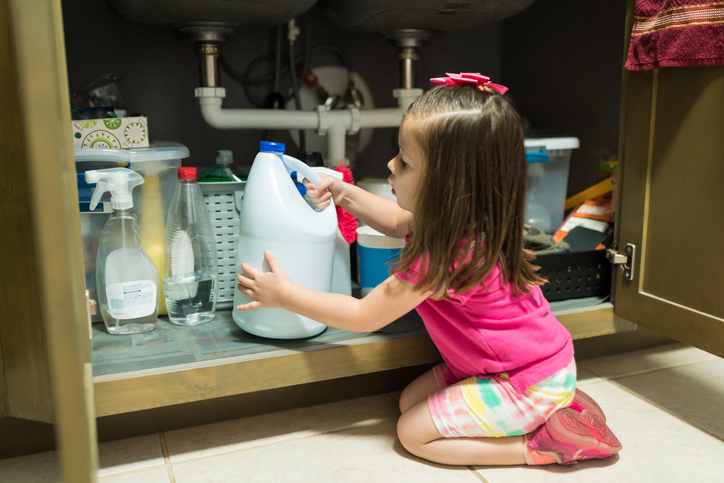
National Poison Prevention Week

The National Poison Prevention Week was established by the U.S. Congress  in 1961 to bring public attention to the dangers of poisoning and how to prevent it.

Each year, more than 2 million poisonings are reported to the nation’s poison control centers. The American Association of Poison Control Centers reports that 93 percent of poisonings occur in the home, 45 percent involve children under the age of six and the majority of fatal poisonings occur in older adults.

There are several ways that some poisonings can be prevented. These include keeping all chemicals out of reach from children, reading dosages and labels on all medications, and knowing how certain medications react when taken together. Here are a few basic steps to take if a poisoning takes place:

For inhaled poison get the person fresh air immediately

For skin poison take off the person’s clothes and rinse skin with fresh water for 15 – 20 minutes

For poison in the eyes, rinse the eyes out with fresh water for 15 – 20 minutes

For an overdose of medicine, call 9-1-1  immediately

In all cases of poisoning, contact the local poison control center at 1-800-222-1222. Treatment advice will depend on the type of poison, the person’s age, and medical history.

All content of this newsletter is intended for general information purposes only and is not intended or implied to be a substitute for professional medical advice, diagnosis or treatment. Please consult a medical professional before adopting any of the suggestions on this page. You must never disregard professional medical advice or delay seeking medical treatment based upon any content of this newsletter. PROMPTLY CONSULT YOUR PHYSICIAN OR CALL 911 IF YOU BELIEVE YOU HAVE A MEDICAL EMERGENCY.

Easy Corned Beef And Cabbage Recipe

Corned beef and cabbage is a dish enjoyed by many, especially on St. Patrick’s Day. Since today is St. Patrick’s Day, we thought we’d share an easy corned beef and cabbage recipe from http://www.foodnetwork.com/recipes/melissa-darabian/corned-beef-and-cabbage-recipe.html

Enjoy!

All content of this newsletter is intended for general information purposes only and is not intended or implied to be a substitute for professional medical advice, diagnosis or treatment. Please consult a medical professional before adopting any of the suggestions on this page. You must never disregard professional medical advice or delay seeking medical treatment based upon any content of this newsletter. PROMPTLY CONSULT YOUR PHYSICIAN OR CALL 911 IF YOU BELIEVE YOU HAVE A MEDICAL EMERGENCY.
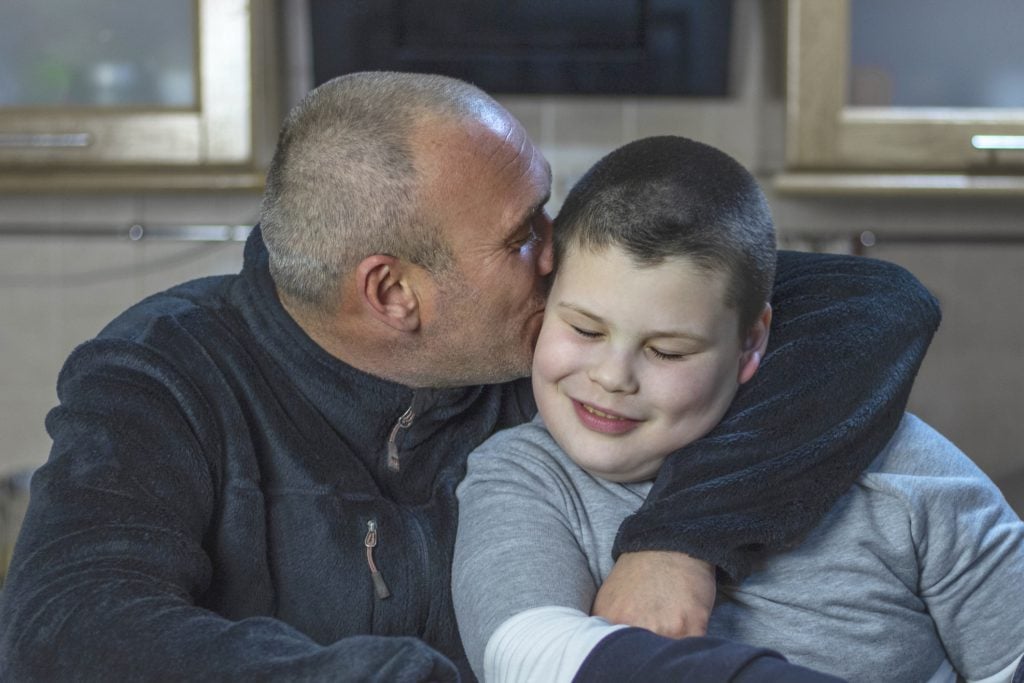
Understand Developmental Disabilities

March is Developmental Disabilities Awareness Month. During this month-long observance we look to raise awareness and educate the community on developmental disabilities.

Developmental disabilities are a group of conditions due to an impairment in physical, learning, language, or behavior areas. These conditions begin during a child’s developmental period, may impact day-to-day functioning, and usually last throughout a person’s lifetime.

Developmental disabilities occur among all racial, ethnic, and socioeconomic groups. Recent estimates in the United States show that about one in six, or about 17%, of children aged 3 through 17 years have one or more developmental disabilities, such as:

  • ADHD
  • Autism
  • Cerebral palsy
  • Down syndrome
  • Hearing Loss
  • Vision impairment

According to the Centers for Disease Control (CDC) most developmental disabilities are believed to be caused by a complex mix of factors including genetics; parental health and behaviors (such as smoking and drinking) during pregnancy; complications during birth; infections the mother might have during pregnancy or the baby might have very early in life; and exposure of the mother or child to high levels of environmental toxins, such as lead. For some developmental disabilities, such as fetal alcohol syndrome is caused by drinking alcohol during pregnancy.

Diagnosing a developmental disability involves monitoring when children reach developmental milestones, such as when they first speak, crawl and walk and how they behave and learn. As a parent, you know your child best. If you feel your child is not meeting the milestones for his or her age, speak with your pediatrician and share your concerns because early intervention is vital in helping your child overcome barriers and lead a full life.

If you would like to make an appointment with a pediatrician at Jamaica Hospital, please call our Ambulatory Care Center at 718-206-7001.

All content of this newsletter is intended for general information purposes only and is not intended or implied to be a substitute for professional medical advice, diagnosis or treatment. Please consult a medical professional before adopting any of the suggestions on this page. You must never disregard professional medical advice or delay seeking medical treatment based upon any content of this newsletter. PROMPTLY CONSULT YOUR PHYSICIAN OR CALL 911 IF YOU BELIEVE YOU HAVE A MEDICAL EMERGENCY.

World Kidney Day

Today is recognized as World Kidney Day. This year the slogan is “Living Well with Kidney Disease” because the aim is to educate people who are affected to manage it successfully.

The kidneys are two, fist-sized organs in your lower back. They maintain overall health by serving following functions:

  • Filtering waste out of 200 liters of blood each day
  • Regulating of the body’s salt, potassium and acid content
  • Removing toxins from the body.
  • Balancing the body’s fluids
  • Releasing hormones that regulate blood pressure
  • Producing an active form of vitamin D that promotes strong, healthy bones
  • Controlling the production of red blood cells

According to the U.S. Centers for Disease and Control, some quick facts on Kidney Disease are:

  • Kidney disease is the 9th leading cause of death in the country.
  • More than 26 million Americans have kidney disease, and most don’t know it.
  • There are over 95,000 people waiting for kidney transplants.
  • Currently, more than 590,000 people have kidney failure in the U.S. today.

Often times, kidney failure can be prevented or delayed through early detection and proper treatment of underlying disease such as diabetes and high blood pressure which can slow additional damage to the kidneys.

If you are 18 years or older with diabetes, high blood pressure, cardiovascular disease or a family history of kidney disease, you should schedule an appointment with your doctor and ask that you be screened for kidney disease.

If you would like to make an appointment to have your Kidney’s checked, you can schedule an appointment at Jamaica Hospital Medical Center by calling 718-206-7001 for an appointment.

All content of this newsletter is intended for general information purposes only and is not intended or implied to be a substitute for professional medical advice, diagnosis or treatment. Please consult a medical professional before adopting any of the suggestions on this page. You must never disregard professional medical advice or delay seeking medical treatment based upon any content of this newsletter. PROMPTLY CONSULT YOUR PHYSICIAN OR CALL 911 IF YOU BELIEVE YOU HAVE A MEDICAL EMERGENCY.

#WorkoutWednesday Exercises That Work The Entire Body

It is recommended by the U.S. Department of Health that adults get 75 to 150 minutes of exercise each week; however, many do not have the luxury of time to work out frequently and some are confined to the office for eight hours or more each day.   Despite the limitations of a busy schedule, there are ways to fit a full body exercise regimen into your daily routine.

Some examples of full body exercises are:

  • Push-ups
  • Squats
  • Burpees
  • Lunges

Exercise is essential to your health. Although your schedule may be hectic, try to find the time for a few minutes of physical activity into your daily routine.

If you would like to learn more about the how to safely implement the techniques listed above, visit https://www.medicalnewstoday.com/articles/324895#lunges

All content of this newsletter is intended for general information purposes only and is not intended or implied to be a substitute for professional medical advice, diagnosis or treatment. Please consult a medical professional before adopting any of the suggestions on this page. You must never disregard professional medical advice or delay seeking medical treatment based upon any content of this newsletter. PROMPTLY CONSULT YOUR PHYSICIAN OR CALL 911 IF YOU BELIEVE YOU HAVE A MEDICAL EMERGENCY.
What To Expect After You Receive Your Vaccine

Jamaica Hospital would like to provide our community with the facts about what to expect after getting the vaccine.

The most common side effect associated with the COVID vaccine is pain and swelling in your arm at the location of the injection site.

Other side effects reported by some include:

  • Fever
  • Chills
  • Headache
  • Body aches
  • Fatigue

It is important to note that these side effects are normal signs that your body is building protection against the virus. These symptoms typical go away in a few days, but they may affect your ability to participate in your daily activities while you experience them.

If you are experiencing pain, it is recommended that you talk to your doctor about taking over-the-counter medicine, such as ibuprofen, aspirin, antihistamines, or acetaminophen. It is not recommended that you take these medicines before vaccination for the purpose of trying to prevent side effects, because it is not known how these medications may impact how well the vaccine works.

Some tips to alleviate your symptoms include:

  • Apply a clean, cool, wet washcloth over the injection site
  • Use or exercise the arm that received the injection
  • Drink plenty of fluids.
  • Dress lightly

All content of this newsletter is intended for general information purposes only and is not intended or implied to be a substitute for professional medical advice, diagnosis or treatment. Please consult a medical professional before adopting any of the suggestions on this page. You must never disregard professional medical advice or delay seeking medical treatment based upon any content of this newsletter. PROMPTLY CONSULT YOUR PHYSICIAN OR CALL 911 IF YOU BELIEVE YOU HAVE A MEDICAL EMERGENCY.

COVID-19 Myth or Fact

A very common myth is that Covid-19 affects older people more severely than younger people. The fact is that while older people tend to have more risk factors, people of any age can and do get the virus. A younger person may have a more robust immune system but it will not prevent them from getting the virus. Younger people can be affected just as severely as an older adult.

If you would like to schedule an appointment with a physician at Jamaica Hospital Medical Center, you may do so by calling 718-206-7001.

All content of this newsletter is intended for general information purposes only and is not intended or implied to be a substitute for professional medical advice, diagnosis or treatment. Please consult a medical professional before adopting any of the suggestions on this page. You must never disregard professional medical advice or delay seeking medical treatment based upon any content of this newsletter. PROMPTLY CONSULT YOUR PHYSICIAN OR CALL 911 IF YOU BELIEVE YOU HAVE A MEDICAL EMERGENCY.
Birth Defects

breastfeeding -484679202

Birth defects are defined as conditions that are present when a baby is born and can affect nearly every part of the body.  Conditions such as cleft lip can be easily diagnosed.  Other conditions such as deafness or heart defects may only be discovered after diagnostic testing.

The largest number of birth defects occurs during the first three months of gestation. In the U.S. approximately 120,000 babies are born with birth defects each year.

The 10 most common birth defects in the US, according to the Centers for Disease Control and Prevention (CDC) are:

  • Down syndrome
  • Cleft lip (with or without cleft palate)
  • Atrioventricular septal defect (hole in the heart)
  • Absence or malformation of the rectum and/or large intestine
  • Gastroschisis (hole in the abdominal wall)
  • Tetralogy of Fallot (a combination of heart defects)
  • Spina bifida without anencephaly
  • Reduction deformity, upper limbs
  • Reversal of the heart’s two main arteries

Although birth defects can’t always be prevented, there are plenty of steps pregnant women can take to help reduce the risk.

The womenshealth.gov website offers these suggestions:

  • Make regular visits to your doctor throughout pregnancy
  • Get 400mcg of folic acid each day through diet or supplements
  • Don’t smoke, use illegal drugs or drink alcohol while you are pregnant
  • Always check with your doctor before taking any medication
  • Get all vaccinations recommended by your doctor
  • If you have diabetes, keep it under control
  • Stick to a healthy weight

You may also request a pre-pregnancy or early pregnancy screening test in order to spot potential or real birth defects.  The types of tests include a carrier test to see if you or your partner carries potentially harmful genes, as well as screening and diagnostic tests that can determine risks for and detect genetic disorders.

If you are pregnant, or planning to be, and want to discuss your options with one of our doctors, the Women’s Health Center at Jamaica Hospital Medical Center is centrally located and has convenient hours; to make an appointment call 718-291-3276.

All content of this newsletter is intended for general information purposes only and is not intended or implied to be a substitute for professional medical advice, diagnosis or treatment. Please consult a medical professional before adopting any of the suggestions on this page. You must never disregard professional medical advice or delay seeking medical treatment based upon any content of this newsletter. PROMPTLY CONSULT YOUR PHYSICIAN OR CALL 911 IF YOU BELIEVE YOU HAVE A MEDICAL EMERGENCY.

March is National Colorectal Cancer Awareness Month

March is Colorectal Cancer Awareness Month
In February 2000, President Clinton dedicated March as National Colorectal Cancer Awareness Month. Colorectal cancer is one of the leading causes of death in the United States today. It is estimated that 140,000 people are diagnosed with this type of cancer each year and about 50,000 die from the disease.

The good news is that the disease is highly preventable by getting a regular screening. The reason that the screenings are so important is because if precancerous polyps are found early, they can be removed and treatment can be started early.
Risk factors for colorectal cancer include:
• Family history
• Precancerous polyps
• Smoking
• People over the age of 50
•  People who have diets high in red meat and processed meat.

It is important to be checked regularly as people get older. For many people who don’t have a family history of colorectal cancer or experience symptoms of the disease, screenings can be started at age 50. If however there is a family history or symptoms exist, screenings should start by age 40 without symptoms or earlier if there are.
Screening for colorectal cancer can be done in several ways.  Some of the more common methods include:
• Checking the stool for occult blood by either a high sensitivity guaiac fecal occult blood test or fecal immunochemical test
• CT colonoscopy
• Colonoscopy
• Sigmoidoscopy

If there is blood present in the stool, or you are experiencing unexplained abdominal pain or weight loss you should consult with your physician immediately.

All content of this newsletter is intended for general information purposes only and is not intended or implied to be a substitute for professional medical advice, diagnosis or treatment. Please consult a medical professional before adopting any of the suggestions on this page. You must never disregard professional medical advice or delay seeking medical treatment based upon any content of this newsletter. PROMPTLY CONSULT YOUR PHYSICIAN OR CALL 911 IF YOU BELIEVE YOU HAVE A MEDICAL EMERGENCY.

Should I Let My Child Play Sports During the COVID Pandemic?

As we slowly attempt to return to some degree of normalcy during the COVID pandemic, many activities are beginning to resume, this includes youth sports to be played. Depending on the state or region you live in, your children may now be able to participate in many of the activities that were placed on hold nearly a year ago.

As a parent, it is important to understand the potential risks before deciding to allow your children to play sports.  To help you make an informed decision, Jamaica Hospital is providing the following tips for your consideration:

  • Understand the current COVID-19 positivity rates in your community. Families who live in areas where there is a high or growing number of COVID cases will have an increased risk of contracting the virus. Parents can track positivity rates on their local department of health website.

  • Consider the sport that your child wants to play.  Certain sports, such as wrestling or basketball require players to be in closer proximity to one another. These sports pose an increased risk of exposure as do other sports where there is a high level of physical exertion and those that are played indoors.

  • Assess how much equipment or gear is shared among players.  Even though we know the primary way the virus is spread is from person to person, through droplets in the air, it is still possible to contract COVID by touching a contaminated surface.  For this reason, it is important to limit the use of shared equipment and make sure all gear is sanitized between uses. Never share water bottles.

  • Determine if your child’s team has the ability to socially distance while the players are not actively engaged.  Can the players be placed at the minimum required distance from one another while on the sideline or bench? Are there efforts to have them wear masks when not competing?

Other determining factors that can increase or reduce the risk of spreading the virus include the age of the athlete (older children tend to understand and comply better), the size of the team, the amount of travel required to play the sport and the number of spectators in attendance. By being knowledgeable of the situation you can reduce your child’s exposure and allow them to once again enjoy the sports they love to play.

If your child has any underlying health issues, it is important to speak to your doctor before allowing your child to play.

All content of this newsletter is intended for general information purposes only and is not intended or implied to be a substitute for professional medical advice, diagnosis or treatment. Please consult a medical professional before adopting any of the suggestions on this page. You must never disregard professional medical advice or delay seeking medical treatment based upon any content of this newsletter. PROMPTLY CONSULT YOUR PHYSICIAN OR CALL 911 IF YOU BELIEVE YOU HAVE A MEDICAL EMERGENCY.