
Lower Back Pain

Lower back pain is recognized as one of the most common problems that people experience at some time in their lives. It may be described as a constant dull ache to a sudden sharp pain.

Common causes of lower back pain include:

  • Muscle sprains or strains
  • Herniated discs
  • Spinal stenosis
  • Arthritis of the spine
  • Spondylitis
  • Sciatica
  • Kidney problems
  • Ovarian cysts
  • Spinal infections
  • Pregnancy
  • Uterine fibroids
  • Misalignment of the spinal cord

Diagnosing lower back pain typically begins with a review of medical history and a thorough physical exam. This exam may include checking reflexes and evaluating lower extremity strength and ability to move. Further testing may require an X-ray, CT scan, or MRI to evaluate if there are bone problems.

Seek medical care for lower back pain when:

  • It lasts more than a few weeks
  • It doesn’t improve with rest
  • It is accompanied by weight loss
  • It travels down one or both legs
  • It shows symptoms of numbness, weakness, or tingling in the legs

Treatment options depend on the cause of the lower back pain and where it is located. Treatment options include home remedies such as heat, ice, rest, compression, stretching exercises, and taking over-the-counter pain medications. Physical therapy may be prescribed by a physician if they feel it will help. A physician may also prescribe some medications for pain relief, These would include muscle relaxers, nonsteroidal anti-inflammatory drugs, or corticosteroid injections. In more severe cases, a physician may feel a surgical procedure may be necessary.

There are a few things a person can do to prevent lower back pain. This would include regular exercise and stretching, watching one’s weight, bending at the knees when lifting heavy objects, quitting smoking, sleeping on a firm surface, and keeping proper posture.

All content of this newsletter is intended for general information purposes only and is not intended or implied to be a substitute for professional medical advice, diagnosis or treatment. Please consult a medical professional before adopting any of the suggestions on this page. You must never disregard professional medical advice or delay seeking medical treatment based upon any content of this newsletter. PROMPTLY CONSULT YOUR PHYSICIAN OR CALL 911 IF YOU BELIEVE YOU HAVE A MEDICAL EMERGENCY.
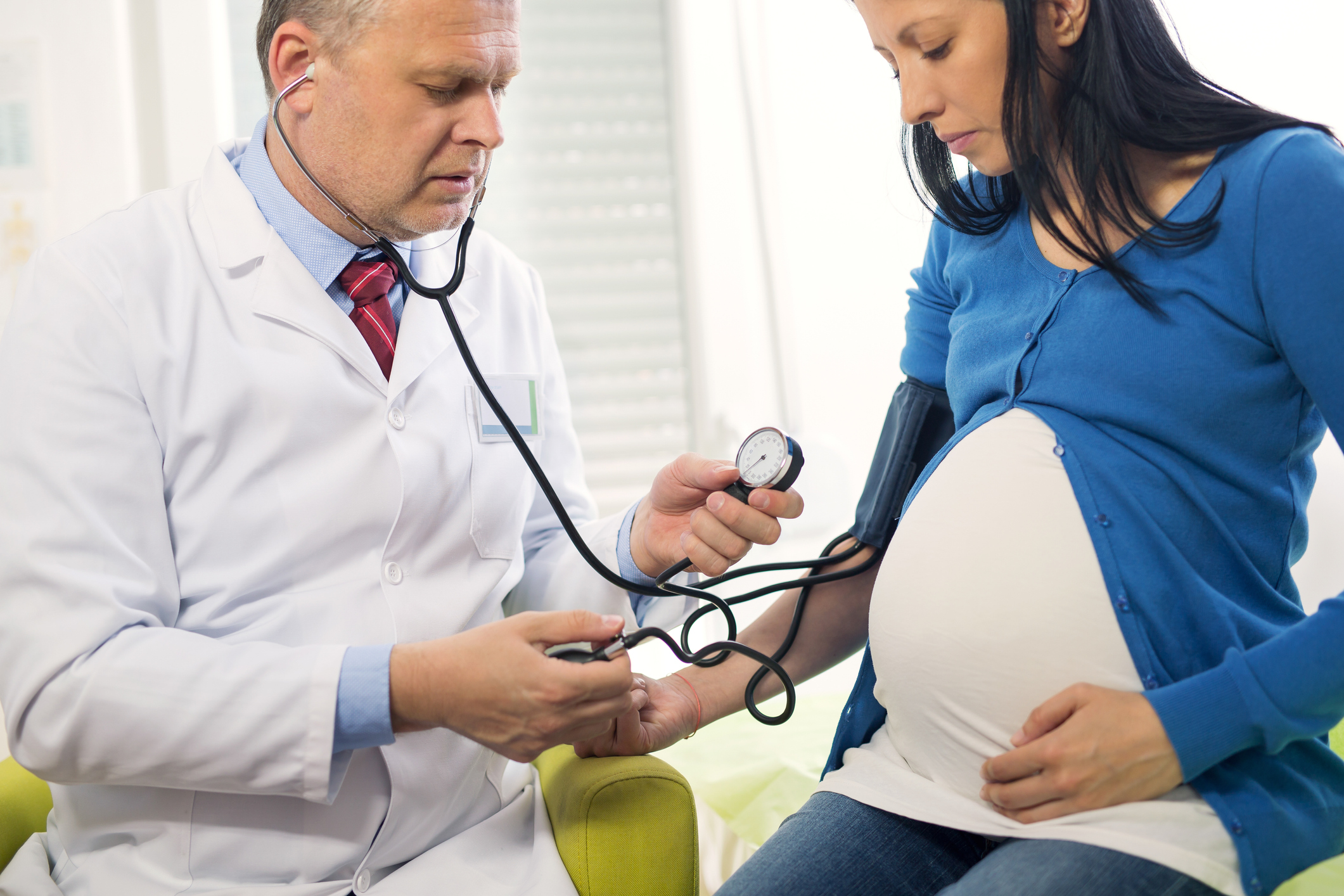

What is Eclampsia?

Eclampsia is a condition that causes seizures during pregnancy. It is a rare complication in people with preeclampsia, which causes high blood pressure and protein in urine during pregnancy. Eclampsia generally occurs after the 20th week of pregnancy and requires emergency medical care.

Aside from seizures, people with eclampsia may also experience severe distress, confusion, or loss of consciousness. Before the onset of these symptoms, certain warning signs may occur, such as:

  • Severe headaches
  • Nausea and vomiting
  • Distorted vision or loss of vision
  • Swelling of the hands, face, or ankles
  • Difficulty breathing or urinating
  • Abdominal pain, particularly on the upper right side of the abdomen

A few factors may increase a person’s risk of developing eclampsia. These include:

  • A family or personal history of preeclampsia or eclampsia (though most people with preeclampsia do not develop this condition)
  • Being pregnant for the first time
  • Twins or triplets
  • Autoimmune conditions
  • Obesity
  • Diabetes
  • Kidney disease
  • Pregnancy at an age younger than 17 or older than 35

While certain factors that increase your risk of eclampsia may be beyond your control, there are steps you can take to manage many of them. You should attend all of your pre-natal medical appointments and get prompt care from your doctor as needed, particularly if you experience symptoms of preeclampsia. Additionally, maintaining a healthy weight through a balanced, moderate diet and regular exercise can help to control your blood pressure.

If you have been diagnosed with eclampsia, your doctor may suggest inducing labor if the fetus is at 37 weeks gestation or more, as this is the most effective means of treating the condition and protecting the health of yourself and your baby. During pregnancy, you may also be prescribed medication to prevent seizures, lower blood pressure, and strengthen the fetus’ lungs.

You can receive treatment for eclampsia at Jamaica Hospital Medical Center’s Women’s Health Center. To schedule an appointment, please call (718) 291-3276. If you are experiencing a medical emergency, please dial 911 immediately.

All content of this newsletter is intended for general information purposes only and is not intended or implied to be a substitute for professional medical advice, diagnosis or treatment. Please consult a medical professional before adopting any of the suggestions on this page. You must never disregard professional medical advice or delay seeking medical treatment based upon any content of this newsletter. PROMPTLY CONSULT YOUR PHYSICIAN OR CALL 911 IF YOU BELIEVE YOU HAVE A MEDICAL EMERGENCY.
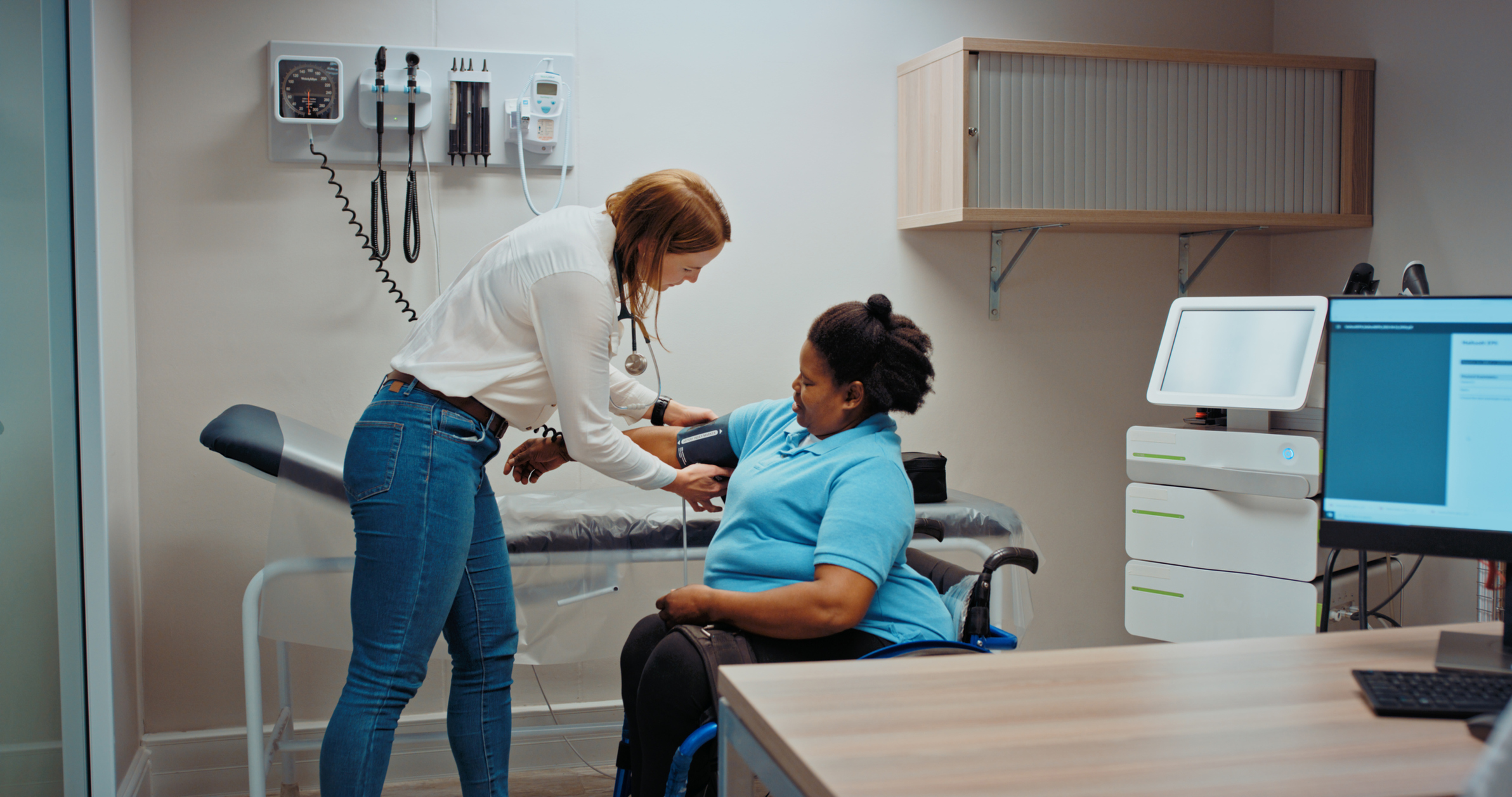
Q&A: What Should You Do If Your Medicine Is Recalled?

A drug recall is one of the most effective ways to protect the public from potentially harmful drugs.

Drug recalls are mostly voluntary and occur when a manufacturer decides to remove a drug from the market when there is reason to believe the product is mislabeled, contaminated, defective, or hazardous to a person’s health.  The U.S. Food and Drug Administration (FDA) can also request a recall if multiple reports of adverse effects or problems have been received.

If your medicine has been recalled, the FDA recommends that you speak with your doctor right away to determine the best course of action for your health.  If your doctor advises that you stop taking the medication, you may be able to take it back to the store of purchase and request a refund.  Manufacturers may also provide contact information for product returns.

To keep up-to-date or find out more about drug recalls, you can visit the FDA’s website https://www.fda.gov/ and sign up for alerts.

All content of this newsletter is intended for general information purposes only and is not intended or implied to be a substitute for professional medical advice, diagnosis or treatment. Please consult a medical professional before adopting any of the suggestions on this page. You must never disregard professional medical advice or delay seeking medical treatment based upon any content of this newsletter. PROMPTLY CONSULT YOUR PHYSICIAN OR CALL 911 IF YOU BELIEVE YOU HAVE A MEDICAL EMERGENCY.

The Link Between Diabetes and Cancer

Type 2 diabetes and cancer are two of the most common chronic diseases in the United States. Individually, these conditions can be devastating for your health, but certain factors for diabetes may also increase your risk for a few different types of cancer, including pancreatic, liver, colon, breast, bladder, and uterine cancer.

Some risk factors for diabetes and cancer may be outside of your control and, as a result, difficult to manage. These include:

  • Age: Your risk of developing both diabetes and cancer increases with age.
  • Gender: Men are generally at a higher risk of both cancer and diabetes than women.

Most of the factors that affect your risk of diabetes and cancer relate to your diet and lifestyle. These can largely be managed by making healthy adjustments to your regular habits. Manageable risk factors include:

Weight: Excessive body weight is one of the leading risk factors for both diabetes and cancer. Your weight can mainly be managed through diet and regular exercise. Your diet should include plenty of fruits, vegetables, whole grains, and a limited amount of animal protein products such as meat, fish, and dairy.

Activity: Physical inactivity contributes to excessive weight and the development of various other health issues. Regular exercise is crucial for reaching and maintaining a healthy weight and provides significant benefits for your overall physical well-being.

Smoking: Smoking increases your risk for several different forms of cancer. While it is most commonly associated with lung, oral, and esophageal cancer, it can also lead to pancreatic, liver, colon, and bladder cancer.

Alcohol: Excessive alcohol consumption increases your risk of both diabetes and cancer. Stick to the recommended limits (two drinks per day for men, one drink per day for women) to reduce your risk.

Regular screenings for both diabetes and cancer can help you receive the treatment you need as early as possible. To schedule an appointment for a diabetes screening with an endocrinologist, please call Jamaica Hospital Medical Center’s Ambulatory Care Center at (718) 206-7001. To schedule a cancer screening, please contact our Oncology Department at (718) 206-6742.

All content of this newsletter is intended for general information purposes only and is not intended or implied to be a substitute for professional medical advice, diagnosis or treatment. Please consult a medical professional before adopting any of the suggestions on this page. You must never disregard professional medical advice or delay seeking medical treatment based upon any content of this newsletter. PROMPTLY CONSULT YOUR PHYSICIAN OR CALL 911 IF YOU BELIEVE YOU HAVE A MEDICAL EMERGENCY.

What Are Mosquitoes Attracted To?

Have you noticed that some people get mosquito bites more often than others? There are several factors that may explain why they are more attractive to mosquitoes. They include:

  • Blood type – people who are Type O and Type B
  • Sweat – contains lactic acid, uric acid, and ammonia
  • Color of clothing – dark colors as well as red are more attractive
  • Pregnancy – because of the higher output of exhaled carbon dioxide and higher body temperature
  • Heavy breathing – mosquitoes are attracted to carbon dioxide emitted in exhaled air
  • Skin bacteria – certain areas of the body have more dense bacteria such as the feet and ankles

There are some aspects that we cannot change. The ones that we can change are wearing long sleeve garments and long pants when going outdoors, wearing Environmental Protection Agency-approved insect repellants, and wearing light-colored clothing.

All content of this newsletter is intended for general information purposes only and is not intended or implied to be a substitute for professional medical advice, diagnosis or treatment. Please consult a medical professional before adopting any of the suggestions on this page. You must never disregard professional medical advice or delay seeking medical treatment based upon any content of this newsletter. PROMPTLY CONSULT YOUR PHYSICIAN OR CALL 911 IF YOU BELIEVE YOU HAVE A MEDICAL EMERGENCY.

Jamaica Hospital Hosts ER Groundbreaking Ceremony with Governor Kathy Hochul

Jamaica Hospital Medical Center held a groundbreaking ceremony for its new Emergency Department (ED) on Friday, June 16th. This is the first major expansion of the hospital’s ED to occur in over three decades.

New York Governor Kathy Hochul joined the hospital in commemorating this momentous occasion as a special guest speaker. The Governor awarded Jamaica Hospital $150 million in funds for the expansion as part of the Statewide Health Care Facility Transformation Program.

The new ED will double in size and have the capacity to treat over 150,000 patients annually. In addition to increased space, the ED, designed with efficiency and safety in mind, will incorporate a layout that allows for better patient privacy, experience, and safety.

The new Emergency Department design features more isolation rooms with negative air pressure to prevent the spread of airborne diseases such as COVID-19. State-of-the-art trauma rooms equipped with the latest technology will also be added to support the demands of the busiest trauma center in New York City.

Another component of the expansion includes the addition of 22 intensive care unit (ICU) beds. The need for an increase in ICU beds was made apparent during the COVID-19 pandemic when Jamaica Hospital found itself at the epicenter of the outbreak treating a surge of critically ill patients.

Jamaica Hospital’s Emergency Department expansion project is expected to be completed by 2027. The expansion will greatly improve access to quality emergency care in Southeast Queens and neighboring communities. “We thank Governor Hochul for supporting and investing in New York Hospitals. Her commitment to building a strong and equitable healthcare system will undoubtedly help our organization and others to provide the highest quality care to the communities we serve,” said Jamaica Hospital President and CEO Bruce J. Flanz.

All content of this newsletter is intended for general information purposes only and is not intended or implied to be a substitute for professional medical advice, diagnosis or treatment. Please consult a medical professional before adopting any of the suggestions on this page. You must never disregard professional medical advice or delay seeking medical treatment based upon any content of this newsletter. PROMPTLY CONSULT YOUR PHYSICIAN OR CALL 911 IF YOU BELIEVE YOU HAVE A MEDICAL EMERGENCY.

How a Plant-Based Diet Can Help Your Heart Health

Plant-based diets, which prioritize foods such as fruits, vegetables, beans, nuts, and whole grains with only small, occasional servings of animal protein, are associated with a lower risk of heart disease at any age. However, not everyone may fully understand what a healthy, nutritious plant-based diet looks like.

A wide variety of foods can fall under the “plant-based” umbrella, with many options not necessarily providing significant benefits to your heart health. Some foods, such as white rice and white bread, are highly processed, meaning that you will not receive many of the necessary nutrients to promote better heart health from them. Other foods that are best avoided include those that are high in sugar, sodium, and extra additives.

A plant-based diet does not have to involve cutting out all meat. You can make beneficial changes for your heart health by keeping your overall meat consumption at a moderate level and by eating healthier types of meat. It is recommended that you stick to unprocessed red meat and poultry, as well as limit your meat portions to approximately three 3.5-ounce servings each week.

Fish can also be a healthy, beneficial element of a plant-based diet. Similarly, however, you should keep your intake at a moderate level, meaning that you should limit your fish consumption to two servings of approximately 3 ounces of fish per week. Fatty fish such as salmon, herring, and mackerel can be a particularly beneficial addition to your diet.

Remember that what you eat is not the only thing that matters when it comes to your heart health; you also need to monitor how much you eat and how physically active you are. Make sure to stay within the recommended number of calories for you to consume each day and to follow an exercise routine that incorporates strength and aerobic activities three days per week.

If you experience heart problems or may be at risk of heart disease, you can schedule an appointment with a cardiologist at Jamaica Hospital Medical Center’s Cardiology Department by calling (718) 206-7100.

All content of this newsletter is intended for general information purposes only and is not intended or implied to be a substitute for professional medical advice, diagnosis or treatment. Please consult a medical professional before adopting any of the suggestions on this page. You must never disregard professional medical advice or delay seeking medical treatment based upon any content of this newsletter. PROMPTLY CONSULT YOUR PHYSICIAN OR CALL 911 IF YOU BELIEVE YOU HAVE A MEDICAL EMERGENCY.

Men’s Health Awareness Month

Men face a heightened risk of certain medical problems, such as heart disease, diabetes, and cancer, making certain medical screenings particularly important for identifying these conditions early and treating them effectively.

The types of screenings you require may change or become broader as you age and your health changes. Some of the most important screenings include:

Blood pressure screening: Even if you have no medical history of (or risk factors for) high or low blood pressure, you should receive a screening once every three to five years. However, if you do have a history of abnormal blood pressure, have an immediate family member with high blood pressure, or are Black, you should receive a screening once per year. Other risk factors that warrant an annual blood pressure screening include:

  • Diabetes
  • Heart disease
  • Kidney problems
  • Obesity

Cholesterol screening: If you have no known risk factors for coronary heart disease, men should receive a cholesterol screening every five years starting at the age of 45. Men who do have risk factors for coronary heart disease should receive them starting at the age of 20. If you have abnormally high cholesterol levels, diabetes, heart disease, or kidney problems, you should be screened more frequently.

Diabetes screening: Men without any risk factors for diabetes should receive screenings every three years starting at the age of 35. However, these screenings should begin earlier or be conducted more frequently if you:

  • Have an immediate relative with diabetes
  • Are overweight or obese
  • Have high blood pressure, prediabetes, or a medical history of heart disease

Cancer screenings: According to the National Cancer Institute, prostate, lung, and colorectal cancers accounted for approximately 43% of cancer diagnoses in men; additionally, the mortality rate of cancer is higher among men than women. Some of the most important cancer screenings men should receive include:

  • Prostate cancer
  • Lung cancer
  • Colorectal cancer
  • Bladder cancer
  • Melanoma

Physical exam: Regular general check-ups with your doctor are important, even for men who seem to be in perfect health. These visits can help you identify signs of underlying medical problems or risk factors for future issues.

You can receive all of these medical screenings at Jamaica Hospital Medical Center’s Ambulatory Care Center. To schedule an appointment, please call (718) 206-7001.

All content of this newsletter is intended for general information purposes only and is not intended or implied to be a substitute for professional medical advice, diagnosis or treatment. Please consult a medical professional before adopting any of the suggestions on this page. You must never disregard professional medical advice or delay seeking medical treatment based upon any content of this newsletter. PROMPTLY CONSULT YOUR PHYSICIAN OR CALL 911 IF YOU BELIEVE YOU HAVE A MEDICAL EMERGENCY.

How to Tell the Difference Between Allergies and a Cold

Seasonal allergies and colds can lead to a variety of similar symptoms, such as sneezing or a runny nose. However, it’s important to be able to tell the difference between both conditions to ensure that you’re getting appropriate medical treatment and to determine whether the people around you may be at risk of getting sick.

Colds and allergies are caused by different factors; as a result, they generally require different types of medication for effective treatment. Colds, which are viral, can be treated with pain relievers, antiviral medication, and rest. Allergies, which are immune system responses to certain substances, are best treated with antihistamines and nasal steroid sprays. Some medication, such as decongestants, can be helpful for both colds and allergies.

Colds and allergies can also lead to different symptoms. For example, allergies are more likely than colds to lead to eye irritation and itchiness. On the other hand, a fever, as well as general aches and pains throughout the body, can both occur due to a cold; however, they will almost never occur because of an allergy. A cold is also more likely to cause:

  • Sore throat
  • Coughing
  • Chest discomfort

Allergies and colds also differ in terms of how long symptoms may take to resolve. The symptoms of a cold typically last up to a week. Symptoms of an allergy, however, could take weeks to resolve. This is due, in part, to exposure to allergens; if you have a seasonal allergy to a substance such as pollen, for example, it may be difficult to avoid exposure during the course of your daily activities until the end of the season.

You can receive an accurate diagnosis and effective treatment for either seasonal allergies or colds at Jamaica Hospital Medical Center’s Ambulatory Care Center. To schedule an appointment, please call (718) 206-7001.

All content of this newsletter is intended for general information purposes only and is not intended or implied to be a substitute for professional medical advice, diagnosis or treatment. Please consult a medical professional before adopting any of the suggestions on this page. You must never disregard professional medical advice or delay seeking medical treatment based upon any content of this newsletter. PROMPTLY CONSULT YOUR PHYSICIAN OR CALL 911 IF YOU BELIEVE YOU HAVE A MEDICAL EMERGENCY.

Protecting Yourself From Wildfire Smoke and Poor Air Quality

Ongoing wildfires in Canada have brought significant amounts of smoke to New York City, resulting in record levels of air pollution. This smoke presents a variety of health hazards, particularly for certain at-risk groups. However, it is important to note that high levels of smoke can affect anyone, even people who are otherwise healthy.

Wildfire smoke in particular includes a mixture of gases and fine particles that can cause coughing, sneezing, eye and sinus irritation, and shortness of breath. In people with certain medical conditions, exposure to smoke may cause symptoms of those conditions to worsen. People who are at the highest risk include:

  • People with lung diseases such as COPD or asthma
  • People with cardiovascular disease
  • Older adults and children
  • Expectant mothers

Anyone who may be exposed to smoke should take effective measures to protect themselves. The Centers for Disease Control and Prevention (CDC) recommend that you:

Reduce smoke exposure as much as possible: You should minimize the amount of time you spend outdoors for as long as poor air quality alerts due to the smoke remain in effect. While inside, keep all doors and windows closed; if possible, use an air purifier or make sure your air conditioner has high efficiency filters that can prevent fine particles from entering your home.

Wear a mask: If you must go outside while air quality alerts remain in effect, make sure to wear a mask. N95 respirators are ideal, as these offer the highest level of protection against airborne particles.

Consult your doctor: If you are at heightened risk of adverse health effects due to smoke, talk to your doctor about what you should do if your symptoms worsen and about any medication you should have on hand to manage them.

If you experience smoke-related medical problems, contact your doctor as soon as possible. If a medical emergency occurs, please dial 911 immediately.

All content of this newsletter is intended for general information purposes only and is not intended or implied to be a substitute for professional medical advice, diagnosis or treatment. Please consult a medical professional before adopting any of the suggestions on this page. You must never disregard professional medical advice or delay seeking medical treatment based upon any content of this newsletter. PROMPTLY CONSULT YOUR PHYSICIAN OR CALL 911 IF YOU BELIEVE YOU HAVE A MEDICAL EMERGENCY.