
Sleep Apnea Complications

Sleep apnea is a potentially serious sleep disorder in which breathing repeatedly stops and starts. If you snore loudly and feel tired even after a full night’s sleep, you might have sleep apnea.  

There are three main types of sleep apnea. They include: 

  • Obstructive sleep apnea (OSA) is the most common form of sleep apnea. It occurs when throat muscles relax and block the flow of air into the lungs. 
  • Central sleep apnea (CSA) occurs when the brain doesn’t send proper signals to the muscles that control breathing. 
  • Treatment-emergent central sleep apnea, also known as complex sleep apnea, occurs when an individual with OSA develops CSA while undergoing therapy for their OSA.  

The symptoms of obstructive and central sleep apnea overlap, which makes it difficult to determine which type a person has. The most common symptoms of obstructive and central sleep apnea include: 

  • Loud snoring 
  • Episodes in which a person stops breathing during sleep 
  • Gasping for air during sleep 
  • Awakening with a dry mouth 
  • Morning headaches 
  • Insomnia 
  • Hypersomnia 
  • Difficulty paying attention while awake 
  • Irritability 

Sleep apnea can cause several complications, including: 

  • Daytime fatigue 
  • High blood pressure or heart problems 
  • Type 2 diabetes 
  • Metabolic syndrome 
  • Complications with medicines and surgery 
  • Liver problems 
  • Sleep-deprived partners 

To diagnose sleep apnea, a healthcare provider will evaluate your symptoms and sleep history. They may refer you to a sleep disorder center, where a sleep specialist can help determine if further evaluation is needed. An evaluation can involve overnight monitoring of your breathing and other body functions during sleep testing. Tests to detect sleep apnea include: 

  • Nocturnal polysomnography 
  • Home sleep tests 

If you have OSA, a healthcare provider may refer you to an ear, nose, and throat specialist to rule out a blockage in your nose and throat.  

To treat sleep apnea, a healthcare provider may recommend lifestyle changes, such as losing weight or quitting smoking, in mild cases. Other sleep apnea treatments include: 

  • Continuous positive airway pressure (CPAP) 
  • Other airway pressure devices 
  • Oral appliances 
  • Tissue removal 
  • Tissue shrinkage 
  • Jaw repositioning 
  • Implants 
  • Nerve stimulation 
  • Tracheostomy  

Jamaica Hospital Medical Center is one of the few hospitals in Queens to offer Inspire therapy, a breakthrough treatment option for obstructive sleep apnea (OSA) for those who cannot use continuous positive airway pressure (CPAP) therapy. 

To learn more about Inspire at Jamaica Hospital Medical Center, please visit Jamaicahospital.org or call (718) 206-7110 to make an appointment with an ENT specialist. 

All content of this newsletter is intended for general information purposes only and is not intended or implied to be a substitute for professional medical advice, diagnosis or treatment. Please consult a medical professional before adopting any of the suggestions on this page. You must never disregard professional medical advice or delay seeking medical treatment based upon any content of this newsletter. PROMPTLY CONSULT YOUR PHYSICIAN OR CALL 911 IF YOU BELIEVE YOU HAVE A MEDICAL EMERGENCY.


Sleep Paralysis

Sleep paralysis is a type of parasomnia that occurs when the body is between stages of sleep and wakefulness lasting for a few seconds to a couple of minutes.

During an episode of sleep paralysis, you are aware of your surroundings but can’t speak or move. You can still move your eyes and breathe. You may also feel:

  • Fear
  • Panic
  • Helplessness
  • Anxious

When it ends, you may feel confused because you will regain movement of your body as if nothing happened. You can feel nervous about going to sleep after an episode of sleep paralysis, and it can affect how you feel and function during the day.

Sleep paralysis isn’t dangerous, however, it can cause emotional distress during an episode. Some cases of sleep paralysis are linked to other disorders.

You can experience several symptoms during an episode of sleep paralysis either right before falling asleep or as you’re waking up, including:

  • You can’t move your arms and legs
  • You can’t speak
  • Sensations of pressure against your chest or moving out of your own body
  • Hallucinations, such as a dangerous person in your room
  • Daytime sleepiness

Symptoms may first appear in childhood or adolescence. Episodes are more frequent in your 20s and 30s.

The exact cause of sleep paralysis is unknown. However, healthcare providers believe it could happen due to the following:

  • Narcolepsy
  • Sleep deprivation
  • An irregular sleep schedule
  • Obstructive sleep apnea
  • Mental health conditions such as anxiety, bipolar disorder, post-traumatic stress disorder (PTSD), or panic disorder
  • Certain medications
  • Substance use disorder

To diagnose sleep paralysis, healthcare providers can confirm or rule it out after a physical exam and a sleep evaluation. A provider may ask you about the following:

  • Your symptoms, such as how often you experience sleep paralysis, what it feels like, and when it started
  • The quantity and quality of sleep you get, such as how many hours you sleep at night and whether you feel tired during the day
  • Your medical history, including what medications you currently take and whether you smoke, use alcohol, or non-prescribed drugs
  • Your family history and if you’re aware of any biological family members who experience sleep paralysis

To further diagnose sleep paralysis, a healthcare provider may recommend testing if they suspect certain sleep disorders like narcolepsy. Tests can include:

  • An overnight sleep study
  • Multiple sleep latency test (MSLT)

Treatment for sleep paralysis will depend on the reason why you have it. A healthcare provider may recommend the following:

  • Taking medications that prevent you from reaching the REM stage of sleep
  • Taking medications to treat an underlying mental health condition or sleep disorder, such as antidepressants
  • Improving your sleep hygiene
  • Talking to a mental health provider if you experience frequent stress

There isn’t much you can do to prevent sleep paralysis from happening. However, there are steps you can take to lower your risk.

One of the best ways to avoid sleep paralysis is to improve your quality of sleep. You can do this by:

  • Having a set sleep schedule with specific times for going to bed and waking up
  • Creating a comfortable sleep environment that is dark and quiet
  • Putting phones, tablets, e-readers, and computers away before bedtime
  • Relaxing before bed by taking a bath, reading, or listening to soothing music

If you are suffering from sleep paralysis, Jamaica Hospital’s state-of-the-art sleep center can help diagnose and treat various sleep disorders. For more information, or to make an appointment, please call 718-206-5916.

All content of this newsletter is intended for general information purposes only and is not intended or implied to be a substitute for professional medical advice, diagnosis or treatment. Please consult a medical professional before adopting any of the suggestions on this page. You must never disregard professional medical advice or delay seeking medical treatment based upon any content of this newsletter. PROMPTLY CONSULT YOUR PHYSICIAN OR CALL 911 IF YOU BELIEVE YOU HAVE A MEDICAL EMERGENCY.

Sleepwalking

Sleepwalking or somnambulism is a sleep disorder that causes you to walk around or perform other activities while asleep. Approximately 7% of people have sleepwalked once in their lifetime.

Sleepwalking tends to run in families, and it occurs more commonly in children than adults. Children usually outgrow the condition by the time they’ve reached their teenage years or by the time they become adults. Sleepwalking may however continue into adulthood for some individuals.

In addition to age and genetics other factors that may lead to sleepwalking include:

  • Taking certain medications
  • Stress
  • Lack of sleep
  • Fever
  • Obstructive sleep apnea
  • Restless leg syndrome
  • Alcohol use

Sleepwalking typically happens 1 to 2 hours after falling asleep and may last for several minutes. SleepFoundation.org states that a sleepwalking episode may involve:

  • Walking or running
  • Urinating in inappropriate places
  • Open, glassy eyes with a blank look on the face
  • Routine actions, like getting dressed
  • Minimally responsive or incoherent speech

People who sleepwalk may also sleep eat or take part in sexual activity without being aware of it.

It is important to take steps to create a safe environment and prevent injuries in people who sleepwalk. This can be done by keeping doors and windows locked, securing dangerous items, removing breakable items, or using alarms or motion-sensing devices.

Sleepwalking occasionally is not a concern and does not require treatment. However, if episodes occur frequently, for example, one or two nights a week, or more you should see a doctor.  You should also speak with a doctor if sleepwalking leads to dangerous behaviors, disturbs or puts others at risk for injury, continues into a child’s teen years, or begins in adulthood.

Diagnosing sleepwalking may include a physical examination, reviewing your medical history, or participating in an overnight sleep study.  Treatment may involve cognitive behavioral therapy, applying relaxation and stress reduction techniques, scheduled waking, or medication.

To speak with a specialist about sleep-related health problems you may be experiencing, please schedule an appointment with Jamaica Hospital’s Sleep Center by calling 718-206-7001.

All content of this newsletter is intended for general information purposes only and is not intended or implied to be a substitute for professional medical advice, diagnosis or treatment. Please consult a medical professional before adopting any of the suggestions on this page. You must never disregard professional medical advice or delay seeking medical treatment based upon any content of this newsletter. PROMPTLY CONSULT YOUR PHYSICIAN OR CALL 911 IF YOU BELIEVE YOU HAVE A MEDICAL EMERGENCY.
Hypersomnia

Hypersomnia is a chronic sleep disorder characterized by excessive sleepiness. Hypersomnia can be categorized as primary or secondary.

Primary hypersomnia is not caused by any other medical conditions; it is a condition in its own right.  Conditions classified as primary hypersomnia include narcolepsy, Kleine-Levin syndrome, and idiopathic hypersomnia.

Secondary hypersomnia results from other medical conditions such as epilepsy, multiple sclerosis, Parkinson’s disease, obstructive sleep apnea, depression, or bipolar disorder. It can also result from taking certain medications such as anti-hypertensive drugs, barbiturates, and anti-psychotics.

People living with hypersomnia feel extremely tired or sleepy during the day, even after getting adequate sleep at night.  They have difficulty staying awake and fall asleep several times during the day. Other signs and symptoms of hypersomnia include:

  • Sleeping longer than normal (10 or more hours each day)
  • Difficulty waking up in the mornings
  • Difficulty concentrating
  • Memory problems
  • Hallucinations
  • Slow thinking and speech
  • Anxiety
  • Low energy
  • Irritability
  • Headache

Ignoring the signs and symptoms of hypersomnia can put you at risk for accidents and greatly affect your social, work, and personal life.

If you are consistently feeling sleepy despite getting adequate rest, you should speak with your doctor who can order several tests to determine a diagnosis.

Diagnosing hypersomnia may include getting an overnight sleep test, a multiple sleep latency test, or assessing your sleepiness using an Epworth Sleepiness Scale.

Treatments for hypersomnia may include medications and making lifestyle changes such as sticking to a sleep schedule and avoiding alcohol and other substances that can affect your sleep.

To schedule an appointment with a sleep specialist at Jamaica Hospital Medical Center, please call 718-206-5916.

All content of this newsletter is intended for general information purposes only and is not intended or implied to be a substitute for professional medical advice, diagnosis or treatment. Please consult a medical professional before adopting any of the suggestions on this page. You must never disregard professional medical advice or delay seeking medical treatment based upon any content of this newsletter. PROMPTLY CONSULT YOUR PHYSICIAN OR CALL 911 IF YOU BELIEVE YOU HAVE A MEDICAL EMERGENCY.

Insomnia

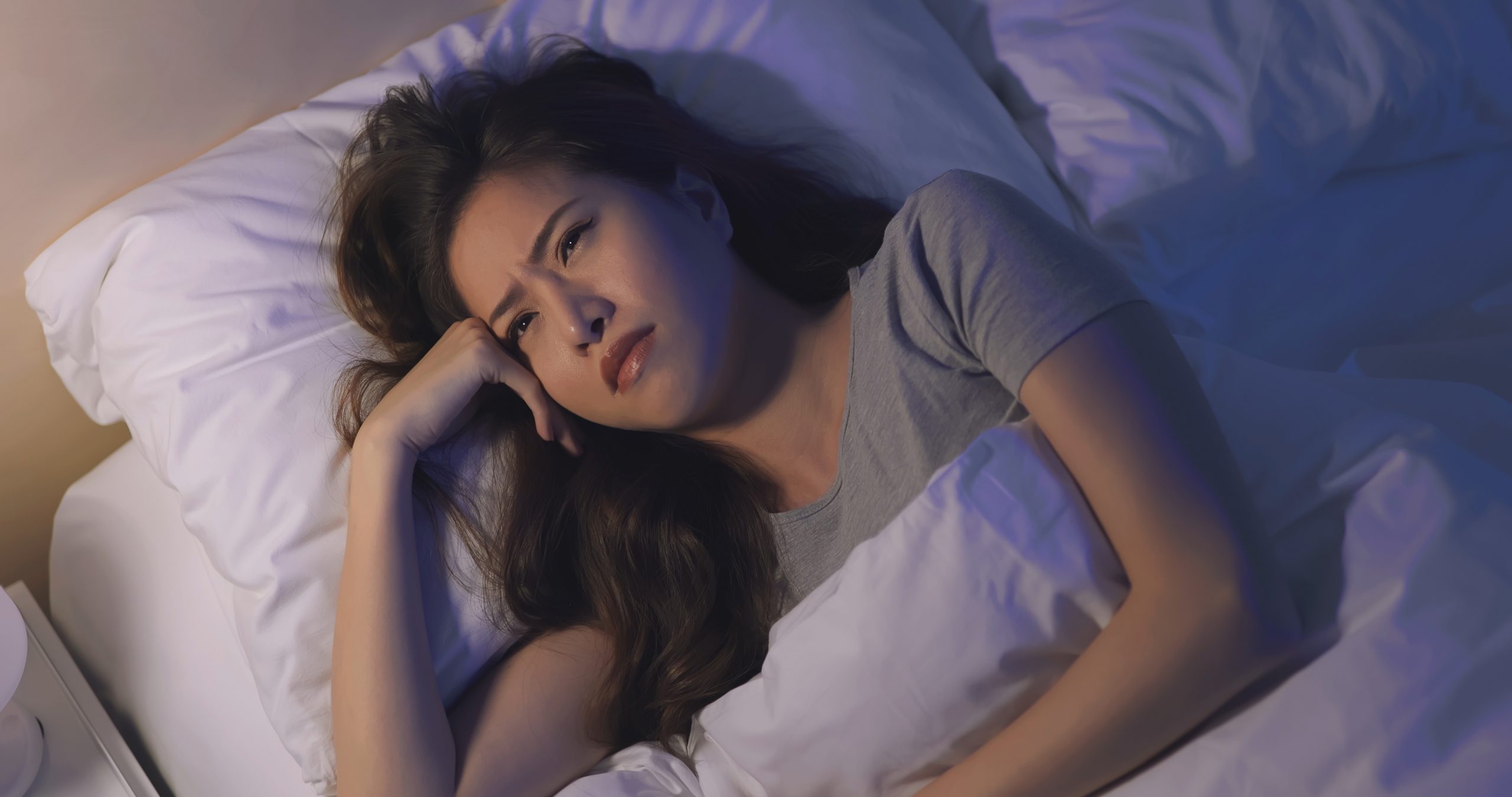
woman having difficulty sleeping Insomnia is a common sleep disorder that makes it difficult to fall or stay asleep.  According to the American Academy of Sleep Medicine, It is estimated that 30% of adults living in the United States experience symptoms of insomnia.

Insomnia can be categorized into two categories: primary and secondary. Primary insomnia is not linked to any other health conditions. In contrast, secondary insomnia can be caused by underlying health conditions or medication side effects.

Symptoms of insomnia may vary and can last for a short time ( a few days or weeks), or they can be chronic occurring at least three times per week and lasting more than three months.   Insomnia symptoms can include:

  • Having a hard time falling asleep at night
  • Trouble staying asleep throughout the night
  • Waking up too early
  • Tiredness or sleepiness during the day
  • Fatigue
  • Difficulty concentrating
  • Memory problems
  • Irritability
  • Mood swings

Longterm sleep deprivation caused by severe or chronic insomnia can lead to the development of complications such as:

  • Anxiety
  • Depression
  • Sleep apnea
  • Type 2 diabetes
  • Hypertension
  • Obesity
  • Stroke

Getting good quality sleep is crucial for our mental and physical health.  There are a few things that we can do to improve our quality of sleep. They include:

  • Setting and following a sleep schedule
  • Avoid using electronic devices before bed
  • Avoid eating heavy meals late in the day
  • Avoid the consumption of foods or beverages that contain alcohol or caffeine before bed

If you are experiencing long-term insomnia symptoms that are affecting your ability to do daily activities, you should speak with a doctor. A sleep specialist can conduct a series of tests to determine the cause of sleep deprivation and create a treatment plan.

To schedule an appointment with a sleep specialist at Jamaica Hospital Medical Center, please call 718-206-5916.

All content of this newsletter is intended for general information purposes only and is not intended or implied to be a substitute for professional medical advice, diagnosis or treatment. Please consult a medical professional before adopting any of the suggestions on this page. You must never disregard professional medical advice or delay seeking medical treatment based upon any content of this newsletter. PROMPTLY CONSULT YOUR PHYSICIAN OR CALL 911 IF YOU BELIEVE YOU HAVE A MEDICAL EMERGENCY.

How Does Blue Light Affect Sleep?

Devices such as smartphones, laptops, and smart televisions emit blue light, which is a color on the light spectrum that’s visible to the human eye. Blue light also contains the highest level of energy on the light spectrum.

While blue light may offer benefits when utilized during the day, such as helping to boost attention and mood, it can cause several problems when used at night. The most common is interfering with our sleep cycles.

According to the Centers for Disease Control and Prevention (CDC), exposure to blue light emitted from devices used at night can make it difficult for us to fall asleep or can wake us up too early.

Blue light has this effect because light plays an essential role in aligning circadian rhythms, which is the body’s internal clock that helps to regulate sleep and wake cycles. The CDC explains that the “body’s circadian clock responds to light, as a signal to be awake, and dark, as a signal to fall asleep.”

Blue light stimulates the part of our brain that makes us alert and it suppresses the body’s secretion of melatonin; the hormone that makes us feel sleepy. Exposure can trick our brains into thinking it’s daytime even when using devices such as smartphones, tablets, or laptops at night.

To prevent this problem, and reduce the risk of blue light exposure, the Sleep Foundation recommends:
• Turning off electronics two to three hours before bedtime
• Dimming the lights on electronics or using night mode
• Using smartphone or computer applications designed to reduce the emission of blue light
• Using an eye mask to sleep if you are unable to turn off or dim certain light sources

Creating a healthy sleep environment can help us to achieve the rest our bodies need to reenergize and heal. This involves making sure that lights do not interfere with our sleep.

To learn more about creating a healthy sleep environment, or to speak with a specialist about sleep-related health problems you may be experiencing, please schedule an appointment with Jamaica Hospital’s Sleep Center by calling 718-206-7001.

All content of this newsletter is intended for general information purposes only and is not intended or implied to be a substitute for professional medical advice, diagnosis or treatment. Please consult a medical professional before adopting any of the suggestions on this page. You must never disregard professional medical advice or delay seeking medical treatment based upon any content of this newsletter. PROMPTLY CONSULT YOUR PHYSICIAN OR CALL 911 IF YOU BELIEVE YOU HAVE A MEDICAL EMERGENCY.

Signs of Poor Sleep Quality

Sleep quality is defined by the National Sleep Foundation as, “the measurement of how well you’re sleeping”—in other words, whether your sleep is restful and restorative.

Getting adequate amounts of quality sleep is essential for our health.  It allows our bodies to recharge and provides additional benefits including:

  • Improving memory and concentration
  • Strengthening the immune system
  • Reducing stress
  • Lowering the risk of chronic health conditions such as heart disease and diabetes

Consequently, not getting enough quality sleep can have a negative effect on our health.   A lack of quality sleep can result in:

  • Difficulty concentrating
  • Insomnia and other sleep disorders
  • Increased stress
  • An increased risk of developing health conditions such as diabetes
  • An increased risk of developing mental health issues such as anxiety and depression

Thankfully, our body tells us when we are depriving ourselves of quality sleep so that we can make improvements.  Signs of poor-quality sleep include:

  • Taking 30 minutes or more to fall asleep
  • Feeling sleepy or tired, even after getting enough sleep
  • Waking up often throughout the night and lying awake for several minutes
  • Having trouble concentrating during the day
  • Experiencing hunger more often
  • Experiencing symptoms of a sleep disorder such as snoring or gasping for air
  • Having dark circles or bags under the eyes

Improving sleep quality can be achieved by making simple changes to our lifestyles. Here are a few recommendations from the Centers for Disease Control and Prevention (CDC):

  • Be consistent. Go to bed at the same time each night and get up at the same time each morning, including on the weekends.
  • Make sure your bedroom is quiet, dark, relaxing, and at a comfortable temperature.
  • Remove electronic devices such as TVs, computers, and phones from the bedroom.
  • Avoid large meals, caffeine, and alcohol before bedtime.
  • Don’t use tobacco.
  • Get some exercise. Being physically active during the day can help you fall asleep more easily at night.

If you are having difficulty falling and staying asleep for an extended period, speak with your doctor to explore possible causes.   Your physician may recommend that you see a sleep specialist who can diagnose and treat a variety of sleep disorders.

To schedule an appointment with a sleep specialist at Jamaica Hospital Medical Center, please call 718-206-7001.

All content of this newsletter is intended for general information purposes only and is not intended or implied to be a substitute for professional medical advice, diagnosis or treatment. Please consult a medical professional before adopting any of the suggestions on this page. You must never disregard professional medical advice or delay seeking medical treatment based upon any content of this newsletter. PROMPTLY CONSULT YOUR PHYSICIAN OR CALL 911 IF YOU BELIEVE YOU HAVE A MEDICAL EMERGENCY.

Optimize Your Bedroom for A Good Night’s Sleep

One of the keys to achieving a good night’s rest is creating an environment that supports quality sleep.

There are a few factors to consider when cultivating that space. They include lighting, sound, tidiness, color, and temperature.

Here are a few ways you can optimize these elements to create a sleep-friendly bedroom:

  • Turn off all lights- This includes television lights, as well as lights from computers and phones. Exposure to light during sleep can throw off the body’s sleep-wake cycle.
  • Keep it quiet- Remove or turn off electronics and any other items that contribute to background noise. The only noise believed to help you sleep is white noise.
  • Clear clutter- Research shows that sleeping in a cluttered room can affect sleep and lead to anxiety or stress.
  • Choose paint colors that are conducive to sleep- Colors such as lavender, blue, silver and green are known to be calming. Whereas, colors such as purple and red are believed to be stimulating.
  • Sleep in cool temperatures- According to the Sleep Foundation, “The best bedroom temperature for sleep is approximately 65 degrees Fahrenheit (18.3 degrees Celsius). This may vary by a few degrees from person to person, but most doctors recommend keeping the thermostat set between 60 to 67 degrees Fahrenheit (15.6 to 19.4 degrees Celsius) for the most comfortable sleep.”

Following these recommendations can help you achieve quality sleep.  Sleep specialists also recommend sticking to a sleep schedule, avoiding heavy meals a few hours before bedtime, and exercising at least three hours before bed as habits you can apply to improve sleep health.

If you are having problems falling and staying asleep, please consult a sleep specialist.  To schedule an appointment with the Jamaica Hospital Sleep Center, call 718-206-5916.

All content of this newsletter is intended for general information purposes only and is not intended or implied to be a substitute for professional medical advice, diagnosis or treatment. Please consult a medical professional before adopting any of the suggestions on this page. You must never disregard professional medical advice or delay seeking medical treatment based upon any content of this newsletter. PROMPTLY CONSULT YOUR PHYSICIAN OR CALL 911 IF YOU BELIEVE YOU HAVE A MEDICAL EMERGENCY.

Sleep Awareness Week

The keys to a healthy lifestyle are eating right, exercise, and what’s the third thing?  Oh yes, sleep. While we give a great deal of attention to the first two, the importance of a good night’s sleep is often overlooked.

Serene woman sleeping at night

March 13th through the 19th  has been designated Sleep Awareness Week and Jamaica Hospital Medical Center and the National Sleep Foundation (NSF) want to raise awareness and educate the community about how important sleep is to each and every one of us. While most of us understand the importance of getting a good night’s sleep, we often do not make sleep a priority.

There are many health benefits that sleep can provide. Sleep aids our heart, brain, lungs, and muscles to function properly.  Additional benefits include:

  • Improved immunity
  • Decreased pain
  • Increased alertness
  • Lower risk of injury
  • Improved memory
  • Better mood

The NSF recommends that adults receive seven to nine hours of sleep each night. They also provide the following tips to ensure a restful night’s sleep.

  • Stick to a sleep schedule of the same bedtime and wake up time, even on the weekends.
  • Practice a relaxing bedtime ritual.  Try to separate your sleep time from activities that can cause excitement, stress or anxiety; a lot of which can make it more difficult to fall asleep.
  • If you have trouble sleeping, avoid naps, especially in the afternoon. Napping may help you during the day, but it can interfere with your ability to sleep at night
  • Avoid drinking any caffeinated beverages at least five to six hours before bed.
  • Exercise daily. Vigorous exercise is best, but even light exercise is better than no activity.
  • Evaluate your sleep environment. Remove any noisy distractions, eliminate bright lights and set a comfortable temperature to optimize your sleep.
  • Sleep on a comfortable mattress and  Make sure your mattress is supportive.

If you still have trouble falling asleep or getting a restful night’s sleep, you should speak with your doctor as there may be an underlining medical issue. Jamaica Hospital operates a state-of-the-art sleep center that can help diagnose and treat a variety of sleep disorders. For more information, or to make an appointment, please call 718-206-5916.

All content of this newsletter is intended for general information purposes only and is not intended or implied to be a substitute for professional medical advice, diagnosis or treatment. Please consult a medical professional before adopting any of the suggestions on this page. You must never disregard professional medical advice or delay seeking medical treatment based upon any content of this newsletter. PROMPTLY CONSULT YOUR PHYSICIAN OR CALL 911 IF YOU BELIEVE YOU HAVE A MEDICAL EMERGENCY.

The Importance of Sleep in Children

According to a recent report from the Centers for Disease Control and Prevention (CDC), more than one-third of children (4 months- 17 years) living in the United States, get less sleep than what is recommended for their ages.

The American Academy of Sleep Medicine recommends:

• Infants 4 months to 12 months should sleep 12 to 16 hours per 24 hours

• Children 1 to 2 years of age should sleep 11 to 14 hours per 24 hours

• Children 3 to 5 years of age should sleep 10 to 13 hours per 24 hours

• Children 6 to 12 years of age should sleep 9 to 12 hours per 24 hours

• Teenagers 13 to 18 years of age should sleep 8 to 10 hours per 24 hours

A lack of sleep can affect children in several ways. Children who do not receive adequate sleep are at a higher risk for developing health conditions such as type 2 diabetes, poor mental health, and obesity.  Sleep deprivation can also contribute to the development of behavioral or academic problems.

There are several ways parents can help children achieve a good night’s sleep. This includes:

  • Turning off devices at least an hour before bedtime
  • Ensuring beds are comfortable
  • Creating a consistent bedtime routine (changing into pajamas, brushing teeth, etc.)
  • Establishing and keeping a consistent sleep schedule (This includes weekends and vacations)
  • Keeping children from going to bed hungry or too full
  • Avoiding scary movies, books or television shows before bed
  • Helping to alleviate bedtime fears or anxieties by talking about them and providing comfort

It is important that children receive adequate sleep as it is beneficial for their overall health and development. If your child is consistently having problems falling or staying asleep despite practicing healthy sleep hygiene, you should consult a doctor.

To schedule an appointment with a sleep specialist at Jamaica Hospital Medical Center, please call 718-206-5916.

All content of this newsletter is intended for general information purposes only and is not intended or implied to be a substitute for professional medical advice, diagnosis or treatment. Please consult a medical professional before adopting any of the suggestions on this page. You must never disregard professional medical advice or delay seeking medical treatment based upon any content of this newsletter. PROMPTLY CONSULT YOUR PHYSICIAN OR CALL 911 IF YOU BELIEVE YOU HAVE A MEDICAL EMERGENCY.