Food Dos and Don’ts for Sleep

We all enjoy a snack before bed. Sometimes those snacks can keep us awake or help us sleep.

Certain nutrients and hormones in foods help promote sleep. Tryptophan, found in turkey and fish, stimulates serotonin production. Melatonin, found in milk and cherries, makes you sleepy. Potassium found in bananas and magnesium also found in bananas and almonds help promote muscle relaxation.

Simple carbs and saturated fats in foods represent the danger zones of pre-sleep snacks. Both can reduce serotonin levels and can be difficult to digest.

With that in mind, here are some additional food dos and don’ts to consider before bedtime.

Some food do’s before bedtime:

  • Peanut butter on whole-grain bread.
  • Lean cheese on whole grain crackers.
  • Fortified cereal and milk.
  • Herbal teas like chamomile and mint.
  • Yogurt

Some food don’ts before bedtime:

  • Sweets and sugar
  • Dark chocolate
  • Fast food
  • Caffeine

Lastly, alcohol can make you sleepy but it can cause a restless night of sleep, and certain spicy foods we eat are hard to digest and may cause you to wake up.

Maintaining a well-balanced diet of fruits and vegetables, lean proteins, and complex carbohydrates across all meals and not just at night can promote healthy sleep and help you wake up refreshed.

If you still have trouble falling asleep or getting a restful night’s sleep, you should speak with your doctor as there may be an underlying medical issue. Jamaica Hospital’s state-of-the-art sleep center can help diagnose and treat various sleep disorders. For more information, or to make an appointment, please call 718-206-5916.

All content of this newsletter is intended for general information purposes only and is not intended or implied to be a substitute for professional medical advice, diagnosis or treatment. Please consult a medical professional before adopting any of the suggestions on this page. You must never disregard professional medical advice or delay seeking medical treatment based upon any content of this newsletter. PROMPTLY CONSULT YOUR PHYSICIAN OR CALL 911 IF YOU BELIEVE YOU HAVE A MEDICAL EMERGENCY.

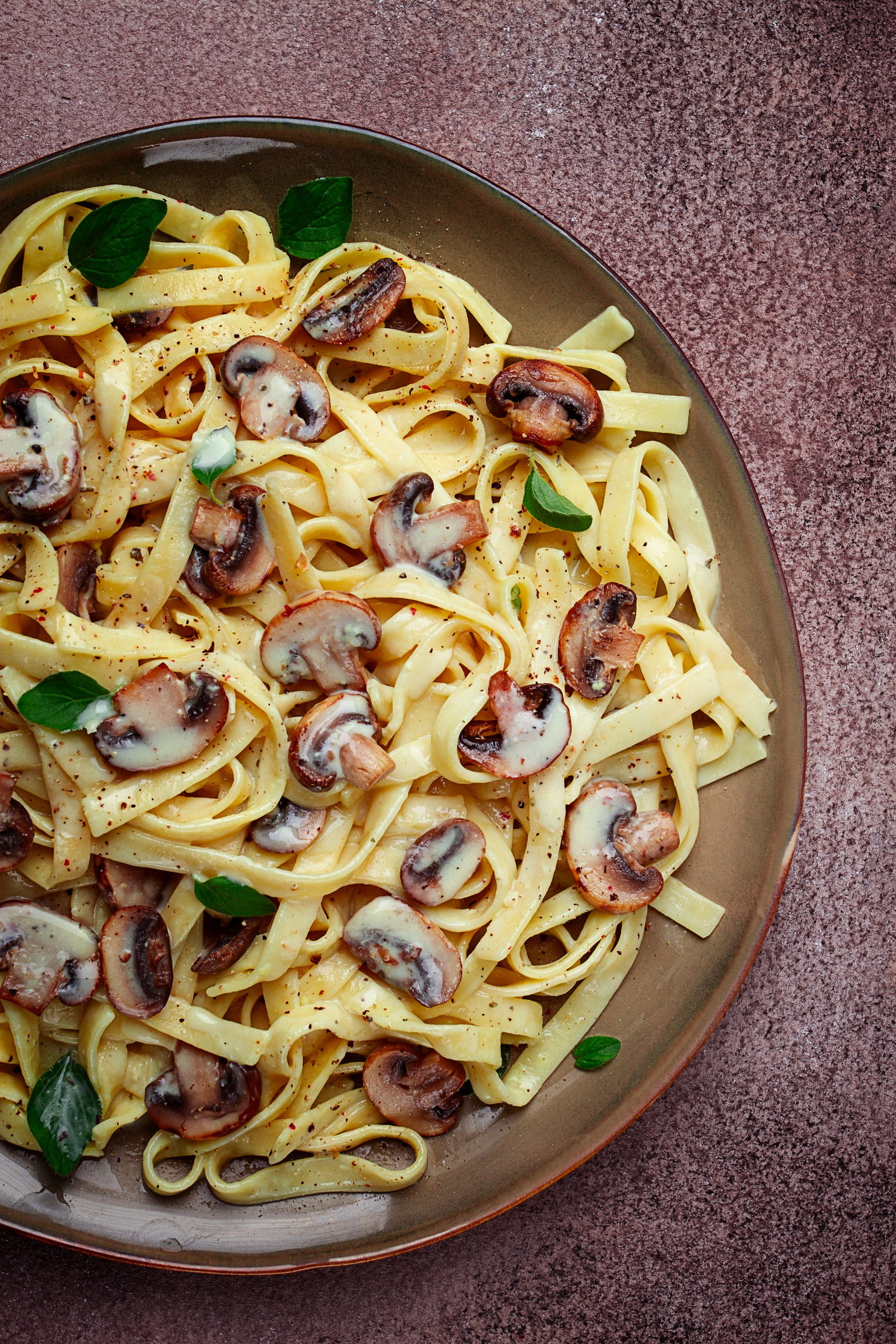
Summer Fruits for Diabetics

It can be difficult for diabetics to stay away from tempting sweet treats that can raise their blood sugar. It may sound cliché to call fruit, “nature’s candy”, but fruit can be a much healthier alternative to keep your blood sugar levels low while satisfying those cravings.

Here are some delicious fruits to add to your diet:

  • Apricots
  • Grapefruit
  • Grapes
  • Cherries
  • Blueberries
  • Honeydew melon
  • Kiwi
  • Papaya
  • Nectarines
  • Tangerines

Here are some fruits to have in moderation:

  • Apples
  • Bananas
  • Cantaloupe
  • Avocado
  • Blackberries
  • Oranges
  • Strawberries
  • Plums
  • Raspberries
  • Peaches
  • Pears
  • Mango

Fruits are an essential part of a nutritious diet. It is important to note that not all fruits may be good for people living with diabetes. Eat them in moderation, consider their glucose index levels, practice portion control, and always monitor your blood sugar.


All content of this newsletter is intended for general information purposes only and is not intended or implied to be a substitute for professional medical advice, diagnosis or treatment. Please consult a medical professional before adopting any of the suggestions on this page. You must never disregard professional medical advice or delay seeking medical treatment based upon any content of this newsletter. PROMPTLY CONSULT YOUR PHYSICIAN OR CALL 911 IF YOU BELIEVE YOU HAVE A MEDICAL EMERGENCY.

A Simple and Delicious Shrimp, Mango, and Avocado Salad Recipe

Are you looking to spice up your meals this summer? Here is a recipe for a delicious shrimp, spiced mango, and avocado salad with a refreshing citrus dressing.

https://www.foodnetwork.com/recipes/shrimp-spiced-mango-and-avocado-salad-with-citrus-dressing-recipe-1913723

All content of this newsletter is intended for general information purposes only and is not intended or implied to be a substitute for professional medical advice, diagnosis or treatment. Please consult a medical professional before adopting any of the suggestions on this page. You must never disregard professional medical advice or delay seeking medical treatment based upon any content of this newsletter. PROMPTLY CONSULT YOUR PHYSICIAN OR CALL 911 IF YOU BELIEVE YOU HAVE A MEDICAL EMERGENCY.

The Health Benefits of Flavonoid-Rich Foods

Flavonoids are compounds found naturally in many fruits and vegetables that can reduce inflammation and protect your body against various types of toxins. They provide these benefits by regulating cellular activity and improving your resistance against free radicals, which cause damage to surrounding cells.

There are six types of flavonoids, each of which provides different benefits to your health and can be found in certain foods. They include:

Flavanols: This type of flavonoid has particularly strong antioxidant properties that can help protect your body against symptoms of cardiovascular disease and other chronic conditions. They can be found in foods such as broccoli, tomatoes, onions, lettuce, peaches, berries, grapes, and kale, as well as liquids such as tea and red wine.

Flavan-3-ols: The most commonly-consumed type of flavonoid, flavan-3-ol, can lower your risk of several forms of cardiometabolic disease, including (but not limited to) hypertension (high blood pressure), insulin resistance, and dyslipidemia (high cholesterol). Flavan-3-ols can be found in tea, chocolate, apples, pears, and berries.

Flavones: Flavones are notable for their ability to help reduce inflammation in the body. They can typically be found in parsley, red peppers, celery, chamomile, and peppermint.

Flavanones: Like flavones, flavanones have anti-inflammatory properties; additionally, they are strong antioxidants and can help you to control your cholesterol and weight. They are generally found in citrus fruits such as lemons, limes, oranges, and grapefruit.

Isoflavones: These flavonoids can help to control hormonal balance, potentially improving problems such as anxiety and depression, as well as symptoms of menopause such as hot flashes. Isoflavones can be found in soy products and certain legumes, such as fava beans, chickpeas, pistachios, and peanuts.

Anthocyanins: Anthocyanins can boost your protection against a variety of chronic conditions, such as high blood pressure, heart disease, neurological disease, and cancer. They can be found in berries and berry products, including red and purple grapes, cranberries, blueberries, strawberries, blackberries, and red wine.

The registered dieticians at Jamaica Hospital Medical Center are ready to help you plan a diet that can reduce your risk of disease, maintain a healthy weight, and improve your overall health. To learn more or to schedule an appointment, please call (718) 657-7093.

All content of this newsletter is intended for general information purposes only and is not intended or implied to be a substitute for professional medical advice, diagnosis or treatment. Please consult a medical professional before adopting any of the suggestions on this page. You must never disregard professional medical advice or delay seeking medical treatment based upon any content of this newsletter. PROMPTLY CONSULT YOUR PHYSICIAN OR CALL 911 IF YOU BELIEVE YOU HAVE A MEDICAL EMERGENCY.
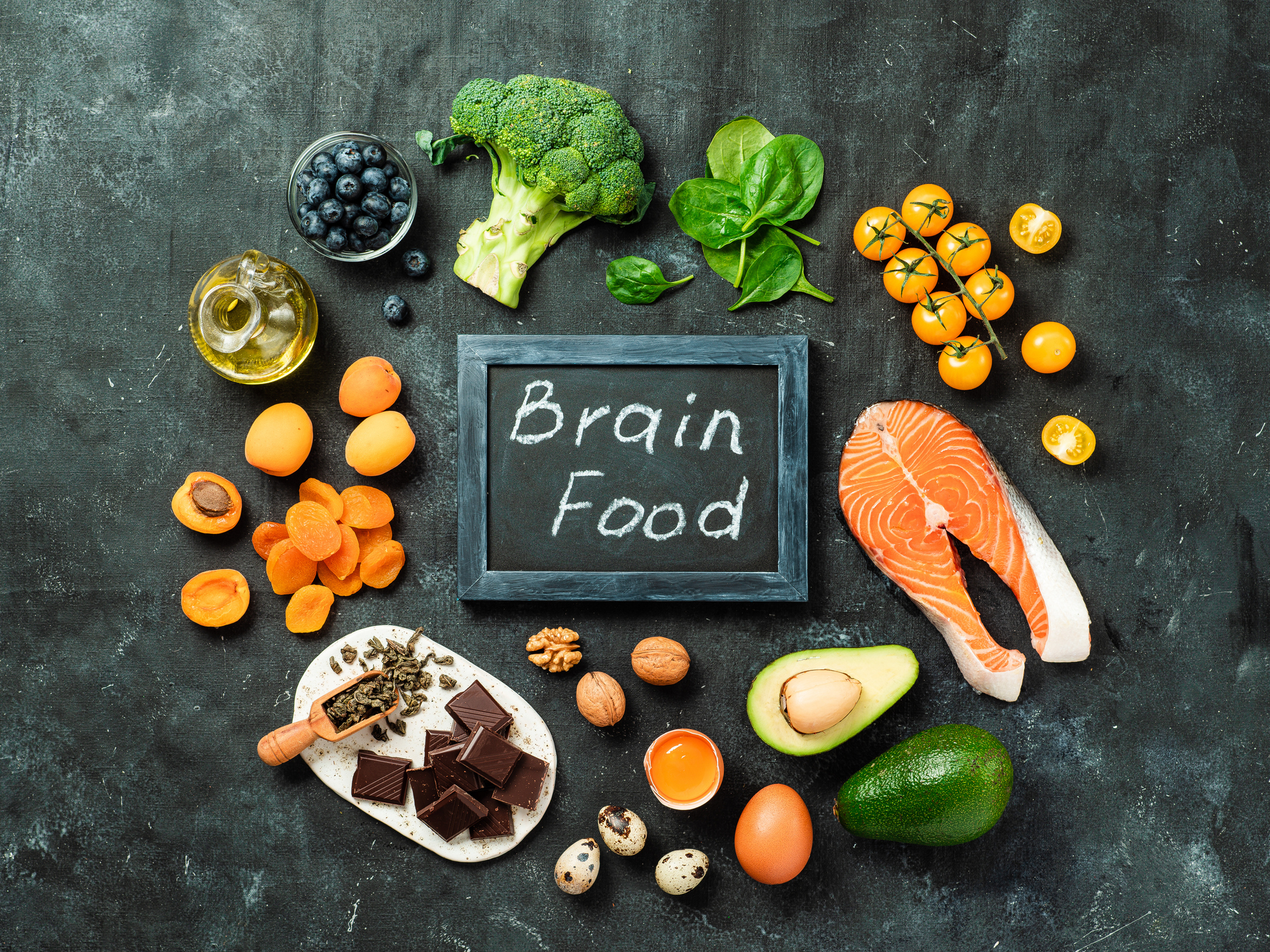
3 Health Benefits of Olive Oil

Olive oil is used in a wide variety of meals, including everything from salads to pasta dinners and sautéed dishes. Although it is calorie-dense, containing approximately 120 calories per tablespoon on average, olive oil is considered a healthy fat. It is included as a staple component in diets such as the Mediterranean diet, which has been indicated through research to promote weight loss and help prevent serious health problems such as heart attacks, stroke, and type 2 diabetes.

Even on its own, olive oil provides several significant health benefits. Some of these include:

Anti-inflammatory properties: Chronic inflammation is associated with numerous conditions, including cancer, heart disease, type 2 diabetes, Alzheimer’s, and arthritis. Olive oil contains a substantial volume of antioxidants, which can effectively help to fight inflammation in the body. Some of these antioxidants include oleocanthal, which can produce an effect similar to a small percentage of an adult dose of ibuprofen, and oleic acid, the main fatty acid contained in olive oil.

Cholesterol control: Olive oil is also capable of preventing low-density lipoprotein (LDL) cholesterol, also known as “bad” cholesterol, from oxidizing. Oxidized cholesterol can lead to atherosclerosis, which refers to the buildup of cholesterol along artery walls. Atherosclerosis is a significant risk factor for heart disease, stroke, and blood clots.

Antibacterial effects: There are a significant number of nutrients contained in olive oil that can kill harmful bacteria, particularly Helicobacter pylori, which lives in the stomach and can cause ulcers and cancer.

To get the full benefit of these effects, you’ll need to make sure you’re buying extra virgin olive oil, which retains more of the properties and compounds contained in olives than more refined types of olive oil. Even if the label on a bottle of olive oil says “extra virgin,” it may not necessarily be correct; check the ingredient list to make sure it doesn’t contain any other refined oils.

If you’re looking to make healthy adjustments to your diet to prevent chronic disease or other health problems, you can get professional guidance from a registered dietician at Jamaica Hospital Medical Center. To schedule an appointment, please call (718) 206-7001.

All content of this newsletter is intended for general information purposes only and is not intended or implied to be a substitute for professional medical advice, diagnosis or treatment. Please consult a medical professional before adopting any of the suggestions on this page. You must never disregard professional medical advice or delay seeking medical treatment based upon any content of this newsletter. PROMPTLY CONSULT YOUR PHYSICIAN OR CALL 911 IF YOU BELIEVE YOU HAVE A MEDICAL EMERGENCY.

How a Plant-Based Diet Can Help Your Heart Health

Plant-based diets, which prioritize foods such as fruits, vegetables, beans, nuts, and whole grains with only small, occasional servings of animal protein, are associated with a lower risk of heart disease at any age. However, not everyone may fully understand what a healthy, nutritious plant-based diet looks like.

A wide variety of foods can fall under the “plant-based” umbrella, with many options not necessarily providing significant benefits to your heart health. Some foods, such as white rice and white bread, are highly processed, meaning that you will not receive many of the necessary nutrients to promote better heart health from them. Other foods that are best avoided include those that are high in sugar, sodium, and extra additives.

A plant-based diet does not have to involve cutting out all meat. You can make beneficial changes for your heart health by keeping your overall meat consumption at a moderate level and by eating healthier types of meat. It is recommended that you stick to unprocessed red meat and poultry, as well as limit your meat portions to approximately three 3.5-ounce servings each week.

Fish can also be a healthy, beneficial element of a plant-based diet. Similarly, however, you should keep your intake at a moderate level, meaning that you should limit your fish consumption to two servings of approximately 3 ounces of fish per week. Fatty fish such as salmon, herring, and mackerel can be a particularly beneficial addition to your diet.

Remember that what you eat is not the only thing that matters when it comes to your heart health; you also need to monitor how much you eat and how physically active you are. Make sure to stay within the recommended number of calories for you to consume each day and to follow an exercise routine that incorporates strength and aerobic activities three days per week.

If you experience heart problems or may be at risk of heart disease, you can schedule an appointment with a cardiologist at Jamaica Hospital Medical Center’s Cardiology Department by calling (718) 206-7100.

All content of this newsletter is intended for general information purposes only and is not intended or implied to be a substitute for professional medical advice, diagnosis or treatment. Please consult a medical professional before adopting any of the suggestions on this page. You must never disregard professional medical advice or delay seeking medical treatment based upon any content of this newsletter. PROMPTLY CONSULT YOUR PHYSICIAN OR CALL 911 IF YOU BELIEVE YOU HAVE A MEDICAL EMERGENCY.
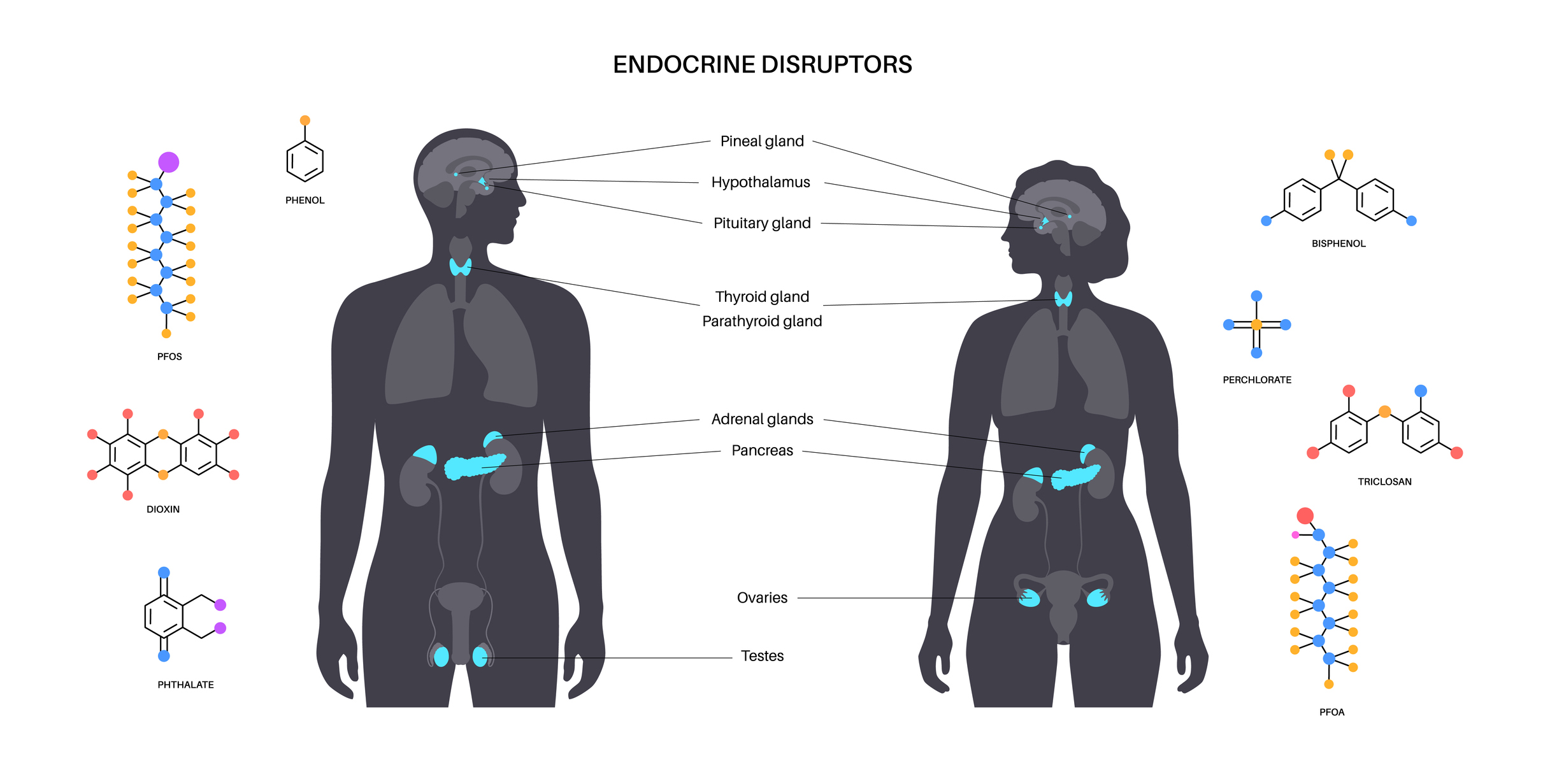
What is an Elimination Diet?

Foods that you’re allergic to can cause you to experience a variety of symptoms, including gas, bloating, nausea, or diarrhea. While these types of problems are rarely life-threatening allergic reactions, they can cause significant discomfort and disruption in your daily life. However, you may not know for certain which exact foods are causing these reactions. An elimination diet can help you identify them.

Elimination diets involve removing, then later re-adding, certain foods from your diet which are suspected to be the cause of allergic reactions. This diet is typically only maintained for a brief period of up to six weeks.

An elimination diet is typically divided into an “elimination” phase and a “reintroduction” phase. During the elimination phase, potential allergens are removed from your diet. These typically include foods such as:

  • Nuts
  • Seeds
  • Legumes
  • Dairy products
  • Starchy foods
  • Caffeinated drinks
  • Spices
  • Meat
  • Fish
  • Sugary products
  • Certain fruits and vegetables

During the reintroduction phase, you once again start to eat each food group you’ve cut out of your diet. Each of these groups is individually re-introduced over the course of up to three days, providing adequate time to watch for potential symptoms.

Different versions of the elimination diet, such as the low-FODMAPs diet (which targets short-chain carbohydrates), only remove specific food groups. Alternatively, varieties such as the fasting elimination diet, which involves only drinking water for up to five days, may be more extreme than the standard version.

No matter which version of the elimination diet you plan to try, you should only do so under the supervision of a medical professional. The re-introduction of food allergens can potentially cause anaphylaxis, a severe reaction that causes airways to swell and restricts your breathing. Extreme varieties such as the fasting elimination diet can be especially dangerous to your health without the guidance of a doctor.

If you suspect you have a food allergy and plan to follow an elimination diet, schedule an appointment with a registered dietician at Jamaica Hospital Medical Center’s Outpatient Nutritional Services Department by calling (718) 206-7056.

All content of this newsletter is intended for general information purposes only and is not intended or implied to be a substitute for professional medical advice, diagnosis or treatment. Please consult a medical professional before adopting any of the suggestions on this page. You must never disregard professional medical advice or delay seeking medical treatment based upon any content of this newsletter. PROMPTLY CONSULT YOUR PHYSICIAN OR CALL 911 IF YOU BELIEVE YOU HAVE A MEDICAL EMERGENCY.
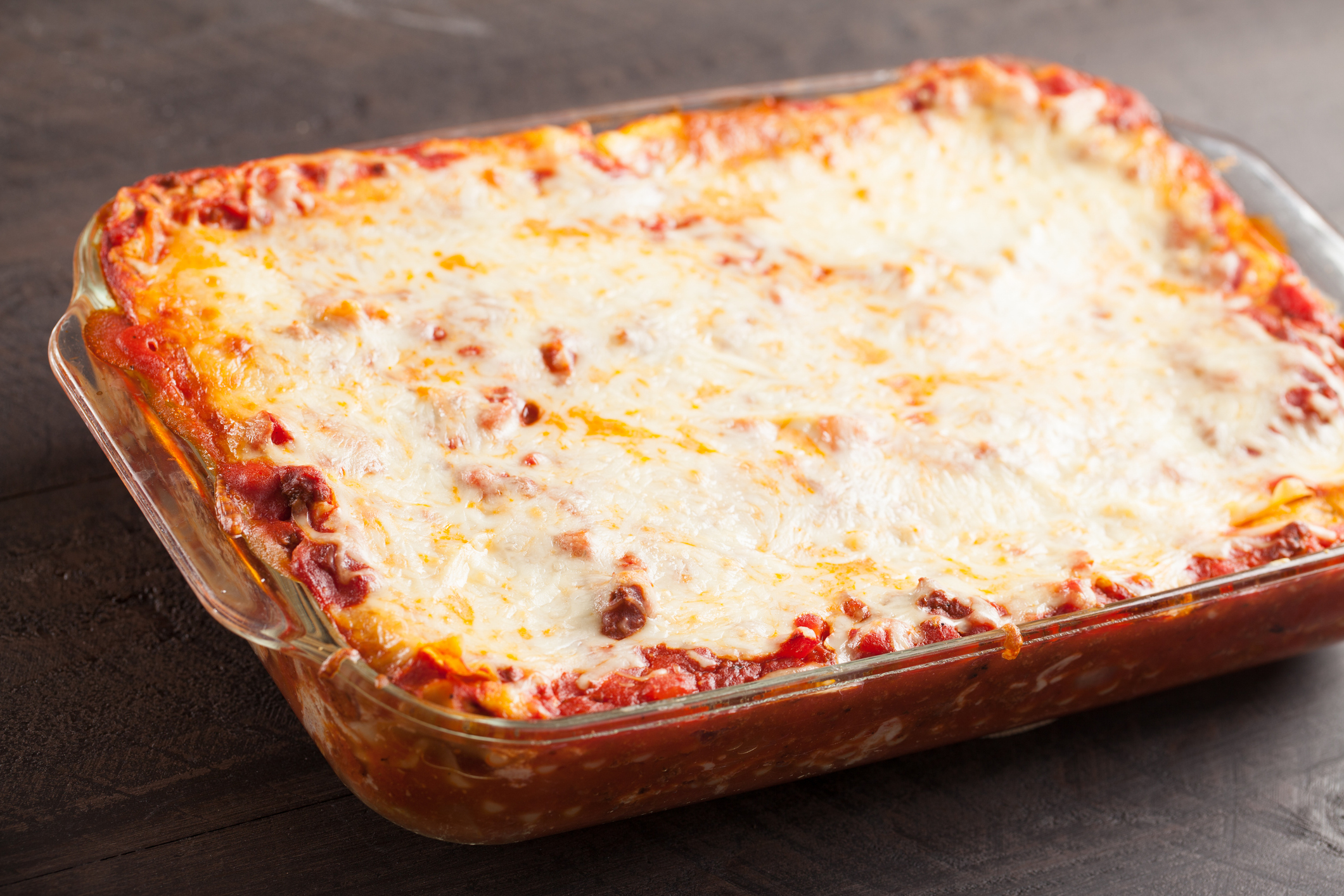
3 Diet Tips for Healthy Holiday Eating

The holidays can be a challenging time, especially when you’re trying to lose weight or have a condition such as diabetes that requires you to stick to specific dietary guidelines.

Many celebrations with family and friends include plenty of indulgent meals and treats that can potentially set your weight loss goals back, or otherwise negatively impact your health.

Although holiday gatherings may present certain challenges, there is no need to stress yourself out about sticking to your diet. A few key guidelines that emphasize moderation and patience can help you navigate your way through this part of the year in a way that preserves your health and allows you to focus on enjoying your time with your loved ones. These include:

Arriving with (and sticking to) a plan: Before your holiday gathering begins, determine ahead of time how much food you intend to eat. This may vary depending on your individual dietary restrictions and weight goals; if possible, find out what kind of food is being prepared ahead of time. If a particular option would be ideal for you, make it known to the hosts of the gathering ahead of time or prepare it yourself. Once you’ve determined the types and amounts of food you plan to eat, stick to that plan throughout the day.

Drink plenty of water: You will find your food to be much more filling when you drink lots of water. Try to drink roughly one glass of water each hour; you may find this easier by drinking one cup of water before your meal, one cup during the meal, and one cup afterward.

Talk to your loved ones: Remember that the main point of your holiday gathering is to spend time with the people you love and enjoy their company. Instead of absent-mindedly picking at hors d’oeuvres, focus on having conversations with the people around you and participating in the moment.

If you struggle to manage your diet during the holidays or any other part of the year, a nutritionist at Jamaica Hospital Medical Center’s Ambulatory Care Center may be able to help. To schedule an appointment, please call (718) 206-7001.

All content of this newsletter is intended for general information purposes only and is not intended or implied to be a substitute for professional medical advice, diagnosis or treatment. Please consult a medical professional before adopting any of the suggestions on this page. You must never disregard professional medical advice or delay seeking medical treatment based upon any content of this newsletter. PROMPTLY CONSULT YOUR PHYSICIAN OR CALL 911 IF YOU BELIEVE YOU HAVE A MEDICAL EMERGENCY.

GERD Awareness Week

As Thanksgiving approaches, it’s time to start thinking about how your dinner may lead to symptoms of gastroesophageal reflux disease (GERD). Approximately 20% of Americans suffer from GERD, making it one of the most common gastrointestinal conditions in the United States. GERD is not the same thing as acid reflux or heartburn, though these terms are often used interchangeably.

Acid reflux, which also occurs as a symptom of GERD, involves stomach acid flowing up from your stomach into your esophagus, leading to a burning sensation in your chest. Heartburn causes a similar burning sensation in the same area. Chocolate, tomato sauce, coffee, alcohol, dried foods, and spicy foods, as well as large meals in general, can cause these symptoms to flare up.

If you have GERD or often suffer from acid reflux or heartburn after a meal, there are a variety of prescription and nonprescription medications you can rely on to help manage your symptoms this Thanksgiving. These medications, including antacids, H-2 blockers, and proton pump inhibitors, reduce or negate the effects of stomach acid on your esophageal tissue by neutralizing it or reducing its production.

If medication fails to help manage your symptoms, there are surgical treatments available for GERD, including fundoplication (a minimally-invasive procedure that prevents reflux) or a LINX device implant (which blocks reflux while allowing food to pass through the junction of the stomach and esophagus).

As a long-term condition, GERD can contribute to your risk of developing other medical problems. Repeated contact with stomach acid can cause your esophageal tissue to become inflamed, develop ulcers, and even experience precancerous changes.

Don’t let GERD stop you from enjoying Thanksgiving dinner with your family. You can schedule an appointment with a gastroenterologist at Jamaica Hospital Medical Center’s Ambulatory Care Center to get started on your treatment by calling (718) 206-7001.

All content of this newsletter is intended for general information purposes only and is not intended or implied to be a substitute for professional medical advice, diagnosis or treatment. Please consult a medical professional before adopting any of the suggestions on this page. You must never disregard professional medical advice or delay seeking medical treatment based upon any content of this newsletter. PROMPTLY CONSULT YOUR PHYSICIAN OR CALL 911 IF YOU BELIEVE YOU HAVE A MEDICAL EMERGENCY.

National Handwashing Awareness Week

The first week in December is marked as National Handwashing Awareness Week.

According to the Centers for Disease Control and Prevention (CDC), handwashing is one of the best “do-it-yourself” precautions to prevent infections —it involves five simple and effective steps (Wet, Lather, Scrub, Rinse, Dry).

Regular handwashing, particularly before and after certain activities can help us to reduce the spread of germs and several illnesses.

All content of this newsletter is intended for general information purposes only and is not intended or implied to be a substitute for professional medical advice, diagnosis or treatment. Please consult a medical professional before adopting any of the suggestions on this page. You must never disregard professional medical advice or delay seeking medical treatment based upon any content of this newsletter. PROMPTLY CONSULT YOUR PHYSICIAN OR CALL 911 IF YOU BELIEVE YOU HAVE A MEDICAL EMERGENCY.