Information About Sickle Cell Disease

Sickle cell disease is an inherited form of anemia – a condition in which red blood cells are unable to carry oxygen throughout the body. For most, red blood cells are round and can move easily through blood vessels, but the red blood cells in people with sickle cell disease are crescent, or half-moon shaped. These irregular shaped cells can get stuck in blood vessels, which can slow or block the flow of oxygen to certain parts of the body.

In addition to being irregular in shape, sickle cells are fragile and break apart easily. Normal red blood cells live an average of four months before they die and need to be replaced. Sickle-shaped cells however only live an average of 20 days. The result of this shortage of blood cells is a loss of energy and general sense of fatigue.
Other symptoms of sickle cell disease include:

• Hand-Foot Syndrome – Often the first sign of sickle cell disease. It is caused by a lack of blood flow to the hands and feet

• Episodes of Pain – Referred to as a “crisis”, these episodes of pain occur when blood flow is blocked to the chest, abdomen, and joints. The frequency and duration of the episodes vary from person to person, but in severe cases, they can result in hospitalization.

• Frequent Infections and Fever– Sickle Cell can cause damage to the spleen, an organ that fights infection, making those with sickle cell at greater risk of developing an infection and an accompanying fever.

• Changes in Skin – People with sickle cell disease can develop a yellow tint to their skin or the whites of their eyes. Skin and nail beds can often become pale.

• Delayed growth – By not receiving enough oxygen rich red blood cells, those with sickle cell disease may also not get the necessary nutrients essential for growth.

The risk of inheriting sickle cell disease is a genetic one. For a baby to be born with it, both parents must carry the sickle cell gene. Doctors can diagnose sickle cell disease before a child is born. Couples who are at risk for passing on this disease to their children may want to talk with a genetic counselor about prenatal testing. The sickle cell gene is more common in families that come from Africa, India, Carribbean islands, and Central and South America.

To determine if you have sickle cell disease, your doctor can order a test to check for hemoglobin S, the defective form of hemoglobin that underlies sickle cell anemia. Further tests can confirm the existence of one gene (carrying the sickle cell trait) or two genes (sickle cell anemia). For those who have sickle cell anemia, treatment is aimed at treating the symptoms and avoiding crisis. Regular check-ups to monitor your red blood cell count are important. Medications are available to reduce pain and prevent complications can be prescribed, and blood transfusions, supplemental oxygen and even bone marrow transplants may also be necessary.

Jamaica Hospital serves a culturally rich and diverse population. Many members of our community are from the parts of the world most often affected by sickle cell disease. We encourage anyone living with sickle cell disease to carefully manage their condition. The hospital also recommends all potential parents to be tested for the sickle cell trait.

All content of this newsletter is intended for general information purposes only and is not intended or implied to be a substitute for professional medical advice, diagnosis or treatment. Please consult a medical professional before adopting any of the suggestions on this page. You must never disregard professional medical advice or delay seeking medical treatment based upon any content of this newsletter. PROMPTLY CONSULT YOUR PHYSICIAN OR CALL 911 IF YOU BELIEVE YOU HAVE A MEDICAL EMERGENCY.

Information About Migraines

According to the Coalition for Headache and Migraine Patients (CHAMP), June is recognized by the federal government as National Migraine and Headache Awareness Month.

More than 38 million people in the United States experience migraines or some type of tension headache with 2 -3 million of them experiencing chronic migraines.

The exact causes of migraines are unknown.  People with migraine or tension headaches may have a tendency to be affected by certain triggers such as fatigue, bright lights, weather changes and hypertension.

Some symptoms of migraine or tension headaches are:

  • Throbbing pain, numbness, weakness
  • Sensitivity to light
  • Sensitivity to sound
  • Nausea
  • Diarrhea
  • Vertigo
  • Mood changes
  • Neck pain
  • Vision changes

Treatment for migraine or tension headaches depends on the how often or how severe the headache is, the level of disability your headache may cause and contributing medical conditions you may have.

Over the counter medications such as anti-nausea or Ibuprofen may help with more minor episodes, but if you are experiencing multiple headaches per month lasting more than 12 hours, over the counter medications aren’t helping and your migraine symptoms include numbness or weakness, it is best to consult your physician.

If you are experiencing painful migraine or tension headaches, the Ambulatory Care Center at Jamaica Hospital Medical Center has convenient hours and days of operation.  To schedule an appointment, call 718-206-7001.

To learn more about migraines and tension headaches visit –

All content of this newsletter is intended for general information purposes only and is not intended or implied to be a substitute for professional medical advice, diagnosis or treatment. Please consult a medical professional before adopting any of the suggestions on this page. You must never disregard professional medical advice or delay seeking medical treatment based upon any content of this newsletter. PROMPTLY CONSULT YOUR PHYSICIAN OR CALL 911 IF YOU BELIEVE YOU HAVE A MEDICAL EMERGENCY.

Prostate Cancer

The prostate gland is a part of the male reproductive system that produces a fluid that mixes with sperm and other fluids during ejaculation.  It sits just below the bladder and is normally about the size of a walnut.

Prostate cancer is an abnormal growth of cells within the prostate gland.  Prostate cancer is one of the most common types of cancer in men and the second leading cause of cancer deaths among American men.  The majority of men who reach the age of 80 are found to have prostate cancer, however, most of the types of prostate cancer grow slowly and may not contribute to any serious harm.  Some types of prostate cancers are more aggressive and can spread to other parts of the body.

Prostate cancer, especially in its early stages, may not have any symptoms.  When symptoms are present they may include difficulty starting urination, less force to the stream of urine, dribbling at the end of urination, needing to urinate frequently, urinating frequently at night, pain while urinating, blood in the urine or semen, difficulty starting or maintaining an erection, pain with ejaculation, pain or stiffness in the lower back, hips, pelvis and upper thighs, or unintended weight loss.

Although it is not known exactly what causes prostate cancer some risk factors for developing prostate cancer are older age (more than 65% of prostate cancers are diagnosed in men older than 65), race (African-American men are 60% more likely to develop prostate cancer than Caucasian men), family history (having a father or brother with prostate cancer) and obesity.

There is an ongoing debate among physicians and medical groups about screening for prostate cancer.  Currently, many organizations including the U.S. Preventive Services Task Force (USPSTF) and the American Academy of Family Physicians (AAFP) recommend against routine screening for prostate cancer.  Having a discussion with your doctor about prostate cancer screening can help you decide if you should consider undergoing prostate cancer screening based on your unique health history and preferences.

When screening is done there are two tests that are available.  The available tests are a digital rectal exam (DRE) and prostate-specific antigen (PSA) test.  To perform a digital rectal exam your doctor uses a gloved finger, inserted a few inches into your rectum, to check your prostate gland.  A prostate-specific antigen test is a blood test that measures the level of PSA in your blood.  Many men who have prostate cancer have elevated levels of PSA, however, PSA can also be elevated for less serious causes such as prostate enlargement or infection.  Further testing is needed to diagnose cancer.  Additional tests that your doctor may recommend to diagnose cancer include an ultrasound of the prostate and a biopsy of the prostate.  A biopsy is when a small piece of the prostate is removed to look for abnormal cells.

Treatment of prostate cancer depends on many factors including your age, your overall health and the growth and spread of cancer when it is diagnosed.  Some men who have slow-growing tumors may not need treatment right away and some may never need treatment.  Other types of prostate cancer are aggressive and can quickly spread to other parts of the body making treatment difficult.  Common treatment options include watchful waiting or expectant management (regular testing and checkups to assess for new signs or symptoms), radiation therapy (high-energy x-rays used to kill cancer cells), chemotherapy, surgery (having the prostate gland removed) and hormone therapy.

All content of this newsletter is intended for general information purposes only and is not intended or implied to be a substitute for professional medical advice, diagnosis or treatment. Please consult a medical professional before adopting any of the suggestions on this page. You must never disregard professional medical advice or delay seeking medical treatment based upon any content of this newsletter. PROMPTLY CONSULT YOUR PHYSICIAN OR CALL 911 IF YOU BELIEVE YOU HAVE A MEDICAL EMERGENCY.

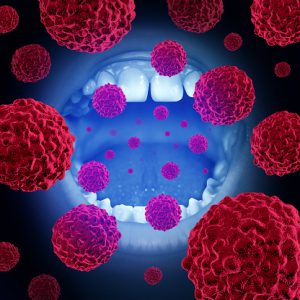
Learn the Facts About Oral Cancer

Oral cancer, or mouth cancer refers to a group of cancers that can develop anywhere in the mouth, including the lips, tongue, cheeks, gums, tonsils, floor of the mouth, hard and soft palate, salivary glands, sinuses and throat.

Oral cancer usually appears as a growth or sore in the mouth that does not go away and it can be life threatening if not diagnosed and treated early. According to the Oral Cancer Foundation, over 51,000 people in the U.S. will be newly diagnosed with oral cancer in 2018.

The most common symptoms of oral cancer include:


  • Swelling or thickening of the skin or lining of the mouth
  •  Development of lumps or bumps on the lips, gums, or other areas inside the mouth
  • Sores that bleed or do not heal
  • Unexplained bleeding in the mouth
  • Numbness or loss of feeling of the face, mouth, or neck
  • Difficulty chewing or swallowing
  • Jaw pain or stiffness
  • Hoarseness, chronic sore throat or change in voice
  • A change in the way your teeth or dentures fit together

According to the American Cancer Society, men face twice the risk of developing oral cancer as women. Cigarette smokers are six times more likely than nonsmokers to develop oral cancers. Those who use chewing tobacco products are 50 times more likely to develop cancers of the cheek, gums, and lining of the lips. In addition, oral cancers are about six times more common in those who consume excessive amounts of alcohol. People who have a family history of cancer, have a weakened immune system or who have the human papillomavirus virus (HPV) are also at a greater risk of developing certain types of oral cancers.

To avoid developing oral cancer, it is recommended that you stop, or do not start using any form of tobacco, whether it is smoked or chewed, drink alcohol only in moderation, chose a healthy diet rich in vitamins and antioxidants, perform self-examinations of your month once a month, and see your dentist regularly.

As part of your routine dental exam, your dentist will conduct an oral cancer screening. This includes feeling for any lumps or irregular tissue changes in your neck, head, face, and oral cavity. When examining your mouth, your dentist will look for any sores or discolored tissue as well as check for any signs and symptoms mentioned above.

If diagnosed with oral cancer, treatment options include surgery to remove the cancerous growth, followed by radiation therapy and/or chemotherapy to destroy any remaining cancer cells.

Make an appointment with your dentist immediately if you have any persistent signs and symptoms of oral cancer. If you do not have a dentist, make an appointment at Jamaica Hospital’s Dental Center by calling 718-206-6980.

All content of this newsletter is intended for general information purposes only and is not intended or implied to be a substitute for professional medical advice, diagnosis or treatment. Please consult a medical professional before adopting any of the suggestions on this page. You must never disregard professional medical advice or delay seeking medical treatment based upon any content of this newsletter. PROMPTLY CONSULT YOUR PHYSICIAN OR CALL 911 IF YOU BELIEVE YOU HAVE A MEDICAL EMERGENCY.
Motion Sickness

Motion sickness is a common condition that many of us experience at some point in our lives. It is the feeling of nausea, dizziness or uneasiness that can develop during a bumpy or rocky ride. For some, this sensation may occur while traveling in a car, boat, train, plane or other modes of transportation.

Motion sickness also referred to as seasickness, carsickness or airsickness is caused when the brain receives mixed signals from our balance-sensing system which consists of our eyes, inner ear (semicircular canals) and sensory nerves.    Mixed signals are received by the brain because your eyes cannot see the motion your body is feeling, or conversely, your body cannot feel the motion your eyes are seeing. Motion sickness can start suddenly, typically with a feeling of uneasiness then progressing to other symptoms such as dizziness, a cold sweat, headaches or vomiting.

Children and pregnant women are most susceptible to motion sickness. However, anyone who is traveling can be at risk. Factors that can increase the chances for symptoms to appear include poor ventilation in a vehicle, the type of vehicle, fears or anxieties about traveling or the orientation in which a person is sitting or standing.

Treatment for motion sickness may include medication, home remedies or applying simple changes to your environment. The Centers for Disease Control and Prevention (CDC), recommends the following interventions for treatment or prevention:

  • Being aware of and avoiding situations that tend to trigger symptoms.
  • Optimizing position to reduce motion or motion perception—for example, driving a vehicle instead of riding in it, sitting in the front seat of a car or bus, sitting over the wing of an aircraft, holding the head firmly against the back of the seat, and choosing a window seat on flights and trains.
  • Reducing sensory input—lying prone, shutting eyes, sleeping, or looking at the horizon.
  • Maintaining hydration by drinking water, eating small meals frequently, and limiting alcoholic and caffeinated beverages.
  • Avoiding smoking—even short-term cessation reduces susceptibility to motion sickness.
  • Adding distractions—controlling breathing, listening to music, or using aromatherapy scents such as mint or lavender. Flavored lozenges may also help.
  • Using acupressure or magnets is advocated by some to prevent or treat nausea, although scientific data on efficacy of these interventions for preventing motion sickness are lacking.
  • Gradually exposing oneself to continuous or repeated motion sickness triggers. Most people, in time, notice a reduction in motion sickness symptoms.

Most cases of motion sickness are mild. Symptoms are typically self-treatable or go away when a person is no longer in motion.  However, medical professionals recommend that you see a doctor if you experience motion sickness repeatedly or if symptoms persist after your journey.

To schedule an appointment with a doctor at Jamaica Hospital Medical Center, please call 718-206-7001.

All content of this newsletter is intended for general information purposes only and is not intended or implied to be a substitute for professional medical advice, diagnosis or treatment. Please consult a medical professional before adopting any of the suggestions on this page. You must never disregard professional medical advice or delay seeking medical treatment based upon any content of this newsletter. PROMPTLY CONSULT YOUR PHYSICIAN OR CALL 911 IF YOU BELIEVE YOU HAVE A MEDICAL EMERGENCY.

Learn the Facts About Diabetic Ketoacidosis

Diabetic ketoacidosis (DKA) is a potentially life-threatening condition for those living with diabetes. It occurs when the body doesn’t produce enough sugar (glucose) due to a lack of insulin.

Under normal conditions, insulin serves to help glucose enter the cells that make up our muscles and tissues and provide them with the energy they need.  However, when the body can’t produce enough insulin, glucose remains in the bloodstream and fatty acids called ketones begin to build-up. These ketones can eventually spill over into the urine, leading to DKA.

If you have diabetes or you’re at risk of developing diabetes, learn the warning signs of diabetic ketoacidosis — and know when to seek emergency care. DKA signs and symptoms can develop quickly and can include:

  • Excessive thirst
  • Frequent urination
  • Blurred vision
  • Flushed, hot, or dry skin
  • Loss of appetite or abdominal pain
  • Nausea and vomiting
  • Weakness or fatigue
  • Confusion
  • Shortness of breath

Diabetic ketoacidosis can lead to many health complications including low blood sugar (hypoglycemia) levels, low potassium (hypokalemia) levels, and swelling in the brain (cerebral edema). If left untreated, the risks can become much greater. Diabetic ketoacidosis can lead to loss of consciousness and even fatality.

There are many different reasons for DKA to occur. One of the most common causes is the existence of a severe infection or other illness, such as pneumonia or a urinary tract infection. These types of infections can cause the body to produce high levels of hormones that counter the effects of insulin.

Another common cause of DKA for people who are insulin dependent is either missed or inappropriate insulin therapy, which can leave the body with not enough insulin. Other contributing factors for the onset of DKA include extreme dehydration, trauma, heart attack, or alcohol or drug abuse.

The best way to prevent DKA is to commit yourself to managing your diabetes by living a healthy lifestyle and regularly monitoring your blood glucose and ketone levels.  If you find that your levels are not what they should be, act quickly and consult with your doctor about adjusting your dosage or seek emergency care.

To schedule an appointment with a doctor at Jamaica Hospital, please call 718-206-7001.

All content of this newsletter is intended for general information purposes only and is not intended or implied to be a substitute for professional medical advice, diagnosis or treatment. Please consult a medical professional before adopting any of the suggestions on this page. You must never disregard professional medical advice or delay seeking medical treatment based upon any content of this newsletter. PROMPTLY CONSULT YOUR PHYSICIAN OR CALL 911 IF YOU BELIEVE YOU HAVE A MEDICAL EMERGENCY.

Types and Stages Of Lung Cancer

Non-small cell lung cancer (NSCLC) and small cell lung cancer (SCLC) are the two major types of lung cancer. About 80 to 85% of diagnosed cases of the disease are attributed to NSCLC and the remaining 10 to 15% to SCLC.

Once diagnosed, a doctor will try to determine how much cancer has spread; this process is known as staging.  Different stages of the disease describe how much cancer is in the body and can help doctors to decide on suitable treatment options.

The staging system most commonly used for NSCLC is the American Joint Committee on Cancer (AJCC) TNM system.  There are four stages which include:

Stage 1- Cancer is found only in the lungs and has not spread to lymph nodes.

Stage 2 – Cancer is found in the lungs and surrounding lymph nodes.

Stage 3- Cancer is found in the lungs, lymph nodes, and in the middle of the chest.

Stage 4- Cancer is found in the lungs, fluid in the area around the lungs, as well as other parts of the body and other organs.

The stages of SCLC are based on the results of biopsies, physical exams, imaging tests or any additional form of testing used to determine how far this type of cancer has advanced. Doctors typically use a two-stage system to help them to decide which form of treatment is best.  The stages of SCLC are:

Limited Stage- This is when cancer is found in only one side of the chest and in the lymph nodes above the collarbone – on the same side of the chest.

Extensive Stage- This describes when cancer has spread to lungs, the lymph nodes and other parts of the body.

Treatment for each type of lung cancer varies by stage.   Typical approaches for NSCLC may include surgery, radiation, immunotherapy or chemotherapy.  Radiation or chemotherapy are the most common types of treatment used for patients diagnosed with SCLC.

Smoking cigarettes or other tobacco products contribute greatly to the development of lung cancer. Quitting smoking can reduce your risk of developing this deadly disease.

If you are ready to quit smoking, Jamaica Hospital Medical Center provides a free smoking cessation program. To learn about our Freedom From Smoking program please call, 718-206-8494 or visit www.JamaicaHospital.org.

All content of this newsletter is intended for general information purposes only and is not intended or implied to be a substitute for professional medical advice, diagnosis or treatment. Please consult a medical professional before adopting any of the suggestions on this page. You must never disregard professional medical advice or delay seeking medical treatment based upon any content of this newsletter. PROMPTLY CONSULT YOUR PHYSICIAN OR CALL 911 IF YOU BELIEVE YOU HAVE A MEDICAL EMERGENCY.

Borderline Personality Disorder

According to the National Institute of Mental Health (NIMH), borderline personality disorder is a mental illness marked by an ongoing pattern of varying moods, perceptions of self-image, and behavior. These symptoms often result in impulsive actions and problems in relationships. People with borderline personality disorder may experience intense episodes of anger, depression, and anxiety that can last from a few hours to days.

People with borderline personality disorder may also experience:

  • Mood swings
  • Uncertainty about how they see themselves and their role in the world
  • Quickly changing their interests and values
  • Viewing things in extremes
  • Having intense and unstable relationships
  • Impulsive or dangerous behaviors
  • Self-harming behavior, such as cutting
  • Recurring thoughts or threats of suicide
  • Feelings of emptiness
  • Issues controlling anger
  • Difficulty trusting others
  • Feeling cutoff from themselves and others

While the cause of borderline personality disorder isn’t clear, researchers believe that genetics, brain function, the environment, as well as cultural and social factors may increase the likelihood of developing the disorder.

That being said, being in an “at risk” group does not mean that you will develop the disorder.  Likewise, you may not fall into any of the groups but that doesn’t preclude you from developing the disorder.

There are numerous recommended treatments for borderline personality disorder including, but not limited to psychotherapy, medications, as well as group, peer and family support groups.

If you or someone you know is exhibiting the traits of having a borderline personality disorder and would like to speak to a licensed mental health professional, please call Jamaica Hospital Medical Center’s Department of Mental Health at 718-206-7160 to schedule an appointment

For more information on borderline personality disorder visit,

All content of this newsletter is intended for general information purposes only and is not intended or implied to be a substitute for professional medical advice, diagnosis or treatment. Please consult a medical professional before adopting any of the suggestions on this page. You must never disregard professional medical advice or delay seeking medical treatment based upon any content of this newsletter. PROMPTLY CONSULT YOUR PHYSICIAN OR CALL 911 IF YOU BELIEVE YOU HAVE A MEDICAL EMERGENCY.

Chronic Kidney Disease

Approximately 30 million adults in the United States are living with chronic kidney disease (CKD).  This condition causes damages to kidneys and leads to a loss of function over time.  If your kidneys are unable to function properly, complications such as hypertension, nerve damage, weakened bones and anemia can develop. CKD also increases the risk of developing cardiovascular disease.

While high blood pressure can result from chronic kidney disease, it can also be the cause of it.  Other conditions and diseases that can cause CKD include diabetes, recurrent kidney infections, prolonged obstruction of the urinary tract and vesicoureteral reflux.

Anyone at any age can develop chronic kidney disease; however, some people are more at risk than others. You may have an increased risk for CKD if you:

  • Have a family history of kidney  failure
  • Have diabetes
  • Have hypertension
  • Are obese
  • Have cardiovascular disease
  • Are a smoker
  • Are of African American, Native American, Pacific Islander or Asian American descent
  • Are an older adult

Signs and symptoms of chronic kidney disease can vary by individual and may appear over time as the disease progresses. They can include:

  • Muscle cramps and twitches
  • Swelling of feet and ankles
  • Trouble concentrating
  • Fatigue
  • Frequent urination, especially at night
  • Itchy skin
  • Shortness of breath
  • Difficulty sleeping
  • High blood pressure
  • Vomiting

There are several things you can do to prevent CKD and keep your kidneys healthy.  Maintaining a healthy diet and cutting back on food rich in sugar and salt is beneficial for your kidneys, as well as monitoring cholesterol levels, keeping hydrated, quitting smoking and drinking in moderation.

If you are living with chronic kidney disease, it is strongly advised that you keep blood pressure and blood sugar levels under control, moderate protein consumption, reduce salt intake, avoid NSAIDs (nonsteroidal anti-inflammatory drugs) and get the flu shot each year.

All content of this newsletter is intended for general information purposes only and is not intended or implied to be a substitute for professional medical advice, diagnosis or treatment. Please consult a medical professional before adopting any of the suggestions on this page. You must never disregard professional medical advice or delay seeking medical treatment based upon any content of this newsletter. PROMPTLY CONSULT YOUR PHYSICIAN OR CALL 911 IF YOU BELIEVE YOU HAVE A MEDICAL EMERGENCY.

Know the Facts About the Measles

The measles virus has received a great deal of attention recently in New York City due to an infected tourist potentially exposing many residents in the five boroughs.

As the closest hospital to John F. Kennedy International Airport, where millions of foreign travelers fly in and out of each year and because we serve one the most ethnically diverse populations in the nation, Jamaica Hospital wants to provide our community with some very important information about the measles virus.

While vaccination programs have largely eliminated the measles in the United States, it is still common in other parts of the world with over 90,000 reported deaths attributed to the disease worldwide each year according to the Centers for Disease Control and Prevention (CDC).  In fact, most U.S. cases of the measles result from an unvaccinated international traveler exposing U.S. residents to the virus.

The measles virus is highly contagious and is spread through the air when an infected person sneezes or coughs.  Fever is typically the first symptom, followed by cough, runny nose and red eyes. Soon after, those infected will develop a rash of tiny red spots. The rash starts on the face and spreads to the rest of the body. Symptoms usually present ten to 14 days after exposure. Those with the disease can develop even more serious complications, and it is especially dangerous for young children.

The best way to prevent becoming infected is to get the MMR vaccine, which prevents against measles, mumps and rubella. The CDC recommends children receive two doses, the first between 12 to 15 months of age, and the second at four to six years old. Teens and adults should also be up-to-date with their MMR vaccination.

The MMR vaccine is safe and highly effective. The recommended two doses have proven to be 97% effective in preventing the measles virus.  While the MMR vaccine is recommended for everyone, it is especially important for those individuals who travel internationally or are exposed to travelers from foreign countries .

If you are experiencing symptoms consistent with the measles, seek medical attention immediately, but call your doctor or local hospital before arrival to prevent infecting others.

To learn more about the MMR vaccine, or to schedule an appointment to become vaccinated at Jamaica Hospital’s Ambulatory Care Center, please call 718-206-7001.

All content of this newsletter is intended for general information purposes only and is not intended or implied to be a substitute for professional medical advice, diagnosis or treatment. Please consult a medical professional before adopting any of the suggestions on this page. You must never disregard professional medical advice or delay seeking medical treatment based upon any content of this newsletter. PROMPTLY CONSULT YOUR PHYSICIAN OR CALL 911 IF YOU BELIEVE YOU HAVE A MEDICAL EMERGENCY.