Foot Drop

Foot drop or drop foot, is a general term for difficulty lifting the front part of the foot. It happens when you can’t raise the front part of your foot due to weakness or paralysis of the muscles that lift it.

Foot drop may cause a person to drag their feet on the floor when they walk. To avoid this, a person with foot drop may raise the thigh more than usual when walking as though they were climbing stairs. This way of walking, called steppage gait, causes the foot to slap against the floor with each step, sometimes causing the skin on the top of the foot and toes to feel numb.

Foot drop isn’t a disease. It is more a sign of an underlying neurological, muscular, or anatomical problem. Foot drop has several possible causes, typically due to an issue with your nerves and/or muscles. The most common causes are lumbar radiculopathy and peroneal nerve injury. Other causes include:

  • Brain conditions
  • Motor neuron conditions
  • Peripheral neuropathies
  • Muscle conditions

To diagnose foot drop, a healthcare provider will perform a physical exam, which may show:

  • Loss of muscle control in your lower leg(s) and foot/feet
  • Muscle atrophy in your foot or leg
  • Difficulty lifting your foot and toes

Your healthcare provider may also order any of the following tests to find the underlying cause of foot drop, including:

  • Imaging tests such as X-rays, ultrasound, and/or an MRI to look for compression or damage in your legs, spine, or brain
  • Certain blood tests, such as a blood sugar test to check for diabetes and diabetes-related neuropathy
  • Nerve conduction tests to examine how your nerves are functioning
  • Electromyography to measure the electrical activity in your leg muscles

Foot drop treatment depends on what is causing it. Sometimes foot drop is temporary, but it can be permanent. If the cause is a chronic condition like multiple sclerosis or ALS, foot drop may be permanent. Possible treatments for foot drop include:

  • Physical and occupational therapy to help stretch and strengthen your muscles and help you walk better
  • Braces, splints, or shoe inserts to help support your ankle and foot and keep it in a more natural position

In some cases, people need surgery to relieve pressure on their peroneal nerve or to repair it. If you have chronic foot drop, your healthcare provider may suggest fusing your ankle or foot bones. Or you may have tendon surgery in which a surgeon transfers a tendon from your other leg to the muscle in your affected leg to help it pull your foot up.

If you are experiencing any symptoms of foot drop, you can consult with a neurologist at Jamaica Hospital Medical Center. To schedule an appointment, please call (718) 206-7246.

All content of this newsletter is intended for general information purposes only and is not intended or implied to be a substitute for professional medical advice, diagnosis or treatment. Please consult a medical professional before adopting any of the suggestions on this page. You must never disregard professional medical advice or delay seeking medical treatment based upon any content of this newsletter. PROMPTLY CONSULT YOUR PHYSICIAN OR CALL 911 IF YOU BELIEVE YOU HAVE A MEDICAL EMERGENCY.

Living with Diabetes during the Holidays

Making healthy choices during the winter holidays can be challenging for many people. It can be even more challenging for people with diabetes.

If you are a diabetic, it is important to eat mindfully by following your diet and making a plan. Here are some tips to help you enjoy a diabetes-friendly holiday season:

  • Monitor your blood sugar levels regularly
  • Stay hydrated
  • Communicate with family and friends about your diabetes needs and how they can support you
  • Stay active
    • Take short walks
    • Dance or play games
  • Plan for holiday meals
    • Choose healthier options
    • Watch portion sizes
    • Balance your plate
  • Prepare for travel
    • Pack your diabetes kit
    • Carry snacks
  • Get enough sleep
  • Don’t skip meals
  • Watch what you drink and how much
  • Talk to your doctor about changes in your health
  • Take care of your mental health
    • Practice mindfulness
    • Set realistic expectations

With some planning and preparation, you can still enjoy the holidays and your favorite foods while managing your blood sugar.

To schedule an appointment with an endocrinologist, please call Jamaica Hospital Medical Center’s Ambulatory Care Center at (718) 206-7001.

All content of this newsletter is intended for general information purposes only and is not intended or implied to be a substitute for professional medical advice, diagnosis or treatment. Please consult a medical professional before adopting any of the suggestions on this page. You must never disregard professional medical advice or delay seeking medical treatment based upon any content of this newsletter. PROMPTLY CONSULT YOUR PHYSICIAN OR CALL 911 IF YOU BELIEVE YOU HAVE A MEDICAL EMERGENCY.

Mental Health and Holiday Stress

The holidays can be a stressful time for many, with all the shopping, gatherings, and family time, they can add extra pressure to our already busy lives. For people dealing with mental health conditions like depression or anxiety, the holidays can be even harder.

A 2023 survey by the American Psychological Association found that 89% of U.S. adults feel stressed during the holiday season, with 41% reporting higher stress levels compared to other times of the year. This stress can lead to physical illness, depression, anxiety, and substance misuse. The reasons given include:

  • Lack of time
  • Financial pressure
  • Gift giving
  • Family gatherings

To make matters worse, the National Alliance on Mental Illness noted that 64% of individuals living with a mental illness felt that their conditions worsened around the holidays.

There are several ways to cope with holiday stress including:

  • Practicing mindfulness and meditation
  • Taking a break when needed
  • Getting fresh air and sunlight
  • Seeking therapy and staying in therapy
  • Maintaining healthy habits
  • Respecting differences
  • Saying no
  • Sharing feelings
  • Being realistic with yourself and others
  • Reaching out to friends and family

If you need the assistance and support of a mental health professional at Jamaica Hospital Medical Center, please call 718-206-5575, to schedule an appointment.


All content of this newsletter is intended for general information purposes only and is not intended or implied to be a substitute for professional medical advice, diagnosis or treatment. Please consult a medical professional before adopting any of the suggestions on this page. You must never disregard professional medical advice or delay seeking medical treatment based upon any content of this newsletter. PROMPTLY CONSULT YOUR PHYSICIAN OR CALL 911 IF YOU BELIEVE YOU HAVE A MEDICAL EMERGENCY.

Holter Monitor

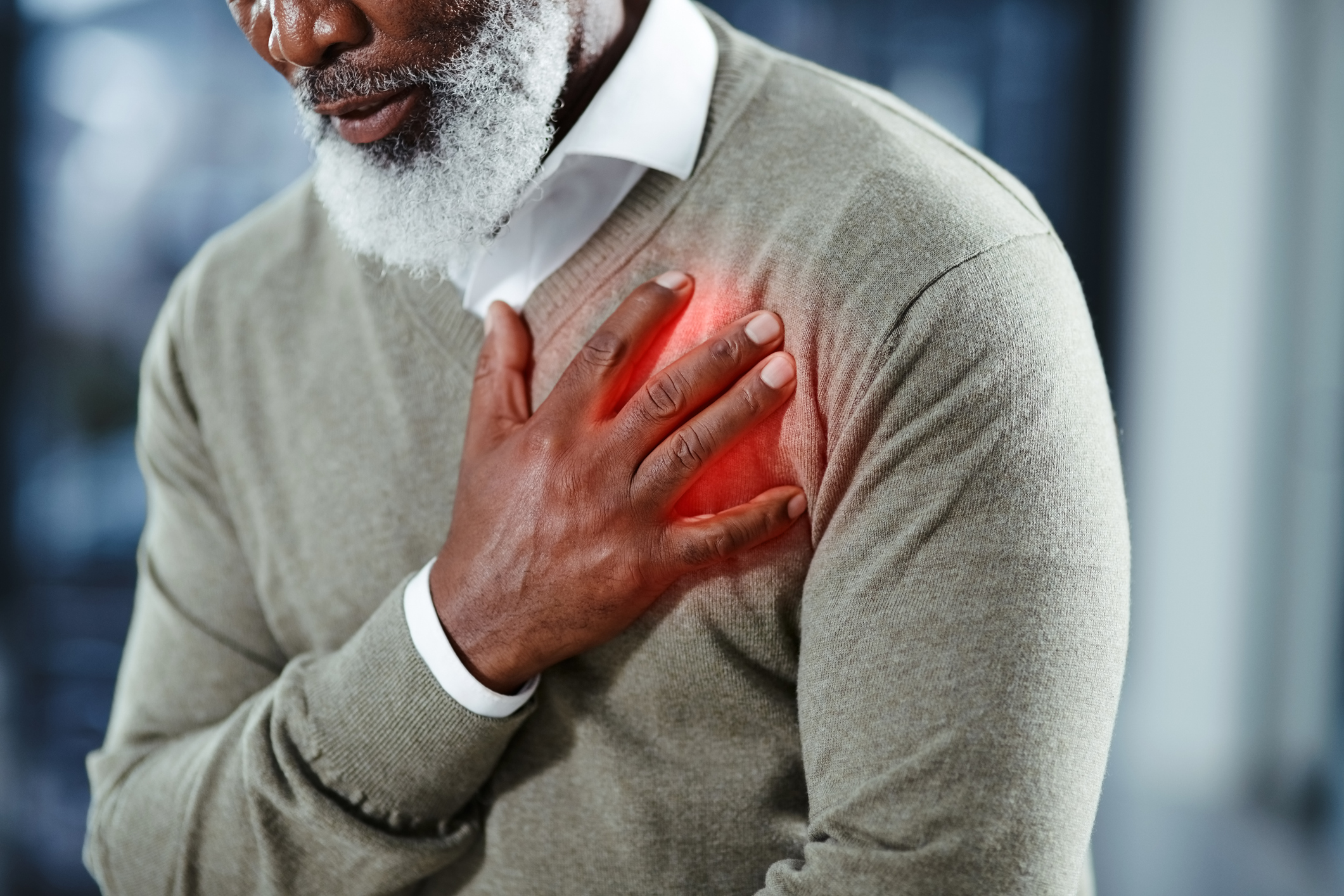
A Holter monitor is a small, wearable electrocardiogram (ECG) that records the heart’s electrical activity over 24 hours or longer while you’re away from your healthcare provider’s office.

A standard or resting ECG is one of the simplest and fastest tests to check the heart. Holter monitor tests may be done if a traditional electrocardiogram (ECG or EKG) doesn’t provide enough details about the heart’s condition. Some personal devices like smartwatches offer electrocardiogram monitoring. Ask your healthcare professional if this is an option for you.

Some reasons you might need to wear a Holter monitor or why your healthcare provider may ask you to wear one include:

  • To evaluate symptoms that may be heart-rhythm-related. Symptoms can include:
    • Chest pain
    • Tiredness
    • Shortness of breath
    • Dizziness
    • Fainting
  • To identify irregular heartbeats or palpitations
  • To assess your risk for future heart-related events in certain conditions. These conditions can include thickened heart walls or hypertrophic cardiomyopathy after a heart attack that causes weakness of the left side of the heart. This is called Wolff-Parkinson-White syndrome. In this syndrome, an abnormal electrical conduction pathway exists in the heart.
  • To see how well a pacemaker is working
  • To find out how well treatment is working for complex abnormal heart rhythms
  • To see how fast or slow your heart rate gets during the day and if you have any pauses in your heart rhythm

While you wear a Holter monitor, you can do most daily activities unless you have instructions to avoid certain things. You may be given a form to record your activities and any symptoms. It’s important to note if and when you have any of the following symptoms:

  • Pounding, fluttering, or skipped heartbeats
  • Shortness of breath
  • Chest pain
  • Lightheadedness

After the allotted time with the Holter monitor, your healthcare provider will review the test results and discuss them with you. Information from Holter monitor testing can show if you have a heart condition and if any medicines you currently take aren’t working.

If you didn’t have any irregular heartbeats while you wore the monitor, you may need to wear a wireless Holter monitor or an event recorder. These devices can be worn longer than a standard Holter monitor. Event recorders are similar to Holter monitors and require you to push a button when you feel symptoms. There are several different types of event recorders.

If you are experiencing any symptoms that may be heart-rhythm-related, you can schedule an appointment at Jamaica Hospital Medical Center’s Cardiology Department by calling (718) 206-7100. If you are experiencing an emergency, please call 911 right away.

All content of this newsletter is intended for general information purposes only and is not intended or implied to be a substitute for professional medical advice, diagnosis or treatment. Please consult a medical professional before adopting any of the suggestions on this page. You must never disregard professional medical advice or delay seeking medical treatment based upon any content of this newsletter. PROMPTLY CONSULT YOUR PHYSICIAN OR CALL 911 IF YOU BELIEVE YOU HAVE A MEDICAL EMERGENCY.

Endocrine disruptors

Endocrine disruptors are natural or man-made chemicals that may mimic or interfere with how the body’s hormones, which are part of the endocrine system, work. The endocrine system is a network of glands and organs that produce, store, and secrete hormones. These chemicals are linked to many health problems in both wildlife and people. Since endocrine-disrupting chemicals (EDCs) come from many different sources, people are exposed in several ways, including the air we breathe, the food we eat, and the water we drink. EDCs can also enter the body through the skin.

Endocrine disruptors can disrupt many different hormones, which is why they have been linked to numerous adverse human health outcomes, including:

  • Alterations in sperm quality and fertility
  • Abnormalities in sex organs
  • Endometriosis
  • Early puberty
  • Altered nervous system function
  • Immune function
  • Certain cancers
  • Respiratory and cardiovascular problems
  • Metabolic issues
  • Diabetes
  • Obesity
  • Growth
  • Neurological and learning disabilities

According to the Endocrine Society, there are nearly 85,000 human-made chemicals worldwide, and 1,000 or more of those could be endocrine disruptors based on their unique properties. The following chemicals are among the most common and well-studied:

  • Atrazine
  • Bisphenol A (BPA)
  • Dioxins
  • Perchlorate
  • Per- and poly-fluoroalkyl substances (PFAS)
  • Phthalates
  • Phytoestrogens
  • Polybrominated diphenyl ethers (PBDE)
  • Polychlorinated biphenyls (PCBs)
  • Triclosan

High EDC exposures during fetal development and childhood can have long-lasting health effects since there are periods where hormones regulate the formation and maturation of organs. Early-life exposures have been linked to developmental abnormalities and may increase the risk for various diseases later in life.

Many EDCs have been found to cross the placenta and become concentrated in the fetus’ circulatory system. Other EDCs can be transferred from mother to infant through breast milk.

Although evidence linking EDCs to adverse health outcomes grows, the cause-and-effect relationship is not yet fully understood. Generally, chronic high exposure poses the highest risk, however, a developing fetus or infant is more vulnerable to lower exposures.

Additionally, a person’s genetic predisposition to specific health conditions and additional environmental risk factors can modify how a person is affected by EDCs.

For more information about Jamaica Hospital’s endocrinology service, or to make an appointment, please call 718-206-7001.


All content of this newsletter is intended for general information purposes only and is not intended or implied to be a substitute for professional medical advice, diagnosis or treatment. Please consult a medical professional before adopting any of the suggestions on this page. You must never disregard professional medical advice or delay seeking medical treatment based upon any content of this newsletter. PROMPTLY CONSULT YOUR PHYSICIAN OR CALL 911 IF YOU BELIEVE YOU HAVE A MEDICAL EMERGENCY.

Walking Pneumonia in Children

Walking pneumonia is a mild form of pneumonia. Pneumonia is a lung infection that causes your airways to swell, and the air sacs in your lungs to fill with mucus and other fluids. It can also cause a high fever and a cough with mucus.

A cold lasting longer than seven to ten days, especially with a cough that gets worse over time is often a sign of walking pneumonia. Other symptoms may include:

· A fever of 101 degrees F or below

· Fatigue

· Headache, chills, sore throat, and other cold or flu-like symptoms

· Fast breathing or breathing with grunting or wheezing sounds

· Labored breathing that makes rib muscles retract

· Ear pain

· Chest or stomach pain

· Malaise or feeling of discomfort

· Vomiting

· Loss of appetite

· Rash

· Joint pain

Symptoms can come on suddenly or take longer to start. The symptoms are often mild, but can sometimes be more severe

Most children with walking pneumonia don’t feel sick enough to stay home, but even a child who feels fine should stay home for a few days until antibiotic treatment kicks in and symptoms improve

Walking pneumonia symptoms usually depend on where the infection is concentrated. A child with an infection in the top or middle part of the lungs will probably have labored breathing. A child with an infection in the lower part of the lungs may have no breathing problems but may have an upset stomach, nausea, or vomiting.

Walking pneumonia is often caused by bacteria called Mycoplasma pneumoniae. Other bacteria, viruses, or mold can also cause it.

Doctors usually diagnose walking pneumonia by performing an exam. They will check a child’s breathing and listen for a crackling sound that often indicates walking pneumonia. If needed, a chest x-ray or test of mucus samples from the child’s throat or nose will be ordered to confirm the diagnosis.

Walking pneumonia is treated with antibiotics because they are an effective treatment. A five to ten-day course of oral antibiotics is usually recommended. If your doctor prescribes antibiotics, make sure your child takes them on schedule for as long as directed to recover more quickly.

To schedule an appointment with a physician at Jamaica Hospital Medical Center, please call 718-206-7001.

All content of this newsletter is intended for general information purposes only and is not intended or implied to be a substitute for professional medical advice, diagnosis or treatment. Please consult a medical professional before adopting any of the suggestions on this page. You must never disregard professional medical advice or delay seeking medical treatment based upon any content of this newsletter. PROMPTLY CONSULT YOUR PHYSICIAN OR CALL 911 IF YOU BELIEVE YOU HAVE A MEDICAL EMERGENCY.

Water Retention

Water retention or edema occurs when fluid builds up in your tissues, often in your feet, legs, and ankles. It can also affect other body parts such as your face, hands, and abdomen. Edema can affect anyone, especially people who are pregnant and adults 65 and older.

Symptoms of edema include:

  • An area of your body is larger than it was the day before
  • The skin over the swollen area looks stretched and shiny
  • Difficulty walking if your legs, ankles, and feet swell
  • You have a cough or trouble breathing
  • You feel fullness or tightness in the swollen body part
  • You feel mild pain or a sore feeling in the affected area
  • Stiff joints
  • Weight fluctuations
  • Puffiness of the abdomen, face, and hips
  • Bloating

There are many causes associated with edema, including:

  • Standing or sitting for too long
  • Weakened valves
  • Underlying medical conditions
  • Side effects from medication
  • Poor nutrition
  • Pregnancy
  • Compromised immune system

Your healthcare provider will perform a physical examination to diagnose edema, followed by diagnostic tests to find the cause. They will look for swelling, especially on parts of your body where your skin has a shiny, stretched appearance.

Edema grading is a scale used to identify the severity of your edema diagnosis and estimate how much fluid built up in your tissues.

Treatment for edema varies based on the cause, especially if the cause relates to an underlying health condition. Examples of this include:

  • If lung disease causes edema, such as emphysema or chronic bronchitis, your healthcare provider will recommend you quit smoking.
  • If edema occurs with chronic heart failure, your healthcare provider will recommend lifestyle changes to treat your diagnosis by monitoring your weight, fluid intake, and salt intake. They may also recommend cutting back on the amount of alcohol you drink.
  • If edema is a side effect of a medication you are taking, your healthcare provider may stop or lower the dosage of your medication to resolve swelling. Do not stop taking your medication unless your healthcare provider tells you to.

There are a few steps you can take to keep fluid from building up in your body, including:

  • Keeping your legs elevated above the level of your heart when you are sitting or lying down.
  • Avoid sitting or standing for long periods without moving or going on short walks.
  • Wearing support socks, stockings, or sleeves, that put pressure on body parts to keep fluids from collecting there.
  • Reducing the amount of salt in your diet.
  • Following your doctor’s directions for taking medications. Your doctor may want you to take a diuretic to help you get rid of excess fluid.

If you are experiencing swollen legs, ankles, or feet, you can schedule an appointment with a doctor at Jamaica Hospital Medical Center by calling 718-206-7001.


All content of this newsletter is intended for general information purposes only and is not intended or implied to be a substitute for professional medical advice, diagnosis or treatment. Please consult a medical professional before adopting any of the suggestions on this page. You must never disregard professional medical advice or delay seeking medical treatment based upon any content of this newsletter. PROMPTLY CONSULT YOUR PHYSICIAN OR CALL 911 IF YOU BELIEVE YOU HAVE A MEDICAL EMERGENCY.

Home Remedies for a Runny Nose

A runny nose is caused by excess mucus production in your nasal passages. This leads to watery secretions that drip from your nose and sometimes down the back of your throat.

A runny nose can occur with or without nasal congestion. Nasal congestion is caused by inflammation of the lining of your nasal passages. Many things can cause a temporary runny nose, including:

  • Viruses
  • Cold weather
  • Sinusitis
  • Certain foods and drinks
  • Exercise
  • Medications

Some causes of long-lasting or recurring runny noses include:

  • Allergies
  • Hormones
  • Nasal polyps

If you don’t have any other symptoms, there are several ways to manage a runny nose at home with self-care options, including:

  • Drinking plenty of fluids
  • Drinking hot teas
  • Using a humidifier
  • Doing a facial steam
  • Taking a hot shower
  • Rinsing your nose with a neti pot
  • Applying a warm compress
  • Using a saline nasal spray
  • Taking over-the-counter medication
  • Getting plenty of rest
  • Eating spicy food

Many things can cause a runny nose, and it often doesn’t require treatment. However, if you frequently get one, it may be good to seek a medical opinion since chronic rhinitis can make life uncomfortable and lead to infections. You can talk with a physician by scheduling an appointment at Jamaica Hospital Medical Center’s Ambulatory Care Center by calling (718) 206-7001.


All content of this newsletter is intended for general information purposes only and is not intended or implied to be a substitute for professional medical advice, diagnosis or treatment. Please consult a medical professional before adopting any of the suggestions on this page. You must never disregard professional medical advice or delay seeking medical treatment based upon any content of this newsletter. PROMPTLY CONSULT YOUR PHYSICIAN OR CALL 911 IF YOU BELIEVE YOU HAVE A MEDICAL EMERGENCY.

Doomscrolling

Doomscrolling is when a person actively seeks out saddening or negative material to read or scroll through on social media or news media outlets.

Gaining prevalence in 2020, the idea behind doomscrolling is attempting to get access to all the information you need to keep yourself protected from what is dangerous around you. Unfortunately, you can become unable to tear yourself away from all the horrible headlines.

According to research, people with a high level of neuroticism (a general tendency toward negative emotions) may be more likely to engage in doomscrolling. Neuroticism is one of the big five personality traits, along with openness, conscientiousness, extraversion, and agreeableness.

Dr. Richard Mollica, a professor of psychiatry at Harvard Medical School says that women and people with a history of trauma are the two most vulnerable groups when it comes to doomscrolling.

Doomscrolling can reinforce negative thoughts and a negative mindset, something that can greatly impact your mental health. Research has linked consuming negative news to an increase in depression and anxiety and can also cause them to experience feelings of:

  • Apprehension
  • Sadness and anger
  • Uncertainty about the future

Some potential effects of doomscrolling include:

  • May worsen mental health issues
  • May lead to insomnia
  • Can contribute to “crazymaking” or “gaslighting”, a form of abuse that makes you feel off-balance mentally or emotionally by making you believe you’re crazy.

Here are some tips to help you stop doomscrolling:

  • Avoid catastrophizing by not letting your mind jump straight to the worst-case scenario.
  • Think about how you feel after doomscrolling
  • Keep your phone off your nightstand
  • Switch your phone to grayscale
  • Limit your screen time
  • Opt out of notifications
  • Don’t bring your phone to the dinner table
  • Focus on the now
  • Seek out positive news
  • Practice gratitude
  • Move your body
  • Disconnect
  • Ask for help

Embrace mindfulness and practice checking your phone consciously, not compulsively. If you need the assistance and support of a mental health professional at Jamaica Hospital Medical Center, please call 718-206-5575, to schedule an appointment.

All content of this newsletter is intended for general information purposes only and is not intended or implied to be a substitute for professional medical advice, diagnosis or treatment. Please consult a medical professional before adopting any of the suggestions on this page. You must never disregard professional medical advice or delay seeking medical treatment based upon any content of this newsletter. PROMPTLY CONSULT YOUR PHYSICIAN OR CALL 911 IF YOU BELIEVE YOU HAVE A MEDICAL EMERGENCY.

Employee Spotlight Shines on Radica Rampersuad

This month, we are proud to shine our Employee Spotlight on Radica Rampersaud, a Registered Respiratory Therapist (RRT) at Jamaica Hospital Medical Center. She has been a member of our team  for 21 years.

Radica is a native of Guyana, South America where her  early education took place. She attended elementary school at Mibikuri South, Corentyne, Berbice, Manchester Secondary School, and graduated from Guyana School of Agriculture. In 1995, she moved to New York where she first lived in the Cypress Hills section of Brooklyn, and later on moved to Ozone Park, where she currently resides.  Attending college in New York was a challenge for her  because she was raising two small children and working 30 hours a week as a cashier in a supermarket, all while studying for her degree.  Radica accomplished her goal and received her Associate Degree in Respiratory Therapy from the Borough of Manhattan Community College.

Radica is very family oriented. She has two daughters of whom she is very proud,  both of whom volunteered at Jamaica Hospital and now both  work in the healthcare field. One daughter is a clinical pharmacist and the other is a physician assistant in orthopedic surgery. She is grateful to her husband for all of his support through the years.  Her  dog Aurora and her cat named Grey are also part of her family.

In her free time, Radica enjoys online shopping, cooking and spending time with family. She also likes to go to movies and restaurants. Her favorite types of food are West Indian, Thai and Mexican. Her favorite types of music are Bollywood and Chutney. Radica enjoys traveling, especially to Europe and Asia. Dubai is one of the places that holds special interest for her and she plans on traveling to Japan soon with family.  The sports that she enjoys watching are cricket and soccer.

Radica takes pride in making a difference in the community. This is something that she accomplishes through providing exceptional healthcare to her patients along with other members of the hospital staff. Radica enjoys being able to teach respiratory therapy students, and working closely with doctors and nurses in a team approach to caring for patients. In 2022,  she received a proclamation from the New York State Senate for being an Outstanding Woman in Healthcare on the occasion of Women’s History Month.  We are very fortunate to have Radica as a member of our Jamaica Hospital team and we look forward to having her continue working with us for many more years into the future.

All content of this newsletter is intended for general information purposes only and is not intended or implied to be a substitute for professional medical advice, diagnosis or treatment. Please consult a medical professional before adopting any of the suggestions on this page. You must never disregard professional medical advice or delay seeking medical treatment based upon any content of this newsletter. PROMPTLY CONSULT YOUR PHYSICIAN OR CALL 911 IF YOU BELIEVE YOU HAVE A MEDICAL EMERGENCY.