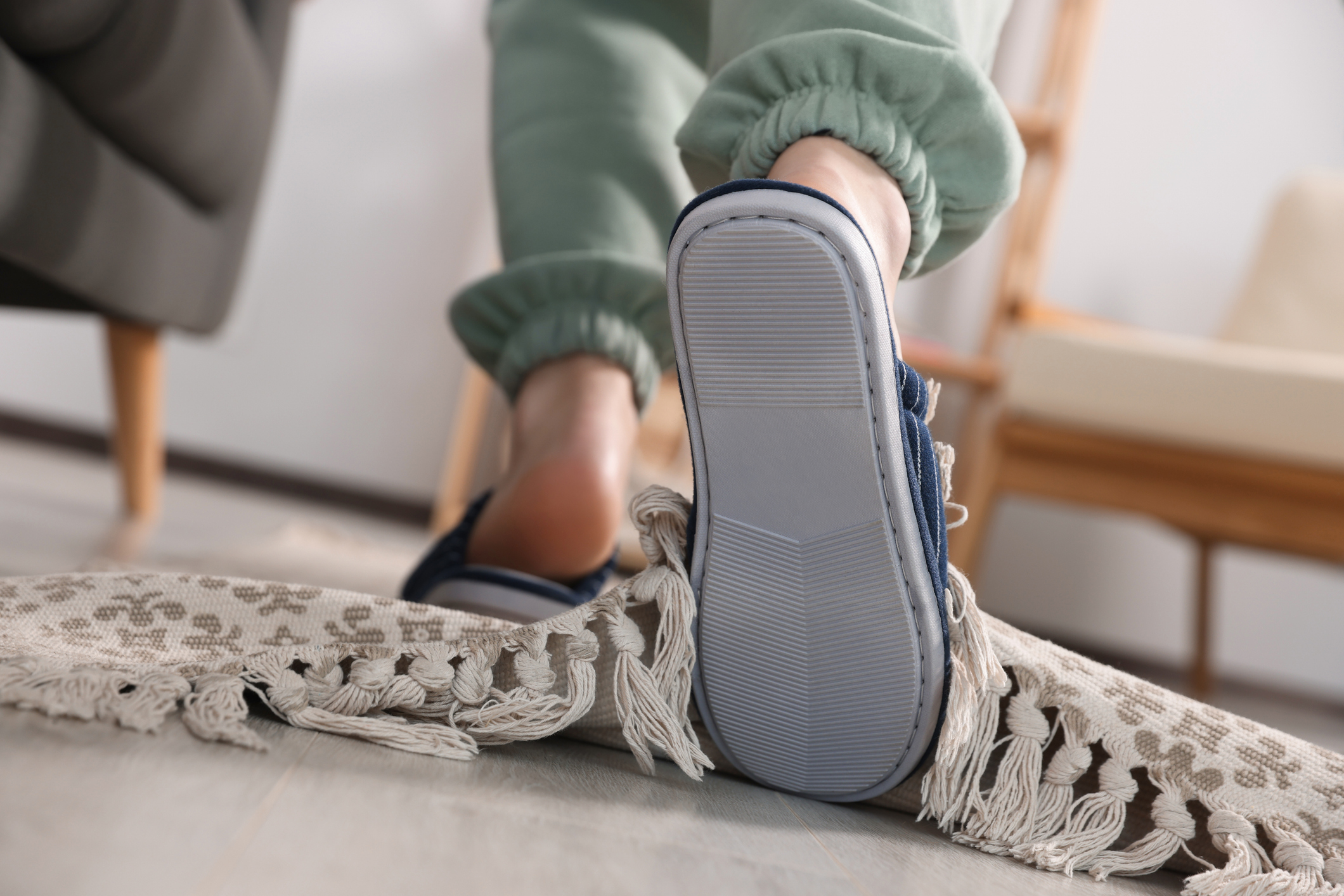
How Can Mold Impact Your Health?

Mold growth is a common issue in many homes, and one that can cause a variety of medical problems. Many of the potential physical responses to mold exposure, such as a stuffy nose, sneezing, and red, itchy eyes, may occur more strongly in people who are allergic to mold or who have asthma. In some cases, severe reactions such as fever or shortness of breath can occur.

Mold is typically found in moist areas, such as parts of your home that have experienced flooding or leaks from your roof, windows, or pipes. It’s most likely to grow on wood-based products such as paper or cardboard, as well as some ceiling or floor tiles. Other materials that mold can grow on include:

  • Paint
  • Drywall
  • Carpet
  • Fabric
  • Insulation
  • Upholstery

You can often identify mold by its sight and smell. It often produces a musty odor and appears as one or more patches that are slimy, fuzzy, and/or discolored; these patches grow larger over time. Mold may also grow in places that are not easy to see, such as behind or under furniture, as well as inside pipes or walls. You can look for areas of your home where mold is most likely to grow by looking for signs of water stains or warping due to water damage.

If you notice signs of a mold problem in your home, make sure to identify the source of any water leakage and correct it, as well as discard any items with extensive mold growth or water damage that can’t be thoroughly cleaned and dried. Small areas of mold growth can be cleaned with soap and water, but for large-scale mold problems, it may be best to hire a licensed contractor to correct the issue.

If you are experiencing medical problems due to mold exposure, you can receive treatment at Jamaica Hospital Medical Center’s Ambulatory Care Center. To schedule an appointment, please call (718) 206-7001.

All content of this newsletter is intended for general information purposes only and is not intended or implied to be a substitute for professional medical advice, diagnosis or treatment. Please consult a medical professional before adopting any of the suggestions on this page. You must never disregard professional medical advice or delay seeking medical treatment based upon any content of this newsletter. PROMPTLY CONSULT YOUR PHYSICIAN OR CALL 911 IF YOU BELIEVE YOU HAVE A MEDICAL EMERGENCY.


Halloween 2023 Safety Tips

Halloween is a family-favorite holiday full of spooky fun and lots of candy.  However, it can also present many opportunities for injury as kids take to the streets in pursuit of trick-or-treat goodies.

Statistics show that roughly four times as many children between the ages of five and 14 are killed while walking on Halloween evening compared to other evenings of the year. Injuries due to falls and other accidents are also common among children on Halloween.

Parents can help minimize the risk of children getting injured on this holiday by following these safety tips from the American Academy of Pediatrics, the Centers for Disease Control and Prevention, and the National Safety Council.

On Halloween, children should:

  • Go only to well-lit houses.
  • Remain on porches without actually entering a house.
  • Travel in small groups accompanied by an adult.
  • Use flexible, non-sharp plastic props for costume pieces such as knives and swords.
  • When walking through neighborhoods trick-or-treating, use flashlights, stay on sidewalks, and avoid crossing yards.
  • Cross at appropriately-designated crosswalks and do not cross between parked cars.
  • Be sure to stop at all corners and stay together in a group before crossing.
  • Wear clothing or costumes that are bright, reflective, and flame-retardant.
  • Consider using face paint instead of masks that can obstruct a child’s vision.
  • Avoid wearing hats that will slide over children’s eyes.
  • Avoid wearing long, baggy, or loose costumes or oversized shoes that may cause kids to trip.
  • Be reminded to look left, right, and left again before crossing a street.

On Halloween, parents and adults should:

  • Supervise trick-or-treating for children under the age of 12.
  • Avoid giving choking hazards such as gum, peanuts, hard candies, or small toys as treats to young children.
  • Ensure the safety of pedestrian trick-or-treaters.
  • Make sure children under the age of 10 are supervised as they cross the street.
  • Drive slowly.
  • Watch for children in the street and on medians.
  • Exit driveways and alleyways slowly and carefully.
  • Have children get out of cars on the side of the sidewalk, not the street.

Follow these tips to keep both your children and yourself safe this year. Have a happy and fun Halloween!

All content of this newsletter is intended for general information purposes only and is not intended or implied to be a substitute for professional medical advice, diagnosis or treatment. Please consult a medical professional before adopting any of the suggestions on this page. You must never disregard professional medical advice or delay seeking medical treatment based upon any content of this newsletter. PROMPTLY CONSULT YOUR PHYSICIAN OR CALL 911 IF YOU BELIEVE YOU HAVE A MEDICAL EMERGENCY.

Things to Consider Before Doing a Colon Cleanse

History shows that colon cleanses date back thousands of years to ancient Greece. The theory of performing colon cleansing is to help remove toxins from the body which may be accumulating in the colon and can’t be expelled on their own.

Some of the conditions people believe are helped by doing a colon cleanse are fatigue, weight gain, low energy, and headaches.

Some of the potential risks of doing a colon cleanse include:

  • Dehydration
  • Mineral imbalance
  • Bowel perforation
  • Infection
  • Kidney failure
  • Nausea
  • Cramps
  • Bacterial imbalance

Some people should be extra cautious about having colon cleanses or might want to avoid them completely. These include people with the following conditions:

  • Diverticulitis
  • Crohn’s disease
  • Hemorrhoids
  • Rectal tumors
  • Heart disease
  • Ulcerative colitis
  • Tumors in the colon

Colon cleanses should only be done by a professional and only after consulting with a physician first. If you would like to make an appointment with a physician at Jamaica Hospital Medical Center please call 718-206-7001.

All content of this newsletter is intended for general information purposes only and is not intended or implied to be a substitute for professional medical advice, diagnosis or treatment. Please consult a medical professional before adopting any of the suggestions on this page. You must never disregard professional medical advice or delay seeking medical treatment based upon any content of this newsletter. PROMPTLY CONSULT YOUR PHYSICIAN OR CALL 911 IF YOU BELIEVE YOU HAVE A MEDICAL EMERGENCY.
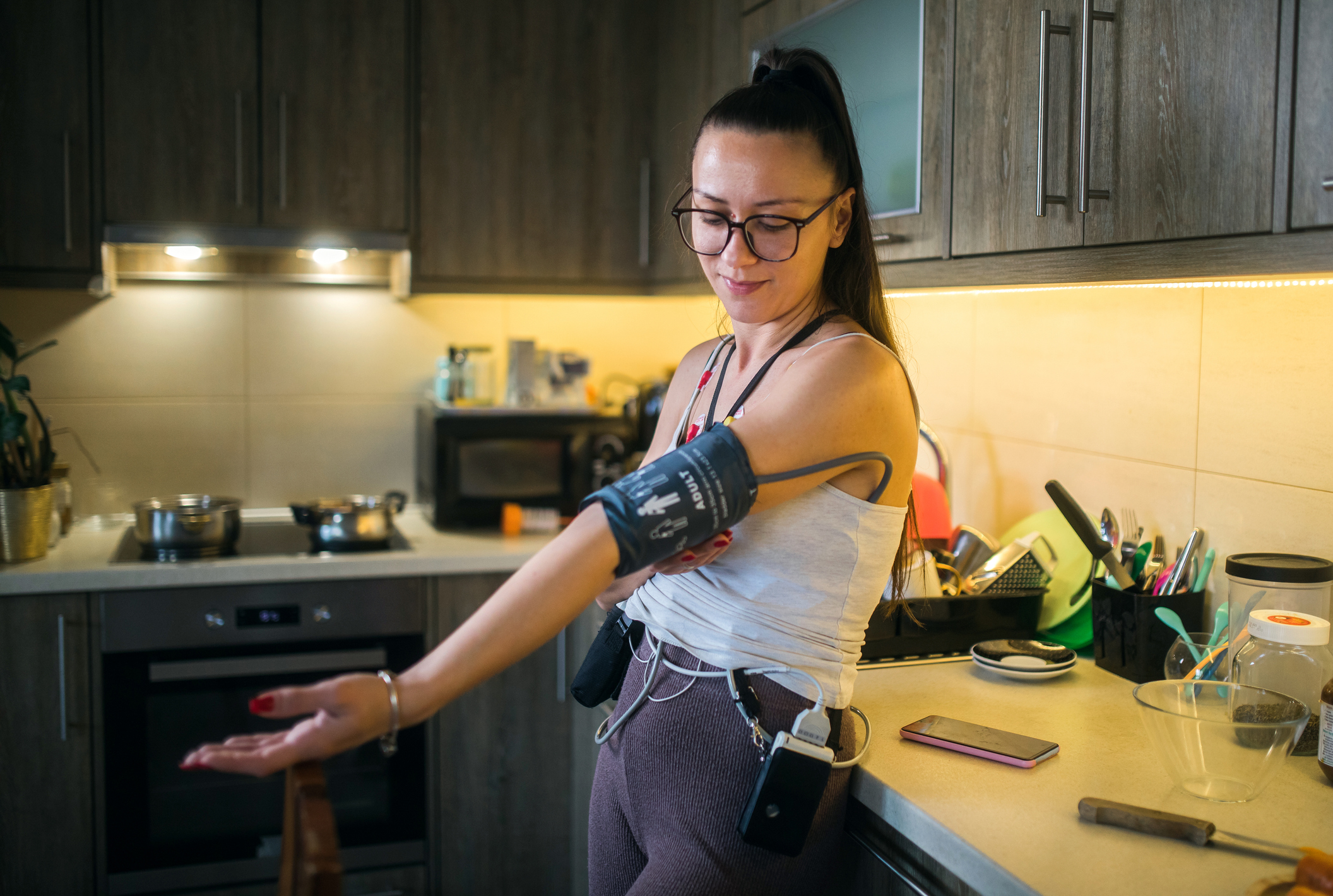
3 Health Benefits of Olive Oil

Olive oil is used in a wide variety of meals, including everything from salads to pasta dinners and sautéed dishes. Although it is calorie-dense, containing approximately 120 calories per tablespoon on average, olive oil is considered a healthy fat. It is included as a staple component in diets such as the Mediterranean diet, which has been indicated through research to promote weight loss and help prevent serious health problems such as heart attacks, stroke, and type 2 diabetes.

Even on its own, olive oil provides several significant health benefits. Some of these include:

Anti-inflammatory properties: Chronic inflammation is associated with numerous conditions, including cancer, heart disease, type 2 diabetes, Alzheimer’s, and arthritis. Olive oil contains a substantial volume of antioxidants, which can effectively help to fight inflammation in the body. Some of these antioxidants include oleocanthal, which can produce an effect similar to a small percentage of an adult dose of ibuprofen, and oleic acid, the main fatty acid contained in olive oil.

Cholesterol control: Olive oil is also capable of preventing low-density lipoprotein (LDL) cholesterol, also known as “bad” cholesterol, from oxidizing. Oxidized cholesterol can lead to atherosclerosis, which refers to the buildup of cholesterol along artery walls. Atherosclerosis is a significant risk factor for heart disease, stroke, and blood clots.

Antibacterial effects: There are a significant number of nutrients contained in olive oil that can kill harmful bacteria, particularly Helicobacter pylori, which lives in the stomach and can cause ulcers and cancer.

To get the full benefit of these effects, you’ll need to make sure you’re buying extra virgin olive oil, which retains more of the properties and compounds contained in olives than more refined types of olive oil. Even if the label on a bottle of olive oil says “extra virgin,” it may not necessarily be correct; check the ingredient list to make sure it doesn’t contain any other refined oils.

If you’re looking to make healthy adjustments to your diet to prevent chronic disease or other health problems, you can get professional guidance from a registered dietician at Jamaica Hospital Medical Center. To schedule an appointment, please call (718) 206-7001.

All content of this newsletter is intended for general information purposes only and is not intended or implied to be a substitute for professional medical advice, diagnosis or treatment. Please consult a medical professional before adopting any of the suggestions on this page. You must never disregard professional medical advice or delay seeking medical treatment based upon any content of this newsletter. PROMPTLY CONSULT YOUR PHYSICIAN OR CALL 911 IF YOU BELIEVE YOU HAVE A MEDICAL EMERGENCY.
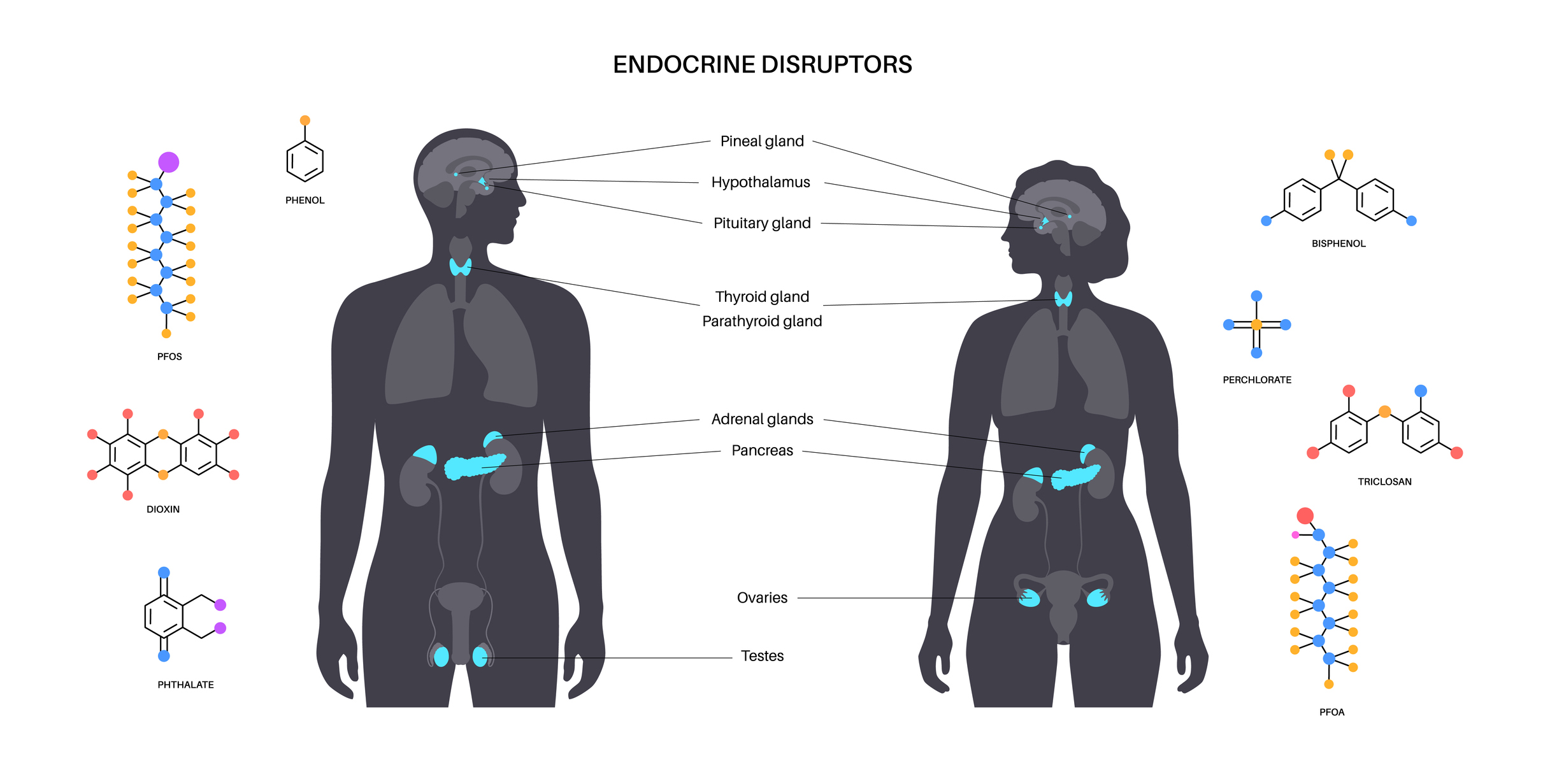
Men’s Health Awareness Month

Men face a heightened risk of certain medical problems, such as heart disease, diabetes, and cancer, making certain medical screenings particularly important for identifying these conditions early and treating them effectively.

The types of screenings you require may change or become broader as you age and your health changes. Some of the most important screenings include:

Blood pressure screening: Even if you have no medical history of (or risk factors for) high or low blood pressure, you should receive a screening once every three to five years. However, if you do have a history of abnormal blood pressure, have an immediate family member with high blood pressure, or are Black, you should receive a screening once per year. Other risk factors that warrant an annual blood pressure screening include:

  • Diabetes
  • Heart disease
  • Kidney problems
  • Obesity

Cholesterol screening: If you have no known risk factors for coronary heart disease, men should receive a cholesterol screening every five years starting at the age of 45. Men who do have risk factors for coronary heart disease should receive them starting at the age of 20. If you have abnormally high cholesterol levels, diabetes, heart disease, or kidney problems, you should be screened more frequently.

Diabetes screening: Men without any risk factors for diabetes should receive screenings every three years starting at the age of 35. However, these screenings should begin earlier or be conducted more frequently if you:

  • Have an immediate relative with diabetes
  • Are overweight or obese
  • Have high blood pressure, prediabetes, or a medical history of heart disease

Cancer screenings: According to the National Cancer Institute, prostate, lung, and colorectal cancers accounted for approximately 43% of cancer diagnoses in men; additionally, the mortality rate of cancer is higher among men than women. Some of the most important cancer screenings men should receive include:

  • Prostate cancer
  • Lung cancer
  • Colorectal cancer
  • Bladder cancer
  • Melanoma

Physical exam: Regular general check-ups with your doctor are important, even for men who seem to be in perfect health. These visits can help you identify signs of underlying medical problems or risk factors for future issues.

You can receive all of these medical screenings at Jamaica Hospital Medical Center’s Ambulatory Care Center. To schedule an appointment, please call (718) 206-7001.

All content of this newsletter is intended for general information purposes only and is not intended or implied to be a substitute for professional medical advice, diagnosis or treatment. Please consult a medical professional before adopting any of the suggestions on this page. You must never disregard professional medical advice or delay seeking medical treatment based upon any content of this newsletter. PROMPTLY CONSULT YOUR PHYSICIAN OR CALL 911 IF YOU BELIEVE YOU HAVE A MEDICAL EMERGENCY.

How to Tell the Difference Between Allergies and a Cold

Seasonal allergies and colds can lead to a variety of similar symptoms, such as sneezing or a runny nose. However, it’s important to be able to tell the difference between both conditions to ensure that you’re getting appropriate medical treatment and to determine whether the people around you may be at risk of getting sick.

Colds and allergies are caused by different factors; as a result, they generally require different types of medication for effective treatment. Colds, which are viral, can be treated with pain relievers, antiviral medication, and rest. Allergies, which are immune system responses to certain substances, are best treated with antihistamines and nasal steroid sprays. Some medication, such as decongestants, can be helpful for both colds and allergies.

Colds and allergies can also lead to different symptoms. For example, allergies are more likely than colds to lead to eye irritation and itchiness. On the other hand, a fever, as well as general aches and pains throughout the body, can both occur due to a cold; however, they will almost never occur because of an allergy. A cold is also more likely to cause:

  • Sore throat
  • Coughing
  • Chest discomfort

Allergies and colds also differ in terms of how long symptoms may take to resolve. The symptoms of a cold typically last up to a week. Symptoms of an allergy, however, could take weeks to resolve. This is due, in part, to exposure to allergens; if you have a seasonal allergy to a substance such as pollen, for example, it may be difficult to avoid exposure during the course of your daily activities until the end of the season.

You can receive an accurate diagnosis and effective treatment for either seasonal allergies or colds at Jamaica Hospital Medical Center’s Ambulatory Care Center. To schedule an appointment, please call (718) 206-7001.

All content of this newsletter is intended for general information purposes only and is not intended or implied to be a substitute for professional medical advice, diagnosis or treatment. Please consult a medical professional before adopting any of the suggestions on this page. You must never disregard professional medical advice or delay seeking medical treatment based upon any content of this newsletter. PROMPTLY CONSULT YOUR PHYSICIAN OR CALL 911 IF YOU BELIEVE YOU HAVE A MEDICAL EMERGENCY.
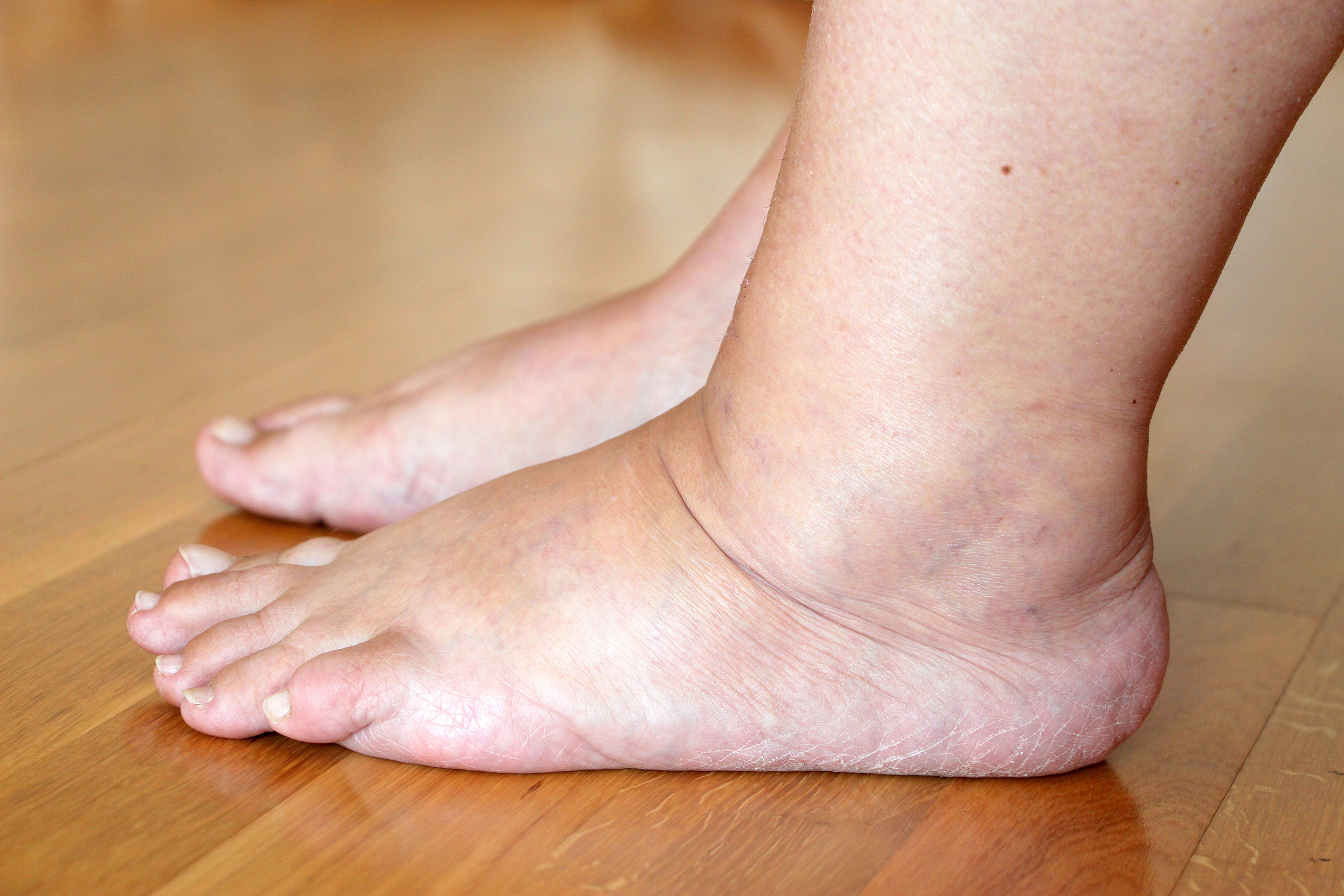
Protecting Yourself From Wildfire Smoke and Poor Air Quality

Ongoing wildfires in Canada have brought significant amounts of smoke to New York City, resulting in record levels of air pollution. This smoke presents a variety of health hazards, particularly for certain at-risk groups. However, it is important to note that high levels of smoke can affect anyone, even people who are otherwise healthy.

Wildfire smoke in particular includes a mixture of gases and fine particles that can cause coughing, sneezing, eye and sinus irritation, and shortness of breath. In people with certain medical conditions, exposure to smoke may cause symptoms of those conditions to worsen. People who are at the highest risk include:

  • People with lung diseases such as COPD or asthma
  • People with cardiovascular disease
  • Older adults and children
  • Expectant mothers

Anyone who may be exposed to smoke should take effective measures to protect themselves. The Centers for Disease Control and Prevention (CDC) recommend that you:

Reduce smoke exposure as much as possible: You should minimize the amount of time you spend outdoors for as long as poor air quality alerts due to the smoke remain in effect. While inside, keep all doors and windows closed; if possible, use an air purifier or make sure your air conditioner has high efficiency filters that can prevent fine particles from entering your home.

Wear a mask: If you must go outside while air quality alerts remain in effect, make sure to wear a mask. N95 respirators are ideal, as these offer the highest level of protection against airborne particles.

Consult your doctor: If you are at heightened risk of adverse health effects due to smoke, talk to your doctor about what you should do if your symptoms worsen and about any medication you should have on hand to manage them.

If you experience smoke-related medical problems, contact your doctor as soon as possible. If a medical emergency occurs, please dial 911 immediately.

All content of this newsletter is intended for general information purposes only and is not intended or implied to be a substitute for professional medical advice, diagnosis or treatment. Please consult a medical professional before adopting any of the suggestions on this page. You must never disregard professional medical advice or delay seeking medical treatment based upon any content of this newsletter. PROMPTLY CONSULT YOUR PHYSICIAN OR CALL 911 IF YOU BELIEVE YOU HAVE A MEDICAL EMERGENCY.

Tips To Encourage Family Fitness

Making fitness a priority in your family can provide several health benefits for your loved ones. Exercising regularly as a group can help family members maintain a healthy weight, improve concentration and focus, strengthen bones and muscles, improve coordination and flexibility, and most importantly allow for quality time spent together.

Exercise is an activity that the entire family can enjoy.  Workouts do not need to be intense to reap the benefits. Here are some ideas for activities that could be enjoyable for everyone:

  • Hiking
  • Riding bicycles
  • Playing a game of tag
  • Gardening
  • Walking
  • Dancing
  • Playing volleyball
  • Skating/Rollerblading
  • Swimming
  • Building a snow fort or snowman

One of the ways you can keep your family motivated to participate in these activities is by creating challenges during which you can track progress and offer incentives.  You may also participate in activities that support causes, such as charity walks; exercising for a good cause can be very rewarding.

Making fitness a part of your family’s routine is very important.  Experts recommend setting aside at least 30 minutes, three times a week for physical activities. Don’t forget to keep it simple. The goal is to have fun and stay healthy together.

All content of this newsletter is intended for general information purposes only and is not intended or implied to be a substitute for professional medical advice, diagnosis or treatment. Please consult a medical professional before adopting any of the suggestions on this page. You must never disregard professional medical advice or delay seeking medical treatment based upon any content of this newsletter. PROMPTLY CONSULT YOUR PHYSICIAN OR CALL 911 IF YOU BELIEVE YOU HAVE A MEDICAL EMERGENCY.
What is Neuropathic Pain?

Neuropathic pain occurs when your body sends pain signals to your brain, triggering a shooting or burning sensation as well as potential numbness. People who experience neuropathic pain may also have trouble sleeping due to their symptoms, potentially resulting in additional issues such as emotional problems. Symptoms can present in several different ways, including:

Allodynia: This form of neuropathic pain is triggered in response to typically non-painful stimuli, such as gentle pressure or cold temperatures.

Hyperalgesia: Some people who experience neuropathic pain may feel a greater-than-average reaction to normally painful stimuli, such as the prick of a needle.

Hypoalgesia: Unlike hyperalgesia, this type of neuropathic pain causes the opposite reaction, resulting in reduced pain in response to typically painful stimuli.

Spontaneous pain: This type of neuropathic pain occurs without any stimuli.

Dyesthesia: This symptom can occur either spontaneously or in response to an external stimulus, resulting in an abnormal sensation.

Neuropathic pain is typically chronic, as it is most often the result of long-term conditions such as diabetes, central nervous system disorders such as multiple sclerosis, or injuries that result in nerve damage. However, acute neuropathic pain can also occur in some cases.

Neuropathic pain is treated with the goal of resolving the underlying cause of your symptoms while providing you with relief and maintaining your normal functionality. This can involve a variety of treatment approaches, including medication, physical and psychiatric therapy, and potentially surgery.

One effective approach to relieving neuropathic pain is through nerve blocks, which are injections of steroids, anesthetics, or other medicines into the affected nerves. These injections are performed by pain management specialists from a wide range of clinical backgrounds, including neurology, orthopedics, and physical therapy, who can determine whether this treatment is right for you based on your symptoms and medical history.

You can receive pain management treatments such as nerve blocks at Jamaica Hospital Medical Center. To schedule an appointment with a pain specialist, please call (718) 206-7246.

All content of this newsletter is intended for general information purposes only and is not intended or implied to be a substitute for professional medical advice, diagnosis or treatment. Please consult a medical professional before adopting any of the suggestions on this page. You must never disregard professional medical advice or delay seeking medical treatment based upon any content of this newsletter. PROMPTLY CONSULT YOUR PHYSICIAN OR CALL 911 IF YOU BELIEVE YOU HAVE A MEDICAL EMERGENCY.

Can Exercise Relieve Nasal Congestion?

Mild to moderate physical exercise can temporarily relieve nasal congestion. A runny nose often occurs because of irritation in your nasal passages. This can occur due to a variety of causes, including sinus infections, airborne substances such as smoke or strong perfumes, and allergies.

Exercises such as push-ups can provide quick relief by opening your nasal passages and reducing inflammation that may be affecting them. However, this may not be the best approach in all cases.

Relieving nasal congestion through light exercise can be helpful when your symptoms are not severe and are limited to your nose, throat, or other parts of your head. However, if you’re experiencing symptoms that are worse or occurring in other parts of your body, such as a fever, fatigue, chest congestion, or muscle aches, it may be best to rest and avoid unnecessary exertion.

Additionally, physical exercise may even be a contributing factor to your nasal congestion in certain cases. If you have asthma, for example, your congestion may be a result of exercise-induced asthma, which causes your airways to constrict in response to hard physical activity.

Before exercising with nasal congestion or a cold, you should talk to an ear, nose, and throat doctor (ENT), also known as an otolaryngologist, to determine the cause of your congestion and whether physical exercise may help or harm your symptoms. An otolaryngologist can also prescribe decongestant medication or recommend alternative methods of relieving your congestion that may be safer for you, such as:

  • Using a humidifier
  • Taking a hot shower
  • Drinking more water throughout the day
  • Applying a warm compress to your face

If you’re experiencing nasal congestion, you can find an otolaryngologist at Jamaica Hospital Medical Center. To schedule an appointment, please call (718) 206-7110.

All content of this newsletter is intended for general information purposes only and is not intended or implied to be a substitute for professional medical advice, diagnosis or treatment. Please consult a medical professional before adopting any of the suggestions on this page. You must never disregard professional medical advice or delay seeking medical treatment based upon any content of this newsletter. PROMPTLY CONSULT YOUR PHYSICIAN OR CALL 911 IF YOU BELIEVE YOU HAVE A MEDICAL EMERGENCY.