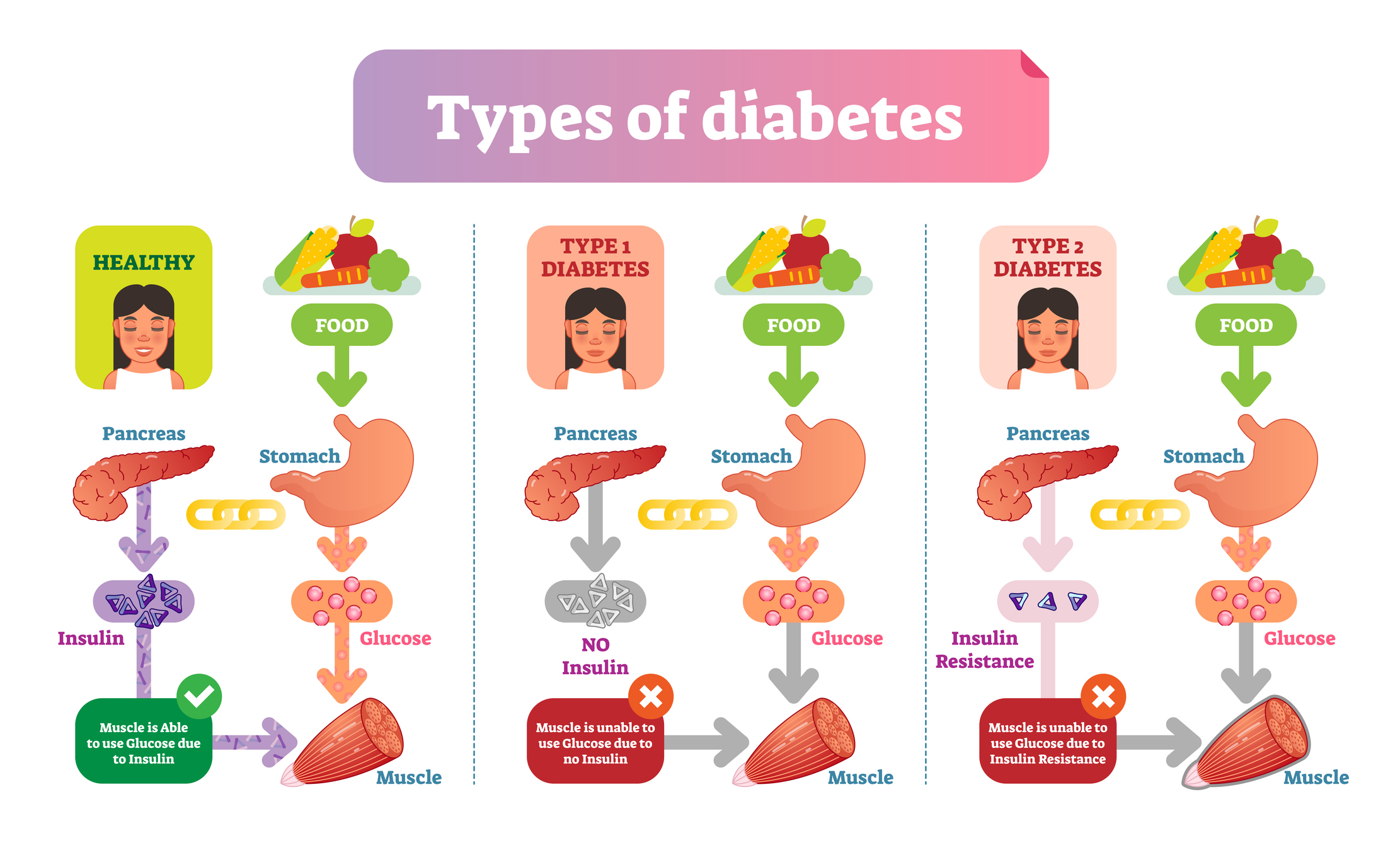
How to Increase Your Stamina

Stamina is the ability to sustain prolonged physical or mental effort.

Physical stamina is the ability to put in the maximum amount of effort during a physical activity, over some time while maintaining optimal performance.

Low stamina can negatively impact a person’s overall quality of life. Low physical stamina is associated with:

  • Poor athletic performance
  • Fatigue
  • Weight gain
  • Decreased sex drive
  • Erectile dysfunction
  • Difficulty sleeping

High physical stamina can lead to:

  • Increased energy levels
  • Improved cardiovascular health
  • Better sleep
  • Higher sex drive
  • Improved athletic performance

An effective way to build up physical stamina is by doing aerobic exercises and high-intensity interval training (HIIT).

Mental stamina, sometimes called mental toughness, is the ability to handle life’s stresses, perform well under pressure, and maintain focus despite distractions.

Mental stamina has multiple components that can be referred to as the four C’s of mental toughness including:

  • Control: feeling like you are in control of your life, circumstances, and emotions.
  • Commitment: sticking with your goals even when it gets difficult.
  • Challenge: viewing potential threats to your success as opportunities instead.
  • Confidence: believing in yourself and your ability to succeed.

Low mental stamina is associated with:

  • Difficulty with daily tasks
  • Depression
  • Increased stress levels
  • Decreased attention span
  • Irritability

High mental stamina can lead to:

  • Increased attention span
  • Improved ability to focus on a task
  • Decreased stress levels
  • Increase in productivity

There are several ways to build mental stamina, including:

  • Setting “S.M.A.R.T.” goals- increase mental stamina by setting specific, measurable, action-oriented, realistic, and time-efficient goals.
  • Find your motivation- focus on “why” you are working on a particular task to help motivate you to keep going.
  • Seek outside support- find people who will support you as you pursue your goals, such as a coach or other people who are pursuing similar goals.
  • Be positive- maintain a positive attitude about your progress and visualize yourself achieving your goal.
  • Stay focused- mental stamina depends on your ability to pay attention to a task for an extended amount of time.
  • Be aware of your environment- remove potential distractions from your environment when working on tasks to help build mental stamina.
  • Practice stress management techniques- reducing stress can improve mental stamina. Techniques such as mindfulness, stress therapy, and diaphragmatic breathing can be helpful.

Remember stamina can be built up, whether it’s physical or mental.

If you are experiencing any medical problems while exercising, you can schedule an appointment with a neurologist at Jamaica Hospital Medical Center’s Ambulatory Care Center, please call (718) 206-7001.

All content of this newsletter is intended for general information purposes only and is not intended or implied to be a substitute for professional medical advice, diagnosis or treatment. Please consult a medical professional before adopting any of the suggestions on this page. You must never disregard professional medical advice or delay seeking medical treatment based upon any content of this newsletter. PROMPTLY CONSULT YOUR PHYSICIAN OR CALL 911 IF YOU BELIEVE YOU HAVE A MEDICAL EMERGENCY.


Listeria, What You Should Know

There have been products such as deli meats, vegetables, dips and salsas, and plant-based milk recalled due to a recent listeria outbreak.

Listeria or Listeria monocytogenes, is a species of pathogenic or disease-causing bacteria found in moist environments, soil, water, decaying vegetation, and animal feces. It can survive and even grow under refrigeration and other food preservation measures. 

Most people encounter listeria or listeriosis as a foodborne illness as it can be found in hot dogs, deli meats, fresh vegetables, fresh fruits especially melons, and unpasteurized dairy products. These foods have the highest risk of listeria contamination. However, any food that is improperly handled or prepared can be affected. 

The listeria bacteria is unique compared to other types of bacteria because it survives and multiplies in low temperatures, including refrigerators and freezers. It can multiply to dangerous levels during storage. It also doesn’t change the smell, taste, or texture when it contaminates food like other bacteria.

Most people get listeriosis from eating contaminated foods. The listeriosis incubation period (the time between when you first get infected and when you first show symptoms) varies. It usually takes one to two weeks. But it can be as short as a couple of days or as long as three months.

The symptoms of a listeria infection include:

  • Fever
  • Chills
  • Muscle aches
  • Nausea
  • Diarrhea

If the listeria infection spreads to your nervous system, symptoms may include:

  • Headache 
  • Stiff neck
  • Confusion or changes in alertness
  • Loss of balance
  • Convulsions

Those at risk of severe infection from listeria include:

  • Pregnant women
  • People older than 65 years old
  • People with weakened immune systems 
  • People suffering from chronic diseases

A blood test is often the most effective way to determine whether you have a listeria infection. Samples of urine and spinal fluid may also be tested. 

The treatment of listeria infection varies depending on the severity of the signs and symptoms. Most people with mild symptoms require no treatment at all. More serious listeria infections can be treated with antibiotics.

Some ways to prevent a listeria infection include:

1) Keeping things clean- wash your hands thoroughly with warm, soapy water before and after handling or preparing food. After cooking, use hot, soapy water to wash the utensils, cutting boards, and other food preparation services.

2) Scrub raw vegetables- clean raw vegetables with a scrub brush or vegetable brush under plenty of running water.

3) Cook your food thoroughly- Use a food thermometer to make sure your meat, poultry, and egg dishes are cooked to a safe temperature. 

If you or someone you know is experiencing symptoms of a listeria infection you can see a gastroenterologist at Jamaica Hospital Medical Center’s Ambulatory Care Center. To schedule an appointment, please call (718) 206-7001. If you or someone you are with are experiencing an emergency, call 911 immediately.

All content of this newsletter is intended for general information purposes only and is not intended or implied to be a substitute for professional medical advice, diagnosis or treatment. Please consult a medical professional before adopting any of the suggestions on this page. You must never disregard professional medical advice or delay seeking medical treatment based upon any content of this newsletter. PROMPTLY CONSULT YOUR PHYSICIAN OR CALL 911 IF YOU BELIEVE YOU HAVE A MEDICAL EMERGENCY.
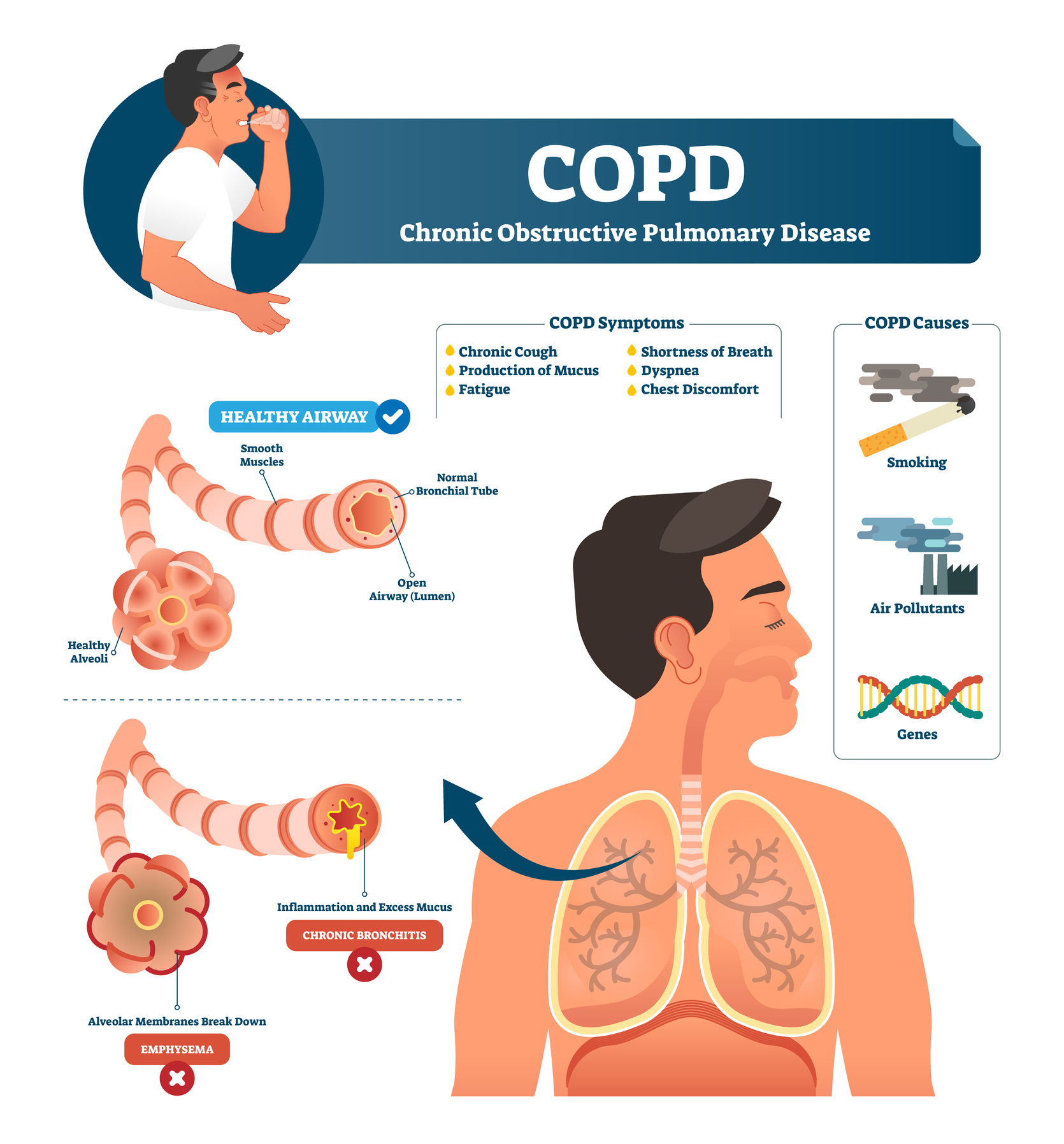
Gastroparesis Awareness Month

August is Gastroparesis Awareness Month. Gastroparesis is a condition that affects the normal spontaneous movement of the muscles or motility in your stomach.

There are many signs and symptoms of gastroparesis which include:

  • Vomiting
  • Nausea
  • Abdominal bloating
  • A feeling of fullness after eating a few bites
  • Vomiting undigested food that was eaten a few hours earlier
  • Acid reflux
  • Changes in blood sugar levels
  • Lack of appetite
  • Weight loss and malnutrition

Many people with gastroparesis don’t have any noticeable signs or symptoms of the condition.

The cause of gastroparesis is unclear, however, some cases have been caused by damage to the vagus nerve which controls the stomach muscles. The vagus nerve helps manage the complex processes in the digestive tract like signaling the muscles in your stomach to contract and push food into the small intestine. 

The vagus nerve can also be damaged by diseases such as diabetes, as well as complications from stomach, or abdominal surgeries. 

Other factors that can increase your risk of gastroparesis include:

  • Esophageal surgery
  • Infection, usually from a virus
  • Certain medications that slow the rate of stomach emptying, such as narcotic pain medications
  • Scleroderma- a connective tissue disease
  • Nervous system diseases, such as Parkinson’s disease or MS
  • An underactive thyroid

Women are more likely to develop gastroparesis than men. The condition can lead to several complications, including:

  • Severe dehydration
  • Malnutrition
  • Undigested food that hardens and remains in your stomach
  • Unpredictable blood sugar changes
  • Decreased quality of life

Doctors use several tests to help diagnose gastroparesis so they can rule out conditions that cause similar symptoms. These tests include:

  • Gastric emptying tests
  • Scintigraphy
  • Breath tests
  • Upper gastrointestinal endoscopy
  • Ultrasound

The treatment for gastroparesis begins with identifying and treating the underlying condition. For example, if diabetes is the cause of your gastroparesis, your doctor can work with you to help control it. 

Other treatments may include:

  • Changes to your diet 
    • Eating smaller meals more frequently
    • Chewing food thoroughly
    • Eating well-cooked fruits and vegetables instead of raw
    • Avoiding fibrous fruits and vegetables
    • Choosing mostly low-fat foods
    • Eating soups and pureed foods if liquids are easier to swallow
    • Drinking about 34-51 ounces of water a day
    • Avoiding carbonated drinks, alcohol, and smoking
    • Waiting for at least two hours to lie down after a meal
    • Taking a daily multivitamin
  • Medications
    • To stimulate the stomach muscles
    • To control nausea and vomiting
  • Surgical treatment

If you are suffering from symptoms of gastroparesis, schedule an appointment with a gastroenterologist at Jamaica Hospital Medical Center by calling (718) 206-6742.

All content of this newsletter is intended for general information purposes only and is not intended or implied to be a substitute for professional medical advice, diagnosis or treatment. Please consult a medical professional before adopting any of the suggestions on this page. You must never disregard professional medical advice or delay seeking medical treatment based upon any content of this newsletter. PROMPTLY CONSULT YOUR PHYSICIAN OR CALL 911 IF YOU BELIEVE YOU HAVE A MEDICAL EMERGENCY.

Aortic Dissection

An aortic dissection is a serious condition that occurs when blood rushes through a tear in a weakened area of the aorta’s wall causing it to split or dissect.

Symptoms of aortic dissection can be similar to the symptoms of other heart problems like a heart attack. These signs and symptoms include:

  • Sudden severe chest or upper back pain.
  • Sudden severe stomach pain.
  • Loss of consciousness.
  • Shortness of breath.
  • Symptoms that are similar to those of a stroke.
  • Weak pulse in one arm or thigh.
  • Leg pain
  • Difficulty walking

Aortic dissections are divided into two groups, depending on which part of the aorta is affected. These groups are:

  • Type A- is more common and dangerous. It involves a tear in the part of the aorta where it exits the heart. A tear may also occur in the upper aorta.
  • Type B- involves a tear in the lower aorta only.

Some factors that can raise your risk of aortic dissection include:

  • Hypertension
  • Hardening of the arteries
  • Aortic aneurysm
  • An aortic valve defect
  • A narrowing of the aorta at birth

Certain genetic diseases can also increase the risk of aortic dissection. They include:

  • Turner syndrome
  • Marfan syndrome
  • Other connective tissue disorders.
  • Inflammation of the arteries

Other potential risk factors for aortic dissection include:

  • Sex
  • Age
  • Pregnancy
  • Cocaine use
  • High-intensity weightlifting.

Aortic dissection is uncommon and usually occurs in men in their 60s and 70s. The condition can cause many complications including:

  • Death due to severe internal bleeding.
  • Organ damage, such as kidney failure or life-threatening intestinal damage.
  • Stroke
  • Aortic valve damage or rupture into the lining around the heart.

It can be challenging to detect an aortic dissection because symptoms can mimic those of other diseases and health problems which can delay a diagnosis.

A doctor may think you have aortic dissection if you have:

  • Sudden tearing or ripping chest pain.
  • A difference in blood pressure between the right and left arms.
  • Widening of the aorta on a chest X-ray.

Tests to diagnose aortic dissection include:

  • Transesophageal echocardiogram (TEE)
  • CT scan of the chest.
  • MRA

An aortic dissection is a medical emergency that requires immediate treatment. Treatment can include surgery or medications depending on the area of the aorta involved.

Treatments for Type A and Type B aortic dissection may include:

  • Surgery
  • Medications

After treatment, you may need to take medication to control your blood pressure for the rest of your life. You may also need regular CT or MRI scans to monitor your condition.

If you are experiencing any symptoms of aortic dissection, you can schedule an appointment at Jamaica Hospital Medical Center’s Cardiology Department by calling (718) 206-7100. If you are experiencing an emergency, please dial 911 right away.


All content of this newsletter is intended for general information purposes only and is not intended or implied to be a substitute for professional medical advice, diagnosis or treatment. Please consult a medical professional before adopting any of the suggestions on this page. You must never disregard professional medical advice or delay seeking medical treatment based upon any content of this newsletter. PROMPTLY CONSULT YOUR PHYSICIAN OR CALL 911 IF YOU BELIEVE YOU HAVE A MEDICAL EMERGENCY.
Summer Allergies

The summer months come with beautiful flowers, warm weather, and longer days. They also bring the onset of summer allergies.

There are many causes of summer allergies. Some of which include:

  • Ragweed (the most common allergy trigger)
  • Grasses
  • Trees
  • Smog
  • Air pollution
  • Insect bites
  • Mold
  • Dust mites

Summer allergy symptoms can include:

  • Runny nose
  • Watery eyes
  • Sneezing
  • Itchy eyes and nose
  • Dark circles under your eyes.

Some ways you can reduce your exposure to allergy triggers include:

  • Staying indoors on dry, windy days. The best time to go outside is after a good rain, which helps clear pollen from the air.
  • Avoiding garden chores like mowing the lawn and pulling weeds that stir up allergens.
  • Removing clothes worn outside and showering to rinse pollen from your skin and hair.
  • Avoid hanging laundry outside because pollen can stick to sheets and towels.
  • Wearing a face mask when doing chores outside.
  • Checking your local TV news station or the internet for pollen forecasts and the current pollen levels.
  • Taking allergy medication before symptoms start or if high pollen counts are forecasted.
  • Closing doors and windows at night when there are high pollen counts.
  • Avoiding outdoor activity when pollen counts are highest.

There isn’t a miracle product that can get rid of all allergens from the air in your home, but ways to keep indoor air clean include:

  • Using air conditioning in your house.
  • Using high-efficiency filters if you have a forced air conditioning or heating system, and following regular maintenance schedules.
  • Keeping indoor air dry with a dehumidifier.
  • Using a portable HEPA filter in your bedroom.
  • Cleaning floors with a vacuum cleaner that has a HEPA filter regularly.

Here are some over-the-counter medications that can help ease allergy symptoms:

  • Oral antihistamines
  • Corticosteroid nasal sprays
  • Cromolyn sodium nasal spray
  • Oral decongestants

You can receive an accurate diagnosis and effective treatment for seasonal allergies at Jamaica Hospital Medical Center’s Ambulatory Care Center. To schedule an appointment, please call (718) 206-7001.

All content of this newsletter is intended for general information purposes only and is not intended or implied to be a substitute for professional medical advice, diagnosis or treatment. Please consult a medical professional before adopting any of the suggestions on this page. You must never disregard professional medical advice or delay seeking medical treatment based upon any content of this newsletter. PROMPTLY CONSULT YOUR PHYSICIAN OR CALL 911 IF YOU BELIEVE YOU HAVE A MEDICAL EMERGENCY.

Essential Tremors

Essential tremors are a neurological condition that causes involuntary and rhythmic shaking. It affects any part of the body but mostly occurs in the hands.

Essential tremors are normally not dangerous but can worsen and become severe in some people. It is sometimes confused with Parkinson’s disease.

The symptoms of essential tremors include:

  • They start gradually and are more noticeable on one side of the body.
  • They worsen with movement.
  • They occur in the hands first, affecting one or both hands.
  • They cause a “yes-yes” or “no-no” motion of the head.
  • They may be aggravated by emotional stress, fatigue, caffeine, or extreme temperature changes.

About half the people with essential tremors appear to have an altered gene that causes them. This is called familial tremor. It is unclear what causes essential tremors in people without familial tremors.

There are a couple of known risk factors for essential tremors including:

  • Altered gene
  • Age- Essential tremors, which are more common in people 40 and older.

Complications caused by essential tremors include difficulty:

  • Holding a cup or glass without spilling.
  • Eating without shaking.
  • Putting on makeup or shaving.
  • Talking, if the voice box or tongue is affected.
  • Writing clearly.

There are no medical tests to diagnose essential tremors. It is often a matter of ruling out other conditions that could be causing symptoms. A healthcare provider may do this by reviewing your medical history, family history, and symptoms, and completing a physical examination. Some tests used to do this include:

  • Neurological examination that tests the functionality of your nervous system
    • Tendon reflexes.
    • Muscle strength and tone.
    • Ability to feel certain sensations.
    • Posture and coordination.
    • Way of walking.
  • Laboratory tests- blood and urine may be tested for several factors including:
    • Thyroid disease.
    • Metabolic problems.
    • Medicine side effects.
    • Levels of chemicals that may cause tremors.
  • Performance tests- a healthcare provider may ask you to:
    • Drink from a glass.
    • Hold your arms outstretched.
    • Write words or a sentence.
    • Draw a spiral.

People with mild symptoms of essential tremors don’t require treatment. But if it is causing difficulty in performing daily activities treatment options may include:

  • Medicines
    • Beta-blockers
    • Anti-seizure medications
    • Tranquilizers
    • Botox injections
  • Physical or occupational therapy
  • Nerve stimulation devices
  • Surgery
    • Deep brain stimulation
    • Focused ultrasound thalamotomy

You can receive pain management treatments such as nerve blocks at Jamaica Hospital Medical Center. To schedule an appointment with a pain specialist, please call (718) 206-7246.

All content of this newsletter is intended for general information purposes only and is not intended or implied to be a substitute for professional medical advice, diagnosis or treatment. Please consult a medical professional before adopting any of the suggestions on this page. You must never disregard professional medical advice or delay seeking medical treatment based upon any content of this newsletter. PROMPTLY CONSULT YOUR PHYSICIAN OR CALL 911 IF YOU BELIEVE YOU HAVE A MEDICAL EMERGENCY.

Food Dos and Don’ts for Sleep

We all enjoy a snack before bed. Sometimes those snacks can keep us awake or help us sleep.

Certain nutrients and hormones in foods help promote sleep. Tryptophan, found in turkey and fish, stimulates serotonin production. Melatonin, found in milk and cherries, makes you sleepy. Potassium found in bananas and magnesium also found in bananas and almonds help promote muscle relaxation.

Simple carbs and saturated fats in foods represent the danger zones of pre-sleep snacks. Both can reduce serotonin levels and can be difficult to digest.

With that in mind, here are some additional food dos and don’ts to consider before bedtime.

Some food do’s before bedtime:

  • Peanut butter on whole-grain bread.
  • Lean cheese on whole grain crackers.
  • Fortified cereal and milk.
  • Herbal teas like chamomile and mint.
  • Yogurt

Some food don’ts before bedtime:

  • Sweets and sugar
  • Dark chocolate
  • Fast food
  • Caffeine

Lastly, alcohol can make you sleepy but it can cause a restless night of sleep, and certain spicy foods we eat are hard to digest and may cause you to wake up.

Maintaining a well-balanced diet of fruits and vegetables, lean proteins, and complex carbohydrates across all meals and not just at night can promote healthy sleep and help you wake up refreshed.

If you still have trouble falling asleep or getting a restful night’s sleep, you should speak with your doctor as there may be an underlying medical issue. Jamaica Hospital’s state-of-the-art sleep center can help diagnose and treat various sleep disorders. For more information, or to make an appointment, please call 718-206-5916.

All content of this newsletter is intended for general information purposes only and is not intended or implied to be a substitute for professional medical advice, diagnosis or treatment. Please consult a medical professional before adopting any of the suggestions on this page. You must never disregard professional medical advice or delay seeking medical treatment based upon any content of this newsletter. PROMPTLY CONSULT YOUR PHYSICIAN OR CALL 911 IF YOU BELIEVE YOU HAVE A MEDICAL EMERGENCY.

Healthy Vision Month

It is important to care for your eyes to prevent vision loss caused by eye diseases. Losing your vision has a life-altering impact on your daily life.

There are many risk factors to be aware of that can lead to vision loss and blindness. They include:

  • Race, ethnicity, and other demographic factors
  • Having a family history of glaucoma
  • Having diabetes

One of the most effective ways to care for your eyes is by getting routine eye exams. A dilated eye exam can detect eye diseases early when there are no symptoms.

Other ways you can care for your eyes and prevent vision loss include:

  1. Using protective eyewear- You can protect your eyes when doing household chores, working in the garden, playing sports, or at work to prevent eye injuries from happening. Wear safety glasses, goggles, safety shields, and eye guards made of polycarbonate.
  2. Wearing sunglasses- You can protect your eyes by using sunglasses that block out 99-100% of UVA and UVB radiation.
  3. Eating healthy- Eating more nutritious foods can support your overall eye health.

This includes a balanced diet rich in essential nutrients, such as antioxidants, vitamins, and minerals. Your diet should consist of:

  • Leafy greens
  • Orange-colored vegetables and fruit rich in vitamin A
  • Fruits and vegetables rich in vitamin C
  • Foods rich in vitamin C
  • Foods rich in omega-3 fatty acids

You should avoid:

  • High in caffeine beverages
  • High sodium foods
  • Excessive alcohol
  1. Exercising regularly to maintain a healthy weight. Endurance, strength, balance, and flexibility training are options. You can mix up your routine to not get bored.
  2. Washing your hands- Ensure your hands are clean before and after handling your contact lenses. Clean them properly using the designated contact lens cleaning solutions to avoid infection.
  3. Quit smoking.

If you’re experiencing symptoms of vision loss, schedule an appointment at Jamaica Hospital Medical Center’s Ophthalmology Center now by calling (718) 206-5900.

All content of this newsletter is intended for general information purposes only and is not intended or implied to be a substitute for professional medical advice, diagnosis or treatment. Please consult a medical professional before adopting any of the suggestions on this page. You must never disregard professional medical advice or delay seeking medical treatment based upon any content of this newsletter. PROMPTLY CONSULT YOUR PHYSICIAN OR CALL 911 IF YOU BELIEVE YOU HAVE A MEDICAL EMERGENCY.

Group B Strep Awareness Month

Group B Strep (GBS), or Strep B, is a bacteria that lives naturally in our bodies and comes and goes without showing symptoms or causing harm unless it enters a part of the body free from bacteria. If the bacteria infects the lining around the brain it causes it to swell resulting in meningitis.

GBS bacteria live in the gastrointestinal and genital tracts. It can cause many types of infection which can be life-threatening. These infections and their symptoms include:

  1. Bacteremia (bloodstream infection)
  • Fever
  • Chills
  • Low alertness.
  1. Sepsis (the body’s extreme response to an infection)
  • Fever
  • Chills
  • Low alertness.
  1. Bone and joint infections
  • Fever
  • Chills
  • Swelling
  • Stiffness or inability to use the affected limb or joint.
  1. Urinary tract infections
  • Pain or burning while urinating.
  • Frequent urination.
  • Feeling the need to urinate despite having an empty bladder.
  • Bloody urine.
  • Pressure or cramping in the groin or lower abdomen.
  1. Meningitis
  • Fever
  • Headache
  • Stiff neck.
  • Nausea and vomiting.
  • Sensitivity to light.
  • Confusion
  1. Pneumonia
  • Chest pain when breathing or coughing.
  • Confusion
  • Cough
  • Fatigue
  • Fever or chills.
  • Nausea, vomiting, or diarrhea.
  • Shortness of breath.
  1. Skin and soft tissue infections
  • Fever
  • Red skin.
  • Swollen skin or infected area.
  • Skin or infected area is warm to the touch.
  • Skin or infected area is full of pus or other drainage.

GBS bacteria most commonly causes bacteremia, sepsis, pneumonia, and meningitis in newborns. This occurs when bacteria is passed on to the newborn as it goes through the birth canal during vaginal delivery.

GBS disease symptoms in newborns and babies include:

  • Fever
  • Difficulty when feeding.
  • Irritability or lethargy in the infant.
  • Difficulty breathing.
  • A blueish color to their skin.

Doctors diagnose GBS disease by taking samples of a patient’s blood, urine, or spinal fluid depending on the type of infection.

Treatment for GBS depends on the type of infection. Doctors usually treat GBS disease with antibiotics. People with soft tissue and bone infections may need surgery.

It is important to start treatment as soon as possible.

If you would like to get screened for GBS bacteria, you can schedule an appointment with an OB/GYN at Jamaica Hospital Medical Center’s Women’s Health Center. To learn more, please call (718) 291-3276.


All content of this newsletter is intended for general information purposes only and is not intended or implied to be a substitute for professional medical advice, diagnosis or treatment. Please consult a medical professional before adopting any of the suggestions on this page. You must never disregard professional medical advice or delay seeking medical treatment based upon any content of this newsletter. PROMPTLY CONSULT YOUR PHYSICIAN OR CALL 911 IF YOU BELIEVE YOU HAVE A MEDICAL EMERGENCY.

Colorectal Cancer Screenings


Colorectal cancer is a cancer that begins in either the colon or the rectum and almost always develops from abnormal growths known as precancerous polyps.

The signs and symptoms of colorectal cancer include:

  • A change in bowel habits, such as diarrhea, constipation, or when narrowing of stool lasts for more than a few days.
  • A feeling of needing a bowel movement that’s not relieved by having one.
  • Rectal bleeding with bright red blood.
  • Blood in the stool, which might make the stool look dark brown or black.
  • Cramping or abdominal pain
  • Weakness and fatigue
  • Unintended weight loss

Colorectal cancer is the number one cause of death for men under the age of 50 and the number two cause of death in women in the same age group.

The U.S. Preventative Services Task Force recommends that adults aged 45 to 75 be screened for colorectal cancer.

There are two types of colorectal cancer screening tests:

  1. Visual (structural) exams- are procedures done in a hospital setting by a doctor. These can include:
  • Colonoscopy
  • CT colonography (virtual colonoscopy)
  • Sigmoidoscopy

These exams are beneficial because they not only look for cancer but can also prevent it by removing polyps that could potentially become cancerous.

  1. Stool-based tests are done at home where you collect the test samples and send them to a lab for testing. Examples are:
  • Fecal immunochemical test (FIT)
  • Stool DNA test
  • Guaiac-based fecal occult blood test (gFOBT)

At-home tests are less invasive and easier to perform but must be done more often. Please note, that at-home tests can present false-positive and false-negative results. Any test with a positive result will require a colonoscopy.

Choosing a colon screening test is not an easy decision, but it is a lifesaving one. Consult your doctor about the best colon screening options for you. You can commit to a screening schedule based on your personal risk factors. The earlier colon cancer is detected, the easier it is to treat.

You can receive a colorectal cancer screening from a gastroenterologist at Jamaica Hospital Medical Center’s Ambulatory Care Center. To schedule an appointment, please call (718) 206-7001.

All content of this newsletter is intended for general information purposes only and is not intended or implied to be a substitute for professional medical advice, diagnosis or treatment. Please consult a medical professional before adopting any of the suggestions on this page. You must never disregard professional medical advice or delay seeking medical treatment based upon any content of this newsletter. PROMPTLY CONSULT YOUR PHYSICIAN OR CALL 911 IF YOU BELIEVE YOU HAVE A MEDICAL EMERGENCY.