
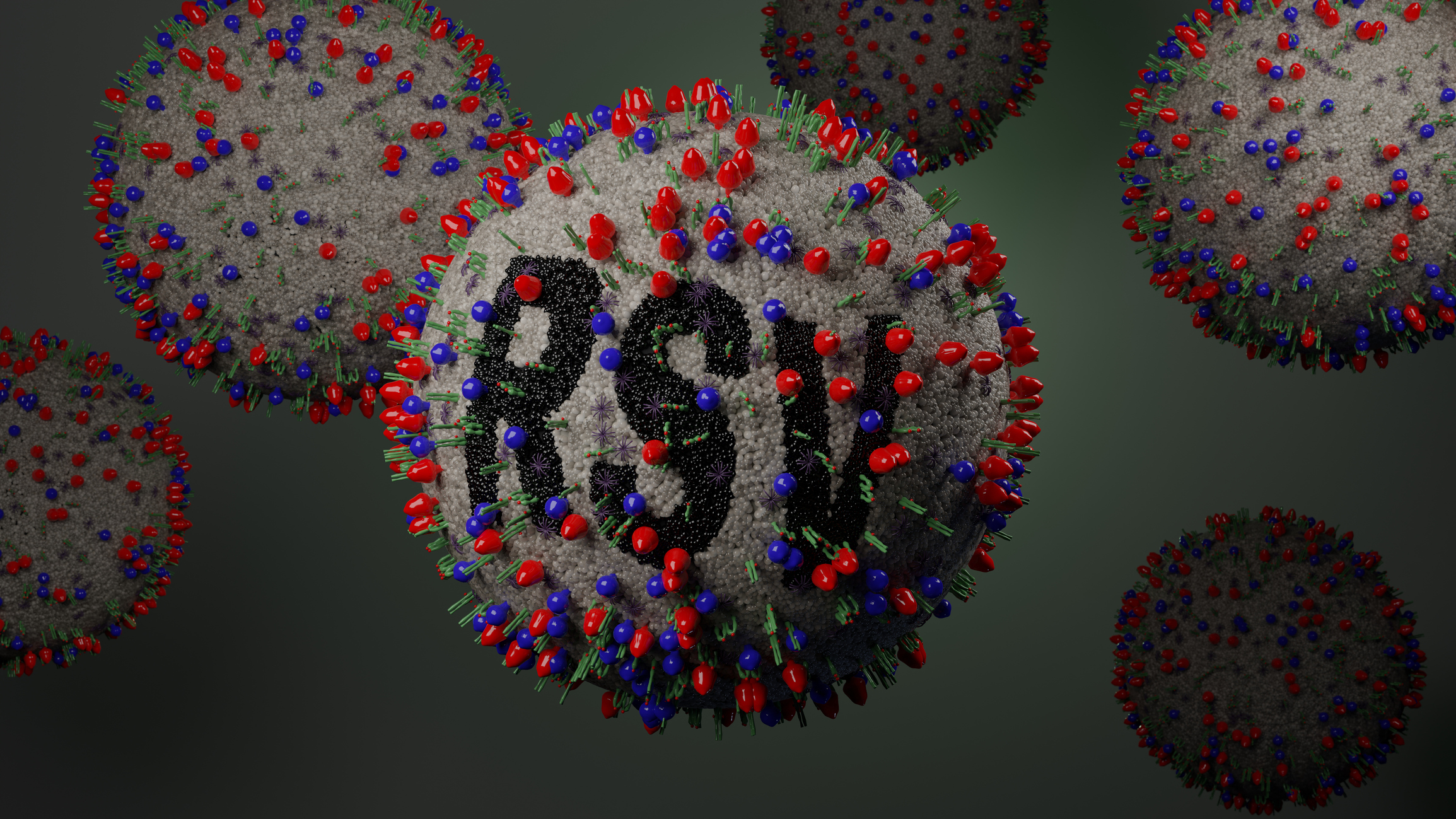
 Respiratory syncytial virus or RSV, is a common respiratory virus that infects the nose, throat, and lungs. A seasonal virus, RSV spreads in the fall and winter along with other respiratory viruses, usually peaking in December and January.
Signs and symptoms of RSV most commonly appear about four to six days after exposure to the virus. In adults and older children, RSV usually causes mild cold-like signs and symptoms, including:
- Congested or runny nose
- Dry cough
- Low-grade fever
- Sore throat
- Sneezing
- Headache
- Lack of energy
- Decreased appetite
It is difficult to distinguish RSV symptoms from the common cold or other respiratory viruses like the flu or COVID-19.
Severe cases of RSV affect babies 12 months and younger, older adults, people with heart and lung disease, or anyone who is immunocompromised. Severe infection can spread to the lower respiratory tract causing pneumonia or bronchiolitis. Signs and symptoms include:
- Fever
- Severe cough
- Wheezing
- Rapid or difficulty breathing
- Cyanosis or bluish color of skin due to the lack of oxygen
Infants are affected most severely by RSV. Signs and symptoms of severe infection in infants include:
- Short, shallow, and rapid breathing
- Struggling to breathe
- Cough
- Decreased appetite
- Unusual tiredness
- Irritability
RSV is very contagious. You can easily spread the virus while symptomatic, which is usually a period of three to eight days. RSV can enter the body through the eyes, nose, or mouth. It is spread through respiratory droplets when you cough or sneeze and through direct contact, such as shaking hands.
RSV can cause many complications, including:
- Hospitalization
- Middle ear infection
- Asthma
- Repeated infections
RSV can infect anyone. However, there are ways to prevent those who are at risk of getting severe infections, including:
- Protection for babies and high-risk children
- Antibody product called nirsevimab
- Vaccines for pregnant people
- Vaccine for older adults
- Lifestyle habits that can prevent the spread of infection
- Washing your hands often
- Avoiding exposure
- Keeping surfaces and common areas clean
- Not sharing drinking glasses with others
- Not smoking
- Washing toys regularly
A healthcare provider can diagnose RSV based on the findings of a physical exam and the time of year the symptoms occur. They will listen to your lungs with a stethoscope to check for wheezing or other abnormal sounds. Lab and imaging tests aren’t usually needed but they can help diagnose RSV complications and rule out other conditions that may cause similar symptoms. These tests can include:
- Blood tests to check white cell counts or to look for viruses, bacteria, and other germs
- Chest X-rays to check for lung inflammation
- Swab secretions from inside the mouth or nose to check for signs of the virus
- Pulse oximetry to detect lower-than-normal levels of oxygen in the blood
Treatment for RSV usually involves self-care and supportive care measures to make your child more comfortable. However, hospital care may be needed if severe symptoms occur.
Some self-care and supportive care treatment measures include:
- Over-the-counter medication
- Nasal saline drops
- Using a humidifier
- Drinking fluids
- Staying away from cigarette smoke
Some hospital care treatments include:
- Intravenous fluids
- Humidified oxygen
- A breathing machine
If you or someone you know has developed RSV symptoms that require medical attention, you can schedule an appointment at Jamaica Hospital Medical Center’s Ambulatory Care Center by calling (718) 206-7001.
 Follow
All content of this newsletter is intended for general information purposes only and is not intended or implied to be a substitute for professional medical advice, diagnosis or treatment. Please consult a medical professional before adopting any of the suggestions on this page. You must never disregard professional medical advice or delay seeking medical treatment based upon any content of this newsletter. PROMPTLY CONSULT YOUR PHYSICIAN OR CALL 911 IF YOU BELIEVE YOU HAVE A MEDICAL EMERGENCY.
