
Colorectal Cancer Screenings


Colorectal cancer is a cancer that begins in either the colon or the rectum and almost always develops from abnormal growths known as precancerous polyps.

The signs and symptoms of colorectal cancer include:

  • A change in bowel habits, such as diarrhea, constipation, or when narrowing of stool lasts for more than a few days.
  • A feeling of needing a bowel movement that’s not relieved by having one.
  • Rectal bleeding with bright red blood.
  • Blood in the stool, which might make the stool look dark brown or black.
  • Cramping or abdominal pain
  • Weakness and fatigue
  • Unintended weight loss

Colorectal cancer is the number one cause of death for men under the age of 50 and the number two cause of death in women in the same age group.

The U.S. Preventative Services Task Force recommends that adults aged 45 to 75 be screened for colorectal cancer.

There are two types of colorectal cancer screening tests:

  1. Visual (structural) exams- are procedures done in a hospital setting by a doctor. These can include:
  • Colonoscopy
  • CT colonography (virtual colonoscopy)
  • Sigmoidoscopy

These exams are beneficial because they not only look for cancer but can also prevent it by removing polyps that could potentially become cancerous.

  1. Stool-based tests are done at home where you collect the test samples and send them to a lab for testing. Examples are:
  • Fecal immunochemical test (FIT)
  • Stool DNA test
  • Guaiac-based fecal occult blood test (gFOBT)

At-home tests are less invasive and easier to perform but must be done more often. Please note, that at-home tests can present false-positive and false-negative results. Any test with a positive result will require a colonoscopy.

Choosing a colon screening test is not an easy decision, but it is a lifesaving one. Consult your doctor about the best colon screening options for you. You can commit to a screening schedule based on your personal risk factors. The earlier colon cancer is detected, the easier it is to treat.

You can receive a colorectal cancer screening from a gastroenterologist at Jamaica Hospital Medical Center’s Ambulatory Care Center. To schedule an appointment, please call (718) 206-7001.

All content of this newsletter is intended for general information purposes only and is not intended or implied to be a substitute for professional medical advice, diagnosis or treatment. Please consult a medical professional before adopting any of the suggestions on this page. You must never disregard professional medical advice or delay seeking medical treatment based upon any content of this newsletter. PROMPTLY CONSULT YOUR PHYSICIAN OR CALL 911 IF YOU BELIEVE YOU HAVE A MEDICAL EMERGENCY.
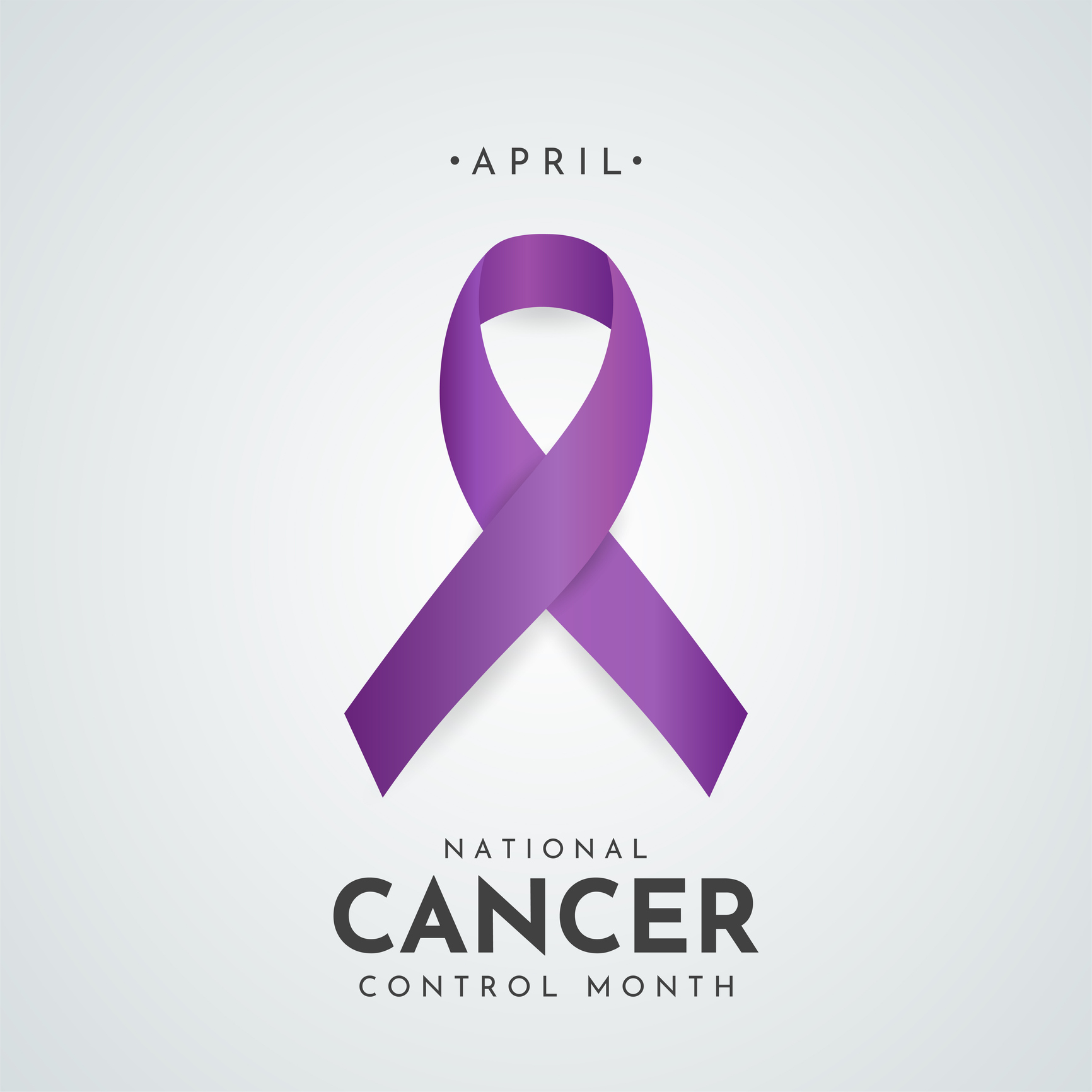
National Cancer Control Month

National Cancer Control Month, which is recognized during the month of April.April is National Cancer Control Month. During this time each year, organizations throughout the United States recognize the burden experienced by people with cancer. Each year, cancer directly impacts millions of individuals, families, and communities, and even the country as a whole. The overall goal of Cancer Control Month is to reduce this impact by:

Preventing as many cancer deaths as possible: Up to 50% of all cancer deaths are preventable through early diagnosis and treatment, according to the World Health Organization (WHO). Prevention is one of the most effective methods possible of controlling rates of cancer and cancer deaths. Standard cancer prevention strategies involve:

  • Raising awareness of signs, symptoms, and diagnostic testing procedures
  • Reducing exposure to known cancer risk factors
  • Promoting healthy lifestyle habits that reduce cancer risk

Detecting cancer as early as possible: Early detection of cancer is one of the most important factors for successful treatment, making this an important goal of Cancer Control Month. Cancer prevention strategies, such as patient education regarding risk factors and warning signs, are crucial for encouraging people to visit their healthcare provider for diagnostic testing as soon as possible.

Improving cancer treatments: Many modern cancer treatments are effective when it comes to improving survival rates and quality of life among patients, but further improvements, as well as more research into treatment-resistant forms of cancer, can help prevent an even greater number of cancer deaths.

You can reduce your risk of developing cancer by avoiding certain factors. According to the Centers for Disease Control and Prevention (CDC), the most common risk factors for preventable forms of cancer include:

  • Smoking
  • Over-exposure to ultraviolet (UV) radiation, such as from the sun or a tanning bed
  • Obesity
  • Excessive alcohol consumption

If you have noticed potential signs of cancer and require a diagnostic screening or treatment, you can schedule an appointment at Jamaica Hospital Medical Center’s Oncology Department. To schedule an appointment, please call (718) 206-6742.

All content of this newsletter is intended for general information purposes only and is not intended or implied to be a substitute for professional medical advice, diagnosis or treatment. Please consult a medical professional before adopting any of the suggestions on this page. You must never disregard professional medical advice or delay seeking medical treatment based upon any content of this newsletter. PROMPTLY CONSULT YOUR PHYSICIAN OR CALL 911 IF YOU BELIEVE YOU HAVE A MEDICAL EMERGENCY.

New Colon and Rectal Cancer Screening Guidelines

Earlier this week, the American Cancer Society updated its guidelines for colon and rectal cancer screenings and is now calling for all adults to be screened by age 45 and no longer wait until 50 years of age, which was the previous recommendation.

Colon cancer is the third most commonly diagnosed cancer and the second leading cause of cancer death in men and women combined in the United States. The American Cancer Society estimates annually there are over 136,000 people diagnosed with the disease and approximately 50,000 of those cases are fatal.

The change in guidelines is in large part due to recent data that notes an increase in the number of colon and rectal cancer diagnoses in younger adults in recent years. According to reports there has been a 51% increase of these types of cases in the U.S. in people under the age of 50 since 1994. Possible reasons for the rise are poor diet or obesity.

Conversely, the number of both the number of cases and the number of deaths linked to colon and rectal cancer has declined in older adults. Many attribute the decline to increased efforts to screen this population.

Regular screening is one of the most powerful weapons for preventing colon cancer. Screening can also result in finding cancer early, when it is easier to treat and more likely to be curable. If polyps are found during colon screening, they can usually be removed before they have the chance to turn into cancer.
Common symptoms of colon cancer include:

Changes in bowel habits or a change in stool consistency that lasts more than four weeks
Rectal bleeding
Persistent abdominal discomfort, such as cramps, gas or pain
Feeling that bowels do not empty completely
Weakness or fatigue
Unexplained weight loss

If you are experiencing any of these symptoms or are over the age of 45, Jamaica Hospital urges you to get screened. To make an appointment at Jamaica Hospital’s Ambulatory Care Center and schedule your screening, please call 718-206-7001.

All content of this newsletter is intended for general information purposes only and is not intended or implied to be a substitute for professional medical advice, diagnosis or treatment. Please consult a medical professional before adopting any of the suggestions on this page. You must never disregard professional medical advice or delay seeking medical treatment based upon any content of this newsletter. PROMPTLY CONSULT YOUR PHYSICIAN OR CALL 911 IF YOU BELIEVE YOU HAVE A MEDICAL EMERGENCY.