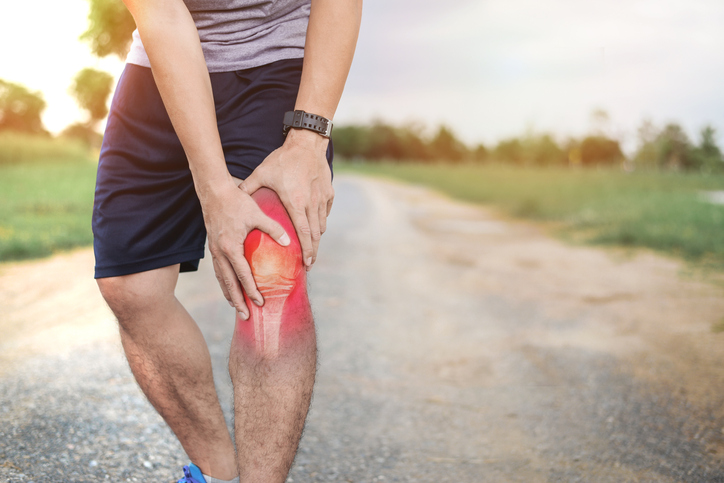
What is Neuropathic Pain?

Neuropathic pain occurs when your body sends pain signals to your brain, triggering a shooting or burning sensation as well as potential numbness. People who experience neuropathic pain may also have trouble sleeping due to their symptoms, potentially resulting in additional issues such as emotional problems. Symptoms can present in several different ways, including:

Allodynia: This form of neuropathic pain is triggered in response to typically non-painful stimuli, such as gentle pressure or cold temperatures.

Hyperalgesia: Some people who experience neuropathic pain may feel a greater-than-average reaction to normally painful stimuli, such as the prick of a needle.

Hypoalgesia: Unlike hyperalgesia, this type of neuropathic pain causes the opposite reaction, resulting in reduced pain in response to typically painful stimuli.

Spontaneous pain: This type of neuropathic pain occurs without any stimuli.

Dyesthesia: This symptom can occur either spontaneously or in response to an external stimulus, resulting in an abnormal sensation.

Neuropathic pain is typically chronic, as it is most often the result of long-term conditions such as diabetes, central nervous system disorders such as multiple sclerosis, or injuries that result in nerve damage. However, acute neuropathic pain can also occur in some cases.

Neuropathic pain is treated with the goal of resolving the underlying cause of your symptoms while providing you with relief and maintaining your normal functionality. This can involve a variety of treatment approaches, including medication, physical and psychiatric therapy, and potentially surgery.

One effective approach to relieving neuropathic pain is through nerve blocks, which are injections of steroids, anesthetics, or other medicines into the affected nerves. These injections are performed by pain management specialists from a wide range of clinical backgrounds, including neurology, orthopedics, and physical therapy, who can determine whether this treatment is right for you based on your symptoms and medical history.

You can receive pain management treatments such as nerve blocks at Jamaica Hospital Medical Center. To schedule an appointment with a pain specialist, please call (718) 206-7246.

All content of this newsletter is intended for general information purposes only and is not intended or implied to be a substitute for professional medical advice, diagnosis or treatment. Please consult a medical professional before adopting any of the suggestions on this page. You must never disregard professional medical advice or delay seeking medical treatment based upon any content of this newsletter. PROMPTLY CONSULT YOUR PHYSICIAN OR CALL 911 IF YOU BELIEVE YOU HAVE A MEDICAL EMERGENCY.

A Springtime Recipe for Fettuccine Alfreddo and Vegetables

A beautiful, spring evening calls for a light, easy to prepare, fettuccine alfredo and spring vegetable dish to enjoy. Here is a recipe from the Food Network that we recommend.

https://www.foodnetwork.com/recipes/food-network-kitchen/spring-vegetable-fettuccine-alfredo-3577686

All content of this newsletter is intended for general information purposes only and is not intended or implied to be a substitute for professional medical advice, diagnosis or treatment. Please consult a medical professional before adopting any of the suggestions on this page. You must never disregard professional medical advice or delay seeking medical treatment based upon any content of this newsletter. PROMPTLY CONSULT YOUR PHYSICIAN OR CALL 911 IF YOU BELIEVE YOU HAVE A MEDICAL EMERGENCY.

National Minority Health Month

The U.S. Department of Health and Human Services Office of Minority Health celebrates National Minority Health Month every year, in April.

The observation was established to highlight the importance of improving health outcomes for racial and ethnic minorities by reducing health disparities.

Health disparities are preventable differences in the quality of healthcare and health outcomes experienced by groups of people due to social inequities.

Communities of color or those of lower socioeconomic status are often disproportionately exposed to factors that lead to health disparities.  Common disparities that occur among these groups are:

  • A lack of access to healthcare
  • Being uninsured or underinsured
  • Higher rates of premature death, infant mortality, cancer, and chronic diseases such as diabetes
  • Lower rates of life expectancy

Disparities in underserved populations develop as a result of the unequal distribution of resources needed to achieve optimal health or live a healthy life.  However, they can be reduced by addressing social determinants of health such as food insecurity, access to health services, the conditions in which people live, and language and literacy skills.

Many of these challenges exist in urban areas such as Queens, New York – the most ethnically and racially diverse county in the United States.  The richness in diversity of the borough gives much to celebrate such as the most languages spoken in one region; however, health disparities continue to prevail in some neighborhoods due to social inequities. Some of the health disparities that persist include:

  • Higher rates of tobacco addiction
  • Higher rates of breast, colorectal, cervical, and prostate cancers
  • Higher infant mortality rates
  • Prevalence in chronic diseases such as diabetes
  • Prevalence in mental health disorders
  • Prevalence in unintentional injuries, such as those incurred by falling

Jamaica Hospital aims to reduce or eliminate health disparities that affect its community by increasing access to high-quality, patient-centered healthcare.  The hospital has launched several initiatives and offers various programs and services to meet the unique needs of its patient population. This includes:

  • Food assistance programs such as WIC
  • A smoking cessation program
  • A diabetes prevention program
  • A care management program
  • A CenteringPregnancy program
  • Inpatient and outpatient mental health services
  • The promotion of culturally and linguistically competent care, supported by a diverse group of bilingual patient navigators and language assistance
  • The promotion of health literacy through social media campaigns
  • The provision of world-class cancer care and services
  • The provision of integrated healthcare
  • Community outreach and education provided by the Trauma Department

To learn more about Jamaica Hospital’s initiatives to increase access to quality healthcare and the wide range of services provided by the hospital, please visit www.JamaicaHospital.org

All content of this newsletter is intended for general information purposes only and is not intended or implied to be a substitute for professional medical advice, diagnosis or treatment. Please consult a medical professional before adopting any of the suggestions on this page. You must never disregard professional medical advice or delay seeking medical treatment based upon any content of this newsletter. PROMPTLY CONSULT YOUR PHYSICIAN OR CALL 911 IF YOU BELIEVE YOU HAVE A MEDICAL EMERGENCY.

What are Statins?

Cholesterol is an important part of many of your body’s functions. However, too much of it can cause your arteries to become narrowed or blocked, increasing your risk for cardiovascular problems such as heart attacks or strokes. This problem is particularly linked to LDL (low-density lipoprotein) cholesterol, often referred to as “bad” cholesterol. For adults, an optimal level of LDL cholesterol is less than 100 mg/dL; a near-optimal level is 100 to 129 mg/dL.

Statins are prescription medications that disrupt cholesterol production in your liver, reduce LDL cholesterol levels, and increase the amount of HDL (high-density lipoprotein) cholesterol in your blood; HDL, or “good” cholesterol, absorbs cholesterol from your blood and transports it back to your liver. Statins are available in brand-name or generic versions and are typically taken as tablets or capsules once per day.

Statins are typically prescribed to people who cannot reduce their cholesterol levels through diet, exercise, and other lifestyle changes such as quitting tobacco products, as well as:

  • People who have experienced serious cardiovascular problems such as a stroke, heart attack, or peripheral artery disease
  • People over the age of 40 with an LDL above 70 mg/dL who have diabetes or are at high risk of heart disease

Statins are also often taken for the rest of a patient’s life to keep their cholesterol levels low, as these levels tend to increase with age before gradually decreasing later in life.

While most patients should not have much trouble tolerating statins, they may cause some side effects. These commonly include headaches, nausea, and aching in the muscles and joints. Rarely, however, statins may lead to more serious side effects, such as increased blood sugar, muscle cell damage, liver damage, or memory problems.

A cardiologist can help you weigh the benefits and risks of statins to determine whether they’re the right treatment approach for you. To schedule an appointment with a doctor at Jamaica Hospital Medical Center’s Cardiology Department, please call (718) 206-7100.

All content of this newsletter is intended for general information purposes only and is not intended or implied to be a substitute for professional medical advice, diagnosis or treatment. Please consult a medical professional before adopting any of the suggestions on this page. You must never disregard professional medical advice or delay seeking medical treatment based upon any content of this newsletter. PROMPTLY CONSULT YOUR PHYSICIAN OR CALL 911 IF YOU BELIEVE YOU HAVE A MEDICAL EMERGENCY.

Coping With Mental Health Challenges After A Heart Attack

Having a heart attack can be frightening; therefore, it is common for people to experience anxiety, post-traumatic stress disorder (PTSD), or depression after surviving this life-changing event.  In fact, the risk of depression is three times higher in heart attack survivors when compared to the general population; more than 25% of survivors experience anxiety after a heart attack, and 1 in 8 heart attack survivors experience symptoms of PTSD.

Mental health challenges often develop after a cardiac event because there is an uncertainty of things to come or a fear that it can happen again.

Feeling afraid, sad, confused, worried, stressed, or angry is expected in the days or weeks of having survived a heart attack.  However, it is important that these emotions are addressed with urgency and managed because they can affect recovery.  Untreated stress, anxiety, or depression can lead to physical symptoms such as increased heart rate or blood pressure that put a strain on the heart.

Being aware of these negative emotions and learning how to cope can improve mental health.  This can be achieved by identifying triggers and practicing stress or anxiety-reducing exercises such as:

  • Speaking to someone about how you feel
  • Socializing
  • Practicing mindfulness
  • Challenging negative thoughts and thinking positively
  • Practicing deep breathing
  • Practicing gratitude
  • Spending time in nature
  • Exercising
  • Eating well
  • Getting enough sleep

In addition to practicing stress management exercises or other coping techniques, it is important to seek the assistance of a mental health provider to create a treatment plan to manage the symptoms of PTSD, anxiety, or depression.

To schedule an appointment with a mental health professional at Jamaica Hospital Medical Center, please call 718-206-5575.

All content of this newsletter is intended for general information purposes only and is not intended or implied to be a substitute for professional medical advice, diagnosis or treatment. Please consult a medical professional before adopting any of the suggestions on this page. You must never disregard professional medical advice or delay seeking medical treatment based upon any content of this newsletter. PROMPTLY CONSULT YOUR PHYSICIAN OR CALL 911 IF YOU BELIEVE YOU HAVE A MEDICAL EMERGENCY.

Jamaica Hospital First In Queens To Successfully Complete DVT Procedure Using Protrieve™ and ClotTriever BOLD™

Jamaica Hospital Medical Center is the first hospital in Queens to use Protrieve™ and ClotTriever BOLD™ for the treatment of deep vein thrombosis (DVT).

DVT occurs when blood clots develop within a vein located deep inside the body, usually in the legs, but can form in other places such as the pelvis and the arms. These clots block or slow the flow of blood to the rest of the body.

Deep vein thrombosis can happen as a result of injury to the veins, certain medical conditions that affect how blood clots, or being sedentary for an extended period (for example sitting for a long time on a flight without moving).

Symptoms of DVT include lower extremity swelling, red or discolored skin, pain, or a warm feeling in the affected area. In more severe cases, clots may detach and travel to the lungs resulting in a pulmonary embolism, which is potentially life-threatening.

There are several options available to treat DVT. The most common is anticoagulation or the use of blood thinners to prevent new clots from forming. However, anticoagulants do not break down existing clots. An effective treatment for this issue is the use of thrombolytics or “clot-busting” drugs to help dissolve clots in patients with moderate to severe DVT. Although thrombolytic therapy is effective, it is associated with a higher risk of major and fatal bleeding and requires a stay in the ICU.

The Protrieve™ and ClotTriever BOLD™ are important new options for the treatment of moderate or severe DVT. Both are FDA-cleared, clinically proven, and minimally invasive devices, specially designed for the removal of large volumes of clots from the deep vein. DVT removal is completed in a single-session treatment that avoids the use of thrombolytics and an ICU stay. The procedure also offers a lower risk of bleeding, immediate symptom improvement, and faster recovery times.

Jamaica Hospital utilizes cutting-edge surgical technology to treat a wide variety of conditions, including those that are prevalent in its community. As the closest hospital to John F. Kennedy International Airport, where many travelers flying long distances are at risk for DVT and one that serves a population with a high incidence of vascular conditions, having sophisticated tools such as the Protrieve™ and ClotTriever BOLD™ is advantageous in ensuring the best possible outcomes for patients.

Jamaica Hospital is recognized as one of the nation’s leading hospitals for surgery. The hospital is ranked number two in New York for surgical care by Healthgrades. It is also the top-ranked hospital in Queens, New York, and is among the top 5% in the nation for this area of expertise.

All content of this newsletter is intended for general information purposes only and is not intended or implied to be a substitute for professional medical advice, diagnosis or treatment. Please consult a medical professional before adopting any of the suggestions on this page. You must never disregard professional medical advice or delay seeking medical treatment based upon any content of this newsletter. PROMPTLY CONSULT YOUR PHYSICIAN OR CALL 911 IF YOU BELIEVE YOU HAVE A MEDICAL EMERGENCY.

Losing Winter Weight

During the winter months we tend to gain weight because we are usually less active and also because of excess holiday eating. Now that spring has arrived we can go outdoors and increase physical activity.

In addition to exercising, there are a few adjustments that can be made to our diets and lifestyle that can help us lose winter weight.

Some tips for losing weight include:

  • Eating high fiber foods
  • Sleeping at least 6 hours every night
  • Taking probiotics
  • Avoiding drinking alcoholic beverages
  • Avoiding sugary drinks
  • Eating more fish
  • Practicing portion control
  • Avoiding late night snacking
  • Taking walks during daylight hours to increase Vitamin D production
  • Drinking water instead of snacks
  • Practicing portion control

Before starting any type of diet, it is best to consult your physician first to discuss  what they recommend is  best for you. If you would like to schedule an appointment with a physician at Jamaica Hospital Medical Center, please call 718-206-7001.

All content of this newsletter is intended for general information purposes only and is not intended or implied to be a substitute for professional medical advice, diagnosis or treatment. Please consult a medical professional before adopting any of the suggestions on this page. You must never disregard professional medical advice or delay seeking medical treatment based upon any content of this newsletter. PROMPTLY CONSULT YOUR PHYSICIAN OR CALL 911 IF YOU BELIEVE YOU HAVE A MEDICAL EMERGENCY.

IBS Awareness Month

Irritable Bowel Syndrome (IBS) is a common condition that affects approximately 15% of the United States population, causing abdominal pain and changes to the frequency or appearance of your bowel movements. It also commonly causes cramping, bloating, and gas buildup. Although these symptoms can occur in anyone with this condition, they occur more commonly in people with the following forms of IBS:

IBS-C, also known as IBS with constipation, is mainly characterized by symptoms such as abdominal pain, bloating, infrequent bowel movements, and difficulty passing stool. IBS-C is not life-threatening, but it can be painful and disruptive to your daily activities. It also has no cure and is generally treated through dietary and lifestyle adjustments.

IBS-D, also known as IBS with diarrhea, can also lead to constipation, abdominal pain, gas buildup, and bloating. However, certain other symptoms, such as diarrhea, watery stools, and some degree of loss of bowel control occur approximately 25% of the time in people with this form of IBS, with constipation occurring less than 25% of the time. IBS-D triggers can include stress or certain food products, such as milk, wheat, red wine, or caffeine.

IBS-M, also known as IBS with mixed bowel habits, presents symptoms associated with both IBS-C and IBS-D, as well as common IBS symptoms such as abdominal pain. Bouts of constipation and diarrhea alternate between one another in people with this condition.

Post-infectious IBS generally occurs after an infection in the intestines. The most common culprit is gastroenteritis, which can cause stomach pain, diarrhea, and vomiting due to inflammation in the intestines. Post-infectious IBS most often occurs as IBS-D or IBS-M, with a smaller number of cases presenting symptoms of IBS-C.

No matter what form of IBS you experience, working with a gastroenterologist can help you manage your symptoms effectively. You can schedule an appointment with a gastroenterologist at Jamaica Hospital Medical Center’s Ambulatory Care Center by calling (718) 206-7001.

All content of this newsletter is intended for general information purposes only and is not intended or implied to be a substitute for professional medical advice, diagnosis or treatment. Please consult a medical professional before adopting any of the suggestions on this page. You must never disregard professional medical advice or delay seeking medical treatment based upon any content of this newsletter. PROMPTLY CONSULT YOUR PHYSICIAN OR CALL 911 IF YOU BELIEVE YOU HAVE A MEDICAL EMERGENCY.

Employee Spotlight Shines On Eulanda Corales, DNP, RN, CCRN

This month, we are proud to shine our Employee Spotlight on Eulanda Corales, DNP, RN, CCRN, Clinical Nurse Manager for the NICU and Pediatric unit.

Eulanda has been at Jamaica Hospital Medical Center for 36 years. She grew up in the Philippines where she attended elementary school, high school and obtained her RN degree. She moved to  Queens in 1986 and has since obtained her Master’s degree in Nursing Administration at Adelphi University and her Doctorate degree from Chamberlain University. Eulanda now resides on Long Island.

Eulanda has two daughters who are both nurses and that she is very proud of.  Her older daughter is a NICU nurse and her younger daughter is a Pediatric Cardiothoracic ICU nurse. She also has a granddaughter who is one year and nine months old. Her granddaughter brings her much joy and she loves spending time with her. Her granddaughter’s favorite thing to do is to dance and sing, especially to Michael Buble’s version of the song “Sway” and “Save the Last Dance for Me”.

In her free time, Eulanda enjoys reading and online window shopping. She likes many types of sports, especially archery, volleyball, rock climbing, jet skiing, parasailing, standup paddling, and body paddling. Eulanda enjoys travelling and has been to many places of interest that include all of the Hawaiian Islands, California, many cities in Mexico, the Bahamas, Virginia Beach, Bahrain, Kuwait and Saudi Arabia.  She likes to go “Glamping” which is glamorous camping whenever she can. Eulanda also practices Neurobics which is aerobics for the brain.

Eulanda likes all types of food, especially, Indian, Mexican and Italian. While she enjoys many types of music, at the moment her favorite musician is the Croatian cellist Hauser. Her hobbies include photography, collecting stamps and coins from all over the world, and she also collects pens and beautiful rocks that she gives as gifts to her daughters at Christmas.

Eulanda enjoys working at Jamaica Hospital because everyone works well together as a team. She enjoys the diversity of the patients as well as the staff. She has learned many life lessons from the diversity of the people she has had the pleasure to meet over the years.  We are very happy to have Eulanda as a member of our team and look forward to her continuing to work at the hospital for many more years.

All content of this newsletter is intended for general information purposes only and is not intended or implied to be a substitute for professional medical advice, diagnosis or treatment. Please consult a medical professional before adopting any of the suggestions on this page. You must never disregard professional medical advice or delay seeking medical treatment based upon any content of this newsletter. PROMPTLY CONSULT YOUR PHYSICIAN OR CALL 911 IF YOU BELIEVE YOU HAVE A MEDICAL EMERGENCY.

What is Female Pattern Baldness?

Approximately one in three women will experience hair loss at some point within their lifetime, with about 55% losing some amount of hair by the age of 70.

The most common cause of hair loss in women is female pattern baldness. There’s no specific known cause for female pattern baldness, but several factors have been identified that may be linked to it. These include aging, changes in androgen levels, a family history of male or female pattern baldness, significant blood loss during menstrual periods, and certain medications, such as birth control pills.

In most cases, female pattern baldness begins in the crown of the scalp and the top of the head, becoming thinner in these areas over time. While the hairline does not recede beyond average levels, the center part of the hair that runs across the top of the head may become wider. Unlike male pattern baldness, however, female pattern baldness does not typically result in an eventual total loss of hair.

Hair loss may also be an indicator of other, potentially more serious conditions. Alternative causes such as alopecia areata, which causes your immune system to attack your hair follicles, are not particularly dangerous to your health. However, causes of hair loss such as thyroid disease or anemia are potentially life-threatening illnesses if they are not adequately managed.

If you begin to experience symptoms of female pattern baldness, you should speak with a dermatologist for an accurate diagnosis. Certain signs, such as new hair growth on your face or in other abnormal parts of your body, may indicate heightened levels of androgen and support female pattern baldness as the most likely cause of your hair loss. A dermatologist can also perform a skin biopsy or blood test to diagnose you.

To schedule an appointment with a dermatologist at Jamaica Hospital Medical Center, please call our Ambulatory Care Center at (718) 206-7001.

All content of this newsletter is intended for general information purposes only and is not intended or implied to be a substitute for professional medical advice, diagnosis or treatment. Please consult a medical professional before adopting any of the suggestions on this page. You must never disregard professional medical advice or delay seeking medical treatment based upon any content of this newsletter. PROMPTLY CONSULT YOUR PHYSICIAN OR CALL 911 IF YOU BELIEVE YOU HAVE A MEDICAL EMERGENCY.