
Arthritis Awareness Month

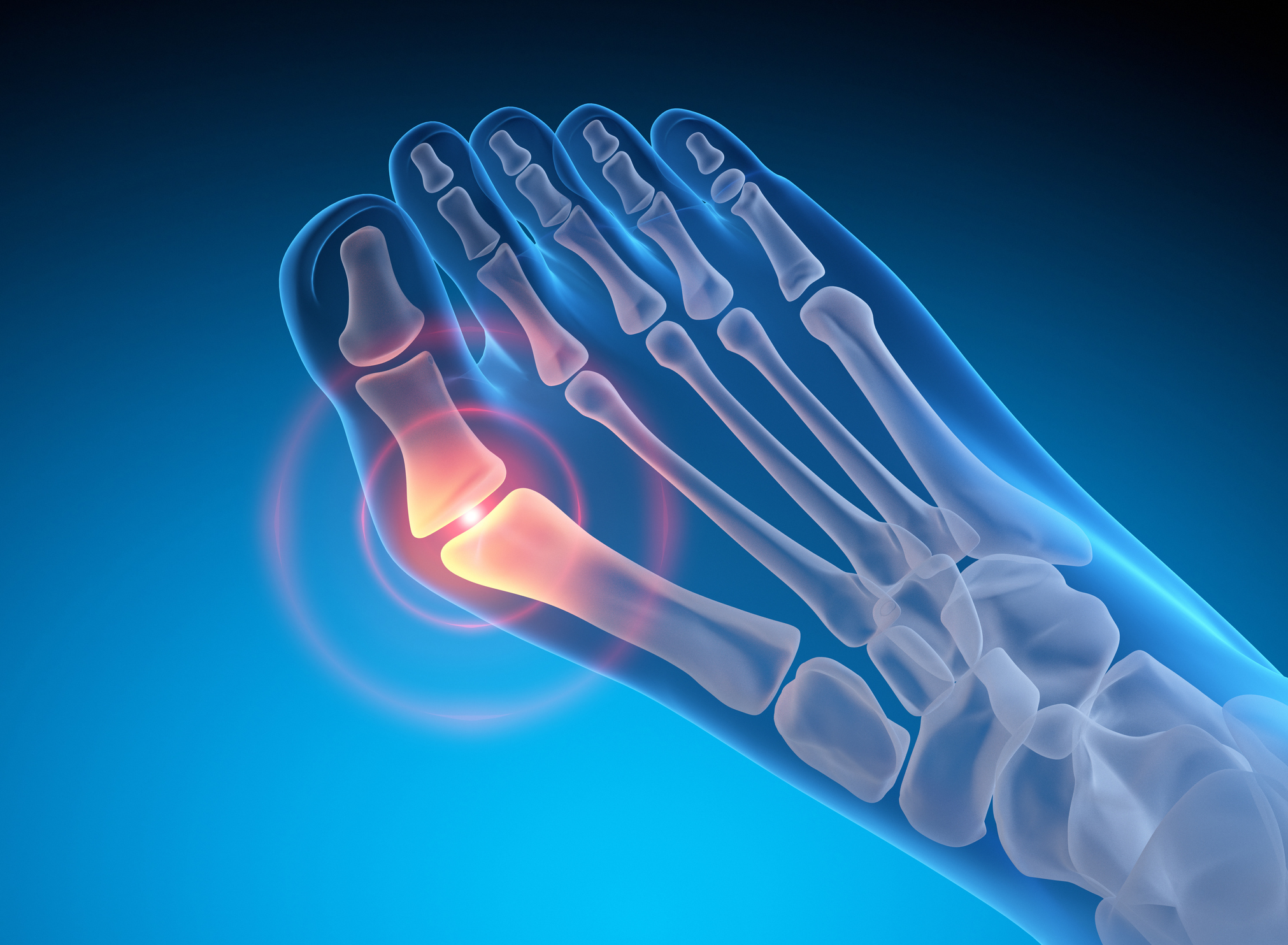
May is Arthritis Awareness Month. The observance serves as an opportunity to educate the public about the complex family of debilitating diseases.

An estimated 58.5 million adults in the U.S. are affected by some form of arthritis, which is equal to about 23.7% of the population. As the number of older Americans continues to grow, and the rate of obesity and overweight increases, the number of people with arthritis-attributable activity limitations will only increase.

Osteoarthritis (OA) is the most common type of arthritis, especially amongst older people. OA mostly affects cartilage by breaking down its surface. As cartilage wears away, it allows bones to rub together, causing pain, swelling, and loss of motion. Over time, these changes can affect the bones, tendons, and other joint tissues.

Unfortunately, there is no cure for arthritis. However, joint pain and other OA symptoms can be managed through treatment, lifestyle changes, and education.

In 1972, at the urging of the Arthritis Foundation, Congress and President Richard M. Nixon designated May as National Arthritis Month, a special time to emphasize research, service, and education about arthritis and raise funds to support the cause. Every May since then, National Arthritis Month has been marked by efforts to elevate the public’s awareness of arthritis.

During this Arthritis Awareness Month, get involved by helping raise awareness for this public health priority.

All content of this newsletter is intended for general information purposes only and is not intended or implied to be a substitute for professional medical advice, diagnosis or treatment. Please consult a medical professional before adopting any of the suggestions on this page. You must never disregard professional medical advice or delay seeking medical treatment based upon any content of this newsletter. PROMPTLY CONSULT YOUR PHYSICIAN OR CALL 911 IF YOU BELIEVE YOU HAVE A MEDICAL EMERGENCY.

Varicose Veins

a phlebologist examines a patient with varicose veins on his leg. phlebology - study of venous pathologies of the lower extremitiesVaricose veins are swollen or enlarged veins that appear close to the skin’s surface. They typically occur in the legs but can form in other parts of the body.

Varicose veins develop when vein walls or valves become weakened or damaged. This allows blood to pool or flow backward, increasing the pressure within the veins. Over time, our veins can stretch, grow larger, or twist, leading to the formation of varicose veins.

There are several risk factors for varicose veins, including:

  • Obesity
  • Sex (women are more likely to get varicose veins than men)
  • Family history of varicose veins
  • Pregnancy
  • Standing or sitting for long periods
  • Taking birth control pills
  • Going through menopause
  • Older age
  • Tobacco use

Individuals with varicose veins may experience:

  • Veins that are visibly twisted, swollen, or bulging
  • Veins that are blue, dark purple, or the same color as the skin
  • A feeling of heaviness in the legs
  • Itching around the areas of the varicose veins
  • Pain in the legs
  • Swelling of the feet or ankles
  • Scaly, irritated skin that cracks easily

Untreated or severe varicose veins may also lead to complications such as blood clots, deep vein thrombosis, venous ulcers, or pulmonary embolism.

Varicose veins are diagnosed by performing a physical examination and assessing your medical history and symptoms.  Your healthcare provider may also order imaging tests.

Treatment for this condition can include lifestyle changes such as elevating the legs when resting, wearing supportive or compression stockings, laser therapy, injection therapy, or surgery.

You can reduce the risk of varicose veins by focusing on lifestyle modifications such as avoiding prolonged sitting or standing, drinking adequate amounts of water, maintaining a healthy weight, quitting tobacco use, exercising, and elevating your legs above your waist when resting.

If you have questions or concerns about varicose veins, please schedule a consultation with our vascular surgeons at Jamaica Hospital Medical Center by calling (718) 206-7001.

All content of this newsletter is intended for general information purposes only and is not intended or implied to be a substitute for professional medical advice, diagnosis or treatment. Please consult a medical professional before adopting any of the suggestions on this page. You must never disregard professional medical advice or delay seeking medical treatment based upon any content of this newsletter. PROMPTLY CONSULT YOUR PHYSICIAN OR CALL 911 IF YOU BELIEVE YOU HAVE A MEDICAL EMERGENCY.

Common Pediatric Surgeries

Children can experience several health conditions, some of which may require surgery. These surgical procedures can be minor or major. Pediatric surgery focuses on diagnosing and treating surgical conditions in infants, children, and adolescents. These conditions can include:

  • Surgery for abnormalities of the groin in childhood and adolescence, such as undescended testes, hernias, and hydroceles
  • Surgical repair of birth defects
  • Surgical repair of serious injuries
  • Surgical removal of tumors
  • Transplantation surgeries
  • Minimally invasive endoscopic procedures
  • All other general surgical procedures for children

The most common pediatric surgical procedures are those related to the ear, nose, and throat, such as tonsillectomies, adenoidectomies, and tympanostomy tube replacement. Other common pediatric surgical procedures include:

  • Appendectomy
  • Gallbladder removal
  • Thyroidectomy
  • Hernia repair
  • Trauma surgeries

The pediatric surgeons at Jamaica Hospital Medical Center provide many different surgical services to younger patients. For more information about our Queens, NYC pediatric surgical services or to make an appointment, please call (718) 206-7001.

All content of this newsletter is intended for general information purposes only and is not intended or implied to be a substitute for professional medical advice, diagnosis or treatment. Please consult a medical professional before adopting any of the suggestions on this page. You must never disregard professional medical advice or delay seeking medical treatment based upon any content of this newsletter. PROMPTLY CONSULT YOUR PHYSICIAN OR CALL 911 IF YOU BELIEVE YOU HAVE A MEDICAL EMERGENCY.
Patient Testimonial- Wayne Texeira says, “Dr. Lasic and Jamaica Hospital Medical Center Gave Me a Second Chance.”

“I got a second chance”, is what Wayne Texeira said after his experience at Jamaica Hospital Medical Center. While working at Jamaica Hospital, Mr. Wayne Texiera suddenly couldn’t breathe and fell to his knees. He saw the lights fading and passed out. While in the ER, he was told his lungs were filling with fluid, he had heart failure, and he almost died. His doctor, Dr. Zoran Lasic, told Mr. Texiera that he had to change his lifestyle after performing an angiogram that showed that he had 30% functionality in his heart.

Over the next year, through the care and recommendations from Dr. Lasic, Mr. Texeira lost 45 pounds, quit smoking, and stopped eating unhealthy foods. He also gained 60% functionality in his heart, which is remarkable. “I am very grateful to Jamaica Hospital Medical Center, the staff, and the doctors. My perception changed after I got a second chance.” Now living in Georgia with his wife and daughter, the catalyst for his lifestyle change, “I kept looking at her and I didn’t want her not to have a father, Mr. Texeira said. With a second chance, Mr. Texeira is grateful, “Life has been good. I have no regrets.”

All content of this newsletter is intended for general information purposes only and is not intended or implied to be a substitute for professional medical advice, diagnosis or treatment. Please consult a medical professional before adopting any of the suggestions on this page. You must never disregard professional medical advice or delay seeking medical treatment based upon any content of this newsletter. PROMPTLY CONSULT YOUR PHYSICIAN OR CALL 911 IF YOU BELIEVE YOU HAVE A MEDICAL EMERGENCY.

Guillain-Barre Syndrome

Guillain-Barre syndrome is a rare autoimmune condition in which the body’s immune system attacks the peripheral nerves, causing sudden numbness and muscle weakness.

Guillain-Barre syndrome often begins with tingling and weakness starting in the legs and feet and spreads to the upper body and arms. Some people may notice the first symptoms in the arms or face. As the condition progresses, muscle weakness can turn into paralysis. Symptoms of Guillain-Barre syndrome include:

  • A pins and needles feeling in the fingers, toes, ankles, or wrists
  • Weakness in the legs that spreads to the upper body
  • An unsteady walk, or not being able to walk or climb stairs
  • Trouble with facial movements, including speaking, chewing, or swallowing
  • Double vision or inability to move the eyes
  • Severe pain that may feel achy, shooting, or cramp-like, and may be worse at night
  • Trouble with bladder control or bowel function
  • Rapid heart rate
  • Low or high blood pressure
  • Trouble breathing

People with Guillain-Barre syndrome usually experience their most significant weakness within two weeks after symptoms begin.

The symptoms of Guillain-Barre syndrome differ depending on the type, as there are several forms of the condition. The main types are:

  • Acute Inflammatory Demyelinating Polyradiculoneuropathy (AIDP)
  • Miller Fisher syndrome (MFS)
  • Acute motor axonal neuropathy (AMAN) and acute motor-sensory axonal neuropathy (AMSAN)

There is no exact known cause of Guillain-Barre syndrome. It usually appears days or weeks after a respiratory or digestive tract infection. Rarely, a recent surgery or vaccination can trigger it.

In Guillain-Barre syndrome, the immune system attacks the nerves. In AIDP, the myelin sheath protecting the nerves is damaged. The damage prevents nerves from transmitting signals to your brain, causing weakness, numbness, or paralysis. It can be triggered by:

  • Most commonly, an infection with Campylobacter, a type of bacteria often found in undercooked poultry
  • Influenza virus
  • Cytomegalovirus
  • Epstein-Barr virus
  • Zika virus
  • Hepatitis A, B, C, and E
  • HIV
  • Mycoplasma pneumonia
  • Surgery
  • Trauma
  • Hodgkin lymphoma
  • Rarely, influenza vaccinations or childhood vaccinations
  • COVID-19 virus

Healthcare providers can typically diagnose Guillain-Barre syndrome based on symptoms and medical history. They may ask how and when your symptoms started and if you have been sick recently. They will also perform physical and neurological exams to look for signs of muscle weakness and weak or absent deep tendon reflexes.

Unfortunately, many other neurological conditions share similar symptoms to Guillain-Barre syndrome, so a healthcare provider will need to perform other tests to rule out other conditions. These tests can include:

  • Electromyography (EMG) and nerve conduction tests
  • A spinal tap
  • An imaging test

There is no cure for Guillain-Barre syndrome. However, two types of treatment can speed recovery and reduce symptoms. They include:

  • Plasma exchange
  • Immunoglobulin therapy

These treatments are equally effective. Mixing them or using one after the other is no more effective than using either method alone. You are also likely to be given medicine to:

  • Relieve severe pain
  • Prevent blood clots

People with Guillain-Barre syndrome need physical help and therapy before and during recovery. Care may include:

  • Movement of your arms and legs by caregivers before recovery helps keep muscles flexible and strong
  • Physical therapy during recovery helps you cope with fatigue and regain strength and proper movement
  • Training with adaptive devices, such as a wheelchair or braces, to give you mobility and self-care skills

You can receive pain management treatments, such as nerve blocks, at Jamaica Hospital Medical Center. To schedule an appointment with a pain specialist, please call (718) 206-7246.


All content of this newsletter is intended for general information purposes only and is not intended or implied to be a substitute for professional medical advice, diagnosis or treatment. Please consult a medical professional before adopting any of the suggestions on this page. You must never disregard professional medical advice or delay seeking medical treatment based upon any content of this newsletter. PROMPTLY CONSULT YOUR PHYSICIAN OR CALL 911 IF YOU BELIEVE YOU HAVE A MEDICAL EMERGENCY.

Jamaica Hospital’s Annual Baby Shower

Jamaica Hospital’s Women’s Health Department is inviting community members to its annual baby shower.

This year’s theme is “Babies In Bloom,” celebrating the Spring season. The event will take place on Friday, May 9th, from 2:00 p.m. to 4:30 p.m. at 90-28 Van Wyck Expressway, Jamaica, NY, in the hospital’s D building.

There will be giveaways, fun activities, and health education stations. Light refreshments will be served.


All content of this newsletter is intended for general information purposes only and is not intended or implied to be a substitute for professional medical advice, diagnosis or treatment. Please consult a medical professional before adopting any of the suggestions on this page. You must never disregard professional medical advice or delay seeking medical treatment based upon any content of this newsletter. PROMPTLY CONSULT YOUR PHYSICIAN OR CALL 911 IF YOU BELIEVE YOU HAVE A MEDICAL EMERGENCY.

Meet Our Doctors: Dr. Jevon Fragoso

We are pleased to introduce Dr. Jevon Fragoso, the newest member of the rheumatology team.

Dr. Jevon Fragoso was born and raised in Queens, New York. He graduated Magna cum Laude from Stony Brook University with a degree in Pharmacology and then received his medical degree at Temple University in Philadelphia. After medical school, Dr. Fragoso completed his Internal Medicine Residency and Rheumatology Fellowship at North Shore University Hospital/Long Island Jewish Medical Center with Northwell Health. Dr. Fragoso has extensive training in managing rheumatoid arthritis, lupus, gout, myositis, and systemic sclerosis. Outside of the clinic, Dr. Fragoso enjoys cooking and martial arts.

We are proud to welcome Dr. Fragoso to our team and look forward to the work he and the rest of the Rheumatology Department will do to provide high-quality care to our community.

All content of this newsletter is intended for general information purposes only and is not intended or implied to be a substitute for professional medical advice, diagnosis or treatment. Please consult a medical professional before adopting any of the suggestions on this page. You must never disregard professional medical advice or delay seeking medical treatment based upon any content of this newsletter. PROMPTLY CONSULT YOUR PHYSICIAN OR CALL 911 IF YOU BELIEVE YOU HAVE A MEDICAL EMERGENCY.

Tips for Choosing a Therapist

When considering therapy, it is essential to know what you are seeking therapy for. Whether it is to restore a relationship, recover from trauma, adjust to a new life phase, improve your mental health, or just talk to someone, finding the right therapist is the first step.

After you figure out the reason or reasons why you are seeking therapy, it is important to consider the kind of therapist that best fits your mental health needs. Here are some tips for searching for a therapist:

  • Think about your goals ahead of time
  • Consult your insurance and finances
  • Ask someone you trust
  • Explore local resources
  • Use a reliable online database
  • Reach out to organizations that address your area of concern
  • Ask questions about the things that matter to you
  • Pay close attention to your own responses

Once you have found some prospective therapists, there are many questions to consider before and/or during your therapy sessions. These questions include:

  • Do I feel comfortable opening up to this person, and is there a strong connection? Studies show that this is crucial for achieving success in any therapy.
  • Is the therapist empathic and a good listener?
  • Does the therapist seem to have an agenda? Are they trying to have you commit too soon to a schedule before accurately assessing your motivation and the range of available options?
  • What are their credentials and level of expertise, and have they treated many others with your particular condition?
  • What types of therapy do they offer? They should be able to explain why one type is better than another for your particular condition.
  • How do they manage the fee/billing, and do they offer a sliding scale?
  • How do they collaborate with your psychiatrist or PCP, as this will greatly improve the quality of care?
  • Do they offer evening and weekend hours, and what is the recommended frequency of sessions?
  • Finally, what are the agreed-upon goals and endpoints for therapy?

Choosing a therapist is not an easy task. It is important to take your time before you make a decision, as it is not to be taken lightly. It is also important to note that you are not obligated to stay if a therapist isn’t the right fit. You can get free consultations through your insurance.

If you need the assistance and support of a mental health professional at Jamaica Hospital Medical Center, please call 718-206-5575 to schedule an appointment.

All content of this newsletter is intended for general information purposes only and is not intended or implied to be a substitute for professional medical advice, diagnosis or treatment. Please consult a medical professional before adopting any of the suggestions on this page. You must never disregard professional medical advice or delay seeking medical treatment based upon any content of this newsletter. PROMPTLY CONSULT YOUR PHYSICIAN OR CALL 911 IF YOU BELIEVE YOU HAVE A MEDICAL EMERGENCY.
Sleep Paralysis

Sleep paralysis is a type of parasomnia that occurs when the body is between stages of sleep and wakefulness lasting for a few seconds to a couple of minutes.

During an episode of sleep paralysis, you are aware of your surroundings but can’t speak or move. You can still move your eyes and breathe. You may also feel:

  • Fear
  • Panic
  • Helplessness
  • Anxious

When it ends, you may feel confused because you will regain movement of your body as if nothing happened. You can feel nervous about going to sleep after an episode of sleep paralysis, and it can affect how you feel and function during the day.

Sleep paralysis isn’t dangerous, however, it can cause emotional distress during an episode. Some cases of sleep paralysis are linked to other disorders.

You can experience several symptoms during an episode of sleep paralysis either right before falling asleep or as you’re waking up, including:

  • You can’t move your arms and legs
  • You can’t speak
  • Sensations of pressure against your chest or moving out of your own body
  • Hallucinations, such as a dangerous person in your room
  • Daytime sleepiness

Symptoms may first appear in childhood or adolescence. Episodes are more frequent in your 20s and 30s.

The exact cause of sleep paralysis is unknown. However, healthcare providers believe it could happen due to the following:

  • Narcolepsy
  • Sleep deprivation
  • An irregular sleep schedule
  • Obstructive sleep apnea
  • Mental health conditions such as anxiety, bipolar disorder, post-traumatic stress disorder (PTSD), or panic disorder
  • Certain medications
  • Substance use disorder

To diagnose sleep paralysis, healthcare providers can confirm or rule it out after a physical exam and a sleep evaluation. A provider may ask you about the following:

  • Your symptoms, such as how often you experience sleep paralysis, what it feels like, and when it started
  • The quantity and quality of sleep you get, such as how many hours you sleep at night and whether you feel tired during the day
  • Your medical history, including what medications you currently take and whether you smoke, use alcohol, or non-prescribed drugs
  • Your family history and if you’re aware of any biological family members who experience sleep paralysis

To further diagnose sleep paralysis, a healthcare provider may recommend testing if they suspect certain sleep disorders like narcolepsy. Tests can include:

  • An overnight sleep study
  • Multiple sleep latency test (MSLT)

Treatment for sleep paralysis will depend on the reason why you have it. A healthcare provider may recommend the following:

  • Taking medications that prevent you from reaching the REM stage of sleep
  • Taking medications to treat an underlying mental health condition or sleep disorder, such as antidepressants
  • Improving your sleep hygiene
  • Talking to a mental health provider if you experience frequent stress

There isn’t much you can do to prevent sleep paralysis from happening. However, there are steps you can take to lower your risk.

One of the best ways to avoid sleep paralysis is to improve your quality of sleep. You can do this by:

  • Having a set sleep schedule with specific times for going to bed and waking up
  • Creating a comfortable sleep environment that is dark and quiet
  • Putting phones, tablets, e-readers, and computers away before bedtime
  • Relaxing before bed by taking a bath, reading, or listening to soothing music

If you are suffering from sleep paralysis, Jamaica Hospital’s state-of-the-art sleep center can help diagnose and treat various sleep disorders. For more information, or to make an appointment, please call 718-206-5916.

All content of this newsletter is intended for general information purposes only and is not intended or implied to be a substitute for professional medical advice, diagnosis or treatment. Please consult a medical professional before adopting any of the suggestions on this page. You must never disregard professional medical advice or delay seeking medical treatment based upon any content of this newsletter. PROMPTLY CONSULT YOUR PHYSICIAN OR CALL 911 IF YOU BELIEVE YOU HAVE A MEDICAL EMERGENCY.
How Stress Affects Diabetes #StressAwarenessMonth

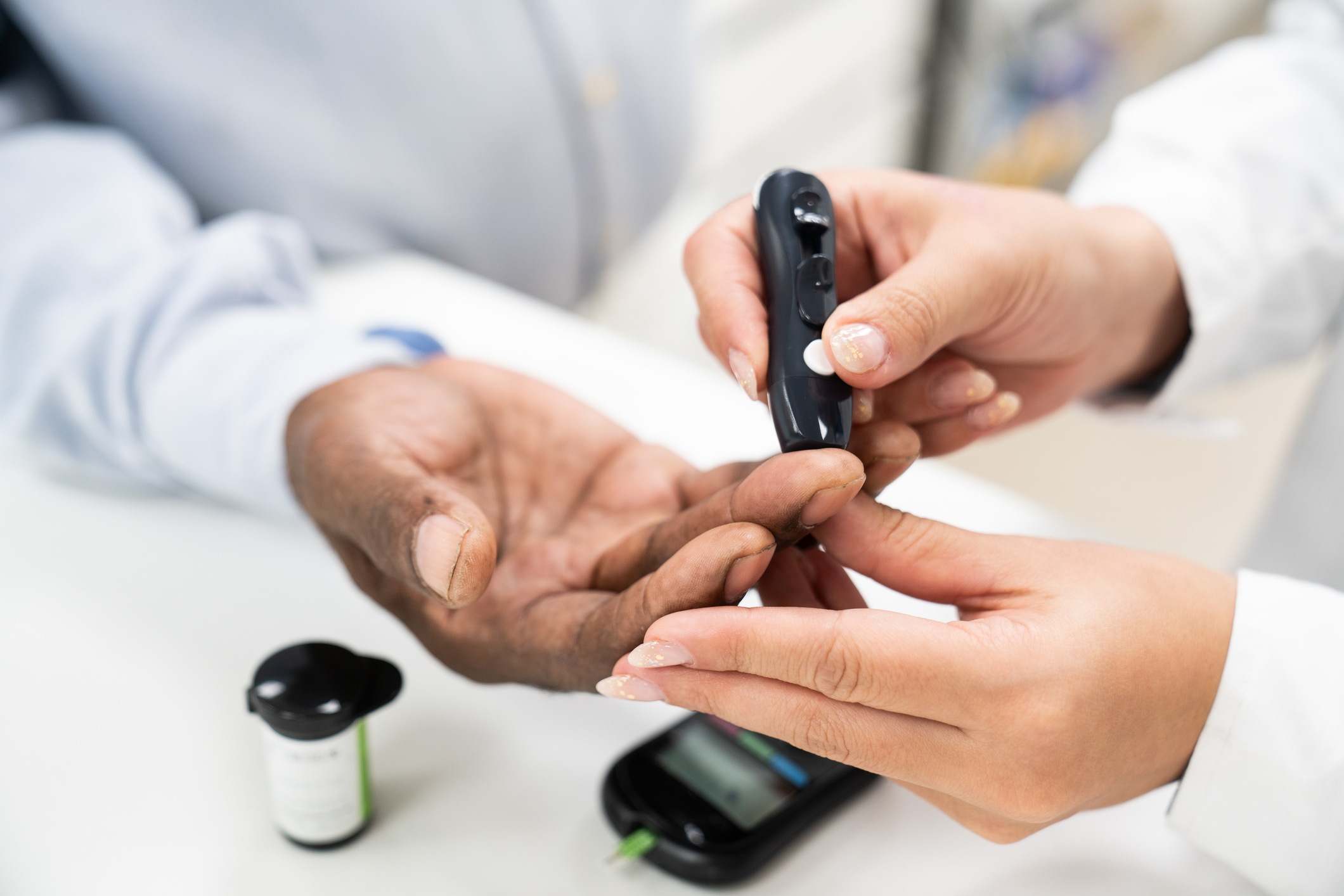
When we are under stress, the body releases hormones that increase blood glucose levels. This can cause adverse symptoms in people with diabetes.

If you experience stress or feel threatened, your body reacts with the fight-or-flight response. During this response, the body releases adrenaline and cortisol into the bloodstream increasing respiratory rates. This can also increase blood glucose levels if the body can’t adequately process it.

Stress affects people differently. The type of stress that people experience can impact their body’s physical response.

When people with type 2 diabetes are under mental stress, they can experience an increase in their blood glucose levels. People who have type 1 diabetes may have a more varied response as they experience either an increase or decrease in their blood glucose levels.

Mental symptoms of stress include:

  • Feeling unmotivated
  • Feeling irritable
  • Feeling depressed
  • Feeling restless
  • Feeling anxious

When you are under physical stress, your blood sugar can also increase. This can happen due to sickness or injury. This affects people with type 1 and type 2 diabetes.

Physical symptoms of stress include:

  • Headaches
  • Muscle pain or tension
  • Sleeping too much or too little
  • General feelings of illness
  • Fatigue

There are several ways to manage the effects of different forms of stress which could help lessen or limit the stressors in your life, including:

  • Exercising regularly
  • Practicing relaxing activities such as yoga or tai chi
  • Practicing mindfulness techniques such as meditation
  • Avoiding known stressors, such as high-stress social situations
  • Reducing caffeine intake
  • Spending time with loved ones

If you are feeling stressed, you can also connect with people online or in your community for solidarity and support by:

  • Joining an online support group
  • Joining an in-person support group
  • Seeking therapy

If mental or physical stress symptoms are affecting your diabetes, you can schedule an appointment with an endocrinologist, please call Jamaica Hospital Medical Center’s Ambulatory Care Center at (718) 206-7001.


All content of this newsletter is intended for general information purposes only and is not intended or implied to be a substitute for professional medical advice, diagnosis or treatment. Please consult a medical professional before adopting any of the suggestions on this page. You must never disregard professional medical advice or delay seeking medical treatment based upon any content of this newsletter. PROMPTLY CONSULT YOUR PHYSICIAN OR CALL 911 IF YOU BELIEVE YOU HAVE A MEDICAL EMERGENCY.