Trauma Department- Pedestrian Safety

Pedestrian safety is critical whether you are driving or walking on the sidewalk. We each have a responsibility to keep each other safe. Here are some safety tips for drivers that will keep themselves and pedestrians safe:

  1. Look out for pedestrians everywhere at all times
  2. Use extra caution when driving in hard-to-see conditions, such as nighttime or bad weather
  3. Slow down and be prepared to stop when turning or otherwise entering a crosswalk
  4. Yield to pedestrians in crosswalks and stop well back from the crosswalk to allow other vehicles to see the crossing pedestrians so they can stop too
  5. Never pass vehicles stopped at a crosswalk. There may be people crossing where you can’t see
  6. Never drive under the influence of alcohol and/or drugs
  7. Follow the speed limit, especially around people on the street, in schools, and in neighborhoods where children are present
  8. Be extra cautious when backing up and look for pedestrians

Here are some safety tips for pedestrians:

  1. Follow the rules of the road and obey signs and signals
  2. Walk on sidewalks whenever they are available
  3. If there is no sidewalk, walk facing traffic and as far from traffic as possible
  4. Cross streets at crosswalks or intersections. Look for cars in all directions, including those turning left or right
  5. If a crosswalk or intersection is not available, locate a well-lit area where you have the best view of traffic. Wait for a gap in traffic that allows enough time to cross safely and continue watching for traffic as you cross
  6. Watch for cars entering or exiting driveways, or backing up in parking lots
  7. Avoid alcohol and drugs when walking as they impair your abilities and your judgment

Taking the proper precautions whether you are a driver or pedestrian is for your safety and the safety of others.

If you or anyone you know is injured due to a car accident, make sure to call 911 right away. Each day Jamaica Hospital Medical Center’s Level 1 Trauma Center treats a high volume of motor vehicle collision injuries in New York City. To learn more, please call (718) 206-6000.


All content of this newsletter is intended for general information purposes only and is not intended or implied to be a substitute for professional medical advice, diagnosis or treatment. Please consult a medical professional before adopting any of the suggestions on this page. You must never disregard professional medical advice or delay seeking medical treatment based upon any content of this newsletter. PROMPTLY CONSULT YOUR PHYSICIAN OR CALL 911 IF YOU BELIEVE YOU HAVE A MEDICAL EMERGENCY.

Robotics: Appendectomy

An appendectomy is a surgical procedure to remove an inflamed or infected appendix. An inflamed or infected appendix is the result of appendicitis.

Appendicitis occurs when your appendix, the finger-shaped pouch that sticks out from the colon on the lower right side of the abdomen gets clogged, infected, and inflamed. It can cause acute pain in your lower abdomen, however, for most people, pain begins around the belly button and then moves. As inflammation worsens, appendicitis pain typically increases and eventually becomes serious.

Symptoms of appendicitis include:

  • Sudden pain that begins on the right side of the lower belly
  • Sudden pain that begins around the belly button and often shifts to the lower right belly
  • Pain that worsens with coughing, walking, or making other jarring movements
  • Nausea and vomiting
  • Loss of appetite
  • Low-grade fever that may rise as the illness worsens
  • Constipation or diarrhea
  • Belly bloating
  • Gas

Additional symptoms that may develop later in some people can include:

  • Malaise
  • Urinary symptoms- needing to go more frequently or more urgently
  • Bowel paralysis

The size and location of the appendix make it easy for it to become clogged and infected. Your large intestine is home to many bacteria. If they become trapped in your appendix, they overgrow and cause an infection. The bacteria then multiplies quickly causing the appendix to become inflamed and filled with pus. If it is not treated right away, the appendix may burst or break open.

Some common causes of inflammation, swelling, obstruction, and infection in your appendix include:

  • Hardened poop (appendix stones)
  • Lymphoid hyperplasia
  • Colitis

Other factors that could block the opening of your appendix can include:

  • Tumors
  • Parasites
  • Cystic fibrosis

Risk factors for appendicitis include:

  • Age – anyone can develop appendicitis, but it most often happens in people between the ages of 10 and 30
  • Your sex – men have a slightly higher risk of appendicitis than women

To help diagnose appendicitis, a healthcare provider will likely take a history of symptoms and examine the abdomen. Tests used to diagnose appendicitis can include:

  • A physical exam
  • Blood tests
  • Urine tests
  • Imaging tests

Appendicitis may spontaneously resolve if the cause suddenly goes away on its own. This might happen if an obstruction in your appendix gets unblocked and passes through the intestines, or if an infection causing lymphoid hyperplasia in your appendix suddenly improves. However, you shouldn’t assume this will happen or that it has happened, even if your pain has reduced.

The standard treatment includes medicine such as antibiotics and surgery to remove the appendix. Appendicitis is considered an emergency, so it is treated in the emergency room.

An appendectomy can be performed open, laparoscopically, or robot-assisted.

Through the acquisition of the Da Vinci robot surgical platform, Jamaica Hospital Medical Center can now perform minimally invasive robotic surgical procedures.

There are many potential advantages of robotic-assisted surgery over other types of surgery, including:

  • Robot-assisted surgery provides the surgeon with 3D images inside the abdomen and pelvis that create a clearer picture to reference as they operate.
  • Under the surgeon’s direction, the robot can move more freely and with more versatility than a human hand
  • You’ll have a few tiny scars.
  • You’re more likely to experience less pain and less bleeding after surgery compared to open surgery.
  • A shorter hospital stay.

For more information about robotic surgery or to learn more about other surgical options at Jamaica Hospital Medical Center’s Department of Surgery, please call (718) 206-7001 to make an appointment.


All content of this newsletter is intended for general information purposes only and is not intended or implied to be a substitute for professional medical advice, diagnosis or treatment. Please consult a medical professional before adopting any of the suggestions on this page. You must never disregard professional medical advice or delay seeking medical treatment based upon any content of this newsletter. PROMPTLY CONSULT YOUR PHYSICIAN OR CALL 911 IF YOU BELIEVE YOU HAVE A MEDICAL EMERGENCY.

Elevate Her- Gestational Diabetes

Gestational diabetes is a type of diabetes that develops exclusively in pregnancy when blood sugar levels are too high.

Gestational diabetes develops when hormones from the placenta interfere with your body’s ability to make or use insulin. Insulin breaks down the glucose from food and delivers it to your cells. It keeps the glucose levels in your blood at a healthy level. If insulin doesn’t work right or you don’t have enough of it, sugar builds up in your blood and leads to diabetes.

Anyone can get gestational diabetes during pregnancy. However, certain factors can increase your risk, including:

  • Heart disease
  • High blood pressure
  • Being obese or overweight before pregnancy
  • Personal history of gestational diabetes in previous pregnancies
  • Family history of Type 2 diabetes
  • Having prediabetes
  • Having polycystic ovary syndrome
  • Having previously delivered a baby weighing more than nine pounds
  • Being of a certain race or ethnicity, such as Black, Hispanic, American Indian, and Asian American
  • Being of an advanced maternal age

There are usually no obvious warning signs of gestational diabetes. Symptoms are too mild and often go unnoticed until your pregnancy care provider tests you for the disease. If you do have symptoms, they can include:

  • Frequent urination
  • Excessive thirst
  • Tiredness
  • Nausea

Gestational diabetes that isn’t carefully managed can lead to high blood sugar levels. High blood sugar can cause problems for you and your baby, including an increased likelihood of needing a C-section to deliver the baby. If you have gestational diabetes, your baby may be at an increased risk of:

  • Excessive birth weight
  • Preterm birth
  • Serious breathing difficulties at birth
  • Low blood sugar
  • Obesity and Type 2 diabetes later in life
  • Stillbirth

To diagnose gestational diabetes, your healthcare provider will test your blood sugar during pregnancy with a blood test. Often the first test is a screening. If you don’t pass the screening, a provider will order a second blood test which is more comprehensive and includes:

  • Glucose challenge test
  • Glucose tolerance test

If you have gestational diabetes, you will need more frequent checkups during your pregnancy. Treatment for gestational diabetes includes:

  • Lifestyle changes
  • Blood sugar monitoring
  • Medication, if necessary

Managing your blood sugar levels helps keep you and your baby healthy. Close management can also help you avoid complications during pregnancy and delivery.

Gestational diabetes isn’t entirely preventable. However, there are steps you can take to reduce your risk. Eating balanced and nutritious meals and getting regular exercise before and after your pregnancy are the best ways to reduce the risk of developing gestational diabetes.

To learn more about the OB/GYN services at Jamaica Hospital Medical Center’s Department of Women’s Health Services or to make an appointment, call 718-291-3276.

All content of this newsletter is intended for general information purposes only and is not intended or implied to be a substitute for professional medical advice, diagnosis or treatment. Please consult a medical professional before adopting any of the suggestions on this page. You must never disregard professional medical advice or delay seeking medical treatment based upon any content of this newsletter. PROMPTLY CONSULT YOUR PHYSICIAN OR CALL 911 IF YOU BELIEVE YOU HAVE A MEDICAL EMERGENCY.
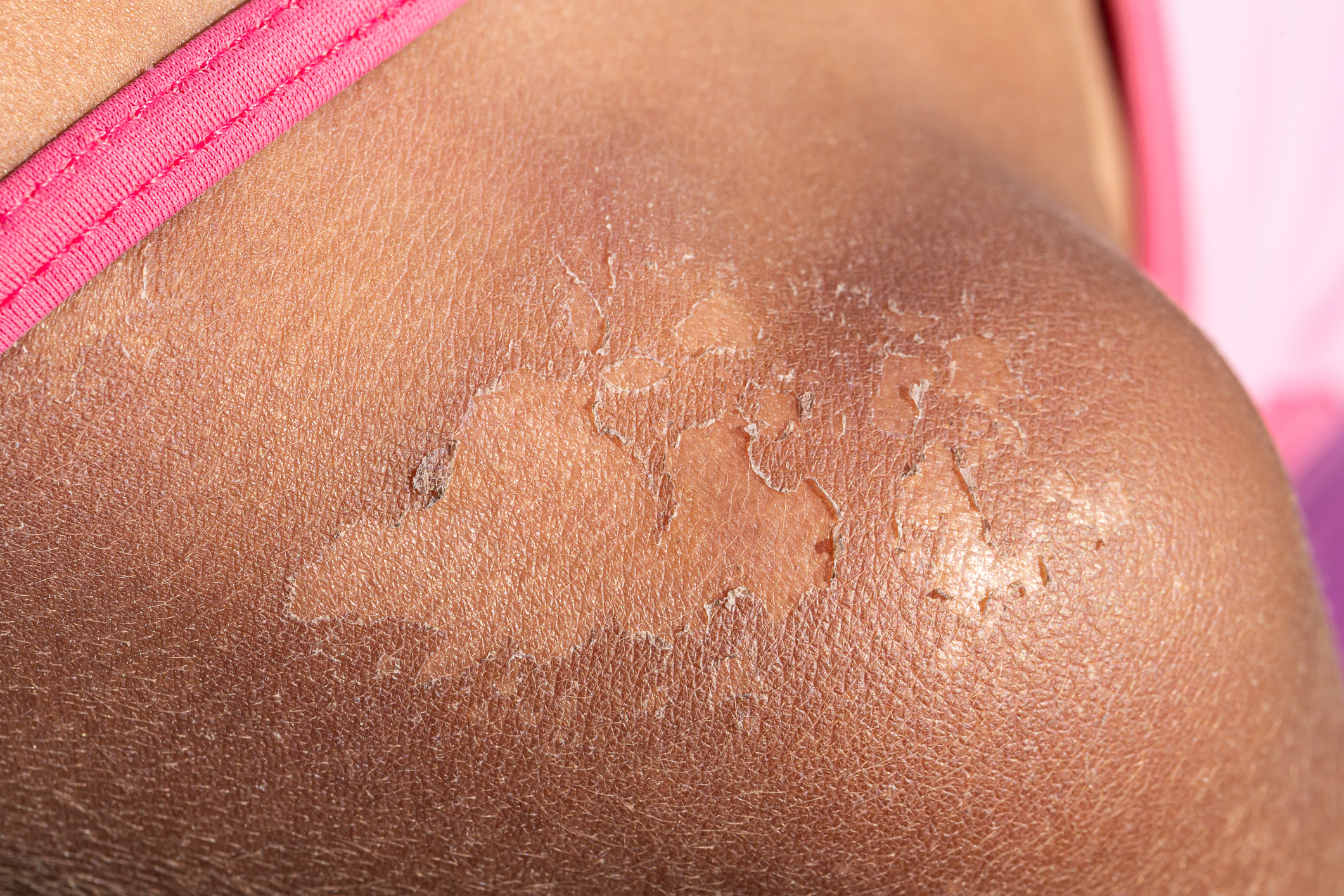
What is Induration?

Induration is a deep, thickening of the skin from edema, inflammation, or infiltration, including cancer.

Signs of indurated skin include:

  • Skin that feels firmer to the touch than the surrounding skin
  • Skin that appears thick
  • Skin that looks smooth and shiny

The indurated areas commonly appear on the hands and face, but can also be found on the chest, back, abdomen, breast, or buttocks.

The primary underlying causes of skin induration include:

  • Specific types of skin infection
  • Cutaneous metastatic cancers
  • Panniculitis
  • Hives

The precise physiological process that results in many conditions that cause skin induration includes inflammation and infiltration of the skin by certain types of cancer cells.

Several types of skin infections with symptoms of skin induration include:

  • An abscess
  • An inflamed cyst
  • Insect bites that become infected

The diagnosis of skin induration is made by palpation or the feeling of the area, assessing whether the raised area feels hard and resistant.

Treatment of skin induration varies depending on the underlying cause. Treatment options include:

  • For an abscess, the treatment option may be antibiotics, incision, or drainage
  • For inflammatory disorders, such as scleroderma or lichen sclerosus, immunosuppressants or steroid creams can be used.

Supportive care for skin induration conditions can vary greatly, depending on the underlying cause. Examples of supportive care for skin conditions can include:

  • Warm compresses
  • Analgesia
  • Elevation of the affected extremity to help reduce swelling

If you are experiencing any signs of skin induration, you can schedule an appointment with a doctor at Jamaica Hospital Medical Center’s Ambulatory Care Center, please call (718) 206-7001.

All content of this newsletter is intended for general information purposes only and is not intended or implied to be a substitute for professional medical advice, diagnosis or treatment. Please consult a medical professional before adopting any of the suggestions on this page. You must never disregard professional medical advice or delay seeking medical treatment based upon any content of this newsletter. PROMPTLY CONSULT YOUR PHYSICIAN OR CALL 911 IF YOU BELIEVE YOU HAVE A MEDICAL EMERGENCY.

Signs and Symptoms of Stroke in Women

Men are more likely to have a stroke. However, women have a higher lifetime risk and are also more likely to die from a stroke.

The Centers for Disease Control and Prevention (CDC) estimates that one in five women will have a stroke. Women have a higher lifetime risk of stroke because they tend to live longer than men. They also have unique risk factors, including:

  • Pregnancy
  • Preeclampsia
  • The use of hormonal birth control
  • Hormone replacement therapy
  • Obesity
  • Migraine with aura, which is more common in women
  • Atrial fibrillation (AFib), which is more common in women over 75 years of age

Many symptoms of stroke are common in both men and women, including:

  • Sudden difficulty seeing in one or both eyes
  • Sudden numbness or weakness of the face and limbs, most likely on one side of the body
  • Sudden difficulty speaking or understanding
  • Sudden and severe headaches with no known cause
  • Sudden dizziness, difficulty walking, or loss of balance or coordination

Women may report symptoms that are often not associated with strokes in men. These symptoms can include:

  • Nausea or vomiting
  • Seizures
  • Hiccups
  • Shortness of breath
  • Pain
  • Fainting or loss of consciousness
  • General weakness

Because these symptoms can signify a different condition, it can be difficult to connect them immediately to a stroke. This can delay treatment and slow recovery.

The American Stroke Association recommends an easy strategy for identifying the symptoms of a stroke. If you think you or someone around you may be having a stroke, you should act FAST:

  • Face – ask the person to smile. Does one side of their face droop?
  • Arms – ask the person to raise both arms. Does one arm drift downward?
  • Speech – ask the person to repeat a simple phrase. Is their speech slurred or strange?
  • Time – if you observe any of these symptoms, it is time to call 911 or your local emergency services.

When it comes to a stroke, every minute counts. The longer you wait to call emergency services, the more likely it is that the stroke will result in brain damage or disability.

Jamaica Hospital Medical Center has been accredited as a Comprehensive Stroke Center (the highest designation of stroke care) by the Joint Commission. Whether you’ve survived a stroke or may be at risk of experiencing one, you can schedule an appointment for neuroendovascular screening, stroke rehabilitation, or any other form of stroke treatment that we provide. To schedule an appointment, please call 718-206-7001.

All content of this newsletter is intended for general information purposes only and is not intended or implied to be a substitute for professional medical advice, diagnosis or treatment. Please consult a medical professional before adopting any of the suggestions on this page. You must never disregard professional medical advice or delay seeking medical treatment based upon any content of this newsletter. PROMPTLY CONSULT YOUR PHYSICIAN OR CALL 911 IF YOU BELIEVE YOU HAVE A MEDICAL EMERGENCY.

Winter Dehydration

Dehydration in the winter may seem less likely than in the summertime, but it is still a risk. According to the U.S. National Academies of Sciences, Engineering, and Medicine, the recommended amount of daily fluid intake is around 15.5 cups for men and 11.5 for women. For many of us, it might be harder to reach these quantities during the winter months.

Some causes of winter dehydration include:

  • Indoor heat
  • Bundling up in too many layers
  • Lack of thirst
  • Fluid loss from respiration
  • More frequent urination

There are many signs of dehydration, including:

  • The color of your urine
  • Constipation
  • Fatigue
  • Dry mouth and chapped lips
  • Dry skin
  • Headaches
  • Difficulty concentrating
  • Irritability
  • Feeling faint or dizzy
  • A rapid heart rate

Here are some tips for staying hydrated in the winter:

  • Drink warm fluids if it is too difficult to drink cold water when it’s cold outside.
  • Infuse plain water with flavor, by adding flavorings such as a wedge of lemon or lime, other pieces of fruit, or unsweetened water enhancers.
  • Carry a reusable water bottle with you to encourage daily hydration.
  • Eat homemade soups and water-rich fruits and vegetables to help increase fluid intake
  • Avoid drinking caffeine as it can contribute to dehydration.
  • Swap drinking an alcoholic beverage for a mocktail.
  • Make hydration a routine by drinking a certain amount of water daily.

If you have symptoms of dehydration, consult a physician immediately. Severe cases can lead to complications and potentially death. For less severe cases, you can schedule an appointment with a physician at Jamaica Hospital Medical Center’s Ambulatory Care Center, by calling (718) 206-7001. If you are experiencing an emergency, call 911.

All content of this newsletter is intended for general information purposes only and is not intended or implied to be a substitute for professional medical advice, diagnosis or treatment. Please consult a medical professional before adopting any of the suggestions on this page. You must never disregard professional medical advice or delay seeking medical treatment based upon any content of this newsletter. PROMPTLY CONSULT YOUR PHYSICIAN OR CALL 911 IF YOU BELIEVE YOU HAVE A MEDICAL EMERGENCY.
Integrative Health Month

January is Integrative Health Month. It raises awareness of the need for collaborative care among various disciplines to treat the whole person instead of a symptom-only approach.

Integrative health uses an evidence-based approach to treating a patient’s mind, body, and soul. Because physical, emotional, mental, and spiritual needs are all involved, integrative health combines these therapies.

The relationships between you and your healthcare providers are important in integrative health. You are equal partners in your healing process, as integrative health aims for well-coordinated care among different providers and specialists.

A variety of healthcare providers delivers care through integrative health, including:

  • Physicians
  • Chiropractic doctors
  • Holistic mind-body psychotherapists
  • Acupuncturists
  • Chinese herbal therapists
  • Tai chi practitioners
  • Yoga practitioners
  • Massage therapists
  • Nutritionists
  • Chefs (culinary medicine)

Integrative health physicians don’t replace your primary care provider or specialist. They work with all members of your healthcare team to heal your mind, body, and spirit. Their expertise lies in preventing and managing chronic diseases not in treating acute medical problems. You should see your primary care or emergency medicine physician for acute and medical emergencies.

Many people can benefit from integrative health including those who are healthy. People with chronic or complex conditions may especially find the approach helpful. Integrative health can help you find relief for many medical conditions, including:

  • Autoimmune diseases
  • Acute and chronic pain
  • Breathing disorders
  • Headaches and migraines
  • Cancer and cancer-related side effects
  • Chronic fatigue
  • Cold/flu symptoms
  • Digestive disorders
  • Infertility
  • Menopausal symptoms
  • Menstrual issues
  • Mental and emotional health issues
  • Obesity
  • High blood pressure
  • Sleep issues

Integrative health techniques support the body’s natural ability to heal. They help reduce stress and promote a state of relaxation that leads to better health. Integrative health can help you achieve optimal health when you engage in your own healing and feel empowered to make lifestyle changes. Adding integrative health to your healthcare routine can help you regain control of your well-being.

To learn more about Jamaica Hospital Medical Center’s integrative health services, events, or classes, or to schedule an appointment, please call us at (718) 206-5675.


All content of this newsletter is intended for general information purposes only and is not intended or implied to be a substitute for professional medical advice, diagnosis or treatment. Please consult a medical professional before adopting any of the suggestions on this page. You must never disregard professional medical advice or delay seeking medical treatment based upon any content of this newsletter. PROMPTLY CONSULT YOUR PHYSICIAN OR CALL 911 IF YOU BELIEVE YOU HAVE A MEDICAL EMERGENCY.

POTS (Postural Orthostatic Tachycardia Syndrome)

Postural orthostatic tachycardia syndrome (POTS) is a condition that causes your heart to beat faster than normal when you transition from sitting or lying down to standing up.

Each word of “postural orthostatic tachycardia syndrome” has a meaning:

  • Postural – related to the position of your body
  • Orthostatic – related to standing upright
  • Tachycardia – a heart rate over 100 beats per minute
  • Syndrome – A group of symptoms that happen together

Your autonomic nervous system normally balances your heart rate and blood pressure to keep your blood flowing at a healthy pace, despite your body’s positioning. However, if you have POTS, your body can’t coordinate the balancing act of blood vessel constriction and heart rate response, meaning your body can’t keep your blood pressure steady and stable. This causes a variety of symptoms, including:

  • Dizziness or lightheadedness, especially when standing up, during prolonged standing in one position, or on long walks
  • Fainting or near fainting
  • Forgetfulness and trouble focusing (brain fog)
  • Heart palpitations or a racing heart rate
  • Exhaustion/fatigue
  • Feeling nervous or anxious
  • Shakiness and excessive sweating
  • Shortness of breath
  • Chest pain
  • Headaches
  • Nausea
  • Bloating
  • A pale face and purple discoloration of your hands and feet if they’re lower than the level of your heart
  • Disrupted sleep from chest pain, a racing heart rate, or excessive sweating during sleep

POTS symptoms often get worse in the following situations:

  • Being in warm environments, such as in a hot bath or shower, or on a hot day
  • Standing frequently, such as when you’re waiting in line or shopping
  • Participating in strenuous exercise
  • When you are sick from a cold or an infection
  • Having your period

You can develop POTS suddenly or it can develop gradually. Symptoms vary from person to person. They may happen immediately or a few minutes after sitting up or standing. Lying down may relieve some of the symptoms.

Researchers aren’t sure what causes POTS. They currently believe there are multiple causes, which have been put into different subtypes of POTS, including:

  • Neuropathic POTS – this happens when peripheral denervation (loss of nerve supply) leads to poor blood vessel muscles, especially in your legs and abdomen
  • Hyperadrenergic POTS – this happens when your sympathetic nervous system is overactive
  • Hypovolemic POTS – reduced blood volume can lead to POTS. Low blood volume can cause similar symptoms that may overlap with neuropathic and hyperadrenergic POTS

There is also growing evidence that suggests POTS might be an autoimmune disease, meaning the immune system attacks healthy tissue for unknown reasons.

POTS can be difficult for healthcare providers to diagnose due to the many symptoms that can occur over time. People with POTS may have symptoms for months or years before they are finally diagnosed with the condition.

To confirm a POTS diagnosis or rule out other possible causes for your symptoms, your healthcare provider will ask questions about symptoms, medications, and medical history, and they will also perform a series of tests.

A tilt table test is the main way providers diagnose POTS, as it measures your heart rate and blood pressure as you change your posture and position. A healthcare provider may order other tests to help determine a diagnosis, including:

  • Blood and urine tests for causes of POTS and conditions that mimic POTS
  • QSART (a test that measures the autonomic nerves that control sweating)
  • Autonomic breathing test (a test that measures your blood rate and pressure response during exercise
  • Skin nerve biopsy

Unfortunately, there is no cure for POTS. However, healthcare providers use strategies to manage the symptoms. Treatment is highly individualized based on your symptoms and what works best for you. The main forms of treatment include:

  • Exercise and physical activity
  • Diet and nutrition

There is nothing you can do to prevent developing POTS. But there are steps you can take to try to prevent flare-ups by knowing what your triggers are, including:

  • Maintaining a consistent temperature
  • Avoiding prolonged standing
  • Avoiding alcohol

If you are experiencing any POTS-related symptoms, you can schedule an appointment at Jamaica Hospital Medical Center’s Cardiology Department by calling (718) 206-7100. If you are experiencing an emergency, please call 911 right away.


All content of this newsletter is intended for general information purposes only and is not intended or implied to be a substitute for professional medical advice, diagnosis or treatment. Please consult a medical professional before adopting any of the suggestions on this page. You must never disregard professional medical advice or delay seeking medical treatment based upon any content of this newsletter. PROMPTLY CONSULT YOUR PHYSICIAN OR CALL 911 IF YOU BELIEVE YOU HAVE A MEDICAL EMERGENCY.

Jamaica Hospital Medical Center Now Offering Inspire® Therapy for Obstructive Sleep Apnea

Queens, NY— Jamaica Hospital Medical Center is the only hospital in Queens to offer Inspire therapy, a breakthrough treatment option for obstructive sleep apnea (OSA) for those who cannot use Continuous Positive Airway Pressure (CPAP) therapy.

OSA affects 22 million Americans and when left untreated, it can cause vehicle and workplace accidents, worsening mood and memory, stroke, heart attack, and even death. It occurs when the airway collapses during sleep and blocks oxygen flow to the brain. The brain senses a lack of oxygen and wakes the body up just long enough to breathe, then falls asleep. This cycle repeats throughout the night and causes poor, disruptive sleep.

Inspire works inside the body with a patient’s natural breathing process to treat sleep apnea. Mild stimulation opens the airway during sleep, allowing oxygen to flow naturally. The patient uses a small handheld remote to turn Inspire on before bed and off when they wake up.

Inspire’s safety and efficacy were evaluated during the STAR clinical trial. Five-year STAR trial outcomes show that patients using Inspire experience significant reductions in sleep apnea events and significant improvements in quality-of-life measures. Over 150 peer-reviewed publications on Inspire show results consistent with those seen in the STAR trial.

“In our practice, we see many patients who have stopped using or are unable to tolerate CPAP,” said Jamaica Hospital Medical Center. “Inspire represents a significant advancement in treating sleep apnea. It is clinically proven to reduce sleep apnea events and has a high level of patient satisfaction and high therapy adherence. We are excited to offer this promising therapy to sleep apnea patients who struggle with CPAP.”

Our team of otolaryngologists offers effective treatment for many common conditions affecting the ears, nose, and throat. These conditions cover various levels of severity; some, such as certain allergies and hearing problems, may pose a distracting annoyance that makes your day-to-day activities more challenging, while others, such as sinus infections, ear infections, and sleep apnea, may develop more serious complications without prompt diagnosis and treatment.

To learn more about Inspire at Jamaica Hospital Medical Center, please visit Jamaicahospital.org or call 718-206-7110 to make an appointment with an ENT doctor.

All content of this newsletter is intended for general information purposes only and is not intended or implied to be a substitute for professional medical advice, diagnosis or treatment. Please consult a medical professional before adopting any of the suggestions on this page. You must never disregard professional medical advice or delay seeking medical treatment based upon any content of this newsletter. PROMPTLY CONSULT YOUR PHYSICIAN OR CALL 911 IF YOU BELIEVE YOU HAVE A MEDICAL EMERGENCY.

Thyroid Awareness Month

January is Thyroid Awareness Month.

Thyroid disease is a medical condition that keeps your thyroid from making the right amount of hormones. The thyroid is a small, butterfly-shaped gland at the front of the neck under your skin. As a part of the body’s endocrine system, it controls many of your body’s important functions by producing and releasing thyroid hormones and controlling the speed of your metabolism.

There are two main types of thyroid disease, hypothyroidism (underactive thyroid) and hyperthyroidism (overactive thyroid). They each have several conditions that can cause them.

Conditions that can cause hypothyroidism include:

  • Hashimoto’s disease – this is a lifelong autoimmune condition that can cause hypothyroidism. It is the most common cause of hypothyroidism in countries with widely available iodized salt and other iodine-enriched foods.
  • Iodine deficiency – the thyroid needs iodine to make the thyroid hormone, so a lack of the mineral in your diet can lead to hypothyroidism. It is the most common cause of hypothyroidism in countries that don’t have iodized salt widely available. It often causes goiters also known as an enlarged thyroid.
  • Congenital hypothyroidism – sometimes, babies are born with a missing or underactive thyroid. “Congenital” means present from birth. About one in every 2,000 to 4,000 babies have congenital hypothyroidism.

Conditions that can cause hyperthyroidism include:

  • Graves’ disease – this is a chronic autoimmune condition that causes an overactive thyroid. It is the most common cause of hyperthyroidism.
  • Thyroid nodules – these are abnormal lumps on your thyroid gland. If the nodules are hyper-functioning, they can lead to hyperthyroidism.
  • Excessive iodine – when you have too much iodine in your body, your thyroid makes more thyroid hormones than you need. You may develop excessive iodine by taking certain medications.

Some conditions can cause both hypothyroidism and hyperthyroidism at different times, including:

  • Thyroiditis – which is the inflammation of the thyroid gland. It typically causes temporary hyperthyroidism at first and then temporary or chronic hypothyroidism.
  • Postpartum thyroiditis – this is a relatively rare condition that affects some birthing parents after pregnancy. An estimated 5% of people may experience this after giving birth. It typically causes hyperthyroidism first, followed by hypothyroidism. It is usually temporary.

There are a variety of thyroid disease symptoms. Unfortunately, symptoms of a thyroid condition are often similar to the signs of other medical conditions and stages of life, making it difficult to know if the symptoms are related to a thyroid issue or something else.

Symptoms of hypothyroidism include:

  • Slower-than-usual heart rate
  • Fatigue
  • Unexplained weight gain
  • Feeling sensitive to the cold
  • Dry skin and dry coarse hair
  • Depression
  • Heavy menstrual periods

Symptoms of hyperthyroidism include:

  • Faster-than-usual heart rate
  • Difficulty sleeping
  • Unexplained weight loss
  • Feeling sensitive to the heat
  • Clammy or sweaty skin
  • Feeling anxious, irritable, or nervous
  • Irregular menstrual cycles or lack of periods

Many factors can put you at a higher risk of developing a thyroid condition, including:

  • Being assigned female at birth (AFAB). People AFAB are five to eight times more likely to have a thyroid condition than people assigned male at birth (AMAB)
  • Have a family history of thyroid disease
  • Have Turner syndrome
  • Take a medication that is high in iodine
  • Live in a country or area that doesn’t have iodized table salt, which can lead to iodine deficiency
  • Are older than 60 years of age, especially if you are AFAB
  • Have received radiation therapy to your head and/or neck

Having an autoimmune disease also increases your risk, especially if you have:

  • Pernicious anemia
  • Type 1 diabetes
  • Celiac disease
  • Addison’s disease
  • Lupus
  • Rheumatoid arthritis
  • Sjögren’s syndrome

Thyroid disease can be diagnosed using blood and imaging tests after a healthcare provider performs a physical exam.

Treatment for thyroid disease depends on the type of condition and the cause. The goal is to return your thyroid hormone levels to a healthy range. Hyperthyroidism is treated with antithyroid drugs, radioiodine therapy, beta-blockers, and surgery. Hypothyroidism is treated with thyroid replacement therapy.

If you’re experiencing symptoms of any thyroid disease, you can call and make an appointment with Jamaica Hospital Medical Center’s endocrinology service, at 718-206-7001.


All content of this newsletter is intended for general information purposes only and is not intended or implied to be a substitute for professional medical advice, diagnosis or treatment. Please consult a medical professional before adopting any of the suggestions on this page. You must never disregard professional medical advice or delay seeking medical treatment based upon any content of this newsletter. PROMPTLY CONSULT YOUR PHYSICIAN OR CALL 911 IF YOU BELIEVE YOU HAVE A MEDICAL EMERGENCY.