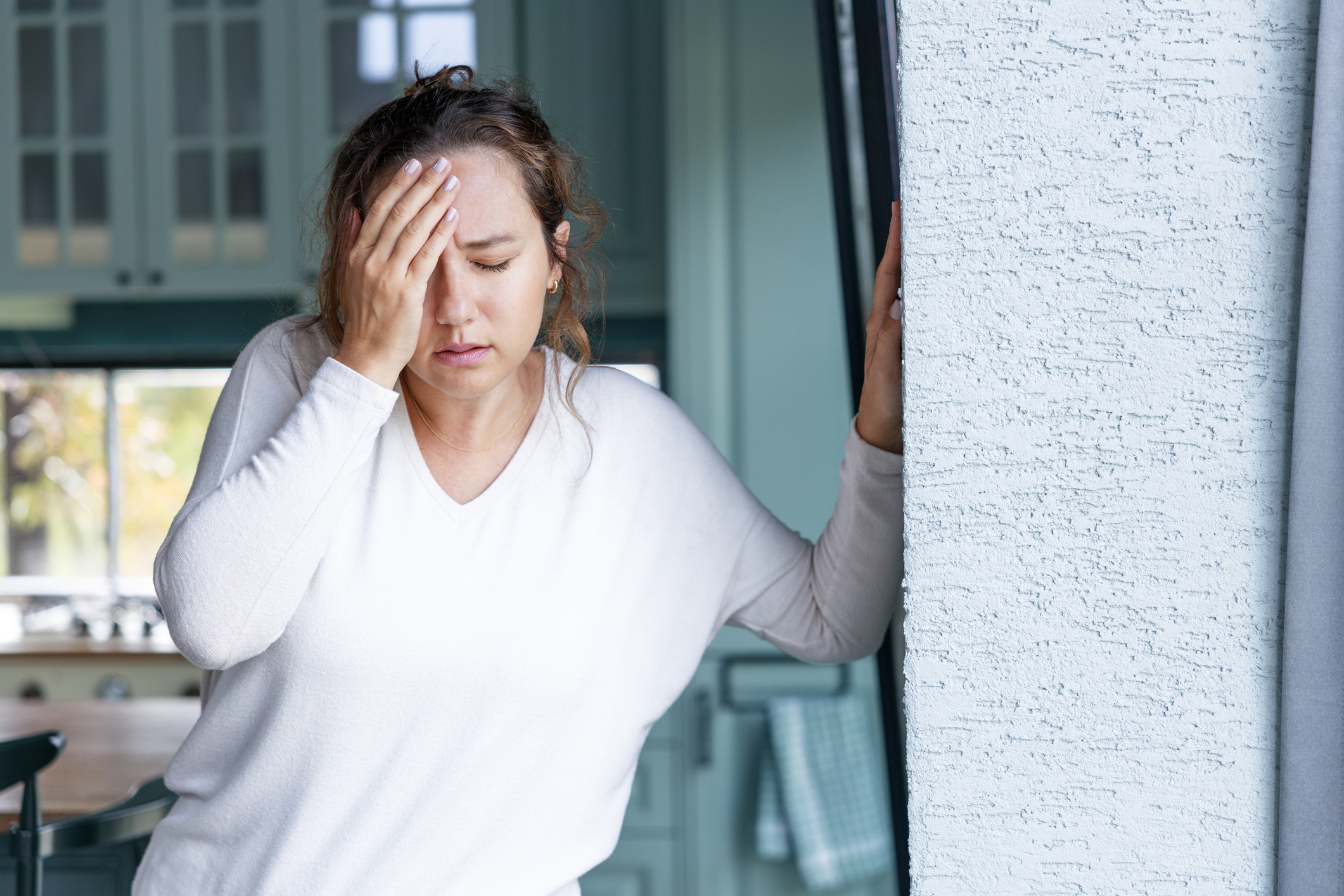
Strokes On The Rise In Younger People

A stroke occurs when blood supply to part of the brain is blocked or reduced, or when there is bleeding in the brain.  A stroke can result in brain damage, long-term disability, or death.

Data shows that people over the age of 55 have a higher risk of stroke than others. Although the risk of stroke increases with age, it is important to remember that it can happen to anyone. Younger people can have strokes too.

According to the American Heart Association, approximately 10-15% of strokes occur in adults aged 18-50 years, and the incidence of ischemic stroke (caused by a clot blocking blood flow to the brain) is rising in that group.

Several factors may increase the risk of stroke in younger adults. They are:

  • Pregnancy
  • Smoking
  • Illicit drug use
  • Binge drinking
  • Taking birth control pills that include estrogen
  • Sickle cell disease
  • Blood clotting disorders
  • Migraine with aura
  • Diabetes
  • Hypertension
  • Patent foramen ovale
  • Obesity
  • Genetics

The risk of stroke can be reduced by receiving the appropriate care for certain diseases and health conditions, avoiding the use of illicit drugs, and making positive lifestyle changes such as eating healthy, exercising, quitting smoking, and minimizing alcohol consumption.

Having a stroke can have a serious impact on your health. This is why knowing the warning signs and receiving timely treatment is crucial. The acronym B.E.F.A.S.T (balance, eyes, face drooping, arm weakness, speech difficulty, time to call 911) can help you remember the warning signs of a stroke and respond quickly.

Jamaica Hospital Medical Center has been accredited as a Comprehensive Stroke Center (the highest designation of stroke care) by the Joint Commission. Whether you’ve survived a stroke or may be at risk of experiencing one, you can schedule an appointment for neuroendovascular screening, stroke rehabilitation, or any other form of stroke treatment that we provide.   To schedule an appointment, please call 718-206-7001.

All content of this newsletter is intended for general information purposes only and is not intended or implied to be a substitute for professional medical advice, diagnosis or treatment. Please consult a medical professional before adopting any of the suggestions on this page. You must never disregard professional medical advice or delay seeking medical treatment based upon any content of this newsletter. PROMPTLY CONSULT YOUR PHYSICIAN OR CALL 911 IF YOU BELIEVE YOU HAVE A MEDICAL EMERGENCY.

Recognizing The Symptoms of A Stroke

Symptoms of a stroke Stroke is an all too common medical emergency that affects more than 795,000 people in the United States each year; of that number, 140,000 people die from complications.

According to the Centers for Disease Control and Prevention (CDC), a stroke occurs every four seconds and someone dies from stroke every four minutes.  Because the chances of an occurrence are high, there is a possibility that you may come in contact with a person while they are having a stroke.  Knowledge is key when helping someone in this situation.

Stroke can occur when there is a blockage of blood supply or bleeding in the brain. Both instances can lead to severe symptoms if not addressed with urgency.   When stroke occurs time equals brain: meaning for every minute without treatment 1.9 million neurons (the building blocks of the nervous system) may become damaged or die.

Time is essential when treating stroke. The sooner you recognize the warning signs, the sooner you can seek emergency care.  When it comes to recognizing stroke, all you have to remember is F-A-S-T:

  • Facial droop: one side of the face isn’t moving like the other. If you ask them to smile, it will appear lop-sided or crooked.
  • Arm weakness: one side may be weaker than the other, or they cannot raise both arms together. There may also be numbness or tingling of the arm or leg.
  • Speech difficulty: slurred speech, or speech that may not make sense. They cannot repeat a simple phrase or aren’t forming their words normally.
  • Time: if you notice any of these signs, call 9-1-1 immediately and remember the time you first noticed symptoms, this will be very important information when it comes to treatment.

Other signs of stroke may include a sudden severe headache, changes to vision, confusion, numbness/tingling, trouble walking or poor balance.

If someone you know has symptoms of stroke, CALL 9-1-1! Emergency medical staff can provide early diagnosis and treatment and ensure that the patient gets transported where they need to go as quickly as possible. Recognizing the signs of stroke early can save a life!

For more information about stroke and stroke prevention and treatment, you can go to www.cdc.gov/stroke or www.stroke.org or schedule an appointment with your doctor to discuss what risk factors you may have and what you can do to minimize your risk of stroke.

To  schedule an appointment with a Family Medicine Doctor at Jamaica Hospital Medical Center, please call 718-206-6942

Andrew Flowers, MD- Family Medicine


All content of this newsletter is intended for general information purposes only and is not intended or implied to be a substitute for professional medical advice, diagnosis or treatment. Please consult a medical professional before adopting any of the suggestions on this page. You must never disregard professional medical advice or delay seeking medical treatment based upon any content of this newsletter. PROMPTLY CONSULT YOUR PHYSICIAN OR CALL 911 IF YOU BELIEVE YOU HAVE A MEDICAL EMERGENCY.