Laryngitis

laryngitis treatment

Many have experienced the two most common symptoms of laryngitis- hoarseness or voice loss.  

These symptoms occur as a result of an inflammation of the larynx which contains our vocal cords.  When our vocals cords are inflamed they become swollen, distorting the sounds made by the air passing through them.

Additional signs and symptoms of laryngitis can include a dry cough, sore throat, low-grade fever, itchy throat or swollen glands.

Most cases of laryngitis are temporary or acute and are caused by overusing our voices, viral infections such as the cold or bacterial infections such as diphtheria. Symptoms typically last for a few days.

The best treatments for acute laryngitis involve self-care.  It is recommended that you rest your voice, drink plenty of fluids, use humidifiers or menthol inhalers and gargle with warm, salt water. You should avoid whispering, dry or smoky rooms, decongestants, spicy foods, alcoholic beverages and caffeine.

Laryngitis can be also become chronic or long-term.  Symptoms lasts more than three weeks and can be brought on by bulimia, smoking, alcohol abuse, GERD (acid reflux), constant exposure to polluted air or second-hand smoke, excessive coughing, sinus disease, injury to the throat or cancer.

Treatments for chronic laryngitis are aimed at treating underlying issues. For instance, doctors may recommend a change in diet in cases in which chronic laryngitis is caused by GERD. If caused by exposure to polluted air, doctors may recommend wearing protective gear.  Medications such as antihistamines, antibiotics, pain relievers or glucocorticosteroids may also be prescribed based on the cause of symptoms.

If you are experiencing the symptoms of laryngitis for more than three weeks, you should see a doctor. Medical attention must be sought immediately if you are having difficulty breathing, coughing up blood, have increased pain or a fever that will not subside. To schedule an appointment with a doctor at Jamaica Hospital Medical Center, please call 718-206-7001

All content of this newsletter is intended for general information purposes only and is not intended or implied to be a substitute for professional medical advice, diagnosis or treatment. Please consult a medical professional before adopting any of the suggestions on this page. You must never disregard professional medical advice or delay seeking medical treatment based upon any content of this newsletter. PROMPTLY CONSULT YOUR PHYSICIAN OR CALL 911 IF YOU BELIEVE YOU HAVE A MEDICAL EMERGENCY.

Heart Valve Disease

Heart Valve Disease

Our hearts have four valves:  the aortic, mitral, pulmonary and tricuspid valves.  They work together to keep blood flowing in the correct direction; through the heart’s chambers and to the rest of the body. 

Heart valve disease occurs when one or more of our heart valves do not work properly, disrupting the flow of blood throughout our bodies.  This disease can be congenital (developing before birth) or acquired (developing after birth). Heart valve disease can lead to serious complications such as stroke, heart failure, blood clots, heart rhythms abnormalities or death.

The three main problems encountered in heart valve disease are:

  • Stenosis- which occurs when the flaps of a heart valve do not fully open due to the thickening of valve tissue. This makes the heart work harder to pump blood which can lead to heart failure. Stenosis can develop as a result of a buildup of calcium or other deposits on the valves. 
  • Regurgitation – this happens when the valve doesn’t close all the way. If our valves do not close correctly this will cause blood to leak backward into the heart and less blood to flow to our bodies.
  • Atresia- this is present at birth and occurs as a result of the valve not being developed. Instead of a valve, a piece of tissue forms that restricts the flow of blood.

Stenosis and regurgitation can be caused by pre-existing heart conditions, age-related changes, rheumatic fever or infections. There are no known causes for atresia.

Some people with heart valve disease may not experience symptoms during the early stages of the disease. When symptoms present they can include:

  • A heart murmur or an unusual heartbeat
  • Heart palpitations
  • Fatigue
  • Dizziness
  • Shortness of breath
  • Fainting
  • Swollen ankles, feet or belly

Several factors can increase the risk of heart valve disease. Risk factors include:

  • Older age ( As you age your heart valves become stiffer and thicker)
  • A history  of infective endocarditis
  • Rheumatic fever resulting from an untreated strep infection
  • Heart conditions present at birth
  • Atherosclerosis (buildup of plaque inside the arteries),  heart attack, advanced heart failure or other conditions that can cause harm to the heart valves

If you are experiencing symptoms of heart valve disease, you should inform your doctor.   A physical examination will be conducted during which your doctor will listen for a heart murmur.  Your doctor may order a series of diagnostic tests such as an echocardiography, chest X-ray, cardiac MRI or electrocardiogram to evaluate your heart’s health. 

Treatment for heart valve disease may include surgery or medications. Your doctor will most likely recommend that you make heart-healthy lifestyle changes.

To schedule an appointment with a  cardiologist at Jamaica Hospital Medical Center, please call 718-206-7100.

All content of this newsletter is intended for general information purposes only and is not intended or implied to be a substitute for professional medical advice, diagnosis or treatment. Please consult a medical professional before adopting any of the suggestions on this page. You must never disregard professional medical advice or delay seeking medical treatment based upon any content of this newsletter. PROMPTLY CONSULT YOUR PHYSICIAN OR CALL 911 IF YOU BELIEVE YOU HAVE A MEDICAL EMERGENCY.

Dr. Urielle Marseille Shares Facts About Hand Foot and Mouth Disease

Hand Foot and Mouth Disease

Now that we are approaching the colder seasons, one of the most common rashes to occur in younger children around this time of year is hand-foot-and-mouth disease.

Hand-foot-and-mouth disease is a viral infection often caused by coxsackieviruses or other enteroviruses. As the name suggests, this rash tends to appear on children’s hands, feet, and mouths; however, it can also appear on other parts of their bodies. Hand-foot-and-mouth disease typically occurs in children younger than 10 years old during the fall and winter seasons. 

Symptoms of hand-foot-and-mouth disease include:

  • Low-grade fever -typically a temperature around 100.4 F
  • Rash- usually multiple pimples with some redness.  A rash may present on the palms of children’s hands and the soles of their feet. A rash can also appear on their torsos and legs.
  • Ulcers in the back of the mouth, resulting in a sore throat which may keep your child from drinking and eating.

Hand-foot-and-mouth disease does not pose any immediate danger to your child. It is self-limiting, meaning it usually resolves on its own.  However, parents need to know that the infection is contagious. It can spread to other children and adults. The most contagious period is in the first week.  The virus spreads by contact with contaminated feces, saliva or respiratory droplets. 

Here are a few things you can do to prevent transmission:

  • Keep your child home from school for at least a week
  • Isolate children who are infected
  • Have everyone at home wash their hands before eating or drinking
  • Do not share cups and utensils
  • Parents must wash their hands after every diaper change. Also, be sure to wipe changing table surfaces

As soon as you notice a rash, take your child to see a doctor.  Treatment will be focused on making your child feel comfortable.  Your doctor may prescribe medication to reduce fevers and alleviate other symptoms.  Make sure that your child is eating and drinking,

There are rarely severe complications associated with hand-foot-and-mouth disease; however, if your child experiences vomiting, trouble breathing, a fever is higher than 101 F or difficulty standing; you should take them to the emergency room right away.

If you have questions about hand-foot-and-mouth disease and would like to schedule an appointment with a Family Medicine doctor, please call 718- 206-6942.

Urielle Marseille M.D.

All content of this newsletter is intended for general information purposes only and is not intended or implied to be a substitute for professional medical advice, diagnosis or treatment. Please consult a medical professional before adopting any of the suggestions on this page. You must never disregard professional medical advice or delay seeking medical treatment based upon any content of this newsletter. PROMPTLY CONSULT YOUR PHYSICIAN OR CALL 911 IF YOU BELIEVE YOU HAVE A MEDICAL EMERGENCY.

Is Your Child’s Rash Due To Fifth Disease?

Fifth disease, also known as erythema infectiosum, is a contagious viral infection that is most common in school-age children.  The disease produces a rash on the face and body of those who have it.

Jamaica Hospital shares that a child with a red rash on their cheeks may have fifth disease

The feature that sets fifth disease apart from other types of rashes, such as rubella or scarlet fever is the distinctive, sudden appearance of bright red cheeks, commonly referred to as a “slapped cheek” rash. This can followed by a second rash a few days later on the chest, back, buttocks, arms and legs. The rash may be itchy, especially on the soles of the feet. It can vary in intensity and usually goes away in seven to 10 days, but it can come and go for several weeks.

Other symptoms of fifth disease are usually mild and may include:

  • Fever
  • Runny nose
  • Headache
  • Pain and swelling in the joints

Fifth disease is transmitted from person to person by respiratory secretions, such as saliva, sputum, or nasal mucus when an infected person coughs or sneezes. The incubation period is usually four to 14 days, but can be as long as 21 days. Those with fifth’s disease are most contagious when symptoms resemble that of a fever or a cold. By the time a rash appears they are no longer contagious.

There is no vaccine or medicine that can prevent fifth disease. You can reduce your chance of being infected or infecting others by:

  • Washing your hands often with soap and water
  • Covering your mouth and nose when you cough or sneeze
  • Avoiding close contact with people who are sick
  • Staying home when you are sick

Treatment for fifth disease typically involves taking over the counter medications to relieve symptoms, such as fever, itching, and joint pain.

To make an appointment at Jamaica Hospital’s Pediatric Ambulatory Care Center, please call 718-206-7001.

All content of this newsletter is intended for general information purposes only and is not intended or implied to be a substitute for professional medical advice, diagnosis or treatment. Please consult a medical professional before adopting any of the suggestions on this page. You must never disregard professional medical advice or delay seeking medical treatment based upon any content of this newsletter. PROMPTLY CONSULT YOUR PHYSICIAN OR CALL 911 IF YOU BELIEVE YOU HAVE A MEDICAL EMERGENCY.

What Are the Symptoms Of A Pinched Nerve?

Jamaica Hospital, Pinched Nerve

Our nerves are specialized cells that carry important messages throughout our bodies in the form of tiny electrical signals.  When too much pressure is applied to our nerves by surrounding tissues, ligaments or bones, it can result in a pinched – or compressed nerve.

A pinched nerve can occur in various parts of our bodies and they can cause radiating pain, tingling, numbness or weakness. Damage from a pinched nerve may be minor or severe. It may cause temporary or long-lasting problems.

Pinched nerve signs and symptoms include:

  • Numbness or decreased sensation in the area supplied by the nerve
  • Sharp, aching or burning pain, which may radiate outward
  • Tingling, pins and needles sensations
  • Muscle weakness in the affected area
  • Frequent feeling that a foot or hand has “fallen asleep”

Symptoms may worsen when attempting certain movements, such as turning your head or straining your neck. Problems may also become worse while sleeping.

Certain medical conditions can contribute to the development of a pinched nerve. These include:

  • Rheumatoid arthritis
  • Diabetes
  • Obesity
  • Thyroid disease
  • Pregnancy

A pinched nerve can also occur as the result of an injury or from repetitive activities. Conversely, long periods of inactivity or lying down can also cause the problem.

Maintaining a healthy weight, stretching regularly, avoiding repetitive motions and practicing good posture are some tips to avoid developing a pinched nerve.

With rest and other conservative treatments, such as taking over-the-counter medications, most people recover from a pinched nerve within a few days or weeks

See your doctor if the signs and symptoms of a pinched nerve last longer or don’t respond to self-care measures.  Your doctor can provide treatment options to shrink swollen tissue around the nerve. Treatment options may include anti-inflammatory medications, steroid injections, physical therapy, or surgery.

To make an appointment to see a doctor at Jamaica Hospital to treat a pinched nerve, please call 718-206-7001.


All content of this newsletter is intended for general information purposes only and is not intended or implied to be a substitute for professional medical advice, diagnosis or treatment. Please consult a medical professional before adopting any of the suggestions on this page. You must never disregard professional medical advice or delay seeking medical treatment based upon any content of this newsletter. PROMPTLY CONSULT YOUR PHYSICIAN OR CALL 911 IF YOU BELIEVE YOU HAVE A MEDICAL EMERGENCY.

Facts About Lyme Disease

With summer in full swing, we will be spending more time participating in activities outdoors in areas such as parks, forests and hiking trails.  While getting out and keeping physically fit is strongly encouraged it is important to keep in mind that being in these areas can put you at risk for Lyme disease.

Center offers the following information on Lyme disease, how it is spread, its symptoms, and treatment.

Lyme disease is the most common tick-born infection in New York City and in the United States.  On the east coast, Lyme disease is spread by the bite of a black-legged tick infected with the bacterium Borrelia burgdorferi.  Not all black-legged ticks carry this bacterium and, even if they are infected, they must be attached for at least 36 – 48 hours after a person is bitten to transmit the disease.

Black-legged ticks are rarely found in NYC, but if you have been traveling in more rural areas of New York such as Westchester and Long Island you are at greater risk of coming into contact with an infected tick.

The annual number of cases of Lyme disease reported continues to rise each year in non-rural communities.

Some of the early warning signs of Lyme disease are:

  • Muscle aches
  • Headache
  • Fatigue
  • Fever
  • Rash

These signs and symptoms may occur anywhere from three to 30 days after being bitten.  After an infected tick bite, a widening red area may appear at the infected site that is clear in the center, forming a bullseye appearance.

The best way to avoid contracting Lyme disease is to avoid direct contact with ticks.  You can do this by avoiding wooded and brushy areas, and high grass.  If you are hiking, try to walk in the center of the trails and wear long pants and a long-sleeved shirt. If in a wooded area you should use a strong repellent (with Deet).  Dr. Klein cautions that when using any repellent, you should avoid applying the solution to your hands, eyes and mouth.

Some of the tips to find and remove ticks from your body and clothing are:

  • Perform a check of your entire body viewing under your arms, behind and in your ears, inside your navel, behind your knees, along your legs, waist and hair. Also, check your pet.
  • Take a shower soon after returning indoors. If you wash within two hours of returning indoors, the ticks are more easily found and washed off your body.
  • Once you are indoors, take your clothing and place them in the wash using hot water and then put them in the dryer on “high” for at least 10 minutes; if the clothes were washed in cold water, place them in the dryer on “high” for at least 90 minutes

If Lyme disease is left untreated, it can spread to other parts of the body causing arthritis cardiac and nervous system problems.   If you would like to make an appointment with one of the many qualified doctors specializing in Internal Medicine at Jamaica Hospital Medical Center, please call to schedule.

All content of this newsletter is intended for general information purposes only and is not intended or implied to be a substitute for professional medical advice, diagnosis or treatment. Please consult a medical professional before adopting any of the suggestions on this page. You must never disregard professional medical advice or delay seeking medical treatment based upon any content of this newsletter. PROMPTLY CONSULT YOUR PHYSICIAN OR CALL 911 IF YOU BELIEVE YOU HAVE A MEDICAL EMERGENCY.

Mesothelioma

Mesothelioma Mesothelioma is an aggressive form of cancer.  It affects the tissue that lines the body’s internal organs. There are four main types of mesothelioma based on location, they include:

  1. Pleural Mesothelioma (Lungs)
  2. Pericardial Mesothelioma (Heart)
  3. Testicular Mesothelioma (Testes)
  4. Peritoneal Mesothelioma (Abdomen)

Most people who develop the disease are those who have swallowed or inhaled asbestos particles over a period of time (Mesothelioma can take many years to develop after exposure; it may take anywhere between 20 to 60 years to form).  There are other contributing factors that increase the risk of the mesothelioma including living with someone who works with asbestos, having a family history of the disease or receiving radiation therapy to the chest.

Symptoms of mesothelioma may vary depending on the location of which the cancer develops.  They can include:

  • Painful coughing
  • Chest pain
  • Shortness of breath
  • Fluid buildup around the lungs
  • Abdominal pain and swelling
  • Bowel obstruction
  • Nausea
  • Unexplained weight loss
  • Irregular heartbeat
  • Pain in the testes
  • Swelling in the scrotum

If you are experiencing any of these symptoms and are at risk for developing mesothelioma, it is advised that you see your doctor as soon as possible.  Your doctor can order a series of tests that may include a biopsy, imaging or blood tests.  Testing can help your doctor detect mesothelioma and assign a stage.

There is no cure for mesothelioma. Treatment for the disease is dependent on the stage and location of the cancer,  as well as certain aspects of your health.   According to the National Cancer Institute, treatment may include surgery, radiation therapy, chemotherapy or targeted therapy.

To learn more about mesothelioma, please visit the National Cancer Institute’s website at www.cancer.gov.


All content of this newsletter is intended for general information purposes only and is not intended or implied to be a substitute for professional medical advice, diagnosis or treatment. Please consult a medical professional before adopting any of the suggestions on this page. You must never disregard professional medical advice or delay seeking medical treatment based upon any content of this newsletter. PROMPTLY CONSULT YOUR PHYSICIAN OR CALL 911 IF YOU BELIEVE YOU HAVE A MEDICAL EMERGENCY.
Pancreatitis

The pancreas is a large gland located in the upper abdomen, behind our stomachs.  Our pancreas produces enzymes that aid with digestion as well as the release of hormones that regulate blood sugar. If these enzymes are activated while they are still in the pancreas (before they are released into the small intestine) they can lead to inflammation. This inflammation is known as pancreatitis.

Pancreatitis can be acute (lasting for a short time) or chronic (long-lasting). Acute pancreatitis is a sudden inflammation that can result in symptoms such as:

  • Fever
  • Rapid pulse
  • Vomiting
  • Upper abdominal pain that radiates into the back
  • Tenderness when touching the abdomen
  • Abdominal pain that worsens after eating

Chronic pancreatitis is inflammation that does not improve or heal over time. It can lead to permanent damage and impair an individual’s ability to digest food and make pancreatic hormones.   This damage can lead to symptoms that include:

  • Weight loss
  • Nausea
  • Vomiting
  • Diarrhea
  • Oily or fatty stools
  • Pale or clay-colored stools
  • Jaundice (yellowing of the skin and eyes)

There are several factors and conditions believed to increase the risk of pancreatitis.  Risk factors include:

  • Family history of pancreatitis
  • Excessive alcohol consumption
  • Gallstones
  • Cystic fibrosis
  • Lupus
  • Smoking
  • Injury to the abdomen

Serious complications such as pancreatic cancer, diabetes or kidney failure can develop as a result of pancreatitis. Therefore, if you are experiencing symptoms associated with the disease it is recommended that you see your doctor right away.  Your doctor can order a series of tests and procedures to check for abnormalities of the pancreas. Treatment of pancreatitis varies with each individual and can include pancreatic enzyme supplements, treatment for alcohol dependence, smoking cessation, dietary changes, pain management or surgery.

All content of this newsletter is intended for general information purposes only and is not intended or implied to be a substitute for professional medical advice, diagnosis or treatment. Please consult a medical professional before adopting any of the suggestions on this page. You must never disregard professional medical advice or delay seeking medical treatment based upon any content of this newsletter. PROMPTLY CONSULT YOUR PHYSICIAN OR CALL 911 IF YOU BELIEVE YOU HAVE A MEDICAL EMERGENCY.

The Facts About Tendonitis

Tendonitis is an inflammation or irritation of the thick cord (tendon) that attaches you bone to muscle.

This condition occurs when an area is repeatedly injured by impact. There are various activities that can cause tendonitis.  Some of the more common causes include:

  • Gardening
  • Manual Labor
  • Golfing and Tennis
  • Skiing
  • Throwing

Often times, the injury is due to a lack of conditioning, such as stretching, before exercise or playing sports.

Some other reasons for Tendonitis may be medical.  It can be brought on by the strain of rheumatoid arthritis, gout, psoriatic arthritis and thyroid disorders.

Tendonitis usually occurs anywhere in the body where a tendon connects to a muscle such as the shoulder, hip, knee, elbow, Achilles tendon or at the base of the thumb.

The good news is, you can prevent tendonitis from happening.  If you are starting an exercise regimen, you should gradually build up to a comfortable level.  This will help your body strength grow with your exercise level.

If you are experiencing pain in your tendons or joints and would like to make an appointment to see a doctor at Jamaica Hospital Medical Center, please call 718-206-7001 for an appointment.

All content of this newsletter is intended for general information purposes only and is not intended or implied to be a substitute for professional medical advice, diagnosis or treatment. Please consult a medical professional before adopting any of the suggestions on this page. You must never disregard professional medical advice or delay seeking medical treatment based upon any content of this newsletter. PROMPTLY CONSULT YOUR PHYSICIAN OR CALL 911 IF YOU BELIEVE YOU HAVE A MEDICAL EMERGENCY.

Information About Diverticulitis

If you are experiencing prolonged abdominal pain, it is probably a good idea to be checked out to see what is causing it. This type of pain could be something serious.

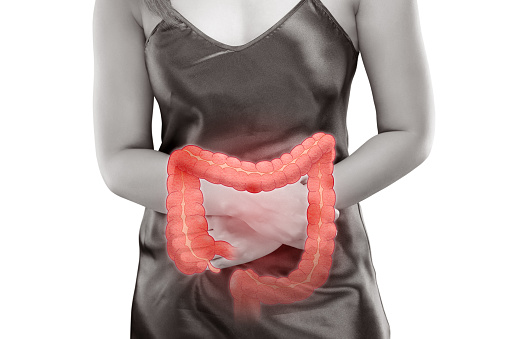
Diverticulitis is a disease affecting the intestinal tract, usually the colon. When tiny pouches are formed in the lining of the intestine they are called diverticula and when they become inflamed it is called diverticulitis.

There are several risk factors that can cause diverticulitis to occur. Age and a diet that is high in fat and low in fiber factor since it affects people more frequently who are over the age of 40. Other risk factors include obesity, a history of smoking and not exercising.

Symptoms of diverticulitis include:
• Loss of appetite
• Fever
• Abdominal cramps
• Upset stomach
• Bloating

Diverticulitis can be diagnosed through a CT scan testing the blood and urine and examining the stool for blood.

Treating diverticulitis is dependent on its severity. In mild cases, it may suffice to adopt a bland diet, drink lots of fluids, and to take an antibiotic. Once the condition has healed, adding fiber to the diet will be beneficial to keeping the intestines functioning properly. In more severe cases, surgery may have to be performed.

All content of this newsletter is intended for general information purposes only and is not intended or implied to be a substitute for professional medical advice, diagnosis or treatment. Please consult a medical professional before adopting any of the suggestions on this page. You must never disregard professional medical advice or delay seeking medical treatment based upon any content of this newsletter. PROMPTLY CONSULT YOUR PHYSICIAN OR CALL 911 IF YOU BELIEVE YOU HAVE A MEDICAL EMERGENCY.